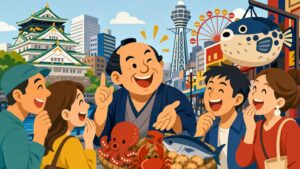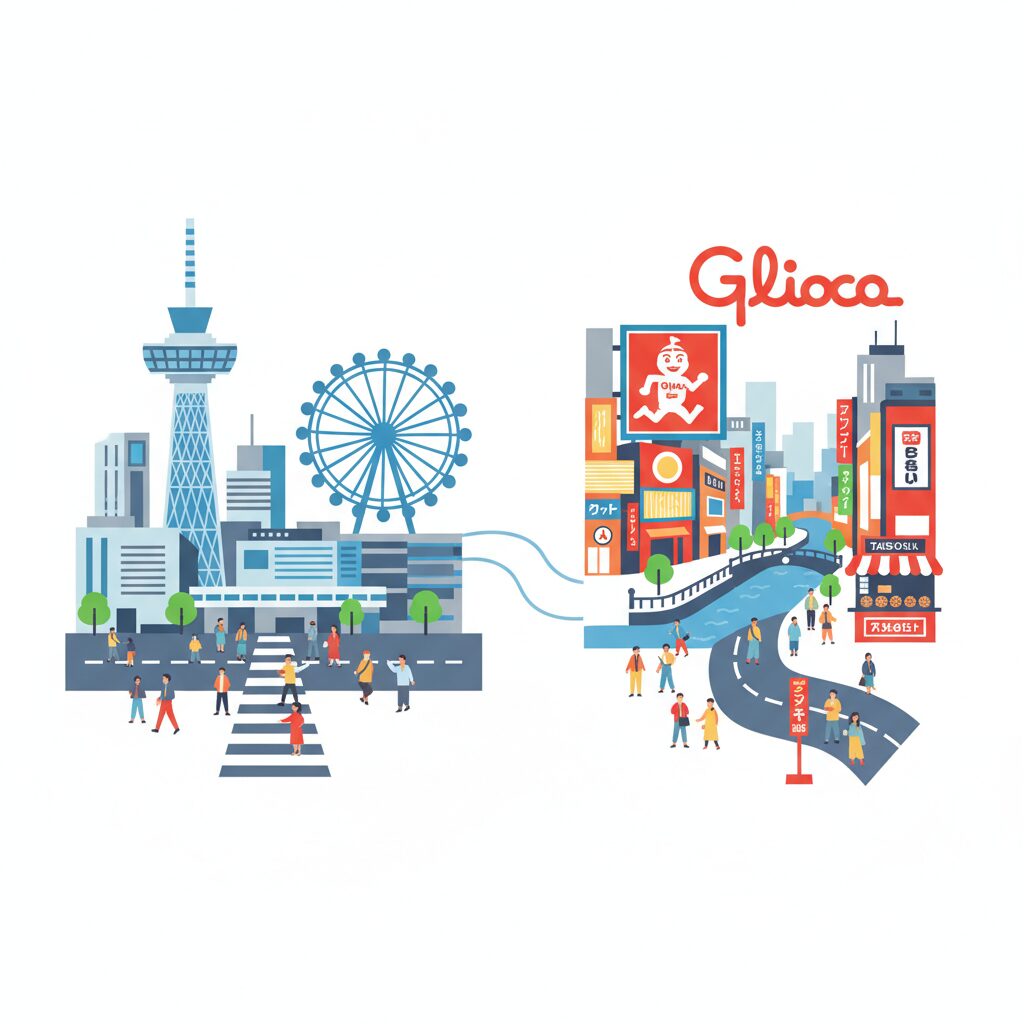
If you’ve lived in Osaka for more than a week, you’ve felt it. It’s a subtle shift in the air, a change in the city’s pulse as you ride the Midosuji subway line. Head north to Umeda, and the world snaps into a crisp, polished focus. The people walk faster, their shoulders are squared, and the city hums with a quiet, electric ambition. Head south to Namba, and the city exhales. The rhythm loosens, the volume cranks up, and the air gets thick with the delicious scent of grilled octopus and the sound of booming laughter. This isn’t just about two different train stations. This is the core duality of Osaka: the North, known as Kita, versus the South, known as Minami. For a newcomer, it’s easy to dismiss them as just two major hubs, but for those of us who call this city home, they represent two different mindsets, two different lifestyles, two different ways of being Osakan. It’s a friendly rivalry etched into the very pavement of the city. Forget tourist maps for a moment. To truly understand Osaka, you need to understand the invisible line that divides it and the two powerful personalities that define it. This is the real tale of two cities, all within one. So which one is calling your name? Let’s take a walk through both and find out.
Many Osaka residents navigate not only the dynamic spirit of Kita and Minami but also the subtle financial challenges posed by chonaikai fees in their daily budgeting.
The Polished Face: Understanding the Kita Mentality
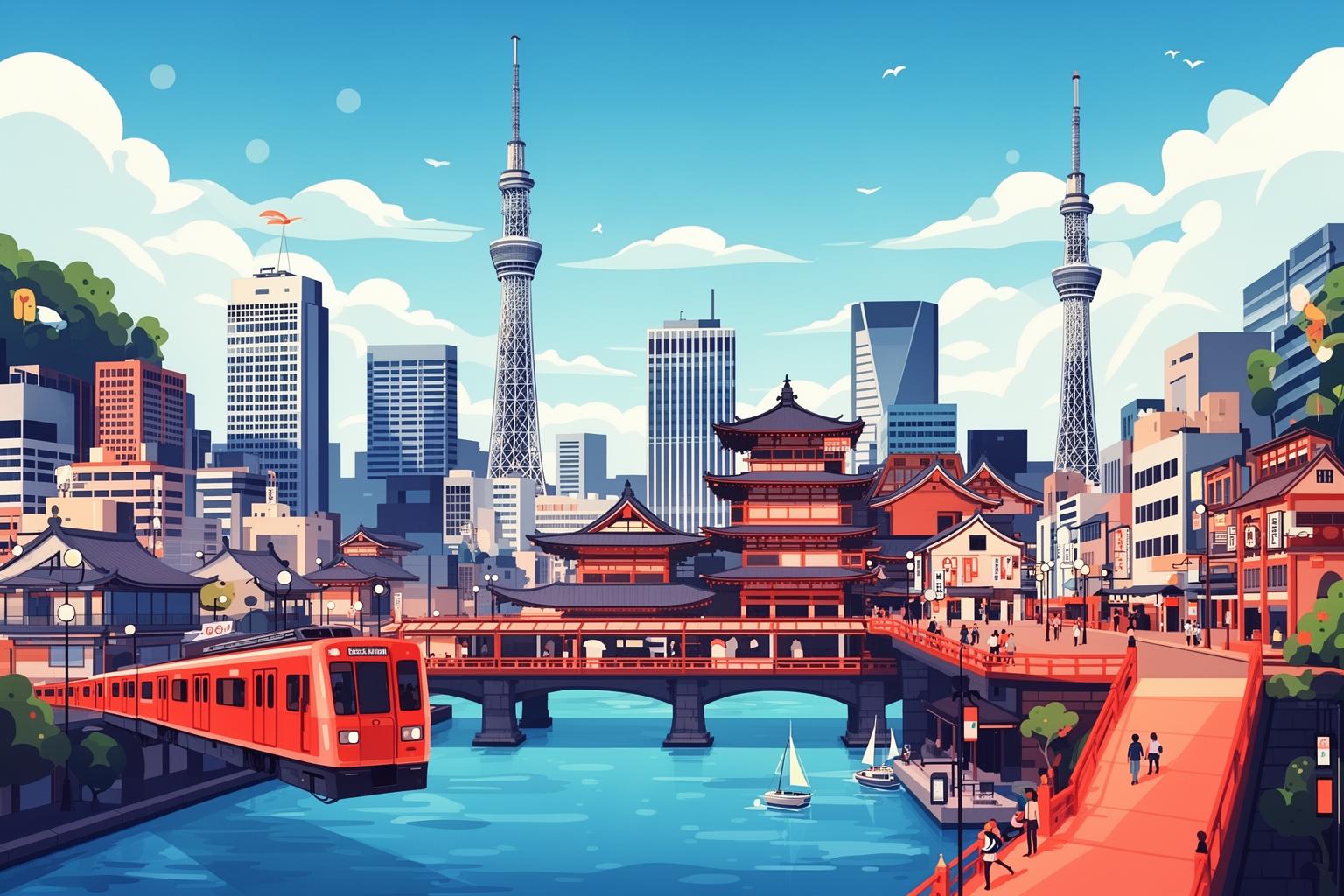
Kita is Osaka’s power suit. Centered around the vast transportation hub of Umeda, this area is the city’s main business, finance, and upscale commercial district. It’s where glass-and-steel skyscrapers dominate the skyline, housing the headquarters of major corporations and the city’s most prestigious department stores. The atmosphere here is sophisticated, efficient, and distinctly formal. If Minami is Osaka’s heart, Kita is its sharp, analytical mind.
The People of Kita: A Study in Understated Style
Observing people in Umeda reveals a lesson in professional elegance. The uniform is not flashy logos but quality and precision. Men wear perfectly tailored dark suits, while women don elegant blouses and wide-leg trousers, carrying leather totes from respected but understated brands. Their movements are deliberate. They navigate the intricate underground passages of Umeda Station with a practiced, focused stride, heading to client meetings or corporate lunches. The energy is not frantic but intensely purposeful. There’s a clear sense that everyone has a destination and a deadline. This Osaka might feel more familiar to visitors from Tokyo, sharing a similar aesthetic with districts like Marunouchi—a commitment to polish and professionalism. It’s the city presenting its best face, showcasing modern, global competence. Conversations are subdued, spoken in a softer version of the famous Kansai dialect, often mixed with standard Japanese in business contexts. It’s Osaka at its most refined.
A Day in the Life: Order and Curation
Daily routines in Kita revolve around quality and convenience. Lunch isn’t a hurried grab of street food; it’s a carefully selected bento box from the basement food halls, or depachika, of the Hankyu or Hanshin department stores. These are culinary wonderlands, but the experience remains orderly. You queue politely, the food is beautifully packaged, and you return to your office to eat at your desk. After-work drinks aren’t about squeezing into noisy izakayas. They’re more likely to take place in a sleek restaurant on the upper floors of the Grand Front Osaka mall, with panoramic city views, or in a quiet, dimly lit cocktail bar in nearby Kitashinchi, Osaka’s upscale entertainment district. The experience is curated, focusing on atmosphere, impeccable service, and quiet conversation. This world contrasts sharply with the joyful chaos of the south. Living with a Kita mentality means valuing structure, aesthetics, and a certain sophisticated distance. It’s a beautiful, functional, and deeply impressive side of the city, keeping its emotions neatly tucked beneath a well-pressed collar.
The Raw Heartbeat: Embracing the Minami Vibe
If Kita is the city’s intellect, Minami is its loud, passionate, and wildly expressive soul. Stretching from Namba Station through Shinsaibashi and down to the vibrant neon lights of Dotonbori, Minami serves as the heart of Osaka’s entertainment, street fashion, and culinary scenes. This is the Osaka known worldwide—the city of kuidaore (‘eat till you drop’), flamboyant signage, and people who wear their emotions openly. The energy here isn’t focused; it’s explosive. It bursts from the ground up, a chaotic symphony of sizzling takoyaki, booming shop announcements, and the constant, friendly chatter of strangers becoming friends.
The People of Minami: Expression and Connection
Stand on the Ebisubashi Bridge in Dotonbori, and you’ll witness the other side of Osaka’s fashion spectrum. Style in Minami is about self-expression rather than conformity. In the alleys of America-mura, or ‘Amemura,’ you’ll find young people in cutting-edge streetwear, vintage pieces, and bold, experimental looks. There’s less emphasis on brand prestige and more on crafting a unique, personal style. People don’t stride here; they meander. They gather in groups, laughing, sharing food, and soaking in the vibrant atmosphere. The famous Kansai dialect rings out here in all its fast, witty, and refreshingly direct glory. Shopkeepers call out to you, not with polite, rehearsed greetings, but with genuine, often humorous invitations to check their wares. Don’t be surprised if a stranger strikes up a conversation while you’re both waiting at a red light. This warmth is the Osaka friendliness everyone talks about—it’s no myth. In Minami, connection is currency. It’s about breaking down barriers, sharing a laugh, and joining in the street’s collective energy. Though it might seem overwhelming at first, once you tune into its rhythm, it’s incredibly welcoming.
A Day in the Life: Spontaneity and Sensation
Life in Minami unfolds on the streets. Lunch means grabbing a steaming tray of takoyaki from a vendor and eating it on the sidewalk while weaving through the crowd. It’s about discovering a tiny, ten-seat ramen shop hidden in an alley. Shopping isn’t a quiet, curated experience; it’s a treasure hunt through the endless covered arcades, or shotengai, like Shinsaibashi-suji. You’re jostled by crowds, tempted by vendors selling everything from inexpensive socks to designer bags, with the aim of finding a bargain and enjoying playful banter with the staff. An evening out involves getting lost in the backstreets of Ura-Namba, a labyrinth of standing bars (tachinomi) and affordable, delicious izakayas. You’ll squeeze in at a counter alongside local office workers, share plates of food, and clink glasses with people whose names you may never know. The emphasis is on simple, visceral pleasures: good food, cheap drinks, and great company. The Minami spirit embraces the glorious messiness of life. It’s spontaneous, a bit rough around the edges, and deeply, authentically human.
A Tale of Two Lifestyles: Choosing Your Daily Scene
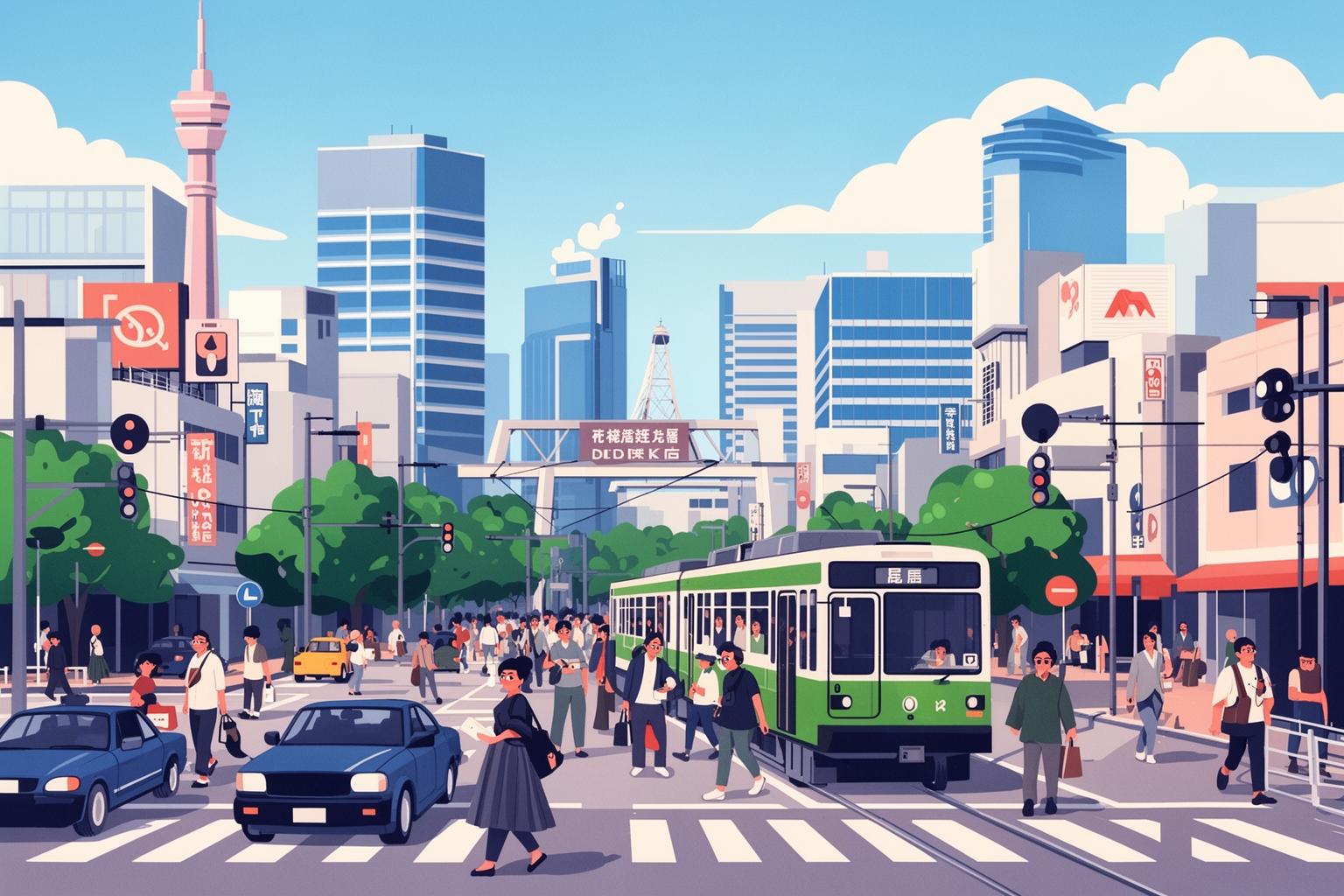
The difference between Kita and Minami goes beyond just where you spend your Friday night; it deeply influences the overall experience of living in Osaka. Your choice will shape not only your social life but also the very rhythm and texture of your daily routine.
The Shopping Divide: Curated Luxury vs. The Thrill of the Hunt
Where you shop reveals much about your mindset. In Kita, department stores are temples of consumer culture. Visiting the Hankyu Umeda Main Store is an event in itself. The displays are artistic, the service impeccable, and the products top quality. You go there for a particular high-end cosmetic, a luxury handbag, or an exquisitely wrapped gift that conveys taste and thoughtfulness. It’s a serene, controlled, and elegant experience.
In contrast, Minami is a bustling, chaotic bazaar. The Shinsaibashi-suji and Ebisubashi-suji shopping arcades offer a sensory overload in the most exciting way. They form a river of people flowing past hundreds of shops, ranging from international fast-fashion brands to long-established family-run stores. Here, you’re not merely purchasing a product; you’re partaking in a spectacle. You hunt for bargains, uncover quirky items you never knew you wanted, and engage with the crowd’s energy. It’s less about refined taste and more about the thrill of discovery and the satisfaction of a good deal.
Social Etiquette: Professional Distance vs. Immediate Familiarity
Unspoken social norms also shift dramatically between the two areas. In Kita, interactions are marked by professional politeness and a comfortable distance. You might exchange pleasantries with a barista, but it’s unlikely to lead to a deep conversation about your day. This isn’t coldness; it’s simply a different social code prioritizing efficiency and a smooth, friction-free public experience.
In Minami, that distance disappears quickly. A fruit stand vendor will ask where you’re from, and the person next to you at the ramen counter might suggest their favorite topping. This can be surprising for foreigners, especially those accustomed to anonymity in other large cities. It’s important to understand that this isn’t an intrusion of privacy but an invitation to connect. Osakans in Minami often use humor and straightforwardness as social glue. A playful tease or candid compliment is a way of saying, “I see you. Let’s share this moment.” Embracing this attitude is essential to fully enjoy the Minami experience, as being overly reserved might be mistaken for unfriendly or arrogant behavior.
So, Are You Kita or Minami?
This isn’t merely a fun personality quiz; it’s a practical consideration for anyone thinking about making Osaka their home. Your response can guide you in selecting a neighborhood that matches your lifestyle and temperament.
If you thrive on order, enjoy a sleek, modern aesthetic, and value easy access to major transportation lines for work or travel, you’re likely a Kita person. The constant noise and crowds of Minami might feel exhausting for everyday life. You would probably be happy living in areas like Nakazakicho, with its quiet cafes and closeness to Umeda, or Fukushima, known for its excellent dining scene that’s a bit more mature than Minami’s. You appreciate a clean, organized environment that serves as a peaceful base from which to engage with the city.
If you’re energized by creative chaos, love spontaneity, and want to be immersed in street culture, you’re definitely a Minami person. The polished vibe of Kita may seem sterile or dull to you. You want to step out of your apartment and be in the heart of it all. You’d enjoy the trendy, fashionable atmosphere of Horie, just west of Shinsaibashi, or the more grounded, local feel of the neighborhoods around Namba Parks. You don’t mind a little grit and noise because, to you, that’s the sound of a city truly alive.
Of course, the great thing is that you don’t have to choose forever. The Midosuji line, the city’s main artery, links Umeda and Namba in just eight minutes. Most Osakans are fluent in both ‘languages.’ They wear their Kita face at work and then let their Minami spirit out to play. Understanding this ability to switch codes is the final key to unlocking the city’s essence. Osaka isn’t one or the other; it’s the dynamic, vibrant, and sometimes contradictory space between its two competing hearts. Finding your own rhythm within this vibrant tension is what truly makes you a resident of this incredible city.