You know the feeling. You step into a Starbucks anywhere in the world, and a wave of comforting predictability washes over you. The hum of the espresso machine, the scent of dark roast, the standardized cheerful greeting. It’s a global language of caffeine and convenience, a reliable third place between home and the office. You grab your Venti whatever, find a plug for your laptop, and dive into the digital stream. It’s efficient, it’s familiar, it’s easy. Now, push open a different door. It’s heavy, wooden, with a small brass bell that jingles softly, announcing your arrival into another dimension. The air is thick with the ghosts of a million cigarettes and the rich, earthy smell of siphon coffee brewed with painstaking slowness. Welcome to a kissaten. This isn’t a third place; it’s a time machine. And in Osaka, these time machines are the city’s living, breathing soul. The question isn’t just about where to get your coffee. It’s about what kind of time you want to live in. Are you on Starbucks time, measured in deadlines and data? Or are you on kissaten time, measured in the slow drip of a coffee siphon and the turning of a newspaper page? Understanding the difference is understanding the heart of Osaka itself, a city that moves to a rhythm all its own, defiantly out of sync with the relentless forward march of modern life. This isn’t just a guide to coffee shops; it’s a map to finding your own pace in a city that values character over conformity.
For those drawn to Osaka’s leisurely rhythm, exploring Sakai’s rich legacy in knife-making and ancient tombs offers a captivating glimpse into another dimension of the city’s heritage.
The Anatomy of a Kissaten: A World Frozen in Amber
Step inside, and the first thing you realize is that time moves differently here. It’s not merely slow; it’s layered. Every item in the room seems steeped in history, from the dark, polished wood of the counter to the slightly faded velvet on the booth seats. This isn’t a carefully crafted retro look; it’s simply…retro. Because it has never been updated. And that is precisely the point.
The Master and Their Sacred Space
Behind the counter, you won’t find a team of cheerful part-timers in green aprons. Instead, you’ll encounter the “Master.” Often a man of ambiguous age who has stood in that very spot for decades, he is the heart and soul of the establishment. He moves with quiet, deliberate grace. He doesn’t greet you with a loud “Irasshaimase!” but with a subtle nod, acknowledging that you have entered his realm. He is not a modern service worker. He is a craftsman, a guardian, an artist. Watching him prepare siphon coffee is a lesson in meditation. Each gesture is precise, refined through tens of thousands of repetitions. The swirl of the bamboo stirrer, the careful measurement of beans, the patient observation of the bubbling water—it’s a ritual. You are not a customer in a transaction; you are an audience watching a performance. This dynamic embodies a core Osaka value: profound respect for shokunin, artisans who devote their lives to mastering a single craft. In a world of disposable everything, the kissaten Master stands as a monument to dedication. He doesn’t ask about your day or try to upsell you a pastry. He simply prepares your coffee perfectly, just as he did yesterday and will do tomorrow. This quiet, dignified presence is worlds apart from the forced friendliness of chain cafés, and for many, it is a more genuine form of hospitality.
The Sensory Landscape: Velvet, Smoke, and Showa-Era Ballads
A kissaten is an assault on the senses—but a gentle one. The visual palette is dominated by dark browns, deep reds, and the warm glow of amber lamps. The heavy furniture is built to last. Chairs and booths are upholstered in plush velvet or worn leather, materials that absorb sound and create a hushed, intimate atmosphere. The air itself has texture. Even in now non-smoking spaces, walls and furniture seem to retain a nostalgic memory of cigarette smoke—a ghostly scent mingling with the aroma of roasting coffee and buttered toast. The soundtrack isn’t a curated Spotify playlist of smooth jazz. It might be an old enka ballad softly playing from a dusty stereo, a crackling AM radio broadcast, or simply the rhythmic ticking of a grandfather clock. This isn’t a space designed for productivity. There are no bright lights or minimalist surfaces encouraging focus. It’s a womb-like environment, insulating you from the outside world. It serves as a retreat, a place to disconnect from the relentless pace of modern life, not a hub to plug into it. This sensory experience clearly states its purpose: a space for introspection, quiet conversation, and the simple act of being.
The Immutable Menu: A Testament to Tradition
Don’t expect a rotating lineup of seasonal pumpkin spice lattes. The kissaten menu is a historical document, often printed decades ago and slipped into a plastic sleeve. It’s simple, stubborn, and perfected. At its core is the “Blend Coffee,” the Master’s signature creation. Beyond that, you’ll find a trio of kissaten classics. The “Morning Set” (or simply “Morning”) is a staple: thick, fluffy toast with butter, a hard-boiled egg, a small salad, and a coffee, all at a remarkably reasonable price. For lunch, you might enjoy “Neapolitan” spaghetti—a ketchup-based pasta dish that embodies Showa-era comfort food—or curry rice that has simmered for hours. And for a treat, there’s the vibrantly green Cream Soda, a melon-flavored soda topped with a scoop of vanilla ice cream and a maraschino cherry. This lack of variety isn’t laziness; it’s a statement of confidence. The Master has perfected these dishes. Why change them? This reflects a deeply embedded Osaka pragmatism—a belief in doing a few things exceptionally well rather than many things adequately. It stands in stark contrast to Tokyo’s trend-chasing ethos, where new concepts and flavors appear and vanish in an instant. The kissaten menu is a rock, steadfast amid a sea of culinary fads.
The Unspoken Etiquette: How to Inhabit Kissaten Time
Walking into a kissaten for the first time can be daunting. It feels like entering a private club where everyone else knows the rules except you. In a sense, that’s true. The etiquette is subtle, unspoken, yet essential for grasping the social essence of the place.
The Unseen Reservations of the Regulars
Take note of the seating. The best spots at the counter often belong unofficially to the regulars, or “jouren-san.” These are the elderly men who arrive daily at the same time to read the sports section, or the groups of neighborhood women who’ve gathered at the same table every Tuesday for decades. They don’t have reservations, but their presence is as much part of the ambiance as the lamps. As a newcomer, your role is to find a quiet table and respect this balance. Don’t plop down at the counter or attempt small talk with the Master unless he initiates it. Don’t disrupt the rhythm. This isn’t about being unfriendly; it’s about recognizing the deep, long-standing bonds that support these establishments. Osaka, more so than Tokyo, is a city of neighborhoods. Life is local, and kissaten serve as the living rooms of their communities. To be a respectful guest, you must first be a quiet observer.
The Crime of Productivity: Laptops and Loud Calls
While some modern kissaten might tolerate it, opening a laptop in a traditional one is considered a social misstep. It breaks the mood. The clatter of a keyboard is as startling as a fire alarm in a library. This space is an analog refuge. The intended activities are reading a physical book, having low conversations, or most importantly, doing absolutely nothing. Staring off into space here is not only acceptable but encouraged. This marks a major difference from the Starbucks “coffice” culture. A kissaten is not a place to get work done; it’s a place to escape work. It’s where your mind can wander, steam rises from your cup, and you exist without a purpose or deadline. This embrace of “unproductive” time is a key part of Osaka’s mindset. Although the city is known for its merchants and fast-paced business style, there’s an equally strong vibe of “ma, ikka” — a laid-back “oh well, take it easy” approach. The kissaten is the physical expression of this philosophy.
Appreciating the Price of Peace
Your coffee may cost 600 or 700 yen, which can seem expensive compared to chain cafes. A foreigner might see the price and assume it’s a rip-off. This is a fundamental misreading of what’s being offered. You’re not just paying for a drink. You’re paying for the space, the time, and the atmosphere. You’re paying for the Master’s decades of skill. Most importantly, you’re paying for the privilege to occupy your seat for an indefinite stretch. No one will ask you to leave. You can linger for three hours with just one cup of coffee, and the Master won’t bat an eye. In a densely packed, costly city, this gift of time and personal space is the true product. This shifts the stereotype of Osakans being obsessed with bargains (“moukarimakka?” – “are you making money?”). It’s not about hunting the cheapest deal. It’s about valuing true worth. And in a kissaten, that value is found in the unhurried, luxurious passage of time that your 600 yen affords you.
The Kissaten Persona vs. The Starbucks Native: A Tale of Two Mindsets

So, who truly fits into these distinct worlds? It ultimately depends on your personality, your needs, and your goals for the day. Choosing a cafe is, in essence, choosing an identity.
Who Flourishes in a Kissaten? The Patient Soul and the Quiet Observer
Those who feel at home in a kissaten are individuals who cherish atmosphere more than amenities. They aren’t in a hurry. They are patient. Perhaps they are writers seeking inspiration, retirees savoring a daily ritual, or students in search of a quiet spot to read a novel. They value the history of a place, the charm of age, and the authenticity of an unchanging environment. They desire a human connection—even if it is non-verbal—with the person preparing their order. They recognize that the silence in a kissaten is not empty; it’s rich with character. This person likely enjoys the neighborhood scale of life in Osaka. They care less about global trends and more about the texture of their immediate surroundings. Their comfort lies not in brands but in familiar faces and a consistently perfect cup of coffee.
Who Requires a Starbucks? The Mover, The Shaker, The Digital Nomad
The natural environment for the Starbucks customer is one of efficiency and connectivity. They need dependable, high-speed Wi-Fi. They need power outlets for their laptops. They rely on a consistent product they can trust, whether they are in Osaka, Seattle, or Singapore. Often working under deadlines, bouncing between meetings, or coordinating across time zones, the cafe serves as a functional extension of their office. They value speed, convenience, and a bright, stimulating atmosphere that fosters productivity. They want to conduct quick business meetings or take work calls comfortably. This isn’t a critique; it’s an observation of modern professional life. For them, the slow, reflective ritual of a kissaten is no solace—it’s a hindrance. The absence of Wi-Fi isn’t a quirk; it’s a deal-breaker.
What the Kissaten Tells Us About Osaka’s Soul
These modest coffee shops are more than mere businesses; they serve as cultural archives. They hold the key to understanding why Osaka feels so distinctly different from its eastern rival, Tokyo.
A Fierce Devotion to the Local and the Familiar
Tokyo is a city of constant change, a whirlwind of trends where new buildings and businesses emerge and disappear at a remarkable pace. While Osaka is also a major metropolis, it maintains a deeper, more resilient loyalty to its institutions. The fact that many kissaten have endured for fifty, sixty, or even seventy years is proof of this. Osakans display a strong “jimo-ai,” or local love. They support their neighborhood shops, their local eateries, and their corner kissaten with fierce pride. A Starbucks opening might be convenient, but the local kissaten is like family. This creates a city fabric that feels more stable, rooted, and personal. Walking through a shotengai (shopping arcade) in Osaka, you sense a history and continuity often missing in the ever-changing wards of Tokyo.
The Spirit of “Ma, Ikka”: A Different Sense of Time
Life in Tokyo often seems governed by the train schedule—precise, punctual, and unforgiving. The city operates on a hyper-efficient clock. Osaka, though still bustling, has a more relaxed relationship with time. The kissaten exemplifies this. The art of making siphon coffee cannot be hurried. Conversations among regulars are not bound by the clock. This reflects the widespread “ma, ikka” attitude—a verbal shrug meaning “oh well” or “it’ll be fine.” It embraces the idea that not everything must be optimized for maximum efficiency. There is a strong belief that some things are worth waiting for, and that the time spent waiting is not wasted. This outlook permeates daily life, making interactions feel less frantic and more human than in the capital.
The Misunderstanding of Osaka “Value”
Newcomers and tourists often hear that Osaka is “cheaper” than Tokyo, and they expect bargain prices on everything. The 700-yen kissaten coffee challenges this belief. Osakans are not cheap; they are shrewd. They excel in cost-performance, but their definition of “performance” is very broad. It’s not just about the product itself. It’s about the experience, the atmosphere, the skill involved, and the relationships built. An Osakan will gladly pay a premium for something they see as offering great value—whether it’s the freshest fish, the funniest comedy show, or the tranquility of their favorite kissaten. They aren’t paying for coffee alone. They are investing in a moment of peace, a piece of their city’s history, and the preservation of a local artisan’s craft. In the Osaka mindset, that is the best deal of all.
Finding Your Rhythm in Osaka’s Cafe Landscape
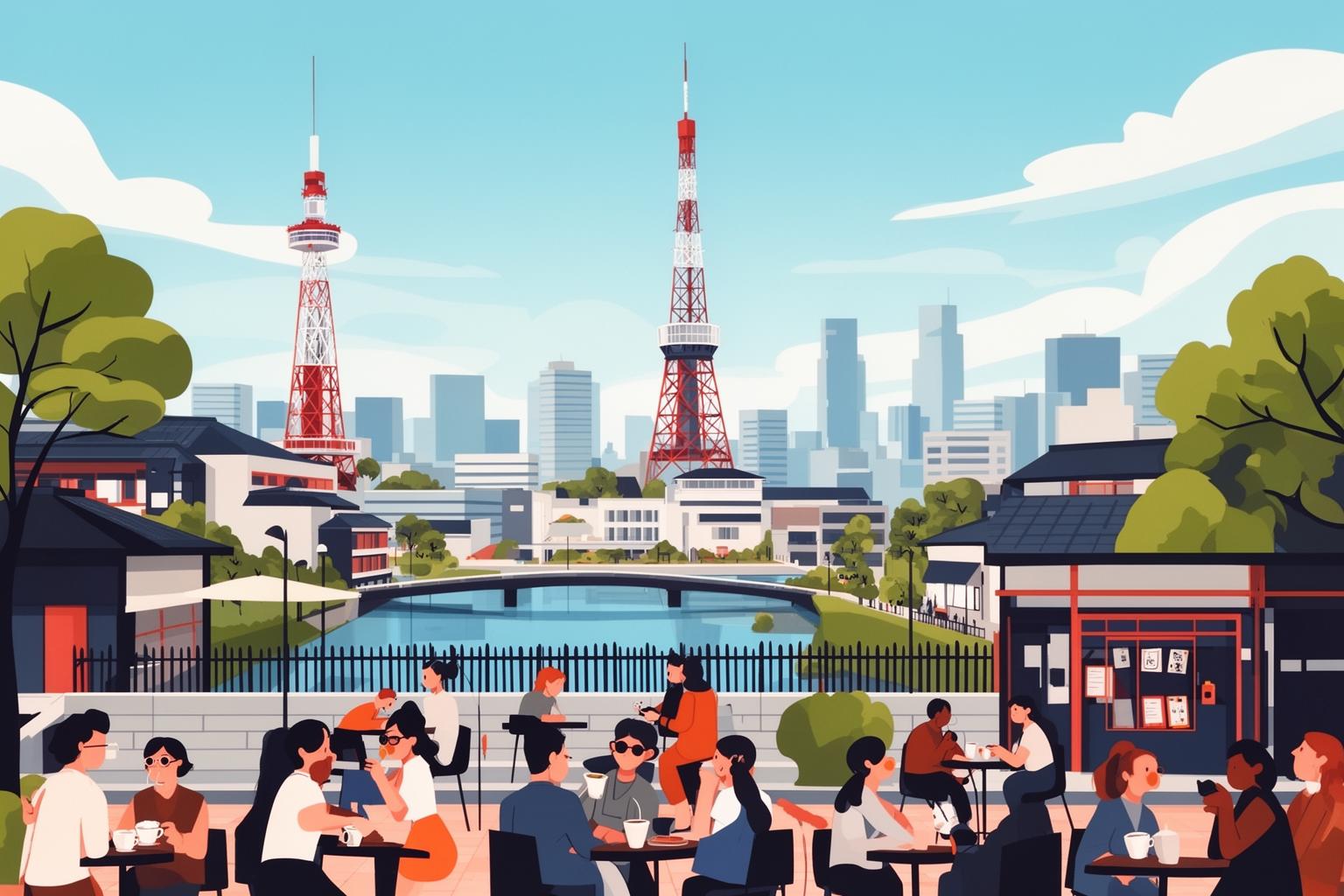
As a resident of this amazing city, you don’t have to pick a side. The charm of Osaka lies in the way these two worlds exist side by side, often just a few doors apart. The key is to understand what you need and when you need it.
A Beginner’s Guide to the Kissaten Experience
If you’re ready to dive in, here’s how to start. Go alone the first time. Don’t visit when you’re pressed for time. Choose a place that looks like it hasn’t changed since 1975. Step inside, find a small table, and order a “Blend Coffee.” Don’t expect lively, enthusiastic service. You’ll receive a polite nod and your coffee. Bring a book, but don’t feel obliged to read it. Just sit. Listen to the quiet sounds around you. Watch the Master at work. Sip your coffee slowly. Let the hectic energy of the city fade away at the door. Stay for about an hour. Pay at the counter on your way out with a quiet “gochisousama deshita” (thank you for the meal/drink). You’ve just experienced one of Osaka’s most cherished daily rituals.
Choosing Your Cafe Based on Your Mission
Think of the city’s cafes as tools for navigating modern life. Have a tight deadline, need to collaborate on a Google Doc, and want to get a solid caffeine fix in a familiar spot? Head to Starbucks. It’s the perfect tool for the task. Feeling overwhelmed, wanting to disconnect from screens, and craving the slow, steady rhythm of your neighborhood? Push open the heavy wooden door of a kissaten. It’s a kind of urban therapy. Living in Osaka means having the freedom to set your own pace. You can join the global rush or step into a time machine. The real magic is knowing that tomorrow, you can always choose differently.