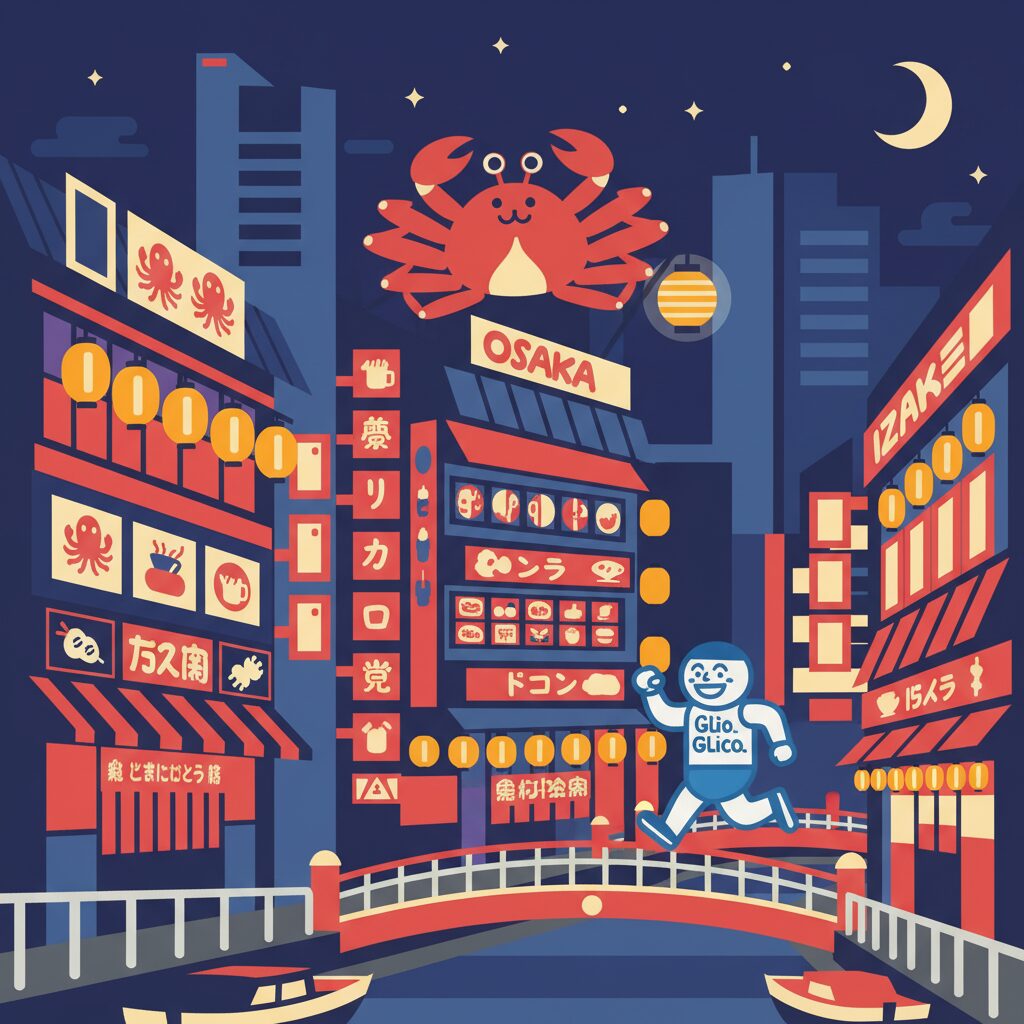
You see them everywhere, once you start looking. Tucked into the quiet side streets of Fukushima, squeezed between ramen shops in Tenma, or glowing softly on the second floor of a weathered building in Juso. They have names like “Lonely Lion,” “Stardust,” or simply “Keiko.” A simple sign, a warm light spilling from a doorway covered by a short, traditional curtain—the noren. You’ve probably walked past a hundred of them. These are Osaka’s neighborhood snack bars, or sunakku, and they are one of the city’s most misunderstood and authentic social institutions. For many non-Japanese residents, these places remain a mystery. Are they private clubs? Are they a bit shady? Can a foreigner just walk in? The hesitation is real, but let me pull back that curtain for you. Because behind it isn’t something intimidating; it’s a window into the true social rhythm of Osaka, a world away from the polished, impersonal bars of the tourist trail. This isn’t just about finding a place to drink; it’s about finding a place to belong, even for just one night. It’s here, in these cozy, time-worn spaces, that you stop being a visitor and start understanding what it really means to live and connect in this vibrant, wonderfully human city.
The intimate spirit of Osaka’s snack bars mirrors the everyday ingenuity of its residents, who also excel at cutting daily living costs in Osaka through savvy local shopping strategies.
What Exactly Is a Snack Bar?
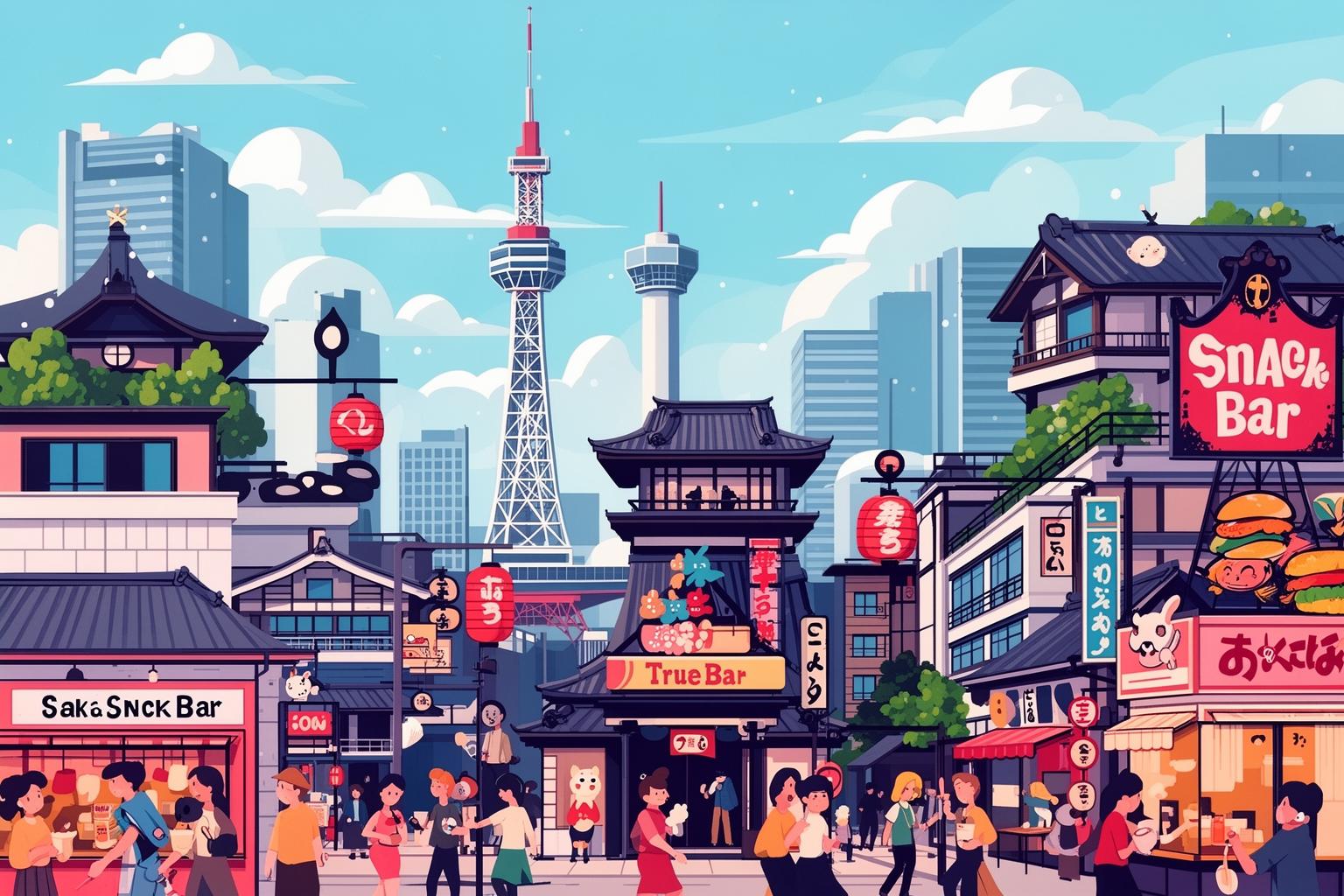
Before you get started, let’s clarify the name. Calling it a “snack bar” is somewhat misleading and often confuses many newcomers. You’re not going there for a full meal. Nor are you really going just for the snacks, although they are included. You’re going for the atmosphere, the conversations, and the unique social environment centered on one key person: the owner.
Deconstructing the “Snack”
Step into a snack bar, take a seat at the counter, and after ordering a drink, the first thing you’ll receive is a small dish. It could be a tiny bowl of seasoned edamame, a handful of assorted rice crackers, or a few slices of pickled daikon. This is the otoshi or tsukidashi. It’s not complimentary; it’s part of your table charge. The “snack” in the name refers to this light dish, a relic from when these places were a level above standing bars but not quite full restaurants. The food is secondary, serving as a simple complement to the drinks and conversation. What you’re really paying for is intangible: your seat at the counter, your entry into the community inside, and your time with the person who keeps it all running.
Meet the “Mama-san” or “Master”
Every snack bar is like a small kingdom, and it has a ruler. If the owner is a woman, she’s called the “Mama-san.” If it’s a man, he’s the “Master.” This person embodies everything. They are bartender, chef, DJ, therapist, and host all rolled into one. Their personality doesn’t just shape the bar; it is the bar. A quiet, thoughtful Master who loves jazz will foster a calm, mellow space where regulars come to relax. A lively, chatty Mama-san who enjoys 80s pop will create a vibrant, energetic room full of laughter and music.
Here is where Osaka’s character truly shines. The Mama-sans and Masters are often quintessential Osakans—direct, straightforward, and masters of witty banter. They have a remarkable talent for reading their customers, knowing when to lend a listening ear, crack a joke to lighten the mood, or gently introduce two strangers at opposite ends of the counter. They remember your name, your job, your favorite drink, and the story you shared last month about your cat. They are the human anchor in the often-anonymous sea of a large city. You are not just a customer; you are a guest in their space, and they are the ultimate host.
The Mysterious “Set Charge”
Now, let’s discuss money, as this is where many foreigners get confused or feel taken advantage of. Unlike a typical bar where you pay only for what you order, most snack bars use a “set charge” system, called the setto ryokin. This is your entry fee. It usually includes the otoshi (the small snack), ice, and water for mixing drinks. For a fixed price—typically around 2,000 to 5,000 yen—you pay for your seat and these basic accompaniments for the evening. Your drinks are added on top of that. Some bars offer a bottle-keep system, where you purchase a whole bottle of whisky or shochu, they mark it with your name, and it stays behind the counter for your future visits. This signifies a true regular. If karaoke is available, it might cost a small additional fee per song or a flat rate for the night. Although it might seem complicated, this system is built on relationships rather than transactions. The set charge is more than a cover fee; it’s a payment for the experience, the atmosphere curated by the Mama-san, and your place in that temporary family for the evening. It’s a wonderfully inefficient, human-centered system that stands in stark contrast to the impersonal, pay-as-you-go nature of modern life.
The Osaka Difference: Why Snack Bars Thrive Here
While snack bars can be found throughout Japan, they feel especially at home in Osaka. The city’s culture, mindset, and social dynamics create the ideal environment for these intimate establishments to thrive and flourish. They directly reflect the Osakan spirit, which often defines itself in contrast to the more formal and reserved culture of Tokyo.
The Anti-Tokyo Social Club
In Tokyo, social life often feels structured and segmented. You go out with your work colleagues, university friends, or hobby group. Crossing between these circles is less common, and striking up a conversation with a stranger in a bar can be met with polite confusion. It’s not unfriendly, just… orderly. Osaka runs on a different wavelength. It’s a city built by merchants, where communication and quickly building rapport were essential for business and survival. That legacy continues in the city’s social life. People are more porous, more open to spontaneous interactions.
The snack bar is the perfect stage for this. It’s where a construction worker, a bank manager, and a university student might sit side-by-side, drawn into a single, flowing conversation by the Mama-san. The social and emotional entry barriers are lower. While intimidating ichigen-san okotowari (no first-time customers) signs appear in exclusive parts of Kyoto, they’re much rarer in Osaka. Here, a new face is often seen not as an intrusion, but as a new story, a new voice to add to the chorus.
Conversation as a Contact Sport
In a Tokyo bar, you might hear polite murmurs and quiet conversation. In an Osaka snack bar, you’ll hear raucous laughter, playful arguments, and the distinct rhythm of manzai comedy unfolding in real time. Conversation here is not passive; it’s a dynamic exchange. The foundation of Osaka humor is the rapport between the boke (the comic fool) and the tsukkomi (the straight man who retorts). This dynamic is everywhere. Someone says something slightly absurd, and another immediately jumps in with a witty comeback. It’s a sign of affection—a way of engaging that is both critical and caring.
The Mama-san acts as both referee and star player in this game. She’ll gently tease a regular about a bad haircut, congratulate another on a recent success, and draw a quiet newcomer into the fold with a simple question. Conversations ebb and flow, jumping from baseball to politics to relationship troubles. It’s messy, it’s loud, and it’s incredibly inclusive. It’s the sound of a community being actively built, one joke and one shared story at a time.
Karaoke: More Than Just Singing
If the Mama-san is the heart of the snack bar, the karaoke machine is its soul. But this isn’t your typical private, soundproofed karaoke box. This is public performance, though the goal isn’t to be a star. In fact, singing too well can sometimes be awkward. Snack bar karaoke is about participation, enthusiasm, and a touch of vulnerability. It’s a communal ritual.
The etiquette is unspoken yet essential. You clap and cheer for everyone, no matter how off-key they might be. You don’t hog the microphone. You pick songs that match the mood—a nostalgic ballad for quiet moments, an upbeat pop tune to energize the room. When you sing, you’re not just performing for yourself; you’re offering something to the group. It’s a way of sharing a piece of your personality without saying a word. It breaks down barriers faster than anything else. After belting out a cheesy duet of a classic ‘80s hit together, you’re no longer strangers. You’re comrades.
A Foreigner’s Field Guide to a Snack Bar Night
Alright, you’re convinced and ready to step beyond the noren. But how do you do it without feeling like you’re intruding on a private party? It’s simpler than you imagine. A bit of preparation and the right mindset are all you need to access this amazing experience.
Choosing Your Door
Your first task is selecting the right spot. As you stroll through neighborhoods like Nakazakicho or Shinsaibashi’s backstreets, stay alert. The friendliest places often give subtle hints. A window, even a small one, that lets you peek inside is an excellent sign. It shows they have nothing to hide. You can assess the vibe: is it lively? Quiet? Does it seem like your kind of crowd? A snack bar with an English menu or sign outside is an obvious invitation, though these are uncommon. More often, you’ll need to go by feelings. Look for a neat, tidy entrance. Listen for laughter. If a place feels right, it probably is. If you’re feeling nervous, start in an area like Tenma, which has a large concentration of bars and a younger, more open-minded crowd. The owners there tend to be more used to seeing foreign visitors.
The First Ten Minutes: Making a Good Impression
This is the crucial moment. Take a deep breath, pull back the curtain, and step inside. Your first words matter. A clear, confident “Konbanwa!” (Good evening!) goes a long way. You might catch everyone’s attention for a moment. Smile. It shows friendliness and respect.
Head straight to the counter. The counter is where the action is—it’s the heart of the bar. Avoid taking a table in the back, even if it’s available. The energy of the bar centers at the counter. The Mama-san will probably point you to a seat. When you sit, she’ll likely ask a few questions, starting with where you’re from. This isn’t an interrogation but a way to start a conversation. Be open and warm. Answer her questions, then ask some of your own. “How long has this bar been open?” “Are you from Osaka?” Show genuine interest.
For your first drink, keep it simple. Beer (biiru), a highball (haiboru), or shochu with water (mizuwari) are all safe choices. This isn’t the place for a complicated craft cocktail. The first ten minutes are about demonstrating you’re here to relax, enjoy the atmosphere, and respect the space.
Navigating the Unspoken Rules
Once you’ve settled in, keep a few subtle rules in mind. These distinguish a welcomed guest from an awkward tourist.
First, don’t nurse one drink for hours. Small snack bars rely on a steady flow of orders. A good rule is to order a new drink about every hour. After all, the Mama-san is running a business.
Second, be open to conversation, but learn to read the room. If the person next to you makes eye contact, that’s an invitation to talk. If they’re staring into their glass, they probably want some quiet. The Mama-san often serves as a bridge, but if you want to start chatting yourself, a simple “Kanpai!” (Cheers!) to your neighbor when you raise your glass is a great icebreaker.
Third, buying a drink for someone—the Mama-san or another customer—is a powerful social gesture. It’s not expected, but if you’re enjoying a great conversation, offering to purchase their next drink is a sign of generosity and goodwill that will be sincerely appreciated.
Finally, when it’s time to leave, the bill might be a round figure that the Mama-san calculates in her head. This is normal. It’s based on the set charge, your drinks, and maybe karaoke. Questioning every item is seen as a little rude. It’s a system built on trust. Just pay, say a heartfelt “Gochisousama deshita!” (Thank you for the meal/drinks) and “Oishikatta desu!” (It was delicious!), and you’ll leave a great impression.
What Snack Bars Reveal About Osaka’s Soul
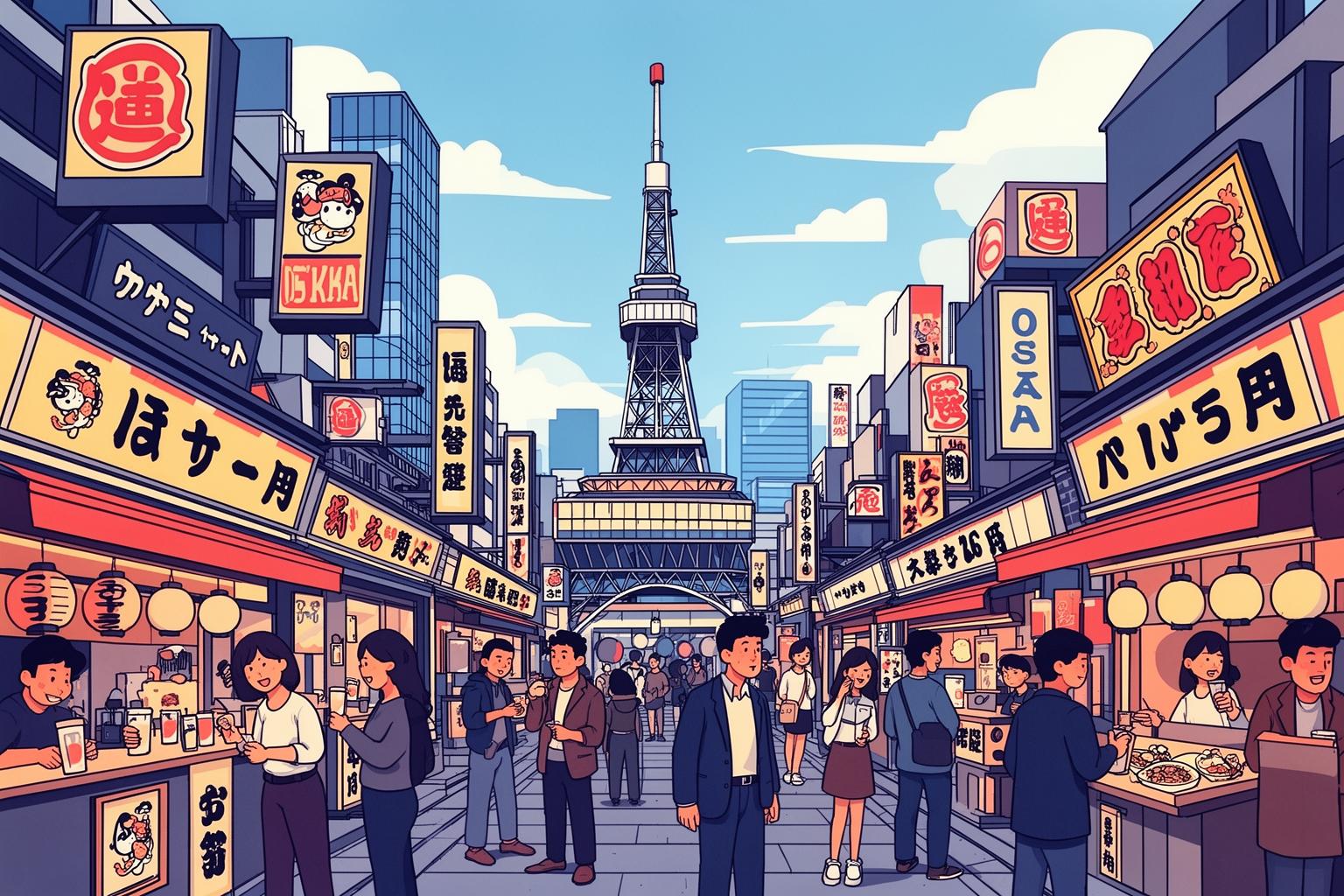
Spending an evening at a snack bar is more than just an enjoyable night out; it’s an immersive experience into the cultural DNA of Osaka. These small, unassuming establishments serve as microcosms of the city’s values and social fabric, revealing insights you won’t encounter in any museum or guidebook.
Community in a Megacity
In a vast metropolis like Osaka, it’s easy to feel anonymous and isolated. The snack bar offers a remedy to that loneliness. Sociologists refer to it as a “third place”—a neutral space that is neither home (the first place) nor work (the second place), but one where community is nurtured. For regular patrons, their local snack bar becomes an extension of their living room. It’s where they celebrate promotions, grieve losses, gripe about their spouses, and receive advice from the Mama-san and other customers. It’s a chosen family. By welcoming outsiders into this space, Osakans express a fundamental part of their identity: a belief that community is something you build actively, day by day, drink by drink.
The Value of “Regulars” (`Jouren-san`)
The whole snack bar culture revolves around the idea of the jouren-san, the regular customer. Becoming one is a process. On your first visit, you’re a guest; by the second, a familiar face. By the third or fourth visit, you start becoming woven into the fabric of the place. The Mama-san will greet you by name, recall your last story, and ask how things have changed. She might even reserve a special dish just for you. This change is significant. It marks a shift from a solely commercial interaction to a personal one. In a world increasingly dominated by impersonal transactions and algorithm-driven suggestions, the status of a jouren-san highlights the importance of loyalty, familiarity, and human connection. It offers a distinctly different experience from the efficient but impersonal service often found in Tokyo, where consistency often outweighs personality.
Authenticity Over Polish
Snack bars are seldom stylish. Their décor is typically an eclectic, sometimes chaotic mix of items the owner has gathered over years: celebrity posters, photos of regulars on fishing trips, children’s drawings, and a dusty array of ceramic cats. The furniture may be worn, the lighting a bit dim. But this isn’t a drawback; it’s intentional. A snack bar doesn’t aim to be a sleek, contemporary cocktail lounge. It’s an honest reflection of the owner’s personality and history.
This preference for authenticity over polish is a deeply ingrained Osaka trait. The city values substance over surface, reality over pretense. It’s a place that’s a little rough around the edges—and proud of it. A snack bar isn’t a curated brand experience but a slice of life. When you enter, you’re stepping into someone’s personal history, tastes, and memories. Being welcomed there is a genuine honor. It’s the real Osaka—raw and unpretentious—waiting for you just behind a simple noren curtain.
So next time you stroll down a quiet street and see that soft, inviting glow, don’t just pass by. Pause. Take a chance. Slide open the door. You may not know anyone inside, but you’ll discover something far more valuable than just a drink. You’ll find a piece of the city’s heart, a community at the counter, and a night you’ll never forget.