
The first time you see a Super Tamade, you’ll likely stop in your tracks. It’s not a gentle discovery. It’s a full-frontal assault on the senses, an incandescent beacon of glorious, unapologetic tackiness that appears, often at night, like a fever dream. Blazing yellow and crimson signs flash with the intensity of a pachinko parlor. Giant, crudely drawn illustrations of groceries dance in a chaotic ballet of LEDs. The very air seems to vibrate with a low, commercial hum. Your mind, conditioned by the curated serenity of most Japanese retail spaces—the quiet dignity of a Kyoto tea shop, the minimalist chic of a Tokyo department store—struggles to compute what it’s seeing. Is it a casino? A strange theme park? A cry for help? No. It’s a supermarket. And it might just be the most important classroom for understanding the soul of Osaka.
This isn’t your typical grocery run. This is a cultural immersion. Forget the polished floors and deferential greetings of the high-end chains you might find in the Umeda department stores. Tamade is raw, loud, and brutally pragmatic. It’s a place that strips away the elegant pretenses of modern Japanese aesthetics and reveals the city’s true engine: the relentless, savvy, and deeply ingrained spirit of the merchant. To shop at Tamade is to participate in a daily ritual that defines a huge segment of Osaka life. It’s a world away from the tourist trails of Dotonbori, yet it explains the mindset behind that very district far better than any guidebook. This guide is your key to unlocking it—not just to find the cheapest can of coffee, but to decipher the economic and social grammar of this incredible city. Prepare yourself. We’re going in.
As you navigate the sensory onslaught of Super Tamade, you might also be intrigued to explore Osaka’s morning ritual to see how the city’s early day energy sets the stage for its vibrant daily life.
The Tamade Aesthetic: An Assault on the Senses, a Balm for the Wallet

To truly grasp Tamade, you first need to embrace its visual language. It embodies a philosophy of anti-design, a masterclass in what Osakans might call gote gote—a style so cluttered, gaudy, and excessive that it loops back to become its own kind of brilliance. This is no accident; it’s a deliberate tactic rooted in the city’s commercial heritage. In a city of merchants, you must shout to be heard, and Tamade does just that.
Neon Dreams and Pachinko Palaces
The exterior of a Super Tamade is its most recognizable feature. The color palette is a striking clash of canary yellow and fire-engine red, chosen for their raw, attention-grabbing impact. Forget subtle branding or refined logos. The name is emblazoned in thick, bold katakana, often surrounded by flashing, chasing LED lights that feel right at home in Las Vegas. These lights don’t simply glow; they pulse, blink, and race around the building’s facade, creating a continuous, frantic sense of motion. This is not mere decoration but a signal. In the fiercely competitive, no-frills neighborhoods where Tamade thrives, this visual chaos is a declaration of war on high prices. It shouts, “ELEGANCE IS EXPENSIVE! WE ARE NOT ELEGANT! COME AND SAVE!”
Compare this to a typical Tokyo supermarket like Seijo Ishii or Queen’s Isetan. There, you’ll find muted earth tones, tasteful wood accents, and elegant typography. The message focuses on quality, origin, and a sophisticated lifestyle. Tamade’s message is simpler and much more direct: value. The pachinko-parlor aesthetic is intentional. It taps into a visual culture linked to entertainment, excitement, and the tantalizing possibility of a jackpot. At a pachinko parlor, the prize is a cascade of silver balls. At Tamade, it’s a carton of eggs for 80 yen.
The Soundtrack of Savings
Step inside, and the sensory overload continues. The soundscape of a Tamade is as distinctive as its visual style. There’s no soft, instrumental background music to lull you into relaxed consumerism. Instead, you’re hit with a wall of sound. First, there’s the store’s jingle—an upbeat, maddeningly repetitive tune that burrows into your brain and lingers for days. It’s a low-budget, high-energy earworm that becomes the frantic soundtrack to your bargain hunt.
On top of this layer are the constant, looping announcements blasted over the public address system. A high-pitched, energetic voice, often pre-recorded, shouts the day’s specials with the urgency of a stock market trader. “Time service! Time service! Fresh tuna now on sale for a limited time! Don’t miss out!” These aren’t suggestions; they’re commands. The sound is often slightly distorted, loud, and relentless. It creates an atmosphere of nonstop activity, of deals happening right now that you’d be foolish to miss. This contrasts sharply with the hushed reverence of upscale stores, where staff announcements are rare and discreet. In Osaka, commerce is loud. It’s a conversation, a negotiation, a performance. The Tamade soundtrack is simply the city’s natural voice, amplified and set to a beat.
Cracking the Code: How to Navigate the Aisles of Chaos
Shopping at Tamade is not a passive activity. It demands a strategy, sharp observation, and a readiness to accept a degree of disorder. The store is not meant for a calm, predictable walk-through; it’s designed as a hunt. If you shop with the mindset of a planned, list-driven buyer, you’ll likely be frustrated. But if you take on the role of an urban forager, you’ll be rewarded.
The Treasure Hunt Layout
Forget the orderly, grid-like arrangement typical of modern supermarkets, where dairy is in one area and produce in another. Tamade’s layout often feels as if a dart was thrown blindly at a blueprint. Key items like milk or bread might be tucked away in a far corner, compelling you to weave through a maze of seemingly unrelated products to find them. Stacks of instant noodles may be positioned right at the entrance, creating a choke point. The frozen food section might be strangely divided into three separate spots. This is not poor planning; it’s intentional. This chaotic setup forces you to wander, explore every aisle, and examine every shelf. Along the way, you’re bound to discover deals you weren’t expecting. You might start out looking for soy sauce and end up with three packs of discounted sausages, a bag of unknown citrus fruit, and a new appreciation for fish-paste snacks. What might have been a dull errand becomes an adventure, a treasure hunt where the reward is saving a few hundred yen.
The 1-Yen Sale: The Holy Grail of Osaka Bargain Hunters
The most famed of Tamade’s promotions is the 1-yen sale. Here, the store’s philosophy shines in its purest form. The concept is simple: spend a certain amount, usually 1,000 yen, and you qualify to buy a special item of the day for the ridiculously low price of one yen. This item can be anything—a can of soda, a block of tofu, a small bag of onions. The economic logic is secondary to the psychological impact it creates. Scoring something for almost nothing is hugely motivating. Lines form for these deals. Shoppers carefully plan their purchases to reach the 1,000 yen threshold and proudly carry their one-yen prize to the checkout like a trophy.
This is more than just saving 99 yen on a can of tea. It’s a victory. It’s a mental game against the system, and winning feels rewarding. It builds a feeling of being a smart, savvy consumer—a valued identity in Osaka culture. The 1-yen sale is a piece of commercial theater in which every shopper participates. It generates excitement and loyalty in ways a simple 10% discount never can. It appeals to Osaka’s love of a good story, a good deal, and the thrill of the chase.
Decoding the Price Tags
In most supermarkets, prices are simply printed. At Tamade, pricing tells a dynamic story through handwritten signs and multiple layered stickers. A pack of pork might have its original price, but then a new sticker saying “20% OFF” is added on top. Later, yet another sticker may be placed over that: “半額” (hangaku – half price). These stickers create a visual timeline of an item’s journey towards its expiry. The messages are written boldly, often with exclamation marks, conveying urgency and opportunity.
This system represents radical transparency. The store doesn’t try to hide that an item is nearing its expiration; instead, it promotes it as a selling point. This taps directly into the Japanese concept of mottainai, the profound cultural disdain for waste. In Osaka, this concept becomes a tool. Mottainai justifies fantastic bargains. A savvy shopper knows how to read these signs. They understand the store’s rhythm and can anticipate when markdown staff will make their rounds. They can spot the difference between a 20% discount and a true half-price steal from across the aisle. Shopping here becomes an art, a skill sharpened by experience and observation. You don’t just buy food at Tamade—you outsmart the system.
The People of Tamade: A Cross-Section of Osaka Life
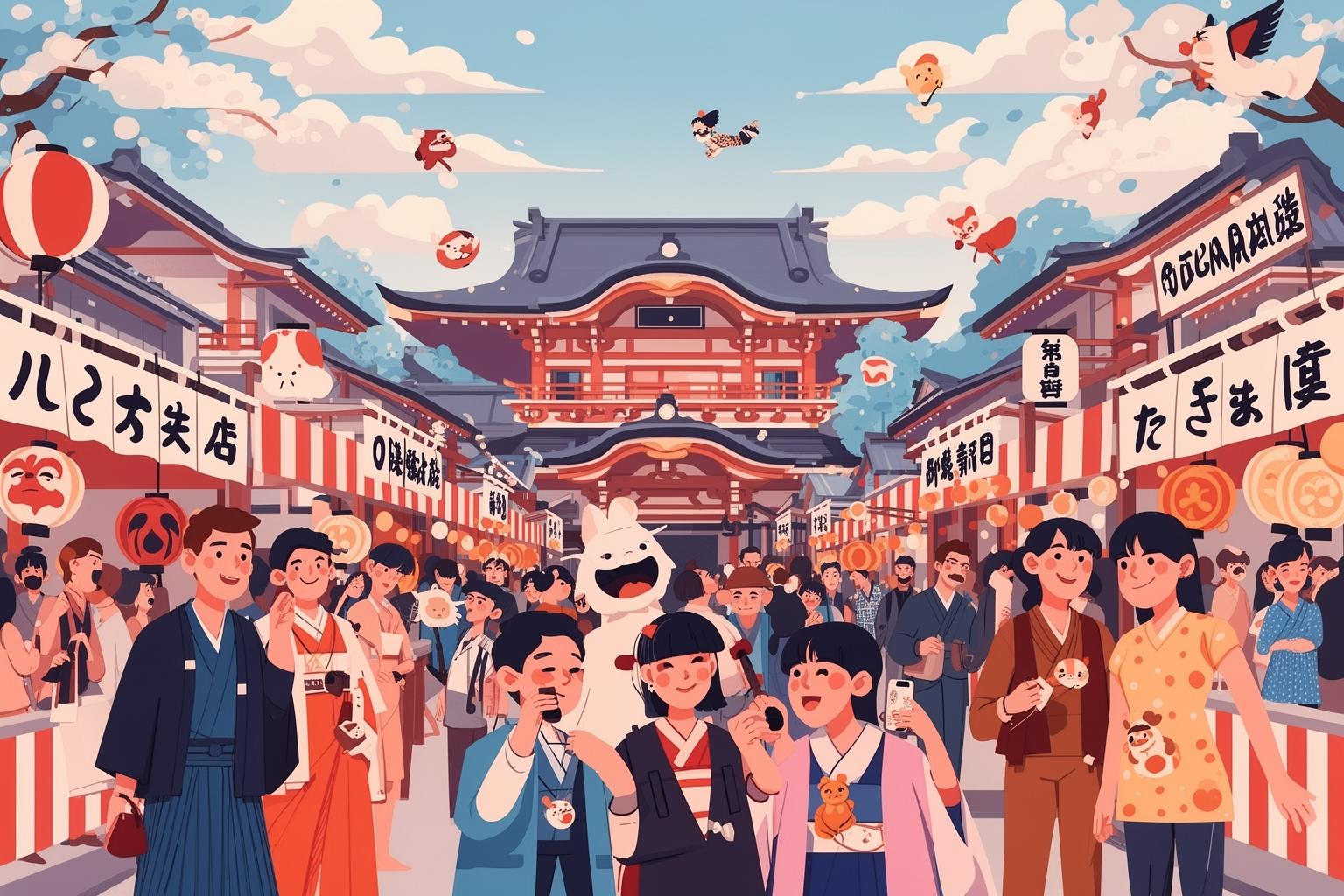
A supermarket serves as a reflection of its community, and Tamade captures a lively, straightforward, and diverse snapshot of Osaka. The people who shop and work here embody the city’s pragmatism and resilience. Watching them is as enlightening as visiting any museum.
The Shoppers: Experts in Frugality
Tamade’s clientele spans all demographics, united by one strong motivation: seeking value. You’ll find university students with bare cupboards, their carts loaded with instant ramen, inexpensive pasta, and discounted energy drinks. You’ll see young families skillfully navigating crowded aisles with children in tow, stocking up on weekly essentials. But the true masters of the Tamade universe are the elderly, especially the obachan (grandmothers). They are the seasoned commanders of this retail battleground.
Observe them in action. They move efficiently, their eyes expertly scanning shelves. They don’t just grab a daikon radish; they inspect it, feel its weight, and tap it, assessing its freshness like experienced farmers. They bring reusable bags, often with wheeled carts, prepared for a large haul. They know the staff by name. They know exactly when fresh bread arrives and when evening discounts on bento boxes begin. Their shopping is no casual outing; it’s a mission carried out with precision and skill. They embody Osaka’s spirit of shikkarishiteru—solid, dependable, and savvy. They waste neither time nor money.
The Staff: Calm in the Midst of Chaos
The employees at Super Tamade are the unsung heroes of this bustling environment. Don’t expect the formal, almost ritualistic customer service seen in Ginza department stores. Service at Tamade is defined by speed and efficiency. Cashiers work at lightning speed, scanning items, stating totals, and handling payments within seconds. There’s little room for small talk. The priority is to keep the line moving. This directness can sometimes be mistaken by foreigners or those used to more elaborate service as brusque or unfriendly. However, this reflects Osaka’s service philosophy.
In Osaka, good service is characterized by straightforwardness and efficiency, not formality. Staff aren’t there to be your friends; their role is to complete transactions quickly because they value your time as much as their own. They restock shelves on the fly, rush to display discounted items before spoilage, and manage a steady flow of demanding customers. Their attitude isn’t rude but deeply focused. They are the crucial components of a constantly running machine, and their no-nonsense approach mirrors the store’s core identity: practical, direct, and free of pretense.
The Merchandise: From Daily Staples to Culinary Curiosities
The products on Tamade’s shelves directly mirror its philosophy. You’ll find all the national brands of soy sauce, miso, and snacks you’d expect elsewhere, often offered at a slight—but meaningful—discount. However, the true essence of the Tamade experience lies in its own prepared foods, its variable-quality produce, and the occasional genuinely bizarre item that makes you question everything.
The Infamous Bento and 惣菜 (Sōzai)
Tamade’s prepared foods section has achieved legendary status. It’s a vast array of fried items, mysterious croquettes, and pre-packaged meals, all available at unbelievably low prices. The 250-yen bento is a symbol of budget survival. What’s inside? Typically a bed of rice, a piece of fried fish or chicken of uncertain origin, some pickled vegetables, and perhaps a small, lonely-looking sausage. Is it gourmet? Absolutely not. Is it a hot, filling meal for the price of a coffee? Yes. This is where Osaka’s famous slogan, kuidaore (eat until you drop or go bankrupt), meets stark economic reality. Tamade offers a way to embrace the kuidaore spirit of indulgent eating without the bankruptcy. The sushi packs, often priced under 500 yen, are another point of debate. Purists may cringe, but for those needing a quick, inexpensive protein fix, they serve their purpose. The sōzai (side dish) section is a chorus of browns—a plethora of fried chicken, tempura, and croquettes, sold by the piece for as little as 50 yen. It’s a tribute to the city’s love for hearty, no-frills food that satisfies hunger without draining your wallet.
Fresh…ish Produce and Meat
Shopping the perishables at Tamade requires a keen eye. The quality of fruits, vegetables, and meat can be inconsistent. You might find perfectly good bags of spinach or mushrooms beside slightly wilted lettuce or bruised apples. The meat section follows a similar pattern. The key is to stay flexible and observant. You don’t shop at Tamade with a fixed recipe in mind. Instead, you see what’s good that day. If the pork is heavily discounted and looks fresh, tonight is pork night. If the cabbage is crisp and inexpensive, you’re making okonomiyaki. This shopping style demands a dynamic and responsive approach to cooking—one that many Osakans, raised in a culture of resourcefulness, have perfected. It’s about adapting your plans to the opportunities in front of you, a core principle of the merchant mindset.
What You Should and Shouldn’t Buy
For newcomers, here’s a practical survival guide to shopping at Tamade. Buy without hesitation: pantry staples. Items like cooking oil, flour, sugar, salt, and spices are the same as those found elsewhere but cheaper. Canned goods, dried noodles (udon, soba, ramen), and pasta are reliable choices. The snack and drink aisles are treasure troves of bargains on national brands. Be a savvy shopper with: produce and meat. Purchase what looks fresh and plan to use it promptly. Markdown stickers are your allies, but they also come with a ticking clock. Exercise caution with very cheap, pre-made sushi. It’s a rite of passage for some and a source of regret for others. Use your judgment: if it’s late in the day and the fish looks tired, it’s probably wiser to choose the fried chicken instead. The Tamade experience is about learning to trust your consumer instincts, a valuable skill all across Osaka.
Tamade as a Metaphor for Osaka

Super Tamade is more than merely a place to purchase inexpensive groceries. It is a living, breathing institution that embodies the very spirit of Osaka’s character. To truly grasp Tamade is to grasp the city’s history, its aesthetic values, and the practical mindset of its people. It is a cultural text cleverly disguised as a supermarket.
Pragmatism Over Polish
At its heart, Tamade is a sanctuary of pragmatism. Every element of the store, from its gaudy lights to its disorderly layout, is designed with one goal in mind: to move a large volume of products at the lowest possible prices. There is no budget for elegant interior design, soothing background music, or staff trained in the subtle arts of formal customer service. Every yen saved on overhead costs is a yen saved for the customer. This unwavering focus on function over form reflects the essence of Osaka itself. While Tokyo has historically been the center of government, ceremony, and samurai culture—a culture that prizes form, etiquette, and appearance—Osaka has always been the city of merchants, craftsmen, and laborers. It was the nation’s kitchen, where goods were gathered, traded, and sold. In this environment, results mattered more than appearances. A deal took precedence over a bow. This pragmatic, straightforward attitude endures today, and Tamade stands as its modern-day cathedral.
Embracing the “Gote Gote” Aesthetic
Tamade’s visual style exemplifies the gote gote aesthetic that is so common in Osaka. It stands in stark contrast to the refined, subtle minimalism often linked to traditional Japanese design. Gote gote is loud, dense, and brimming with competing elements. It is the visual language of the Dotonbori billboards, the vibrant Shinsekai district, and crowded okonomiyaki stands. In Tokyo, such a style might be criticized as unsophisticated or in poor taste. In Osaka, it is celebrated as a symbol of vitality, energy, and prosperity. A quiet, sparsely decorated storefront signals a struggling business. A loud, cluttered, brightly-lit storefront like Tamade’s signifies success. It sends a message of abundance and excitement. Tamade’s refusal to follow a more subdued aesthetic is a proud assertion of its Osakan identity.
A Community Hub in Disguise
Despite its chaos and commercialism, Super Tamade fulfills a crucial social role. In the working-class neighborhoods it serves, it is a cornerstone of everyday life. It is more than just a store; it is a community hub. The elderly shoppers who meet in the aisles each morning are not simply buying groceries; they are checking in on one another. The low prices enable families on tight budgets and students living alone to eat well. Tamade acts as a great equalizer. Within its flashing walls, everyone—from pensioners to young artists to recent immigrants—is united in the search for a good deal. It offers a shared experience, a common language of discounts and daily specials. This is the hidden reason behind Osaka’s reputation for friendliness. It is a warmth born not from formal politeness but from a shared struggle and mutual understanding of the daily hustle. Shopping at Tamade makes you part of this fabric. You cease to be a mere observer; you become an active participant in the real, everyday life of the city. And that is a bargain worth far more than one yen.