
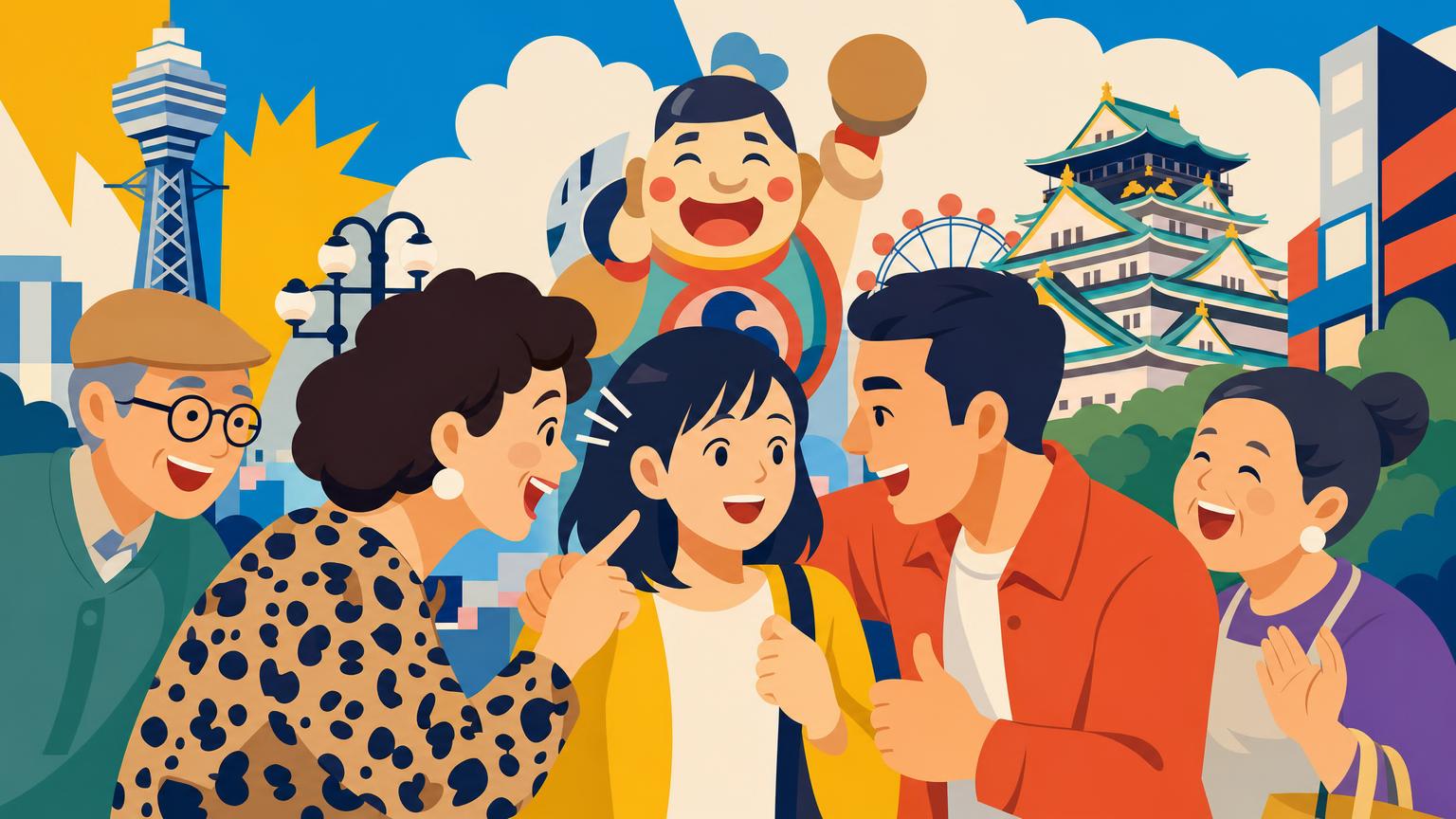
Step off the bullet train at Shin-Osaka Station, and the atmosphere shifts immediately. The air feels thicker. The volume of the crowd cranks up a few decibels. People walk a little faster, talk a little louder, and the polite, hushed murmurs of Tokyo fade into the vibrant, chaotic symphony of the Kansai region. If you are a foreigner planning to move to Japan, or if you have just started setting up your life here in the sprawling metropolis of Osaka, you will quickly notice that the social rules are entirely different. Tokyo is a city of invisible walls. People give each other space. They avoid eye contact on trains. They read the air to ensure they never intrude on your personal bubble. Osaka, on the other hand, is a city that will barge right through your front door, sit on your couch, and ask if you have eaten enough today.
As a Korean-American writer who has spent years analyzing Japanese pop culture, particularly how loud, brash Kansai characters are portrayed in anime, experiencing the real thing was a revelation. The tropes barely scratch the surface. The reality of living in Osaka is rooted in a deep, profound, and sometimes overwhelming culture of communal care. It is a city that runs on a specific brand of social energy. You cannot simply exist anonymously in Osaka. The city will not let you. And at the very heart of this relentless, warm-hearted civic culture is a distinctly Japanese concept that Osaka has adopted, morphed, and turned into its ultimate badge of honor. That concept is called Osekkai.
To understand Osaka, you have to understand Osekkai. You have to understand why a random elderly woman on the subway will press a hard candy into your palm. You have to understand why a shopkeeper will scold you for not wearing a thick enough coat in December. You have to understand that this is not just random friendliness. It is a social contract. It is the lifeblood of the city. Before we dive deep into the unspoken rules of this beautifully meddlesome culture, let us ground ourselves in the geography of this vibrant city.
What Does Osekkai Mean in Japanese Culture?
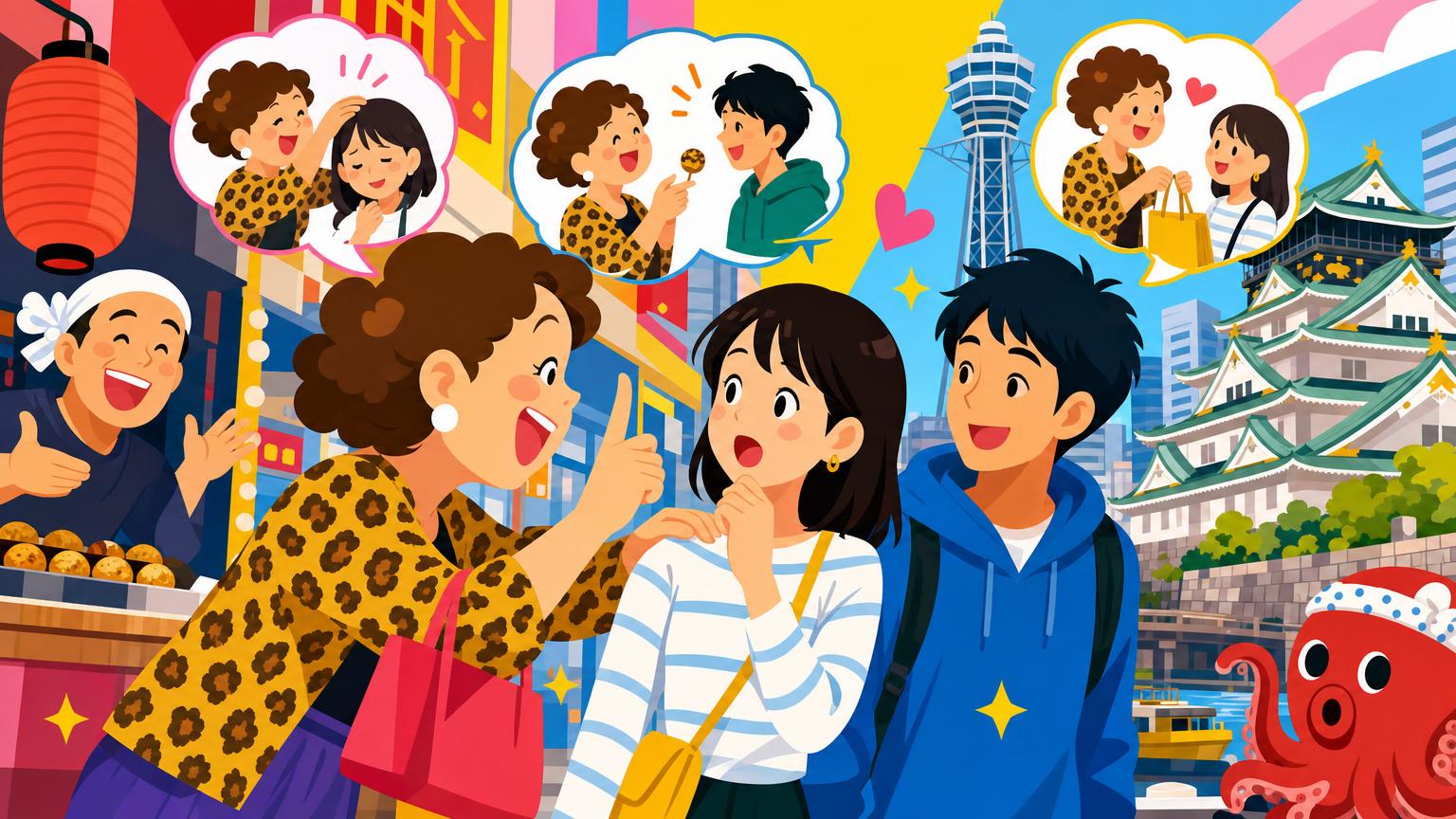
If you look up the word Osekkai in a standard Japanese-English dictionary, the translations might make you cringe. You will come across words like nosy, meddlesome, officious, and intrusive. In a broader Japanese context, especially within the highly structured, privacy-conscious social environments of Tokyo or Kyoto, being called Osekkai is not necessarily a compliment. It implies that someone is overstepping boundaries. It suggests that a person is giving unsolicited advice, invading personal space, or trying to manage someone else’s affairs without invitation. In a culture that values harmony and avoiding burdening others, being overly meddlesome is traditionally viewed as a social misstep.
But language is alive and constantly evolving, and geography can completely transform its meaning. Here in the Kansai region, Osekkai sheds its negative connotations. In Osaka, Osekkai is celebrated as an art form. It is regarded as a civic virtue. When an Osaka local is described as having a strong sense of Osekkai, it means they have a huge, compassionate heart. It means they care deeply about the people around them and simply cannot stand by while someone struggles, even if that person is a complete stranger. They prioritize your well-being over preserving your personal bubble, focusing on ensuring you are safe, fed, and headed in the right direction.
For foreign residents, this can initially cause some culture shock. Many Western societies emphasize independence and self-reliance. We are taught to solve problems on our own and only ask for help when absolutely necessary. When a stranger in Osaka steps into your personal space to correct your map-reading skills or to tell you which vegetable is fresher at the supermarket, the immediate reaction often feels like being patronized or invaded. However, thriving in Osaka requires a fundamental mindset shift. You need to rewrite your internal vocabulary. You must understand that this meddling is not rooted in arrogance or a desire to control but comes from deep, localized empathy. It is the city’s way of saying that you belong here, and because you belong, they will look out for you whether you want them to or not.
Why Osaka is the Capital of Osekkai Culture
To understand why Osaka people behave this way, you need to look back at the city’s history. Osaka was never a city of samurai, stoic lords, or silent bureaucrats. During the Edo period, while Tokyo served as the political center ruled by a strict military hierarchy, Osaka was known as the Kitchen of the Nation. It was a merchant city, built by traders, shopkeepers, wholesalers, and entrepreneurs. In a samurai culture, speaking out of turn or looking the wrong way could literally cost you your life, fostering a culture of silence, reading the room, and keeping your head down. In a merchant culture, silence means bankruptcy. You have to communicate to survive—you need to haggle, banter, build rapport, and network aggressively.
This merchant history shaped a fundamentally different mindset among the locals. Osaka people prioritize connection over formality and humor over stoicism. The local dialect, Kansai-ben, perfectly reflects this identity. It is a lively, rhythmic, and highly expressive way of speaking, inherently designed for comedy and breaking down social barriers. When someone speaks in standard Japanese, a sense of distance and politeness is often conveyed through the grammar. But when an Osaka native switches to thick Kansai-ben, that distance disappears. The language itself is informal and disarming, practically inviting you to banter in return.
Moreover, this merchant background fostered a unique brand of pragmatism. Osaka people are exceptionally practical. If they see a foreigner at a train station struggling with a ticket machine, a Tokyoite might think, “I shouldn’t bother them; they might feel embarrassed if I point out they’re struggling.” An Osaka person, by contrast, thinks, “This person is confused, I know how to use the machine, so I’ll press the buttons for them so everyone can move on with their day.” It’s an A-to-B mentality: the fastest way to solve a problem is to jump in and fix it, regardless of social boundaries. This practical, outgoing history is the fertile ground from which the culture of Osekkai emerged, making it the defining trait of the city’s modern identity.
The Osaka Osekkai Lab: Locals Helping Foreign Tourists and Residents
The spirit of Osekkai is so integral to Osaka’s identity that it has been formalized into organized volunteer movements. One of the most intriguing examples is the Osaka Osekkai Lab. This is not merely a vague cultural idea; it’s a committed group of locals who have come together with the clear goal of proactively assisting people, especially foreign tourists and expatriates who may be finding it difficult to navigate the city.
If you spend enough time around major transit hubs like Namba, Umeda, or the famously complex underground maze of the subway system, you might notice these volunteers. They often wear distinctive jackets, bibs, or badges that mark them as friendly local guides. Unlike typical information desk staff who wait for questions, members of the Osaka Osekkai Lab take an active approach. They patrol the stations looking for obvious signs of confusion—the furrowed brow, the frantic zooming on a smartphone map, the aimless spinning around searching for an exit sign.
As soon as they sense hesitation, they step in. Their mission embodies pure, unfiltered Osekkai. They don’t worry about speaking perfect English. They use gestures, translation apps, printed maps, and sheer determination to help you reach your destination. The formation of groups like the Osaka Osekkai Lab brilliantly reflects civic pride. Locals understand their city is chaotic, and their train stations resemble Escher drawings. Yet, they also know their greatest strength is their hospitality. By channeling their natural eagerness to meddle into an organized volunteer effort, they establish a vital safety net for the international community.
For foreigners living in Osaka, knowing this initiative exists is essential. It demonstrates that the random acts of kindness you encounter on the street are not isolated—rather, they are part of a broader cultural fabric. The city literally organizes itself around the belief that no one should be left struggling alone. This is a beautiful, reassuring realization that significantly eases the anxiety of moving to a new and unfamiliar metropolis.
How to Experience Osaka’s Osekkai in Daily Life
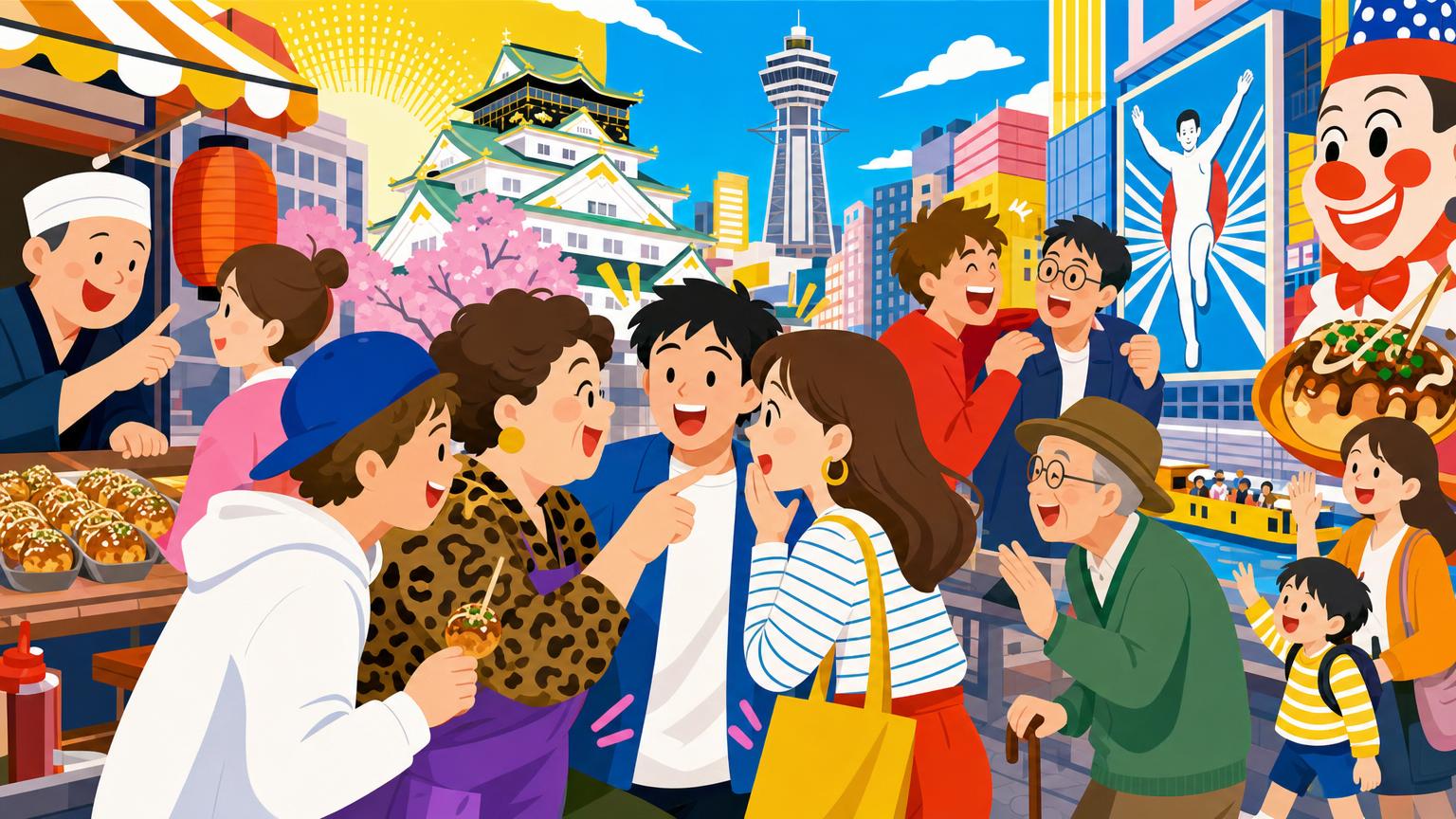
While learning about organized volunteer groups is valuable, the true charm of Osaka resides in the spontaneous, everyday interactions. Osekkai isn’t something you seek out; if you live in Osaka, it will come to you. Mastering these encounters will entirely change how you experience the city. Rather than feeling like a constant outsider, you’ll start to feel like part of a vast, city-wide inside joke. Here’s how this culture reveals itself in the ordinary moments of daily life.
Getting Help When Navigating the City
The most typical introduction to Osaka Osekkai happens on the sidewalk. Getting lost is inevitable. The streets, especially beyond the main grid, can be winding and perplexing. When you pause to check your phone, don’t be shocked if a passing cyclist suddenly stops. A local, often an elderly man or woman, will approach and ask where you’re headed.
They might not speak any English, and you might only know basic Japanese. This won’t stop them. They’ll point, trace imaginary lines on their hands, and gently turn your shoulders to face the right direction. Sometimes, if your destination is nearby, they’ll drop whatever errand they’re on and insist on walking you there themselves. Friends have told me about being escorted all the way to their apartment by a grandmother simply to ensure they didn’t take a wrong turn at the convenience store. The unspoken rule is clear: accept the help. Don’t try to decline politely out of fear of burdening them. To an Osaka local, offering help is not a nuisance; it’s a civic duty and a source of joy. Smile, say thank you, and let them guide you.
Interacting with Shop Owners in Local Shotengai
To truly feel the pulse of Osaka’s daily life, you must visit a Shotengai. These covered shopping arcades wind through nearly every neighborhood in the city. While tourists swarm the well-known Kuromon Market or the long Tenjinbashisuji, the real magic happens in the local suburban arcades where residents shop for daily groceries. This is the heart of Osekkai.
When buying vegetables or fish in an Osaka Shotengai, the exchange is rarely quiet. The shopkeeper will likely ask what you’re cooking for dinner. If they don’t approve of your recipe, they’ll suggest a better one. They’ll tell you exactly how long to boil daikon radish. If you look like a tired student or a stressed expat, they might suddenly toss an extra potato croquette or a handful of mandarins into your bag, remarking that you need to eat more to stay strong.
There’s also a culture of bargaining and banter. While you can’t haggle at a modern supermarket, joking with vendors in a traditional Shotengai is almost obligatory. If you try out a bit of Kansai dialect, like saying Ookini instead of Arigatou to thank them, the vendors will brighten up. The Osekkai here takes the form of hearty care. They see every customer, especially foreign visitors who seem a bit lost, as someone who needs to be fed, taught about local ingredients, and sent home with a smile.
Dining and Drinking at Local Izakayas
If the Shotengai is the daytime stage for Osekkai, the local izakaya is its nighttime refuge. Osaka’s food culture, famously summed up by Kuidaore—which means “eat until you drop”—is about more than just the food. It’s about the social energy in the room. This is especially true in tachinomi, the standing bars common around stations like Kyobashi and Tennoji.
In Tokyo standing bars, patrons often keep respectful distance, drinking in small, self-contained groups. In Osaka tachinomi, close proximity compels social interaction. You can’t drink in isolation here. The master behind the counter acts as the conductor of Osekkai. They’ll notice you’re new and introduce you to the grizzled regular standing beside you. Before long, that regular will insist you try some of their grilled chicken, and you’ll find yourself buying them a beer in return.
The Osekkai in these places is tangible. Locals love to quiz newcomers, but without malice. They want to know where you’re from, what you think of their beloved city, and if you support the local baseball team, the Hanshin Tigers. This concept is so cherished that you’ll find local, independent eateries in suburban Osaka literally named Osekkai. These are usually run by warm-hearted, strong-willed owners who proudly embrace their meddlesome nature. If you dine at such a restaurant, forget ordering from a menu. The owner will appraise your mood and the weather, decide what you need to eat, and start cooking. It’s the ultimate expression of culinary care.
The Unspoken Rules of Receiving Osekkai
Living amidst this constant influx of social warmth requires some adjustment. For foreigners from highly individualized societies, the continuous questioning and unsolicited help can sometimes feel overwhelming. There may be days when you just want to buy a coffee in complete silence without having to share your life story with the barista.
The key to thriving and enjoying daily life in Osaka is understanding the unspoken rules of receiving Osekkai. First and foremost, you need to lower your defensive barriers. When a stranger approaches you, assume positive intent. They are not trying to deceive you, nor are they judging you. They are simply exercising their cultural right to be involved in their community.
Secondly, master the art of gracious acceptance. In many Western cultures, we are taught to initially decline gifts or help a few times before accepting, so as not to seem greedy. In Osaka, while a bit of polite hesitation is acceptable, it’s far better to simply accept the help, extra food, or unsolicited advice with a warm, enthusiastic expression of gratitude. The currency of Osekkai is appreciation. When an Obachan gives you a piece of candy on the train, take it, unwrap it, eat it, and tell her it’s delicious. That small interaction validates her role in the community and reinforces your place within it.
Finally, recognize that Osekkai is a two-way street. As you move from newcomer to seasoned resident of Osaka, you will naturally adopt this mindset. When you see a tourist struggling with a map, you will instinctively stop and offer help. You will find yourself striking up conversations with the cashier at the convenience store. You will become part of the very fabric of the city’s meddlesome charm.
Embracing the Warmth of Osaka’s Friendly Meddling
Choosing to live in Osaka means deliberately giving up your anonymity. It means accepting that your neighbors might know your affairs, that shopkeepers will monitor your eating habits, and that strangers will physically guide you through train stations. This city demands your engagement. You can’t be a passive spectator here. The city will reach out, grab you by the collar, and drag you into the chaotic, beautiful mess of its everyday life.
For many foreigners, this moment is when they truly fall in love with Osaka. It’s the realization that beneath the noise, neon lights, and brash facade, there’s a deep safety net of human connection. The meddlesome nature of Osekkai is not an invasion of privacy; it’s an embrace. It’s a constant, loud, and unavoidable reminder that you’re not alone in this vast concrete jungle.
When you finally grasp the social warmth behind Osaka’s meddlesome charm, the city stops being merely a place to live and work. It becomes a community that genuinely cares for you. So, the next time a local taps you on the shoulder to point out your untied shoelace, or an izakaya master insists you try a plate of simmered offal, don’t pull away. Lean into it. Say thank you. Enjoy the candy. Welcome to life in Osaka—they are going to take excellent care of you.








