Umeda is not a place you simply visit; it’s an experience you plug into. As a photographer, I’m drawn to the interplay of light and shadow, the human element against grand structures. But as a digital nomad, I’m drawn to a different kind of energy: the silent, crackling hum of productivity, the rich aroma of freshly brewed coffee, and the steady, reliable glow of a Wi-Fi signal. Umeda, Osaka’s northern gateway and polished business hub, is a symphony of these energies. It’s a labyrinth of gleaming towers, subterranean rivers of commuters, and surprisingly serene pockets of creative focus. For the remote worker, the freelancer, the wandering creative soul, Umeda is more than just a train station; it’s a sprawling, multi-levelled office, a vibrant cafeteria, and an endless source of inspiration, all rolled into one. Forget the notion of a single perfect spot. Umeda’s magic lies in its diversity, offering a different backdrop for every mood, every task, and every deadline. It’s here, amidst the rush and the gloss, that you can find your rhythm, your connection, and your perfect temporary home base in the heart of Kansai.
For a different, more retro and artistic vibe, consider exploring the work-friendly cafes in Nakazakicho.
The Dual Pulse: Navigating Umeda’s Work Vibe
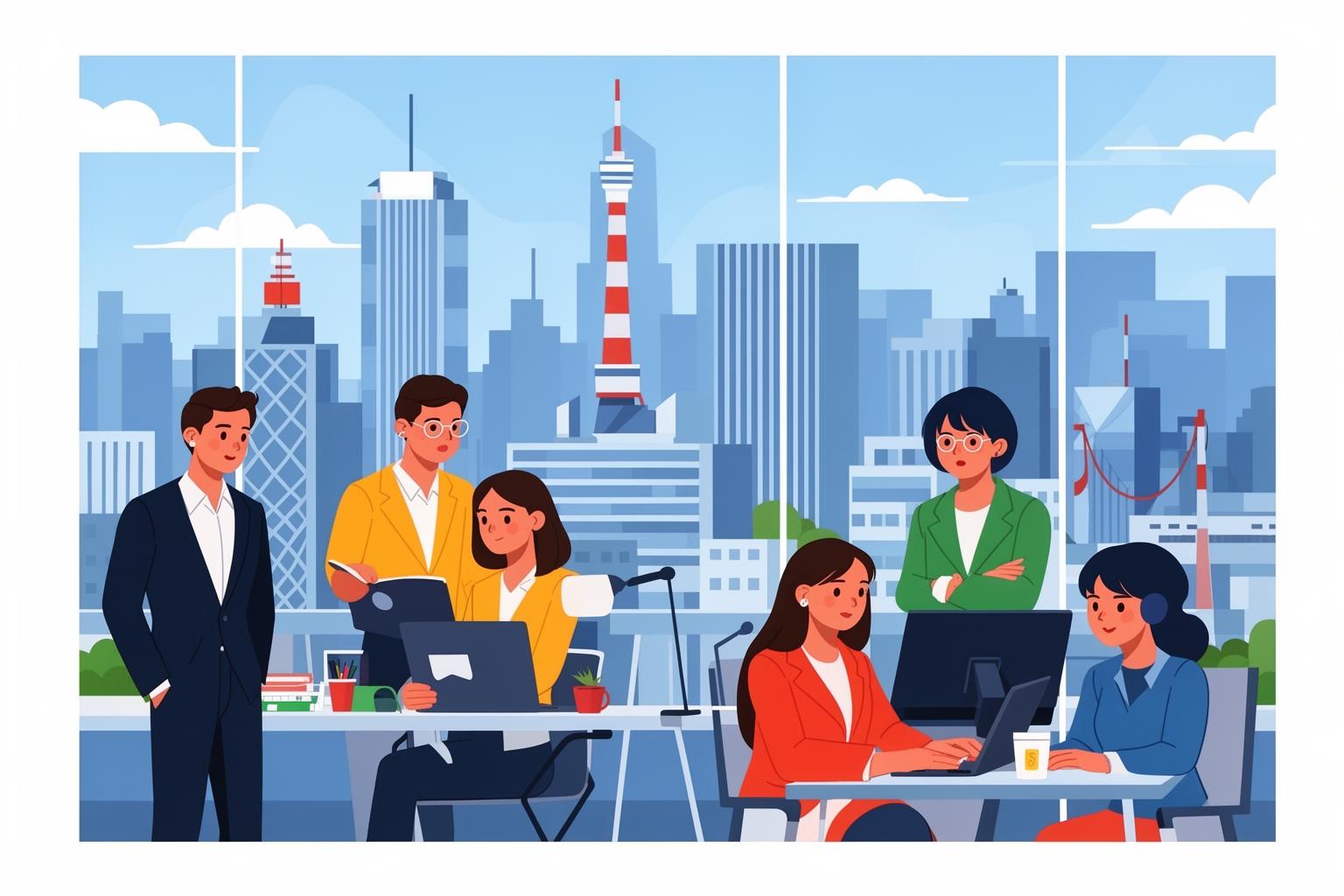
To understand how to work in Umeda, you first need to sense its pulse. There are two distinct rhythms here. The first is the strong, percussive beat of commerce. It resonates in the sleek lobbies of the Umeda Sky Building and Grand Front Osaka, in the brisk steps of salarymen and women, their faces glowing with smartphone screens as they navigate the vast underground network connecting half a dozen train lines. This is the Umeda of efficiency, ambition, and polished glass and steel reflecting a sky often filled with purposeful clouds. It’s a world of sharp suits, important meetings, and the steady, low hum of a city running at full throttle. This energy is infectious. It inspires you to open your laptop and build something, to create, connect, and join the immense forward momentum defining this district. It’s the ideal environment for focused work, for ticking off your to-do list with pinpoint precision.
But then there’s the second heartbeat, a gentler, more melodic rhythm. It’s found in quiet corners away from the main streets. It glows in the warm, amber light of a basement kissaten (a traditional coffee house), where time slows, and the only sounds are the soft clink of a spoon against porcelain and the rustle of a newspaper. It lives in the shared laughter at a communal table in a third-wave coffee shop, where creatives jot ideas in notebooks and developers tap away at code, their individual projects weaving a collective narrative of innovation. This is the Umeda of reflection, connection, warmth, and humanity. This pulse invites you to stay, to think, and to let ideas develop as slowly and richly as a pour-over coffee. A successful digital nomad in Umeda knows how to dance between these two rhythms, harnessing the district’s vigorous energy when deadlines approach and sinking into its softer embrace to nurture creativity. The true skill lies in choosing which current to follow and when, turning the entire district into your personal, dynamic workspace.
The Caffeinated Sanctuaries: Finding Your Perfect Brew and Bandwidth
For many of us, the search for an ideal workspace starts and ends with coffee. It’s the fuel, the ritual, and the price of entry to a few hours of productivity. Umeda’s coffee scene is a splendid microcosm of Japan itself, where deep-rooted tradition seamlessly coexists with cutting-edge trends. Within just a few minutes’ walk, you can either step back in time or leap into the future.
The Modern Hubs: Sleek, Spacious, and Connected
These spots serve as the backbone of Umeda’s digital nomad community. Typically large, bright, and designed with today’s worker in mind, they honor the unspoken agreement: you purchase their excellent coffee and pastries, and they provide a comfortable chair, reliable Wi-Fi, and often that most coveted resource—a power outlet.
The City Bakery, Grand Front Osaka
Situated in the south building of the striking Grand Front Osaka complex, The City Bakery is more than a cafe; it’s an institution. The moment you walk in, the intoxicating scent of baking bread and rich coffee greets you. The space is vast, with soaring ceilings and huge windows that flood the café with natural light, offering a cinematic view of the bustling plaza below. Its aesthetic is New York-inspired industrial chic—exposed brick, dark wood, and metal accents—paired with impeccable Japanese efficiency and grace. I recommend arriving early, just before the morning rush, to secure a spot at one of the long communal tables or, if you’re lucky, a smaller table by the window. This prime location is perfect for people-watching and soaking in the city’s vibrant energy.
The Wi-Fi is generally strong, able to handle video calls and large file transfers. Power outlets are scattered but highly sought after, so be prepared to scout the walls like a hawk when you arrive. The pretzel croissant is legendary—a perfect, salty, buttery companion for focused work sessions. Their coffee is robust and straightforward, providing a real caffeine boost. The ambient noise is a constant, energetic hum—the clatter of plates, espresso machine hiss, and conversations in multiple languages. It’s not library quiet, but for those energized by background buzz, it’s an ideal creative cocoon. It’s my preferred spot on mornings when I want to feel the city’s pulse while tackling admin tasks or editing new photos.
Starbucks Reserve Bar, Lucua 1100
Discard any preconceived ideas about Starbucks. The Reserve Bar on the 9th floor of Lucua 1100 is a different experience altogether. This is Starbucks elevated to an art form. The spacious, refined setting features plush seating, warm lighting, and breathtaking panoramic views of Umeda’s skyline—especially stunning at dusk when the city lights sparkle. It’s not your typical grab-and-go café; it’s a destination. People come here to savor the moment.
The real attraction is the coffee. The Reserve Bar offers a rare selection of small-lot beans brewed by methods ranging from theatrical siphon to precise Clover brewers. The baristas are coffee artisans—passionate, knowledgeable, and eager to guide you through the menu. This premium experience is matched by an environment tailored for extended work sessions. The seating is comfortable, tables spacious, and power outlets more abundant than in many other cafés. The Wi-Fi is fast and reliable, as expected from Starbucks. The atmosphere is calmer than a standard Starbucks, feeling more like a premium lounge. It’s the perfect spot for impressing a client in a casual meeting or settling in for several hours of focused work. Ordering a siphon coffee adds a theatrical five-minute mental break before diving back into tasks. The price is higher, but you’re investing in premium beans, an exceptional view, and a professional yet luxurious environment.
Brooklyn Roasting Company, Grand Front Osaka
Another standout in the Grand Front complex, Brooklyn Roasting Company offers a different slice of New York cool. Located in the North Building, it has a raw, industrial vibe—polished concrete floors, exposed ducts, evoking a repurposed warehouse in Dumbo, Brooklyn. This style attracts a younger, trend-conscious crowd. The atmosphere buzzes with an upbeat playlist and the constant hum of grinders.
Coffee is king here. Their roasting craft is evident in every cup. The espresso is bold and complex, and the drip coffee consistently excellent. It’s a haven for true coffee lovers. Seating mixes small tables with a large central communal space. Finding a seat during peak hours can be tough, and power outlets are rare, so come with your devices fully charged. This isn’t a place for quiet marathon work sessions; rather, it’s ideal for a one-to-two-hour burst of creative energy. The fast-paced vibe and superb coffee can jumpstart fresh ideas. I often visit when stuck on creative projects like sequencing photo series. It’s a prime spot to tap into Osaka’s youthful creative pulse.
The Traditional Retreats: Kissaten Culture
To truly grasp Japan’s coffee culture, you must visit a kissaten. These are more than cafes; they are time capsules. Nostalgic throwbacks to the Showa Era (1926-1989), they cherish conversation and quiet contemplation above all. For digital nomads, they offer a distinct workspace that encourages slowing down.
Marufuku Coffee Ten
Marufuku is a legendary Osaka-based kissaten chain with several locations tucked around Umeda’s maze. Discovering one feels like stepping through a secret portal to another era. You leave the bright, modern chaos of the station behind and enter a world of dark polished wood, plush velvet seats, antique lighting, and a nostalgic haze of cigarette smoke (note that many kissaten still allow smoking, so this might concern some). The atmosphere is hushed and reverent. Customers tend to be older, regulars who’ve frequented these spots for decades, quietly reading newspapers or chatting with staff.
Don’t expect blazing-fast Wi-Fi or numerous power outlets—that’s not their focus. You come to Marufuku for the coffee, famously strong, rich, and dark-roasted, brewed with proprietary methods and served in ornate cups. You come for the atmosphere of deep, uninterrupted thought. It’s perfect for offline tasks like writing, journaling, sketching, or brainstorming new ideas. I find these spaces especially inspiring for narrative writing, surrounded by the ghosts of countless past conversations that seem to linger in the air. Ordering their signature thick, fluffy hotcakes with butter and syrup is a comforting ritual that complements the retro vibe. Working at Marufuku reminds you that productivity is not always about speed; sometimes, it’s about depth.
The Productivity Powerhouses: Umeda’s Coworking Spaces

Some days, a café simply won’t suffice. The deadline is pressing, the Wi-Fi is unreliable, or you just need the focus that a dedicated office space provides. For such moments, Umeda and its nearby areas offer an excellent variety of coworking spaces, ranging from global leaders to local hubs, each equipped with distinct tools and fostering a unique community.
Why Opt for a Coworking Space?
Switching from a café to a coworking space is a productivity investment. Instead of buying several coffees, you gain dependable high-speed internet that won’t falter during video calls, ergonomic chairs that support your back for long hours, access to professional amenities like printers, meeting rooms, and private phone booths, and perhaps most importantly, a network of like-minded professionals. The ambient noise changes from clattering dishes to the steady tapping of keyboards—a motivating background that signals to your brain: this is a workspace.
WeWork, Multiple Locations
WeWork sets the global benchmark for a reason. Their locations around Umeda, such as the one in the Midosuji Frontier building, are impeccably designed to offer a sleek, modern, and highly functional environment. You know what to expect: stylish common areas, complimentary coffee and tea, soundproof phone booths, and a diverse community of professionals from multinational companies to emerging startups. The Wi-Fi is enterprise-grade, providing lightning-fast and reliable connectivity. A day pass or monthly hot-desking membership grants full access to this ecosystem.
Beyond excellent facilities, WeWork’s true asset is the networking opportunities. You may strike up conversations over coffee with software developers, marketing consultants, or fellow creatives. Regular community events—from networking breakfasts to workshops—are standard. For anyone new to the city, this is an invaluable way to build professional and social connections. The atmosphere balances professionalism with a relaxed vibe, blending corporate efficiency and startup energy. It’s ideal for those who need to maintain a professional image, hold frequent client meetings, or simply enjoy the structure and resources of a top-tier office environment.
The DECK, Sakai-Suji Hommachi
Although just a short subway ride south of Umeda’s main cluster, The DECK is too vital to the Osaka nomad scene to overlook. It offers a fundamentally different atmosphere from global chains. The DECK prioritizes community, deeply rooted in the local tech and startup ecosystem. It feels less like a corporate office and more like a collaborative workshop. The bright, open space emphasizes flexible, multi-use areas and includes a fabrication lab with 3D printers and laser cutters, highlighting its commitment to innovation and making.
What distinguishes The DECK most is its community. The staff are welcoming and actively foster member connections. They host a broad range of events—from tech meetups and coding bootcamps to casual social gatherings. For those wanting to immerse themselves in Osaka’s local scene, meet entrepreneurs, and find collaborators, this is the place to be. Flexible plans, including hourly and daily drop-in rates, make it very accessible for travelers and short-term nomads. This space buzzes with creative energy and collaboration, perfect for anyone seeking more than just a desk in their workspace.
Common Room Umeda
For a simpler, more accessible, and locally-oriented option right in downtown Umeda, Common Room is an excellent pick. It focuses less on a global startup vibe and more on providing a quiet, clean, and functional workspace. The design is straightforward and professional, featuring open-plan desks, concentration booths, and meeting rooms. It’s a favorite among local freelancers, students, and remote workers needing a reliable place to concentrate for a few hours or the entire day.
One of their biggest advantages is their pricing model. They often allow pay-by-the-hour usage, ideal for when you need to escape a noisy café for an important two-hour call. Daily rates are also very reasonable. While it may lack the extensive social programming of The DECK, it excels in its core mission: delivering a peaceful and productive environment. The staff are friendly and helpful, the internet is fast, and free drinks are available. It’s a no-nonsense, high-efficiency option for nomads who just want to focus and get their work done without distractions.
A Nomad’s Survival Guide to the Umeda Labyrinth
Working efficiently in Umeda depends as much on logistics and etiquette as it does on choosing the right spot. This vast urban hub follows a set of unspoken rules and rhythms, and mastering them will make your remote work experience much smoother and more enjoyable.
The Art of Connectivity
While most cafes and all coworking spaces provide Wi-Fi, the quality can vary significantly. A cafe’s network might be fine for checking emails in the morning but slow to a crawl during the afternoon rush when many people stream videos. Because of this, having your own portable Wi-Fi device or a SIM card with a generous data plan is invaluable. It’s your lifeline, granting you the freedom to work from anywhere—a park bench, a department store lounge, or a small cafe without public Wi-Fi—and ensuring a secure, reliable connection for important tasks. Consider cafe Wi-Fi a convenience, but treat your personal hotspot as an essential professional tool.
The Quest for Power
Finding a konsento (power outlet) is a daily challenge for digital nomads in Japan. In Umeda’s cafes, outlets are rare and highly sought after. Chains like Starbucks and Tully’s are your best option, as they often have dedicated counter seating with power access. In older kissaten, outlets can be almost nonexistent. A high-capacity portable battery pack is essential; a good one can charge your laptop at least once and your phone several times, freeing you from relying on the wall. This freedom lets you pick your seat based on comfort, lighting, and ambiance rather than outlet proximity. Also, be mindful of etiquette: it’s frowned upon to occupy a power-enabled seat for hours with only one long-finished cup of coffee. Ordering periodically shows respect for the establishment.
Mastering the Clock
Umeda follows a particular temporal rhythm, and understanding it helps avoid frustration. The morning, from opening until around 11:00 AM, is the prime time for cafe work: spaces are quieter, and good seats are easy to find. Then comes the lunch rush, roughly from 12:00 PM to 2:00 PM, a hectic period when cafes fill with office workers and noise levels soar. It’s an unfavorable time to start a work session. I prefer to settle in well before noon or use this time for lunch and errands. Mid-afternoon can be productive, but cafes remain busy. Evenings, once the commuter rush has eased, often offer a surprisingly calm and focused atmosphere, especially in cafes inside department stores.
The Sound of Silence (or a Productive Buzz)
Every nomad needs a quality pair of noise-canceling headphones—they are indispensable. They can turn a lively cafe into a private bubble of concentration by blocking out conversations, clattering dishes, and background music. While Japan is generally quiet, cafes are social places. Phone calls inside are a significant faux pas; if you need to take one, step outside. This is an important local etiquette rule. Coworking spaces provide phone booths for calls. Respecting others’ acoustic space is crucial for fitting in and ensuring a positive experience.
Beyond the Laptop: Decompressing in Umeda’s Vertical Landscape
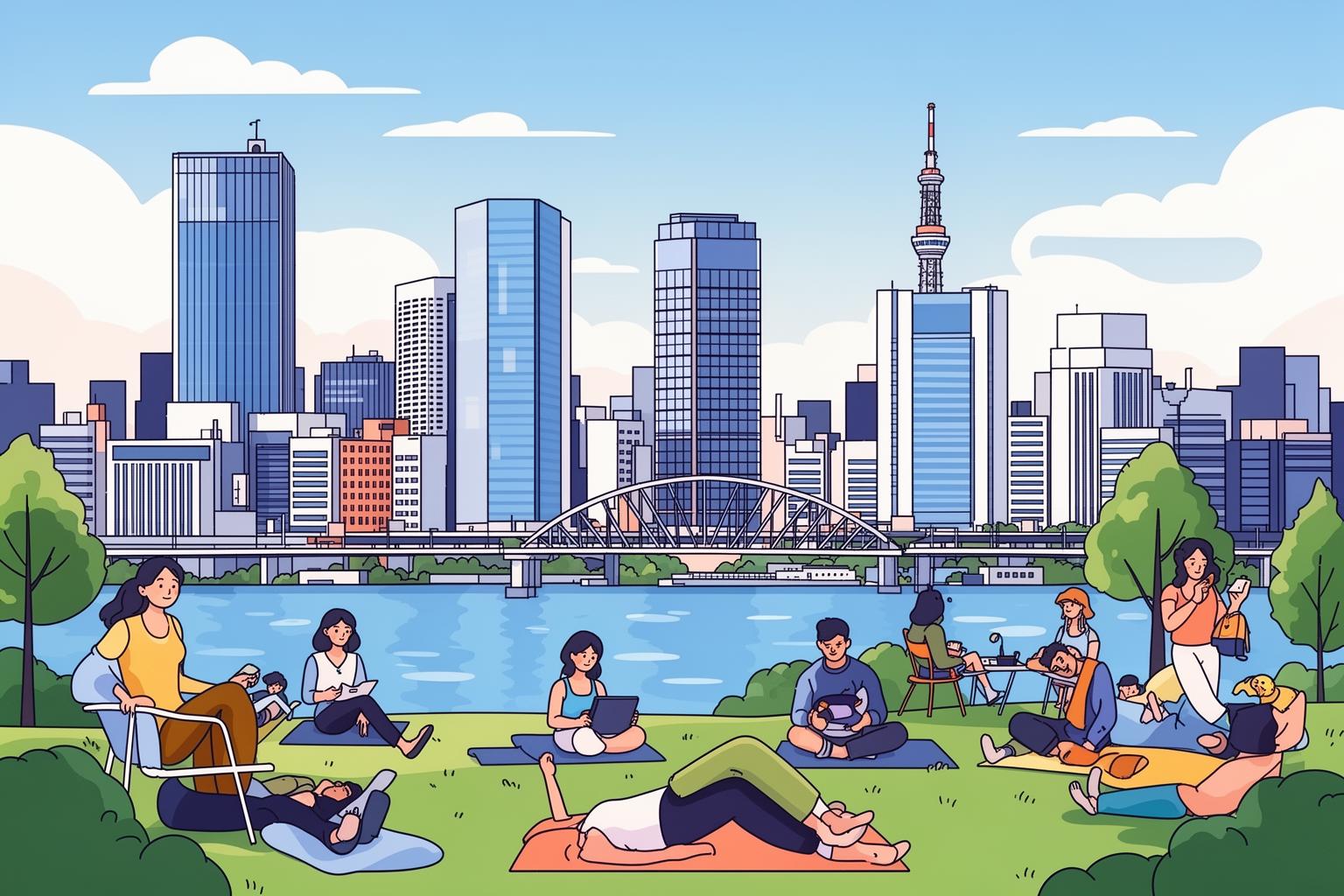
All work and no play leads to a burnt-out nomad. One of Umeda’s greatest assets is the incredible concentration of options for taking a break, clearing your mind, and immersing yourself in the local culture, all within a five-minute walk from your workspace.
For a quick, tasty, and affordable lunch, dive into the depachika—the expansive food halls in the basements of department stores like Hankyu, Hanshin, and Daimaru. They are a wonderland filled with bento boxes, salads, bakeries, and every imaginable variety of Japanese and international cuisine. It’s an ideal way to grab a quality meal without the time investment of dining in a restaurant.
When you need a breath of fresh air and a new perspective, head to the green spaces around Grand Front Osaka. The rooftop gardens offer a surprisingly tranquil refuge with beautiful views of the city. For an unforgettable panorama, make your way to the Floating Garden Observatory atop the Umeda Sky Building. Watching the sunset from 173 meters up as the endless city transforms into a sparkling grid of lights is a stirring reminder of this metropolis’s vastness and beauty. It’s the kind of experience that can instantly recharge your creative energy.
Don’t hesitate to get lost. Umeda Station is famously labyrinthine, a multi-level maze that can challenge even seasoned locals. But embracing this complexity is part of the adventure. Wander through the underground shopping streets such as Whity Umeda and Diamor Osaka. Explore the countless floors of Yodobashi Camera, a haven for tech enthusiasts. Every wrong turn could lead to a fascinating find—a tiny standing-only sushi bar, a specialty bookstore, or a quirky shop selling vintage toys. This is the true way to get to know a place: by straying off the beaten path and letting curiosity be your guide.
Umeda pulses with endless energy, a concrete and glass canyon shaped by rivers of people. For the digital nomad, it presents a thrilling challenge: to discover your own quiet current within this powerful flow. It’s a district that rewards those who observe and adapt. Whether you’re fueled by the strong, dark brew of a Showa-era kissaten or the lightning-fast Wi-Fi of a cutting-edge coworking space, Umeda offers both the infrastructure and the inspiration. It’s a place to be productive, to connect, and to feel the vibrant, electric heartbeat of modern Osaka. So plug in, power up, and find your rhythm. Your desk awaits.