In the ever-pulsating heart of Osaka, a city celebrated for its kinetic energy and epicurean delights, there exists a district that offers a profound counterpoint. This is Kitahama, a place where the frenetic pace of finance meets the placid flow of water, creating a symphony of contrasts that is utterly captivating. For the modern professional, the digital nomad, or the creative soul seeking a sanctuary for thought, Kitahama is not merely a location; it is an experience. It represents a unique proposition in urban life: the ability to work, reflect, and be inspired while seated before a panorama of breathtaking beauty and historical grandeur. Here, the clatter of a keyboard is softened by the gentle lapping of the Tosabori River, and the blue light of a laptop screen is warmed by the golden hour sun glinting off century-old neo-baroque architecture. This district, nestled along the banks of the river that has long been Osaka’s lifeblood, is home to a collection of cafes that transcend their function as mere purveyors of coffee. They are front-row seats to the daily drama of the city, windows into its soul, and platforms for productivity fueled by an unparalleled sense of place. To spend a day working from a Kitahama cafe is to understand Osaka on a deeper level, to connect with its legacy as the “Mizu no Miyako” or “Water Metropolis,” and to discover that in the space between a historic bridge and a modern skyscraper, lies the perfect environment for focus and inspiration.
For a different, more bohemian vibe, consider exploring the retro cafes in Nakazakicho.
The Soul of Water City: Unveiling Kitahama’s Riverside Charm
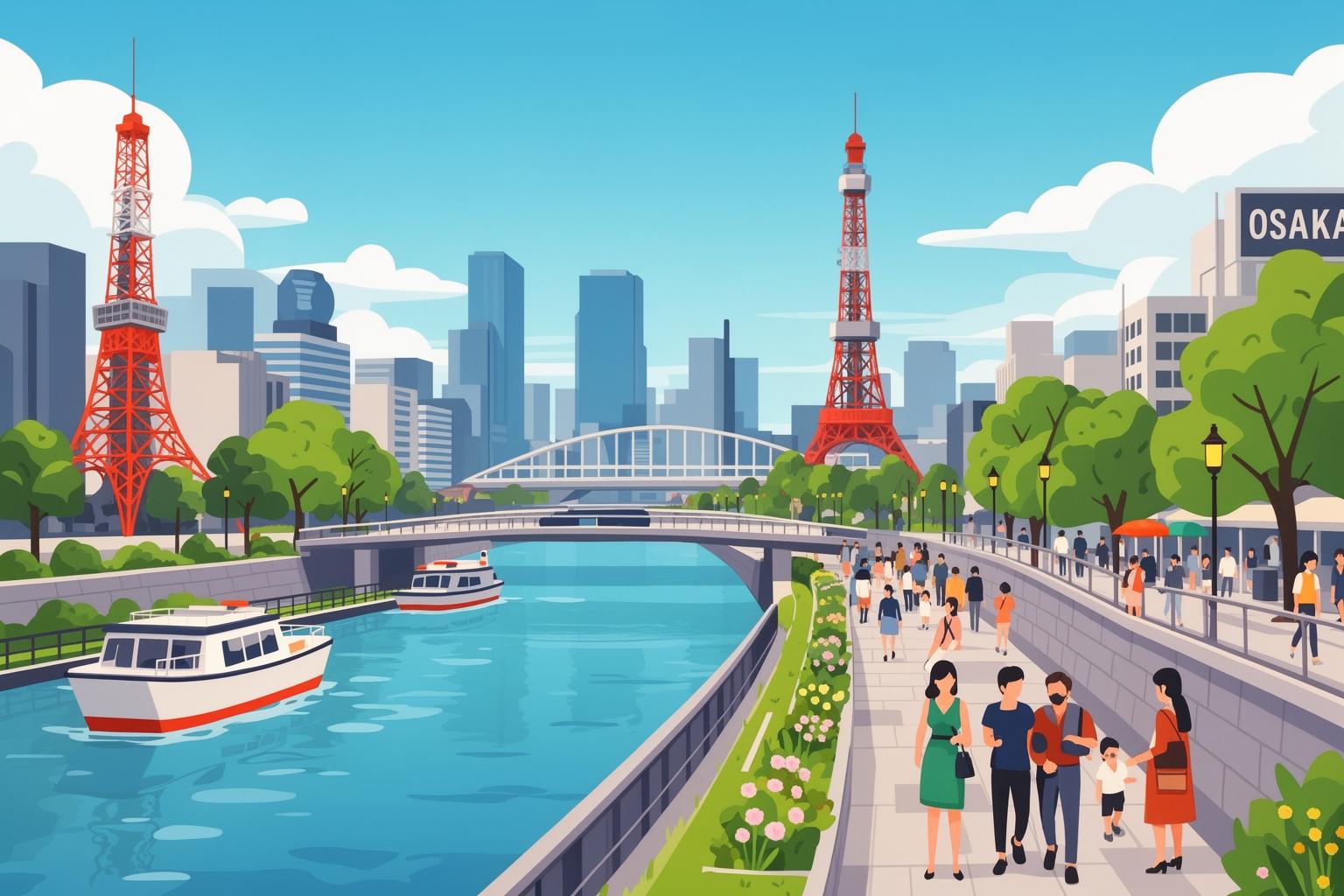
To truly grasp the allure of Kitahama, one must first appreciate its close connection to water. Osaka’s identity is deeply tied to its complex network of rivers and canals, a geographical feature that fueled its rise as Japan’s commercial hub during the Edo period. The city served as a pivotal center for transport and trade, with goods from across the country gathering in its warehouses, many of which lined the very island that Kitahama now faces: Nakanoshima. This narrow strip of land, gracefully nestled between the Tosabori and Dōjimagawa rivers, was the core of the region’s economic activities. Kitahama, positioned on the southern bank of the Tosabori, naturally developed into the command center for these operations. It became home to influential merchants, money changers, and Japan’s first commodity exchanges—most notably the Dōjima Rice Exchange, which introduced the world’s first futures contracts. This history is not confined to textbooks; it permeates the district’s very atmosphere. Walking its streets, one can sense the echoes of ambition and commerce. The wide, confident avenues and the imposing presence of financial institutions reflect a legacy of economic power. Yet, this formidable history is softened and made poetic by the constant, shimmering presence of the river. The water serves as a mirror, reflecting the sky, clouds, and magnificent architecture, forming a dynamic, ever-changing canvas. It introduces a natural rhythm to the urban grid, a gentle and continuous flow that contrasts with the sharp, decisive world of finance. This duality is at the heart of Kitahama’s charm. It is a place founded on the pillars of hard-nosed trade, yet it offers moments of serene reflection by the water’s edge. The riverside cafes now carry on this legacy, providing spaces where today’s commerce—conducted on laptops and through video calls—coexists with the timeless beauty of the river that made it all possible. It is this deep sense of continuity, this fusion of historical significance and contemporary life, that makes working here feel so meaningful.
Architectural Grandeur: A Stroll Through Time
The view from a Kitahama café is far from an ordinary cityscape. It serves as a curated gallery showcasing Japan’s architectural evolution, reflecting Osaka’s ambition and its embrace of modernity during the Meiji and Taisho eras. Looking across the Tosabori River toward Nakanoshima Island feels like gazing upon a European waterfront, where a stunning array of stone and brick masterpieces proudly defy the passage of time. Dominating the scene is the Osaka City Central Public Hall, a city icon. Completed in 1918, its magnificent red-brick facade, elegant arches, and verdigris-domed rooftops exemplify Neo-Renaissance design. It resembles a grand European opera house more than a civic building in the heart of Japan, symbolizing Osaka’s international aspirations and civic pride. At night, when lit up, it assumes a magical quality, its reflection shimmering on the dark water. Nearby stands the Osaka Prefectural Nakanoshima Library, another architectural treasure from the same period. Its stately colonnades and imposing dome evoke classical grandeur, resembling a temple devoted to knowledge. Influenced strongly by Baroque design, the library houses an extensive collection of ancient texts and documents, anchoring the island not only in commerce but also in culture and learning. Nestled between these cultural landmarks rises the more austere yet equally impressive facade of the Bank of Japan’s Osaka Branch, a symbol of the financial strength defining the area. On the Kitahama side, the district’s architectural centerpiece is the former Osaka Stock Exchange building. While its original 1935 structure has mostly been replaced by a modern tower, the magnificent classical facade remains preserved at the base, paying respectful homage to its history. Standing guard at its entrance is a statue of Godai Tomoatsu, the visionary samurai-turned-entrepreneur who played a key role in establishing Osaka as a modern industrial city. These buildings are far more than mere background; they actively contribute to the Kitahama experience, lending gravitas and inspiration to the simple act of sipping a latte. Working under the shadow of such history, with a view of structures that have witnessed over a century of transformation, offers a unique perspective. It fosters grander thoughts and bigger ideas. The intricate detail of a cornice, the graceful curve of an arch, the enduring strength of stone—all become part of your workday, silent muses enriching the creative process and adding a sense of occasion to even the most routine tasks. The cityscape itself becomes a wellspring of energy, a reminder of the lasting power of vision and craftsmanship.
The Epicenter of Ambience: A Guide to Kitahama’s Premier Cafes

In this extraordinary setting, a vibrant café culture has flourished, with each venue providing a unique perspective on the stunning panorama. These are not uniform chain coffee shops; rather, they are destinations in their own right, each boasting a distinct character that serves the varied needs of modern workers and wanderers. Picture yourself settling into a seat at a spot like Moto Coffee, often situated right on the riverbank. The ambiance here is one of refined minimalism. The design is deliberate and understated, featuring natural wood and clean lines to keep the focus on the two main highlights: the expertly crafted single-origin coffee and the breathtaking, floor-to-ceiling view of the Central Public Hall. The atmosphere is quiet and contemplative, a place for deep work, for writing that novel, or coding a complex algorithm. The clientele includes design enthusiasts and dedicated professionals who value the serene, focused environment. The experience engages the senses—the aroma of a freshly brewed pour-over, the warmth of a ceramic cup in your hands, the changing light on the red bricks of the hall across the water. It is a meditative space that nurtures clarity and precision.
A short walk away, the vibe shifts completely at a place like the Brooklyn Roasting Company. Here, the energy is more electric and communal. Set in a spacious, high-ceilinged building with an industrial-chic style, it evokes the feel of a New York warehouse. The air hums with conversation and the rhythmic clatter of the espresso machine. This spot is geared towards collaboration and brainstorming sessions over rich, flavorful cappuccinos and hearty sandwiches. The view is wider, extending beyond the architecture to include the Naniwabashi Bridge, famously guarded by four stone lions. From the large terrace, you can observe the world passing by—tourist boats drifting down the river, cyclists gliding through Nakanoshima Park, businesspeople striding purposefully over the bridge. It is a dynamic, invigorating environment, ideal for those energized by the city’s pulse. The Wi-Fi is dependable, tables are spacious, and the atmosphere echoes with creative and productive hustle. It feels less like a quiet library and more like a lively shared workspace where ideas spark and connections form.
Further along, you might encounter cafés that emphasize the al fresco experience, featuring expansive terraces that seem to blend seamlessly with the riverside promenade. These spots come alive in spring and autumn, offering an unmatched connection to nature. Working here is a different experience. It’s less about intense screen focus—the sun’s glare can interfere—and more about broad, open thinking. It’s the perfect setting for sketching in a notebook, reviewing reports, or enjoying a relaxed business meeting beneath the shade of an umbrella. The background is the rustling leaves of Nakanoshima Park, children’s laughter, and the distant toll of a bell. The menu often favors lighter fare: iced teas, fresh juices, and seasonal salads. It serves as a reminder that work need not be confined to four walls; it can be a breezy, sun-dappled affair that refreshes both mind and spirit. Here, the line between labor and leisure blurs beautifully, showing that productivity and pleasure can coexist harmoniously.
And lastly, there is the charm of a more traditional Japanese kissaten hidden away on an upper floor of an older building. These tucked-away gems offer a different kind of sanctuary. The view may be framed by a smaller, more intimate window, creating a cinematic, almost painterly scene of the river and Nakanoshima’s landmarks. Inside, the mood is one of nostalgic tranquility. Time seems to slow amidst dark wood paneling, velvet chairs, and the gentle bubbling of a siphon coffee maker. This is the haven of the solitary writer, the deep thinker, the individual seeking refuge from the relentless pace of the modern world. Here, Wi-Fi takes a backseat to the quality of house-blend coffee and a perfect slice of strawberry shortcake. It is a place for analog work—journaling, reading, quiet reflection—where the rich heritage of Japanese coffee culture meets the grand history of Osaka itself.
Beyond the Coffee Cup: Embracing the Nakanoshima Lifestyle
The charm of Kitahama reaches far beyond the welcoming entrances of its cafes. To genuinely appreciate the area is to weave its diverse elements into your daily routine, crafting a work-life rhythm that is both efficient and rejuvenating. While the cafes serve as your base, the entire district acts as your campus. When you need to stretch your legs or clear your mind after intense concentration, Nakanoshima Park is just a bridge away. As Japan’s first public park, opened in 1891, it offers a verdant sanctuary amid the urban landscape. A brisk stroll along its paths can refresh your outlook. In May and October, the park’s central rose garden bursts into a stunning and fragrant display of color, delighting the senses. Taking a seat on a bench here to respond to a few emails or simply watch the river flow is one of the city’s simple yet profound pleasures.
For a dose of cultural inspiration, a visit to The Museum of Oriental Ceramics, Osaka, is a must. Situated within the park, this world-class institution showcases an extraordinary collection of ceramics from China and Korea, including two National Treasures. Entering its tranquil, well-lit galleries brings a meaningful change in perspective. Quietly contemplating these masterworks, some centuries old, offers a powerful antidote to the fast-paced digital world. The emphasis on form, glaze, and imperfection can be deeply moving, teaching lessons in patience and artistry that extend far beyond the museum’s walls. Spending an hour here before settling into a cafe for an afternoon of work can breathe new artistic purpose into your tasks.
Moving around the district is an experience in itself. The bridges linking Kitahama to Nakanoshima and the wider city are more than just infrastructure; they are landmarks with their own histories. Yodoyabashi Bridge, with its graceful arches, provides a sweeping view of the Bank of Japan building. The nearby Naniwabashi Bridge, adorned with its stately lion statues and known as the “Lion Bridge,” has been a cherished symbol of the area for over a century. Walking these bridges, feeling the water breeze, and pausing to take in the scenery creates a small ritual that breaks the workday into mindful, manageable moments. As dusk falls, the district transforms magically. Historic buildings glow warmly, their reflections casting shimmering trails on the river’s surface. The bridges, promenades, and passing dinner cruise boats are all lit up, forming a romantic and enchanting scene. Cafes, with their cozy interior lights spilling onto riverside terraces, offer the perfect vantage points to enjoy this nightly spectacle. The transition from a productive daytime workspace to an elegant evening setting is effortless, allowing one to conclude the day with a sense of wonder and appreciation for the city’s beauty.
A Practical Guide for the Riverside Digital Nomad

Navigating Kitahama as a remote worker is pleasantly simple, thanks to its central location and excellent connectivity. The area is mainly served by Kitahama Station, a convenient stop on both the Keihan Main Line and the Osaka Metro Sakaisuji Line. It is also just a short walk from Yodoyabashi Station, a major hub on the Keihan Main Line and the important Midosuji Line, which runs north-south through the city’s center. This accessibility makes it an easy destination to reach from almost anywhere in Osaka or even neighboring Kyoto. When planning your workday, timing can greatly improve your experience. Early mornings, from opening until around 11 a.m., are often the most productive hours. The cafes are quieter, the light is gentle, and you can secure a prime seat with the best view. The lunchtime rush, from noon to about 2 p.m., tends to be busy, so it’s polite to be mindful of your table use during this peak time. Late afternoon is another ideal period, as the lunch crowd thins and the “golden hour” light casts warm, dramatic tones on the historic buildings. Weekdays tend to be more business-focused, while weekends attract a more leisurely mix of locals and tourists, creating a relaxed but occasionally busier atmosphere.
Observing local cafe etiquette is essential for a smooth and respectful experience. While many cafes in Kitahama welcome laptop users, they are not dedicated coworking spaces. It’s considered good practice to make occasional purchases if you plan to stay for a long time—such as a second coffee, a slice of cake, or a light meal. Taking long or loud phone calls inside is generally discouraged; it’s better to step outside onto the promenade for such conversations. Be conscious of your space, especially during busy periods. If you’ve been occupying a large table solo for hours and a group is waiting, consolidating your area is a much-appreciated courtesy. Regarding your setup, most cafes offer free Wi-Fi, but connection speeds can vary, especially when crowded. Having a personal portable Wi-Fi device or a reliable data plan on your phone can be invaluable. Power outlets are often scarce; some modern cafes provide them readily, but others do not. Arriving with fully charged devices or bringing a portable power bank is a smart way to keep your workflow uninterrupted. By being prepared and considerate, you can smoothly embrace the local cafe culture and enjoy a highly productive day.
The Rhythmic Pulse of Kitahama
Ultimately, what makes Kitahama so captivating is its distinctive rhythm. It is a place of striking contrasts that somehow blend into a harmonious whole. It is the steady, ancient flow of the river juxtaposed with the volatile, instantaneous tick of the stock market. It is the enduring stillness of stone architecture paired with the fleeting dance of light on water. It is the focused, inward energy of individual work set against the open, outward panorama of the city. Spending time here means tapping into this rhythm, discovering your own pulse within it. The sensory landscape is rich and layered: the deep, comforting aroma of coffee beans, the low hum of professional conversation, the distant rumble of the subway beneath your feet, the cry of a gull circling over the river. These are the sounds of a place that serves as both a historical sanctuary and a modern engine of progress. Kitahama offers more than a desk with a view; it offers context. It provides a profound connection to Osaka’s past and a front-row seat to its vibrant present. Here, a simple coffee break can become a moment of historical reflection, and a challenging work problem can find resolution in the gaze of the steadfast lions of Naniwabashi Bridge. For anyone seeking to find their footing in this great city, to carve out a space for both productivity and peace, Kitahama is not just a destination; it is an answer. It is an invitation to work, to dream, and to be inspired, all beside the beautiful, life-giving waterside.