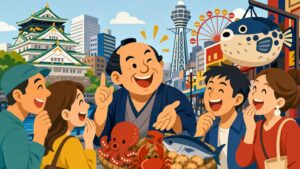
“How much did you pay for that?” The question comes at you, fast and direct, from a new acquaintance at a standing bar in Tenma. In Tokyo, this would be a social misstep, a question too personal for polite company. But here in Osaka, it’s an opening move, a sign of genuine interest, a conversation starter as natural as talking about the weather. You see it everywhere—the woman at the supermarket loudly announcing the price of discounted mackerel to a total stranger, the intense huddles over sale flyers, the collective groan when someone admits to paying full price for a train ticket they could have bought cheaper from a discount vending machine. Osaka runs on a different currency, and it isn’t just yen. It’s the currency of value, the thrill of the deal, the shared joy of a clever purchase. Is this city just obsessed with being cheap? Or is there a deeper, more complex engine humming beneath the surface? The answer lies in the heart of Osaka’s identity: the unshakeable spirit of the ‘Akindo,’ the merchant. This isn’t just a city of friendly faces; it’s a city of shrewd negotiators, where every interaction is a subtle dance of value, and understanding that dance is the key to truly living here.
This interplay of value and community spirit is further reflected in Osaka’s thriving bicycle culture that keeps the city moving with ingenuity and warmth.
The ‘Akindo’ Soul: More Than Just Merchants
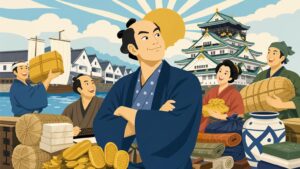
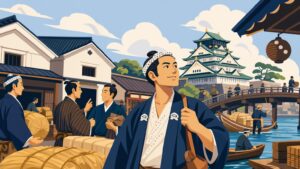
To truly understand Osaka, you need to grasp the concept of the ‘Akindo’ (商人). This term, meaning merchant or trader, is the key that unlocks the city’s entire operating system. It’s more than just a job title; it represents a deeply rooted philosophy, a worldview that has shaped Osaka’s character for centuries. While the samurai class defined the stoic, formal culture of Edo (modern-day Tokyo), Osaka was built by the calloused hands and quick minds of its merchant class. They powered Japan’s economy, and their values—pragmatism, efficiency, resourcefulness, and a sharp eye for value—became the city’s core principles. This spirit remains alive today, not only in the busy market stalls but also in the everyday mindset of its people. Whether an office worker, a student, or a retiree, everyone carries a piece of the Akindo soul.
A City Built on Commerce
Osaka’s identity was forged through commerce. During the Edo period, it earned the nickname “Tenka no Daidokoro,” the Nation’s Kitchen. It served as the central hub where rice and goods from all over the country were gathered, stored, and traded. Fortunes rose and fell with market shifts. This created a culture where financial literacy wasn’t just a skill but a necessity for survival. People learned to calculate, to weigh costs and benefits, and to see money as a tool to be used wisely, rather than merely a symbol of status. This historical backdrop is essential. The Osakan focus on price doesn’t stem from poverty or a lack of refinement; it comes from a long, proud tradition of being the smartest negotiators in the room. They respect money, and respecting money means never wasting it.
“Mokkari makka?” – The Greeting That Says It All
Nothing embodies the Akindo spirit better than the classic Osaka greeting: “Mokkari makka?” which means “Are you making a profit?” The usual, almost coded response is “Bochi bochi denna,” or “So-so,” “Getting by.” To an outsider, especially someone from Tokyo’s more formal culture, this might sound blunt or even rude—like asking to see someone’s bank statement. But that’s a complete misunderstanding. It’s not a literal question about finances. It’s a social ritual, a way of checking in rooted in a shared commercial heritage. It’s Osaka’s version of “How’s it going?” or “How’s life treating you?” The unspoken message is that business, prosperity, and the smart pursuit of success are communal values. Your success adds to the city’s vitality, just as mine does. It’s a greeting that immediately creates a sense of shared purpose and a practical worldview.
The Art of the Bargain: Daily Life in the Concrete Jungle
In Osaka, the quest for value is a daily pursuit, with the city itself serving as the arena. From vast covered shopping arcades to tiny mom-and-pop shops hidden in residential areas, the principles of the Akindo spirit are prominently displayed. Shopping here is not a passive exchange; it’s an engaging and often theatrical experience. It’s a game of wit, charm, and relationship-building, and mastering it is one of the most rewarding parts of life in this city. This is where the theory of a merchant city comes alive in a vibrant, noisy reality.
The Shotengai: A Living Museum of Value
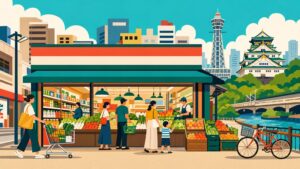
Forget the sterile, quiet aisles of a typical supermarket. To witness the Akindo spirit in its authentic setting, you need to visit a shotengai, a covered shopping arcade. Places like the legendary Tenjinbashisuji Shotengai, the longest in Japan, are the pulsating heart of local commerce. Here, the price tag often serves as just a starting point for conversation. Observe the butcher at the meat shop; as he wraps your order, he might smile and slip in an extra slice of pork—a little “service” for a loyal customer. The woman selling vegetables will notice your hesitation over some slightly bruised tomatoes and knock a hundred yen off the price without your asking. It’s all about the flow, the human connection. Sellers aren’t merely moving products; they’re nurturing relationships. That small discount or extra portion ensures you’ll return next week. It’s a long-term strategy, not a short-term loss. The air buzzes with the rhythmic calls of vendors hawking their goods, the friendly banter between shopkeepers and customers, and the lively energy of a community founded on exchange.
“Nego” is Not a Dirty Word
Haggling is generally considered taboo in most of Japan. Trying to negotiate a price in a Tokyo department store would likely be met with awkward silence and subtle disapproval. However, in Osaka, negotiation—or nego, as it’s colloquially called, borrowed from English—is embraced in certain situations. While you can’t bargain over a rice ball at a convenience store, there’s often some flexibility on pricier items like electronics or furniture. The key is the right approach. It’s not an aggressive confrontation but a playful challenge. A common tactic is not to question the price directly but to request added value. “If I buy this camera, can you include a memory card?” or “I’m purchasing two of these—can you give me a little something extra?” The phrase “Chotto benkyo shite,” literally meaning “study a little,” is a classic way to ask for a better price. It frames negotiation as a learning experience, a collaboration to reach a mutually acceptable deal. It’s a performance, and if you play your part with good humor, you’re often rewarded.
The “Omake” Culture
Even more common than direct negotiation is the culture of omake, the small, unexpected bonus a seller adds to your purchase. This is Osaka Akindo’s secret weapon. An omake is more than a freebie; it’s a meaningful gesture of goodwill. It might be a few extra gyoza from the Chinese food stall, a handful of candy for your children from the corner store owner, or a sample of a new product from the cosmetics counter. Although the omake’s monetary value is usually small, its psychological impact is profound. It turns a simple commercial transaction into a personal interaction. It says, “I see you, I value your business, and here’s a little something to show it.” This is what fosters fierce customer loyalty. People in Osaka will travel across town to shop at places where they’re recognized and appreciated, where they might receive a small omake. It perfectly exemplifies the Akindo mindset: a modest investment in generosity that yields immense loyalty in return.
Friendliness as a Business Strategy
The stereotype of Osaka people being exceptionally friendly and outgoing isn’t incorrect, but it is often misunderstood. This trait is not merely a random personality quirk; in many respects, it directly reflects the Akindo spirit. In a city founded on trade, communication is crucial. Being open, engaging, and even a bit loud serves as a highly effective business strategy. It breaks down barriers, builds trust, and encourages people to want to do business with you. This “friendliness” is, in fact, a refined social skill developed over centuries of commerce.
The ‘Nori’ of Conversation
To grasp Osaka’s unique style of social interaction, you must understand the concept of nori. It’s a challenging term to translate exactly, but it conveys something like “vibe,” “rhythm,” or “getting into the flow of an interaction.” Having good nori means being able to jump into a conversation, play along with jokes, and contribute to a lively, energetic atmosphere. Osaka people excel at creating good nori. A shopkeeper won’t merely sell you takoyaki; they’ll ask where you’re from, joke about your Japanese, and engage in a playful argument with the customer next to you. This isn’t wasted time—it’s a way of crafting a positive experience that makes the customer feel part of the scene. This skill is closely connected to the city’s comedy culture, where the roles of the funny man (boke) and the straight man (tsukkomi) are deeply embedded in everyday exchanges. This conversational style makes interactions feel less formal and more memorable, which, from an Akindo perspective, is simply good business.
When “Friendly” Becomes “Nosy”
Of course, there is another side to this. For people from more reserved cultures—including many Japanese from other regions—Osaka’s directness can feel overwhelming, even intrusive. The same obachan (a familiar term for a middle-aged or older woman) who charms you with a joke might, in the next moment, ask how much rent you pay, whether you’re married, or why you’re buying so much beer on a Tuesday. This is not meant to be malicious or judgmental. It stems from a place where community boundaries are more fluid, and personal details are shared more openly as a way of establishing connection. However, for those who value privacy, this can be a significant cultural shock. It’s a classic example of an advantage—openness and community—becoming a disadvantage when seen from a different cultural viewpoint. Learning to navigate these conversations, and to politely deflect when needed, is an essential skill for living comfortably in Osaka.
The Downsides of a Penny-Pinching Paradise
While the Akindo spirit cultivates a lively community and ensures you receive excellent value for your money, it does come with some drawbacks. The relentless emphasis on practicality and cost-performance can occasionally overlook other aspects, such as aesthetics, presentation, and personal space. Recognizing these trade-offs is key to truly appreciating what Osaka has to offer while remaining realistic about its limitations. The city prioritizes substance over style, and this philosophy brings both positive and negative consequences.
Image vs. Substance: The Osaka-Tokyo Divide
This difference is perhaps the most fundamental between Osaka and Tokyo. Tokyo is a city fixated on image, branding, and presentation. Everything from the packaging of a simple snack to the design of a subway station is meticulously curated for maximum visual impact, and you pay a premium for that polish. In contrast, Osaka operates on a principle of radical practicality. The guiding question is not “How does it look?” but “Does it work well, and is the price fair?” This approach creates a distinct urban experience. For example, at a restaurant in Namba, you might enjoy some of the most astonishingly delicious ramen ever, yet it could be served in a cramped space with worn linoleum floors and fluorescent lighting. The Akindo mindset insists money be invested in the quality of ingredients and the chef’s skill, not in costly décor that doesn’t enhance the flavor. For some, this is freeing—an escape from the tyranny of style. For others who value atmosphere as part of the experience, it may feel unrefined and lacking charm.
The Pressure to Be “Smart” with Money
In Osaka, being a savvy shopper is more than a personal preference—it’s a social norm. Conversations often center on who found the best deal. People take pride in announcing they purchased a brand-name jacket for 70% off at the Rinku outlet mall or got vegetables for half price by shopping just before the supermarket closes. This showcases cleverness and resourcefulness. On the flip side, admitting to paying full price might be met with surprised “Eeeh?!” reactions and a friendly but firm reminder about how you could have done better. This creates subtle social pressure to constantly seek bargains. For those who don’t enjoy the chase or value time over saving a few hundred yen, this cultural trait can feel draining, as if your spending habits are under constant efficiency review.
Misunderstanding “Stingy” vs. “Practical”
The most common negative stereotype about Osaka residents is that they are kechi, or stingy. This is a basic misunderstanding of the Akindo philosophy. Stinginess means hoarding money and refusing to spend it. The Osaka mindset isn’t about avoiding spending; it’s about spending wisely. An Osakan won’t hesitate to spend a significant sum on something they value highly—a perfectly marbled cut of Kobe beef, a set of handcrafted kitchen knives, or an unforgettable meal at a high-end restaurant. What they resist is paying for what they consider poor value. They despise waste, dislike paying for marketing gimmicks, unnecessary middlemen, or a fancy brand name on a mediocre product. Their frugality is a protest against inefficiency and a celebration of genuine quality. It’s not about being cheap; it’s about mastering the art of value.
How to Thrive in Osaka’s Akindo Culture
Living in Osaka, you don’t need to become an expert haggler instantly. It’s about understanding the local way of doing things and learning to work with it, rather than against it. By embracing some core elements of the Akindo spirit, you can save money and form a deeper connection with the city and its people. It’s a shift in perspective, seeing everyday shopping as a form of cultural engagement.
Embrace the Game
Instead of treating bargain-hunting as a task, try to view it as a game. Approach interactions with shopkeepers not just as transactions, but as chances for meaningful conversation. Compliment their shop, inquire about their products, and show genuine interest. Building a small rapport changes the dynamic—you’re no longer just a nameless customer, but a person. In Osaka’s relationship-focused local economy, that’s where the magic happens. You might receive a small discount, a generous omake, or simply enjoy a warm exchange that brightens your day. The goal isn’t just to save yen, but to enjoy the experience.
Know Your Prices and Your Values
To succeed at the game, you need to know the rules. This means understanding the typical prices of items you regularly buy. When you know, for example, how much a kilogram of rice usually costs, you can instantly spot a real bargain. This knowledge empowers you as a consumer. At the same time, be clear about your personal values. The Akindo spirit values cost-effectiveness, but perhaps you cherish a quiet, beautifully designed café and are willing to pay more for that ambiance—that’s perfectly okay. The key is making conscious choices. Respect the local value system without feeling forced to abandon your own. The aim is to be a smart consumer on your terms.
Learn the Lingo of Value
A few key phrases can demonstrate your understanding and respect for the local culture. Using the Osaka-ben phrase for “How much?”—”Kore, nanbo?”—signals you’re tuned into the local vibe. Praising a good price with “Meccha yasui!” (That’s super cheap!) will delight any shopkeeper. And if you’re feeling bold, try the playful “Chotto benkyo shite!” to ask for a better price. Even if negotiation isn’t your strength, using these expressions shows your effort to engage with the culture on its own terms. In a city that values communication as much as Osaka does, that effort is almost always appreciated.