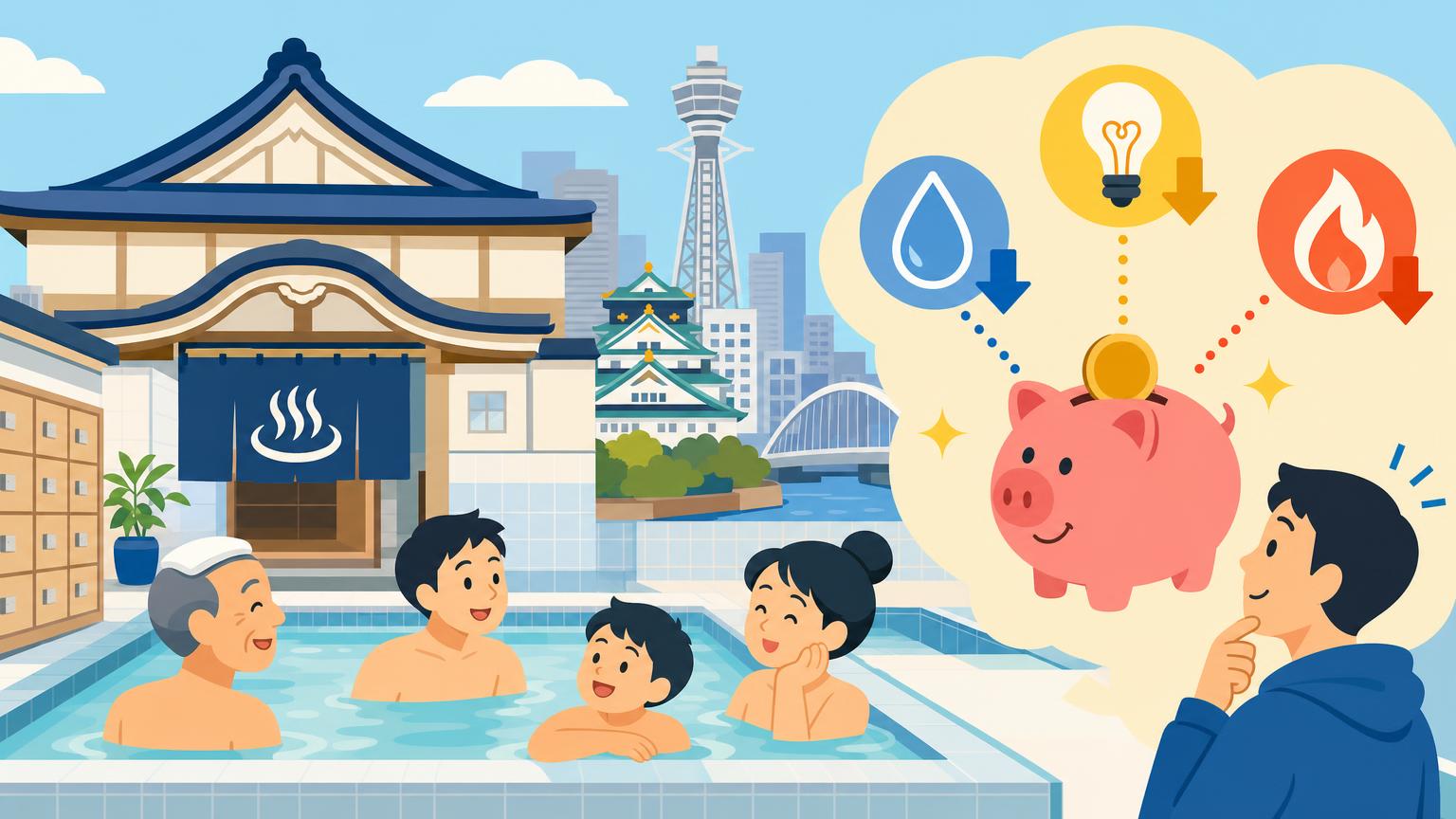
You arrive in Osaka with a budget and a dream. You scour the local real estate listings, navigating the complex world of Japanese apartment hunting. Suddenly, you find a gem. A spacious tatami room in a retro Showa era building, located right in the heart of a vibrant neighborhood. The rent is astonishingly low. It seems too good to be true. You scan the floor plan looking for the catch, and there it is. There is no bath. For many foreign newcomers, a bathless apartment is an immediate dealbreaker. It conjures images of inconvenience and extreme frugality. But to understand Osaka, you must understand its pragmatism. What looks like a housing compromise is actually a deeply ingrained cultural hack. Osakans are historically merchants. They evaluate life through the lens of value, community, and practical utility. Living in a bathless apartment is not always a sign of financial distress. Often, it is a deliberate, highly strategic choice to save on soaring utility costs while upgrading one’s lifestyle through the local public bathhouse, known as the sento. This is not just about getting clean. It is about how the people of Osaka interact, how they save money, and how they view the concept of shared public space. In Tokyo, a bathless apartment might be hidden out of embarrassment. In Osaka, it is worn as a badge of pragmatic honor. Your living room is small, but your bathtub is the size of a swimming pool, and it is located just down the street.
What is a Sento? Demystifying the Osaka Bathhouse Culture
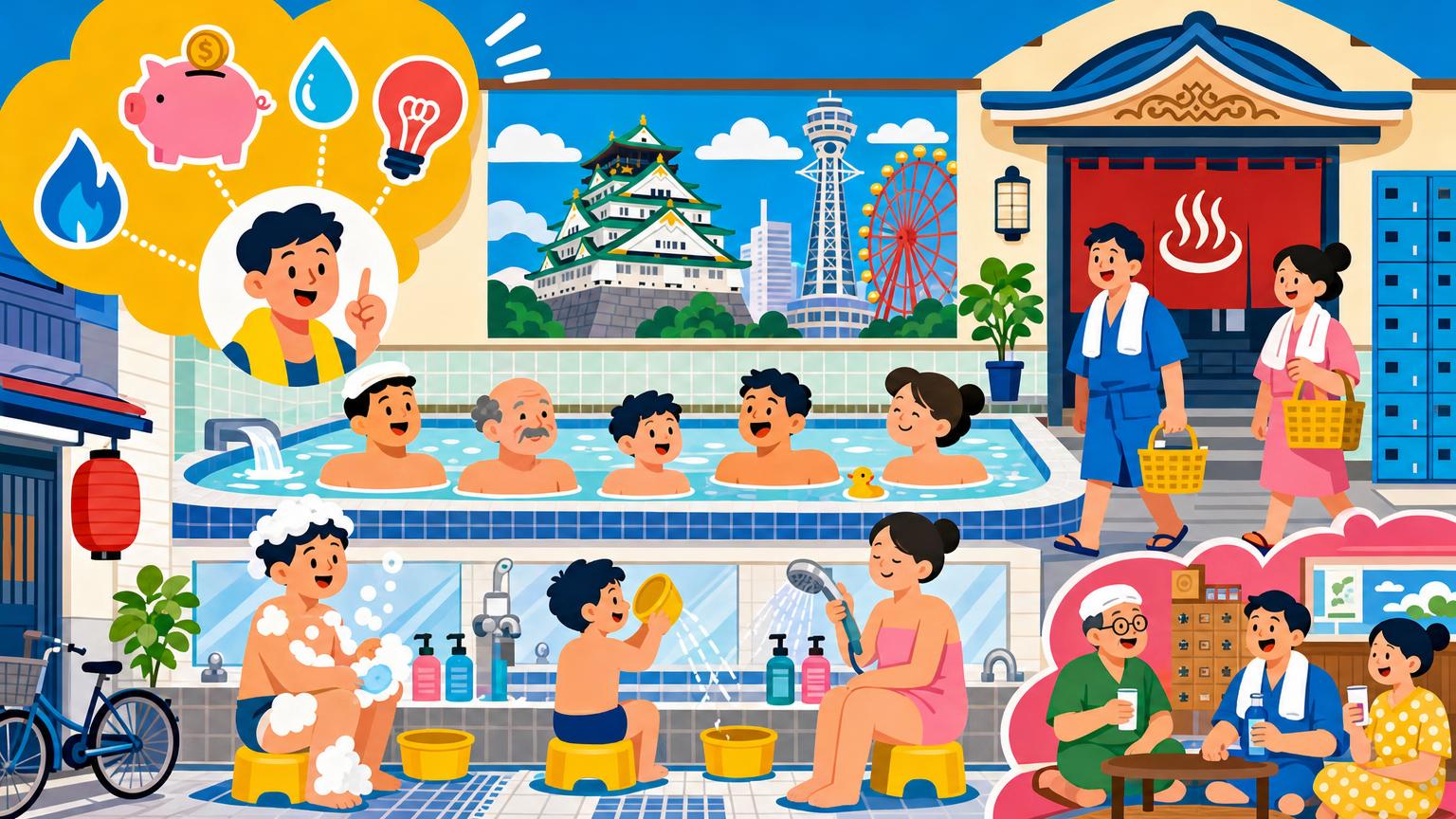
To truly understand the daily rhythm of Osaka, you must first learn the terminology related to Japanese bathing. Foreign visitors often use the term onsen to refer to any large communal bath, but this reflects a significant misunderstanding of both geology and local culture. The difference between a sento, an onsen, and a super sento goes beyond mere semantics. It affects the cost, social etiquette, tattoo policies, and the very atmosphere of the place you are entering.
Sento Versus Onsen Versus Super Sento
A traditional sento is a neighborhood public bathhouse that does not rely on natural volcanic hot springs. Instead, it heats municipal tap water or pumped well water in large boilers, historically fueled by wood scraps from local carpenters, although gas is more commonly used today. The key feature of a sento is its legal status as a public sanitation facility. Because it provides an essential hygiene service for the community, the entrance fee is strictly regulated by the prefectural government. In Osaka, prices are especially affordable, making daily visits accessible to the working class.
An onsen, on the other hand, is defined by the earth itself. To be legally called an onsen, the water must naturally emerge from the ground at a certain high temperature and contain specific geological minerals. Onsens are typically found in mountainous resort towns, though modern drilling has brought some into the urban expanse of Osaka. They serve as destinations for healing and tourism, not just everyday hygiene.
Then there is the super sento, a product of modern leisure capitalism. These are massive entertainment complexes featuring dozens of different bath types, extensive sauna areas, outdoor relaxation spaces, massage parlors, and full-service restaurants. They are private leisure facilities, not public sanitation centers. As a result, they set their own prices—significantly higher than local sentos—and enforce strict entry rules, which strongly influence their policies regarding foreign tourists and tattoos.
The Historical Roots of Osaka Public Bathing
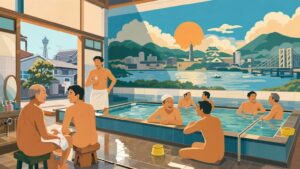
Why do sentos continue to thrive in a modern metropolis like Osaka? The answer lies in the city’s history as the industrial heart of Japan. During the rapid urbanization of the Meiji and Showa eras, Osaka earned the nickname “Manchester of the Orient.” Millions of workers flooded the city to work in factories, and housing was built at a rapid pace. Iconic Osaka nagaya, traditional wooden row houses, were constructed side by side. Space was extremely limited. Installing private plumbing and large water heaters in these small wooden homes was economically and architecturally unfeasible, not to mention a major fire risk. The solution was communal: centralized bathhouses became the social hub of every neighborhood. Even after the postwar economic boom brought private baths into most homes, Osakans maintained a strong affection for sentos. The sento remained a place where social hierarchies dissolved in the hot water—where factory bosses and line workers were equal when naked. This egalitarian spirit perfectly embodies Osaka’s core character, a city that openly rejects pretense.
The Economics of the Soak: Sento Versus Apartment Baths
If you want to live like a true local, you need to run the numbers. Osaka is a merchant city, and its residents are highly conscious of value. The continued existence of bathless apartments in the twenty-first century is no accident. It is an economic strategy embraced by students, young professionals, and frugal creatives.
Renting Bathless Apartments in Osaka
When you look through real estate listings in wards such as Nishinari, Ikuno, or even parts of central Naniwa, you’ll notice a significant price drop for apartments without a private bathing room. A standard studio apartment with a unit bath might cost sixty thousand yen per month. A similarly sized room in an older building without a bath could rent for twenty-five thousand yen. That’s a monthly saving of thirty-five thousand yen. For a foreign student or a young expatriate teaching English, that is a game-changing amount of money, freeing up your budget for dining out, traveling, and exploring the city’s incredible culinary scene.
Calculating the Utility Savings
The savings go well beyond just the base rent. Heating water is incredibly costly in Japan. Many older apartments use propane gas rather than the cheaper municipal city gas. If you fill a private bathtub every night, your winter gas bill can easily exceed ten thousand yen a month, along with high water utility charges. Now, consider the sento lifestyle. The fixed entrance fee for a public bath in Osaka is under five hundred yen. If you visit four times a week, you spend about eight thousand yen a month. You completely outsource your hot water costs, water usage, and bathroom cleaning labor. You trade a cramped, plastic unit bath in a lonely apartment for soaring ceilings, social interaction, deep therapeutic tubs, and jet baths. The math clearly favors the sento. This practical approach to living expenses is at the heart of Osaka culture. Why pay extra for isolated luxury when communal luxury is cheaper and more enjoyable?
Essential Sento Etiquette: A Step-by-Step Guide for First-Timers
For many international residents, the concept of the sento makes sense, but the actual experience can be intimidating. The idea of completely undressing in a room full of strangers goes against the cultural norms of many Western societies. Additionally, the unspoken rules of the bathhouse can feel like a complex minefield. Knowing the etiquette is not only about avoiding embarrassment but also about showing respect for the local community that welcomes you into their sanctuary.
The Entrance and Getabako Shoe Lockers
Your sento journey begins the moment you slide open the front doors. The first thing you’ll notice is a wall of small wooden lockers called getabako. This marks the boundary between the outside world and the bathhouse. You must remove your shoes immediately upon entering the tiled foyer. Place your shoes inside an empty locker, where you’ll find the keys are often wooden slabs that slide out and lock the door behind them. Keep this wooden key with you. Next, you will approach the attendant. In older establishments, this is the bandai, a raised platform where an attendant oversees both the men’s and women’s changing rooms. Don’t be alarmed by this traditional setup; the attendants are experienced professionals. In more modern bathhouses, the bandai is replaced by a front desk in a shared lobby. You pay your fee in cash or purchase a ticket from a vending machine, then proceed through the curtain. Pay careful attention to the colors: blue is always for men, and red is always for women. Getting this wrong is taken very seriously.
The Datsuijo Changing Room and Going Nude
You enter the datsuijo, the changing room. This is the moment of truth: you must remove all of your clothing. Swimsuits are strictly forbidden in traditional Japanese bathhouses. Underwear is absolutely not allowed in the bathing area. This rule is a strict part of Japanese hygiene and culture. Wearing clothes in the bath implies that your garments are dirty and that you’re bringing outside contaminants into the sacred communal water. You must accept the naked rule. Fold your clothes neatly and place them into a locker or a woven basket provided. Lock up your valuables. The only item you take with you into the bathing area is a small modesty towel, which you should either bring from home or purchase at the front desk.
Kakeyu: Washing Before You Soak
You slide open the door to the bathing area. Steam rushes over you. The sounds of flowing water and quiet conversation fill the space. But before approaching the large hot tubs, you must thoroughly wash your body—that is the sento’s golden rule. The tubs are for soaking and relaxing, not for cleaning. Along the walls, you will find rows of low mirrors, small plastic stools, and basins. Take a stool and basin and sit down. Do not stand and use the shower head, as this will splash soapy water on others. Use your small towel, soap, and shampoo to scrub every part of your body. Rinse thoroughly so no soap remains. Once impeccably clean, perform kakeyu: fill your small basin with warm water from the tap or trough and pour it over your body, starting at your feet and moving up to your shoulders. This helps your body adjust to the bathwater’s high temperature and serves as a final symbolic rinse.
Towel Rules and Bathing Manners
Now you may slowly enter the water. It will be hot—much hotter than you’re probably used to. Ease yourself in gradually and avoid splashing. What should you do with your small modesty towel? Never let it touch the bathwater. Dunking a towel into the communal tub is considered highly unsanitary. Most locals fold their damp towels and balance them carefully on their heads. Others place them on the edge of the stone tub. When you’re finished soaking, use the same small towel to dry off excess water before returning to the datsuijo changing room. Dripping water onto the changing room floor is considered very rude.
Are Sentos in Osaka Tattoo-Friendly?
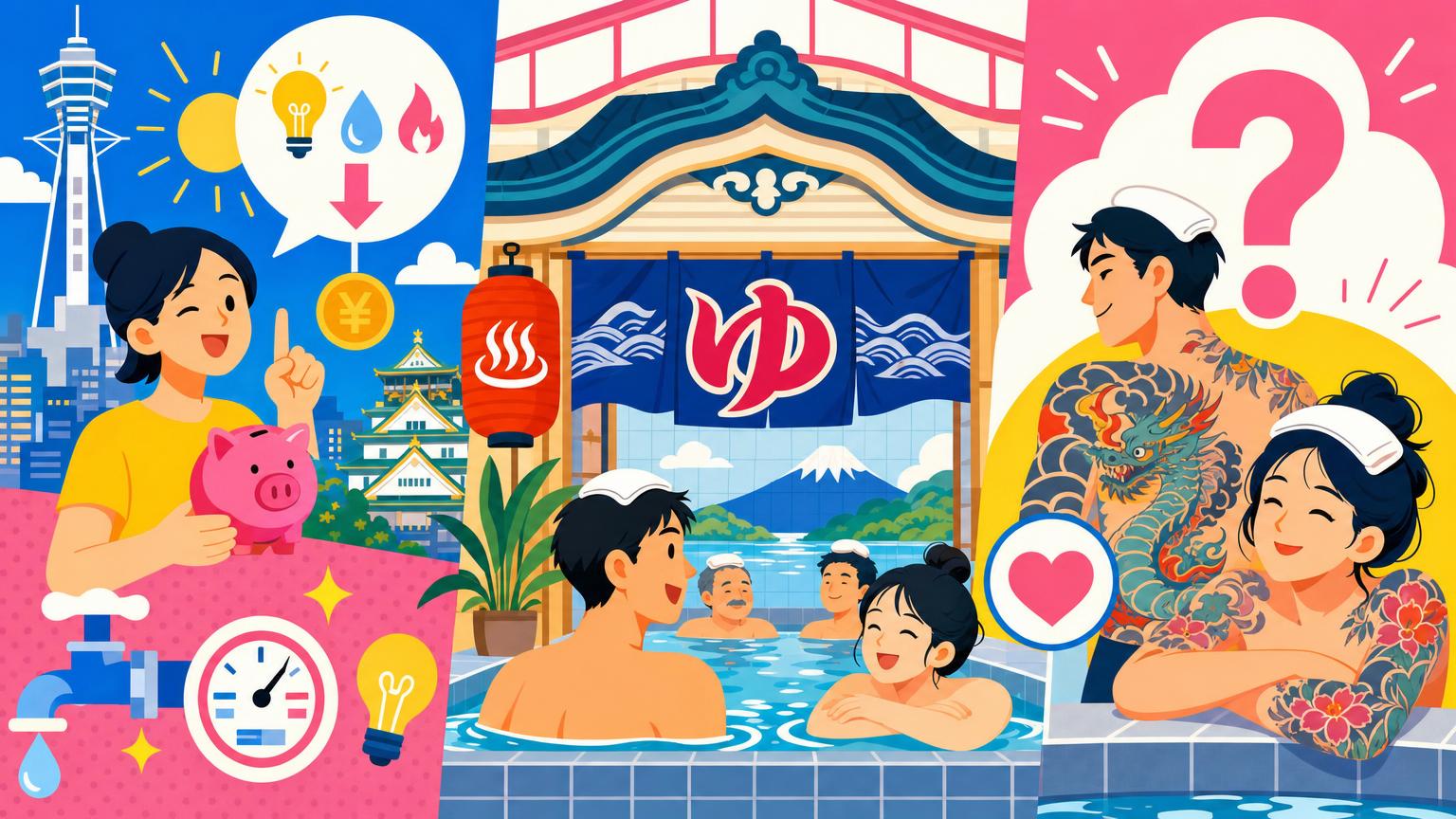
This is arguably the most urgent question for foreign residents in Osaka. The relationship between Japanese bathing culture and body art has a complex history and is often misunderstood. If you have tattoos, you may have read alarming warnings online claiming you will be universally banned from all bathhouses in Japan. This is simply not true, especially in the practical city of Osaka. The key to understanding this lies in the legal distinction between the types of baths mentioned earlier.
The Traditional Local Perspective
Traditional neighborhood sentos are surprisingly tattoo-friendly. Since they are legally classified as public sanitation facilities, they cannot arbitrarily refuse entry to citizens who need to bathe. They function as public utilities, similar to parks or libraries. Historically, these local baths were frequented by yakuza members, and elaborate full-body irezumi tattoos were a common sight among the older generation of Osakans who regularly visit these establishments. Whether you have a small butterfly on your ankle or a full sleeve of modern art, you will usually face no issues entering a local Osaka sento. Locals will likely ignore your tattoos entirely or an older patron might even compliment your artwork as a way to start a conversation. This reflects the reality-based nature of Osaka’s local communities, rather than corporate policies.
Navigating Modern Complex Regulations
The situation changes significantly when you try to enter a super sento or a resort onsen. These are private businesses focused on family entertainment. To maintain a certain image and appeal to family demographics that still associate tattoos with organized crime, nearly all super sentos enforce a strict zero-tolerance tattoo policy. If you are found with a tattoo inside a super sento, you will be asked to leave immediately without a refund. Some modern facilities have started offering small flesh-colored stickers to cover minor tattoos, but this remains the exception rather than the rule. Therefore, if you are a tattooed foreigner living in Osaka, the traditional neighborhood sento is not only an economical option— it is your main gateway into Japanese bathing culture.
Best Traditional and Tattoo-Friendly Sentos in Osaka
Osaka is filled with amazing local bathhouses, each boasting its own unique architectural style, water temperature, and neighborhood atmosphere. These are not tourist traps but rather the living rooms of the working class.
Chidori Onsen
Although it carries the name onsen, Chidori Onsen functions as a traditional sento located in the Konohana ward. This area is marked by narrow alleys, bicycles resting against walls, and an authentic, gritty Osaka vibe. Chidori Onsen is cherished by locals and notably welcoming to foreigners and heavily tattooed visitors. Its architecture is retro and practical, with intensely hot baths. The owners are known for their progressive outlook and often host community events or live music in the lobby. It perfectly embodies Osaka’s blend of modern community spirit and historic infrastructure.
Irifune Onsen
Nestled near the lively and historically complex Nishinari ward, Irifune Onsen is a local institution. Nishinari is known as a rougher neighborhood, traditionally home to day laborers, a demographic that has kept the local sento culture vibrant. Irifune Onsen is spotlessly clean, featuring a beautiful tiled interior and various baths, including a formidable denki buro. The denki buro, an electric bath favored by older Osakans, pulses low-voltage electricity through the water, causing involuntary muscle contractions believed to relieve lower back pain. Using the electric bath is considered a rite of passage. Irifune Onsen enforces strict etiquette but allows tattoos and welcomes people of all nationalities without discrimination.
Showa-yu
Located in the Awaji area in northern Osaka, Showa-yu is a stunning example of retro preservation. True to its name, entering feels like stepping back into the mid-twentieth century Showa era. The owners have worked diligently to maintain the classic look while embracing a younger, international clientele. They frequently collaborate with local guesthouses, so regular patrons are familiar with curious foreigners navigating sento etiquette for the first time. It’s an ideal place for your initial sento experience. The water is soft, the neighborhood quiet, and the cold coffee milk after the bath is just right.
Best Super Sentos for a Full-Day Experience in Osaka
If you have no tattoos, or only very small ones that can be fully covered by a required sticker, experiencing Osaka’s super sentos offers an entirely different cultural adventure. These places are temples of relaxation meant to consume your entire Sunday.
SpaWorld and the Strict Tattoo Policy
Rising above the neon-lit streets of Shinsekai is SpaWorld. It’s impossible to talk about Osaka bathing without mentioning this massive complex. It’s an architectural fantasy come to life. The facility is split into a European zone and an Asian zone, which alternate between male and female use each month. You can soak in a replica of Roman ruins, sweat it out in a Finnish sauna, then head upstairs to bathe in a simulated Japanese outdoor stream. This is theme park bathing at its absolute best. However, it must be emphasized clearly: SpaWorld enforces an extremely strict no-tattoo policy. Staff actively patrol locker rooms and bathing areas, and anyone caught sneaking in with tattoos will be asked to leave. For those without ink, it’s a magnificent, extravagant, and truly Osaka-style celebration of leisure.
Nobeha no Yu Tsuruhashi
Situated in the heart of Tsuruhashi, Osaka’s expansive Koreatown, Nobeha no Yu provides a more refined, adult-focused super sento experience. It embraces Korean spa culture, offering elaborate saunas and bedrock bathing known as ganban-yoku. Guests wear special uniforms and lie on heated stone slabs that induce a deep, cleansing sweat. The outdoor bathing areas are beautifully landscaped, creating a striking contrast to the chaotic, smoke-filled yakiniku streets just beyond the walls. Like SpaWorld, they maintain a strict tattoo ban, but for those allowed in, it offers a fascinating glimpse into how Osaka blends neighboring cultures into its own leisure traditions.
Frequently Asked Questions About Bathhouses in Osaka
Are bathhouses mixed gender?
No. Modern sentos and super sentos maintain strict gender segregation. You will enter through separate doors, use different changing rooms, and bathe in entirely separate halls. The only slight exception is the traditional bandai attendant booth found in older sentos, where an elderly attendant may oversee both changing rooms, but the bathing areas themselves are completely separated by walls.
Do I need to bring my own soap and shampoo?
This depends entirely on the type of facility. At a local, traditional sento, you are usually expected to bring your own toiletries in a small plastic basket. If you forget, you can purchase tiny, single-use packets of soap at the front desk for a few coins. Super sentos, however, almost always provide large pump bottles of high-quality body wash, shampoo, and conditioner at every shower station.
How hot is the water, really?
It is extremely hot. Traditional Osaka sentos typically keep their main tubs at temperatures around forty-two to forty-four degrees Celsius. This can feel quite scalding for beginners. The key is to acclimate slowly by using the kakeyu rinsing method. Do not push yourself to stay in the water if you begin to feel dizzy. Step out, sit on the edge, and let the surrounding steam keep you warm before going back in.
Is it okay to look at other people?
Staring is universally considered impolite in any culture, and the bathhouse is no exception. The golden rule at the sento is to mind your own business. Everyone is naked, and so, paradoxically, no one is naked. This vulnerability is completely neutralized by the shared context. Keep your gaze forward, focus on your own relaxation, and enjoy the ambient sounds of the community washing away the stress of the day. Embracing this communal vulnerability is the final step to truly understanding the pragmatic, deeply human heart of Osaka.