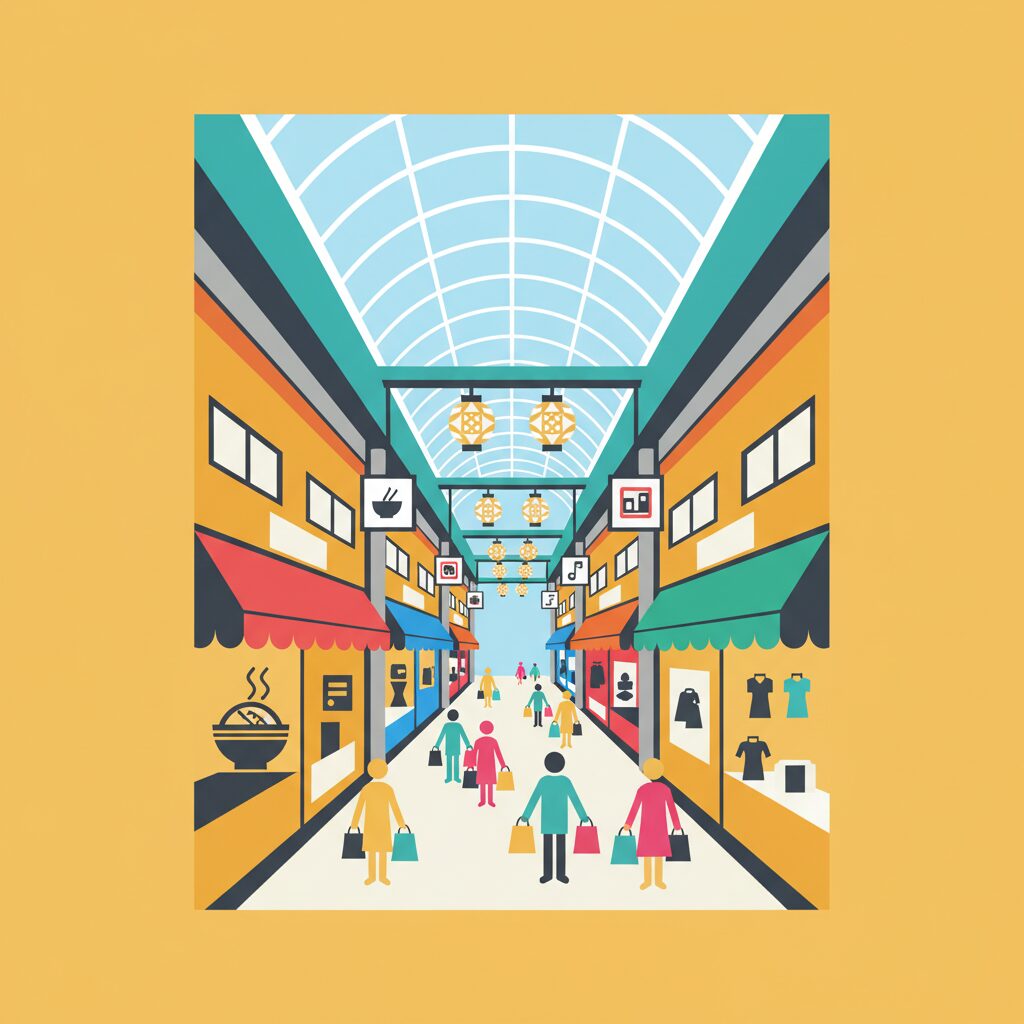
Walk out of almost any train station in Osaka, and you’ll find one. A long, covered street, a tunnel of commerce buzzing with a particular kind of energy. This is the shotengai, the covered shopping arcade. To a newcomer, it might look like a chaotic, slightly dated version of a shopping mall. You see bright, sometimes garish signs competing for your attention. You hear the shouts of vendors, the rumble of bicycles on paved stone, and the distant, electronic jingle of a pachinko parlor. It can feel overwhelming, a sensory barrage that doesn’t quite fit the serene, orderly image of Japan you might have had in your head. The instinct is to see it as a relic, a charming but perhaps fading piece of Showa-era nostalgia. But that’s where you’d be making the first, and most common, mistake in understanding Osaka. The shotengai isn’t a museum. It’s not a tourist trap, though tourists certainly pass through. It’s the city’s living room, its kitchen, its central nervous system. It’s where the raw, unfiltered personality of Osaka is on full display every single day. Forget the sleek department stores and the minimalist boutiques for a moment. If you truly want to understand how this city breathes, how its people connect, and why it feels so fundamentally different from Tokyo, you need to spend time under these roofs. This is where transactions are conversations, where community is currency, and where the real rhythm of daily life plays out, rain or shine.
Immerse yourself in the city’s vibrant cultural tapestry by exploring Osaka nori-tsukkomi comedy, which perfectly complements the lively spirit of these bustling covered shopping arcades.
Beyond the Shopping List: The Shotengai as a Social Network
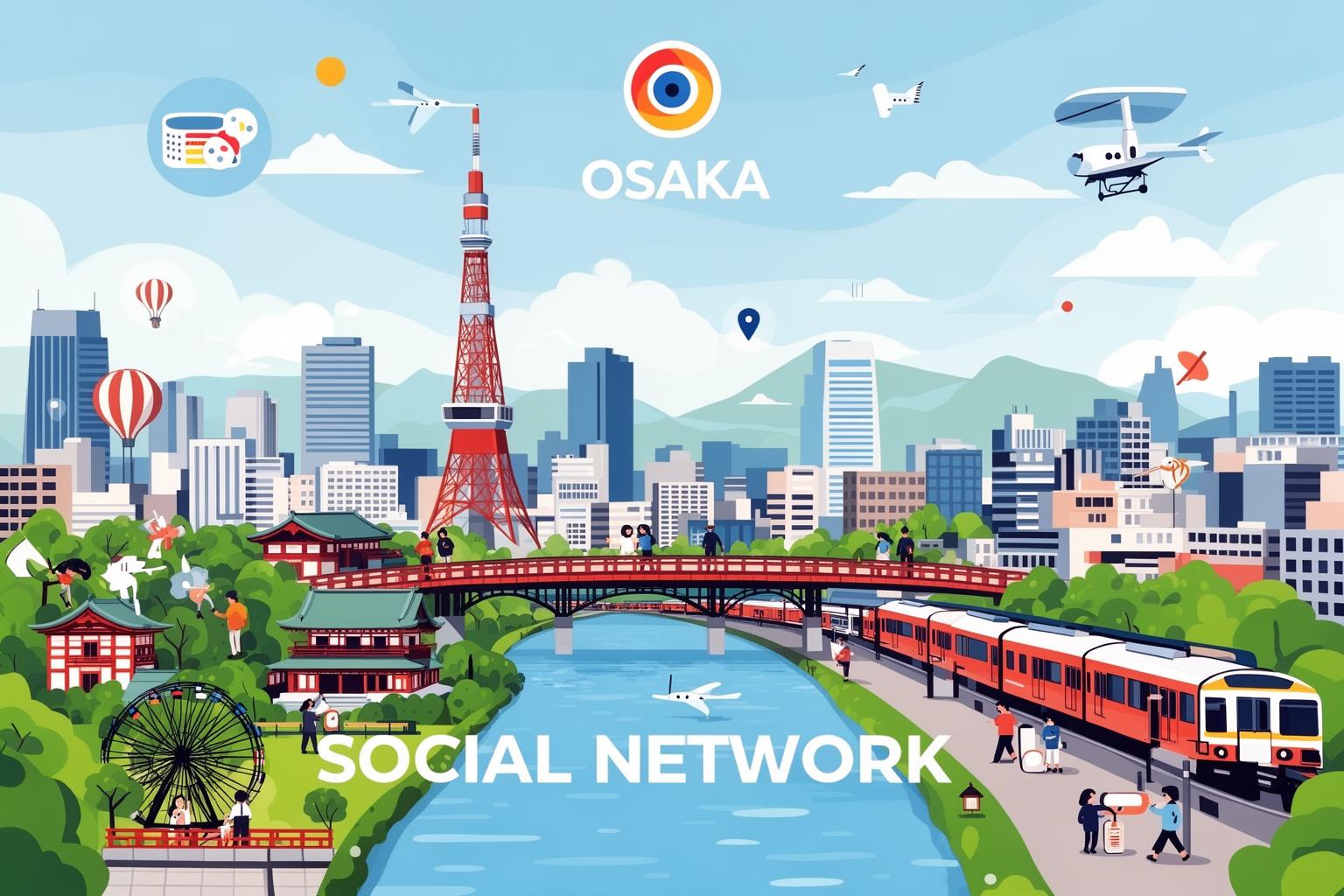
In most modern cities, shopping is an impersonal activity. You push a cart beneath fluorescent lights, scan your items at a self-checkout, and leave without exchanging a word. An Osaka shotengai follows a completely different philosophy. Here, commerce is simply an excuse for connection, rather than the other way around. It’s a dense, intricate network of human relationships disguised as a marketplace. The arcade serves as a daily community check-in, where social ties are strengthened with every block of tofu sold and every daikon radish weighed. It functions less like a retail space and more like an open-air social club, where your identity is not merely “customer,” but “neighbor.”
Where “How Are You?” Means “How’s Business?”
Stand near a fishmonger or a fruit stall for a few minutes and listen. You’ll hear a steady, rhythmic exchange forming the arcade’s background hum. It’s a dialogue unique to this merchant city. A neighbor passes by and calls out to the shop owner, “Mokari makka?” which literally means “Are you making a profit?” The usual reply comes without hesitation: “Bochi bochi denna,” meaning “So-so” or “Can’t complain.” This isn’t an earnest inquiry into their finances. It’s Osaka’s version of “How are you?” A greeting that acknowledges the city’s DNA—a place shaped by merchants, where business is life and life is business. It’s a sign of mutual respect, recognizing that everyone is working hard to make a living. This simple exchange reinforces the community’s shared identity. In Tokyo, such a direct question about money would be seen as incredibly rude. In Osaka, it’s an expression of warmth and familiarity. It says, “I see you. I see your effort. We’re in this together.”
This spirit extends to every transaction. You don’t merely buy vegetables; you build a bond with the person selling them. The elderly woman at the pickle stand, the `tsukemono-ya`, knows you prefer your radish pickles a bit less salty. The butcher at the `niku-ya` understands you’re making curry tonight and sets aside a cut of beef perfect for stewing. After a few visits, a fruit vendor might toss an extra mandarin orange, an `omake`, into your bag with a gruff, “Here, for your kid.” This isn’t a marketing ploy. It’s the currency of loyalty. It’s the community’s invisible ledger, where small acts of kindness are deposited, strengthening the bonds that hold the neighborhood together. You’re not just a consumer making an optimal choice based on price; you’re Tanaka-san’s customer, carrying a history and a set of mutual obligations. This deeply personal layer is something a sterile supermarket can never replicate.
The Unspoken Rhythm of the Arcade
The shotengai pulses with the rhythm of the day, a predictable yet lively cycle reflecting the lives of the residents it serves. Morning begins with a metallic clatter as shopkeepers raise their metal shutters. The air fills with the aroma of fresh dashi stock simmering and rice cooking. This is the time of the `mamachari` brigade, as housewives on sturdy utility bicycles, often with child seats attached, arrive at the arcade for the day’s groceries. They move with efficient, practiced grace, weaving through narrow lanes, calling out greetings, and sharing neighborhood gossip over piles of fresh spinach and glistening sardines. The energy is purposeful, a quiet buzz of domestic industry.
By midday, the rhythm shifts. Grocery shoppers recede, replaced by local office workers and shop employees seeking a quick, affordable, and satisfying lunch. The arcades fill with the sounds of noodles being slurped at tiny standing-only udon counters and okonomiyaki sizzling on hot griddles. It’s a frantic, focused energy, a brief break before the afternoon’s work. The afternoon brings a lull and the pace slows. This is the time for the elderly. You’ll see them sitting on benches, fanning themselves in summer or huddled under the arcade’s roof in winter, simply watching the world go by. For many, the shotengai is their primary social outlet, a safe and accessible place to ward off the loneliness that can accompany old age. Schoolchildren, just released from classes, bring a burst of chaotic energy, spending their pocket money on cheap snacks like `korokke` (croquettes) or `takoyaki`. Then, as evening falls, the final wave begins. Commuters surge out of the train stations, stopping in the shotengai on their way home to pick up a pre-made side dish, a few skewers of yakitori, or a cold beer from a liquor store. The arcade serves them one last time before the shutters rattle down again, ending another day in the neighborhood’s life.
An Osaka Original: How Shotengai Feel Different from Tokyo
Anyone who has spent time in both of Japan’s major cities can feel the difference deep within. Tokyo is a city defined by polish, precision, and performance. Its commercial districts often feature sleek, curated expressions of global trends. Osaka, in contrast, is a city of pragmatism, personality, and participation. This contrast is most apparent in their respective shopping streets. The shotengai is a uniquely Osaka institution—not because other cities don’t have them, but because of its central role in Osaka’s identity. It represents a set of values that starkly oppose the capital’s prevailing atmosphere.
Function Over Form, People Over Polish
Tokyo’s famous shopping districts, such as Omotesando and Ginza, are monuments to design and aesthetic perfection. They consist of wide, open boulevards lined with flagship stores that serve as much as architectural statements as retail outlets. The experience inspires awe and aspiration, emphasizing visual harmony and a quiet, respectful style of consumption. An Osaka shotengai rests on a completely different foundation: pure, straightforward function. The roof isn’t a design feature; it’s there to shelter shoppers from the rain, a practical necessity in Japan’s humid, typhoon-prone environment. The narrow street is not a stylistic choice; it creates a cozy, intimate setting that makes it easy for shops on both sides to catch your eye. The visual environment is uncurated—a democratic free-for-all. Handwritten signs advertising daily specials are taped over professionally printed posters. Buckets of fish on ice sit beside displays of socks. A traditional kimono shop may be squeezed in between a discount pharmacy and a loud, flashy pachinko parlor. There is no concern for a unified aesthetic. The only question that matters is: does it work? Does it meet the daily needs of the local community? This emphasis on pragmatism over polish is quintessentially Osaka. The city has always been a place for merchants and artisans who value quality and fair prices over fancy packaging. The shotengai is the ultimate embodiment of this mindset—a space that prioritizes usefulness and vibrant energy over a polished brand image.
The Art of the Deal: Why Bargaining is a Conversation
Throughout most of Japan, the price on the tag is final. Attempting to bargain in a Tokyo department store would be met with confusion and quiet disapproval, as it breaches the social contract of smooth, frictionless transactions. However, in Osaka’s shotengai, the dance of the deal—known as `negiro`—remains alive and thriving. It’s not the aggressive haggling commonly found elsewhere, but a subtler, playful exchange. It’s a test of wit and a form of dialogue. Requesting a small discount, a `chotto makete`, isn’t seen as stingy but as a sign of engagement. It shows you’re a clever shopper, not a passive tourist, and it opens a line of communication. The shopkeeper may laugh and refuse, may knock off a hundred yen, or more likely, throw in an extra `omake`. The result matters less than the interaction itself. It’s a game, a performance. By taking part in this ritual, you move from outsider to insider, demonstrating an understanding of local culture. This willingness to engage in friendly price banter is deeply rooted in Osaka’s merchant history. The city values sharp business acumen and a good sense of humor. In contrast, Tokyo’s fixed-price politeness can feel cold and distant. In Osaka, a little friction in the transaction makes it feel warm and human.
Decoding the “Chaos”: What Foreigners Often Miss
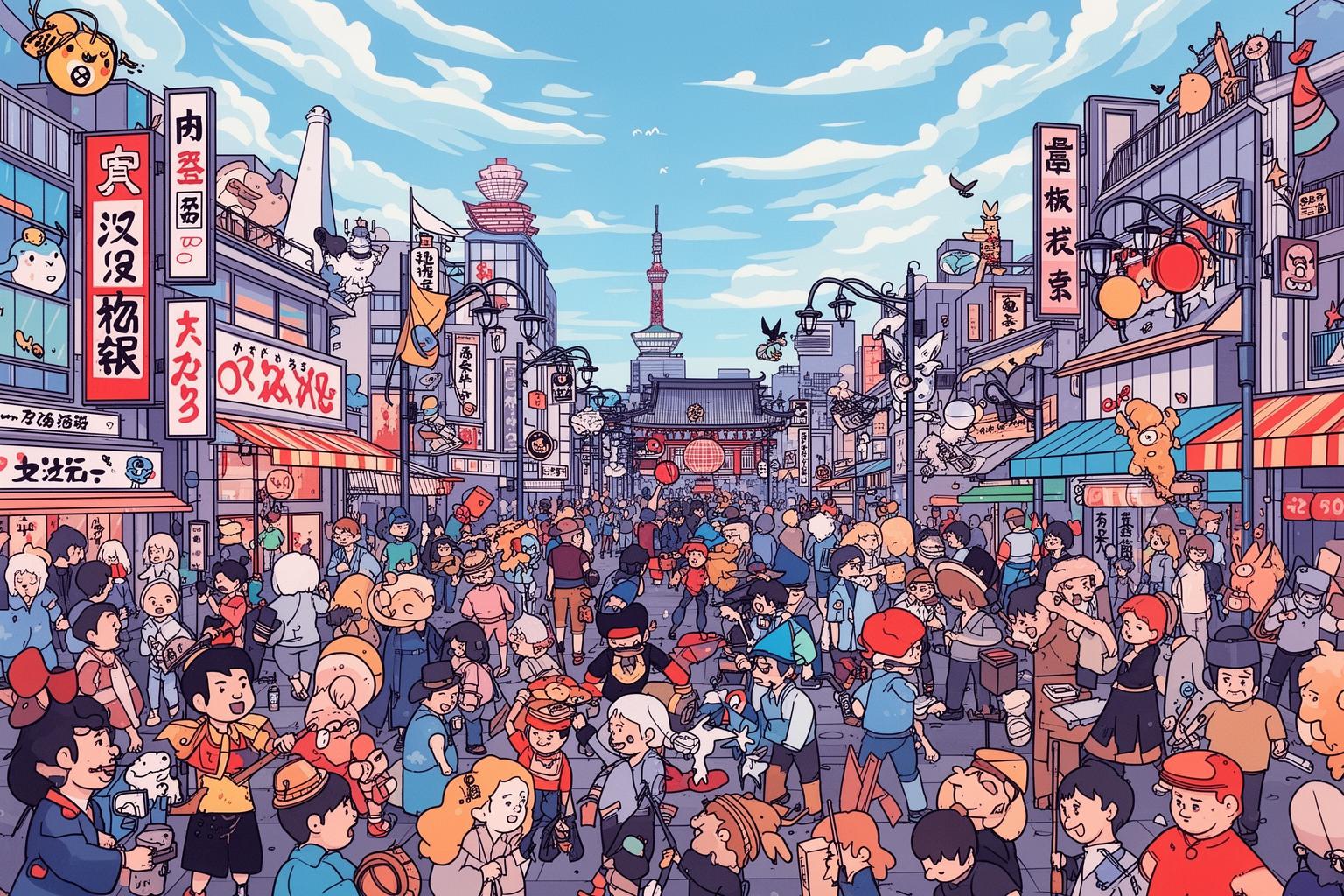
For many non-Japanese residents, the first impression of a shotengai can be one of chaos. It appears loud, cluttered, and disorganized. The jumble of shops, constant noise, and apparent lack of any overarching plan can feel overwhelming. It’s easy to write it off as simply outdated or inefficient. However, this superficial view overlooks the profound, functional logic that makes the shotengai a vital pillar of Osaka life. What seems like chaos is actually a highly developed system crafted for optimal community benefit.
It’s Not Outdated, It’s Vital
It’s tempting to see the shotengai as a nostalgic relic, a quaint reminder of a simpler era before sprawling suburban malls and online shopping took hold. While many arcades do have a retro atmosphere, it is a serious error to consider them obsolete. For the communities they serve, these arcades are more important than ever. The shotengai offers a naturally “human-scale” environment: walkable, bikeable, and accessible. For elderly residents who may no longer drive, the shotengai acts as a lifeline, providing groceries, banking, and social interaction all within a few safe, traffic-free blocks. For parents with young children, it’s a secure environment where kids can run small errands and gain a sense of independence. Shopkeepers know local children by name, watching out for them and creating an informal neighborhood security network. Moreover, the shotengai acts as a stage for local culture. It’s the place where seasonal decorations are displayed and neighborhood `matsuri` (festivals) take place, with portable shrines paraded down the main streets. These arcades are not passive relics; they are lively, adaptive ecosystems supporting the social and cultural fabric of their neighborhoods. They endure because they are indispensable.
The Symphony of the Senses: Why It’s Meant to Be Loud
What outsiders might interpret as noise pollution is, for locals, the soundtrack of a thriving community. The shotengai is a full sensory experience, intentionally crafted this way. Constant vendor calls—the `yobikomi`—are more than random shouting. A deep, booming “Irasshai!” (Welcome!) from a fishmonger, a clear, melodic cry advertising fresh strawberries, or the rhythmic pounding from a mochi maker together form an auditory advertisement that creates a lively, competitive, and engaging atmosphere. It’s the sound of commerce in real-time. This vibrant energy is infectious, making you feel part of something active and alive, in stark contrast to the quiet, muzak-filled aisles of a supermarket. The scents play a key role as well. The sweet, smoky aroma of grilled eel (`unagi`) blends with the savory scent of dashi from an udon shop, the sugary fragrance of a traditional sweet shop, and the fresh oceanic smell from the fish market. This layered tapestry of aromas signals the variety available. The visual clutter—the hand-drawn signs, overflowing bins of produce, and strings of lanterns—is not a sign of neglect but a symbol of abundance and bustle. It draws the eye and invites exploration. In Osaka, this sensory overload is by design. It’s what transforms shopping from a chore into an event.
Your Daily Life, All Within Reach
Examine the mix of businesses in a typical neighborhood shotengai, and you’ll find that the apparent randomness is, in fact, a carefully assembled ecosystem. It’s a one-stop solution for everyday needs. Within a few hundred meters, you’ll discover everything required. There’s the essential trio of Japanese home cooking vendors: the `sakana-ya` (fish shop), the `niku-ya` (butcher), and the `yao-ya` (vegetable grocer). Then there’s the `tofu-ya`, producing fresh tofu and soymilk daily. A `kusuri-ya` (pharmacy) caters to basic medical needs, a `hon-ya` (bookstore) offers magazines and manga, a `pan-ya` (bakery) serves breakfast staples, and a dry cleaner handles your work clothes. Scattered among these are shops selling tea, seaweed, kitchenware, and apparel. You might also find a small clinic or dental office tucked away upstairs. This concentration of essential services means residents, especially those without cars, can complete all their errands efficiently on foot. It nurtures a hyper-local economy where money circulates within the community. This model opposes the car-dependent, big-box store culture and offers a blueprint for sustainable, community-focused urban living that is both traditional and remarkably forward-thinking.
Finding Your Local: How to Live the Shotengai Life
So you grasp the theory. You recognize that the shotengai is the vibrant heart of the neighborhood. But how do you transition from being an observer to an active participant? How do you connect with this rich vein of Osaka life? It’s not about finding the most famous or longest arcade. Instead, it’s about weaving the one nearest to you into the rhythm of your daily routine. It calls for a slight change in mindset, shifting away from convenience and anonymity toward patience and connection.
Step Off the Tourist Path
Places like Shinsaibashi-suji or Dotonbori are shotengai, but they are commercial giants, their character diluted by international chain stores and geared toward tourist crowds. The true soul of the city lies in the neighborhood arcades. Explore the shotengai near your home. Whether it’s the expansive, lively Tenjinbashisuji, the vibrant and gritty Juso Fureai-dori, the down-to-earth Senbayashi Shotengai, or a small, unnamed arcade with only a dozen shops, this is your local. This is where you witness the unpolished reality of daily life. Stroll through with no agenda. See what’s on sale. Observe who’s shopping there. This is your gateway. These lesser-known arcades have lower rents, which allow unique, family-run businesses to flourish. They offer a more authentic cross-section of the community, a place where you’re more likely to be seen as a potential neighbor than just a passing customer.
Become a Regular, Not Merely a Customer
The key to unlocking the social side of the shotengai is consistency. Pick one or two shops and make them your preferred stops. Maybe it’s a fruit stand, a coffee bean roaster, or the local butcher. Avoid scattering your business randomly. Instead, commit your presence to one spot. The first visit, you’re a stranger. The interaction will be polite but detached. By the second or third visit, the shopkeeper might give you a nod of recognition. By the fifth, they might ask where you’re from. By the tenth, you’re a regular. They’ll begin to anticipate your order and share what’s especially good that day. This is when the relationship changes. It’s when you might receive your first `omake`. This process can’t be hurried. It’s a gradual trust-building, an investment of time and presence. It’s how you weave yourself into the social fabric of the neighborhood, one small, repeated interaction at a time. This is how you stop merely living in Osaka and start becoming a part of it.
Listen to the Language of the Arcade
The shotengai is the city’s best language school, and the lessons are free. Tune in to the sounds around you. Listen to the distinctive, melodic rhythm of Osaka-ben. You’ll hear phrases absent from your textbooks. The common “Arigato gozaimasu” often becomes the warmer, more intimate “Ookini.” Instead of the simple “Irasshaimase,” you’ll hear a hearty “Maido!” which roughly means “Thanks always for your business!” Listen to the casual conversations between shopkeepers and customers. You’ll catch the cadence, humor, and straightforwardness characteristic of Osaka communication. It’s a living language lab. Don’t hesitate to try a few words yourself. A simple “Ookini” when leaving a shop will bring a smile. It signals that you’re making an effort, that you recognize and respect local culture. It’s a small gesture with the power to open many doors.
The Heartbeat of the City
Ultimately, the shotengai is far more than just a place to buy groceries. It is a complex, living entity that perfectly embodies the spirit of Osaka. It’s practical, designed for the realities of everyday life rather than an idealized appearance. It’s community-focused, valuing human connection over impersonal efficiency. It’s lively and a bit noisy, unafraid to reveal its messy, vibrant, commercial character. It represents a distinct urban lifestyle—one that is more local, personal, and interconnected. While other cities might demolish these old arcades to make way for shiny high-rises and soulless shopping centers, Osaka preserves them. It does so because it recognizes they are not merely metal and plastic structures; they are vessels of memory, hubs of community, and the very stage where the everyday drama of Osaka life plays out. To walk through a shotengai is to feel the heartbeat of the city and to realize that in Osaka, the essence of life has always been about other people.