Step off the train at Umeda or Namba, and you’re plunged into a human river. The flow carries you towards the grand department stores—Hankyu, Hanshin, Daimaru, Takashimaya. Descend the escalator into the basement, the depachika, and the current slows to a swirling eddy. Before you lies a landscape of overwhelming beauty and baffling complexity. Gleaming glass cases display cakes like architectural models. Perfectly spherical melons rest on velvet cushions, priced like precious stones. The air hums with a chorus of cheerful, high-pitched greetings and the sizzle of something delicious being cooked. For a newcomer, especially one trying to eat healthy, organic, or navigate food allergies, the depachika feels like an elaborate trap. It looks like a museum of special-occasion food, a place for exquisite gifts and decadent treats, not the foundation of a daily, health-conscious life. This is the first, and most common, misunderstanding about living in Osaka.
Because beneath the dazzling surface, the depachika is the beating heart of Osaka’s culinary life, a place of intense pragmatism and deeply ingrained food culture. It’s not just for tourists or tycoons. For thousands of people living in the city’s dense urban core, this glittering basement is their neighborhood grocery store, their pantry, and their kitchen. They navigate its crowded aisles with a practiced efficiency that can seem intimidating. But they aren’t just buying luxury goods. They are sourcing high-quality ingredients for their family’s dinner, picking up healthy side dishes, and engaging in a daily ritual that says everything about how this city works. To understand the depachika is to understand Osaka’s obsession with quality, its concept of value, and its uniquely direct form of communication. It’s a performance, a marketplace, and a community hub rolled into one. Forget the tourist maps for a moment. This guide is about cracking the code of the depachika, transforming it from a bewildering spectacle into a practical, essential tool for healthy living in Osaka.
Osaka’s vibrant food scene seamlessly intertwines with its social fabric, as seen in the subtle influence of osekkai practices that foster genuine community connections.
Depachika as a Reflection of Osaka’s Mindset
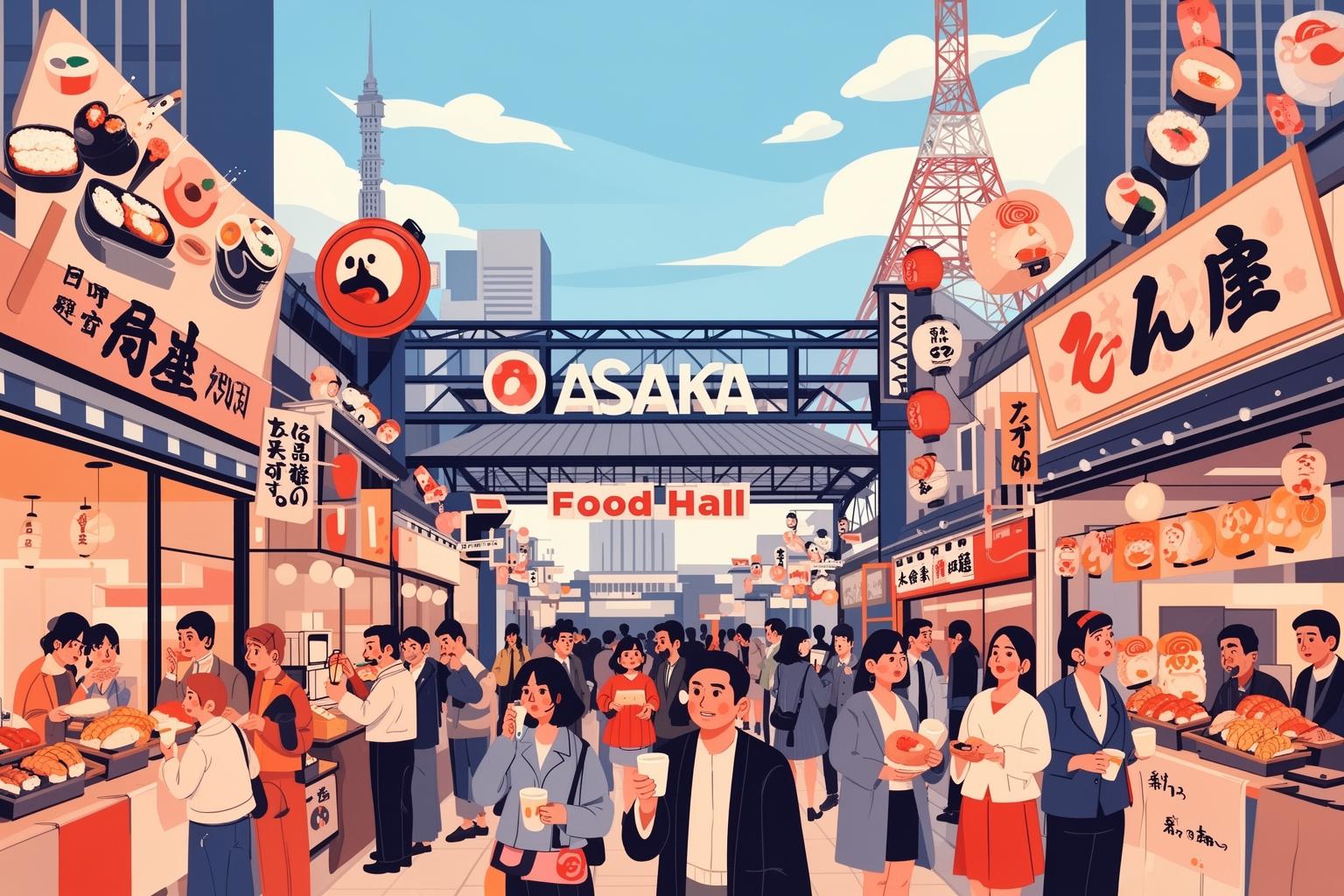
To truly understand the depachika, you need to realize it’s more than just a food hall; it’s an arena. The competition is intense and visible. In Umeda, the Hankyu, Hanshin, and Daimaru department stores form a triangle, each boasting an extensive basement food floor competing for the same customers. In Namba, Takashimaya stands as a southern stronghold of quality. This ongoing, close-quarters rivalry shapes the whole experience. While a Tokyo depachika can sometimes feel like a tranquil art gallery, where food is displayed with quiet reverence, an Osaka depachika pulses with the energy of a bustling, high-stakes market. There’s a tangible dynamism, a sense that things are happening right now.
This energy is driven by a central Osaka philosophy: ‘Ii mon wo, chotto demo yasukau.’ This phrase doesn’t just mean ‘buy good things cheaply.’ It reflects a more subtle idea of securing maximum value. It’s not about being cheap; it’s about being a savvy shopper who recognizes quality and refuses to pay more than necessary. This mindset fuels the famous evening sales, the time sale, when prepared foods are discounted in the last hour before closing. It’s a display of pragmatism. The vendors’ calls grow louder, the crowds swell, and an unspoken understanding settles over the floor: this is the smart time to shop. It’s a win-win, cutting food waste for the vendors and offering value to the customer. Taking part in this ritual connects you to the city’s commercial heartbeat.
This focus on value also shifts the dynamic between customer and vendor. Staff in an Osaka depachika aren’t just clerks; they are merchants, experts, and often performers. They have deep knowledge of their products, from the origin of the vegetables to the exact type of soy sauce used in a marinade. And they’re expected to share this knowledge. In Tokyo, service may be impeccably polite but reserved and formal. In Osaka, the interaction is more direct and conversational. A vendor might call out to you, offer a sample, and launch into an enthusiastic explanation of why their seaweed is the best. They’ll remember regular customers’ preferences, ask about their families, and provide cooking tips. This isn’t just manufactured friendliness; it’s a business approach rooted in Osaka’s long history as a merchant city. Building personal relationships ensures repeat business. For foreign residents, this can be a blessing. A willingness to engage, even with limited Japanese, is often met with warmth and a genuine desire to help you find what you need.
The Strategy: How to ‘Read’ the Depachika Landscape
Navigating a depachika requires a strategy. Entering without a plan is like searching for a specific book in a library without a catalog system. You’ll be captivated by the beauty and overwhelmed by the variety. However, once you learn to interpret the unwritten rules and understand the layout, the entire space becomes logical and manageable.
Understanding the Layout: The Unspoken Hierarchy
Depachika are thoughtfully organized, not random. There’s a deliberate psychology behind their design. Prime locations, usually near the main escalator entrances, are almost always reserved for yogashi (Western-style sweets) and wagashi (Japanese-style sweets). These are high-impulse, high-margin items, ideal for gifts or quick treats. Their attractive displays draw you in and establish a sense of luxury and quality. Many first-time visitors get stuck here, mistakenly thinking the entire basement consists only of cakes and cookies. This is a crucial misconception.
The true essence of daily shopping lies deeper inside. Beyond the patisseries, you’ll find the core areas. There’s the sozai section, offering a vast selection of prepared Japanese, Chinese, and Western-style deli foods. Further in, specialists appear: fresh fishmongers showcasing gleaming seasonal catches, butchers presenting meticulously marbled beef, and produce sections featuring vibrant, almost unnaturally perfect fruits and vegetables. Secluded in corners or along back walls, foundational ingredients are found: high-quality tofu, artisanal pickles (tsukemono), dried goods, premium rice, and a curated array of sauces and condiments. The liquor section, boasting an impressive selection of sake, shochu, and wine, often occupies its own zone. Understanding this progression—from gift-oriented impulse buys at the front to staple ingredients at the back—is the first step toward using the depachika for practical, healthy grocery shopping.
The Language of Labels: Cracking the Code for Healthy Eating
For those with dietary restrictions, the depachika can feel like a maze of unfamiliar ingredients. However, Japanese labeling laws are quite specific, and learning a few key terms unlocks valuable information. Your smartphone’s translation app can help, but knowing what to look for is even better.
- 有機 (yuuki) / オーガニック (oganikku): Means ‘Organic’. Often found in dedicated corners of the produce section or on packaged goods from specialty brands. Although the organic market in Japan is smaller than in many Western countries, the depachika is one of the most reliable places to find such items.
- 無農薬 (munouyaku): ‘Pesticide-free’. A common claim for fresh produce, indicating a high cultivation standard.
- 減農薬 (gennouyaku): ‘Reduced pesticides’. Slightly less strict than pesticide-free but still signifies conscious farming.
- 無添加 (mutenka): ‘Additive-free’. Especially important in the sozai deli sections. It means the food is made without artificial preservatives, colorings, or flavor enhancers. Many traditional shops take pride in their mutenka offerings.
- アレルギー表示 (arerugii hyouji): ‘Allergy information’. By law, labels must clearly list seven major allergens: shrimp, crab, wheat, buckwheat, egg, milk, and peanuts. These are often grouped in a box on the packaging. An additional 21 items are recommended for labeling. Learning the kanji for allergens you need to avoid is an essential skill.
- 国産 (kokusan): ‘Domestically produced’. For many Japanese consumers, this is the ultimate mark of quality and safety. It appears everywhere—from vegetables to meat to the soybeans for tofu.
Timing is Everything: The Art of the Evening Sale
The atmosphere of the depachika shifts dramatically in the evening. Around 7:00 PM, a vendor will place a small handwritten sign on a tray of salads: ‘20%引き’ (20% off). Then another. Soon, a chorus of voices announces discounts. This is the time sale or waribiki (discount) hour. It’s a fast-paced, competitive, and pragmatic ritual.
This isn’t simply about clearing old stock; it’s a calculated part of the business day. Discounts often start small and increase as the 8:00 PM closing time approaches. For health-conscious shoppers, this is a golden opportunity. That beautiful, healthy vegetable-rich bento box that seemed pricey at 5:00 PM suddenly becomes a fantastic deal at 7:30 PM. It’s the perfect solution to the “what’s for dinner” dilemma without resorting to convenience store food. The mood is electric yet friendly. Everyone—office workers, housewives, students—is in on the same secret. It reflects the Osaka spirit of finding the best deal without compromising quality.
The Hunt for Specifics: Organic, Vegan, and Allergy-Friendly Havens

Understanding the overall strategy is one thing, but knowing exactly where to go is another. Each major depachika in Osaka has its unique character and strengths. Finding your favorite depends on personal preference and exploration, but here’s an overview of the key players.
The Main Players: Where to Begin Your Search
Hankyu Umeda: Often regarded as the king of Kansai depachika, Hankyu’s basement is an expansive, dazzling world of food. Its vast size means there’s something for everyone. The fresh produce section stands out, and it’s one of the few places likely to have a dedicated organic (有機野菜) corner. They also house a high-end supermarket, Hankyu Oasis, offering both conventional and premium grocery items. Since Hankyu caters to a clientele that appreciates premium quality, you’ll find specialty health food brands and imported products here. It’s an ideal starting point for any health-conscious food journey.
Takashimaya (Namba): Located in the lively Namba district, Takashimaya provides a slightly more traditional and perhaps less overwhelming experience than Hankyu. Their food hall is beautifully curated, with a strong emphasis on well-established, high-quality Japanese brands. The fish and produce departments are excellent. Keep an eye out for small, family-run stalls offering artisanal tofu or pickles—these hidden gems often feature makers proud to share details about their simple, additive-free ingredients. Takashimaya feels classic and dependable.
Hanshin Umeda: Located right beside Hankyu, Hanshin has earned a reputation as a more down-to-earth, ‘people’s depachika.’ Following a recent major renovation, it has become more modern and stylish, yet it still maintains a welcoming atmosphere. Hanshin is especially known for its ‘snack park’ and eat-in counters, and its grocery sections are top quality. It’s a wonderful place to experience everyday Osaka life and excels in fresh fish and a wide selection of everyday sozai.
Navigating the Deli Counter (Sozai Corner)
The sozai corner is both a blessing and a challenge. It offers a broad range of delicious, ready-to-eat dishes, from salads and grilled fish to simmered vegetables and croquettes. It’s an incredible resource for busy individuals seeking healthy meals. The difficulty, especially for those with allergies or dietary restrictions such as veganism, lies in the often unclear ingredients. Many Japanese dishes contain hidden dashi (fish stock), soy sauce (wheat), or mirin (sweet cooking wine).
This is where Osaka’s straightforward communication style becomes invaluable. Don’t hesitate to ask questions. Approach the staff with a smile, point to a dish, and ask simple questions like “これは何ですか?” (Kore wa nan desu ka? – What is this?). For allergies, be specific: “卵は入っていますか?” (Tamago wa haittemasu ka? – Does it contain egg?). Carrying a card written in Japanese explaining your dietary restrictions can be helpful. Although staff aren’t medical experts, they know their products well and are usually happy to check. Look for shops specializing in vegetable-based dishes (yasai chushin) or traditional Buddhist cuisine (shojin ryori), as these tend to be naturally vegan-friendly.
The Human Element: Interactions and Unspoken Rules
The depachika is a social space governed by a set of unspoken rules. Understanding these will make your experience smoother and more enjoyable. It’s about more than just buying food; it’s about engaging with the culture of the space.
The Art of Sampling (Shishoku)
You will often be offered samples, ranging from a tiny piece of cake to a sip of new-season tea. Sampling is a key part of the depachika experience, but it comes with its own etiquette. It’s not a free-for-all buffet. The right way to accept a sample is to make eye contact with the vendor, give a slight nod or bow of thanks, and take it gracefully. It’s an invitation to a conversation. Even if you don’t purchase anything, a simple “美味しいです” (Oishii desu – It’s delicious) is a polite way to acknowledge it. In Osaka, the sample often serves as the opening line of a friendly sales pitch. It’s a moment of connection, and treating it as such will be appreciated.
Navigating the Crowds: The Osaka Flow
During peak times, the aisles of a depachika can be extremely crowded, yet there’s a sense of organized chaos. People move with purpose. This is the Osaka flow. It’s similar to how Osakans stand on the right side of the escalator, a local custom that differs from Tokyo’s left. In the depachika, this translates to an intuitive spatial awareness. People generally don’t stop abruptly in the middle of a busy aisle; they step aside to view a display. They navigate with a fluid, practiced motion. The key is to stay aware of your surroundings. Move predictably, avoid blocking main thoroughfares, and go with the flow. It’s a dance, and once you learn the steps, you’ll move through the crowds effortlessly.
Why Your Japanese Doesn’t Have to Be Perfect
One of the biggest concerns for foreigners is the language barrier. But here, Osaka’s character is a great advantage. People in Osaka are often said to be more direct and less focused on subtle language formalities than those in other parts of Japan. They value clear communication over perfect grammar. A smile, a gesture, and a few key words can take you a long way. They appreciate the effort to communicate. Simple phrases like “すみません” (Sumimasen – Excuse me), “これください” (Kore kudasai – This one, please), and “ありがとう” (Arigato – Thank you) are enough to get started. Vendors are professionals skilled at understanding your needs even with a language gap. Their directness can sometimes be misunderstood as impatience, but it’s usually just efficiency. They want to help you and move on to the next customer. Don’t be intimidated; respond with the same directness.
Putting It All Together: A Sample Healthy Depachika Run

Let’s get practical. Picture a Tuesday evening when you need a healthy dinner. Your task is to put together a balanced meal from the depachika.
First, you head down to the Hankyu Umeda basement. Skipping past the dazzling cake displays, you go straight to the back, toward the produce section. There, you discover a small but well-stocked organic corner and pick up a bag of deep green spinach along with some firm, locally grown shiitake mushrooms.
Next, you make your way to one of the tofu specialists. There are several, but you know one that uses only Japanese soybeans (kokusan daizu). You request a block of firm cotton tofu (momen-dofu), ideal for a stir-fry.
For the main protein, you walk over to the fishmongers. The displays are spotless. You spot a beautiful fillet of seasonal salmon (sake). The vendor, a friendly man with a loud voice, notices you. You point to the piece you want. He skillfully wraps it, mentioning it would taste great simply salted and grilled.
Finally, you look for a side dish. You head to the sozai area but stay cautious. You avoid fried foods (agemono) and mayonnaise-heavy salads. Instead, you find a stall specializing in traditional simmered dishes (nimono). You notice a colorful mix of burdock root, carrots, and lotus root. To be certain, you ask the staff, “砂糖はたくさん入っていますか?” (Sato wa takusan haittemasu ka? – Does it have a lot of sugar in it?). She smiles and explains it has a light, savory flavor. You buy a small portion.
Within twenty minutes, you’ve gathered ingredients for a delicious, healthy, high-quality meal. You’ve engaged with four different specialists, practiced your Japanese, and joined the city’s daily rhythm. You didn’t just buy food; you curated a meal with expert care.
The depachika is so much more than a food market. It is a cultural classroom, a living museum of Japanese culinary arts, and a deeply practical resource for daily life. Learning to see past the initial glamour and understand its underlying logic is a rite of passage for any non-Japanese resident of Osaka. It teaches you about the local values: an uncompromising demand for quality, a sharp eye for value, a preference for direct communication, and a love of good food that defines the city’s identity. When the dazzling, confusing basement transforms into your personal pantry, when you have your favorite tofu shop and the fishmonger starts to recognize you, you know you’re no longer just a visitor. You are participating in the real, vibrant, and delicious life of Osaka.
Kindly make slight modifications to the entire sentence without altering its original meaning.