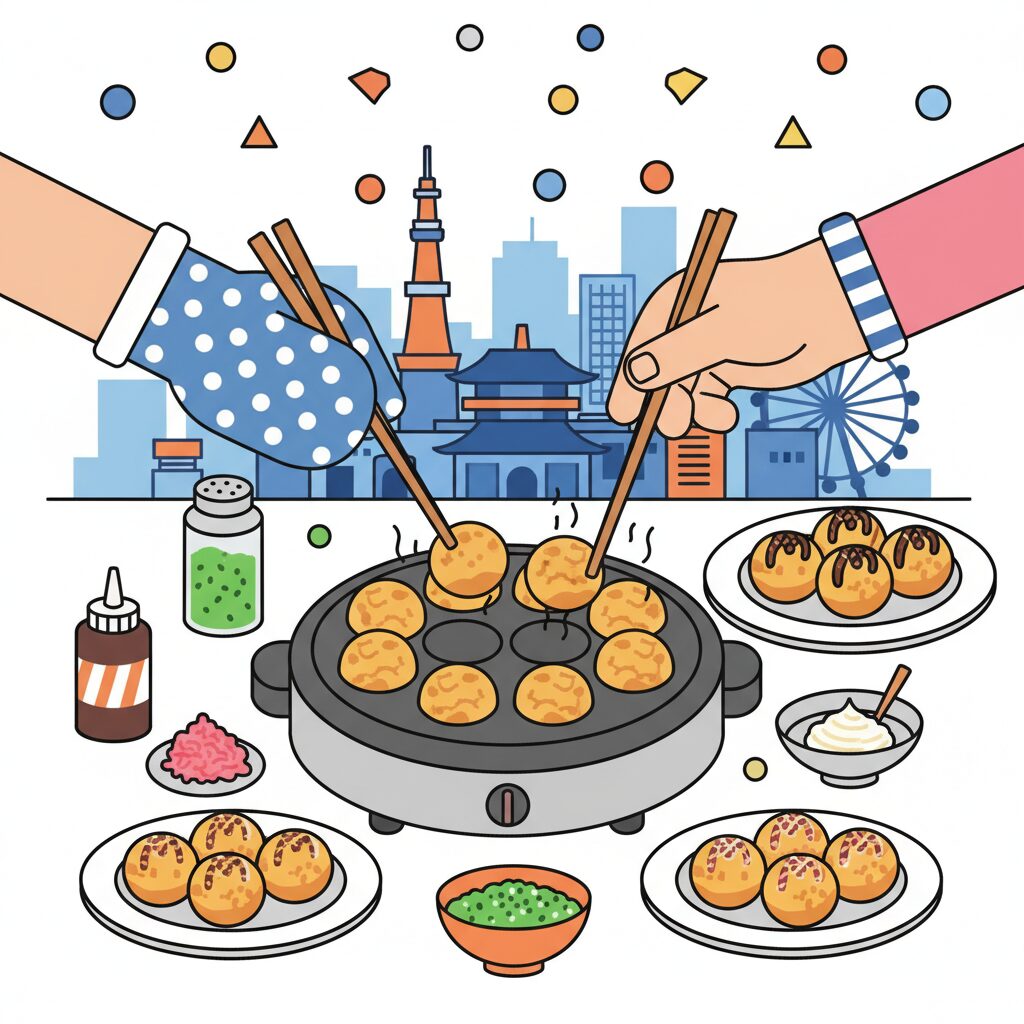
When I first moved to Osaka from the States, I thought I had Japanese social etiquette down. Bring a nice gift, don’t wear shoes inside, pour drinks for others first. Standard stuff. Then I got an invitation that threw me a curveball. A text from a new friend read: “Takopa at my place Saturday. 7pm. Bring toppings!” I stared at it, completely baffled. Tako… pa? A party for… octopus? And I’m supposed to bring toppings, not a bottle of wine or a dessert? It sounded less like a dinner party and more like a cryptic summons to a culinary ritual. And in a way, it was. That first ‘takopa,’ or takoyaki party, was my real introduction to the heart of Osaka living. It wasn’t just about food; it was a lesson in the city’s social dynamics, its pragmatic approach to fun, and its deep-seated love for delicious, interactive chaos. This isn’t the carefully curated, aesthetically perfect home party you might imagine in a Tokyo design magazine. This is something far more fundamental, more hands-on, and infinitely more Osakan.
Delve deeper into how everyday interactions shape Osaka’s unique community when you explore the nuances of local conversations further.
More Than Just a Snack: The Takoyaki Pan as a Household Essential
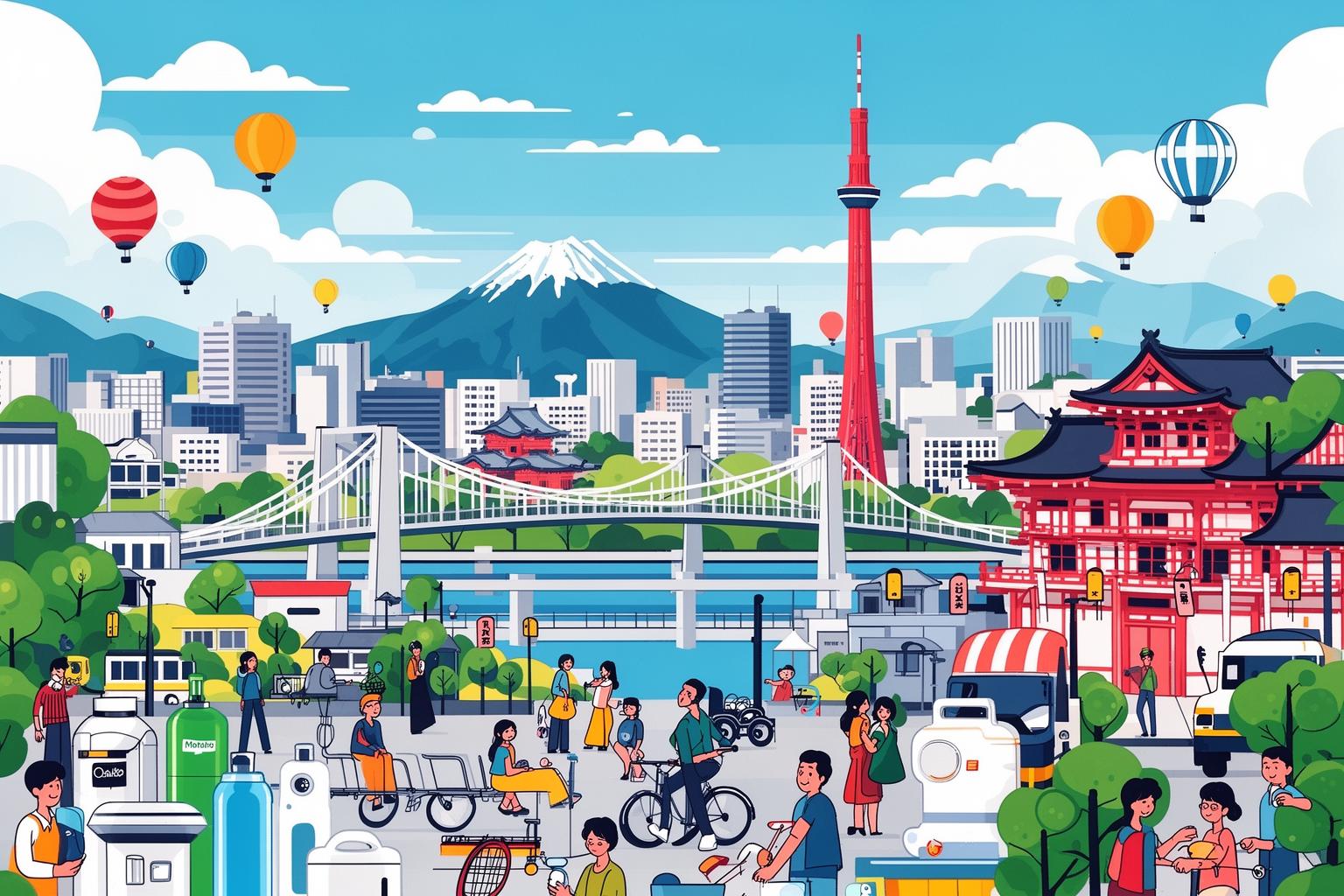
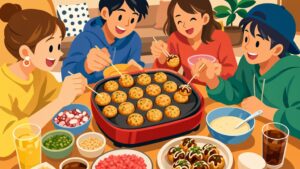
In Tokyo, a sleek kettle or a premium rice cooker might be the prized kitchen appliance, while in Osaka, the undisputed favorite is the humble takoyaki pan. It’s a well-known joke, grounded in truth, that every Osaka household owns at least one. Step into any electronics store like Yodobashi Camera or Bic Camera in Namba or Umeda, and you’ll find a whole section devoted to them. There are simple cast-iron plates heated directly on a gas stove, cherished by purists who prefer the crispier finish. Then there are electric models, self-contained units shaped like small red or black UFOs, ideal for placing right in the middle of a living room table. This isn’t merely about a city’s love for a certain food; the ubiquity of these pans highlights a key aspect of Osaka’s social culture: readiness. An Osaka home is always prepared for a takopa. It’s a way of life. The presence of that pockmarked pan in the cupboard quietly promises future gatherings and spontaneous fun. It’s not just a cooking tool but a means to bring people closer. Unlike a formal dinner where the host tends to stay in the kitchen, the takoyaki pan brings the cooking into the open, making it the heart of the event. It blurs the line between host and guest, between kitchen and dining room, transforming a meal into a collective, hands-on experience. This simple appliance captures the city’s spirit of casual hospitality. It says, “Drop by anytime, no special occasion needed — we’ll just make it happen.”
The Unspoken Rules of the Takopa
Like any treasured cultural ritual, the takopa follows its own set of unwritten rules. Learning them is essential to grasping how Osakans connect with one another. It’s a social dance centered around a sizzling hot plate, and although it appears chaotic, there is a distinct rhythm to it. For outsiders, it may seem intimidating at first, but the rules are meant to include everyone rather than exclude. Their purpose is to make everyone feel part of the group.
Rule #1: It’s a Potluck, But Not What You Might Expect
When my friend asked me to “bring toppings,” my American mind immediately pictured a potluck with salads or side dishes. I almost showed up with a seven-layer dip, which would have been a huge, though amusing, error. At a takopa potluck, the elements are deconstructed. The host provides the core ingredients: the batter, diced octopus, essential sauces, mayonnaise, bonito flakes, and aonori seaweed. Guests contribute the variables, the bursts of creativity. You don’t bring a prepared dish; you bring raw ingredients with potential. Think shredded cheese, cocktail wieners sliced into tiny octopuses, kimchi, mochi cubes, corn, avocado chunks, or even bits of chocolate for an adventurous dessert round. This approach is clever for several reasons. First, it eases the host’s workload, making it simple to organize a party without days of preparation. Second, it ensures variety and a touch of surprise. Each takopa is unique because the mix of guests and their chosen ingredients always differs. Most importantly, it turns everyone into an immediate co-creator of the meal. Just by placing your contribution on the table, you invest in the party’s success. You’re not merely there to eat; you’re actively part of the collective culinary experiment. It’s a deeply collaborative way to dine.
Rule #2: Everyone Plays a Part, Even Beginners
Every takopa features a central figure, an unofficial leader called the ‘Takoyaki Bugyo’—the Takoyaki Magistrate. This is generally the most experienced person, whose wrist flicks are expertly timed. They lead the ensemble, overseeing the initial batter pour and performing the crucial first flips. But their role isn’t to do everything alone. Their responsibility is to delegate and teach. As a guest, you’ll be given a pair of ‘takoyaki picks’—long, sharp metal skewers—and invited to participate. Your task might be to add ingredients after the batter is poured or to assist with the ‘kiru’ technique, drawing lines in the overflowing batter to form neat spheres. Eventually, you’ll be encouraged to try flipping them yourself. That first flip is a kind of initiation. You’ll likely botch one, creating a sad, misshapen blob. This is the important part: everyone will laugh with you, not at you. Mistakes are part of the enjoyment, serving as a vital icebreaker. In more reserved cultures, a guest fumbling in the kitchen might cause awkward tension. At a takopa, it’s a moment of bonding. Your willingness to try and possibly fail is what counts. This interactive experience breaks down social barriers. Standing over a hot plate with people you’ve just met, working together to make your meal, it’s hard to remain formal when coaxing a stubborn ball of dough to turn without falling apart.
Rule #3: Conversation Moves with the Flips
The takoyaki pan is more than just a cooking tool; it’s a social campfire. It offers a shared focus that removes the pressure of forced conversation. There are no awkward pauses at a takopa because there’s always something to do or watch. The pace of the party follows the cooking rhythm. The initial burst of activity as batter is poured and ingredients added. The intense focus during the first flip. The easygoing chatter as the takoyaki browns, waiting for the ideal moment. The final hectic rush to plate them, slather them with sauce, and eat them while piping hot. This cycle repeats, batch after batch, for hours. Conversations rise and fall around this central pastime. You’ll chat about work, anime, the latest quirky cafe in Shinsaibashi, all while keeping an eye on the pan. “Are these ready yet?” “Who’s flipping next?” “Try this cheese and kimchi one, it’s incredible!” The takoyaki itself becomes a topic, a shared experience that fuels the social interaction. This practical social structure helps explain the “friendliness” of Osaka. It’s not just a vague personality trait but a friendliness nurtured by traditions that promote participation and shared activity. The takopa stands as one of the cornerstones of that social fabric.
Takopa as the Great Social Equalizer
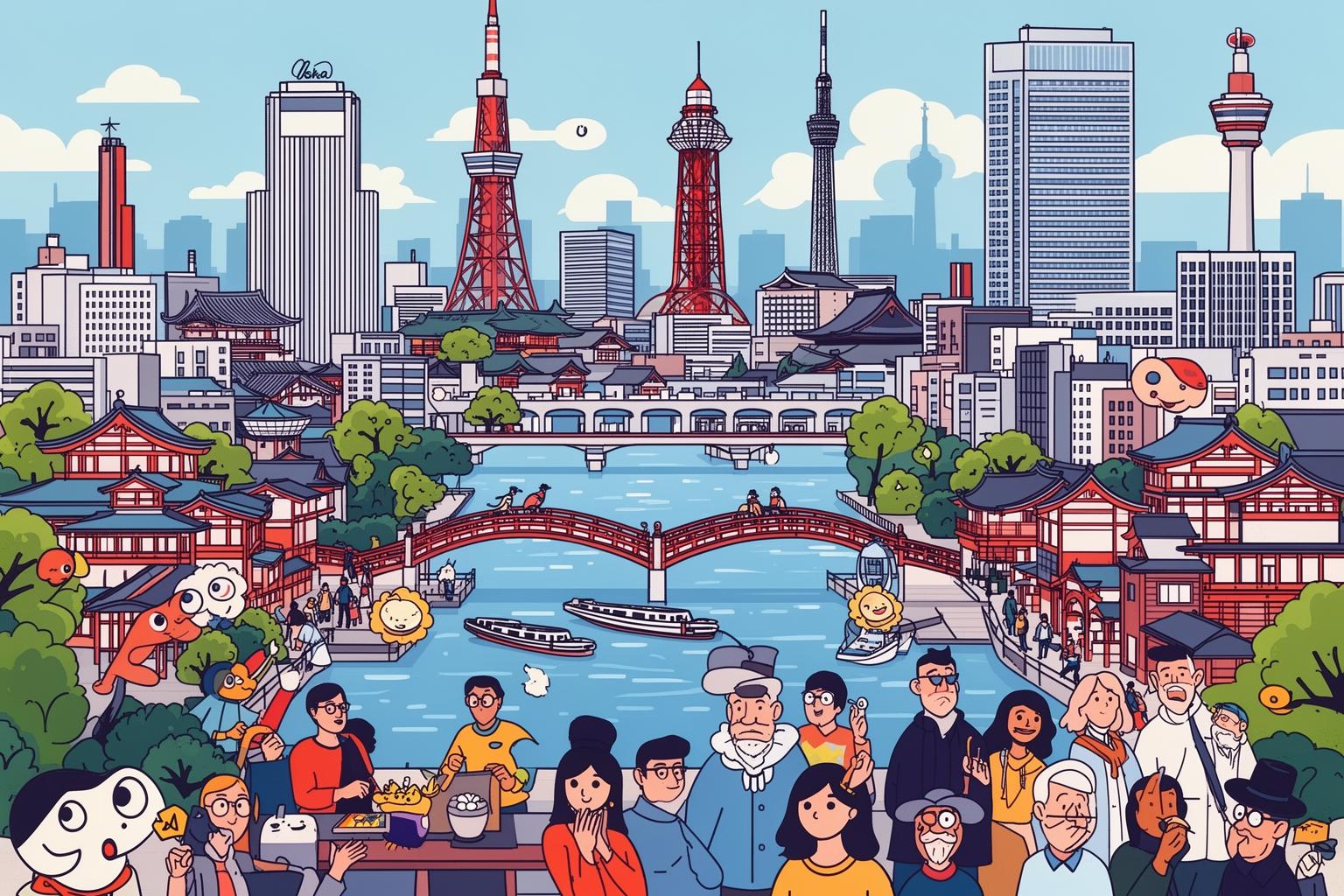
In a country known for its rigid social hierarchies, the takopa stands out as a delightfully democratic tradition. Around that hot plate, titles and social ranks disappear faster than the cheese melting inside a takoyaki ball. Whether a company president or a new hire, a university professor or a student, a lifelong local or a recently arrived foreigner—everyone is simply a person holding a skewer. The shared experience of cooking fosters an immediate sense of camaraderie. Your ability to flip takoyaki, or entertaining lack of skill, matters more than your business card. This low-pressure, high-fun setting provides the perfect environment for genuine connection. It’s also remarkably affordable, fitting well with Osaka’s traditionally pragmatic merchant-class values. You don’t need a large apartment or fancy furnishings to host a successful takopa. All that’s required is some floor space and a takoyaki pan. Ingredients are inexpensive, drinks are often BYOB, and the fun is built right in. This accessibility allows people to gather more frequently, without the financial or social stress that formal entertaining can bring. It embodies a key Osaka value: connection over appearance. The aim isn’t to impress guests with a meticulously planned evening but to enjoy time together, laugh, eat until full, and deepen bonds. It’s a philosophy that puts human relationships above superficial show, contrasting sharply with the often image-conscious social scenes of other major cities worldwide.
The “My Family’s Takoyaki” Debate: A Window into Osaka Identity
If you really want to witness an Osakan’s passion ignite, gather a few of them in a room and spark a discussion about the “right” way to make takoyaki. It’s a topic of fierce, yet generally good-natured, debate because for many, their takoyaki recipe is more than just a recipe; it’s a family heirloom. It represents a piece of their heritage, a taste from their childhood, and unquestionably, the best way to make it.
The Batter Battle
The foundation of any great takoyaki is the batter, and this is where the first lines are drawn. Is a simple blend of flour, egg, and water sufficient? Heresy! Many families guard a secret ingredient. Some insist on adding a generous amount of dashi stock for a richer umami flavor. Others grate in nagaimo, a type of mountain yam, to produce a fluffier, more tender interior. The batter’s consistency is another point of contention. Should it be thin and crepe-like to achieve an ultra-crispy shell? Or slightly thicker to yield a more substantial, custardy center? Listening to friends argue over the merits of their family’s batter is like hearing sports fans debate team strategy—it’s deeply personal and incredibly passionate.
The Topping Tussle
The debate doesn’t end with the batter. What goes inside is just as controversial. Purists and traditionalists insist that the only authentic filling is tako—octopus. And not just any octopus, but a good, chunky piece that delivers a satisfying chew. Then there are the modernists and experimentalists, who view the takoyaki ball as a blank canvas. They advocate for cheese, sausage, shrimp, or mochi. My personal favorite, kimchi and cheese, often meets a mix of intrigue and suspicion from the old guard. This isn’t merely a preference in taste; it reflects one’s culinary philosophy. Are you a guardian of tradition or a champion of innovation? Your choice of filling reveals a lot about you.
The Flipping Philosophy
Even the act of flipping the takoyaki sparks debate. There’s the aggressive, rapid-fire style where the flipper uses quick, decisive wrist flicks to turn the entire batch in seconds. It’s flashy, efficient, and a little showy. Then there’s the patient, methodical method that involves gently nudging and coaxing each ball, turning it bit by bit to ensure a perfectly uniform, golden-brown sphere. This friendly rivalry over something as simple as a ball of fried batter is quintessentially Osaka. It reflects a culture that takes immense pride in craftsmanship, celebrates individuality, and finds joy and identity in the everyday details of life.
What Foreigners Get Wrong About the Takopa
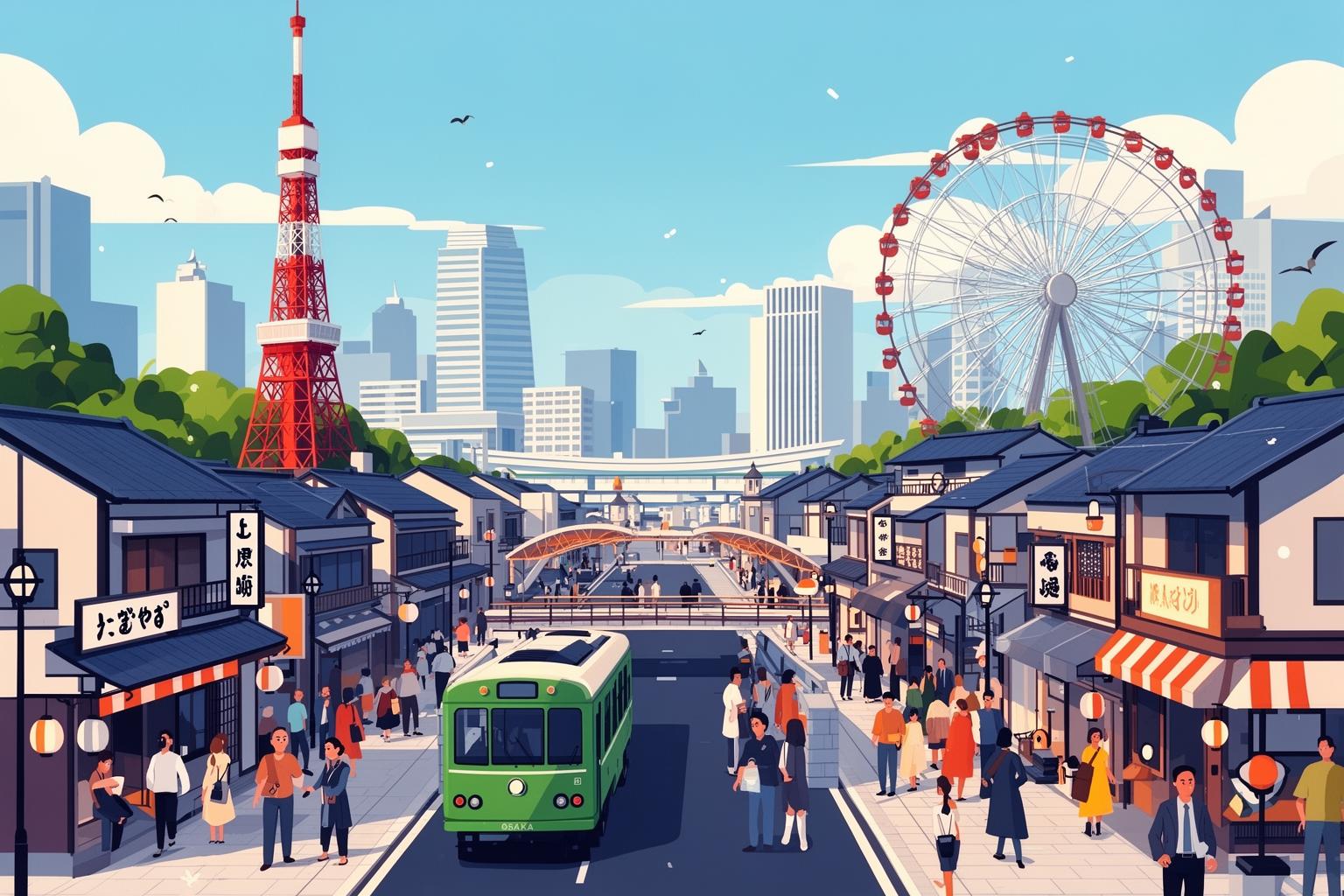
Navigating your first takopa can be a bit confusing, and there are a couple of common misconceptions that might prevent newcomers from fully enjoying the experience. The first is treating it like a typical dinner party. It isn’t. It’s an interactive workshop where dinner is the end result. If you arrive and simply sit on the couch waiting to be served, you’re missing the whole point. The expectation is that you’ll gather around the pan, get your hands a little messy, and take part in the making. Don’t hesitate; grab a pick and join in. Your hosts will appreciate your enthusiasm.
The second main challenge is the fear of making mistakes. Many foreigners, especially those accustomed to more formal social environments, fear looking foolish by failing at the flip. They politely refuse when offered a pick, preferring to watch from a distance. This is a misstep. In the world of takopa, failure is a feature, not a flaw. A misshapen takoyaki ball is a perfect conversation starter. It’s a moment of shared vulnerability that breaks down barriers. No one expects a beginner to be an expert. What matters is your effort, your willingness to laugh at yourself, and your participation. Embracing the possibility of imperfection is embracing the true spirit of the takopa. It’s a low-pressure setting to learn a new skill and make new friends simultaneously.
Beyond the Home: The Takopa Spirit in Osaka Life
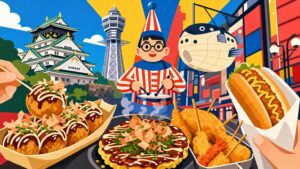
The takopa is more than just a gathering; it’s a reflection of Osaka’s culture. The values you absorb around the hot plate—collaboration, practicality, humor, and prioritizing substance over style—are evident throughout the city. You witness it in the way shopkeepers in the Shotengai arcades engage with their customers, blending commerce with community. It’s visible in the city’s renowned comedy scene, which favors hearty laughter over polished finesse. It’s embodied in the philosophy of ‘kuidaore’—to eat oneself into ruin—which isn’t about luxury dining but the joyful pursuit of tasty, unpretentious food shared with enthusiasm. Takopa teaches that in Osaka, the best moments in life are those created together, with a bit of mess and plenty of laughter. It’s a hands-on, straightforward approach to community. So, if you receive an invitation to a ‘takopa,’ don’t hesitate. Say yes. Bring some cheese, grab a skewer, and get ready to flip. You’ll be doing more than just cooking a snack; you’ll be experiencing the true essence of life in Osaka.