
Ask any seasoned expat in Osaka for advice on where to live, and you’ll inevitably hear the cautionary tales. They’ll list off the trendy, the convenient, the quiet, and then, with a knowing drop in their voice, they’ll tell you where not to go. The name that invariably surfaces is Nishinari. The advice, delivered with a mix of genuine concern and well-worn cliché, is often blunt: “Just avoid it.” The area, particularly the neighborhood of Shin-Imamiya, is painted as Japan’s forgotten corner, a place of grizzled day laborers, rampant homelessness, and the shadowy presence of the yakuza. It’s a narrative so pervasive that for many foreigners, Nishinari exists not as a place, but as a warning.
But here’s the paradox that perplexes newcomers: open any apartment rental website, filter by price from low to high, and the results will relentlessly pull your gaze toward that very same ward. Rents that seem impossibly low, a fraction of what you’d pay just a few train stops away, pop up one after another. A private room for the price of a few nice dinners in Umeda. A small apartment for less than a monthly train pass in Tokyo. This glaring contradiction raises a fundamental question for anyone trying to make a life here on a budget: What is the reality of Nishinari? Is it the dangerous, no-go zone of legend, or is it Osaka’s best-kept secret for affordable living? The truth, as is often the case in this city of contradictions, is far more complex and infinitely more interesting. To understand Nishinari is to understand the pragmatic, unvarnished soul of Osaka itself—a city that values function over form, and substance over style. It’s a place that forces you to look beyond the surface, to weigh stereotypes against the stark reality of monthly expenses, and to decide what you truly value in a home.
This exploration of Nishinari’s paradoxical affordability invites readers to also consider how locals navigate Kuromon Market, which offers an equally compelling view into Osaka’s dynamic blend of tradition and contemporary urban life.
The Ghost in the Machine: Understanding Nishinari’s History
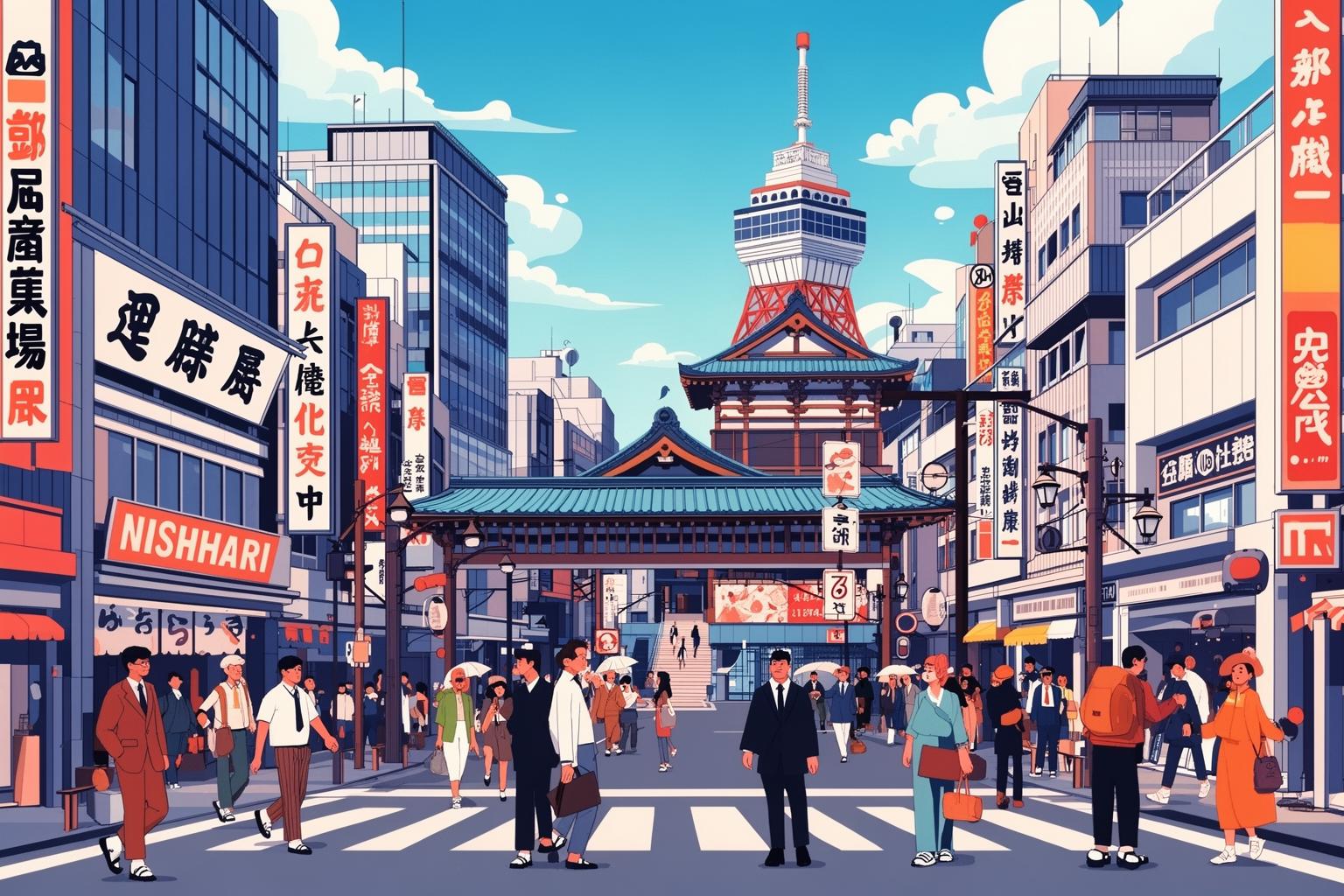
To understand why Nishinari is the way it is, you need to rewind the clock. The district, particularly the area known as Kamagasaki within it, wasn’t originally a slum; it was created as an engine for growth. During the decades of rapid post-war expansion, Japan needed laborers—men to pour concrete, erect skyscrapers, and lay the train tracks that now carry millions across the Keihanshin megalopolis. Kamagasaki became the central hub for this vast workforce. It was a place of pure, unfiltered utility.
Men came from all over the country, seeking work on a daily basis, and they needed somewhere to sleep. The market responded with ruthless efficiency, giving rise to the doya (ドヤ), a term famously derived by reversing the word yado (宿, or inn). This linguistic twist highlighted that these were not places of comfort or leisure but functional dormitories stripped to the bare bones. A tiny three-tatami-mat room, a shared toilet down the hall, perhaps a communal bath—that was all. You paid for a night, worked the next day, and repeated the cycle. The entire ecosystem, from standing-only noodle shops to cheap ticket vendors, was designed for the life of a hiyatoi rōdōsha, or day laborer.
For a time, this system, though harsh, was a crucial part of Japan’s economic miracle. Kamagasaki was the shadow workforce behind the gleaming exterior of modern Japan. But the machine started to falter in the early 1990s when the economic bubble burst. Large construction projects vanished. Demand for day labor plummeted, leaving thousands unemployed. Adding to the hardship was age—the men who had built the country in their youth were now in their 50s and 60s, their bodies worn from decades of hard labor. They were too old for construction but too young for a pension. Many lacked family support. With no jobs and nowhere else to go, they remained in Kamagasaki’s doya, their temporary lodgings becoming permanent homes. The area shifted from a busy labor market to a welfare district, its population aging and facing severe challenges of poverty, unemployment, and social isolation. The reputation that now surrounds Nishinari is the shadow of this economic collapse, a living testament to the men left behind by Japan’s miracle.
The Osaka Calculation: Why Pragmatism Trumps Polish
One of the most remarkable aspects of Nishinari is its location. This is not some overlooked suburb on the distant edge of the prefecture but rather prime real estate. Shin-Imamiya station is a major transport hub, where the JR Loop Line and the Nankai Line intersect, linking downtown Osaka to Kansai International Airport. It is situated right next to the Shinsekai district, home to the iconic Tsutenkaku Tower, one of Osaka’s most famous tourist attractions. It’s a short walk from Tennoji, with its vast park, zoo, and luxury department stores. In Tokyo, a central piece of land like this would have long since been sanitized, redeveloped, and transformed into a polished commercial complex.
Here, a fundamental contrast between Osaka and Tokyo becomes strikingly evident. Tokyo is a city fixated on its image, carefully presenting a meticulously crafted version of itself to the world. Problems aren’t solved openly; they are moved, concealed, or smoothed over. Consider the manicured parks, the constant redevelopment initiatives, and the almost theatrical public order. Tokyo polishes its surface until it shines.
In contrast, Osaka follows a different, more practical logic. Founded by merchants rather than samurai, its mercantile spirit endures. The key questions here are not “How does it look?” but “Does it work?” and “How much does it cost?” Nishinari, despite its social challenges, serves a purpose. It offers a large stock of ultra-low-cost housing and concentrates social services for those who have fallen through the cracks. Dismantling it would cause a much bigger displacement issue. Thus, Osaka allows it to remain. The city’s approach focuses less on hiding problems and more on managing them where they exist. This straightforward attitude is quintessentially Osaka—marked by an honesty and refusal to put on a facade. The city recognizes that society has rough edges and, instead of throwing resources into creating an illusion of perfection, prioritizes making the system, however imperfect, function. Nishinari’s existence, in all its gritty reality right alongside tourist hotspots, is not an oversight; it’s a testament to Osaka’s deep-rooted pragmatism.
Deconstructing the Stereotypes: Crime, Safety, and Daily Reality
Now, let’s confront the elephant in the room: safety. Is Nishinari really the lawless, dangerous area it’s often portrayed as? The honest answer is both yes and no, depending on how you define danger. If danger means being an arbitrary victim of violent crime, Nishinari is generally as safe as any other part of Japan. The country’s famously low crime rates don’t vanish at the ward boundary. Muggings, assaults on strangers, and break-ins are extraordinarily rare.
That said, the atmosphere can be undeniably intimidating, especially to those unfamiliar with it. The “danger” in Nishinari lies more in social friction and an aesthetic discomfort. You may see elderly men drinking strong alcohol on the street at ten in the morning. You might hear loud, slurred arguments breaking out among groups gathered outside convenience stores. The streets are often littered, and the air may be thick with the smell of cheap cigarettes and stale liquor. Police presence is heavy and overt, a constant reminder that the area requires monitoring. The issue isn’t that you are likely to become a target, but that you witness a type of public despair and raw human struggle that is carefully hidden in most other parts of Japan. The discomfort stems from encountering poverty up close, not from a direct physical threat.
The stereotype of an ever-present yakuza is similarly overstated. While organized crime has historically run businesses and wielded influence there, their presence is not dramatic. You won’t see tattooed men swaggering down the street like a scene from a movie. Their activities are mostly invisible to the average resident. Day-to-day life in the ward is shaped by the routines of elderly locals, social workers, and NPOs providing support, rather than gang-related drama. The community is far more complex than the simplistic image of “old, drunk men” suggests. It consists of lifelong elderly residents, welfare recipients, an unexpected number of young artists and musicians attracted by the cheap rent, and a steady flow of international backpackers staying in new, clean hostels slowly appearing around the area. It’s a community of survivors, with a quiet, unspoken code of coexistence.
The Nuts and Bolts of Finding a Home in Nishinari
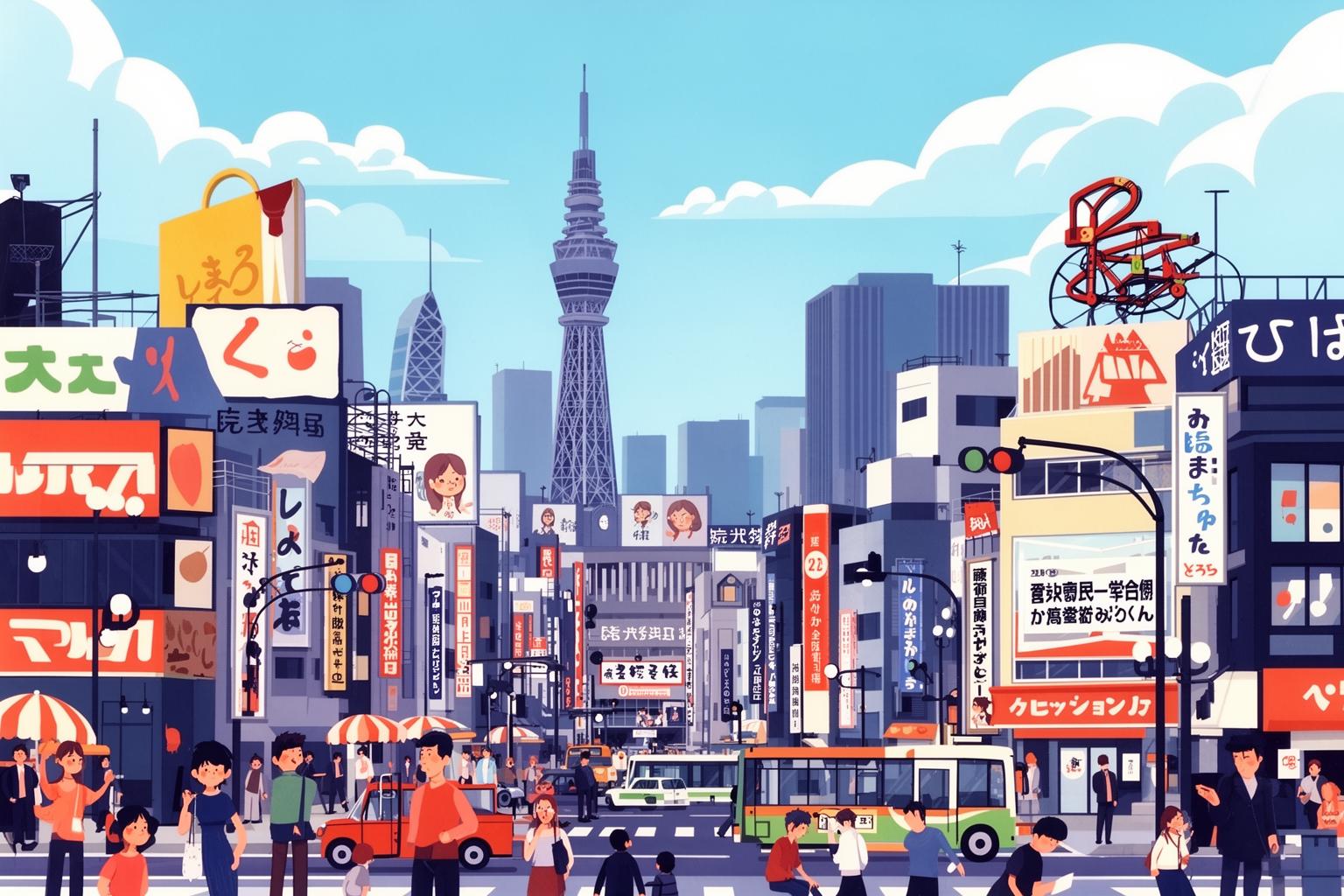
If the social environment doesn’t discourage you, the financial incentive is compelling. Nishinari provides an entry point to living in central Osaka at a cost that is virtually unheard of elsewhere. However, the housing options reflect the area’s distinctive history and economy.
First, there are the contemporary doya. Many have reinvented themselves as “business hotels” or guest houses, offering monthly leases. For a fee between ¥30,000 and ¥50,000, you can rent a small, austere private room—often no larger than three or four tatami mats—with a futon, a small desk, and sometimes a mini-fridge. Bathrooms and kitchens are almost always shared. It’s extreme minimalist living, but it offers a private, lockable space in the heart of a major city for the cost of a car payment.
Second, there are the typical apartments, or apāto, available for as little as ¥25,000 a month. However, this is where foreigners might face obstacles. Many local real estate agents, influenced by the area’s reputation, might hesitate to show these properties to non-Japanese tenants. They may come up with excuses or steer you toward pricier neighborhoods, citing concerns about the “difficult environment.” This is not necessarily intentional racism; it’s often a cautious business approach but remains a real challenge. Finding a foreigner-friendly agent is essential. Another major benefit is that many older buildings in Nishinari do not require the dreaded “key money” (reikin) or “gift money” (shikikin), the non-refundable deposits that can add hundreds of thousands of yen to the initial rental expenses in Japan. This alone makes the area highly appealing for those starting out with limited funds.
Living in Nishinari also means adjusting to a unique local economy. The standout of this ecosystem is Super Tamade. This supermarket chain, with its flashy neon lights, incessant music, and almost comically low prices, is a Nishinari landmark. It’s a bargain haven, a tribute to frugality. You can find ¥1 bento ingredients, heavily discounted produce, and a chaotic array of goods perfectly suited to a community living on a very tight budget. The entire commercial landscape is designed this way. Vending machines offer drinks for ¥50. Small eateries serve bowls of udon or curry for a few hundred yen. Everything is stripped of any pretense and focused on affordability. Meanwhile, transportation access is surprisingly excellent. From Shin-Imamiya or Dobutsuen-mae stations, you can reach anywhere in Osaka in under 30 minutes. It’s a high-access, low-cost paradox.
Who Should Live in Nishinari? And Who Shouldn’t?
So, who is truly suited for life in Nishinari? Answering this requires deep self-honesty. This neighborhood is not for everyone, and pretending otherwise does a disservice to both the area and potential residents.
Nishinari can be an excellent choice for certain individuals. If you are a student, freelance artist, writer, or anyone with a fluctuating or limited income, the financial relief of a ¥30,000 rent is invaluable. It can mean the difference between following your passion and being stuck in a job just to afford high living costs. If you are a minimalist who views an apartment mainly as a place to sleep and store belongings, the no-frills doya lifestyle may suit you well. For sociologists or those intrigued by the raw realities of urban life and the stories behind a city’s overlooked neighborhoods, Nishinari is like a living classroom. It’s for people who tolerate grit, are not easily unnerved, and prioritize practicality over appearance.
On the other hand, many would find Nishinari a deeply uncomfortable, if not distressing, place to live. If you are raising young children, the lack of clean parks, visible social issues, and general atmosphere would be major drawbacks. If you are sensitive to noise, disorder, and signs of poverty, the environment may feel draining. Anyone expecting the clean, tranquil, and orderly Japan often portrayed in international media will likely be disappointed. Single women, in particular, might find the male-dominated public spaces and frequent public drinking unsettling, especially after dark. While physical danger is low, the need to remain constantly vigilant can be emotionally taxing. If your ideal image of life in Japan includes charming cafes, pristine streets, and quiet, polite neighbors, Nishinari is not for you.
Nishinari’s Future: A Microcosm of Osaka’s Evolution
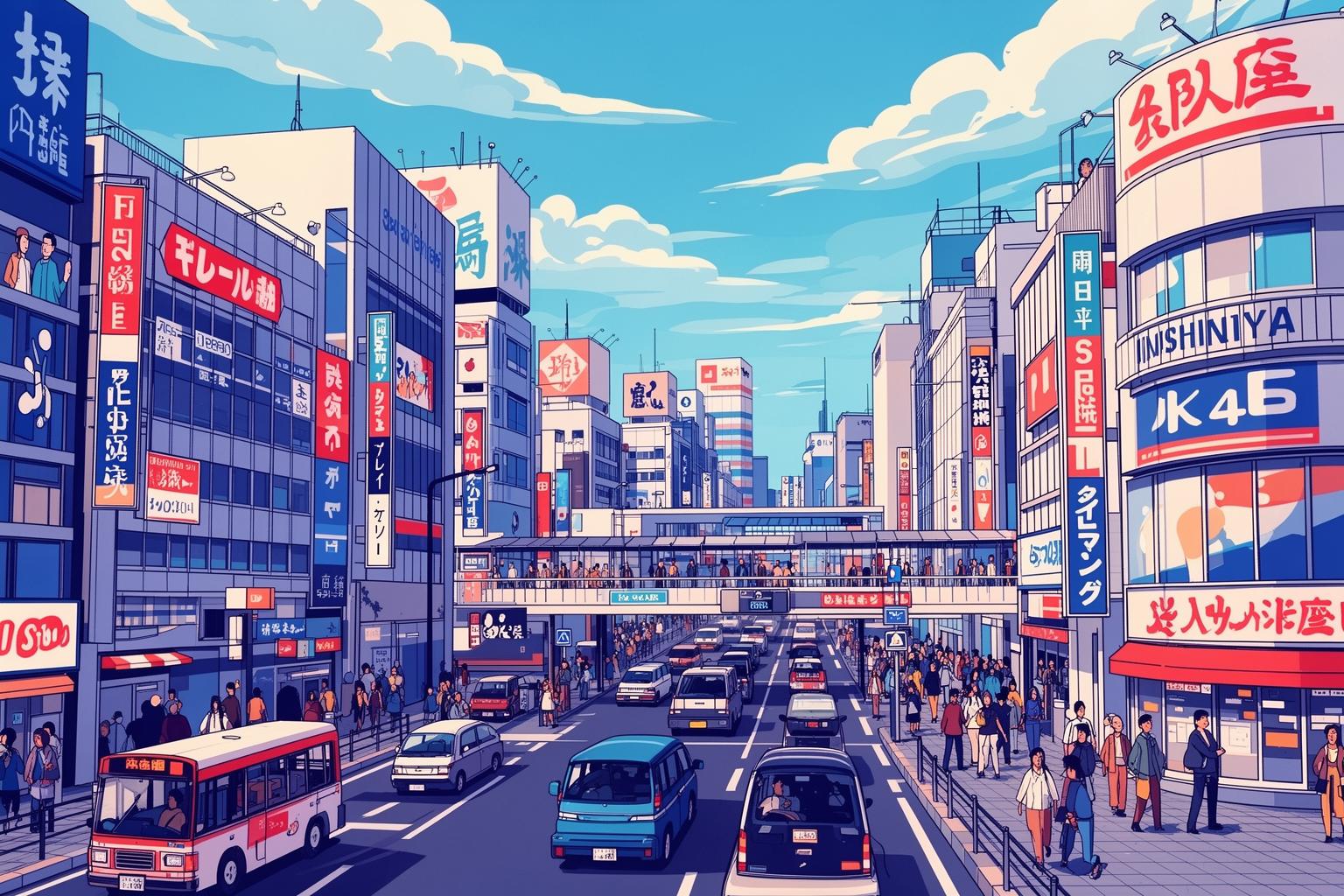
Today’s Nishinari is a place in transition. The original generation of day laborers is disappearing, and the economic forces influencing the area are evolving. The most striking symbol of this transformation is the arrival of Hoshino Resorts OMO7, a sleek, towering tourist hotel that has been built right on the border of Shin-Imamiya, casting a literal shadow over the old neighborhood. Its presence signals a slow but unmistakable gentrification.
The rise in international tourism has given birth to a new economy. Backpacker hostels, clean and professionally managed, are emerging, often in renovated doya. They serve a global youth seeking budget-friendly adventure, and their presence coexists in a unique symbiosis with the area’s long-term residents. This change is not the result of a top-down, Tokyo-style redevelopment plan aimed at “beautifying” the area. Instead, it’s unfolding organically, driven by market forces—a truly Osakan evolution. The land is inexpensive, the transport is excellent, so new businesses move in. It’s the same pragmatic logic that built the neighborhood, now being applied to reinvent it.
Nishinari remains a crucial lens for understanding Osaka. It is the city’s conscience, reminding us of the human cost behind economic booms and busts. It stands as a testament to a municipal character that refuses to hide its problems, choosing instead to address them with a gruff, unsentimental pragmatism. For foreigners willing to look beyond the unsettling reputation, it offers not just an affordable place to live, but a profound insight into the realities of modern Japan. It is not pretty, it is not polished, but it is, perhaps, one of the most honest places in the entire country. And in a world increasingly valuing image over substance, that honesty holds a value all its own.