When you picture Osaka, what comes to mind? For most, it’s a flash of neon, a giant mechanical crab, and the frenetic energy of Dotonbori. You see tourists snapping photos of the Glico Running Man, clutching paper boats of takoyaki, steam rising into the night air. This image, plastered across travel guides and Instagram feeds, paints Osaka as Japan’s loud, food-obsessed cousin—a place you visit to indulge. And while that image isn’t wrong, it’s a surface-level snapshot of a much deeper, more complex reality. It’s the flashy movie trailer for a film that’s actually a brilliant piece of economic and cultural commentary. The true story of Osaka’s relationship with food isn’t just about gluttony; it’s about a city-wide philosophy that has engineered an ecosystem of unbelievably high-quality, low-cost food. This philosophy, known as ‘Kuidaore,’ is the invisible engine that makes living in Osaka not just delicious, but remarkably affordable. It’s the reason why your daily expenses here feel fundamentally different from Tokyo, and understanding it is the key to understanding the soul of this city. This isn’t about a weekend binge; it’s about a sustainable, everyday brilliance that shapes the life of every person who calls Osaka home.
The way Osaka’s kuidaore mindset shapes everyday life goes beyond surface impressions, and readers interested in a deeper look at this culinary phenomenon might enjoy the real story of Osaka’s kuidaore culture.
Deconstructing ‘Kuidaore’: More Than Just “Eat ‘Til You Drop”
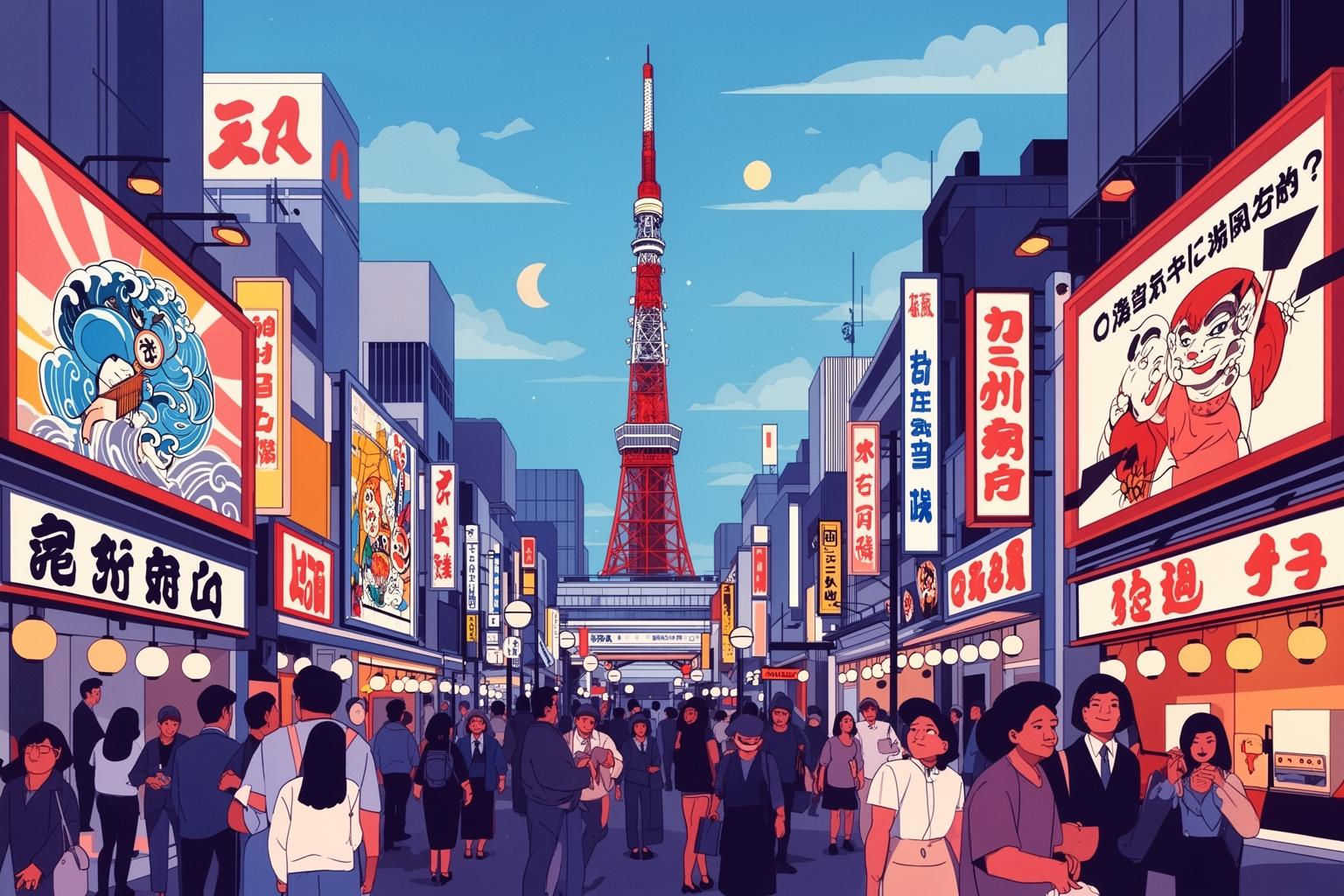
The standard translation of ‘kuidaore’ (食い倒れ) is “to eat oneself into bankruptcy.” It sounds dramatic, evoking images of indulgent feasts leading to financial ruin. However, this literal, almost humorous interpretation misses the true meaning. No one in Osaka is actually losing their home because of a kushikatsu obsession. Rather, it’s a declaration of priorities. It’s a hyperbolic way of saying you value spending your money on excellent food so much that you’re willing to go broke for it. It’s about expertise in taste, not mere consumption. It represents a community of discerning customers who expect the best possible value for their yen. This isn’t just about finding cheap food—anyone can do that. Kuidaore is about balancing quality and price. It reflects a deeply held belief that delicious food shouldn’t be a luxury, but an everyday expectation. An Osakan doesn’t just ask, “Is it good?” They ask, “Is it good for the price?” This creates a fundamentally different dynamic from Tokyo. In Tokyo, you might pay extra for a restaurant’s location in Ginza, its sleek interior, or the celebrity chef. Atmosphere and branding are important. In Osaka, the food is the star, the main event, the whole experience. A restaurant in a rundown alley beneath train tracks can have a longer line than a stylish bistro in a skyscraper, simply because it offers better value. This unwavering emphasis on ‘kosupa’—cost performance—is central to the city’s identity. It’s an unspoken, city-wide agreement that if you’re charging for food, it must be outstanding, and the price must be fair.
The Anatomy of Osaka’s Food Ecosystem
This demanding philosophy doesn’t operate in isolation. It actively fosters a unique and resilient food ecosystem—a self-regulating market that guarantees both quality and affordability. There’s no central authority directing it; rather, it emerges naturally from millions of daily decisions by fiercely independent chefs and astute customers. This environment functions on a few core principles evident every day, from the largest shopping arcade to the smallest backstreet stall. It’s a beautifully intricate system that rewards skill, honesty, and obsessive dedication to craft.
A Battlefield of Small Businesses
Step away from tourist centers and immerse yourself in a local neighborhood. What you encounter isn’t a landscape dominated by giant, soulless restaurant chains. Instead, you’ll see a vibrant mosaic of small, independent, often family-run businesses. A tiny curry shop with six counter seats, an udon spot run by the same couple for forty years, a takoyaki stand operating out of an actual window in a wall. This is the true heart of Osaka’s food scene. The density of these small businesses creates an intense competition. Opening an okonomiyaki place in the Tenjinbashisuji Shotengai, Japan’s longest shopping arcade, means you’re not just competing with a handful of rivals—you’re facing dozens, each with their own loyal customers and time-honored recipes. Survival depends not on novelty or flashy signage but on one thing alone: being clearly better or offering greater value than the shop next door. This relentless pressure ruthlessly eliminates mediocrity. Overpriced, disappointing, or inconsistent restaurants simply don’t last. The survivors are those who refine their product to a razor’s edge of perfection and price it with profound fairness. It’s natural selection where the consumer is the ultimate winner, assured a high standard of quality wherever they go.
The Customer is Always the Critic
In many places, customers are passive recipients. In Osaka, they are active, vocal, and highly informed participants in every transaction. Locals grow up immersed in this environment. They know exactly how proper dashi should taste. They can detect the perfect char on grilled eel. They’ll notice if you’re frying tempura in old oil. And they don’t hesitate to express it. This doesn’t always mean causing a scene, but they’ll vote with their feet and their words. Reputation is everything in Osaka, built not through slick campaigns but by the steady, powerful flow of word-of-mouth. ‘Kuchi-komi’ (word-of-mouth) remains the original and most potent form of social media. A grandmother telling neighbors that the new noodle shop has perfectly springy noodles is more influential than any five-star online review. Conversely, a reputation for cutting corners or raising prices without improving quality can be fatal. This city-wide scrutiny acts as an organic quality control system. Business owners know they can’t deceive customers, so they don’t try. Instead, they focus on earning respect through consistent, genuine quality. This fosters a relationship of trust between provider and consumer—a shared understanding that both parties are playing fair.
The Power of Specialization
One of the most notable aspects of Osaka’s food scene is the remarkable degree of specialization. A shop doesn’t sell ‘Japanese food.’ It sells udon. Or ramen. Or kushikatsu. Or just cheesecake. This isn’t a lack of ambition; it’s the peak of it. By focusing on a single item, a business reaches a mastery and efficiency impossible for a generalist. The udon master isn’t distracted by sourcing fresh fish for sushi or perfecting tempura batter. They obsess solely over the quality of their flour, the alchemy of their broth, and the precise timing of their boil. This focus enables them to streamline operations, purchase specific ingredients in bulk to reduce costs, perfect their workflow to cut waste and maximize speed, and pour all their creativity and energy into elevating that one dish. That’s why you can get a life-changing bowl of kitsune udon—a simple noodle dish with broth and sweet fried tofu—for under 500 yen. You’re not paying for a vast menu or a complex kitchen; you’re paying for decades of accumulated expertise dedicated to crafting the perfect bowl. It’s the ultimate embodiment of the kuidaore philosophy: maximum quality through relentless focus, delivered at minimal cost.
How This Translates to Your Daily Budget
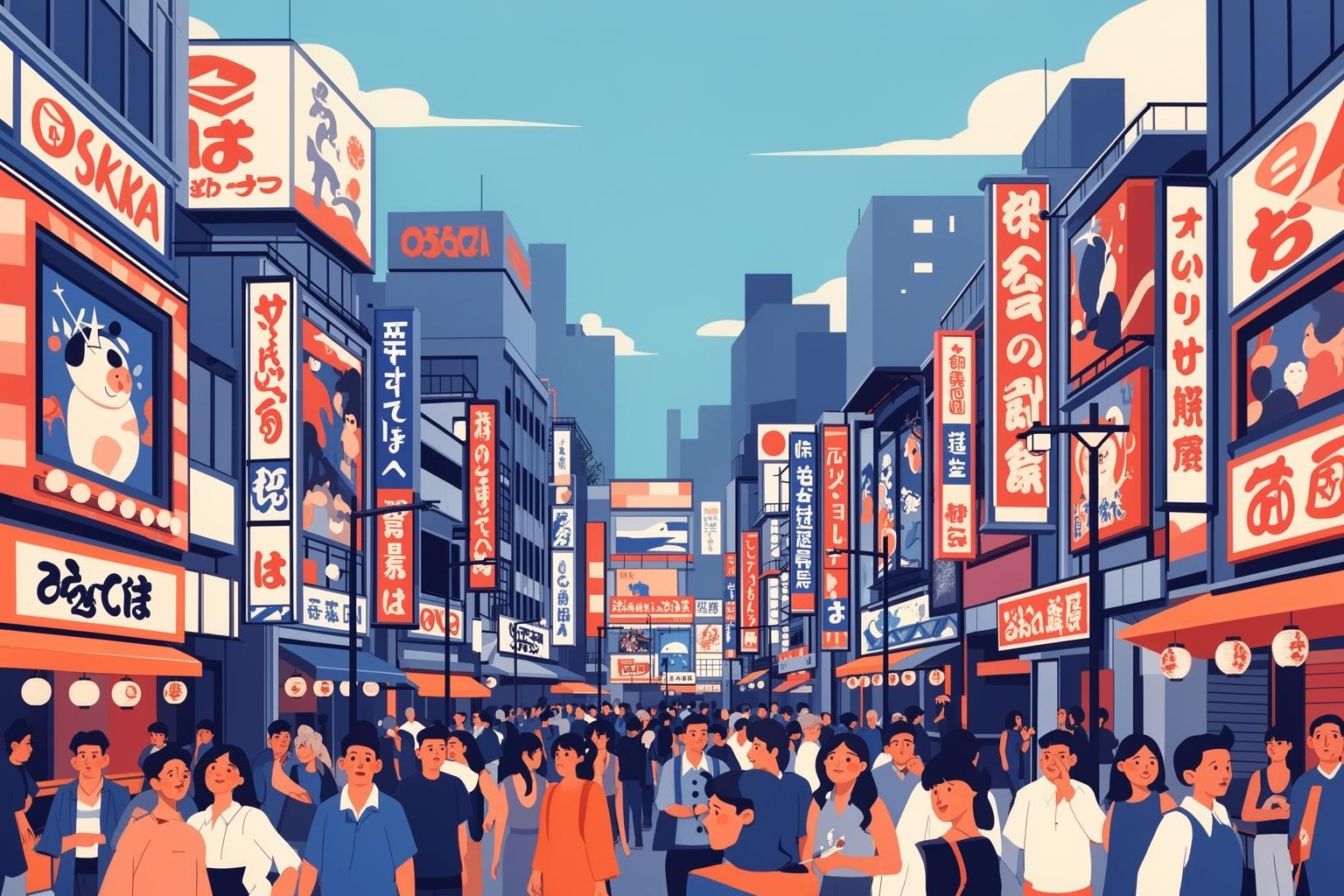
So, what does all this mean for you as a resident? It means your relationship with both your wallet and your kitchen is fundamentally changed. The economic pressure to cook every meal at home to save money—which is common in many major global cities—is greatly reduced in Osaka. The kuidaore ecosystem offers a rich variety of affordable, high-quality options that make dining out a regular, guilt-free part of everyday life rather than a special event. This has a clear, positive effect on both your finances and your overall quality of life.
The Sub-¥500 Lunch: A Citywide Norm
In Tokyo, a ‘one-coin lunch’ (a meal for a single ¥500 coin) is often a special deal or something you have to go out of your way to find. In Osaka, it’s simply the standard expectation. It’s the default choice for a midday meal. This doesn’t mean a sad desk sandwich or a greasy slice of pizza. We’re talking about a proper, hot meal: a generous bowl of curry rice from a local stand, a steaming bowl of katsudon with breaded pork cutlet simmered in dashi and egg over rice, or a simple, elegant udon set with an onigiri rice ball on the side. These aren’t loss leaders or low-quality fast food. They form the backbone of the city’s lunch culture, crafted with care by small business owners who have mastered the art of delivering satisfaction at a fair price. With this option available everywhere, you can leave the house without a packed bento box and be confident you’ll find a delicious, filling lunch without overspending. It’s a small freedom that adds up to a significant reduction in daily stress and expense.
‘Tachinomi’ and the Craft of the Affordable Evening Out
This value-driven mindset carries into the night. The culture of ‘tachinomi’ (standing bars) is perhaps the best illustration of this. These no-frills spots, often hidden within the lively arcades of neighborhoods like Tenma or Kyobashi, have you standing at a counter to eat and drink. The barrier to entry is very low. There’s no cover charge or pressure to order a full meal. You can stop by for twenty minutes, enjoy a cold beer and a couple of kushikatsu skewers (deep-fried skewered meat and vegetables), and be out the door for under 1,000 yen. Or you can linger for longer, sampling dishes like doteyaki (slow-cooked beef sinew in miso) and other small plates. Tachinomi spots serve as both a social equalizer and an economic marvel. They make socializing after work affordable for everyone, regardless of their budget. They encourage a level of spontaneity hard to find elsewhere. You can meet friends multiple times a week without feeling the financial strain. It’s a low-commitment, high-reward social structure centered entirely on the principle of good, inexpensive food and drink.
The Supermarket as a Goldmine
The kuidaore approach even extends to supermarkets. While every Japanese supermarket carries some prepared foods, or ‘sozai,’ Osaka’s are on a different level. Stores like the legendary Super Tamade, with its famously chaotic neon signage and rock-bottom prices, exemplify the city’s passion for bargains. But it’s not just about low prices. The quality and variety of the sozai are remarkable. You can find everything from perfectly grilled mackerel and intricate bento boxes to freshly made salads and croquettes, often priced at just a few hundred yen. For residents, this means assembling a complete, balanced, and delicious dinner without ever turning on the stove is entirely possible. It’s a crucial part of the ecosystem, adding another layer of affordable convenience that supports the busy lives of locals. It’s kuidaore philosophy applied to home dining: why settle for a mediocre homemade meal when you can have a fantastic, professionally prepared one for nearly the same cost?
The Osaka Mindset: ‘Mokkari-makka?’ and the Spirit of Value
To fully understand why Osaka’s food culture is the way it is, you need to consider the city’s history as Japan’s merchant capital. This is a city founded on trade, negotiation, and the art of the deal. The spirit of commerce is deeply embedded in its character. A traditional Osaka greeting, though now less common among younger people, is “Mokkari-makka?” which means “Are you making a profit?” To outsiders, it might come across as blunt or even rude. However, it’s not meant to be intrusive; it’s a friendly, practical acknowledgment of a shared reality: everyone here is working hard to make a living. The typical response is “Bochi-bochi denna,” or “So-so.” This exchange captures the Osaka mindset. Life is viewed as a transaction, with the aim of securing good value. This approach applies to everything, from purchasing electronics in Den Den Town to deciding where to have lunch. As a consumer, you are expected to be savvy and discerning, while as a business owner, you are expected to be honest and offer a product genuinely worth its price. This results in a more direct, less formal communication style compared to Tokyo. People get straight to the point, placing less emphasis on performative politeness and more on sincere, transparent interaction. This merchant spirit is the cultural framework that drives the kuidaore operating system. The whole food ecosystem is a microcosm of this “mokkari-makka” attitude: a city-wide, ongoing negotiation for the best value, carried out with good humor and a shared passion for good food.
What Foreigners Often Miss
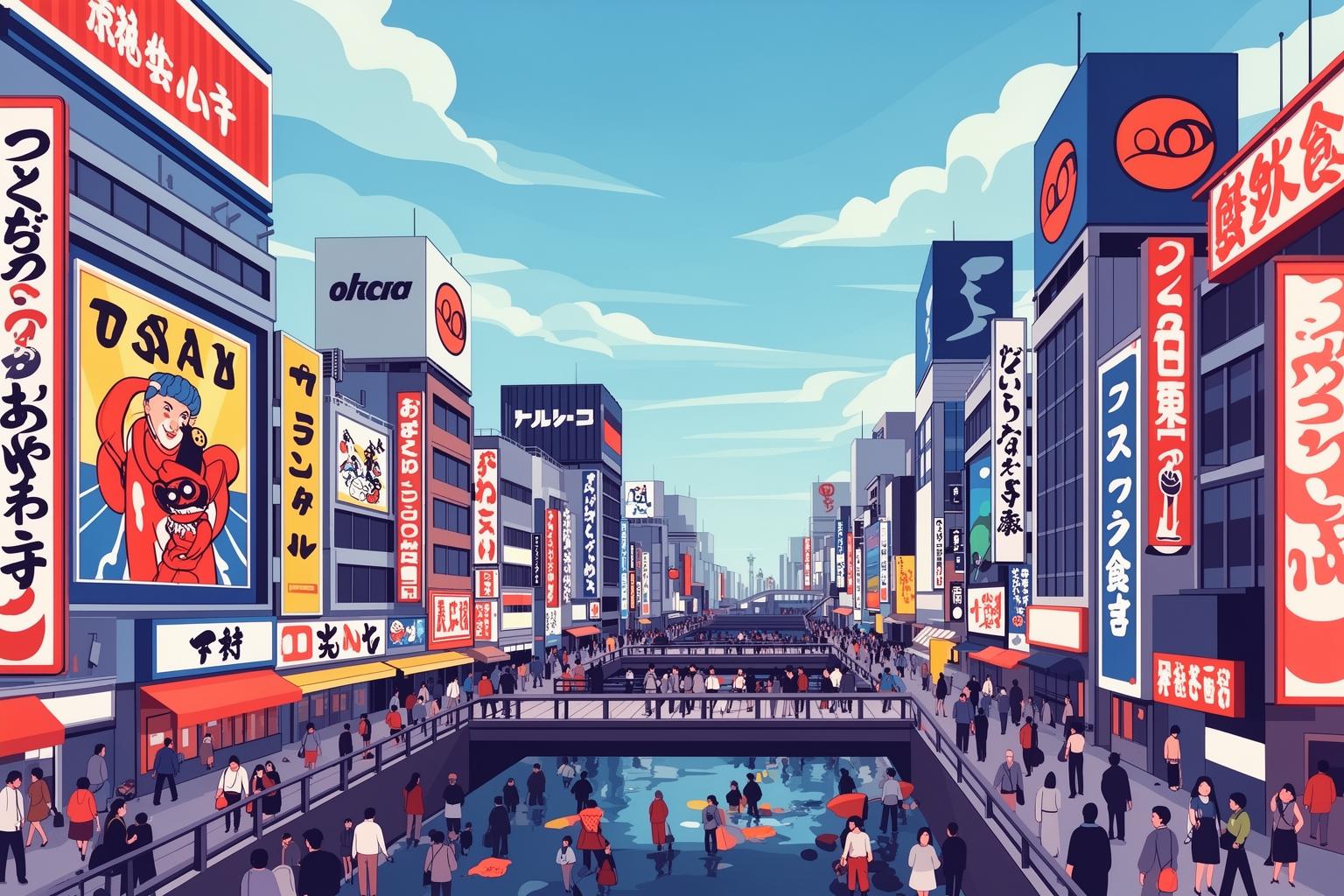
One of the most common misconceptions about Osaka is limiting its food culture to a few famous, often greasy, street foods. Takoyaki, okonomiyaki, kushikatsu—these are undoubtedly delicious and important staples of the cuisine. However, they are the headline acts, not the whole show. The kuidaore philosophy is genre-neutral. It applies just as much to a simple fish cake from a market stall, a carefully prepared bowl of ramen, a delicate slice of cake from a local patisserie, and even the upscale, multi-course ‘kappo’ style of dining, which originated in Osaka as a more approachable and straightforward alternative to Kyoto‘s formal kaiseki. The common thread is always quality relative to price. Another major misunderstanding is equating “cheap” with “low quality.” While this assumption may hold true in many places, in Osaka it often couldn’t be further from the truth. A remarkably low price is not a warning sign but a mark of pride. It signals the chef’s immense confidence and efficiency. It means, “I am so skilled, so adept at sourcing ingredients, and so masterful in technique, that I can create this masterpiece and offer it to you at an astonishing price.” Charging an excessive price for a simple dish would be viewed not as luxury, but as incompetence or, worse, a rip-off. True prestige here comes from delivering an experience that far surpasses its cost.
Your Life in the ‘Kitchen of Japan’
Living in Osaka means fully immersing yourself in this remarkable system. It shifts your sense of value. You come to realize that a fantastic meal doesn’t have to be reserved for special occasions—it’s an everyday right. Your social life becomes more fluid and spontaneous, centered around casual invitations to try a new gyoza spot or grab a quick drink at a tachinomi, without the financial calculations that often limit such choices in other cities. You develop a deep appreciation for the immense skill and dedication involved in perfecting a single, humble dish. The man who has been grilling eel over charcoal for sixty years, the woman who has devoted her life to mastering the texture of soba noodles—these are the city’s unsung heroes. Living in Osaka means engaging in this lively, ongoing conversation about what makes food great and what makes a life well-lived. Understanding kuidaore isn’t just about navigating a menu; it’s about grasping the very essence of Osaka’s culture: a pragmatic, joyful, and relentless pursuit of value that makes life in Japan’s kitchen not only delicious but deeply, satisfyingly, and affordably human.