A Worrying Signal for the Kansai Economy
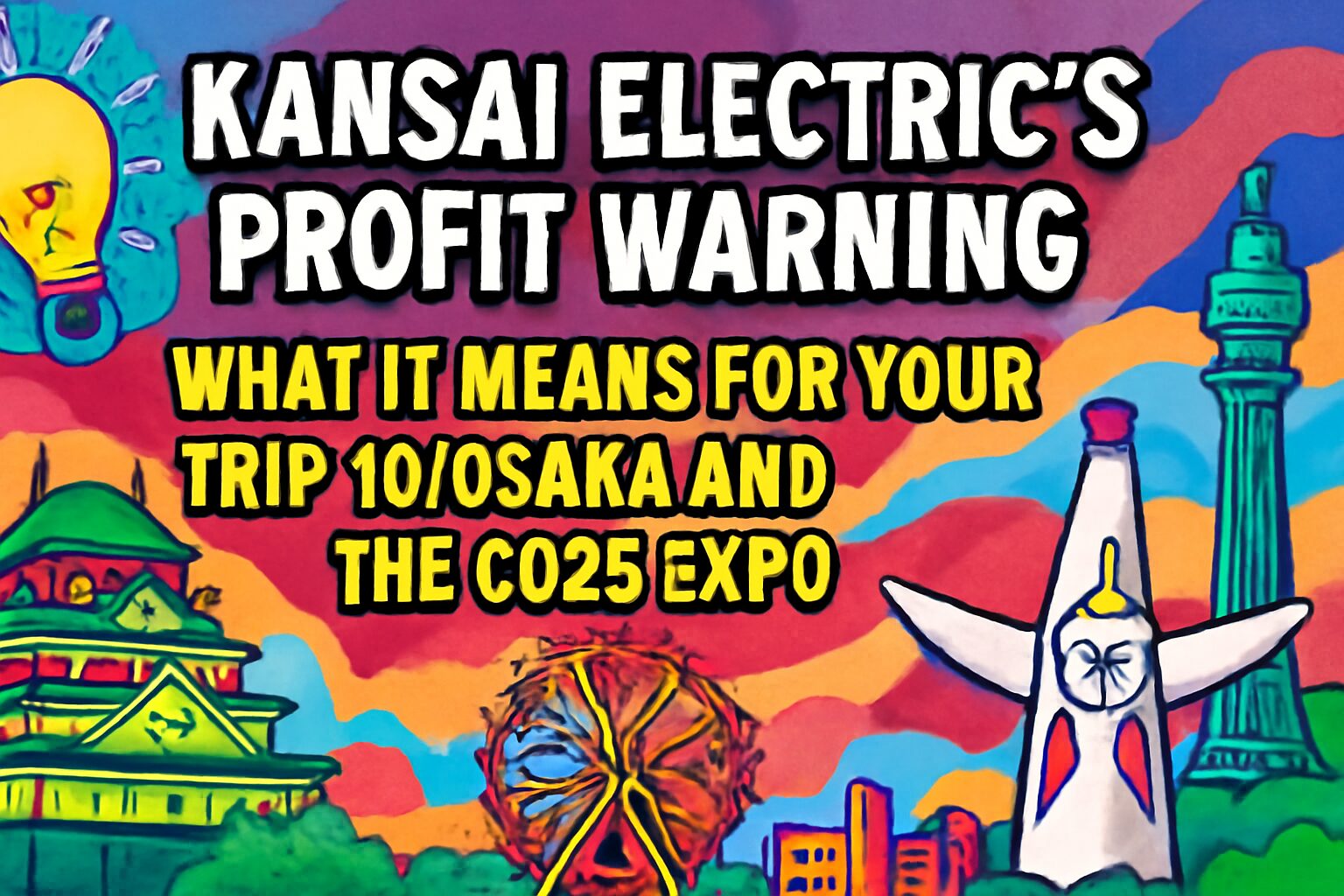
Kansai Electric Power Co. (KEPCO), a major utility provider and a key indicator of the region’s economic health, has released a forecast that signals potential headwinds for the area. On April 30, 2026, the company projected a steep 44.1% drop in its consolidated recurring profit, expecting it to fall to 290 billion yen for the fiscal year ending in March 2027.
This announcement marks the third consecutive year of anticipated profit decline for the energy giant. While this may seem like distant corporate news, KEPCO’s performance often reflects the broader economic climate of the Kansai region, which includes major cities like Osaka, Kyoto, and Kobe. For travelers, this forecast offers a glimpse into the economic landscape they might encounter during their visit.
Behind the Numbers: Why the Decline?
The projected downturn isn’t due to a single issue but a combination of complex factors. Key drivers include:
- Fluctuating Energy Prices: Global energy markets are volatile. The unpredictable cost of fuel for power generation directly impacts KEPCO’s profitability, making long-term financial stability a challenge.
- Evolving Regulatory Environment: Changes in government energy policies and regulations can significantly affect the operational costs and revenue streams of utility companies.
These challenges create an uncertain business environment for one of the region’s most important companies, and the ripple effects could be felt across various sectors.
Potential Impacts on Travelers and Tourism
While this forecast doesn’t mean you should change your travel plans, it’s worth understanding the potential implications for the region’s tourism and hospitality industries.
The Atmosphere Around the 2025 World Expo
With the highly anticipated 2025 World Expo in Osaka on the horizon, the economic mood is crucial. A slowdown in the regional economy, as hinted at by KEPCO’s forecast, could temper the level of private investment and consumer spending surrounding the event. While the core infrastructure for the Expo is well underway, the vibrancy of surrounding businesses, from new restaurants to pop-up shops, could be influenced by the broader economic sentiment.
Local Businesses and Hospitality
A less robust economy can impact local businesses that are central to the travel experience. Hotels, restaurants, and retail shops might face tighter margins. While this could potentially lead to more competitive pricing and special deals to attract customers, it could also mean some businesses might scale back on services or new investments. Travelers may notice a more cautious spending atmosphere among locals.
Will Electricity Bills Go Up?
A natural question is whether a drop in corporate profit will lead to higher electricity prices for consumers and businesses. While KEPCO’s forecast does not directly announce a rate hike, sustained financial pressure on a utility company can often lead to future reviews of electricity tariffs. Higher operational costs for hotels, restaurants, and attractions could eventually be reflected in their prices.
A Silver Lining?
It’s not all gloomy news. In a sign of underlying stability, KEPCO also announced a plan to increase its annual dividend from 75 yen to 80 yen per share. This suggests the company has a degree of confidence in its long-term financial health despite the short-term profit decline.
Furthermore, the Kansai region has a resilient and diverse economy, and public and private sector efforts to ensure the success of the World Expo continue at full pace. For travelers, Osaka and the surrounding areas will undoubtedly remain a vibrant, welcoming, and exciting destination.
This news serves as a reminder that the travel experience is connected to the local economic pulse. While no immediate, drastic changes are expected, keeping an eye on the economic health of the region can provide a deeper context for your journey through Kansai.