
You’re standing at a crosswalk in Tennoji, waiting for the light. Or maybe you’re browsing daikon radishes in a local supermarket in Namba. Suddenly, a voice cuts through your thoughts. An older woman, an obachan, taps your arm. “That bag,” she says, pointing with her chin, “it’s a good one. Strong. Where’d you get it?” Before you can fully process the question, the light changes, and she’s gone with a quick nod. This isn’t a rare occurrence. This is Osaka. And you’ve just experienced tachibanashi. For anyone moving from the polite, measured distance of Tokyo or the reserved public spaces of many Western cities, this can be jarring. You might wonder, “Why are strangers talking to me? What do they want?” The answer is beautifully simple: nothing. They just want to talk. This culture of impromptu, standing-on-the-street conversation, tachibanashi (立ち話), is the city’s lifeblood. It’s the invisible thread connecting millions of people, the rhythm that makes Osaka’s heart beat. It’s not just random friendliness; it’s a deeply ingrained social ritual, your unexpected gateway to feeling truly at home in this vibrant, chaotic, and wonderfully human city.
This vibrant culture of impromptu street chatter pairs well with the emerging luxury hotel boom in Kansai, which is redefining the region’s travel scene ahead of Expo 2025.
The Art of the Impromptu Chat: Deconstructing Tachibanashi
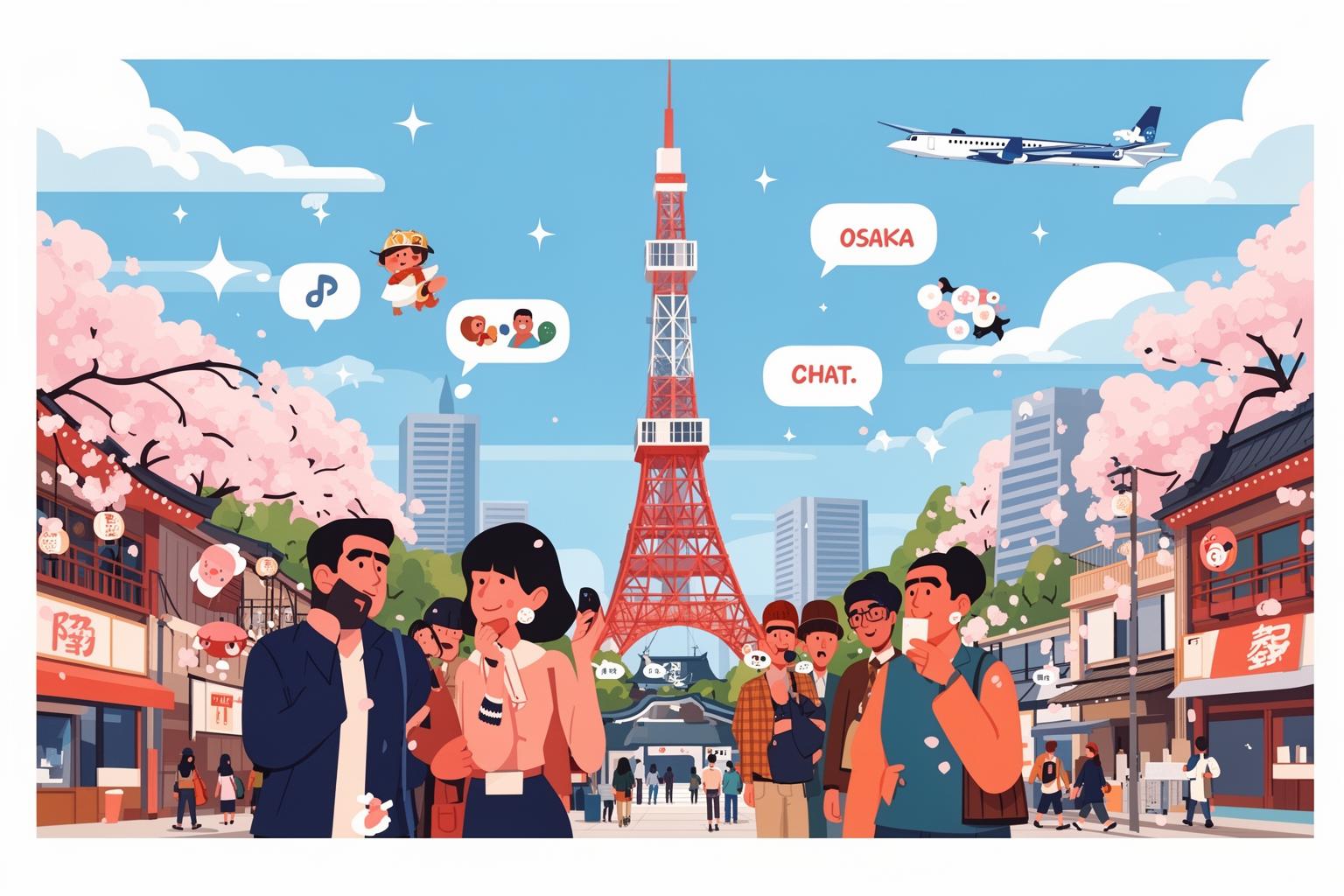
To those unfamiliar, tachibanashi might appear as a chaotic string of unrelated remarks. But on closer inspection, it reveals its own graceful, unspoken set of rules. It’s a performance, a small piece of street theater where everyone knows their role. Mastering it, or at least grasping its flow, is essential for navigating everyday life in Osaka.
More Than Mere Small Talk
Tachibanashi differs from Western small talk, which often fills uncomfortable silences. Here, it’s about actively crafting a shared moment. It arises from a common observation. A sudden rain shower might prompt the person beside you under an awning to say, “Wow, that came out of nowhere, didn’t it?” It’s a verbal confirmation that you’re both experiencing the same reality. Topics are immediate and local: the price of cabbage, a passing dog’s cuteness, the absurdity of a new billboard. It’s a social check-in, a way of saying, “I see you. We’re in this together.” The aim isn’t to exchange facts but warmth. It’s a conversational currency freely traded on every corner.
The Unwritten Rules of Interaction
Like any social ritual, tachibanashi has a pattern, even if it feels entirely spontaneous. It’s a dance, and learning its moves makes you a more confident partner.
The Opening Move
The conversation usually starts with an observation, not a question like “Where are you from?” That might come later, if at all. It’s a statement: “These tomatoes look great today.” Or a compliment: “Your shoes are really stylish.” This is an invitation. It’s a low-pressure opening you can accept or gently decline. Initiators are often, though not exclusively, older city residents. They are the masters of this craft, the keepers of the city’s social fabric.
The Response
Fluency in Japanese isn’t required to join in. In fact, stumbling over the language can be charming. A simple “Hontou desu ne” (“That’s true, isn’t it?”) or a warm “Arigatou gozaimasu” (“Thank you very much”) works perfectly. The key is acknowledgment— a smile, a nod, a brief glance. You’re signaling you’ve received their social gesture and are returning it. There’s no pressure to keep the conversation going. The exchange may last thirty seconds or just five. It’s the quality of the connection, not its length, that counts.
The Graceful Exit
Tachibanashi finishes as quickly and neatly as it begins. There are no long, drawn-out farewells. The conversation naturally fades, then the other person might say “Jaa” (“Well then”) or give a slight bow before walking away. It can feel abrupt but isn’t rude. It signals the moment has passed, its purpose fulfilled. You both return to your separate lives, just a little more connected to the world around you.
Why Osaka? The Cultural Roots of a Chatty City
This behavior is far from random. It is shaped by centuries of history, economics, and a distinctive urban identity that distinguishes Osaka from the rest of Japan, especially Tokyo. To truly grasp tachibanashi, you need to understand the city’s DNA.
A Merchant’s Mentality
Tokyo developed around the samurai and the imperial court—a society defined by rigid hierarchies and formal protocols. Osaka, on the other hand, was built by merchants. It served as the nation’s kitchen and the hub of commerce where rice and goods were traded. In a merchant town, communication is essential for survival. You had to quickly establish rapport, read people, negotiate, persuade, and joke. A closed mouth never closes a deal. This “shonin” (merchant) spirit permeated every aspect of life. Social interactions became transactional in the most positive sense—a fair and open exchange of energy. People talk to one another because it’s efficient, fosters community, and benefits business, whether that business is selling takoyaki or simply navigating everyday life.
Humor as a Social Lubricant
In Osaka, humor is both a refined art and a daily necessity. The city is the birthplace of Manzai comedy, a fast-paced double act involving the dynamic between a funny man (boke) and a straight man (tsukkomi). This rhythm is deeply ingrained in everyday conversation. Tachibanashi serves as a public stage for brief, improvised comedic exchanges. Someone might make a slightly exaggerated complaint about the heat, and the expected reply is not just sympathy but a clever comeback that extends the joke. Don’t be surprised if a shopkeeper teases you a bit. It’s often a sign of affection, an invitation to a more relaxed and playful social atmosphere. This sharply contrasts with the Kanto region around Tokyo, where interactions tend to be more formal and sincere. In Osaka, sharing a laugh holds as much value as a polite bow.
Your Field Guide to Tachibanashi Hotspots
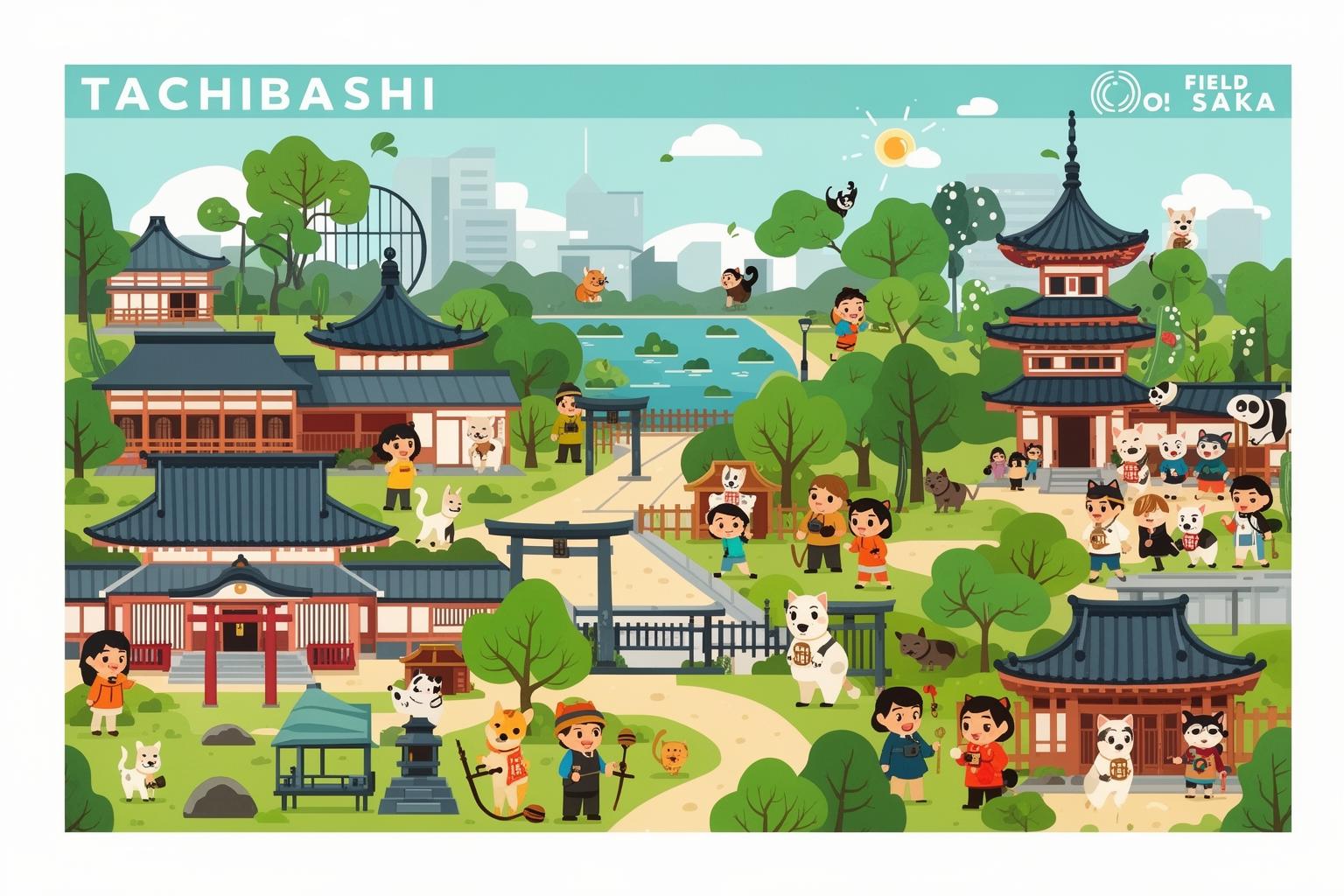
While spontaneous chats can occur anywhere, some settings are especially conducive to them. Consider these places as the natural habitats for Osaka’s most iconic social interactions.
The Shotengai: The Premier Arena
The covered shopping arcade, or shotengai, serves as the heart of neighborhood life and the undisputed domain of tachibanashi. These long corridors, filled with everything from butchers and tofu shops to florists and clothing stores, function as semi-public spaces that feel like a shared living room. Here, the boundaries between customer and neighbor fade. The fishmonger won’t just sell you mackerel; he’ll share the best way to grill it and inquire about your family. Two women comparing pickled ginger prices might turn to you for your opinion, even if you’ve never pickled anything. It’s a continual, flowing stream of conversation, best enjoyed by slowing down, wandering, and staying open.
Supermarkets and Depachika
Although modern supermarkets might appear more impersonal than a traditional shotengai, the Osaka spirit remains vibrant. You’ll notice it in the produce aisle, where someone might lean in and whisper, “Those onions are a better deal.” You’ll encounter it at the butcher counter, where a fellow shopper offers unsolicited yet excellent advice on the best pork cut for tonkatsu. The depachika, expansive food halls located in the basements of department stores, are also excellent venues. Among the dazzling food displays and vendors urging you to try free samples, a shared sense of purpose arises: the hunt for delicious food. This common goal dissolves social barriers and sparks countless brief exchanges over which bento box looks most appealing.
Public Transit and Local Parks
This is where the contrast between Osaka and Tokyo is most evident. On a Tokyo subway, silence and avoiding eye contact are the norms. On an Osaka train, especially outside the morning rush, the atmosphere is more relaxed. It’s not a nonstop party, but you’re far more likely to have a grandmother ask to see the book you’re reading or hear someone comment on the rainy weather. Parks, particularly dog parks, are another hub. In Osaka, your dog acts as a social ambassador. Conversations between owners are not merely anticipated; they are the very reason for being there. You’ll soon learn the names of local Shiba Inus and the life stories of their owners.
From Stranger to Neighbor: Turning Chats into Connections
So, you’ve experienced a few successful tachibanashi encounters. What’s next? How can you use this distinctive cultural trait to fight the loneliness that often comes with living abroad and foster genuine friendships?
The Misunderstanding: Friendliness vs. Friendship
First, it’s important to set realistic expectations. Osaka’s friendliness is broad but not always deep. A cheerful five-minute chat with a shopkeeper doesn’t mean you’ve instantly become best friends who’ll be invited to their daughter’s wedding. This is a frequent misconception. Foreigners from more reserved cultures may misinterpret this initial openness as an invitation to instant, deep friendship. When that doesn’t happen, they may feel confused or rejected. Think of tachibanashi as the city’s social handshake—an opening gesture, a nod to a potential connection. Genuine friendship, however, requires the same universal elements anywhere: time, consistency, and shared interests.
The Gradual Progression
Moving from standing chat to real friendship is a slow, natural process built on consistency. If you get your morning coffee every day from the same small kissaten, the initial tachibanashi about the weather will gradually deepen. The owner will begin to remember your order, then ask about your work. Eventually, you might be sitting at the counter having a real conversation. The same applies to a local bar, neighborhood gym, or the park where you walk your dog. By becoming a regular, a familiar face, you create the chance for fleeting interactions to grow into something meaningful. The key is to show up consistently, letting your routine’s rhythm blend with the city’s social pulse.
Practical Advice for the Hesitant
If you’re shy or introverted, the thought of talking to strangers might feel intimidating. But you don’t need to change your personality overnight. Start small.
- Be Approachable: Your body language sends the first signal. Instead of walking around with headphones on, eyes on your phone, look around. Make brief eye contact with shopkeepers. Smile. This nonverbal cue shows you’re open to interaction.
- Have a Simple Opener: Prepare easy, low-pressure opening lines. It might be a question for a shopkeeper (“Kore wa oishii desu ka?” – “Is this delicious?”) or a comment to someone in line (“Kyou wa atsui desu ne” – “It’s hot today, isn’t it?”).
- Accept Imperfection: Don’t let fear of grammatical errors hold you back. Your effort to speak Japanese matters far more than perfect grammar. Osakans tend to be patient and encouraging with language learners. A little struggle can even serve as a charming icebreaker.
Navigating the Nuances: The Other Side of Tachibanashi
While this culture of communication is overwhelmingly positive, it also has its complexities. Learning how to navigate them will make your life much easier.
Reading the Room and Making a Clean Exit
What if you’re in a hurry and a friendly grandfather wants to share the entire history of the Hanshin Tigers baseball team? You are not obliged to stay. Politeness remains essential. The key is to be gentle yet clear. Avoid abruptly turning your back. Instead, offer a small bow, keep smiling, and say something like, “Sumimasen, chotto isoidemasu node” (“I’m sorry, I’m in a bit of a rush”). Pairing this with a slight step back or turning toward your intended direction is a universally understood signal. People are rarely offended; they appreciate the rhythms of city life.
Understanding the Osaka Obachan
You will inevitably meet the legendary Osaka obachan—the older woman, often dressed in vibrant colors or leopard print, who is straightforward, curious, and seems to know everyone’s business. She might ask questions that feel very personal: “Are you married? Why not? How much is your rent?” It’s important to realize this is not an interrogation. It reflects a deeply communal worldview. In her mind, she is a stakeholder in the community, and you have now become part of it. Her questions, which may feel intrusive to a Westerner, are her way of placing you on the social map, showing she sees you and cares about your well-being. You are free to answer vaguely or with a laugh. The best response is to recognize the warmth behind her nosiness. She’s not judging you; she’s embracing you.
Why Tachibanashi Is Your Key to a Better Life in Osaka
Embracing this culture of casual conversation is more than just a social skill; it represents a way of life here. In a world where urban anonymity is common, Osaka provides a compelling alternative. Tachibanashi revitalizes public spaces. It transforms a commute from a quiet, isolating routine into a potentially interactive experience. It turns a trip to the supermarket from a mundane task into a social occasion.
This is the key distinction between Japan’s two major cities. In Tokyo, you might live for years without ever speaking to your next-door neighbor. The city’s vastness and formality can foster a sense of polite yet deep isolation. You live in Tokyo. However, in Osaka, the constant, gentle buzz of tachibanashi makes you feel like you live with the city. You become an active participant, not merely a silent bystander. Those brief conversations, those small moments of shared laughter or complaint, are what integrate you into the vibrant, colorful, and endlessly surprising fabric of Osaka life. So next time a stranger comments on your bag, don’t be surprised. Smile, engage, and welcome yourself home.