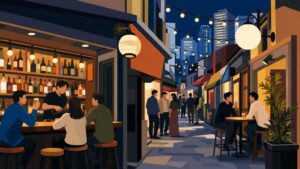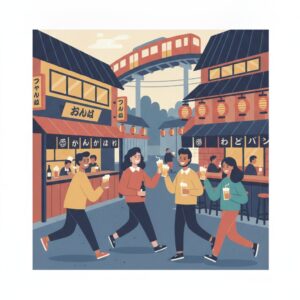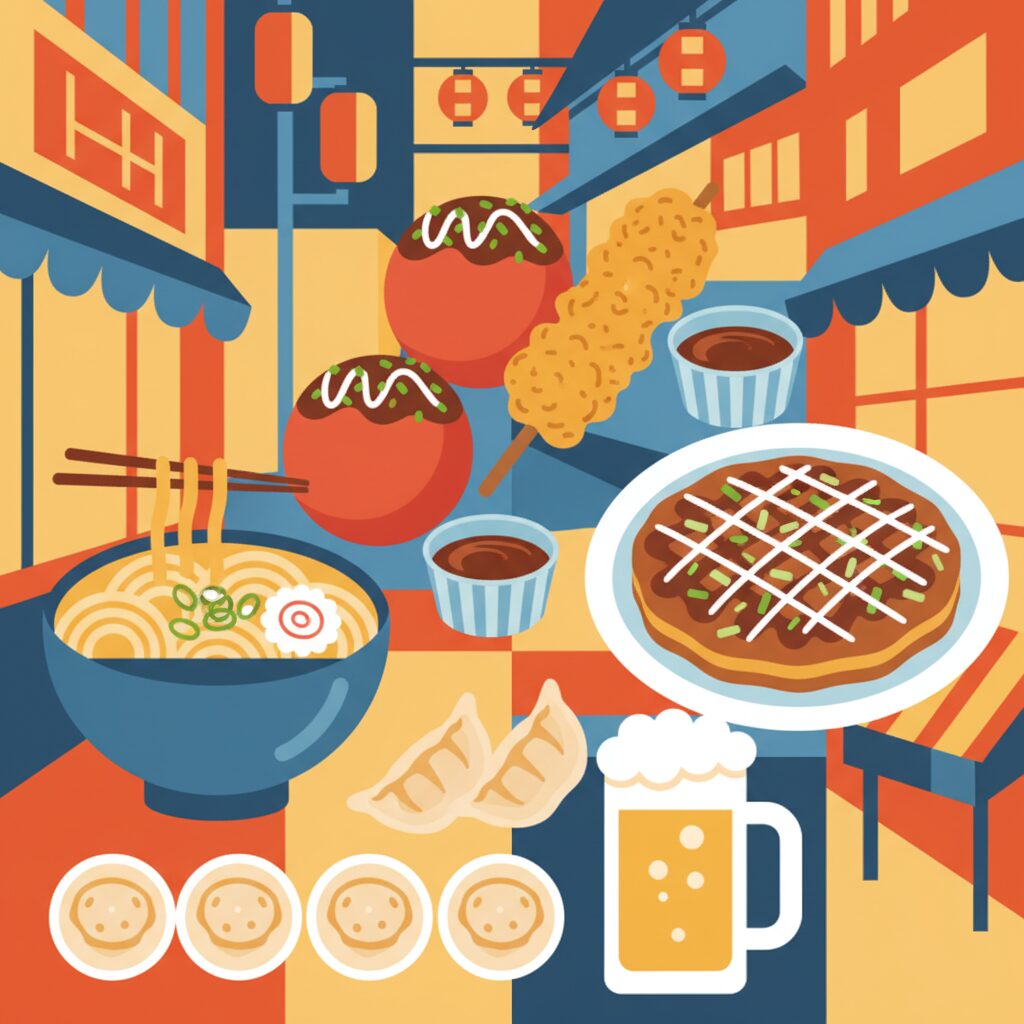
Coming from Tokyo, I thought I knew Japan. I understood the quiet hum of the Yamanote Line, the polite choreography of a Shibuya crosswalk, the subtle art of reading the air in a hushed Ginza restaurant. Tokyo is a city of unspoken rules, of clean lines and curated experiences. Then I moved to Osaka, and my neatly organized understanding of Japanese urban life was thrown into a deep fryer and served up with a side of laughter I didn’t always get. The epicenter of my cultural re-education wasn’t a castle or a famous temple. It was Tenma.
At first glance, Tenma is just a chaotic knot of covered shopping arcades and impossibly narrow alleys radiating out from JR Tenma Station. It’s a place that smells of grilled fish, sweet soy sauce, and spilled beer. It’s loud. It’s messy. It’s a universe away from the polished sheen of a Tokyo neighborhood like Ebisu or Daikanyama. Dotonbori has the giant crab and the running man sign; it’s Osaka’s flashy billboard for tourists. But Tenma? Tenma is its pulsating, boisterous, unapologetically human heart. This isn’t a guide to the top ten must-eat spots. You can find that anywhere. This is a look under the hood, an attempt to decode the social software that runs this incredible neighborhood, and by extension, the city of Osaka itself. Forget what you think you know. We’re going in deep.
For a closer look at how locals revel in Osaka’s post-sunset vibrancy, check out our in-depth guide on hashigo-zake culture in Tenma.
The Tenma Labyrinth: An Ecosystem of Organized Chaos
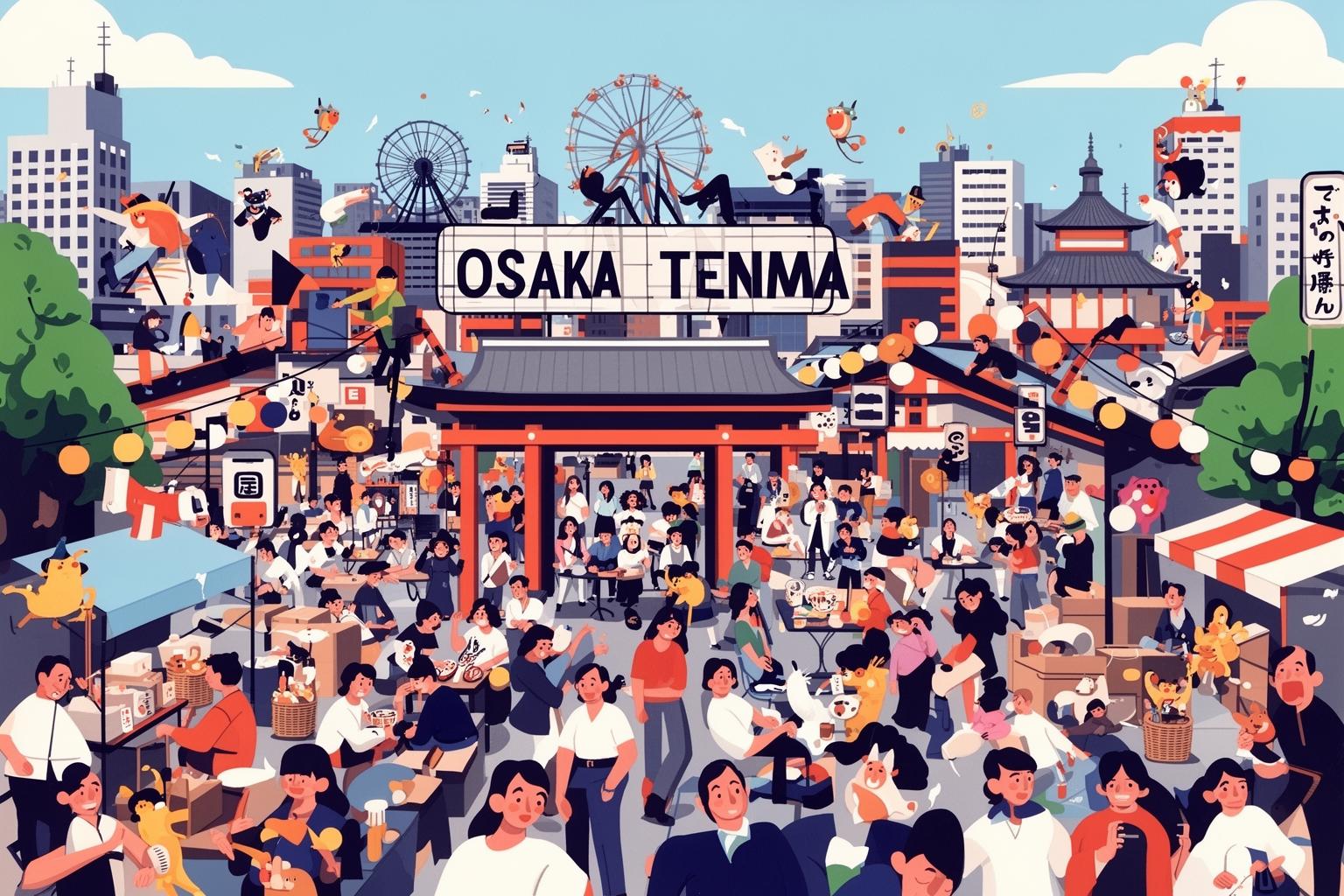
To truly grasp how to enjoy drinking in Tenma, you first need to understand the space itself. It’s not just a single street; it’s a vast, multi-sensory labyrinth. The main thoroughfare is the Tenjinbashi-suji Shotengai, Japan’s longest covered shopping arcade. This commercial artery stretches over two and a half kilometers, a relic from Showa-era Japan that still pulses with energy and life. Yet, the true charm of Tenma unfolds when you veer off this main path into the narrow side streets and back alleys. There, the arcade’s roof vanishes, exposing you to a dense maze of tiny eateries, standing bars, and izakayas, all so tightly packed they seem to support one another.
In Tokyo, even rough-and-ready drinking alleys like Shinjuku’s Omoide Yokocho can sometimes feel staged. They’re preserved, curated, and heavily frequented by tourists seeking an “authentic” experience. Tenma, however, feels different—spontaneous, natural, and utterly practical. Wires hang low overhead, menus are handwritten and taped to windows, and the red lanterns’ glow blends with the stark fluorescence of a fish stall still open late into the night. This isn’t a nostalgic theme park of old Japan; it’s a vibrant, living marketplace and one of the city’s top spots to eat and drink. The nearby Osaka Central Wholesale Market ensures the seafood is incredibly fresh and affordable, while the neighborhood’s working-class heritage keeps everything grounded and unpretentious. The physical structure of Tenma—the density, the lack of personal space, the overwhelming amount of options—is the foundation on which Osaka’s social dynamics thrive.
Decoding the Social Code: The Art of the Tenma Drink
The true difference between a night out in Tokyo and one in Osaka isn’t just the food or the cost—although both matter. It’s the social atmosphere. In Tokyo, you go out with your friends. In Tenma, you go out to make friends, even if only for the brief few minutes spent sharing a counter. It reflects an entirely different approach to public social life.
Tachinomi Culture: Why Standing is the Osakan Way
Many of Tenma’s top spots are tachinomi, or standing bars. At first, my Tokyo mindset saw this as a simple space-saving tactic, even an inconvenience. I was mistaken. Standing is central to the Tenma experience. It lowers barriers to entry, both physically and mentally. There are no reservations, no heavy decisions about committing to a table for hours. You spot an open space at the counter, slide in, and order a drink. It’s fluid, fleeting, and low-commitment.
This creates a distinct energy. A seated izakaya has fixed social groups: the people at that table, those at another. A standing bar forms one continuous, shifting crowd. You’re closer to strangers, your elbows might touch, and you can see what the person next to you is eating. This proximity isn’t accidental; it’s intentional. It invites interaction. The unspoken rule at a tachinomi is that you come to have a drink, enjoy a few quick, tasty bites, and move on. It’s a pit stop, not a destination. This rapid turnover keeps energy high and conversations flowing. You’re not just a customer; you’re a temporary part of the bar’s nightly scene.
“Nii-chan, Osuume Nani?”: How to Speak Like You Belong
In a typical Tokyo bar, you wait for staff to approach, politely say “sumimasen,” and order with formal, grammatically correct Japanese. Doing that in Tenma immediately marks you as an outsider. Here, communication is direct, informal, and follows a different level of politeness. Customers shout “Nii-chan!” (Big Bro!) or “Nee-chan!” (Big Sis!) to get the attention of young staff. For an older owner, it might be “Otousan” (Dad) or “Okaasan” (Mom). From a Tokyo standpoint, this familiarity feels startling, almost rude. But in Osaka, it’s quite the opposite. It’s a sign of warmth and respect—a verbal shortcut that says, “We’re all in this together, let’s skip the formalities.”
This openness extends to comfortably talking with complete strangers. If the person next to you is eating something appealing, it’s perfectly normal—and even encouraged—to ask, “Sore, nani? Oishii?” (What’s that? Is it good?). More often than not, this starts a conversation. They might offer you a taste, share menu recommendations, or the owner might overhear and jump in with a joke. This is the Osakan ideal of communication: efficient, open, and focused on a shared positive experience. They’re not trying to be your best friend; they just want to make the next few minutes enjoyable for everyone. It’s a practical friendliness, a social lubricant that keeps the neighborhood’s spirit alive.
The Gospel of Cospa: It’s Not Cheap, It’s Smart
You can’t discuss Osaka without mentioning cospa, short for “cost performance.” Yet this is often misunderstood by outsiders. Osakans aren’t cheap; they’re obsessed with value. While a high price in Tokyo might symbolize status or quality, in Osaka it’s often met with skepticism. The true skill, and what earns a Tenma restaurant legendary status, is delivering exceptional quality at a remarkably low price.
A plate of shining, fresh sashimi for 500 yen. A huge, perfectly poured highball for 300 yen. A skewer of expertly grilled chicken for 150 yen. This isn’t just affordability—it’s a business philosophy rooted in the city’s merchant legacy. It’s about cleverness, efficiency, and offering customers such a good deal that they feel like winners. Osakans cherish bargains not because they can’t spend more, but because securing great value gives deep intellectual and emotional satisfaction. They admire the skill and business sense required to offer such quality at low prices. Spending a lot on an average meal is foolish; spending little on an amazing one is a triumph, a story you can’t wait to share with friends the next day.
The Hashigo-Zake Philosophy: An Evening in Motion
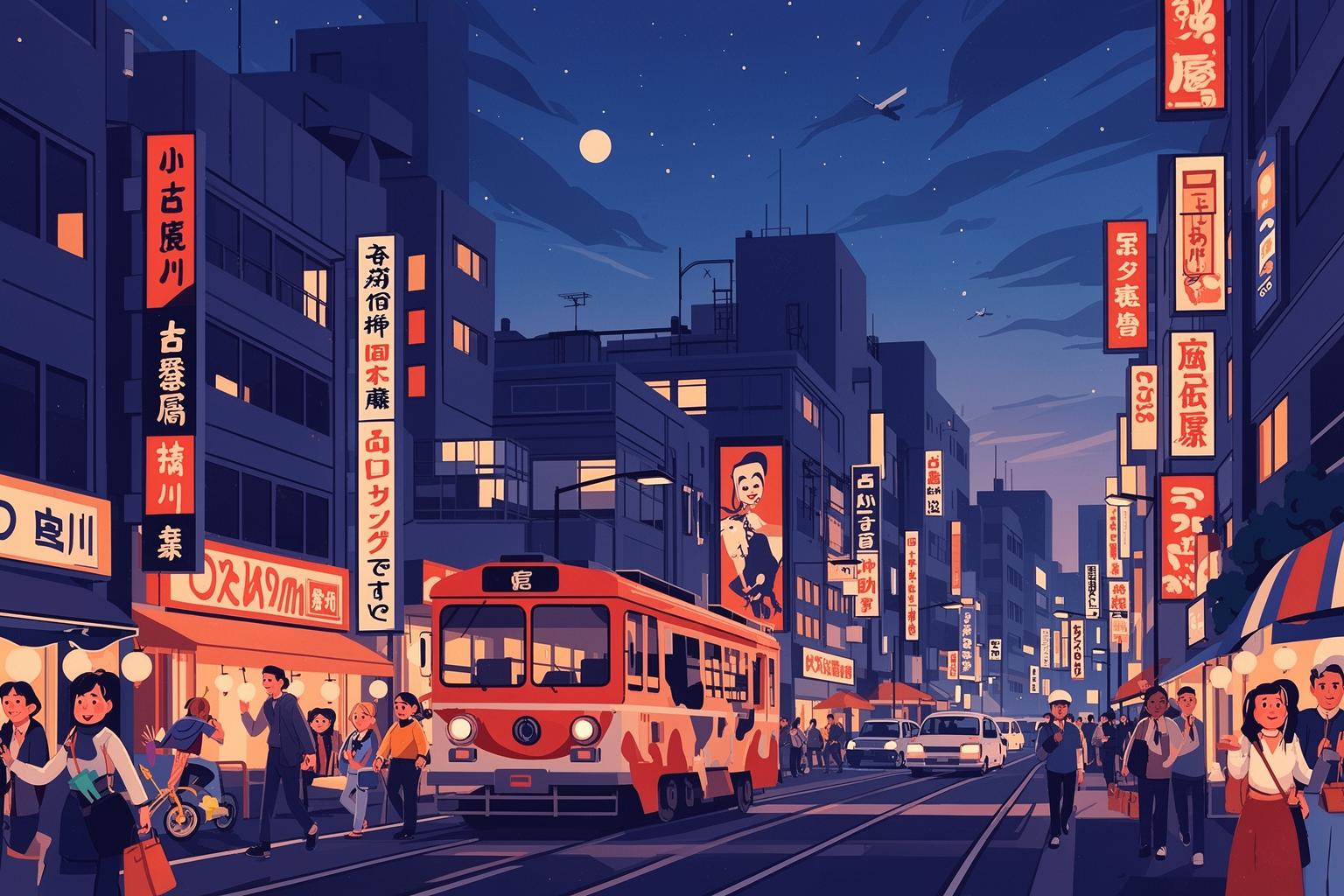
This emphasis on low-commitment spots and quick bites embodies the quintessential Tenma nightlife ritual: hashigo-zake, or bar hopping (literally “ladder drinking,” referring to climbing the rungs of a ladder from one bar to the next). In Tokyo, a night out tends to be a fixed experience. You make a reservation, go to a single place, and stay there for several hours. In Tenma, that would mean missing out on so much more.
A true Tenma evening is a journey. Instead of one dinner, you enjoy five mini-dinners. The night unfolds as a dynamic adventure. It might begin at a bustling tachinomi specializing in fresh seafood, where you grab a beer and a plate of tuna. After about twenty minutes, you pay and move on. The next stop is a smoky, hole-in-the-wall yakitori spot, where you squeeze into a small counter for a few skewers. If you crave something different, you might then find a stall devoted to oden simmering in a savory broth. Perhaps you’ll pass a place adorned with Italian flags and decide to pop in for a surprisingly good glass of wine and some cheese. The night concludes when you can’t eat or drink another bite, having sampled half a dozen distinct atmospheres and cuisines.
This isn’t about aimless roaming or merely getting drunk. It’s a philosophy. It reflects an Osakan appetite for variety, stimulation, and a certain restlessness. Why settle on one thing when there are so many others to explore? It’s a flexible, spontaneous way to engage with the city, letting the group’s mood and the street’s vibe guide the next move. It’s the urban equivalent of channel surfing, and it’s absolutely exhilarating.
What Foreigners (and Tokyoites) Get Wrong About Tenma
Because Tenma operates on such a distinct cultural wavelength, it’s easy to misunderstand what’s happening. The energy may be seen as chaos, the directness as rudeness, and the friendliness as something it’s not.
It’s “Friendly,” But It’s Not Your Closest Friend
The most common cliché about Osaka is that “people are friendly.” While true, this claim is almost meaningless without context. Osakan friendliness, especially in a place like Tenma, serves as a practical tool rather than a deep emotional connection. The owner who teases you, the salaryman who shares his food—they are being friendly to make the immediate environment more enjoyable, to break down social barriers, and to keep the good times going. It’s a situational openness.
There’s a wonderful Japanese term, ningen-kusai, which literally means “human-smelling” or “reeking of humanity.” It describes a place or atmosphere filled with raw, unfiltered, sometimes messy human emotions and interactions. Tokyo often tries to eliminate ningen-kusai, while Osaka, especially Tenma, embraces it. That friendliness is part of the beautiful chaos. It can be loud, a little nosy, and may not respect your personal space. But it’s genuine in that moment. Don’t confuse this situational camaraderie with a lifelong friendship. Appreciate the connection for what it is: a temporary community formed over cheap drinks and good food.
The Language Barrier is Less Daunting Than You Might Think
For non-Japanese residents, an intensely local area like Tenma can feel intimidating. Menus are often only in Japanese, and English isn’t widely spoken. But here’s the secret: your language skills matter far less than your attitude. In fact, Tenma might be one of the easiest places to get around with limited Japanese. Why? Because Osakan communication favors directness over complicated grammar.
In Tokyo, people might politely smile and step away if they can’t understand your broken Japanese, worried about misunderstandings or awkwardness. In Tenma, someone is more likely to lean in, squint, and shout, “What? You want beer? This one?” Pointing, smiling, and showing genuine enthusiasm will get you much farther than a timid, perfectly conjugated sentence. The people of Tenma excel at non-verbal communication and generally aren’t afraid of the awkwardness a language gap might bring. They’ll meet you halfway. Your willingness to jump in and try is the only currency that counts.
Your Field Guide to Navigating the Tenma Maze
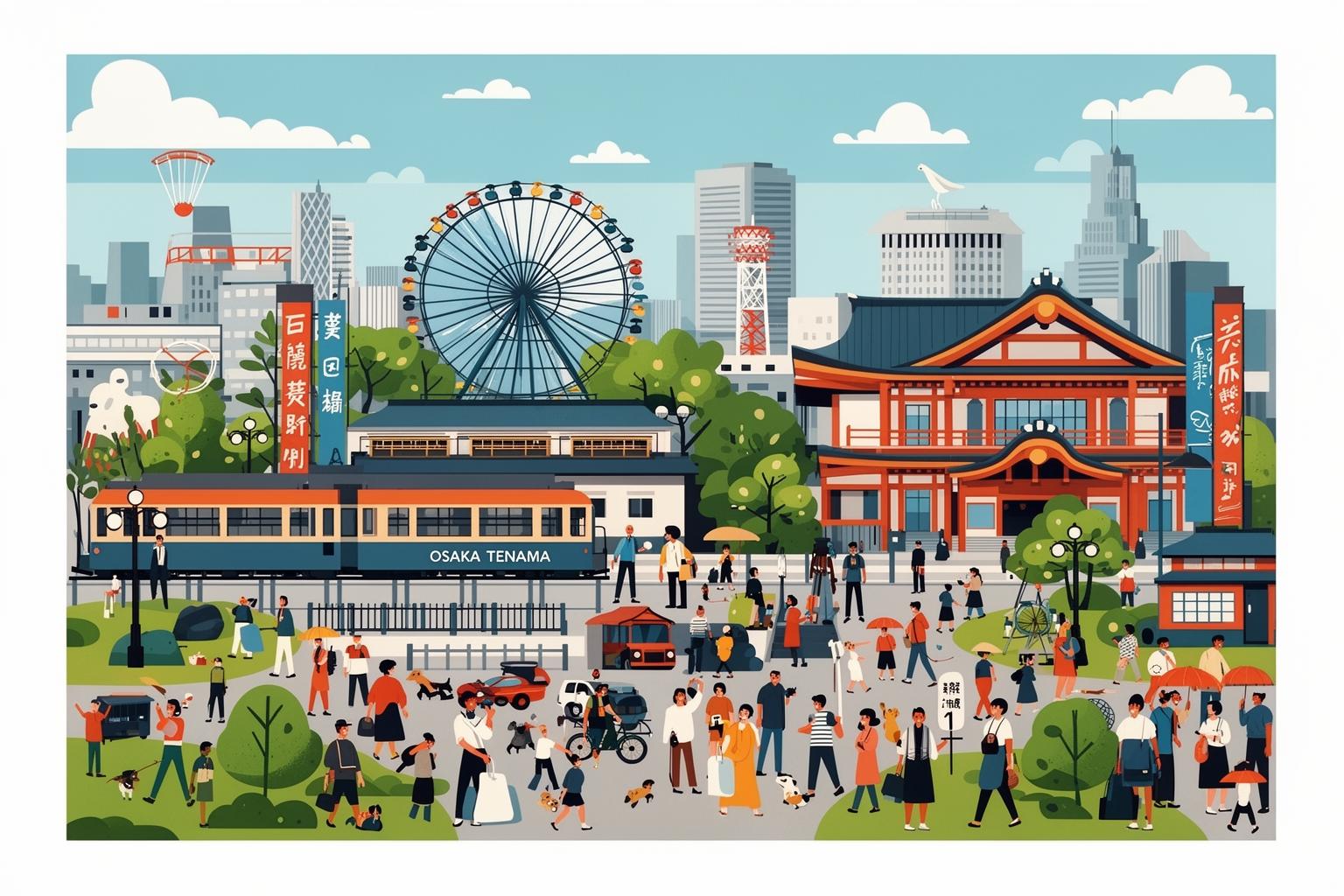
So, how do you actually do it? How do you transition from being a mere observer to an active participant in the Tenma experience? It’s less about following a map and more about adopting the right mindset.
Don’t Seek the Perfect Spot, Seek the Right Vibe
My initial tendency in a new place is to pull out my phone and look for the “best” restaurant on Google Maps or Tabelog. However, this approach doesn’t work well for Tenma. The top-rated places are often crowded or have lost some of their local charm. The true approach is to walk around and observe. Put your phone away. Use your eyes and ears. Look for small, unpretentious spots with happy-looking locals gathered by the entrance. Peek inside. Is it lively? Does it smell appealing? If so, just step in. The worst that can happen is you have one drink, realize it’s not for you, and move on. That’s the charm of the hashigo-zake style.
The One-Drink, One-Dish Rule
This is an important unwritten rule. These tiny bars depend on high turnover and operate on thin margins. They’re not cafés where you can linger for hours. The general expectation is that each person orders at least one drink and one food item. Some places even charge a small cover fee, called an otoshi, which includes a small appetizer. Don’t settle in for a long stay with just a single glass of water. Order, enjoy, and when you’re done, politely free up your seat for the next guest.
Cash is King
Although Japan is gradually accepting credit cards, Tenma’s core still runs on cash. Many of the best, most traditional family-run establishments are cash-only. It’s quicker, avoids fees, and fits the straightforward ethos of the neighborhood. Be sure to withdraw cash from an ATM before diving into the maze. Searching for a credit card in a spot that clearly doesn’t take them is a sure way to interrupt the flow.
Read the Room, Then Join In
More than any other tip, this is the most important. Every bar has its own rhythm and unique micro-culture. When you enter, take a moment to observe. How are people ordering? How loud are they? Are they chatting with their neighbors? Once you get a sense of the atmosphere, try to match it. Don’t be the loud, obnoxious foreigner, but don’t be the silent, nervous one glued to your phone either. The goal is to become a temporary part of the ecosystem. Smile at the person next to you. If the owner cracks a joke, laugh along even if you don’t fully catch it. Tenma rewards engagement. It’s a contact sport. And if you’re willing to play, it will give you one of the most authentic, delicious, and memorable urban experiences in all of Japan.