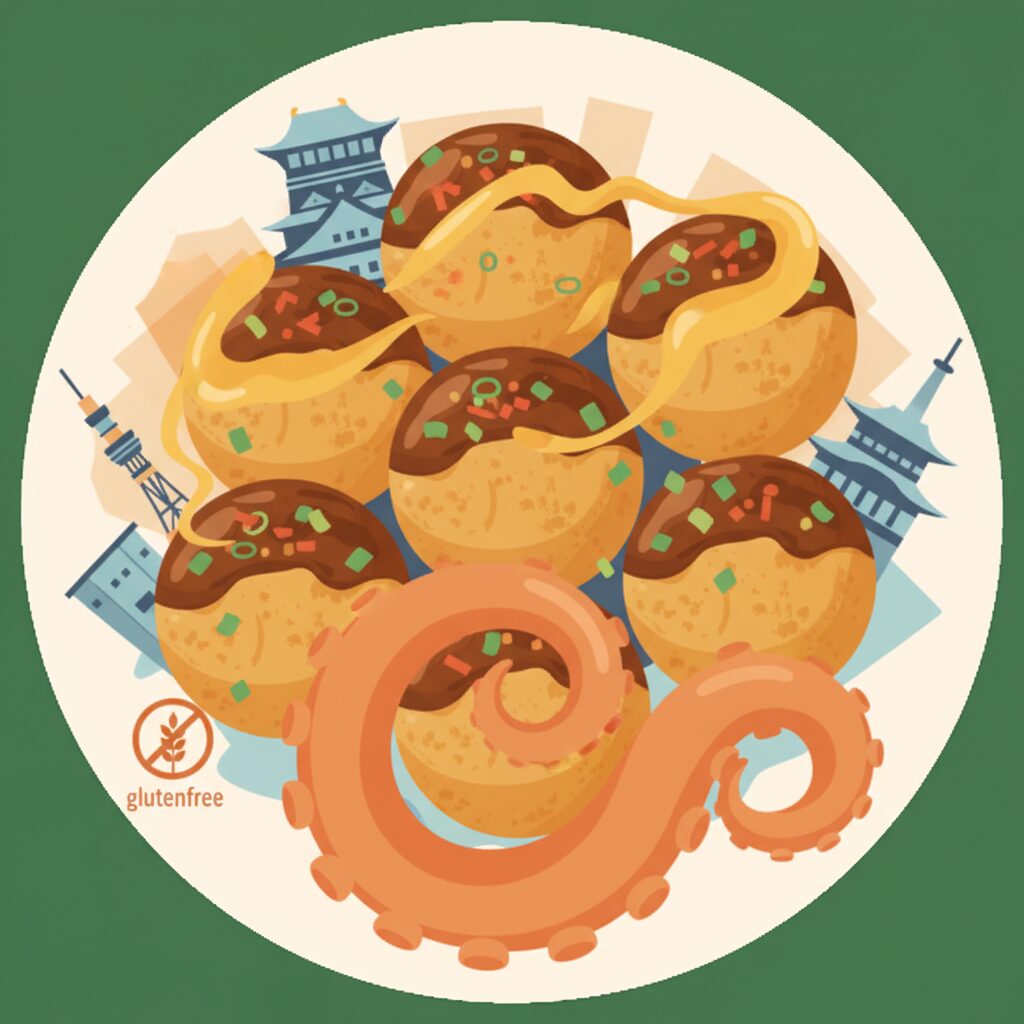
There’s a sound that defines a weekend in Osaka, a rhythm that echoes through apartment buildings and spills out of open windows. It’s not the roar of the Hanshin Tigers fans or the clatter of the Loop Line. It’s a sizzle, a scrape, and the bubbling chatter of friends huddled around a single, pockmarked cast-iron plate. This is the sound of a ‘tako-pa’—a takoyaki party. When I first moved here, I was told that every Osaka household, by unspoken law, possesses a takoyaki maker. I thought it was an exaggeration. It’s not. It’s more essential than a toaster, more revered than a rice cooker. The tako-pa is the social glue of this city, a boisterous, interactive ritual that’s as much about the making as the eating. But what happens when you can’t partake? What if gluten, the very foundation of that fluffy, molten batter, is your culinary enemy? It feels like being invited to the heart of Osaka culture, only to be left standing on the welcome mat. The fear of being ‘mendokusai’—a bother—is real. But I discovered something crucial about this city: Osaka’s love for food isn’t about rigid tradition; it’s about a deep, pragmatic devotion to deliciousness. Adapting its soul food isn’t sacrilege; it’s a challenge the city, in its own gruff way, secretly welcomes. This is the story of how to navigate that challenge, how to turn a dietary restriction into a delicious victory, and how to host a gluten-free takoyaki party that’s so good, even the most traditional Osakan will be reaching for seconds.
Embracing diversity in Osaka’s culinary scene, the twist of a gluten-free takoyaki party pairs perfectly with exploring the city’s rich coffee traditions, as seen in the nuances of slow coffee culture.
The Sacred Cow: Why Takoyaki is More Than Just a Snack
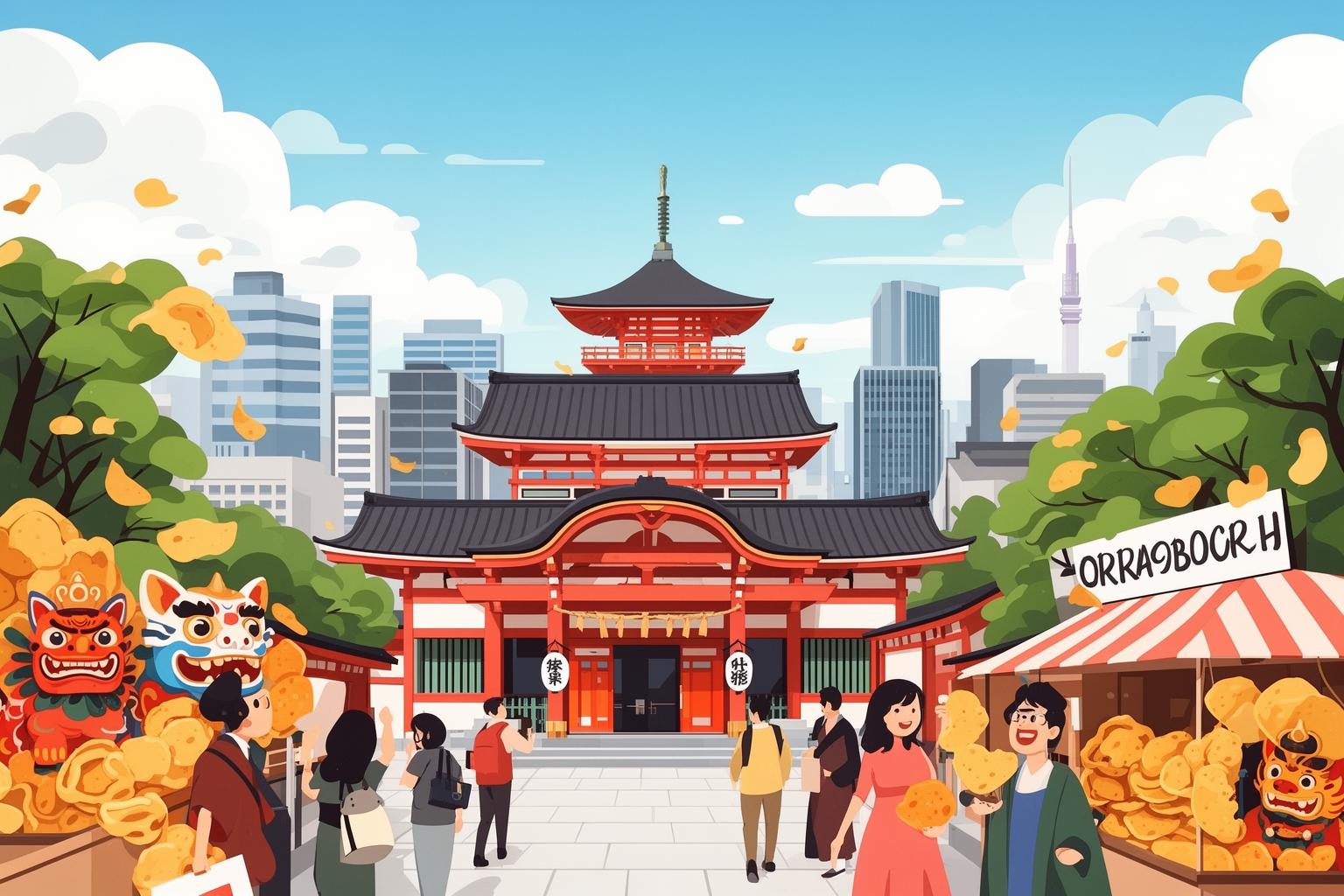
Before adapting the recipe, you need to understand the culture. In Tokyo, a home party might feature an elegant cheese board or a simmering nabe hot pot. It’s pleasant and refined. An Osaka tako-pa, however, is a beautiful, delicious chaos. It’s a full-contact event played with chopsticks and bamboo skewers. The takoyaki maker sits at the center of the table like a sacred altar, emanating heat and irresistible, savory aromas. The experience is deeply communal, a shared endeavor from start to finish.
Not Just Street Food, It’s a Household Essential
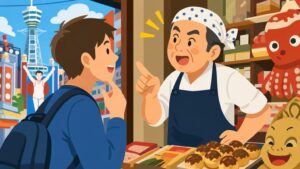
If you walk into any electronics store in Namba or Umeda, you’ll find a whole section devoted to takoyaki makers. There are basic electric plates, gas-powered grills for serious enthusiasts, and even novelty models. This isn’t a niche gadget; it’s a kitchen staple. The reason is simple: takoyaki isn’t merely something you buy from a street stall beneath a swaying red lantern. It’s something you make. It’s a weekend pastime, an affordable and fun way to feed a group, and the go-to option for casual gatherings. The process of pouring the batter, adding the fillings, and, most importantly, flipping the spheres at just the right moment, is a performance. It elevates a simple meal into an event, a source of entertainment and pride.
The Unwritten Rules of the Tako-Pa
Every tako-pa has its cast of roles. First, there’s the host, who supplies the core ingredients: batter, octopus, tenkasu (tempura scraps), and green onions. Then the guests arrive, bringing drinks, snacks, and often their own inventive fillings. Amid this mix, a leader usually emerges. They are the ‘Takoyaki Bugyo,’ the Takoyaki Magistrate. Often self-appointed, this person is the master of the flip. They have an instinctive sense of timing and the precision of a surgeon with the skewer. They’ll gently push others aside with a friendly “Here, let me show you,” and flawlessly turn dozens of molten dough balls. This isn’t seen as bossy but is respected. In Osaka, skill, especially in food, is a virtue to be showcased. The rest of the group contributes by adding fillings, drenching the cooked takoyaki in sauce and mayonnaise, and providing a running commentary of “Oohs” and “Ahhs.” It’s a loud, messy, and highly collaborative ritual.
The Gluten-Free Challenge: Navigating the Minefield
So, you’ve been invited to partake in this quintessential Osaka experience. The excitement is palpable. But then comes a quiet apprehension as you mentally dissect the star of the event. That fluffy, slightly chewy sphere of delight is, at its core, a ball of wheat. For someone with celiac disease or gluten intolerance, it’s a potential minefield of discomfort disguised as a tasty treat.
The Obvious Culprit: Flour and Sauce
The classic takoyaki batter is a simple yet beautiful blend: low-protein wheat flour, dashi (bonito stock), and eggs. It’s crafted to be light, forming a crispy exterior while staying custardy and molten inside. That particular texture, known as ‘fuwa-toro’ (fluffy and melty), is the ultimate goal, and gluten is key to achieving it. But the danger doesn’t end there. The toppings are just as tricky. The rich, sweet, and savory takoyaki sauce drizzled generously on top almost always contains wheat, closely related to Worcestershire sauce. Many soy sauce brands, commonly used in the dashi or as a dip, also contain wheat. Even the unassuming tenkasu—those crunchy tempura bits adding texture—are deep-fried pieces of wheat flour batter. Suddenly, this friendly party snack feels like an impenetrable fortress.
The ‘Mendokusai’ Hurdle: Why People Hesitate
Here lies a significant cultural barrier for foreigners in Japan, especially in pragmatic Osaka. The concept of ‘mendokusai’—meaning ‘troublesome’ or ‘a pain in the neck’—influences many social interactions. The fear of being seen as mendokusai can be overwhelming. You don’t want to be the difficult guest making the host scramble to accommodate special needs. An Osaka host’s first reaction might not be irritation but a brief panic. Their mental checklist for ‘tako-pa’ is deeply set; adding a variable like ‘gluten-free’ disrupts their system. They might not know what rice flour is, where to buy it, or how it behaves. The easiest solution for everyone often seems to be for you to just eat the salad and smile politely. Many foreigners mistakenly interpret this as inflexibility or lack of concern. In truth, it’s seldom that. It’s a fear of failing as a good host, not knowing how to address the issue, and wanting to avoid disrupting the smooth, communal flow of the gathering.
The Osaka Solution: Pragmatism Over Purity
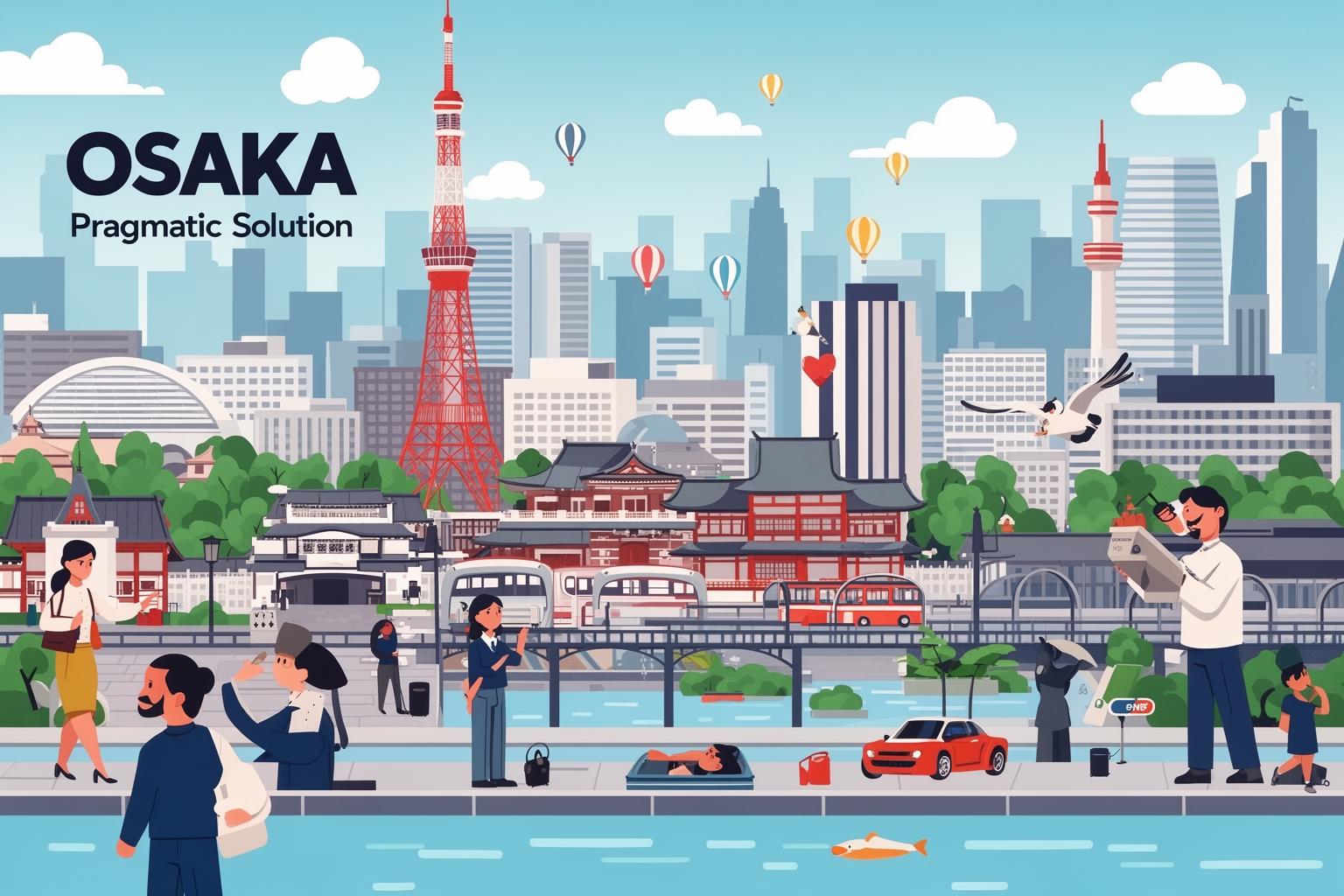
Here’s the wonderful, redeeming truth about Osaka: while tradition is respected, results are revered. The city was built by merchants, not samurai. Practicality and good outcomes always take precedence over strict adherence to form. If you can offer a gluten-free solution that is not only simple but, above all, incredibly delicious, the city won’t just accept it—it will celebrate it. The key is to take charge of the solution, lifting the ‘mendokusai’ burden from your host and turning it into an enjoyable experiment.
Finding Your Ingredients: The Modern Osaka Supermarket
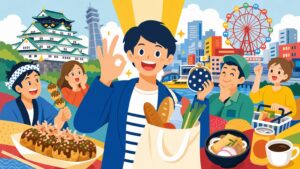
Your journey begins in the aisles of a Japanese supermarket, a place that can be both puzzling and wonderful. Skip the small, local shops for this mission. Head to a larger chain like Life, Hankyu Oasis, or a specialty store such as Kaldi Coffee Farm or Tomiz, known for its baking supplies. Your main target is rice flour, or ‘komeko’ (米粉). It’s widely available, usually alongside wheat flour. Look for packages specifically labeled for cooking or baking—not just the type for making dango (sweet rice dumplings). To get the ideal texture, you’ll also need potato starch, ‘katakuriko’ (片栗粉). This is your secret weapon. A mix of rice flour and potato starch creates a crust that’s crispy with a gooey center, replicating the beloved ‘fuwa-toro’ quality. For sauces, tamari—a soy sauce typically made without wheat—is your best friend (though always check the label!). Recently, gluten-free versions of okonomiyaki and takoyaki sauces have started appearing on shelves, often from major brands like Otafuku. Finding one feels like striking gold. Bring your phone and use a translation app for the labels—it’s an essential tool for any dietary adventurer in Japan.
The Art of the Gluten-Free Batter
Now, onto the alchemy. Making gluten-free takoyaki batter is less about following a strict recipe and more about mastering texture. Rice flour alone can be dense and heavy. Potato starch lightens the batter and helps create a crispy outer layer. A good starting ratio is about eighty percent rice flour to twenty percent potato starch. Mix the dry ingredients first, then whisk in your eggs and dashi. A key tip: make your dashi a little stronger than usual to balance the milder flavor of the rice flour. Here’s a pro tip that will earn you respect from any Takoyaki Bugyo: let the batter rest in the refrigerator for at least thirty minutes. This lets the rice flour fully hydrate, producing a smoother, more cohesive batter that’s less likely to fall apart on the grill. The aim isn’t to create a perfect replica but to make something delicious in its own right, hitting all the right textural notes. It’s an interpretation, not a forgery.
Beyond the Octopus: Fillings for Everyone
While ‘tako’ literally means octopus, the modern tako-pa is a canvas for creativity. This is where Osaka’s playful, experimental spirit truly shines. Once you’ve secured your gluten-free base, the world of fillings is your playground. It’s also a fantastic way to include everyone at the party. Set out small bowls of various ingredients and let guests customize their own. Classic alternatives include shrimp, chopped sausage, or cheese (a universal crowd-pleaser that creates an incredible cheese pull). More adventurous options include kimchi and cheese, corn with a dab of butter, mochi that becomes soft and chewy, or savory ground meat. And don’t forget dessert takoyaki—pieces of chocolate or banana slices tucked inside the batter, topped with whipped cream or chocolate sauce. By offering a wide variety of naturally gluten-free fillings, you shift the focus from what’s ‘missing’ (wheat) to what’s exciting and new (endless combinations).
Hosting the Party: The Social Dynamics
Equipped with your special ingredients and an excellent batter recipe, you’re set to put your plan into action. The social aspect is just as vital as the culinary one. It involves presenting the entire experience in a positive, cooperative manner.
Communication is Key: How to Frame the Request
Whether you’re hosting or attending, how you introduce the gluten-free component is essential. Avoid framing it as an issue or apology. Instead, present it as an exciting culinary experiment. Rather than saying, “I’m sorry, I can’t eat regular takoyaki,” try something like, “I’ve been developing a gluten-free takoyaki recipe using rice flour. Can we test it on a section of the grill?” The magic phrase is “I’ll bring everything for it!” This completely removes the ‘mendokusai’ (troublesome) factor for the host. You’re not causing a problem; you’re arriving with a solution, a contribution, and a conversation starter. In Osaka‘s culture of gift-giving and potlucks, bringing a carefully prepared ‘dish’—even if it’s just a bowl of special batter—is highly valued. It demonstrates effort and a willingness to participate fully.
The Reveal: Winning Over the Skeptics
Curiosity will arise. The Takoyaki Bugyo may eye your slightly different batter with skepticism. Let them. Pour it onto a few rows of the hot plate. As it cooks, it will look and smell nearly identical to the traditional version. The real test, of course, is the first bite. Offer one to the most discerning foodie present. Watch their reaction closely. Osakans are straightforward when it comes to food. There’s no polite chewing followed by a vague “It’s good.” If they enjoy it, their eyes will widen, and you’ll hear a hearty, full-throated “Umai!” (Delicious!) or “Kore, oishii yan!” (Hey, this is really good!). They’ll be surprised, impressed, and then immediately analytical. “It’s a bit more chewy, in a good way!” or “The outside is so crispy!” This honest, enthusiastic feedback is the ultimate reward. You haven’t just navigated a dietary restriction successfully; you’ve impressed an Osaka native with your cooking. You’ve contributed something new and delicious to their cherished ritual. From that moment on, you’re not the ‘difficult’ guest; you’re the innovative one who brought the fantastic rice flour takoyaki.
Conclusion: More Than a Recipe, It’s an Osaka Lesson
Mastering the art of the gluten-free takoyaki party involves much more than simply swapping one flour for another. It offers a crash course in the cultural dynamics of Osaka. It reveals that this city, often stereotyped as loud and traditional, is fundamentally pragmatic, endlessly creative, and surprisingly adaptable. The people here are united not by strict rules, but by a shared passion for community, laughter, and an exceptionally good meal. The true essence of takoyaki lies not in its exact ingredients, but in the spirit of the ‘tako-pa’: the joyful, messy ritual of gathering, cooking, and eating together.
When you successfully present a gluten-free version to a room full of Osakans, you experience this firsthand. Skepticism gives way to genuine delight. A cherished tradition flexes without breaking to welcome someone new. This shows that the real heart of Osaka hospitality isn’t about rigid adherence to rules; it’s about creatively ensuring everyone has a seat at the table—or, more fittingly, a skewer in hand. Living here with a special diet can be challenging, but it pushes you to connect with the culture more deeply. And when you finally relax, watching your local friends eagerly enjoy takoyaki made from rice flour and potato starch, you realize you haven’t just served dinner—you’ve found your place in the city’s rhythm.