When you first move to Osaka, the city presents you with a fundamental, daily choice that goes far beyond simple convenience. It’s a question that defines your routine, your relationship with your neighborhood, and your understanding of this city’s very soul: where do you buy your food? On one side, you have the shotengai, the covered shopping arcade, a chaotic, vibrant artery pumping life through the local community. It’s a sensory overload of shouting vendors, the smell of grilling fish, and the warm, humid air of commerce. On the other, you have the modern supermarket, a temple of pristine order and air-conditioned efficiency. It’s a quiet, brightly-lit sanctuary of perfectly packaged goods and predictable, silent transactions. This isn’t just about choosing between a family-run tofu shop and a corporate grocery chain. In Osaka, this choice is a referendum on your values. It’s a daily negotiation between community and convenience, tradition and modernity, a reflection of the city’s eternally pragmatic, deeply human character. To understand why an Osakan might walk past a gleaming supermarket to buy three onions from an old woman at a tiny stall, or why they might frequent both with strategic precision, is to begin to understand the city itself. It’s a lesson in the unwritten economic and social calculus that governs life here.
For those intrigued by the everyday interplay of community and conversation, exploring the nuances of shotengai banter can reveal even more about Osaka’s vibrant urban identity.
The Heartbeat of the Neighborhood: The Case for the Shotengai
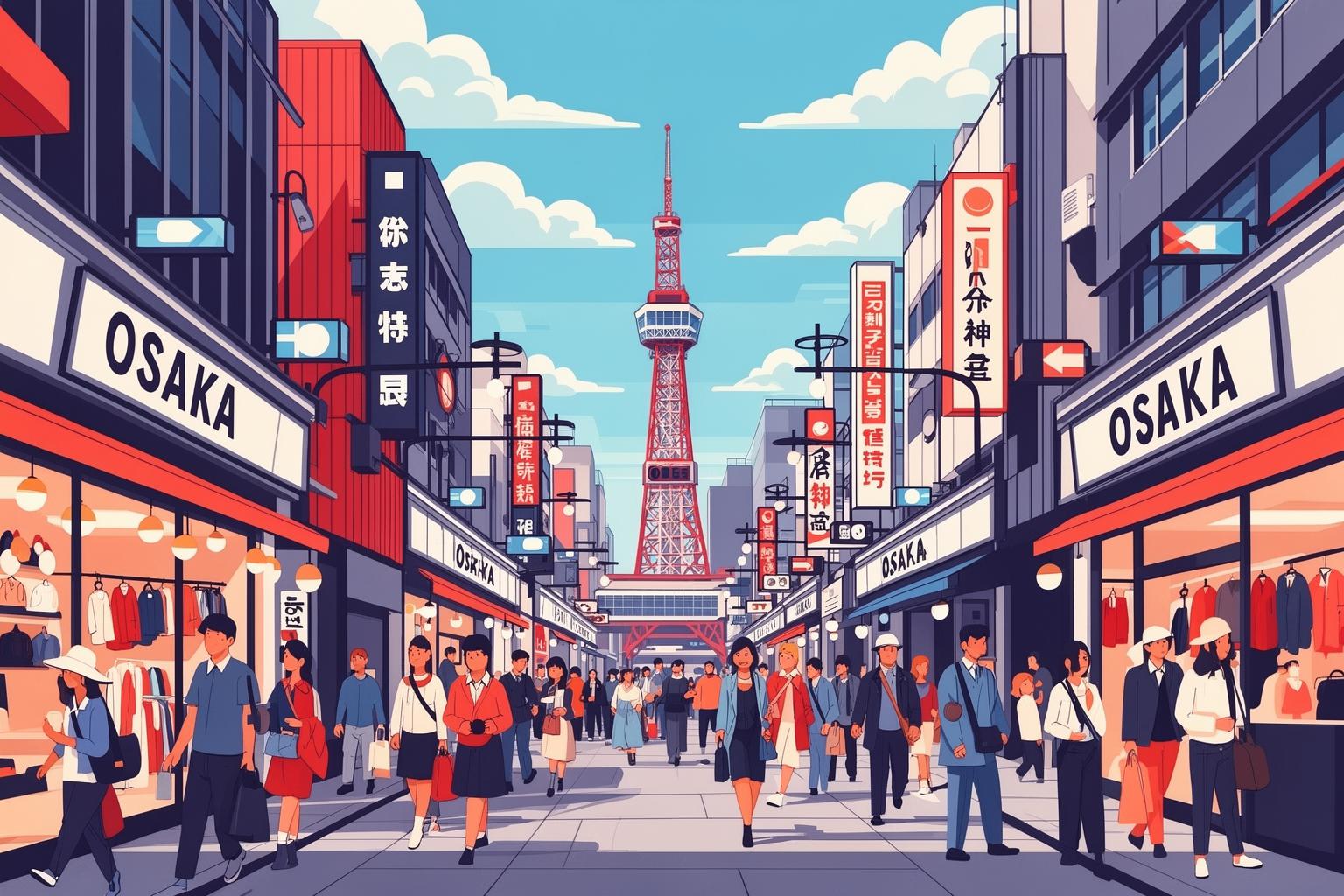
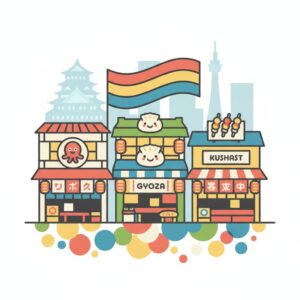
To step into a thriving shotengai is to enter a performance. It’s an immersive theater of commerce where you are not just a customer but part of the audience, and sometimes, a member of the cast. The experience contrasts sharply with the quiet reverence of a Tokyo department store or the functional anonymity of a supermarket. Here, the atmosphere is rich with the sounds and smells of life lived boldly and without apology.
A Symphony of Commerce and Community
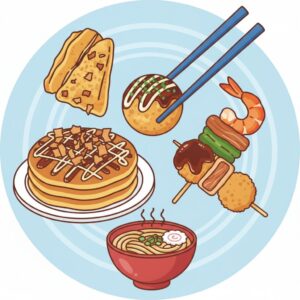
The first thing you notice is the soundscape. There’s the gravelly-voiced butcher, his calls of “Irasshai, irasshai!” (Welcome, welcome!) providing a percussive rhythm alongside the sizzle from a nearby takoyaki stand. You catch the rhythmic tapping of a shopkeeper’s abacus, a sound largely extinct elsewhere, and the cheerful, almost persistent sales pitches from the vegetable vendor, who insists her tomatoes are the prefecture’s best. This isn’t mere noise; it’s communication. It’s a continuous, public affirmation that this is a place built by people, for people.
The shotengai physically embodies the neighborhood’s social network. Vendors know their regulars by name—not from a loyalty card, but through years of daily interaction. They remember how you like your fish prepared, that your son adores their potato croquettes, and they’ll inquire if your cold has improved. Shopping here is a social ritual. You don’t just buy groceries; you check in on your community’s well-being. This closeness contrasts sharply with the polite but impersonal efficiency found in Tokyo, where service is flawless but often lacks the warmth, curiosity, and genuine humanity of an Osaka merchant.
The Gospel of “Mokari makka?”: Osaka’s Merchant Spirit
This entire ecosystem rests on a rich commercial history. For centuries, Osaka was known as the “Nation’s Kitchen” (Tenka no Daidokoro), Japan’s central hub for rice trade and distribution. Commerce here is more than an activity; it’s a cultural identity. This is perfectly captured by the quintessential Osaka greeting you’ll hear echoing among vendors in the shotengai: “Mokari makka?” which literally means “Are you making a profit?”
A foreigner or even a Tokyoite might find this blunt, even rude. But in Osaka, it’s a standard greeting, a ritualistic verbal handshake. The typical reply is equally revealing: “Bochi bochi denna” (“So-so,” or “Can’t complain”). This exchange is a performance: a playful nod to their shared identity as merchants and a way of saying, “We’re all in this together, surviving another day.” It blends Osaka’s characteristic pragmatism, humor, and resilience, acknowledging the ups and downs inherent in business.
This spirit carries into the transactions themselves. While haggling is uncommon in most of Japan, the shotengai often allows a little room for negotiation, or at least a playful back-and-forth over the price. More prevalent is the culture of omake, receiving a small free extra item. Buy five apples, and the vendor might toss in a sixth, or a handful of mikan, with a gruff “Kore, o-make” (Here, a little extra). This isn’t a mere discount; it’s a gesture of goodwill, a way to deepen personal ties and ensure your return. It’s a human connection disguised as a bargain.
The Downside of Nostalgia: Inconvenience and the Test of Time
Despite its charm, living by the shotengai has its challenges. The romance of the past often clashes with modern practicalities. Many shops keep stubbornly traditional hours, opening late and closing early. If you work a standard nine-to-five day, your local fishmonger and butcher may already have closed by the time you get home.
Moreover, the specialization that defines the shotengai’s character can also be inconvenient. You buy vegetables at one stall, meat at another, tofu at a third, and rice somewhere else. Each requires a separate transaction, and many smaller vendors still operate on a cash-only basis. A full grocery run can turn into a time-consuming pilgrimage through the arcade.
One must also face the harsh truth that not all shotengai thrive. For every bustling hub like Tenjinbashisuji, dozens of smaller arcades across the city remain shuttered. These “shutter-gai” serve as poignant reminders that nostalgia alone cannot sustain a business. The convenience of supermarkets and the rise of online shopping are powerful competitors, and the shotengai persists only through a delicate balance of community loyalty and economic sustainability.
The Cathedral of Convenience: The Allure of the Supermarket
If the shotengai represents the heart of the neighborhood, the supermarket serves as its relentlessly efficient brain. This space is designed not for community or conversation, but for the logical, streamlined procurement of goods. To dismiss it as a soulless corporate entity is to entirely miss the point and misunderstand what modern Osaka residents, in their practical wisdom, truly appreciate.
One-Stop Shopping and the Logic of Modern Life
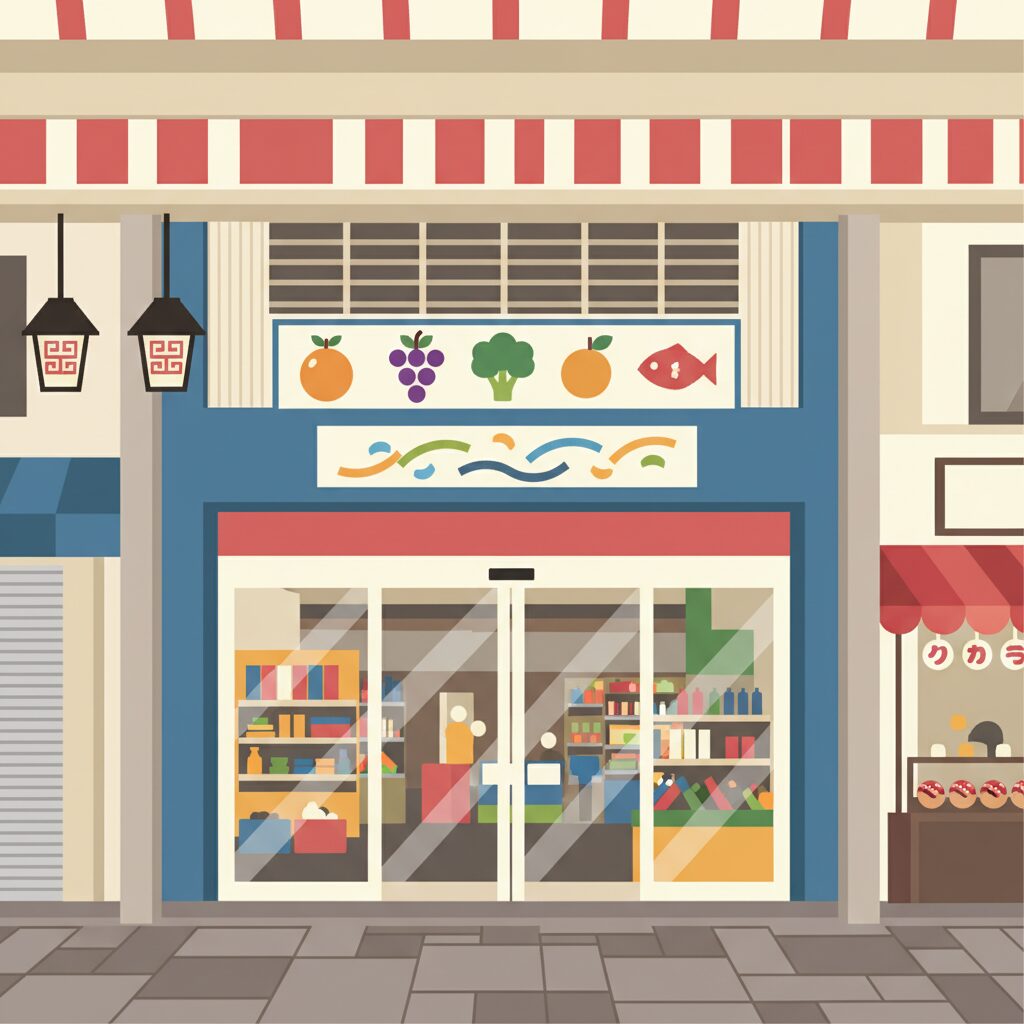
The supermarket’s primary appeal is unmistakable: absolute convenience. Beneath one vast, brightly lit roof, you can find everything needed for daily living. Fresh produce, meat, fish, dairy, dry goods, cleaning supplies, toiletries, and even a limited range of clothing and housewares. It’s a bastion of self-sufficiency.
Operating hours cater to contemporary lifestyles, with many large supermarkets like Life or Mandai remaining open until 10 PM or even midnight. They universally accept credit cards, IC cards, and multiple mobile payment methods. Prices are clearly marked, with discounts and sales showcased in bold, easy-to-read signage. Shopping carts lighten your load, and wide aisles provide comfortable navigation. Every aspect of the experience is engineered to reduce friction and save you the most valuable modern commodity: time. For dual-income families rushing to prepare dinner after a long day, this efficiency is not a luxury but a necessity.
Anonymity and Efficiency: A Different Kind of Freedom
The very quality that makes the shotengai special—its intimacy—is also what can prove exhausting. Sometimes, you don’t want to engage in a ten-minute chat about the Hanshin Tigers’ latest game just to buy a block of tofu. Sometimes, you’re tired, pressed for time, or simply not in the mood for social interaction. The supermarket offers a welcome anonymity.
Here, you become a ghost in the machine. You can wander the aisles at your own pace, earbuds in, without a single person speaking to you beyond the cashier’s scripted pleasantries. This isn’t coldness; it’s a different type of urban freedom. It’s the freedom to be an individual, detached from the communal web, if only for a moment. Despite Osaka’s reputation for sociability, its residents are deeply practical. They recognize that social energy is a finite resource. The supermarket is a place to restock on groceries without draining your social reserves.
The Sterile Experience: What’s Lost in Translation?
Naturally, this efficiency carries a price. The supermarket experience is fundamentally sterile. Vegetables are often pre-packaged in plastic, their origins indicated by a label rather than shared by someone who knows the farmer. Fish rests on Styrofoam trays under fluorescent lights, far removed from the glistening, freshly caught specimens at the shotengai fishmonger.
The human element is almost entirely absent. There’s no one to offer advice on how to prepare a particular cut of meat or which daikon radish tastes sweetest. There’s no omake, no shared joke, no sense of place. You could be in a supermarket in Osaka, Sapporo, or Fukuoka, and the experience would be largely the same. It lacks the distinct cultural texture, the naniwa-bushi (the quintessential Osaka spirit), that makes the shotengai feel so deeply rooted in its setting. It’s a space of pure transaction, stripped of story and soul.
The Osaka Compromise: How Locals Really Navigate the Choice
At the heart of the misunderstanding many foreigners have is this: they view the shotengai and the supermarket as locked in a fierce struggle between tradition and modernity, feeling compelled to choose one side to be “authentic.” However, the true Osaka way isn’t about picking one over the other. Instead, it’s about skillfully and strategically blending both into a hybrid system that maximizes every possible advantage.
The Hybrid Shopper’s Mentality
Observe a local, and you’ll witness this brilliance firsthand. They don’t blindly commit to either shopping style. Rather, they possess a highly refined, personalized understanding of their local food economy. Their shopping ritual flows between old and new seamlessly.
For instance, on a Sunday, they might start at the supermarket to stock up on essentials like milk, eggs, yogurt, cleaning supplies, and bulky items such as rice and soy sauce. These foundational goods prioritize brand and convenience above all else. Then, come Tuesday evening, they’ll visit the shotengai—not for a full grocery run but for precision purchases. They go directly to their trusted fishmonger for the freshest horse mackerel, stop by the tofu shop to pick up silken tofu made fresh twice daily, and finally grab some hot croquettes from the butcher as an easy dinner side. The supermarket lays the groundwork; the shotengai delivers the highlights — the special ingredients that transform a meal from simple nourishment to delight.
“Yasui kara, Ee mon ya kara”: The Twin Pillars of Osaka Logic
To grasp this hybrid approach, you must understand the two sayings at the core of Osaka commerce: “Yasui kara” (Because it’s cheap) and “Ee mon ya kara” (Because it’s good stuff). These aren’t contradictory but rather the twin pillars of local value.
Osaka shoppers are famously price-conscious, with encyclopedic knowledge of which supermarket offers the cheapest eggs on which day. They’ll gladly walk an extra five minutes to save thirty yen on a carton of milk. This isn’t stinginess; it’s pride — being a savvy consumer who plays the commerce game skillfully. This is the essence of “yasui kara.”
Yet, this mindset is balanced by an equally strong respect for quality. The same person who journeys across the neighborhood to save thirty yen will happily pay a premium at a shotengai vendor for an exceptional piece of fatty tuna or a perfectly ripe melon. Why? “Ee mon ya kara.” Because it’s the good stuff. They understand that true value isn’t always about the lowest price; it’s about superior freshness, expert craftsmanship, or a unique flavor. The art of the Osaka shopper lies in deciding when to prioritize price and when to prioritize quality.
What Foreigners Often Miss: It’s Not a Battle, It’s an Ecosystem
The crucial insight for any foreigner living here is to discard the notion of conflict. The shotengai and the supermarket aren’t adversaries; they form a complementary ecosystem, and the savvy resident learns to navigate both. The supermarket offers breadth, while the shotengai provides depth. One delivers convenience; the other, character. One serves the hurried individual, the other nurtures the community.
Living like a local means embracing this duality — recognizing that the city’s soul isn’t found solely in the nostalgic alleys of the shotengai, but also in the practical, efficient aisles of the supermarket. Both are vital to modern Osaka’s function. The true culture lies in the decision-making process, the mental calculation of a person standing on a street corner, choosing where to shop for dinner ingredients based on a complex balance of time, budget, quality, and social energy.
Finding Your Place in the Urban Marketplace
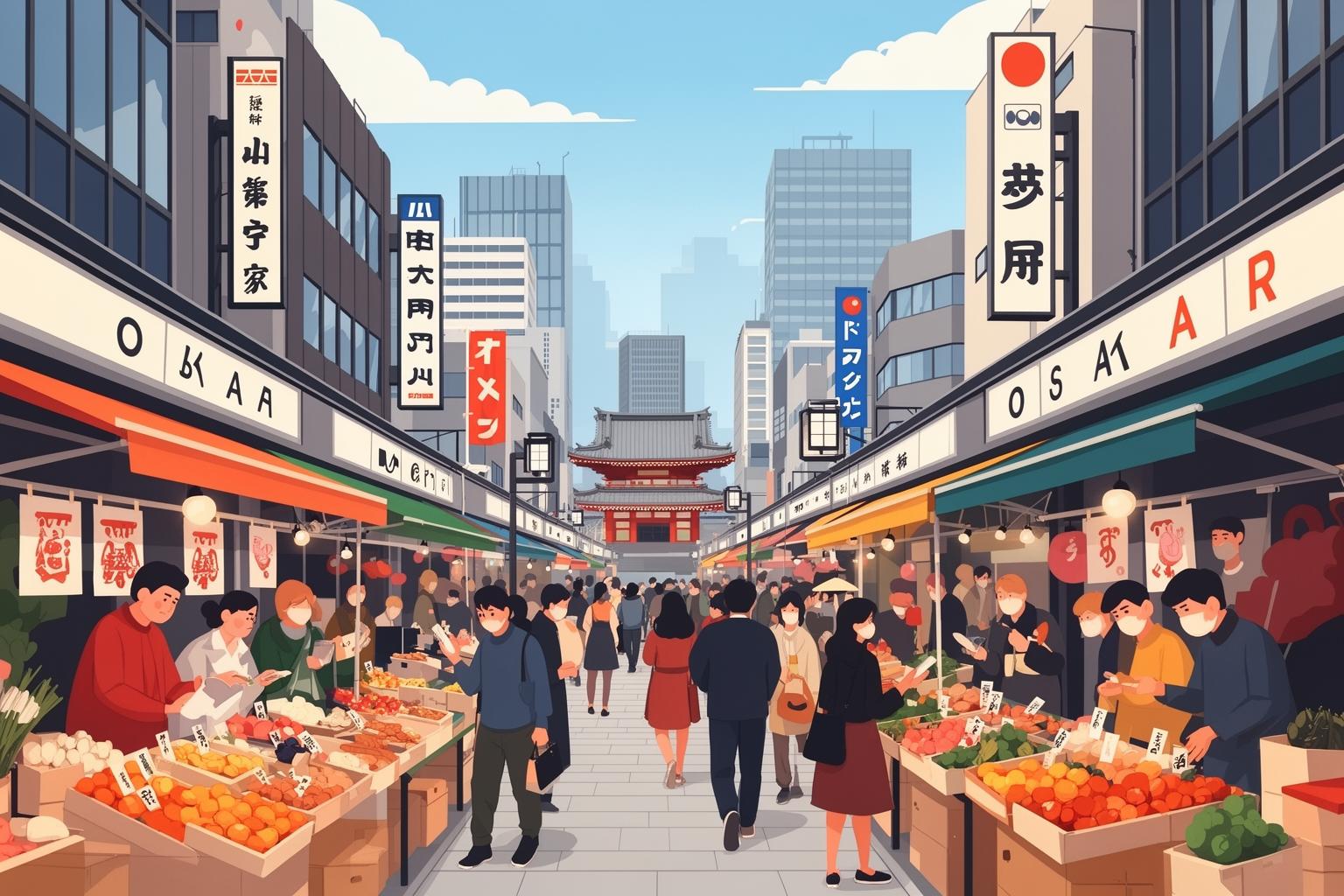
So, how should you, as a foreign resident, approach this everyday decision? The answer isn’t about choosing one side, but rather exploring the entire spectrum. Don’t limit yourself to the well-known, tourist-packed shotengai. Instead, discover the small, modest ones near your local train station. That’s where the true life of the city reveals itself.
Take your time. Stroll through the arcade without a shopping list. Observe what’s available. Try to break through the barrier of being just another anonymous shopper. Ask the vegetable vendor a simple question: “Kore wa, oishii?” (Is this delicious?). The question matters less than the act of asking. It’s a doorway, an invitation to a brief human connection. This is how you gradually become part of the neighborhood’s fabric.
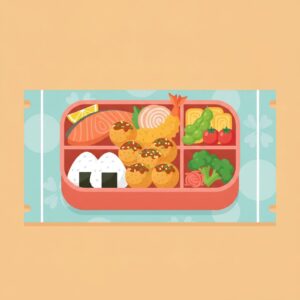
At the same time, don’t idealize the past. Appreciate the wonderful convenience of the supermarket. Learn its patterns. Figure out when they start discounting the bento boxes and sushi for the evening rush. Take satisfaction in scoring a good deal on laundry detergent. This, too, is a genuine Osaka experience. It represents the practical side of the city.
Ultimately, your choice of where to shop on any given day reflects your priorities at that moment. Are you aiming for speed? For budget? For the best flavor? Or for a brief moment of human connection? The beauty of Osaka lies in offering all these options, side by side. The true challenge—and joy—of living here is learning how to navigate them, creating your own personal map of the city’s rich and lively marketplace. In doing so, you’re not just buying food; you’re engaging in the ongoing, dynamic, and deeply human story of Osaka itself.