The first winter gas bill arrived like a punch to the gut. It was a thin, unassuming slip of paper, but it held a power that made my eyes water. Back in Australia, winter is a suggestion, a mild inconvenience you solve with a thicker jumper. In Osaka, winter is a serious, bone-chilling affair that seeps through the single-pane glass of your apartment windows and wages a silent war on your finances. I had spent weeks indulging in long, hot showers, trying to steam the cold out of my bones, blissfully unaware of the ticking meter. The resulting bill was astronomical. I stared at it, thinking, “This can’t be right. How does anyone afford to stay clean and warm here?” My neighbor, a cheerful grandmother with a perm that defied gravity, saw my panicked expression as I checked the mail. She chuckled, a knowing, gravelly sound. “Ah, the gas bill got you,” she said, not as a question, but as a statement of fact. “You’re doing it all wrong. You go to the sento, of course.” And just like that, a trip to the local public bathhouse, the sento, was reframed from a quaint cultural experience into an essential, money-saving life hack. This wasn’t about tourism; it was about survival. It was my first real lesson in the unwritten economic and social playbook of Osaka, a city that runs on a logic all its own.
For those looking to delve into the authentic local culture, exploring the Osaka kaku-uchi scene can reveal invaluable tips on stretching your budget in a city that thrives on ingenious cost-saving strategies.
Beyond the Bath: Understanding Osaka’s Pragmatic Heart
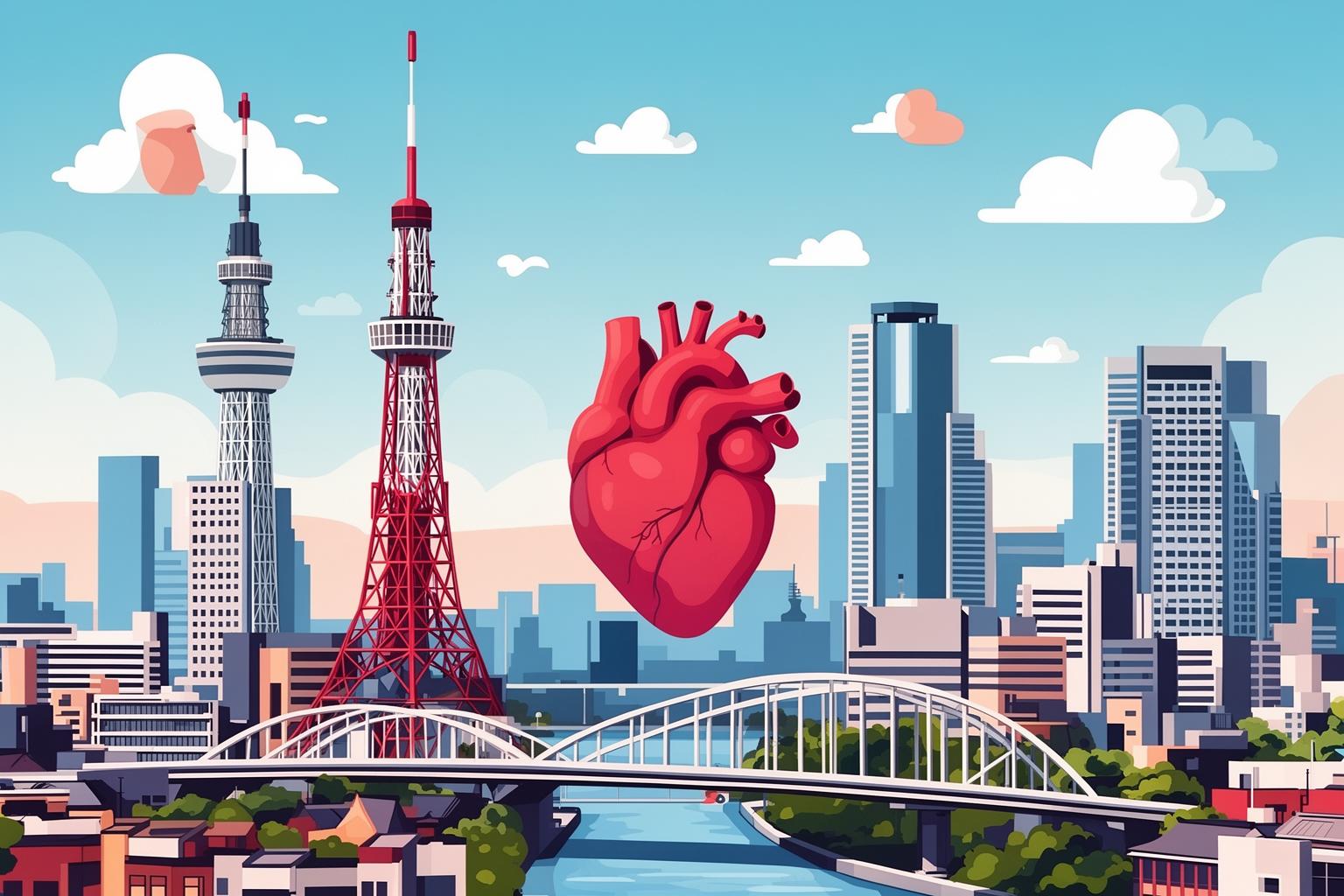
In many regions around the world, especially in a highly developed city like Osaka, proposing a communal bath as a way to save money might seem odd, even old-fashioned. In Tokyo, for example, discussions about household expenses tend to focus on investing in energy-efficient appliances or smart home technology. This approach is rooted in personal assets and modern advancements. The solution in Osaka, however, is fundamentally different. It’s communal, immediate, and refreshingly pragmatic. The essence of Osaka’s mindset lies in a sharp sense of value. Foreigners often misinterpret this as being cheap or kechi, but that misses the subtlety. Being kechi carries a negative implication of stinginess, of hoarding money for its own sake. Osaka’s approach is more about being a savvy consumer, a master of cost-performance. It’s not about spending the least, but about maximizing every single yen.
The sento perfectly embodies this philosophy. For a flat fee, typically around 500 yen, you gain access to a huge tub of perfectly heated water, a sauna, a steam room, and powerful showers with unlimited hot water. When you break down the cost, it’s an unbeatable bargain. Running a bath at home in winter can easily cost several hundred yen in gas alone. A long shower isn’t much cheaper. At the sento, you can soak for an hour, get thoroughly warm, and use as much water as you want without worrying about the meter. It’s a deliberate, logical decision. I once shared my sento strategy with a friend in Tokyo, who looked at me with a mix of pity and confusion. “But isn’t it… inconvenient?” she asked. “Wouldn’t you prefer the privacy of your own bath?” For her, the value lay in comfort and personal space. For my Osaka neighbors, the value was in outsourcing the most expensive part of their daily routine at a fraction of the cost. That is the Osaka difference. It’s a city that values cleverness over appearances, and a good deal over social convention.
More Than Just a Tub: The Sento as a Community Hub
What I quickly realized was that the financial benefit was merely the starting point. The true value of the sento extends far beyond saving on utility bills. It serves as a crucial part of the city’s social infrastructure, showcasing the famously straightforward and unpretentious character of Osaka’s people.
The “Third Place” You Didn’t Know You Needed
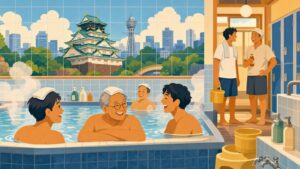
Sociologists emphasize the importance of “third places”—spaces outside of home and work where people can connect and foster community. In many Western countries, this might be a pub, coffee shop, or community center. In Osaka, the sento fulfills that role in a raw and distinctive way. An extraordinary social leveling occurs when everyone is naked. The salaryman who might ignore you on the street, the local shop owner, or the elderly woman who has lived on the same block for seventy years—in the sento, you are all simply people trying to get clean and warm. Hierarchies dissolve in the steam.
This environment fosters a unique form of communication. Conversations are candid and unfiltered. People vent about the government, celebrate the Hanshin Tigers’ recent victory, or exchange tips on which supermarket offers the best egg prices that week. It’s a living, breathing social network. For a foreigner, it’s an incredible chance to listen, to hear the Kansai-ben dialect in its natural setting and understand the everyday concerns and joys of the locals. You find out who just had a grandchild, whose son is studying for university exams, and which local restaurant has declined in quality. It’s the neighborhood’s heartbeat, and you won’t find it on any news channel.
Learning the Local Lingo (Without Saying a Word)
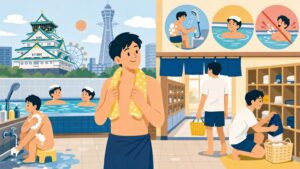
The sento also offers a masterclass in unspoken Japanese social etiquette, but with an Osaka twist. There are, of course, universal basics: you must wash thoroughly at the shower stations before entering the main bath. You never dip your small modesty towel into the bathwater; it’s placed on your head or set aside. However, in Osaka, the atmosphere feels noticeably more relaxed than in the more formal sento of Kyoto or the often quiet, anonymous ones in Tokyo. People aren’t shy about making eye contact. A friendly nod is common. An older woman might suddenly strike up a conversation, offering unsolicited but genuinely helpful advice on dealing with your kids’ eczema or suggesting a nearby park. This casual, almost familial intrusion might feel surprising at first but is a hallmark of Osaka’s unique friendliness. It’s not a polite, distant warmth; it’s a nosy, engaged, “we’re all in this together” kind of warmth.
Navigating the Steam: A Foreigner’s Guide to the Neighborhood Bath
Embracing the sento lifestyle calls for a bit of practical knowledge. It’s not complicated, but understanding the flow can make your first few visits much less intimidating. It’s less about strict rules and more about grasping the shared logic of the space.
What to Bring and What to Expect
Your essential items are simple: a small towel for washing and modesty, a larger towel for drying off, soap, and shampoo. Many people carry these in a small plastic basket or waterproof bag. If you forget anything, don’t worry. You can almost always purchase single-use shampoo packets or rent towels for a small fee at the front desk. After all, this is a business built on practical convenience. When you enter, you’ll pay at the front, often at a traditional raised platform called a bandai. You’ll then be guided to the appropriate changing room (男 for men, 女 for women). Inside, you’ll find a locker for your clothes and belongings. From there, it’s on to the washing area.
Osaka sento are frequently old, well-established places. Don’t expect a modern spa. The tiles might be cracked, the faucets could be from the Showa era, and the wall art will almost certainly feature a majestic, fading painting of Mount Fuji. This isn’t a flaw; it’s part of the charm. The focus is purely on the quality of the water and the heat of the sauna. The unpretentious atmosphere is, again, distinctly Osaka. The value lies in function, not frills.
The Tattoo Question
This is a major concern for many foreigners. Historically, tattoos in Japan are linked to the yakuza, and many onsen (hot springs) and sento enforce strict bans. However, Osaka tends to be more of a gray area. The city has a long tradition of being more rebellious and less bound by rigid rules than other parts of Japan. While many traditional sento display “No Tattoos” signs, enforcement varies. The rule is intended to discourage organized crime members, not foreign visitors with a flower tattoo on their shoulder. My advice is to be observant and respectful. Look for signs, and if you’re uncertain, ask the front desk with a polite “Tatuu wa daijoubu desu ka?” (Are tattoos okay?). In many cases, if it’s clear you’re not a gangster, they’ll allow you in. Alternatively, larger, more modern “super sento” facilities are almost always tattoo-friendly, though they often charge higher prices that somewhat undermine the cost-saving aspect.
The Post-Bath Ritual
The experience doesn’t end when you step out of the water. The post-bath ritual is a vital part of the culture. After drying off, many people head to the lounge, which often doubles as the changing room. Here, you’ll find vintage massage chairs that massage your back for 100 yen and vending machines stocked with cold drinks. The classic choice is a small glass bottle of milk—plain, coffee, or fruit-flavored—sipped with one hand on your hip. This tradition spans generations. It’s a simple, perfect pleasure after being boiled like a lobster. This is where people linger, reading sports newspapers, chatting with the owner, or simply sitting in a content, relaxed haze. You’re not just paying for a bath; you’re paying for this entire ritual of unwinding. You are buying an hour of peace for the price of a cup of coffee.
Hot Water and Warm Hearts: Why the Sento is Quintessentially Osaka
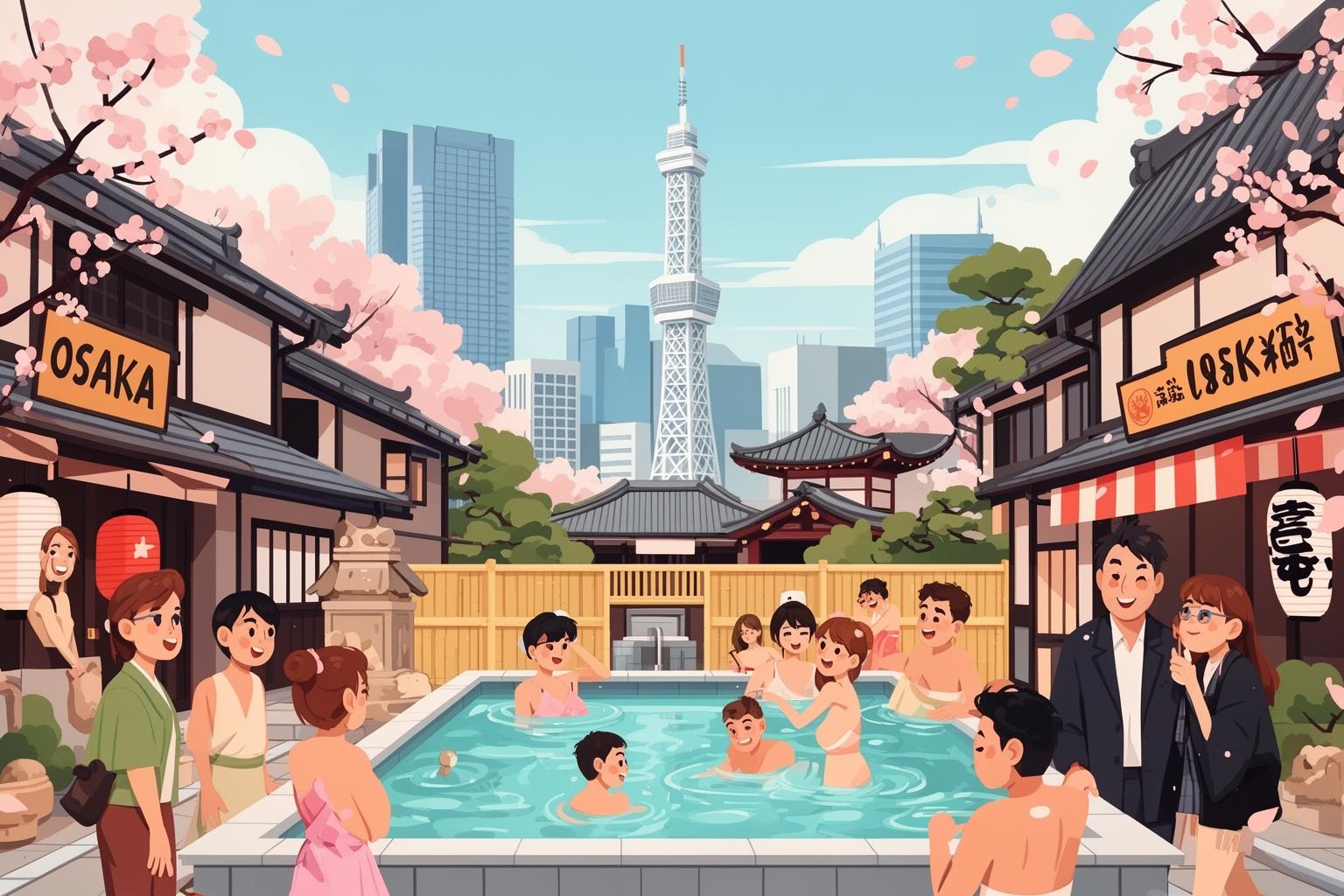
Reflecting on it now, my neighbor’s suggestion to visit the sento was about much more than saving a few thousand yen on my gas bill. It was an invitation into the core of her culture. The sento perfectly encapsulates Osaka itself. It stands as a testament to a city that prioritizes practicality over polish, community over cold privacy, and smart economics over social status. It’s where the famous Osaka spirit comes alive—not as a stereotype of being “friendly,” but as a rich blend of financial savvy, straightforward communication, and a strong belief in shared experience.
Living in Osaka often means shedding preconceived notions you might have about Japan. It’s not a city governed by subtle, silent cues like Tokyo or Kyoto. It’s louder, more direct, and far more transparent in its reasoning. Choosing to use a sento isn’t a nostalgic gesture; it’s a living, breathing demonstration of a collective mindset that has helped this city of merchants and comedians flourish. It’s about recognizing that sometimes the most practical solutions aren’t the most modern ones. So, if you find yourself in Osaka, facing a daunting utility bill, don’t just lower the thermostat. Grab a small towel, seek out your local bathhouse with the tall chimney, and for 500 yen, treat yourself not only to a bath but to a lesson in what it truly means to live like an Osakan.