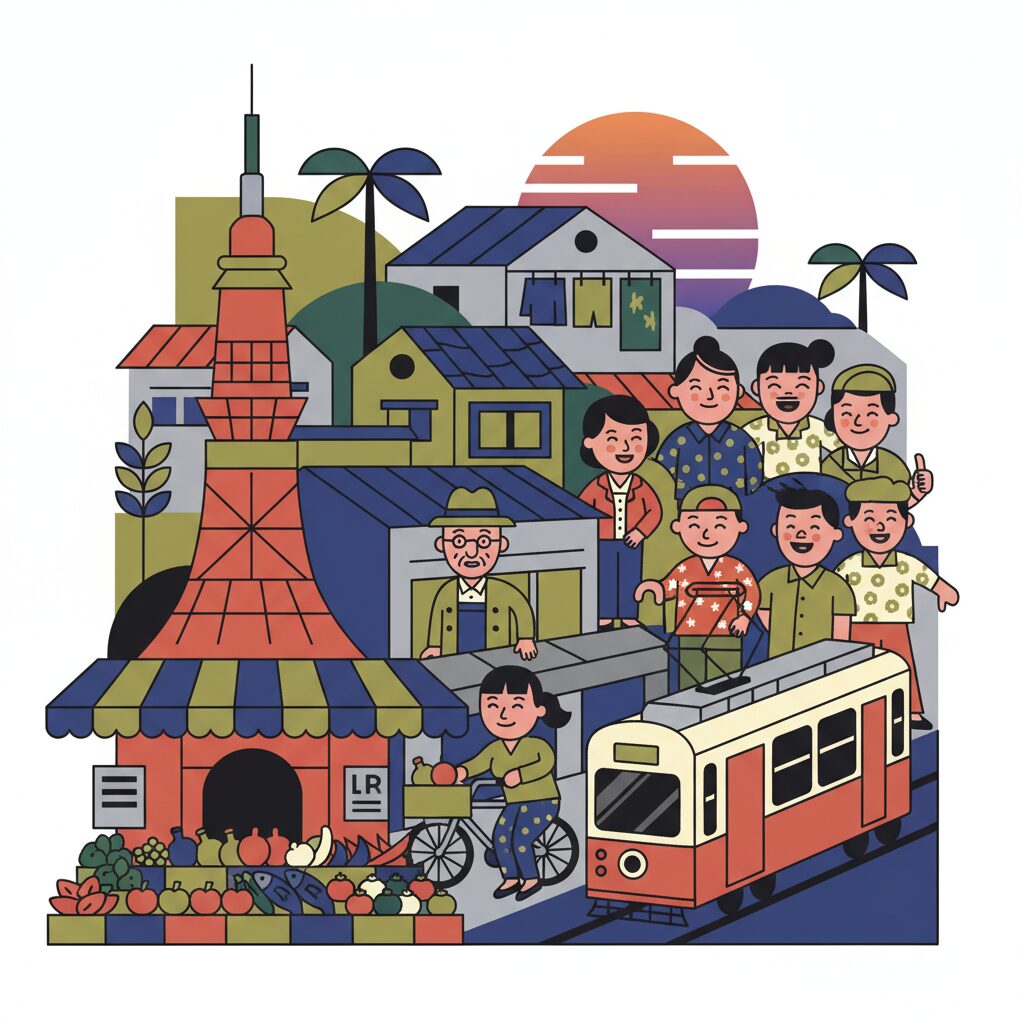
Ask anyone in Osaka, or even Japan, about Nishinari Ward, and you’ll get a look. It’s a mix of caution, a little bit of pity, maybe even a theatrical shiver. “Ah, Nishinari,” they’ll say, the name itself a loaded word. They’ll tell you it’s dangerous, that it’s dirty, that it’s the place where Japan sweeps its problems under the rug. For decades, this sliver of southern Osaka has been the city’s official shadow, a district defined by its population of day laborers, its poverty, and a reputation for being the roughest neighborhood in the entire country. And you know what? They’re not entirely wrong. But they are not entirely right, either. The story they tell is a flat, black-and-white photograph of a place that is bursting with disorganized, chaotic, and profoundly human color.
As someone who spends their time on mountain trails, I’ve learned that the most challenging paths often lead to the most honest views. The pristine, paved routes are easy, but they show you a curated landscape. It’s the rugged, unkempt trails, the ones that demand your attention, that reveal the true character of the land. Nishinari is Osaka’s rugged trail. It’s a place that doesn’t bother with pleasantries or pretense. It refuses to be sanitized for your comfort. And in that raw, unfiltered honesty, you find a concentration of the Osaka spirit that is harder to locate in the gleaming shopping malls of Umeda or the polished tourist lanes of Namba. This isn’t just a neighborhood; it’s a living ecosystem of survival, resilience, and a community fabric woven from threads of necessity and shared struggle. To understand Nishinari is to understand the bedrock of Osaka itself—the hardworking, pragmatic, no-nonsense soul that lies beneath the neon and bravado.
Discover more about the enduring community spirit and raw resilience of Nishinari by exploring Nishinari daily life insights.
The Reputation vs. The Reality
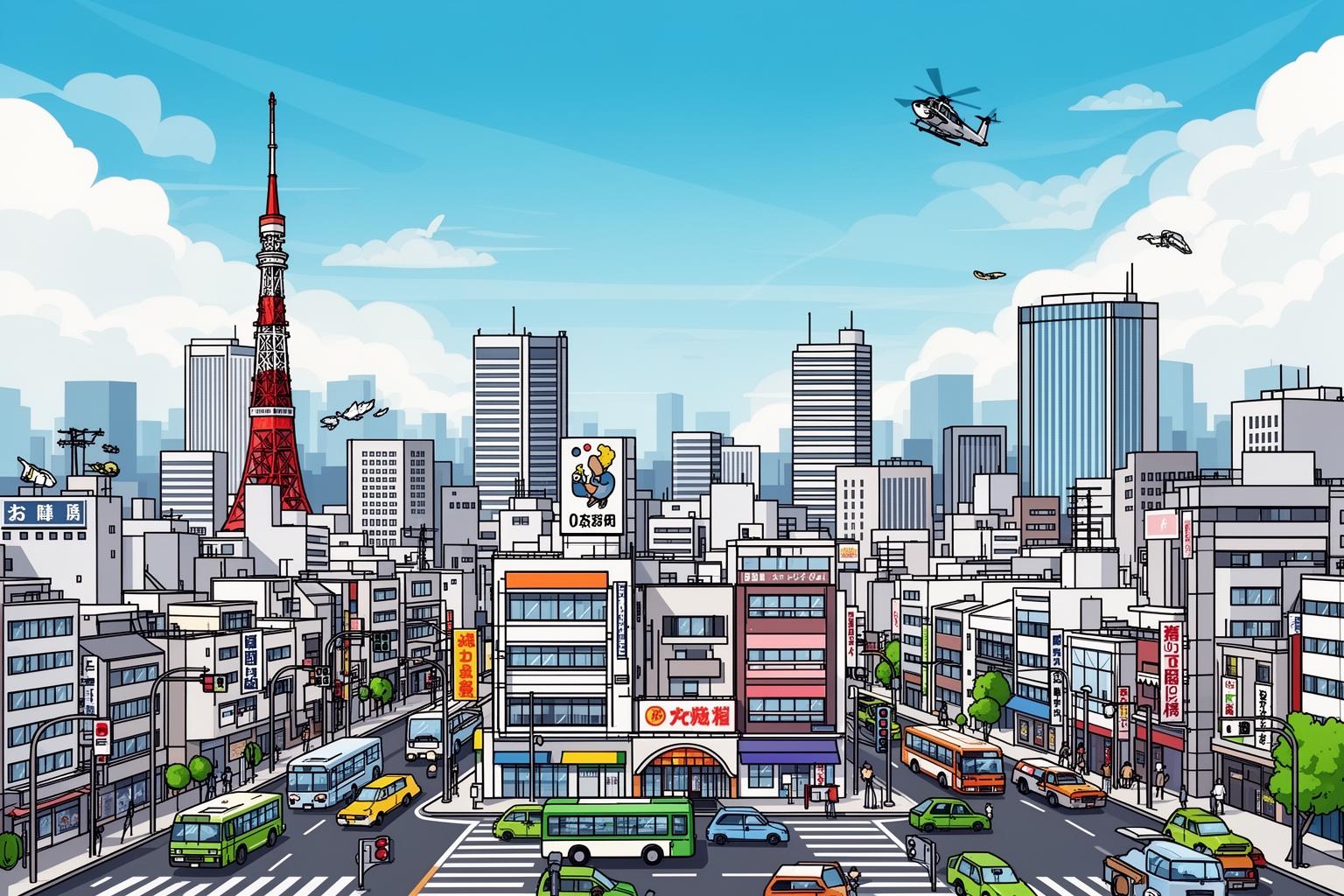
The story of Nishinari is a continual tug-of-war between its infamous reputation and the complex reality found on its streets. It’s a place that compels you to leave your assumptions behind once you cross the ward line. You might arrive expecting shadows and menace, but what you discover is far more nuanced: a neighborhood moving to its own unique rhythm, indifferent to how the rest of the world views it.
Deconstructing the Myth
Let’s set the history straight, because it matters. The core of Nishinari’s reputation lies in an area formerly called Kamagasaki, now officially known as Airin-chiku. After World War II, Japan’s economic miracle demanded countless workers. Men flocked to cities like Osaka to help rebuild the nation, working on large construction projects, ports, and factories. Airin-chiku became the yoseba, a gathering spot for day laborers. They lived in cheap flophouses, known as doya, rising before dawn to seek work for the day. This created a transient, overwhelmingly male population with little stability and almost no safety net. Along with this came related problems: poverty, alcoholism, gambling, and occasional riots when tensions with authorities escalated. This image remains deeply etched in the Japanese collective memory.
Now, compare this to Tokyo. The capital masters appearances. It has its own social issues and pockets of poverty, but they tend to be tucked away, dispersed, or erased through gentrification. Sanya, Tokyo’s historic day-laborer district, has been methodically renamed and redeveloped, its past erased for tourist-friendly hotels. Osaka takes a different approach. In a way that is distinctively Osakan, the city leaves it all exposed. The grimy storefronts, men sleeping on cardboard in the afternoon sun, the palpable struggle—they’re not hidden. This blunt honesty can be startling. It feels confrontational. But it stems from a core Osaka ethos: shouganai, or “it can’t be helped.” There’s a pragmatic acceptance of reality, a belief that hiding life’s ugly parts wastes energy. Why pretend everything is perfect? This is life, flaws and all. Just get on with it. This raw visibility often shocks foreign residents, but it is the first clue to understanding the city’s character.
The View from the Street
Walking through Nishinari is a complete sensory immersion. Forget the quiet, sterile residential streets of other Japanese cities. Here, the air is thick with the smell of grilled horumon (offal) from roadside stands, the sweet aroma of cheap coffee from a 喫茶店 (kissaten) where elderly men play shogi for hours, and a faint, lingering scent of stale alcohol. The soundscape includes the clatter of pachinko parlors, the rumble of the Nankai train line overhead, and the gruff, guttural Osaka-ben spoken loudly and animatedly on street corners. Visually, it’s a mix of faded Showa-era signs, laundry hanging from every balcony, and tangled electrical wires forming a canopy over narrow streets. It feels lived-in, worn, and vibrantly alive.
The people are the heart of it. You might spot an old man, a grizzled ojisan, with a face marked by hardship, tending carefully to a small potted plant outside his tiny apartment. Or a group of men gathered around a portable radio, intently listening to a horse race. They may appear intimidating. Their stares can feel intense because they don’t usually hide their curiosity behind polite indifference. But ask one of them for directions to the Tamade supermarket, and that stern expression might soften into a surprisingly helpful, if somewhat puzzled, reply. They’ll point, grunt, and give you brief but accurate directions. This captures the essence of the Osakan character, stripped down to its core. There’s no surface-level politeness, no tatemae (public facade). The exterior is tough, shaped by a life that demands it. Yet underneath, there is often a simple, straightforward humanity. It’s a kindness earned through mutual, unspoken respect. Don’t treat them like a spectacle, and they’ll treat you like a person.
The Economics of Survival and Community
Living in Nishinari means mastering the art of stretching a yen until it nearly breaks. What may seem like simple poverty to outsiders is actually a complex ecosystem of economic survival. This system is rooted in a core Osaka value: being kashikoi (savvy) and discovering worth where others see none. This mindset influences every transaction and social exchange.
One-Coin Living and the Culture of “Kashikoi”
The most obvious example is the pricing. Nishinari is a haven of one-coin economics. Vending machines that might charge 160 yen for a can of coffee in Umeda sell them here for 50 or 80 yen. Small kitchens in the shotengai (shopping arcades) offer bowls of udon or soba for 200 yen. A plate of curry goes for 300 yen. Second-hand shops, or “recycle shops,” aren’t fashionable vintage stores; they are essential community hubs where you can buy everything from a single shoe to a 20-year-old TV for a few hundred yen. The Super Tamade, known for its wildly chaotic stores and bright neon lights, is a Nishinari landmark—a temple to bargains.
This isn’t simply about poverty. It’s about a culture of deep pragmatism. In Osaka, a city born of merchants, securing a good deal (eemon, yasui mon) is a point of pride. Boasting about how little you paid for something is a common way to start a conversation. In Nishinari, this merchant spirit becomes a survival tool. Waste is the greatest offense. Everything holds value. An old bike frame, mismatched gloves, or a slightly dented can of mackerel—all have a price and a use. This worldview sharply contrasts with Tokyo’s consumer culture, which prioritizes newness and branding. In Nishinari, utility and cost are the only standards that count. This preference for practical value over superficial appeal is one of the biggest divides between Kanto and Kansai mindsets.
The Social Safety Net Woven from People, Not Policies
Where formal support systems often fall short, an informal yet remarkably resilient social safety net develops. This isn’t about government programs; it’s about people caring for one another in small, steady ways. It’s the woman running the little tobacco stand who knows every regular by name and immediately notices if someone misses their morning paper. It’s the local sento (public bath) owner allowing an elderly patron to pay their tab at month’s end. It’s the sharing of food from a community kitchen or a local temple.
This social fabric grows organically, born from shared space and shared hardship. In wealthier areas, community may revolve around school PTAs or organized park clean-ups—interactions that are planned, polite, and often superficial. In Nishinari, community is the man running the 100-yen okonomiyaki stand asking about your day while flipping the batter. It’s the silent nod between neighbors who have seen each other at the same corner every day for ten years. There is a strong shared identity, an unspoken “us against the world” mentality. This fosters fierce neighborhood loyalty and deep wariness toward outsiders seeking to judge or exploit. This bond, forged through adversity, cannot be bought with money or created by policy. It is a raw form of social capital that prevents the community from falling apart.
A Mosaic of Lives: Who Really Lives in Nishinari?
Nishinari is far from a monolith. The lazy stereotype that it is overrun with homeless old men is a gross oversimplification. The ward is a complex mosaic of diverse groups, representing a cross-section of Japan rarely seen all in one place. The interaction between the old guard and the newcomers is currently reshaping the future of this historic neighborhood.
The Old Guard and the Lifers
First, there are families who have lived here for generations. They run the small businesses that form the backbone of the local economy: the tofu maker who begins his day at 3 a.m., the bicycle repairman whose shop is filled with a lifetime of spare parts, and the elderly couple managing a tiny candy store, or dagashiya. For them, Nishinari is not a symbol of social failure; it is simply home. Their sense of identity is deeply tied to these streets. They have witnessed the neighborhood’s changes and the souring of its reputation, yet their dedication remains steadfast. They are the guardians of its history and institutional memory.
Then, there are the laborers, the men who gave the area its modern character. Though their numbers have declined since the economic boom of the 60s and 70s, they continue to be a visible and integral part of the community. Many are now elderly, their bodies worn from decades of hard physical labor. They stand as living testaments to the human cost of Japan’s economic miracle. They built the highways, stadiums, and skyscrapers of modern Osaka, and Nishinari became their home when the work diminished. Ignoring them is to overlook a vital chapter of the city’s story.
The Newcomers: Artists, Backpackers, and Urban Explorers
In recent years, a new and unexpected wave has begun to flow into Nishinari. The same factors that shaped its reputation—mainly, extremely low property prices—are now attracting a completely different demographic. Young artists, musicians, and designers, priced out of trendier neighborhoods, are finding affordable studios and apartments here. They are drawn to the area’s raw authenticity and its escape from the social pressures of mainstream Japanese society. Today, you might find a small, independent art gallery just a few doors down from a shop selling single cigarettes.
At the same time, the global travel boom has discovered Nishinari. The old doya hotels, once exclusively serving laborers, are rebranding as budget hostels for international backpackers. Shin-Imamiya station, located on the ward’s edge, has become a hub for tourists seeking affordable lodging with easy access to the rest of Osaka. This has created a surreal cultural mix. You might see a group of European backpackers with large packs navigating a narrow shotengai, passing elderly Japanese men in work clothes who glance at them with a mix of curiosity and indifference. This influx brings new money and fresh energy into the area, but also generates tension. The gentrification that transformed Tokyo’s Sanya is a genuine threat here, risking displacement of the very community that makes Nishinari special. This friction—between preserving the community and redeveloping the area—is the central drama of modern Nishinari. It embodies a distinctly Osakan conflict: the practical need for business clashing with a stubborn attachment to tradition.
Speaking Nishinari: The Language of the Street
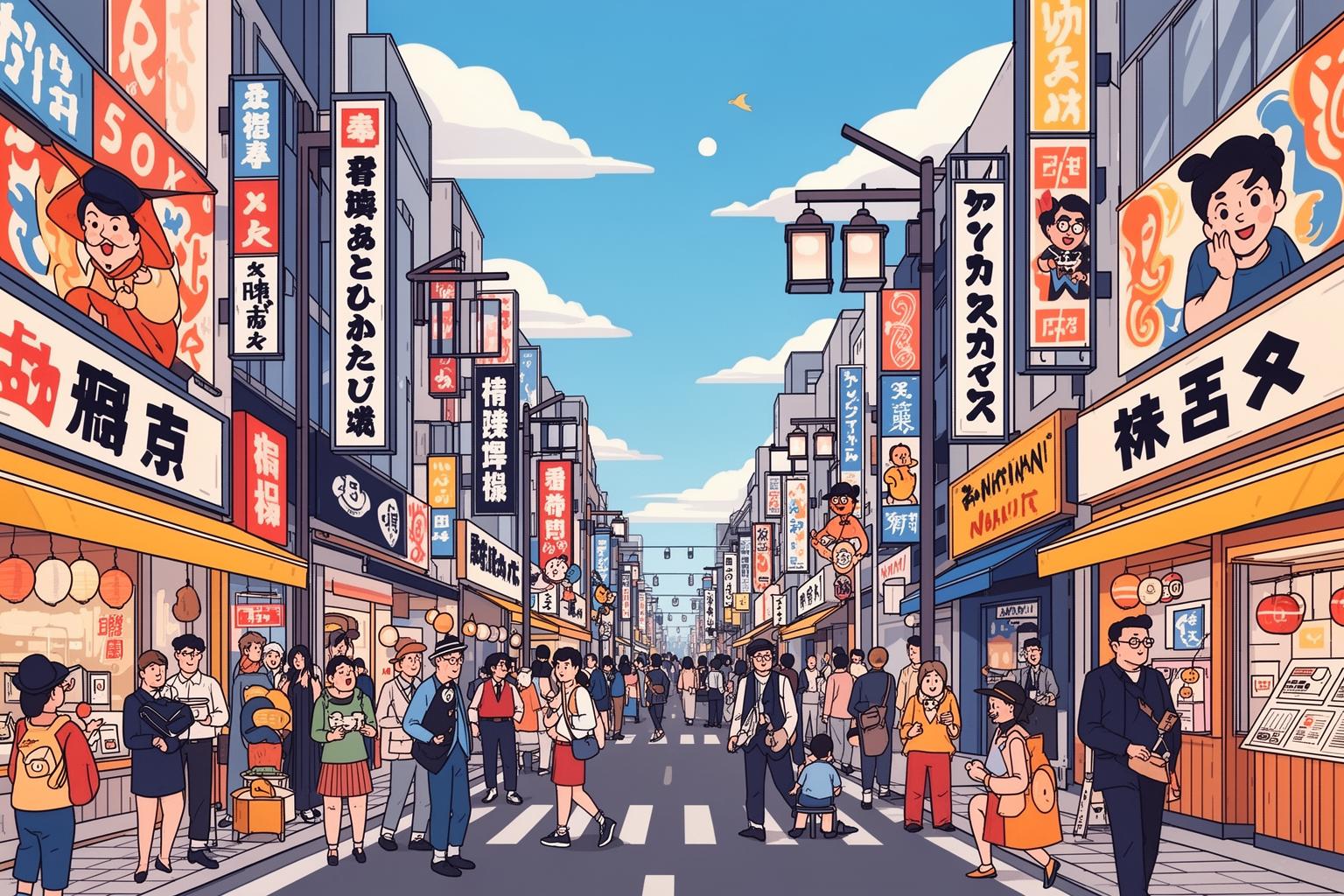
Communication in Nishinari is a study in directness. The subtle social codes that shape much of Japanese interaction are stripped away here, leaving communication that is raw, efficient, and often brutally honest. Grasping this local dialect—both spoken and unspoken—is essential to navigating the neighborhood.
More Than Just Osaka-ben
The language heard on Nishinari’s streets is a more concentrated, rougher form of the well-known Osaka dialect, Osaka-ben. While standard Osaka-ben is recognized for being more direct and expressive than the Tokyo standard, the variety spoken here often completely lacks even the smallest hint of politeness. Sentences are terse and the tone guttural. There is little space for honorifics and gentle phrasing that soften conversations in other parts of Japan. A request might come off more like a command, and a greeting might be nothing more than a grunt and a nod. For outsiders, especially those used to Tokyo’s almost painfully polite service language, this can be quite intimidating and easily mistaken for anger or hostility.
But it’s rarely about anger. Instead, it’s about efficiency and a lack of pretense. In an environment where life itself is a constant struggle, there is no energy to spare on social niceties. This directness represents a form of intimacy in its own way. It presumes a baseline of mutual understanding. There are no hidden meanings or subtle suggestions. What is said is exactly what is meant. This might be the most Osakan trait of all: a strong dislike for tatemae and a preference for honne (one’s true feelings). In Nishinari, you almost exclusively receive honne, whether you’re prepared for it or not.
The Unspoken Rules of Engagement
Successfully navigating Nishinari means paying attention to unspoken social cues. The first rule is straightforward: mind your own business, but stay aware of those around you. Avoid staring at people, especially those less fortunate. This is not a human zoo. Treat everyone with a fundamental level of respect. A quiet, unobtrusive presence is far more valued than intrusive friendliness. A simple “Konnichiwa” or a nod to a shopkeeper suffices to show that you are not just a passing tourist.
When you interact, be sincere. For example, when purchasing something at a small stall in the Tobita Shinchi shotengai, the transaction goes beyond merely exchanging money for goods. The shop owner, likely seated on the same stool for decades, will appraise you. They appreciate direct questions and prompt decisions. There’s no room for hesitation. Yet, they will also engage in light conversation if they sense genuine interest. Ask about their products and praise their quality. This is the essence of Osaka’s merchant culture. The relationship, however brief, is part of the exchange. They will remember your face, and next time you return, that gruff demeanor might soften a bit. You’re no longer a stranger; you’re becoming part of the neighborhood’s daily story.
Why Nishinari Matters to Osaka
Osaka might easily feel ashamed of Nishinari, as many residents do. They view it as a blemish on the city’s image, a problem to be fixed or, better yet, ignored. However, to do so would be to overlook the ward’s essential significance. Nishinari is not an aberration; it is the city’s anchor to reality, a living archive of the qualities that define Osaka.
The City’s Conscience
Nishinari serves as the city’s conscience. It stands as a constant, unavoidable reminder of the people who built this metropolis. The sleek office towers of Umeda and the lively canals of Dotonbori were erected through the hard work of the men who once called—and still call—Nishinari home. The neighborhood is a living tribute to the working class, a group often romanticized but seldom recognized in post-industrial Japan. A city that erases this history, that gentrifies its working-class essence into boutique hotels and coffee shops, forfeits its claim to authenticity. Nishinari holds Osaka accountable. It stops the city from fully embracing the polished, seamless, and ultimately fictional image of Japan that is frequently presented to the world. It keeps Osaka grounded, honest, and a bit dangerous—qualities that define its unique charm.
A Lesson in Seeing Clearly
For any foreigner trying to build a life in Japan, spending time in Nishinari is an essential, though uncomfortable, education. It dismantles the myth of a classless, perfectly harmonious Japan. It exposes the country’s social divides, its struggles with poverty, and its aging population in the most unvarnished way. It teaches that Japan is not monolithic; it is a complex, contradictory, and deeply human place, much like any other.
Living in Osaka while ignoring Nishinari is like hiking a mountain but refusing to look at the rocky, uneven ground beneath your feet. You miss the foundation. You miss the texture. You miss the truth. Grasping the unspoken rules of Nishinari—the direct communication, the prioritization of pragmatism over appearance, the strength of informal community bonds—equips you with a lens for understanding the rest of Osaka. It attunes you to the city’s authentic wavelength. It enables you to see beyond the surface and appreciate the resilient, resourceful, and profoundly human spirit that makes this city truly unique. Nishinari doesn’t seek your pity or judgment; it only asks that you recognize it for what it is: the tough, uncompromising, and beating heart of Osaka.