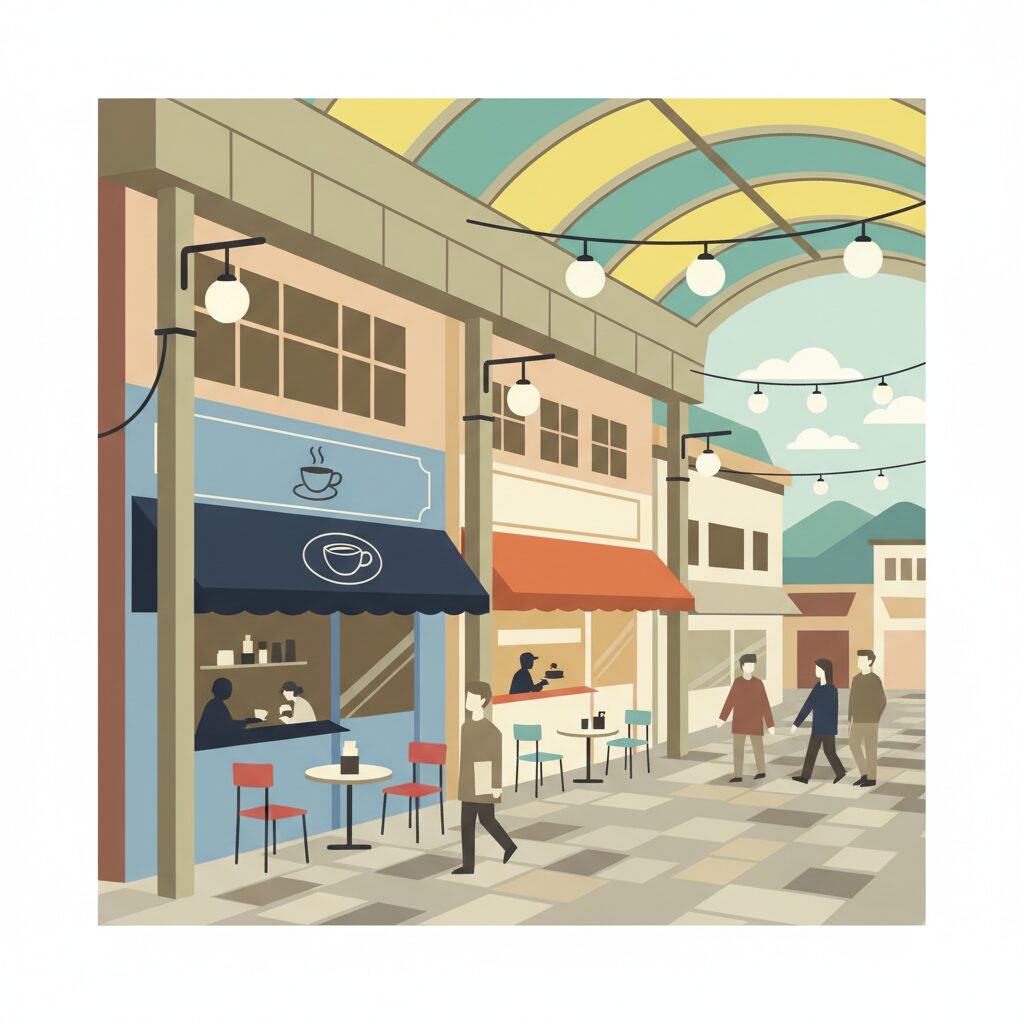
You’ve seen the pictures. The Glico Running Man, a marathon of light over the Dotonbori canal. The steel and glass canyons of Umeda, reflecting a sky full of ambition. That’s the Osaka on the postcard, the city as a grand spectacle. But that’s not where Osaka lives. The real city, the one that breathes and gossips and hustles, isn’t in the soaring towers or the tourist-choked boulevards. It’s tucked away, under the faded awnings and rattling shutters of its shotengai—the covered shopping arcades that are the true arteries of this town.
For a foreigner trying to find their footing here, the shotengai can feel like a chaotic, indecipherable stream of life. It’s a riot of sights and sounds: the rhythmic clang of a pachinko parlor, the sizzle of oil from a takoyaki stand, the gravelly voice of a vegetable seller hawking today’s daikon. It’s easy to feel like an outsider just passing through. But hidden in plain sight, nestled between the fishmongers and the 100-yen shops, are the city’s sanctuaries: its cafes. These aren’t just places to grab a coffee. They are neighborhood living rooms, makeshift offices, and quiet corners where you can finally catch your breath. Finding your favorite cafe in a shotengai isn’t just about finding good coffee; it’s about finding your place, your ibasho, in the relentless flow of Osaka. It’s the first step from being a visitor to becoming a resident. This is your guide to navigating that world, not just to find a seat, but to understand the soul of the city that pulses within it.
For an extra glimpse into Osaka’s authentic daily rhythms, explore how the local kissaten embodies morning service as the city’s cherished ritual.
The Arcade’s Heartbeat: Understanding the Shotengai Ecosystem
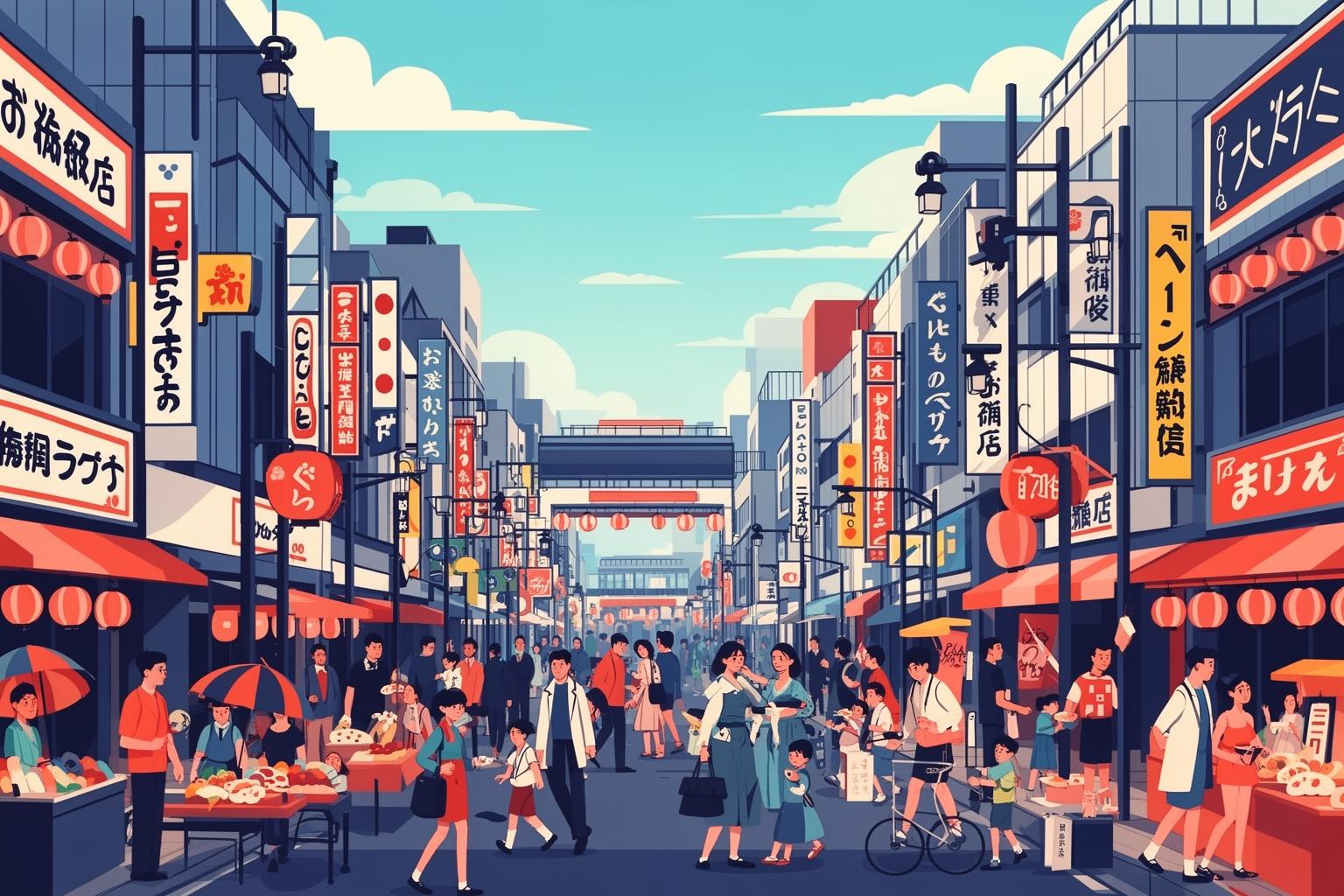
Before you can discover a good cafe, you need to understand the foundation it’s built upon. A shotengai is not a mall. A mall is a controlled, sanitized space created for a single purpose: consumption. A shotengai, however, is a living, breathing entity. It’s chaotic, noisy, and meets every need of the surrounding community. It’s the place where grandmas buy their pickles, where children grab their after-school croquettes, and where local business owners exchange gossip over a cigarette. This is the essential difference you sense in Tokyo. In Tokyo, neighborhoods often feel like collections of separate, private zones. You move from the station to your apartment to your office, each isolated like a bubble. In Osaka, the shotengai breaks down those bubbles. Life spills out onto this semi-public stage.
This is why the cliché “Osaka people are friendly” is frequently misunderstood. It’s not an inherent, cheerful personality trait. It’s a functional necessity arising from this environment. When you live in such close proximity, constantly running into your neighbors at the butcher shop or fruit stand, a certain level of direct, informal interaction naturally develops. A nod, a quick “Mokarimakka?” (“Making any money?”), a shared laugh about the weather—these are the social glue of the shotengai. It’s not about being your best friend; it’s about recognizing a shared existence in a dense, interconnected community. The cafes here are a natural extension of that. They are part of the fabric, not separate from it.
The Time Capsules: In Praise of the Classic Kissaten
Step through the door of an authentic shotengai kissaten, and you’re stepping back in time. The air is heavy with the ghosts of yesterday’s cigarette smoke and the rich, dark scent of siphon-brewed coffee. The decor often plays a symphony in brown: dark wood paneling, worn vinyl booths, and amber-tinted lighting fixtures. These spots stand in stark contrast to the sleek, minimalist coffee shops found in trendier neighborhoods. They are steadfast, unchanging, and absolutely essential.
Here, you witness Osaka’s renowned pragmatism at its finest. The emphasis isn’t on latte art or single-origin beans from Ethiopia. Rather, it’s about value and comfort. The best example is the “Morning Service,” or simply “Morning.” For the price of a single cup of coffee (typically around 400-500 yen), you receive a small meal: a thick slice of toast, a hard-boiled egg, and perhaps a tiny salad. It’s a deal that defies conventional business logic until you grasp its true intent. It’s not about selling breakfast; it’s about drawing in neighborhood regulars to start their day. It’s a ritual. The kissaten acts as a community hub, run by a “Master,” an older man or woman who has likely stood behind the same counter for thirty or forty years. They know everyone’s order, everyone’s story, and when to engage in conversation versus when to quietly refill a water glass.
These are generally not ideal spots to settle in with a laptop for five hours. The unspoken rule here is that you are a guest in someone’s space. The atmosphere suits reading a newspaper, having a quiet chat, or simply watching the life of the arcade unfold. Trying to transform a classic kissaten into your personal office is a cultural faux pas. It misses the purpose of the place. It’s a space for a pause, not a project.
The New Guard: Modern Brews in Old Arcades
Recently, a new wave of cafes has begun appearing in the shotengai, often operated by a younger generation. You’ll find them nestled between a traditional pharmacy and an old kimono shop—a bright, clean storefront featuring a gleaming espresso machine and bags of specialty coffee beans displayed in the window. A foreigner might view this as gentrification, the gradual disappearance of the old. But in Osaka, it often seems more like an adaptation.
These new cafe owners are savvy. They recognize the shotengai’s significance. Rather than paying steep rents for locations in trendy areas like Shinsaibashi or Horie, they opt for the arcade. Why? Because the arcade offers an established community and steady foot traffic. They’re not trying to replace the old kissaten; they’re providing something different to a different audience, often younger people or those specifically seeking high-quality coffee.
These cafes are often more work-friendly, welcoming digital nomads and remote workers. They understand their value lies elsewhere. They provide Wi-Fi, power outlets, and a welcoming atmosphere that says, “Feel free to stay a while.” They tap into Osaka’s entrepreneurial spirit—finding a niche, offering great value, and working hard. They respect the arcade’s traditions while creating their own space within it. You’ll frequently see the young barista chatting with the elderly woman who runs the fruit stand next door. It’s not a clash between old and new; it’s a dialogue. This blend is distinctly Osaka: a city proud of its merchant history but always focused on the next hustle.
Reading the Room: The Unspoken Rules of Cafe Conduct
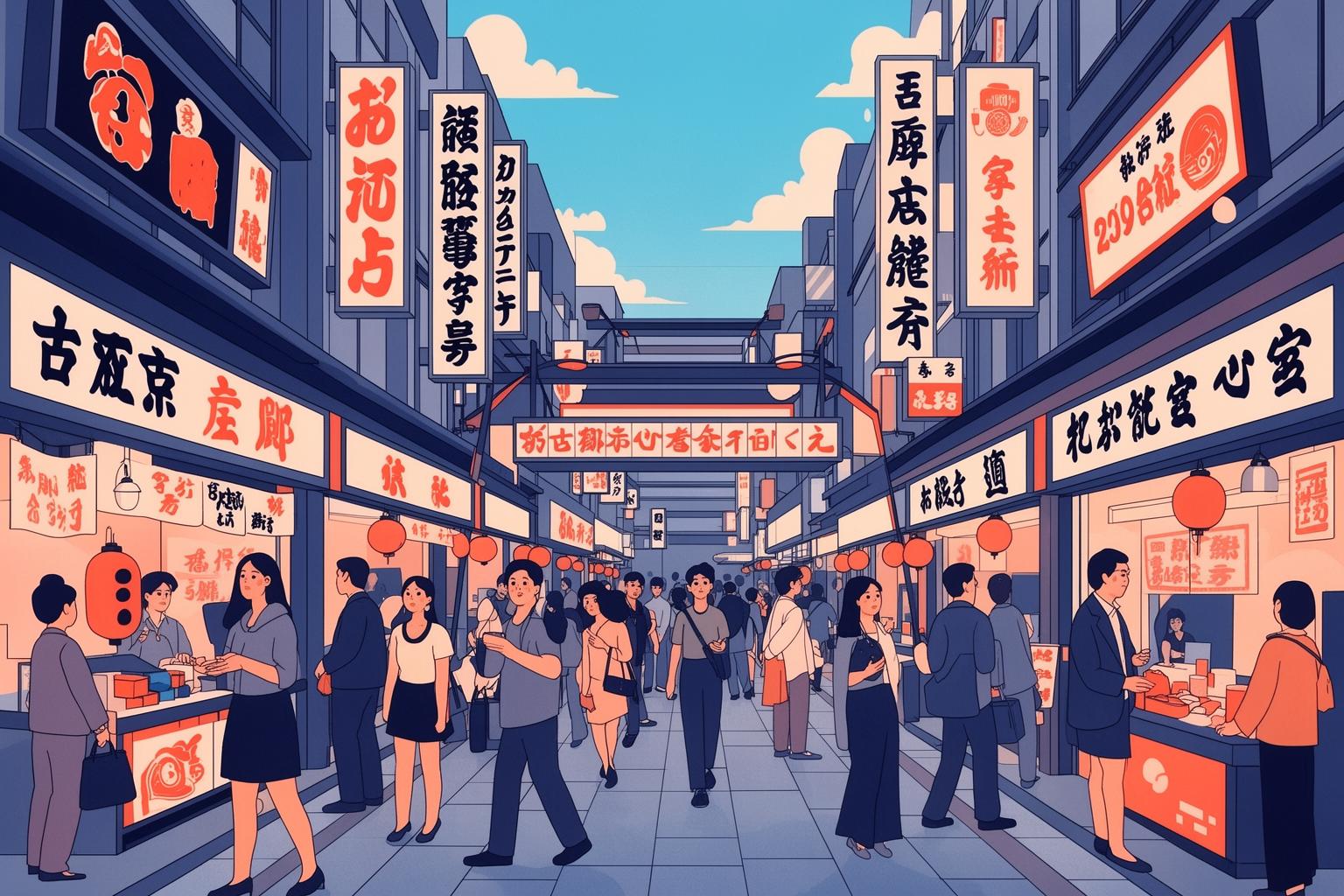
So you’ve found a promising spot. How can you tell if it’s the right nook for you, especially if you plan to work? This is where you need to learn to “read the air,” a crucial skill for life in Japan, though it comes with its own distinctive Osaka dialect.
The Laptop Litmus Test
First, just observe. Are there others working on laptops? Is there a Wi-Fi sticker on the door? Do you notice power outlets along the walls? These are clear invitations. But the subtle signals are just as important. How large is the shop? If it’s a tiny, ten-seat counter run by an elderly couple, it’s probably not meant as a workspace. Small shops rely on turnover. Taking up a seat for three hours with just one coffee is essentially taking money out of their pocket.
Larger cafes, or those with a younger atmosphere, tend to be safer choices. Still, be considerate. Osaka business operates on the principle of aki nai, a merchant’s sensibility. Everything is a transaction. Yes, you pay for the coffee, but you’re also renting the space your chair occupies. This leads us to the key rule.
The Social Contract of the Second Order
Don’t be a one-drink squatter. If you plan to stay longer than an hour and a half, it’s good etiquette to order a second item — another coffee, a slice of cake, or a small snack. This simple gesture shows you understand and respect the commercial nature of the place. It shifts you from a freeloader to a valued customer. In Tokyo, rules might be more strict and unspoken, often resulting in passive-aggressive hints. In Osaka, you’re more likely to receive a direct, yet polite, reminder. The owner might come over and ask if you’d like another glass of water, subtly pointing out that you’ve been there a while. Recognizing this unspoken contract is essential to being a good cafe patron.
To Chat or Not to Chat
One of the biggest cultural adjustments for foreigners is the level of social interaction. In a Tokyo cafe, you can often go hours without being spoken to. In Osaka, especially in a local shotengai, don’t be surprised if the owner or another customer strikes up a conversation. “Where are you from?” “You speak good Japanese!” “Is that a new Mac?” This isn’t prying; it’s the community-oriented mindset at work. They’re curious. You are a new presence in their daily scene.
How you respond is your choice. A polite smile and a brief answer work perfectly if you’re busy. But if you have the time, engaging in these small chats is how you start building connections. It’s how you go from being a stranger to “the foreign guy who always works at the corner table.” This is how a simple cafe becomes your cafe.
A Tale of Four Arcades: Finding Your Vibe
Not all shotengai are the same. The type of arcade determines the kinds of cafes you’ll encounter. To truly experience the city, you need to explore a variety of different flavors.
Tenjinbashisuji: The Beast
Spanning over 2.6 kilometers, this is Japan’s longest shotengai. It’s like a city within a city. Walking its entire length offers a crash course in Osaka life. You’ll find everything here: long-established kissaten with regulars who’ve been visiting for fifty years, sleek new specialty coffee roasters, corporate chains like Doutor, and quirky themed cafes. The immense scale means there’s space for every niche. It’s an ideal place to start because the variety is endless, though it can sometimes feel overwhelming. The cafes here serve a huge, transient crowd of shoppers, so the atmosphere can be more impersonal than in a smaller arcade.
Karahori: The Maze
This area is a maze of narrow, winding streets lined with preserved old wooden townhouses. While the Karahori Shotengai itself exudes retro charm, the real magic lies in the nearby alleys. Here, you’ll discover cafes nestled inside renovated homes, with tiny gardens and creaky wooden floors. These are authentic hidden gems. Quiet and intimate, they feel like having coffee in someone’s living room. These spots are perfect for creative work, writing, and quiet reflection. They reveal a thoughtful, artistic side of Osaka, far removed from the vibrancy of Namba.
Sennichimae Doguyasuji: The Workshop
Known as Osaka’s “Kitchen Town,” this is where restaurant owners buy everything from octopus-shaped takoyaki pans to giant plastic ramen models. The shotengai here is all business. The cafes in and around the area reflect that no-nonsense spirit. They are straightforward, practical places. The coffee is strong, the seating is basic, and the goal is to provide hardworking chefs, shop owners, and artisans a quick, refreshing break. Fancy pastries are rare, but you’ll get an unfiltered glimpse into Osaka’s commercial heart. It’s a tribute to the city’s blue-collar, merchant soul.
Nakazakicho: The Hipster Haven
Although not a traditional covered shotengai, the streets around Nakazakicho function much the same. With pre-war buildings that survived bombings, the area has become a hub for artists, designers, and creatives. The cafes here are stylish, independent, and uniquely distinct. You’ll find roasters who are obsessed with their craft, vegan cafes, and spaces that double as art galleries or vintage clothing shops. This neighborhood showcases the modern, independent spirit of Osaka’s youth—a community centered on a shared aesthetic and passion for craftsmanship, offering a contemporary take on the old shotengai essence.
Ultimately, exploring the cafes of Osaka’s shotengai is a journey into the city’s very core. It’s about peeling back the loud, chaotic surface to uncover the quiet, human moments that shape everyday life here. Each cafe serves as a micro-community, reflecting its neighborhood and the people behind the counter. When you pull open a rattling glass door, settle into a worn velvet chair, and order a cup of coffee, you’re not just a customer—you’re taking part in a daily ritual that holds the city together. You’re finding your own quiet corner amidst Osaka’s vibrant, buzzing, and wonderfully alive chaos.