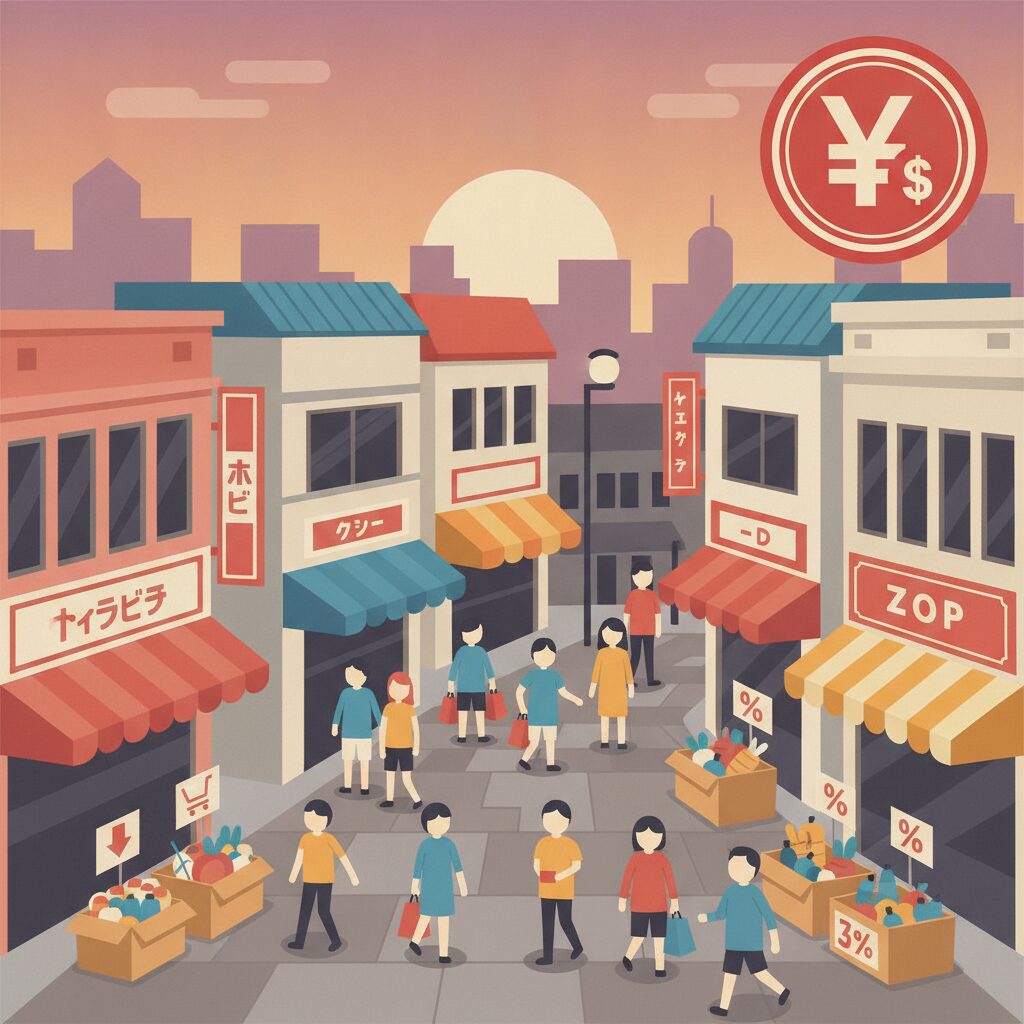
So, you’ve heard the legends. Osaka, the city of kuidaore—eat until you drop. A place where the pursuit of flavor isn’t just a hobby, it’s a civic duty. You see the neon lights of Dotonbori, the Michelin-starred restaurants, the endless lines for takoyaki, and you start to wonder. How does anyone afford to live here, let alone eat well? It’s a paradox that stumps many newcomers. You see a city obsessed with food, yet also famous for its pragmatic, no-nonsense approach to money. The answer doesn’t lie in the gleaming department store basements or the trendy organic markets. It lives and breathes under the long, covered roofs of the city’s unsung heroes: the shotengai, or local shopping arcades. These are not just charming, old-fashioned relics; they are the pulsating economic arteries of Osaka, the secret engine that powers the kuidaore lifestyle for the average person. Forget what you think you know about grocery shopping. In Osaka, mastering the shotengai is the first, and most important, step to truly living like a local. It’s a world away from the sterile, pre-packaged convenience of Tokyo, and it’s where you’ll discover the city’s true soul—one bargain at a time.
If you’re eager to see how everyday social practices complement the shotengai experience, exploring Osaka’s tachinomi bar culture offers a revealing glimpse into the city’s vibrant traditions.
The Merchant’s Code: Understanding Value in the City of Shobai
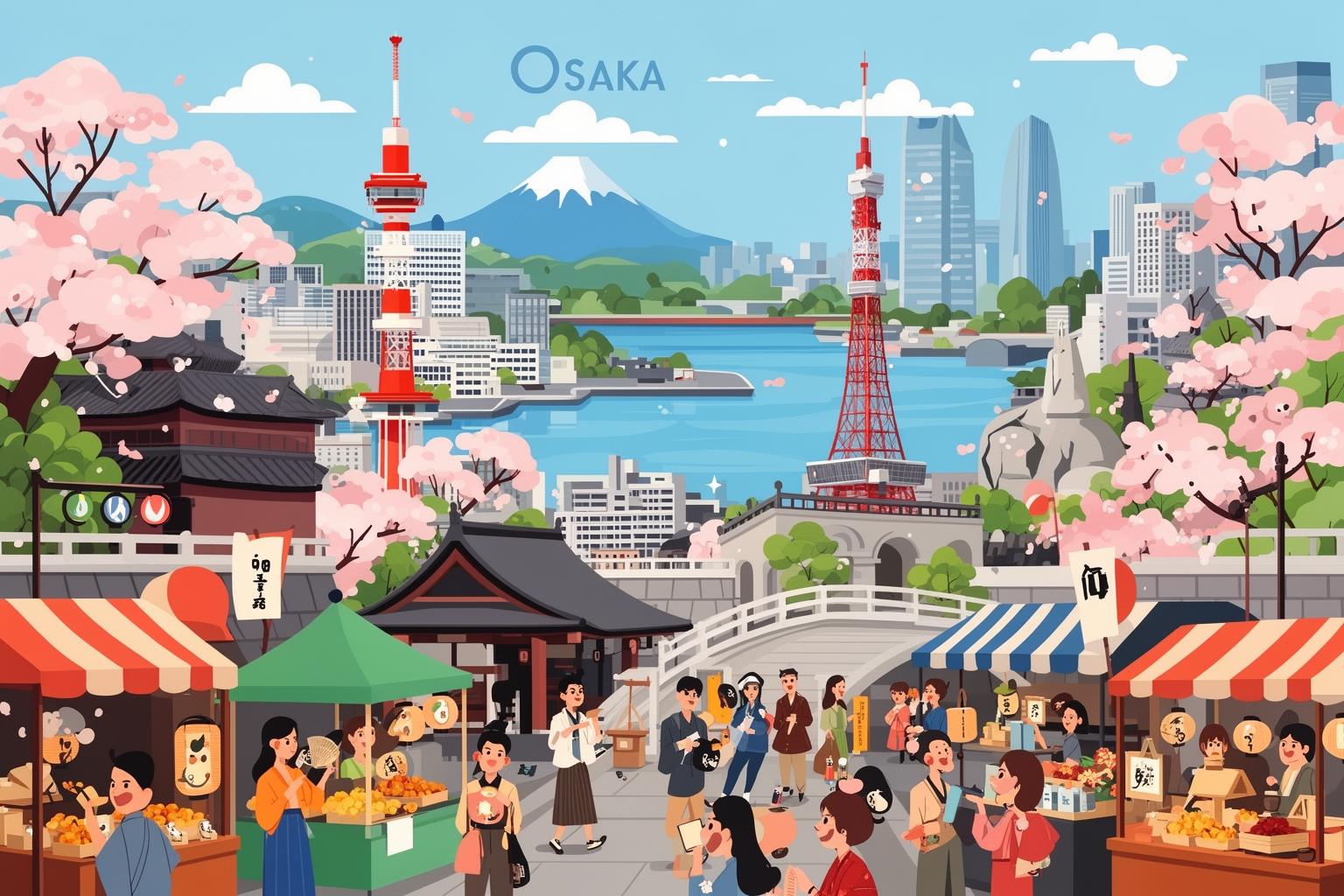
To truly grasp the shotengai, you first need to understand the Osaka mindset. This city wasn’t shaped by samurai or aristocrats; it was built by merchants. The spirit of shobai, or business, runs deeply through the local DNA. In Tokyo, a high price tag often implies high quality, acting as a status symbol and a mark of refined taste. In Osaka, however, that logic is met with deep skepticism. An Osakan’s initial question isn’t “How much is it?” but “Is it worth the price?”
This is a critical distinction. The aim isn’t to be cheap, but to be a savvy shopper. There’s a local term, kechi, often translated as stingy or tight-fisted. Yet in Osaka, being called kechi can almost be a compliment. It means you’re sharp. You don’t get taken advantage of. You understand the true value of things and refuse to pay a single yen more than something is genuinely worth. This philosophy forms the foundation of the shotengai. These arcades are battlegrounds of value, where vendors compete not only on price but also on quality, freshness, and the strength of their personality. A fancy package or a well-known brand name doesn’t matter here. What counts is the product itself and the trust between seller and buyer. A supermarket sells you food; a shotengai vendor engages in a negotiation of value with you, even without words. They stake their reputation on every piece of fish, every cut of meat, every single tomato.
This merchant spirit fosters a consumer culture that is fundamentally different from the rest of Japan. It’s louder, more straightforward, and intensely personal. Shopping is not a passive act of filling a cart; it’s an active engagement with your community and your source of food. It’s a daily affirmation that you’re smart enough to live well without being wasteful—a core principle of life in this city.
The Anatomy of an Arcade: A Symphony of Specialization
A shotengai might appear as a chaotic mix of shops at first sight. It’s an assault on the senses with shouting vendors, sizzling tempura, and the clatter of bicycles. Yet, beneath this lively scene lies a highly organized and efficient ecosystem. Unlike a supermarket that carries a bit of everything but often with mediocre quality, the shotengai thrives on specialization. Each shopkeeper is an expert in their particular craft and niche. Here, you discover exceptional quality at prices that almost seem unreal.
The Foundations of the Feast: Yaoya, Nikuya, Sakana-ya
Your journey starts with the holy trinity of Japanese home cooking. First comes the yaoya, the greengrocer. The produce here isn’t shrink-wrapped or standardized. Instead, it’s heaped in wooden crates, freshly brought in from the morning market. The shapes are irregular, and some dirt may still cling to the daikon radish — and that’s a good sign. It’s authentic. The owner, who has likely been up since 3 AM, can tell you exactly which prefecture your onions came from and which are sweetest for your curry tonight. They’ll advise you on what’s in season since seasonal produce is always cheaper and tastier. You’re not buying a plastic bag with three sad carrots; you’re getting three vibrant, flavorful carrots for a fraction of the supermarket price.
Next is the nikuya, the butcher. The harsh fluorescent lights of the supermarket meat section are replaced here by the focused gaze of a craftsman. They know every cut of pork, beef, and chicken intimately. They aren’t just selling meat; they’re providing the centerpiece for your meal. You can request specific thicknesses for your tonkatsu or ask for advice on the best cut for a slow-cooked stew. Often, they will grind the meat fresh on the spot. Building a relationship here is important—a good butcher will remember your preferences and might even save a particularly good cut for you when they know you’re coming.
Finally, visit the sakana-ya, the fishmonger. This is where the difference is most pronounced. The smell of the sea and the shine of fresh scales under the lights contrast sharply with a styrofoam tray of pre-cut fillets. The fishmonger can tell you exactly what came off the boat that morning. They’ll descale, gut, and fillet your fish with remarkable speed and precision, skills perfected over decades. They can recommend the best fish for grilling, sashimi, or simmering in broth. In Osaka, a coastal city, fresh, high-quality fish isn’t a luxury but a daily right, and the shotengai is what makes it accessible to all.
The Supporting Cast: Tofu, Tempura, and the Delights of Sozai
Beyond the big three, the shotengai is home to a universe of other specialists. There’s the tofu-ya, where blocks of silky tofu and thick sheets of fried aburaage sit in cool water, made fresh that very morning. The flavor and texture far surpass mass-produced alternatives. You’ll find shops dedicated solely to tsukemono (pickles), offering dozens of varieties. And then there’s the household savior: the sozai-ya. These shops sell prepared dishes—from golden-brown korokke (croquettes) and crispy tempura to simmered vegetables and salads. For just a few hundred yen, you can pick up side dishes to complement your dinner, saving time and effort without compromising on taste. This is how Osaka families eat so well—they don’t cook every dish from scratch each night but assemble meals using the best offerings from the shotengai specialists.
The Art of the Relationship: More Than Just a Transaction
If you view a shotengai as just a supermarket, you’re missing the essence. You can’t simply walk in, pick up what you need, and leave without a word. The true value of the shotengai lies in human connection. This is where the stereotype of the “friendly Osakan” turns into a real economic advantage.
Becoming a Joren-san: The Power of Being a Regular
In Japan, being a regular customer, or joren-san, holds a unique significance. Within the shotengai, it means everything. Once you become a familiar face at the vegetable or butcher shop, the dynamic shifts. The shopkeeper starts recognizing you and understands your preferences. A brief chat about the weather or the Hanshin Tigers baseball team becomes part of the routine. Then, the magic unfolds. This is the realm of omake, a little extra given for free. It could be a handful of green onions, an extra potato, or a small piece of fat for cooking. It’s not a calculated discount but a gesture of goodwill, signaling that you belong to the community. It’s the shopkeeper’s way of saying, “Thanks for your patronage. Please come again.” This simple act turns a commercial transaction into a personal one. It fosters loyalty and trust that no supermarket loyalty card could ever achieve.
Timing is Everything: The Evening Time Sale Rush
An Osakan shopper has an internal clock synchronized with the shotengai’s rhythms. They know the best time to find a bargain is late afternoon or early evening. As closing time nears, vendors are eager to sell off their remaining goods. This is when the marketplace’s true voice emerges. The voices grow louder, prices drop sharply. The taimu seru (time sale) kicks off. A pack of gyoza might be half-priced. A whole grilled fish might come with a free side of rice. This isn’t desperation; it’s a deliberate strategy. It minimizes food waste and rewards savvy shoppers who know when to act. Joining the locals during the evening rush is a quintessential Osaka experience—a lively but friendly race to grab the best deals of the day.
A Tale of Two Shopping Carts: Shotengai vs. Supermarket

Let’s put this into practice. Imagine you want to prepare a simple, classic Japanese dinner: rice, miso soup, grilled fish, and a side of spinach. You have two options: a major chain supermarket or your local shotengai.
At the supermarket, you walk down wide, quiet aisles. You pick up a vacuum-sealed fillet of salmon of unknown age. You grab a pre-washed, pre-portioned bag of spinach that costs extra for convenience. You find a plastic tub of factory-made miso paste. It’s easy, predictable, and impersonal. You pay the fixed price at a self-checkout and leave.
Now, let’s try the shotengai. You start at the sakana-ya. You ask the owner what’s good for grilling today. He points to the shimmering aji (horse mackerel) that arrived this morning. He guts and cleans two for you while you chat. Next, you go to the yaoya. You spot a large bundle of fresh, dark green spinach, dirt still clinging to its roots, costing half the supermarket’s price. The elderly woman running the stall throws in a stalk of green onion for your miso soup, omake. Finally, you stop by a miso specialty shop, where giant barrels of various types are on display. You buy just enough fragrant, artisanal miso for the week. The total cost is almost certainly 20-30% less than your supermarket trip. But more importantly, every ingredient is fresher, higher quality, and carries a story. Your dinner will not only be cheaper, it will taste infinitely better.
The Shotengai is Osaka’s Soul on Display
For a foreigner aiming to build a life in Osaka, the shotengai is more than just a spot to purchase inexpensive groceries. It serves as a classroom for understanding the city’s culture. It reveals the importance of value over luxury, community over anonymity, and human relationships in commerce. It is the most direct way to engage in the daily life of the city and genuinely feel a sense of belonging.
In an era of globalized retail and impersonal online shopping, the shotengai stands as a testament to an alternative way of living. It is a system that supports small family businesses, reduces waste, and keeps the community connected. It is the living, breathing heart of Osaka’s neighborhoods. Learning to navigate its unwritten rules and embrace its lively chaos is the key to unlocking the true promise of this city. It is the way to move from being a visitor to becoming an Osakan. And it is, without a doubt, the secret to eating like a king, even on the tightest of budgets.