The night was winding down. Or so I thought. We’d spent hours packed into a standing bar in Tenma, navigating a boisterous sea of clinking glasses and booming laughter. The last train was a distant memory, the bill was settled, and we were spilling out onto the cool, quiet street. My mind was on my bed. But my Osakan friends had other plans. A consensus rippled through the group, a shared look of understanding, and then the declaration: “Right, time for shime.” My brain, fuzzy from a few highballs, scrambled for a translation. Shime? To close? To finish? Before I could ask, we were marching with renewed purpose toward the warm, steamy glow of a ramen shop. This wasn’t just a tipsy craving for a snack. This was a ritual. It was my first introduction to the art of the ‘shime,’ Osaka’s deeply ingrained tradition of ending a night of drinking not with a stumble home, but with one final, perfect bowl of something warm and wonderful. It’s a concept that feels utterly foreign at first, a second dinner after you’ve already eaten and drunk for hours. But to truly understand life in Osaka, you have to understand the shime. It’s far more than food; it’s a social punctuation mark, a pragmatic act of self-care, and a window into the very soul of this city. It’s the final, satisfying note in the symphony of an Osaka night out.
For those wanting to delve further into Osaka’s unique rituals of ending a night in style, exploring late-night shime meals offers a perfect next step into the city’s thriving culture.
More Than Just a Midnight Snack: The Philosophy of the Shime

In the West, late-night food often feels like an act of desperation. It might be a greasy slice of pizza grabbed on a street corner or a kebab dripping sauce down your hands while you wait for a taxi. It’s usually a solo effort to quiet a rumbling stomach. In Osaka, however, the shime is quite different. It’s a communal, intentional ritual—the logical and emotional conclusion to the evening, a shared experience that gently and satisfyingly brings the night to a close rather than an abrupt end. The philosophy behind it perfectly reflects Osaka’s defining traits: social warmth and practical down-to-earthness.
First, the shime acts as social glue. An evening spent drinking and chatting at an izakaya centers around connection. Why would you want that to end suddenly on a street corner with a quick “see you later”? Moving from the bar to a ramen or udon shop is a transition that extends both conversation and camaraderie. The core group who reaches the shime is often smaller—the final survivors of the long night. Here, the conversation shifts; it becomes quieter, more reflective, a last review of the evening’s events. It’s one final opportunity to connect before everyone disperses back into the city’s vast web of train lines and apartment buildings.
Second, it’s pure pragmatism. Osakans are known for their straightforward nature, and the shime is simply common sense. Hours of drinking can leave you dehydrated and drained. Going to bed with only alcohol in your stomach is a sure way to face a miserable morning. The shime serves as preventative care. A hot, savory broth rehydrates you and restores lost salts. A good portion of carbohydrates provides a comforting base to absorb the evening’s excesses. It’s a delicious act of kindness toward your future self. This contrasts with the culture in Tokyo, where shime certainly exists but can sometimes feel trend-driven—think “shime parfaits” or hunting down a particular highly rated spot. In Osaka, the practice feels more organic and essential. It’s less about the reputation of a specific restaurant and more about the shared need for a warm, tasty, and convenient closure to the night. It truly embodies Osaka’s unpretentious focus on what is good and what works.
The Unspoken Rules of the Osaka Shime
Like any significant cultural ritual, the shime comes with its own unspoken rules and etiquette. For a foreigner, navigating this can be challenging. It’s a delicate balance of timing, atmosphere, and silent agreement. The first thing to grasp is that the shime isn’t just another round of drinks; it represents a distinct, final phase of the night.
The decision to go for shime usually occurs right after leaving the bar or izakaya. It’s a collective question: “So, shime?” or “Feeling like ramen?” There’s no designated leader, though someone might suggest their favorite place. The process is democratic, driven by the group’s energy level and cravings. Timing is essential. You don’t stop mid-drinking session to get ramen. Instead, you finish your drinks, settle the bill, say your goodbyes to those heading straight home, and then the remaining group sets out on the shime quest. This signals that the drinking portion of the evening has officially ended.
Upon arriving at the shime spot—a steamy ramen counter or a quiet udon shop—the atmosphere changes noticeably. The lively energy of the izakaya fades. People are tired but satisfied. The main focus is the food. This is often where foreigners make a misstep. Ordering a round of beers and shared gyoza before your ramen misses the point. The purpose is one thing: the final dish. While having one last beer is not uncommon, the aim isn’t to prolong the party but to eat, feel content, and head home. Slurping is not only permitted but expected, as it shows enjoyment and helps cool down the hot noodles.
Another common misconception is that the shime is obligatory. Although it’s a frequent part of the social routine, there’s absolutely no pressure to join in. If you’re full, tired, or simply ready for bed, it’s perfectly fine to leave the group with a cheerful “Otsukaresama deshita!” (Thanks for your hard work/Well done tonight!). Your friends will completely understand. The shime is meant for those who want and need it—a comforting ritual, not a compulsory test of endurance.
The Holy Trinity of Shime: Ramen, Udon, and Ochazuke
While technically anything can serve as a shime if eaten at the end of the night, Osaka has a distinct and well-established hierarchy of closing dishes. These selections aren’t random; they are carefully crafted to meet the specific needs of a body and soul recovering from a night of drinking. The options focus on warmth, savory broth, and comforting carbohydrates.
Ramen: The Undisputed King
Ramen is the quintessential shime, and its popularity is no coincidence. A bowl of late-night ramen is a masterpiece of functional cuisine. Its rich, often fatty broth (tonkotsu being a favored choice) coats the stomach, while the high salt content aids rehydration and recovery. The noodles provide a substantial carb load that feels grounding after a few drinks. Entering a small, counter-only ramen-ya late at night is an experience in itself: the air thick with steam, the only sounds the chef’s craftsmanship and the chorus of appreciative slurps from fellow diners. It’s an efficient, focused setting—you order from a ticket machine, sit, eat your bowl of heaven, and leave. Fast, delicious, and utterly satisfying, ramen perfectly reflects Osaka’s direct and unpretentious food culture.
Udon: The Soul-Soothing Alternative
While ramen reigns supreme, udon is the heart of Osaka’s noodle world. Many consider Osaka’s udon—with its soft, chewy noodles and delicately flavored dashi broth—the superior shime. It’s regarded as a gentler, more soothing choice. The dashi, a cornerstone of Kansai cuisine, is light yet deeply flavorful, warming from the inside out without the heaviness of a rich tonkotsu ramen. A beloved local specialty, kasu udon, features broth enriched with sake kasu (the lees left over from sake production), offering a unique, comforting sweetness and gentle warmth perfect for cold nights. Opting for udon as your shime feels like a slightly more refined, discerning decision—a nod to Osaka’s sophisticated dashi culture, providing pure comfort that nurtures rather than merely fills.
Ochazuke and Onigiri: The Simple, Sobering Choice
Sometimes, even udon feels too heavy. For those times, there is the humble perfection of rice. Ochazuke—a simple bowl of rice topped with hot green tea or dashi, often accompanied by pickled plum (umeboshi) or grilled salmon—is the ultimate minimalist shime. Hydrating, easy to digest, and deeply comforting, it’s the food equivalent of a warm blanket. Likewise, a simple onigiri (rice ball) purchased from a 24-hour convenience store on the way to the station serves the same purpose. This choice speaks volumes about Osaka’s pragmatism. The shime needn’t be a formal affair at a restaurant; the goal is simply to get that comforting base of rice into your system. It’s a return to the essentials of Japanese cuisine—a simple, effective, and profoundly Japanese way to end the night.
Finding Your Shime Spot: Navigating the Late-Night Landscape
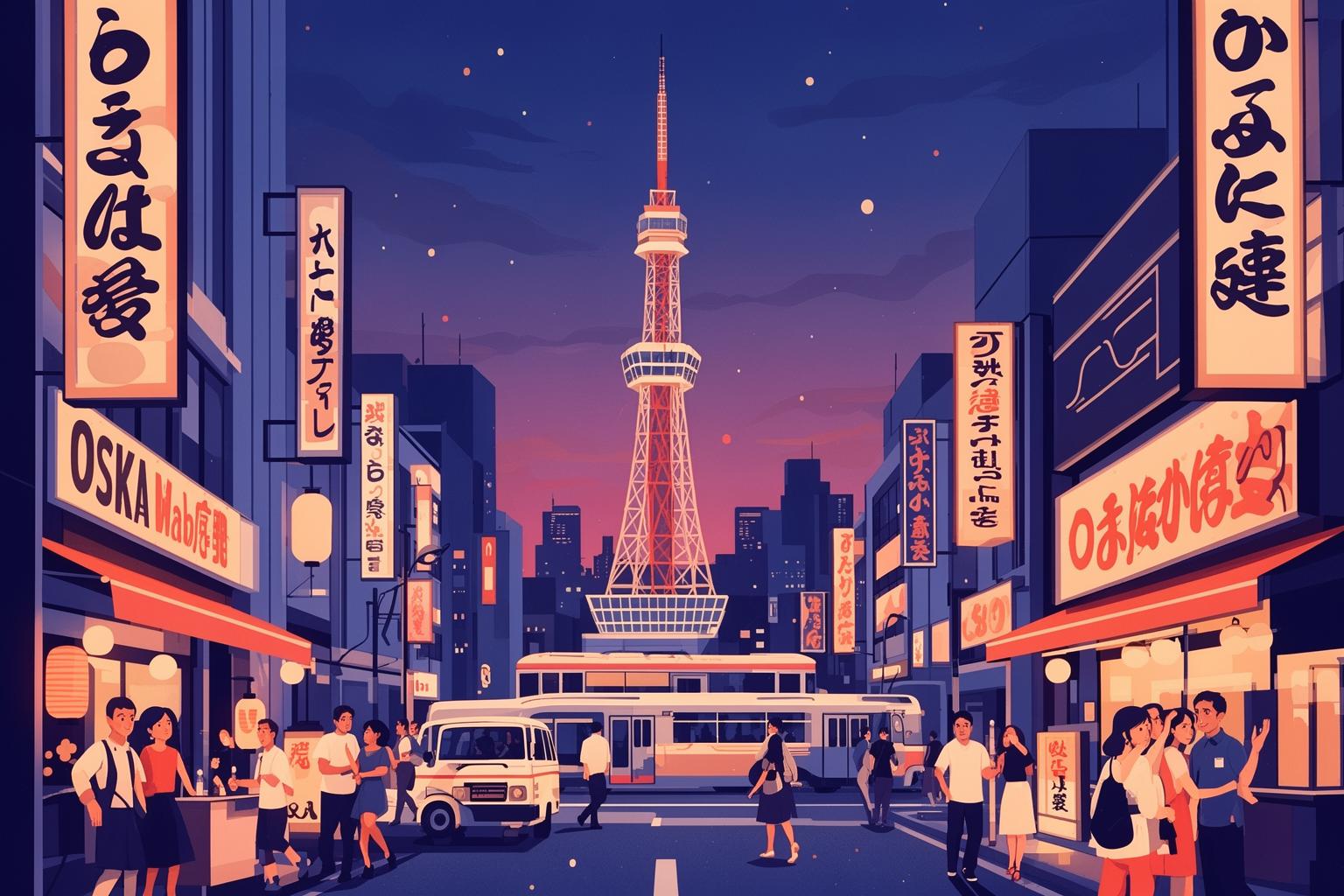
Osaka is a city that eats around the clock, boasting a late-night food scene that is truly unparalleled. The city is dotted with venues ready to serve the post-drinking crowds, forming a lively ecosystem that comes alive after the last train has left. Knowing where and what to look for is essential to finding your ideal shime experience.
The greatest concentration of shime spots gathers around major train stations and entertainment hubs. Areas such as Namba, Umeda, Shinsaibashi, and Kyobashi are goldmines for late-night dining. As bars and izakayas start to thin out, ramen shops and udon counters attract a second wave of patrons. The visual signs are unmistakable: a solitary red lantern (chochin) glowing warmly against the night, a simple cloth curtain (noren) hanging over the entrance, and steam escaping each time the door opens.
Inside, the atmosphere is practical and focused. Don’t expect elaborate decor or service centered on conversation. These spaces are often small, with seating limited to a single wooden counter facing the open kitchen. The shop owner moves with practiced efficiency, tossing noodles and ladling broth in near silence. The focus lies entirely on the food—a reflection of the shokunin (artisan) spirit applied even to the humblest bowl. It’s not about offering a luxurious dining experience; it’s about mastering a craft and delivering it swiftly and deliciously to those who need it. This dedication to quality and speed, without any pretense, defines Osaka’s culinary identity.
This 24-hour food culture makes Osaka feel markedly different from other cities. The city’s energy doesn’t fade after midnight; instead, it shifts and transforms. Streets may quiet down, but these pockets of light and steam serve as beacons of comfort and community, ensuring that no matter how late it gets, a satisfying end to the night is always within reach.
The Shime Says ItAll: What This Ritual Reveals About Osaka
At the end of the day—or rather, the end of the night—the shime is more than just a meal. It is a cultural practice that beautifully represents the Osaka mindset. By partaking in this simple ritual, you can gain deep insight into the city’s values and its distinctive social rhythm.
First and foremost, the shime underscores the profound importance of community and shared experience. In a city known for its love of conversation, laughter, and connection, the shime offers a structured way to extend that social time. It serves as a collective winding-down, a final moment of togetherness that strengthens bonds. It transforms the simple act of eating into a meaningful social conclusion, reinforcing the belief that the best things in life—food, drink, and conversation—are best enjoyed with others.
Second, it exemplifies pragmatism over pretension. The food is chosen for its purpose: to comfort, to satisfy, and to prepare the body for rest. It’s rarely elaborate, and almost never trendy. This perfectly reflects Osaka’s famous kuidaore (eat until you drop) philosophy, which has always valued substance, flavor, and value for money above aesthetics or status. An Osakan would prefer a genuinely delicious, life-affirming bowl of udon from a humble shop rather than a mediocre, overpriced dish at a fancy restaurant. The shime proves that for Osakans, good food is a necessity, not a luxury.
Finally, the shime offers a comforting, rhythmic close to what can often be a hectic night. Urban life moves fast and can be overwhelming. A night out might be loud and lively. The shime serves as a gentle, predictable ritual that brings a sense of closure and order. It’s a moment of savory reflection, a quiet pause before heading home. It turns the end of the night from an abrupt stop into a graceful fade.
So, the next time you’re wandering an Osaka street late at night after enjoying time with friends and someone asks, “Ramen?” you’ll understand what they truly mean. They’re not simply checking if you’re hungry. They’re inviting you to join a ritual. They’re inviting you to properly close the evening’s circle, to share one last satisfying moment, and to end the night the way it should be ended: the Osaka way.