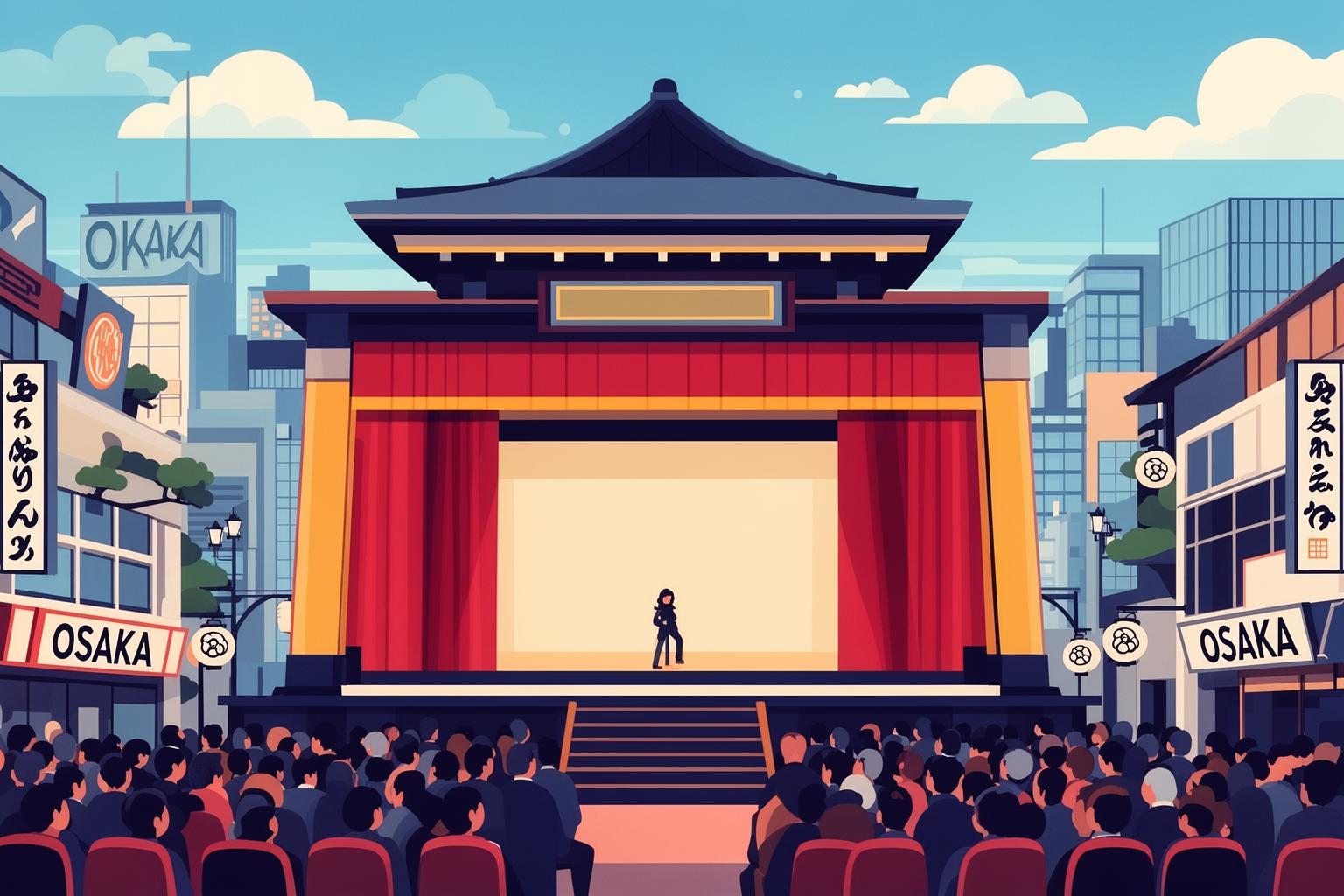
Walk into the basement of any major department store in Osaka, and you’re not just entering a food hall. You’re stepping onto a stage. The air thrums with a unique energy, a symphony of polite shouts, sizzling tempura, and the delicate rustle of waxed paper. This is the depachika, a subterranean wonderland that serves as the beating heart of Osaka’s food culture. For a newcomer, the experience can be overwhelming, a dizzying maze of perfect strawberries, gleaming lacquer boxes of bento, and vendors calling out specials with rhythmic urgency. It’s far from the quiet, utilitarian aisles of a Western supermarket. It’s a performance, a competition, and a daily ritual all rolled into one. And to understand the depachika is to understand the very soul of Osaka: its pragmatism, its obsession with quality, and its unshakeable belief that good food is not a luxury, but a fundamental right.
This isn’t just about shopping for dinner. It’s a deep dive into the city’s merchant DNA, a place where the unwritten rules of commerce, community, and cuisine play out in glorious, delicious detail. The depachika is where grandmothers hunt for the perfect pickle, where office workers grab a luxurious but affordable lunch, and where the art of gift-giving is practiced with serious devotion. It’s a microcosm of Osaka life, a place that reveals how this city is fundamentally different from its polished northern neighbor, Tokyo, and how its people approach the everyday with a blend of discerning taste and a sharp eye for a good deal.
Discover how the daily ritual of a delightful morning set provides another window into Osaka’s vibrant urban culture.
More Than a Supermarket: The Depachika as a Stage
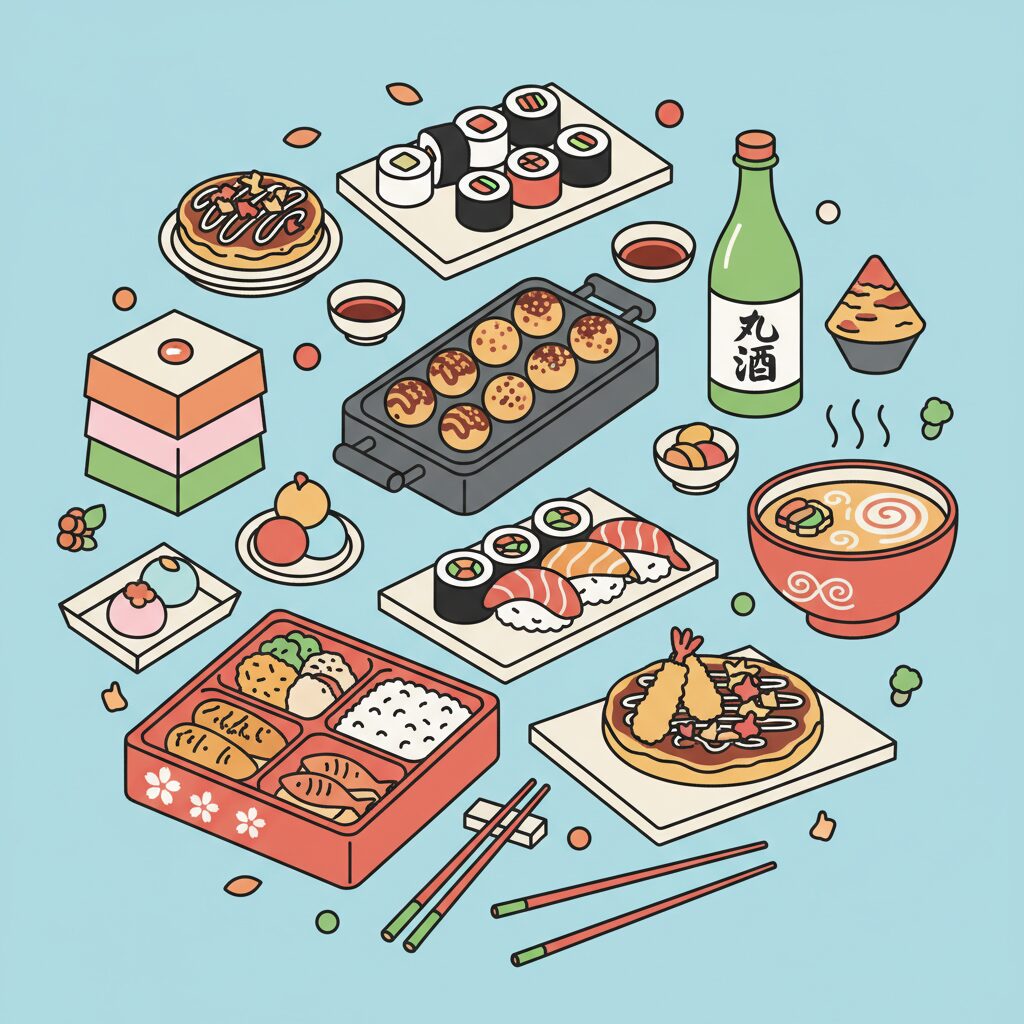
The first thing that strikes you is the overwhelming sensory richness. Unlike the vast, single-entity supermarkets typical in the West, an Osaka depachika is a collection of small, specialized shops, each excelling in its own craft. One counter offers nothing but tsukemono, Japanese pickles, in dozens of varieties, from crisp daikon to vibrant red umeboshi. Next to it, you might find a specialist in kamaboko, steamed fish cakes shaped into beautiful forms. Turn a corner, and you are welcomed by the sweet, smoky scent of unagi being grilled and glazed with a soy-based sauce. Another stall features wagashi, traditional Japanese sweets that are miniature works of art, with forms and flavors shifting with the seasons.
This is no coincidence. It’s a carefully curated collection of excellence. Each vendor is an expert, a guardian of a specific culinary tradition. This specialization reveals the Osaka mindset. People here value mastery; they prefer buying tofu from a tofu master and tempura from a tempura expert rather than sourcing everything from a single, generic place. It reflects a profound respect for craftsmanship central to Japanese culture, intensified in Osaka’s merchant environment.
The atmosphere is unmistakably Osakan as well. While a Tokyo depachika might feel like a quiet, elegant food museum, Osaka’s resemble lively marketplaces. The vendors are louder, their calls of “Irasshaimase!” booming and personal. The displays feel more generous and abundant, stacked high to symbolize prosperity and good value. There’s a certain theatrical flair to it all. Wrapping a simple box of crackers turns into a swift, precise performance of folding paper and tying ribbon. The slicing of a block of tuna is executed with the focus and grace of a surgeon. It’s a show, and everyone—vendor and customer alike—plays their role. This isn’t a cold, impersonal checkout transaction; it’s a vibrant, human interaction centered on a shared passion for food.
The Unspoken Rules of the Game: Navigating the Crowds and Counters
For an outsider, this vibrant chaos can feel overwhelming. There are unspoken rules and a particular rhythm to the madness that locals navigate with natural ease. Grasping this etiquette is essential to fully appreciating the depachika experience. It involves knowing when to approach, how to sample, and why the packaging can be just as significant as the product itself.
The Art of Shishoku (Free Samples)
One of the most delightful and potentially perplexing aspects of the depachika is shishoku, the tradition of free samples. Small bites—a cube of cake, a slice of sausage, a dab of seasoned seaweed—are offered on trays or with toothpicks. A foreigner might hesitate, wondering: must I buy if I try? Is it impolite to take one and walk away? The answer, especially in Osaka, is a firm no. In fact, quite the opposite.
Vendors offer samples because they are genuinely confident in their products. The sample is their opening statement: “Taste this. It’s so good, you won’t want to resist.” Osaka locals, known for their directness and practicality, understand this perfectly. They stop, taste the sample with a critical eye, and often share an honest opinion aloud with their companion. There’s no pretense. If it’s good, they might purchase it. If not, they simply offer a slight bow or nod of thanks and move on. No offense is taken. It’s an exchange of information, not a commitment.
This approach contrasts with the more reserved interactions you might encounter elsewhere. The straightforwardness can be startling at first, but it stems from mutual respect between discerning customer and proud merchant. The vendor values the customer’s taste enough to seek genuine feedback, and the customer respects the product enough to give it a fair try. So, embrace shishoku. It grants you a mini culinary tour without spending a yen.
Reading the Room: When and How to Buy
Once you decide to make a purchase, the interaction is quick and efficient. During busy times, like weekday evenings or weekend afternoons, the aisles flow with people. There’s no aggressive pushing, but a collective, purposeful movement. The key is to anticipate your stop, position yourself near the counter, and wait for a small opening. When the vendor is ready, state your order clearly and briefly.
This is also when you’ll observe the culture of temiyage, or hostess gifts, in full display. Depachika are a primary source for these thoughtful presents. When you see someone buying a small, beautifully wrapped box of cookies or senbei, they’re likely headed to visit a friend or colleague. The care in the packaging—the neatly folded paper, the crisp ribbon, the branded bag—is more than decoration. It’s a silent message of respect and appreciation for the recipient. It says, “I thought of you and took the time to choose something special.” This reveals a layer of social consideration that transforms a simple food purchase into a meaningful gesture.
“Kore, Nambo?”: The Osaka Obsession with Value
If there is one phrase that captures the spirit of Osaka, it’s “Kore, nambo?”—“How much is this?” However, this question goes beyond merely seeking the lowest price. It’s about measuring value. An Osaka shopper has an instinctive sense for cost performance, an innate skill to weigh quality, quantity, and price in a complex mental calculation. They are willing to pay more for outstanding quality but have zero tolerance for feeling overcharged.
Price Isn’t Everything, but Value is King
This attitude is a direct legacy of Osaka’s history as Japan’s merchant capital. For centuries, this city was home to traders and artisans who built their reputation on offering good products at fair prices. That spirit thrives in the depachika. You witness it in how shoppers examine the marbling of beef or assess the color and gloss of various cuts of tuna. They aren’t just purchasing food; they are investing in their evening meal, expecting a worthwhile return.
Nowhere is this focus on value clearer than during the evening “time sale” or taimu seru. About an hour before closing, a new energy sweeps through the depachika. Vendors loudly announce discounts on the day’s remaining perishables like bento boxes, sushi, and salads. This isn’t a quiet, orderly event—it’s a competition.
Shoppers, who moments before may have been browsing casually, suddenly move with practiced speed. They know what they want and can spot a good deal from across the aisle. It’s a fast-paced yet surprisingly polite frenzy. In Tokyo, end-of-day sales tend to be more subdued. In Osaka, there’s a collective excitement in the hunt, a shared joy in scoring a gourmet bento at 50% off that was full price just an hour ago. It’s not about being cheap; it’s about being smart, savvy, and winning the game of value.
The Vendor’s Pride
On the other side of the counter, the vendors are equal participants in this value-driven culture. They aren’t merely employees; many represent long-established family businesses, deeply proud of their products. Ask them a question—what fish is best for grilling today or which pickle pairs well with rice—and you’ll likely receive a passionate, detailed response. Their direct, sometimes blunt communication style isn’t rudeness; it’s the confidence of experts. They believe in their goods and expect customers to be discerning.
This pride is part of the overall value proposition. You’re not just buying a piece of fish; you’re buying the fishmonger’s years of experience in choosing the finest catch. You’re not just buying a sweet; you’re purchasing the wagashi maker’s craftsmanship and seasonal insight. This unseen layer of expertise and passion is what elevates the depachika beyond a mere grocery store and makes it a vital cultural institution.
A Reflection of Daily Life: What Depachika Tell Us About Osaka Homes

While depachika are treasure troves for special occasions and gifts, they also serve a deeply practical role in the everyday lives of Osaka residents. The extensive selection of prepared foods, known as sozai, reflects the lifestyle of the modern Osaka family: busy, pragmatic, yet unwilling to sacrifice the quality of their meals.
The Sozai Culture
Stroll through any depachika, and you’ll encounter an impressive variety of sozai. There are gleaming displays of potato salad, golden-fried croquettes, simmered vegetables, grilled fish, and countless other ready-to-eat dishes. This convenience isn’t just for single office workers; it forms a key part of home cooking.
An Osaka home cook might make the rice and miso soup from scratch but enhance the meal with a main dish and a few side dishes from their favorite depachika counters. This approach isn’t seen as a compromise or “cheating.” It’s a clever and efficient way to serve a diverse, delicious, and well-balanced meal, even on a busy weeknight. It reflects a practical outlook on life that values both quality and time. The underlying message is clear: life is hectic, but that’s no reason to eat poorly. The depachika offers the ingredients to uphold high culinary standards without spending hours in the kitchen every day.
Seasonal Rhythms and Regional Pride
The depachika also acts as a living calendar. The products on display shift dramatically with the seasons, embodying the Japanese cultural concept of shun, or eating foods at their absolute peak of flavor. In spring, stalls feature tender bamboo shoots, strawberries, and sakura-themed sweets. Summer brings sweet corn and glistening eel. Autumn celebrates chestnuts, persimmons, and wild mushrooms. Winter offers hearty root vegetables and bright citrus fruits.
This seasonal rhythm connects city dwellers to the natural cycles of the year in a tangible way. It serves as a reminder that food is more than just a commodity; it comes from the land and has its proper time and place. Moreover, the depachika showcases regional pride. While delicacies from across Japan are available, special emphasis is placed on products from the Kansai region. This reflects Osaka’s historical identity as tenka no daidokoro, “the nation’s kitchen,” the commercial center where the best goods from around the country were gathered and distributed. The depachika is the modern heir to that tradition, a place to savor the finest of the region and the entire nation.
The Heartbeat of the City Under One Roof
To dismiss the depachika as merely a fancy food court would completely miss the point. It is a living, breathing institution embodying the essence of Osaka. It’s a place where high art meets everyday practicality, where fierce competition remains friendly, and where a shared, uncompromising passion for food unites people. Here, the city’s merchant spirit shines brightly—in the vendor’s proud call, in the shopper’s discerning eye, and in the unspoken consensus that good value is paramount.
Living in Osaka means tuning into the city’s unique rhythms, many of which can be felt in the aisles of the depachika. It’s in the excitement of the evening sale, the quiet joy of finding the perfect gift, and the simple pleasure of crafting a delicious meal from the creations of countless dedicated artisans. It’s more than a place to purchase food; it’s where you experience the daily ritual of Osakan culture and, with each visit, grow to understand the city’s delicious, pragmatic, and vibrantly alive heart.