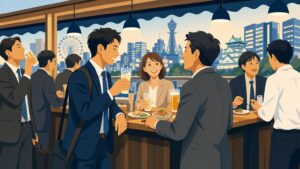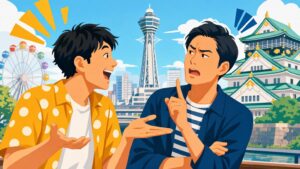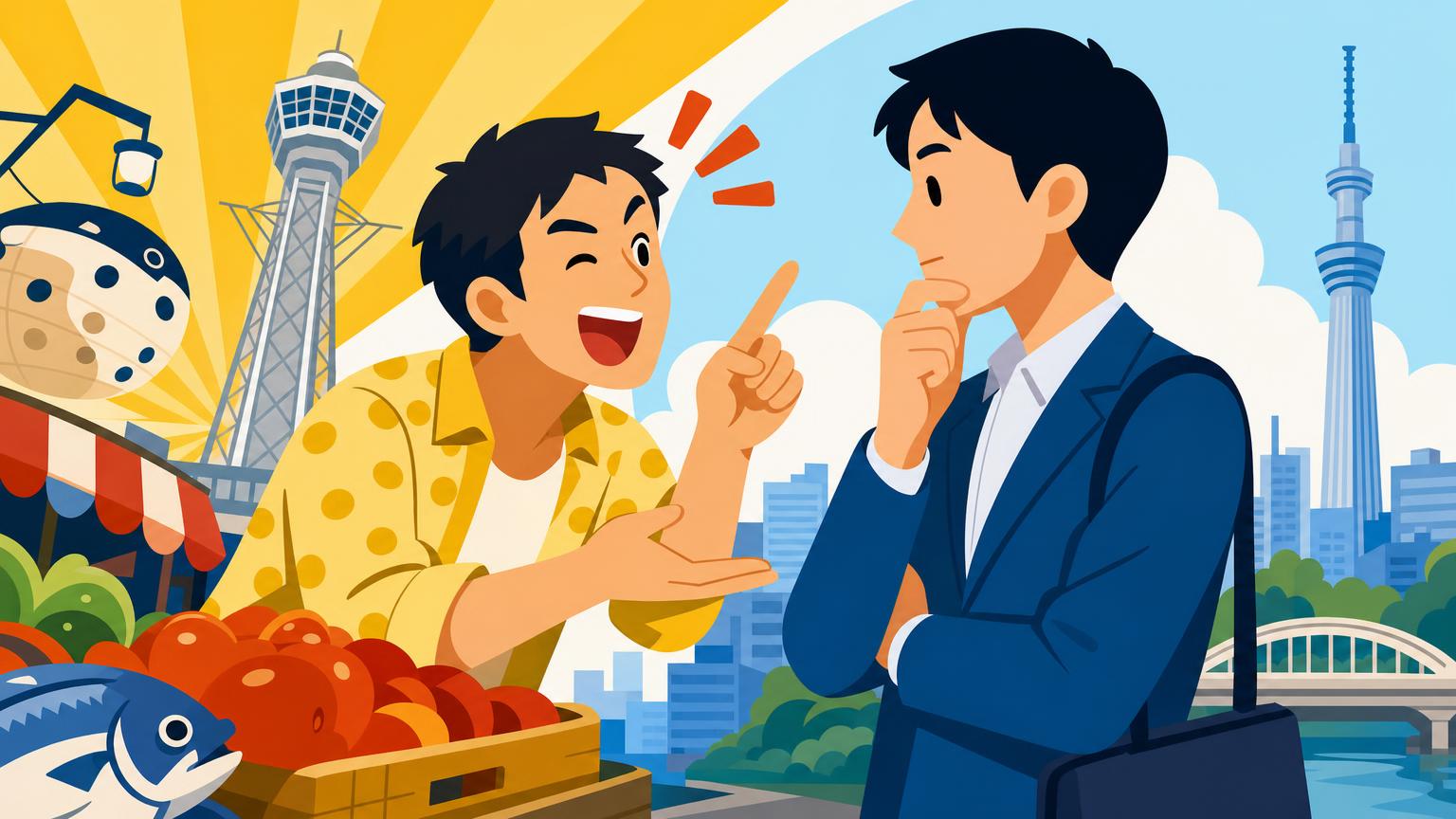
You step off the bullet train at Shin-Osaka Station, and immediately, the frequency of the world shifts around you. The muted, synchronized hum of Tokyo dissolves into the ether, replaced by a chaotic, brassy symphony of voices, clattering train gates, and unabashed laughter. Tokyo whispers. Osaka shouts. Tokyo conceals. Osaka displays. I spend my days walking these concrete arteries as a photographer, framing the hidden alleys and unpolished moments of Kansai through a lens, and nothing captures the raw essence of this city quite like the way its people handle their cash. For international residents and wide-eyed travelers fresh from the silent subways of the capital, the sheer volume of Osaka can feel overwhelming. But the most jarring culture shock usually has nothing to do with the neon lights or the fast-paced dialect. The true shock comes when money enters the conversation. In most of Japan, money is a quiet necessity, handled with polite detachment and discreet envelopes. In Osaka, money is a language, a game, a badge of honor, and the pulsing rhythm of the streets. Foreigners often freeze in panic when they witness a local aggressively negotiating the price of a winter coat or loudly asking a friend how much their new shoes cost. You worry about being rude. You worry about breaking the famous Japanese harmony. But Osaka has a different kind of harmony entirely. It is a harmony built on friction, good-natured banter, and unapologetic commerce. Understanding this financial dance is the key to understanding the very soul of the city. Before you pull out your wallet and silently pay full price out of fear, you need to learn how the local ecosystem actually functions.
Does Japan Have a Haggling Culture? The Osaka Exception
The Merchant City: Why Osaka Differs from Tokyo
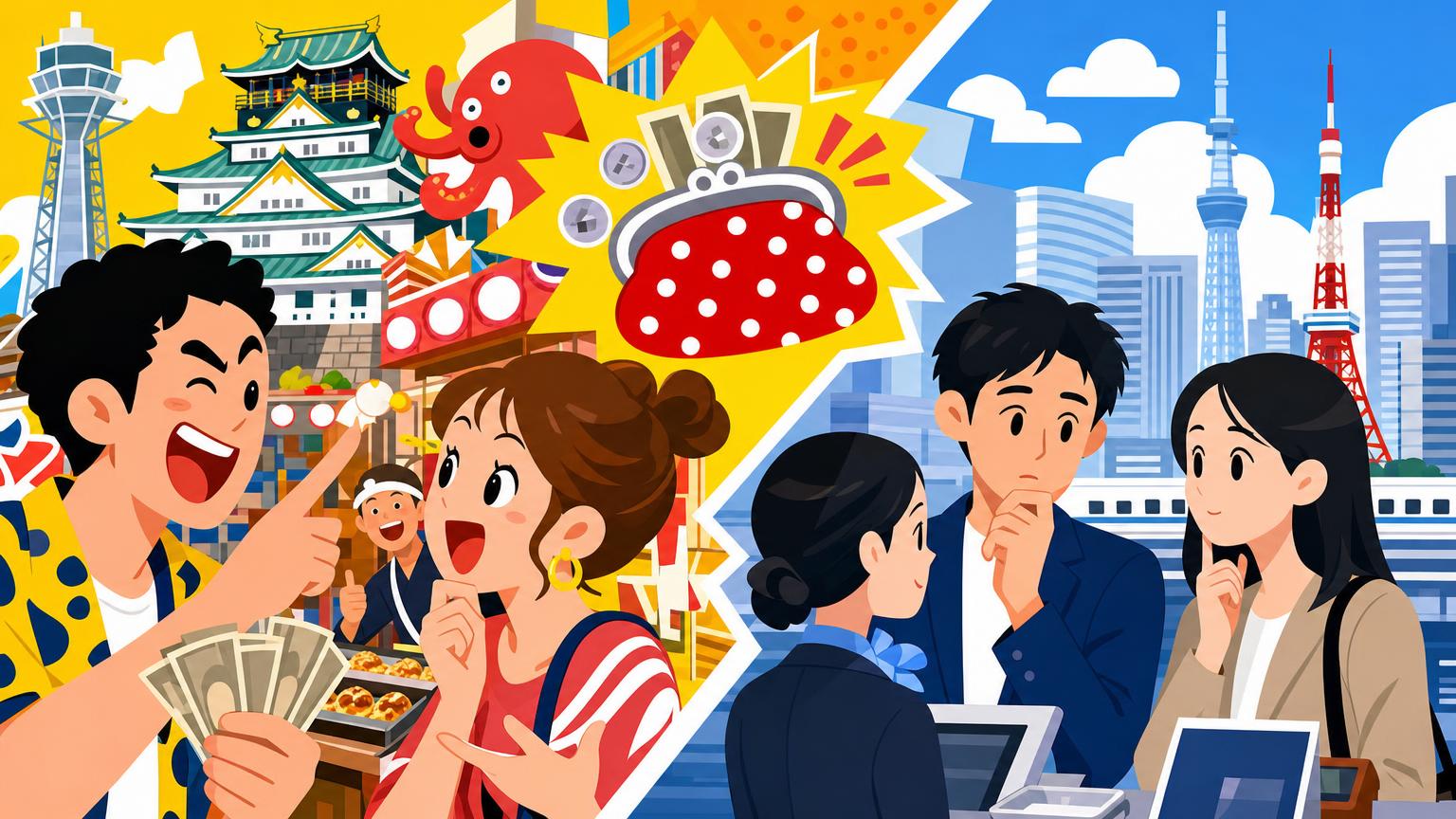
To understand why an Osaka shopkeeper will laugh with you over a discount while a Tokyo clerk will look at you in shocked confusion, you need to explore the historical DNA of both cities. Tokyo, once called Edo, was established as the ultimate samurai city. It served as the seat of the shogunate, a rigid society governed by strict hierarchies and stoic values. In the samurai mindset, money was seen as inherently unclean. Handling coins was regarded as a vulgar act, beneath the dignity of the warrior class. Commerce was viewed as a necessary evil, placed at the lowest level of the social hierarchy. This ancestral reluctance to talk about money still resonates through the pristine streets of modern Tokyo. Even now, Tokyo residents seldom inquire about your rent, and boasting about a bargain purchase is considered somewhat crude. You pay the price on the tag, bow, and walk away silently.
Osaka, on the other hand, was born from a completely different background. It was Japan’s merchant capital, the nation’s vast kitchen where rice, textiles, and goods flowed through canals like lifeblood. Unlike Tokyo, there were no dominant samurai lords setting the tone of daily life. Merchants ruled the streets. For them, money was not dirty; it represented survival, creativity, and pride. The skill to make a profit, negotiate a fair price, and nurture business relationships was the highest form of social grace. This historical momentum never disappeared. The city remains commercially vibrant. Walking through Osaka’s covered shopping arcades today is like stepping into the modern version of those old merchant hubs. People here don’t see commerce as a sterile exchange between business and customer. They see it as a human interaction. Bargaining is not an insult to the quality of the product; it’s an invitation to engage, to test each other’s wit, and to forge a brief but authentic connection. Understanding this fundamental difference is essential. When you haggle in Osaka, you’re not breaking Japanese etiquette; you’re taking part in a local tradition that predates modern times.
The “Osaka Obachan” Stereotype and Local Realities
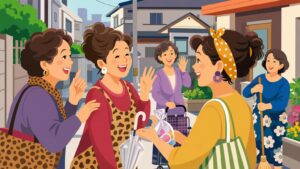
No conversation about Osaka’s money culture is complete without addressing its most famous and formidable figure: the Osaka Obachan. These middle-aged and elderly women are the undisputed queens of Kansai’s streets. You recognize them immediately. They ride bicycles outfitted with specialized umbrella holders to shield from the summer sun. They favor garments patterned with leopard prints, tiger stripes, and bold, clashing colors that defy the minimalist trends typical in Japanese fashion. And they are fiercely, proudly, and relentlessly outspoken about money. While a stylish Tokyoite might casually mention acquiring a new bag from a luxury European designer, the Osaka Obachan follows an entirely opposite status system. For her, true pride lies in the bargain.
If you compliment an Osaka Obachan on her brightly colored sweater, she will not modestly deflect the praise as is typical in Japanese etiquette. Instead, her eyes will sparkle, she will grasp the fabric, and she will loudly announce the unbelievably low price she paid. Scoring a heavy winter coat for a fraction of its original cost is a victory to be loudly shared. This attitude passes down through generations. In Osaka, getting a good deal is viewed as a sign of cleverness and resourcefulness. Locals openly discuss rent costs, grocery discounts, and utility bills with refreshing, unfiltered honesty. Foreigners often mistake this for nosiness or rudeness, but it is actually a meaningful form of social bonding. Sharing financial realities breaks down barriers. It says, we’re all in this together, so let’s celebrate the small wins of saving a few hundred yen. The Obachan is not merely a loud woman in animal print clothing; she embodies Osaka’s pragmatic, warm, and wonderfully unpretentious spirit.
Where Can You Actually Haggle in Osaka?
Green Light: Flea Markets and Local Festivals
If you want to experience the excitement of the Osaka hustle without worrying about crossing cultural lines, flea markets are your absolute green light. The undisputed champion in this arena is the sprawling market held at Shitennoji Temple on the twenty-first and twenty-second of each month. I have spent countless mornings wandering through the dusty sunlight of this temple ground, my camera slung over my shoulder, watching a masterclass in negotiation unfold. Hundreds of vendors set up shop on blue tarps, selling everything from antique ceramics and faded indigo kimonos to rusty woodworking tools and Showa-era film cameras. Here, the price tag is merely a suggestion—a starting point for a theatrical performance.
At a flea market, haggling is not just accepted; it is expected. If you pick up a beautiful, cracked teacup and immediately hand over the exact asking price, the vendor might actually look a little disappointed. You have denied them the joy of the game. The atmosphere is relaxed, casual, and deeply human. You can point to a vintage haori jacket, smile, and ask if they can do a little better on the price. They will suck air through their teeth, glance up at the temple pagoda as if seeking divine guidance, and then offer a counter-proposal. The key here is the size of your purchase. If you bundle three or four items together, your leverage increases significantly. It’s an incredibly forgiving environment for foreigners to practice their Kansai dialect and test the waters of Japanese negotiation. Local shrine festivals, or matsuri, operating small independent stalls often share this same flexible energy—especially as the night winds down and vendors want to clear out their remaining inventory.
Yellow Light: Used Goods Stores and Electronics
Stepping away from the blue tarps and into brick-and-mortar stores changes the rules slightly, placing you in the yellow light zone. You can’t walk into a pristine retail environment and demand a discount, but certain districts in Osaka still bear the old merchant spirit at the cash register. The most famous of these is Nipponbashi, affectionately known as Den Den Town. This is Kansai’s electronics and pop culture heartbeat—a labyrinth of narrow aisles packed with used cameras, vintage audio equipment, and towering stacks of retro video games.
In these specialized, independent shops, haggling is possible, but it requires finesse. You can’t expect fifty percent off a pristine, boxed camera lens. However, if you’re spending a significant amount of money or buying a camera body, two lenses, and a handful of accessories, it’s entirely appropriate to ask if they can round down the total price. Often, you can ask them to drop the tax, a common tactic that reduces the final bill by a clean percentage. The same applies to vintage clothing hubs scattered around Americamura and the deep second-hand stores of Nakazaki-cho. The clerks here tend to be young, hip, and open to conversation. If the item has a minor defect, a missing button, or a scratch on the casing, you have a natural opening to politely request a small reduction. It’s a delicate balance of reading the room. If the shopkeeper smiles and engages with your request, you proceed. If they look uneasy and gesture to the printed barcode, you smile, drop the request immediately, and pay the listed price without a hint of frustration.
The Shotengai (Shopping Arcades) Experience
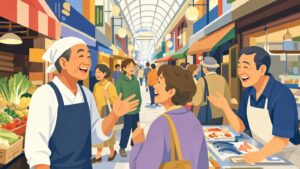
To truly feel the daily heartbeat of Osaka, you must leave the main boulevards and dive into the shotengai—the covered shopping arcades that snake through the city like vital capillaries. Tenjinbashisuji is the most famous, stretching over two kilometers, but neighborhoods like Karahori, Senbayashi, and Kujo each have sprawling, localized versions. These arcades are fiercely independent ecosystems, lined with family-owned greengrocers, specialized tea merchants, butchers, and tiny clothing stalls catering to the local elderly population.
Bargaining in a shotengai is less about ruthlessly driving down the price of a single daikon radish and more about building a localized rapport. The merchants here have been standing behind those exact counters for decades. When you buy produce or daily goods here, negotiation often takes a different form. You might not ask for a discount, but you could seek a better overall deal. You chat with the fruit vendor about the summer heat, compliment the vibrant color of the peaches, and as you hand over your yen, they might casually toss an extra apple into your bag with a wink. This is the essence of shotengai commerce—it is a relationship. If you become a regular, the prices naturally begin to soften. They might round down the loose change or point you toward the fresher cuts of meat hidden in the back fridge. For a foreigner living in Osaka, mastering the rhythm of the local arcade is the quickest path from outsider to recognized neighbor.
Where You Should Never Haggle in Japan
Department Stores, Chain Restaurants, and Boutiques
Despite Osaka’s lively and adaptable spirit, Japan remains a country deeply rooted in strict protocols, with extensive red light districts where bargaining is not only inappropriate but socially disastrous. Once you enter a large corporate establishment, the informal merchant rules of the streets disappear, replaced by the rigid, computerized reality of modern retail. In the towering department stores of Umeda, such as Hankyu, Hanshin, or Daimaru, you must never try to haggle. These bastions of luxury operate with absolutely fixed prices. The staff are highly trained hospitality professionals with no authority to change the prices displayed on their point-of-sale systems.
Trying to request a discount on a designer wallet or a box of premium gift fruits in a department store will not lead to lighthearted negotiation. Instead, it will cause complete paralysis. The clerk will freeze, unsure how to politely handle the request without violating the sacred rules of customer service. You will incite a brief panic and firmly reinforce the stereotype of the pushy, culturally insensitive tourist. This same rule applies to all chain stores, convenience stores, and franchise restaurants. You cannot haggle over the price of a rice ball at Family Mart. You cannot ask Uniqlo to knock a few hundred yen off a basic t-shirt. Bargaining is not accepted at sushi chains or major electronics retailers like Yodobashi Camera, unless you are using an official point card or a widely advertised tourist tax-free program. In these sterile, corporate settings, the price is final. Corporate policies have removed the human element of the transaction, and attempting to negotiate is like arguing with a vending machine. It’s essential to recognize where Osaka’s charming grit ends and the inflexible corporate Japan begins.
The Unspoken Etiquette of Osaka Bargaining
Treat It as a Friendly Conversation, Not a Battle
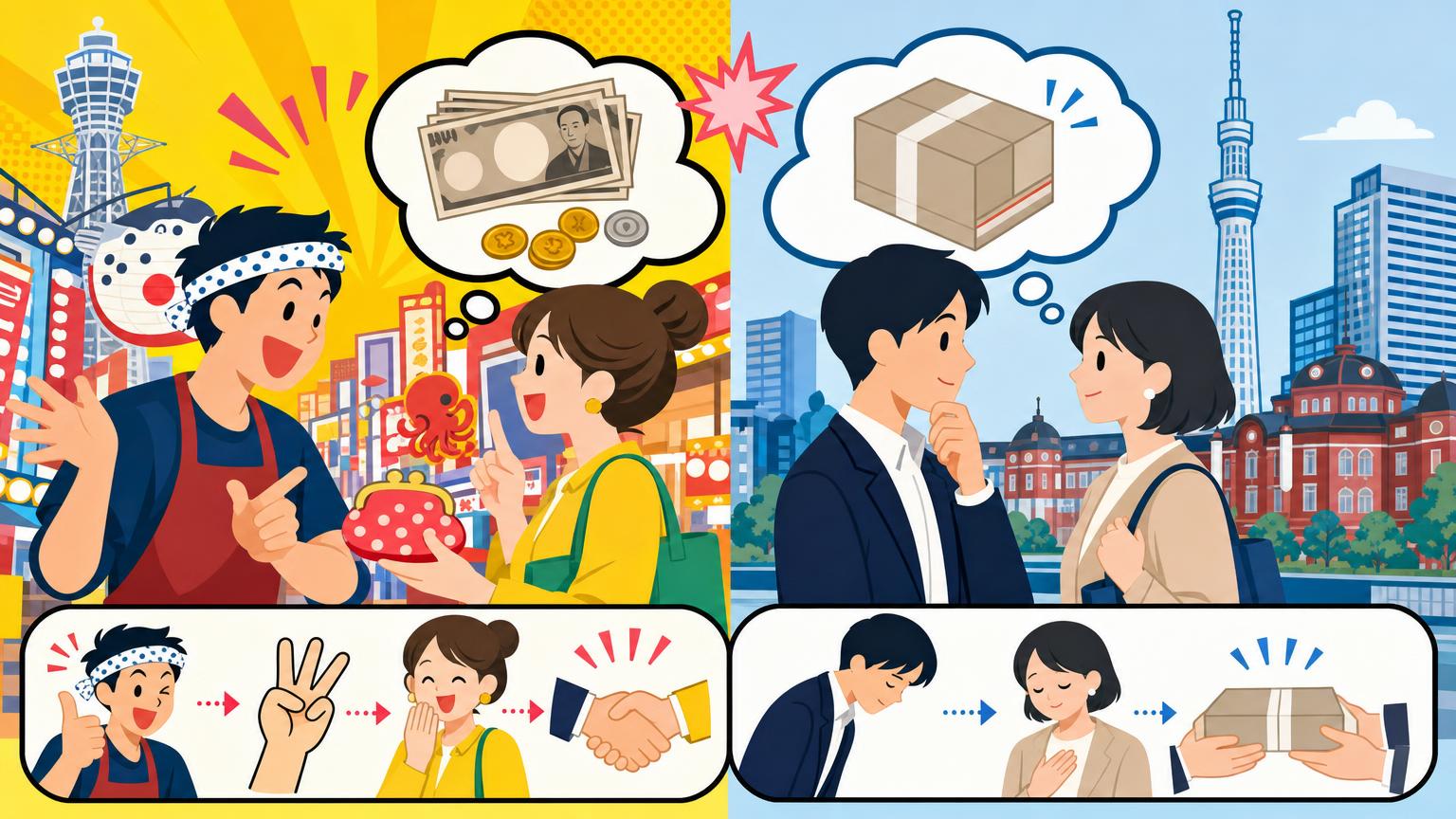
When Westerners think of haggling, they often envision a tense, aggressive confrontation. They picture slamming their hands on the table, storming off to pressure the vendor, and engaging in a battle of wills where one side wins and the other loses. However, if you bring that forceful, alpha-consumer attitude into the alleys of Osaka, you will fail immediately and alienate everyone around you. In Kansai, bargaining is not a fight. It is a dance—a collaborative performance aimed at achieving mutual satisfaction.
The golden rule of negotiating in Osaka is to always maintain a warm, respectful demeanor. Approach the vendor with a smile. Examine the goods with genuine admiration. Compliment the craftsmanship of a vintage jacket or the rarity of a film camera. By doing so, you show respect for their business. When you finally ask for a discount, do so with a twinkle in your eye and perhaps a slight, self-deprecating laugh. Present the request as a favor between new friends, not a demand from a superior buyer. Making an Osaka merchant laugh greatly increases your chances of getting a discount. Humor is the ultimate currency here. If you can crack a joke in broken Japanese or playfully plead poverty while showing your empty pockets, the shopkeeper will often lower the price simply out of appreciation for your comedic effort. The goal is to ensure that when cash changes hands, both you and the merchant are smiling.
Knowing When to Stop and Accept the Price
The most delicate skill in the art of Japanese bargaining is knowing exactly when to concede. There is a Japanese concept called reading the air—perceiving subtle, unspoken shifts in the atmosphere to grasp how those around you truly feel. This is crucial during negotiations. You make an offer, the merchant counters, and the gap narrows. But eventually, the merchant reaches their absolute minimum.
Pay close attention to their body language. If they cross their arms, tilt their head, and draw a sharp, hissing breath through their teeth, you have reached the bottom line. If their smile tightens or they apologize profusely while pointing to the price tag, the negotiation is over. Pressing further transforms you from a charming participant in local culture into a rude, demanding annoyance. When the merchant signals they can’t go any lower, you have two graceful choices: either accept the final price with a bright smile and a respectful bow, thanking them for their generosity, or politely decline, apologizing for taking their time, and gently walk away. Never show frustration or argue that the item is worth less. Accept the boundary with grace, preserving the dignity of the interaction.
Essential Kansai Dialect Phrases for Shopping
How to Ask for a Discount Naturally
To truly experience the charm of the Osaka marketplace, you need to set aside standard textbook Japanese and embrace Kansai-ben, the local dialect. Standard Japanese is elegant, precise, and highly formal, but it can come across as cold and distant amid the lively warmth of a street market. Kansai-ben, in contrast, is melodic, rhythmic, and emotionally expressive. It stretches its vowels and flows with a musical rhythm that instantly makes people feel comfortable. Using the local dialect shows the shopkeeper you respect their culture and instantly eases the awkwardness of asking for a discount.
The most essential word in your shopping toolkit is the phrase for asking the price. In standard Japanese, you would say Ikura desu ka. In Osaka, you pick up the item, catch the merchant’s eye, and simply ask, Nambo? It roughly means “how much,” but carries a casual, conversational tone that standard Japanese lacks. When it comes time to ask for a discount, you avoid the formal language of a corporate setting. Instead, you use the verb makeru, which in standard Japanese means “to lose,” but in the Kansai merchant dialect means “to lower the price.” You look at the vendor, smile warmly, and say, Makete. If you want to be a bit more polite yet stay local, you can say, Makete kuremahen ka, meaning, “won’t you lower it for me?” delivered with a gentle, pleading inflection. Often, the shopkeeper will laugh and respond with Akan, meaning “impossible” or “no good,” signaling that the negotiation has begun. It acts as a linguistic handshake that opens doors standard Japanese cannot.
The Magic of “Omake” (Asking for a Little Extra)
Sometimes, even with your best humor and perfect Kansai-ben, the shopkeeper cannot reduce the price. Perhaps profit margins are too tight, or the item is on consignment. This is when you use the ultimate face-saving tactic in Osaka shopping: the omake. Omake means a freebie, a bonus, a little something extra added to sweeten the deal.
Asking for an omake is a clever psychological strategy. It lets the merchant keep the integrity of the price, avoiding any loss of face, while letting you leave feeling like you’ve won a local victory. If the price of a vintage camera won’t budge, you smile and say, Jaa, omake shite, meaning, “then give me a little extra.” You point to a cheap, colorful camera strap hanging nearby or a spare lens cap, raising your eyebrows. In the fruit markets of the shotengai, if the strawberries are firmly priced, you ask for an omake, and the vendor will happily add an extra handful of mandarin oranges to your bag. It’s the perfect compromise. The merchant receives full price; you get a bonus item, and the exchange ends with shared laughter and a cheerful cry of Maido, the classic Osaka merchant’s way of saying thank you for your business. The simple word omake captures the essence of daily life in Kansai: commerce is not a cold, calculated transaction but a deeply human interaction, a mutual gesture of generosity, and a rhythmic dance of survival in Japan’s most vibrantly unapologetic city.