You see them tucked between apartment buildings and bustling shotengai shopping arcades. The tell-tale sign is a tall, slender chimney reaching for the sky, a relic from a time of wood-fired boilers. A curtain, or noren, hangs over the entrance, often bearing the simple hiragana character ゆ (yu), meaning hot water. This is the neighborhood sento, the public bathhouse. As a foreigner living in Osaka, your first thought might be, “Why?” My apartment has a perfectly good shower and a small but functional tub. Why would I pay a few hundred yen to go bathe with a room full of strangers? That question, right there, is the gap between seeing Osaka and understanding it. The sento isn’t just about getting clean. It’s not a budget version of a fancy hot spring resort. It’s the beating heart of the neighborhood, a living room for the community, and one of the most honest windows into the soul of this city. It’s where social barriers dissolve with the steam, and where the unvarnished, pragmatic, and deeply communal character of Osaka comes to life. Forget what you think you know about Japanese bathing from tourist guides. This is about the daily grind, the evening ritual, and the connections that hold a neighborhood together. This is where you learn how Osaka really works.
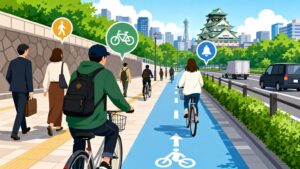
Exploring the city’s daily pulse further, understanding Osaka’s unspoken bicycle riding rules reveals yet another layer of how local traditions shape everyday life.
Beyond the Bathtub: Why the Sento Still Thrives
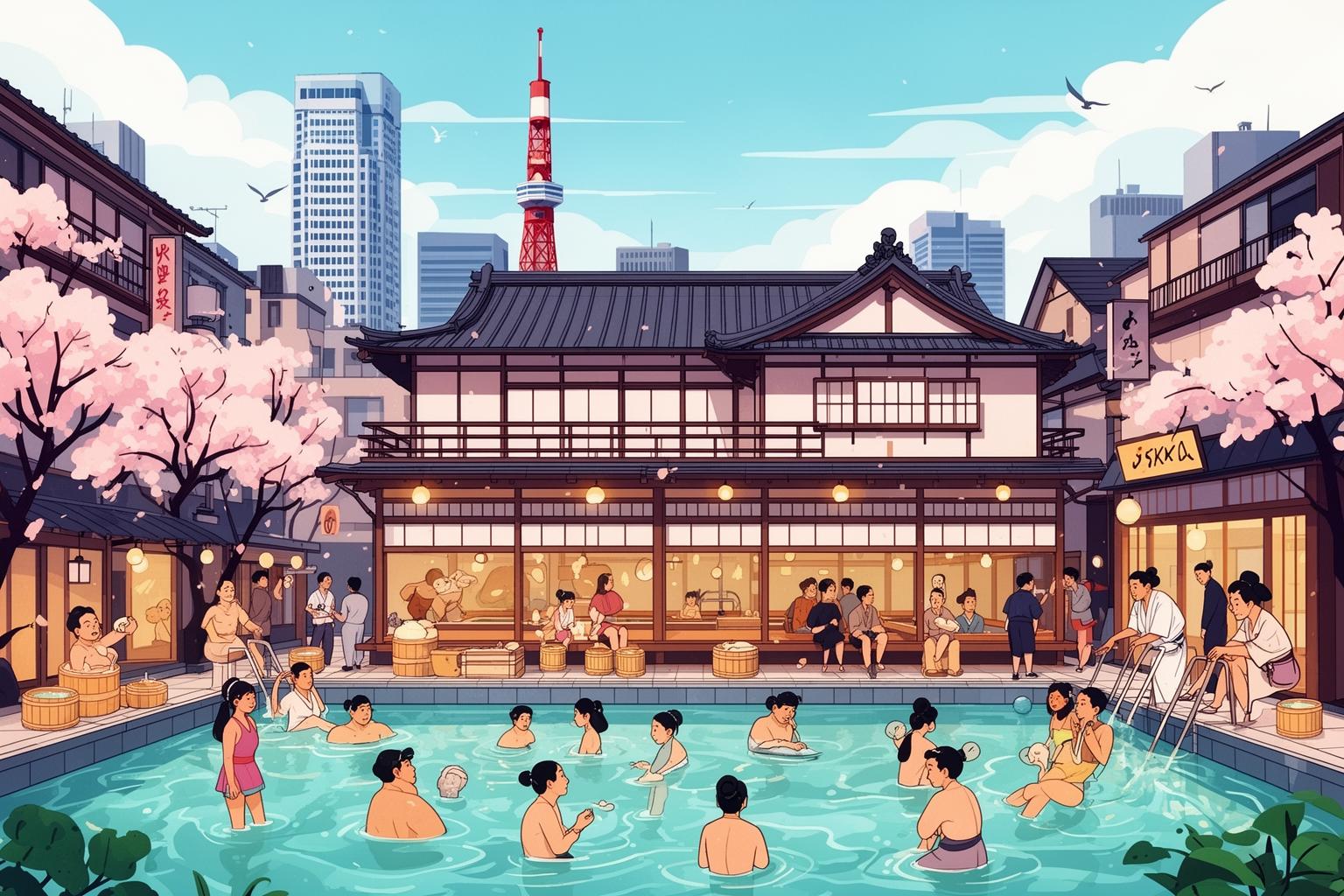
The persistence of the sento in an age of modern plumbing puzzles many newcomers. The reason lies in a blend of superior relaxation and a deeply ingrained cultural need for community. Your home bath, often a cramped unit bath, cannot compare to the vast scale and variety of a sento. We’re talking about enormous tubs where you can fully stretch out, with water heated to the perfect, muscle-melting temperature. But it’s not just about size. Sento offer a wide range of bathing experiences. There’s the jetto basu, or jet bath, featuring powerful underwater jets that massage your back and legs with a force your home showerhead could only dream of. Then there’s the infamous denki buro, the electric bath. Yes, you read that correctly. Two plates on opposite sides of a small tub pass a low-voltage current through the water, creating a tingling, buzzing sensation that supposedly soothes sore muscles. It’s a strange but uniquely Japanese experience that you either love or hate, yet it remains a staple. Many sento also include a yakuyu, a medicinal bath infused with herbs and minerals that vary by season, ranging from calming chamomile to invigorating citrus. And, of course, there’s the sauna, typically a dry sauna, followed by a plunge into a refreshingly cold water bath, the mizuburo. This cycle of hot and cold is believed to enhance circulation and serves as a ritual in its own right. This isn’t just washing; it’s a comprehensive wellness routine that costs about as much as a cup of coffee. It’s an affordable luxury, and the people of Osaka, with their keen eye for value, recognize a good deal when they see one. Yet the physical benefits are only part of the story. The other part centers on the concept of hadaka no tsukiai, or “naked communication.” It’s the idea that when you strip off your clothes, you also shed your social status, job title, and daily facades. Everyone is equal in the bath. This concept is key to why the sento is far more than just a place to wash.
The Neighborhood’s Living Room: Sento as a Social Hub
Step into an Osaka sento around 8 PM on a weekday, and you’re entering the neighborhood’s central nervous system. This is where the day’s events are shared and processed. Unlike the quiet reverence of a Kyoto temple, Osaka sento are lively, chatty, and unapologetically genuine. The regulars, known as joren-san, hold court here. You might witness a group of elderly men, flushed from the sauna, loudly debating the latest Hanshin Tigers game. Nearby, a cluster of obachan (aunties) exchange gossip about a new supermarket opening, complain about the price of daikon radish, or share remedies for stiff shoulders. Families are a common sight, with parents patiently teaching their children the rituals of washing and soaking. This is where community bonds are built and nurtured in the most natural way possible. It’s the original social network: a face-to-face forum where information flows freely. You learn who’s just had a grandchild, whose son is taking university entrance exams, and which local politician is causing trouble. It functions as a support system. The sento owner, the banto, often knows everyone by name and acts as an informal caretaker for the neighborhood’s elderly members, noticing if a regular hasn’t appeared for a few days. This contrasts sharply with the anonymity that often defines life in a megacity like Tokyo. In a Tokyo high-rise, you might not know your next-door neighbor’s name, but in an Osaka neighborhood, your sento-mates know your routine, your favorite baseball team, and how you take your post-bath coffee milk. This is the fabric of local life, woven on the loom of the sento.
The Unspoken Rules of the Tub
For foreigners, the idea of communal bathing can be intimidating. The key to a smooth experience is understanding the unspoken etiquette, all based on the principle of keeping the shared water clean and showing respect for others. Follow these rules, and you’ll be welcomed as a fellow bather, not just a curious tourist.
Rule One: Wash Before You Soak
This is the absolute, non-negotiable golden rule of Japanese bathing. Large tubs are meant for soaking and relaxing, not for washing. Before you even think about dipping a toe into the pristine hot water, you must head to the washing area. You’ll find rows of faucets, each accompanied by a small plastic stool and a bucket. Sit on the stool—washing while standing is considered rude because it can splash your neighbors—and give yourself a thorough scrub with soap and shampoo. Use your washcloth to work up a good lather and rinse off completely. Make sure no soap residue remains on your body. Only after you are squeaky clean are you ready to enter the main baths. You can perform a quick rinse called kakeyu using a bucket of bath water before getting in, which helps your body acclimate to the temperature, but this does not replace a full wash.
Rule Two: Keep Your Towel Out
You’ll notice everyone carries a small, thin towel about the size of a washcloth. This is your modesty and utility towel. You can use it to cover yourself as you walk between the washing area and the baths, and to scrub your body (though many people prefer a nylon cloth for that). Crucially, this small towel should never enter the bathwater. Doing so is considered unclean. When soaking in the tub, proper etiquette is to either place the neatly folded towel on the side of the tub or, as many regulars do, fold it and place it on top of your head. This might look unusual at first, but it serves a purpose: it prevents your sweaty head from dripping into the shared water and keeps your towel clean and dry.
Rule Three: Tattoos and Perceptions
This is a sensitive and often misunderstood topic. Historically, tattoos in Japan have been associated with the yakuza, or organized crime. Because of this, many traditional onsen and sento enforce a strict “no tattoos” policy to ensure all patrons feel safe and comfortable. Osaka tends to be more relaxed and tolerant than other parts of Japan, but this rule often still applies, especially in older, family-run establishments. The situation is gradually changing, and some newer, more modern “super sento” are tattoo-friendly. However, you cannot assume. Always check the sento’s website or look for signs at the entrance. If you have small tattoos, you might be able to cover them with a waterproof bandage or patch. The worst thing you can do is ignore the rule and enter anyway; this can create discomfort for others and put staff in an awkward position. This is not a personal judgment against you or your body art, but a deeply ingrained cultural association that is only slowly fading.
Rule Four: Mind Your Shared Space
The entire sento is a shared environment. At the washing station, be mindful of splashing. When you finish, give your stool and bucket a quick rinse and leave the area tidy for the next person. In the bath itself, enter the water slowly and gently—no jumping or splashing. Find a spot and relax. While conversation is common in Osaka sento, try to keep your voice at a considerate level. The sento is a place of relaxation for everyone. It all comes down to common sense and consideration, the same principles guiding much of daily life in Japan, but applied in this uniquely intimate setting.
A Window into Osaka’s Character
The sento is more than just a cultural curiosity; it serves as a microcosm of the Osaka mindset. It embodies three core values that shape the city’s character: pragmatism, directness, and community.
First, there’s the unwavering pragmatism. Osaka residents are well-known for their devotion to kosupa, or cost performance, seeking real value for their money. For around 500 yen, the sento provides an experience that is part spa, part health treatment, and part social club. It’s an incredibly efficient way to spend time and money—an opportunity to relax, socialize, and cleanse all at once. This practical approach is deeply rooted in the city’s merchant heritage, leaving no space for extravagance or affectation, just straightforward value.
Second, the sento reflects Osaka’s blunt, unpretentious style of communication. The culture of hadaka no tsukiai fits perfectly with a city that often avoids the intricate layers of tatemae (public facade) and honne (true feelings) typical of Tokyo interactions. In the sento, conversations are candid and sincere. People say exactly what they mean. While outsiders might see this as abrupt, in Osaka it’s appreciated as honesty and a lack of artifice. The sento is a place where this genuine communication style prevails.
Finally, and most importantly, the sento stands as a strong symbol of community over individualism. In an increasingly isolated world, the sento demands social connection. It’s a communal space that encourages sharing, consideration, and interaction. It reinforces the sense that you belong to a neighborhood, a collective. This powerful local identity is a hallmark of Osaka, where loyalty often lies more with one’s neighborhood or train line than with the city as a whole. The sento acts as the anchor for this identity, a nightly gathering spot where the community comes together to wash away the day and strengthen their bonds.
The Post-Bath Ritual: More Than Just a Drink
The sento experience doesn’t end upon leaving the water. The post-bath ritual, which takes place in the changing room or lobby (datsuijo), is equally important. After drying off, you’ll find people relaxing on benches or massage chairs, dressed simply in yukata or just underwear, fanning themselves as they cool down. Often, a television mounted on the wall is tuned permanently to a baseball game or variety show, serving as a communal focal point. This is the cool-down period, where relaxation deepens and conversations continue at a leisurely pace. Central to this ritual is one essential item: a cold drink from the vintage-style refrigerator. The perennial favorites are milk-based beverages served in classic glass bottles. There’s furutsu gyunyu (fruit milk), a sweet drink with hints of melon and banana, and its refined counterpart, kohi gyunyu (coffee milk). Opening the paper cap and gulping down the ice-cold drink after a long, hot soak is pure, unfiltered joy. For many Japanese people, it evokes nostalgia, recalling a simpler era. This shared, simple pleasure perfectly caps off the sento experience. It’s a moment of quiet satisfaction that seals the sense of well-being and community.
Final Thoughts: Don’t Just Visit, Participate
For any foreigner wanting to truly experience life in Osaka, here’s a piece of advice: find your local sento. Don’t treat it like a museum or a tourist spot to snap photos and then forget. See it as an invitation to engage with the rhythm of your neighborhood. Yes, it might feel uncomfortable at first. You might be the only non-Japanese person there. You might have difficulty catching the fast-paced Kansai-ben dialect all around you. But don’t let that discourage you. The rules are straightforward, and the rewards are profound. A polite nod, respectful adherence to the etiquette, and openness to vulnerability are all that’s required. In return, you’ll receive more than just a relaxing soak. You’ll develop a deeper appreciation for the city’s unassuming charm, its practical spirit, and its strong, lasting sense of community. You’ll come to realize that in Osaka, the deepest connections aren’t made in boardrooms or trendy cafes, but in the humble, steaming, and wonderfully human world of the neighborhood sento.