So you’ve pushed your way through the Shinsaibashi crowds, you’ve eaten takoyaki until you can’t stand, and you’ve seen the Glico Man more times than your own reflection. You’re living in Osaka, or thinking about it, and you’ve hit a wall. You’re asking the question that every resident, foreign or not, eventually asks: where do people go to actually breathe? Where is the escape hatch from the glorious, relentless, high-energy chaos of this city? The answer, my friend, isn’t a bullet train ride away. It’s not in a slick, minimalist cafe or a perfectly manicured garden that charges an entry fee. It’s sprawling, a little messy, and absolutely essential to the city’s soul. It’s the Yodogawa, the Yodo River. A trip to the riverbank on a sunny weekend is more than just a picnic; it’s a crash course in the Osaka psyche. It’s where the city’s unwritten social rules play out in real-time, revealing a culture built on pragmatism, spontaneity, and a unique brand of communal living that often gets lost in translation. Forget your travel guides for a day. Let’s talk about how to really unwind, Osaka-style, and what a simple stretch of grass and water tells you about the heart of this metropolis.
Discover another facet of Osaka by exploring a local countryside foodie trip that reveals how residents embrace rural charm amidst the urban heartbeat of the city.
The Osaka Mindset: Spontaneity Over Schedules
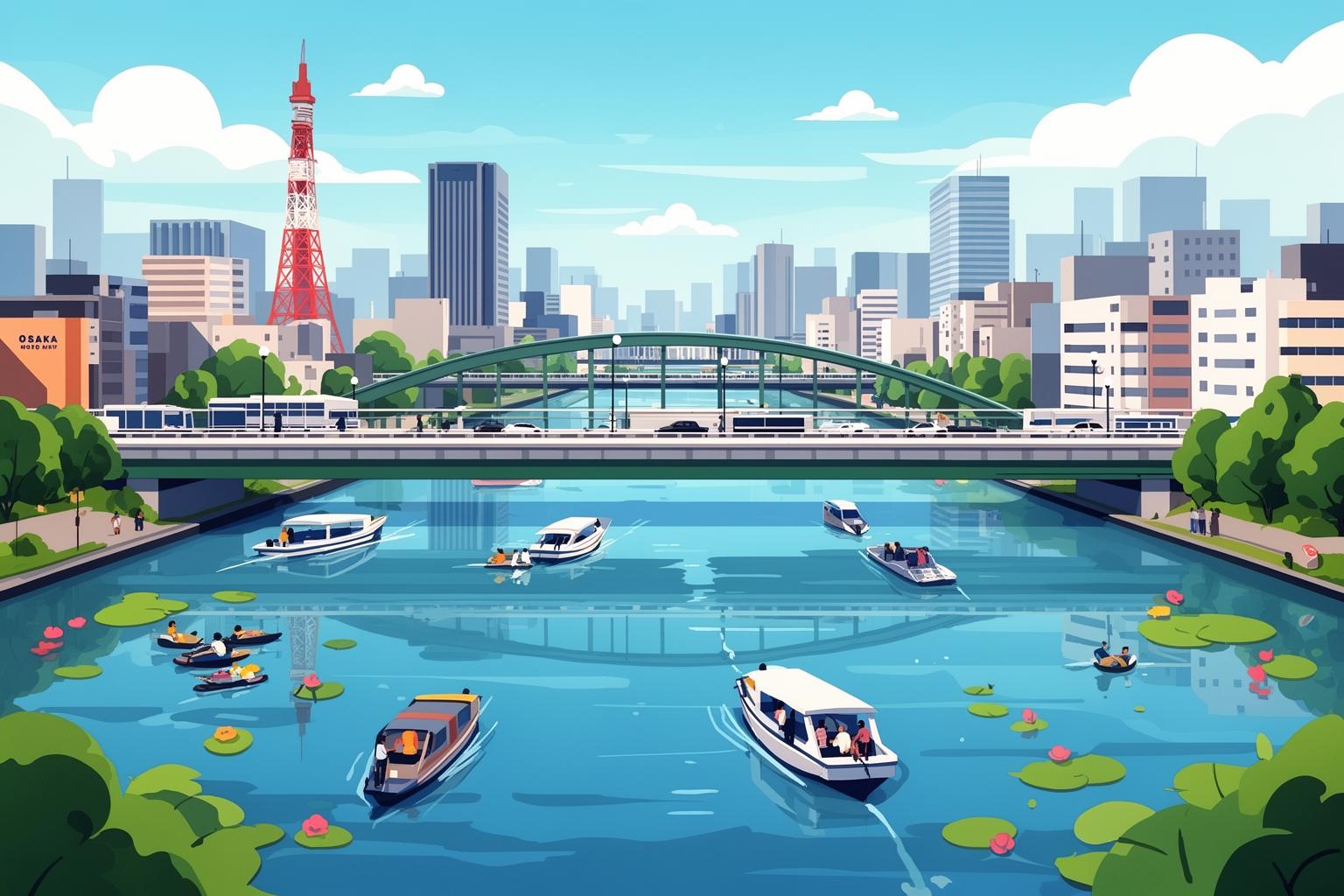
Before you even consider packing a bag, it’s important to grasp the fundamental difference in planning between Osaka and, say, Tokyo. In Tokyo, a weekend outing often feels like a strategic operation. Plans are made weeks ahead, reservations are secured, and train schedules carefully coordinated. It’s about optimizing the experience for maximum efficiency and aesthetic payoff. The approach in Osaka, however, is, to say the least, different. The plan for a Yodo River trip often forms spontaneously on Saturday morning, triggered by a glance outside. The conversation typically goes: “Tenki ee na. Yodogawa, iko ka?” which means, “The weather’s nice. Shall we go to the river?” That’s the entire planning phase. This isn’t laziness; it reflects a deep cultural preference for flexibility and living in the moment. Committing to plans a month ahead feels unnecessarily restrictive here because you can’t predict the weather or your mood. This mindset influences much of life in Osaka. It’s a city that moves to a more fluid, adaptable rhythm. People care less about having the perfect plan and more about simply having a good time. This often confuses foreigners, especially those from highly structured cultures or other parts of Japan. They interpret it as a lack of foresight, but for Osakans, it represents ultimate freedom. The charm of the Yodo River lies in its accessibility and lack of pretense. No reservation is needed to sit on the grass, nor a ticket to watch the sunset. This low barrier to entry encourages spontaneity. The only plan is to go. Everything else—where to sit, what to eat, how long to stay—is decided upon arrival. It’s an exercise in collective improvisation and a direct reflection of a city that values human connection and simple pleasures over rigid, Instagram-worthy itineraries.
Gearing Up, the Kansai Way: Practicality Trumps Pretense
Once the spontaneous decision is made, the preparation begins. Here again, the Osaka spirit shines through in what people choose to bring. It’s a masterclass in cost-performance, or `kosupa` as it’s known locally. The aim is maximum enjoyment at a reasonable price, and there’s a certain pride in achieving this. Forget gourmet picnic baskets filled with artisanal cheese and organic wine—that’s not the vibe. The Yodo River kit focuses on functional, no-frills brilliance.
The Holy Trinity: Blue Tarp, Cooler Box, and Supermarket Gold
The absolute, non-negotiable foundation of any Yodo River outing is the `buru-shiito`, the humble blue plastic tarp. It’s the instant living room, the universal symbol of outdoor leisure in Japan, and nowhere is it more cherished than in Osaka. It’s inexpensive, waterproof, durable, and marks your territory along the sprawling riverbank. Next is the cooler box—not a trendy, high-end brand, but likely a well-worn, scuffed container that’s accompanied countless weekends. What fills it? A visit to local supermarkets like ‘Life,’ ‘Mandai,’ or the legendary ‘Super Tamade’ is the first stop. The goal is to stock up on cans of Asahi Super Dry or Kirin Lager, Strong Zero chuhai, bottles of green tea, and snacks. Value is key. People hunt for deals, grabbing family-size packs of senbei rice crackers and potato chips. If a barbecue is planned, which often happens, they’ll pick up pre-marinated packs of `karubi` and `harami` beef, sausages, and pre-cut vegetables. This isn’t about gourmet cooking; it’s about the shared joy of grilling and enjoying together. There’s a deeply rooted `ken’yaku`, or frugality, in the Osaka mindset. Often mistaken for stinginess, it’s actually about being smart. It’s a game. Why spend 1,500 yen on a fancy sandwich when you can buy a loaf of bread, some ham, and a pack of cheese for half the price and feed three people? This logic is applied to the river trip with expert precision. The satisfaction comes not just from relaxing but from knowing you did it cleverly and affordably.
Transportation as Part of the Experience
Getting to the river is woven seamlessly into the city’s infrastructure. The major private railway lines—Hankyu, Keihan, and Hanshin—all intersect the Yodo River, with stations conveniently located along its banks. The trip isn’t an epic journey; it’s a quick 15-minute train ride. You’ll see families carrying blue tarps and coolers, university students with portable speakers, and couples with foldable chairs, all boarding the train as if it were a daily commute. This blend of nature and urban life is a defining feature of Osaka. The river isn’t a destination requiring a major trip; it’s an extension of the neighborhood, just a few stops away. This accessibility is vital to the spontaneous culture. Were it difficult or costly to reach, the whole dynamic would shift. It would become a ‘special occasion’ spot. But because it’s easy, it remains a casual, go-to choice for anyone in need of open space. The rhythmic clatter of the train crossing one of the iconic red or blue bridges over the Yodo signals the city’s transition from work to play, from concrete confinement to open-sky freedom. It’s a brief but profound mental shift and a weekly ritual for thousands.
The Unspoken Rules of the Riverbank
Once you arrive, spread out your blue tarp and crack open your first drink, you instantly become part of a temporary, lively community. Here, you can witness the subtle—and sometimes not-so-subtle—social codes of Osaka unfolding naturally. Foreigners often hold the stereotype of Japan as a quiet, strictly polite society. A Sunday afternoon by the Yodo River quickly dispels that notion, and understanding why is essential to grasping Osaka’s character.
Sound and Space: The Communal Volume Dial
One of the first things that stands out is the noise. It’s not aggressive or confrontational; it’s the sound of life. Groups of friends laugh loudly. A small Bluetooth speaker plays pop music just loud enough for its group to enjoy. Children shout and chase one another. A university sports club runs drills, with a coach shouting encouragement. In a Tokyo park, this level of noise might draw stern, silent glares. In Osaka, it’s simply the background soundtrack. There’s an unspoken understanding that public spaces are for people to use, not just to observe quietly from afar. The social contract isn’t about strict silence; it’s about mutual tolerance for a certain cheerful chaos. As long as you’re not deliberately obnoxious, a little noise is part of the experience. This challenges the foreigner’s notion of Japanese public behavior. The stereotype of quiet conformity doesn’t hold up here. Osaka culture values `genki`—energy and liveliness. A quiet, subdued gathering might even be seen as somewhat sad. The noise signifies that people are enjoying themselves, a shared goal. It’s a communal space where you share your sounds and tolerate those of others. This marks a fundamental difference in how public life is approached. It’s less about individual silent contemplation and more about a bustling, overlapping community experience.
The Art of the Casual BBQ: Smoke, Sausages, and Socializing
The designated barbecue areas serve as the heart of this social dynamic. They are a smoky, lively, organized chaos. The air is thick with the aroma of grilled meat. Various groups—families with toddlers, student circles, company colleagues on a day off—set up their portable grills just feet apart. What’s fascinating is how these groups interact, or don’t. While people tend to stick to their own circles, the close quarters foster a shared atmosphere. A stray frisbee from a child might land on your tarp, and the parent’s ensuing apology becomes a brief, friendly conversation. If neighbors struggle to light their grill, it’s common for someone from another group to offer help. Here, the cliché that “Osaka people are friendly” takes on real meaning. It’s not superficial customer-service politeness; it’s practical, situational friendliness. It’s an active, involved kindness born from a shared environment. You might even receive a spare sausage or a piece of grilled corn from the family next door. This is not a grand gesture, but a small act of community—a recognition that everyone is out here together, sharing the same experience. Still, there are rules. The most important is cleaning up. By day’s end, every group will be seen meticulously bagging their trash. Designated coal disposal bins are always used. The freedom to be loud and have fun comes with the strict responsibility of leaving the space as it was found. Osaka’s directness also shows here. If someone breaks a rule, like starting a fire outside the permitted zone, they’re likely to get a straightforward, blunt “Akan de!” (“Hey, you can’t do that!”) from a nearby uncle rather than a passive-aggressive look. This directness may surprise foreigners, but locally it is viewed as efficient and honest communication.
What the River Scenery Really Tells You
As you sit on your tarp and take in the view, you might notice something: it’s not perfect. It’s not postcard-perfect. And that, in itself, reveals something profound about the city’s character. This perspective helps explain why Osaka feels so distinct from other Japanese cities that place greater emphasis on curated beauty.
Embracing the “Imperfect” View
The Yodo River is expansive. The sky feels vast after being surrounded by the tall buildings of Umeda and Namba. Yet the horizon isn’t an uninterrupted line of pristine nature. You’ll notice the elevated Hanshin Expressway, with a steady flow of cars and trucks. You’ll see the towering apartment blocks of the city. You’ll hear and see the trains of the JR, Hankyu, and Keihan lines rumbling across massive steel bridges every few minutes. In the distance, you might even spot the smokestacks of a factory. For many cultures, and for many other Japanese cities, this would be considered a spoiled view. The aim would be to conceal the urban and industrial elements, crafting a perfect, manicured illusion of nature. Osaka doesn’t bother with that. The city’s pragmatism extends to its aesthetics. The beauty of the Yodo River, for a local, isn’t in its untouched purity. Its beauty lies in its function. It’s a vast, open, green space where you can run, play, cook, and relax. The fact that it exists alongside the city’s vital infrastructure isn’t a flaw; it’s a feature. It’s a testament to the city’s ability to blend life, work, and nature into a cohesive, functional whole. There’s an honesty to it. The river is the city’s lifeblood, both literally and figuratively, and the view reflects that reality. This acceptance of imperfection—the gritty reality mixed with natural beauty—is at the core of Osaka’s identity. It’s a city that doesn’t put on airs. It simply is, and it finds its charm in that authenticity.
A Living, Breathing Space
Look more closely at the activity around you. It’s not just people picnicking. On a dusty field, a high school baseball team runs drills, their shouts echoing across the grass. Further down, a group of older men line up with long fishing poles, patiently waiting for a catch. A young couple tries to teach their Shiba Inu to catch a frisbee. A cyclist in full gear zips by on the dedicated path, followed by a family on mismatched bicycles wobbling along happily. The riverbank isn’t a static park designed for passive viewing. It’s a dynamic stage for the simple, beautiful moments of everyday life. It’s where the city comes to practice hobbies, train teams, walk dogs, and clear heads. When you spend a day here, you’re not a tourist observing a spectacle. You’re temporarily part of the city’s living ecosystem. You feel the same sun and the same breeze as thousands of others who see this place not as a tourist spot, but as an essential part of their lives. It’s this shared, lived-in quality that makes it so special. It’s an uncurated glimpse into the city’s weekend soul, far removed from the polished tourist districts.
Why This Isn’t Just a Day Out—It’s an Insight into Osaka
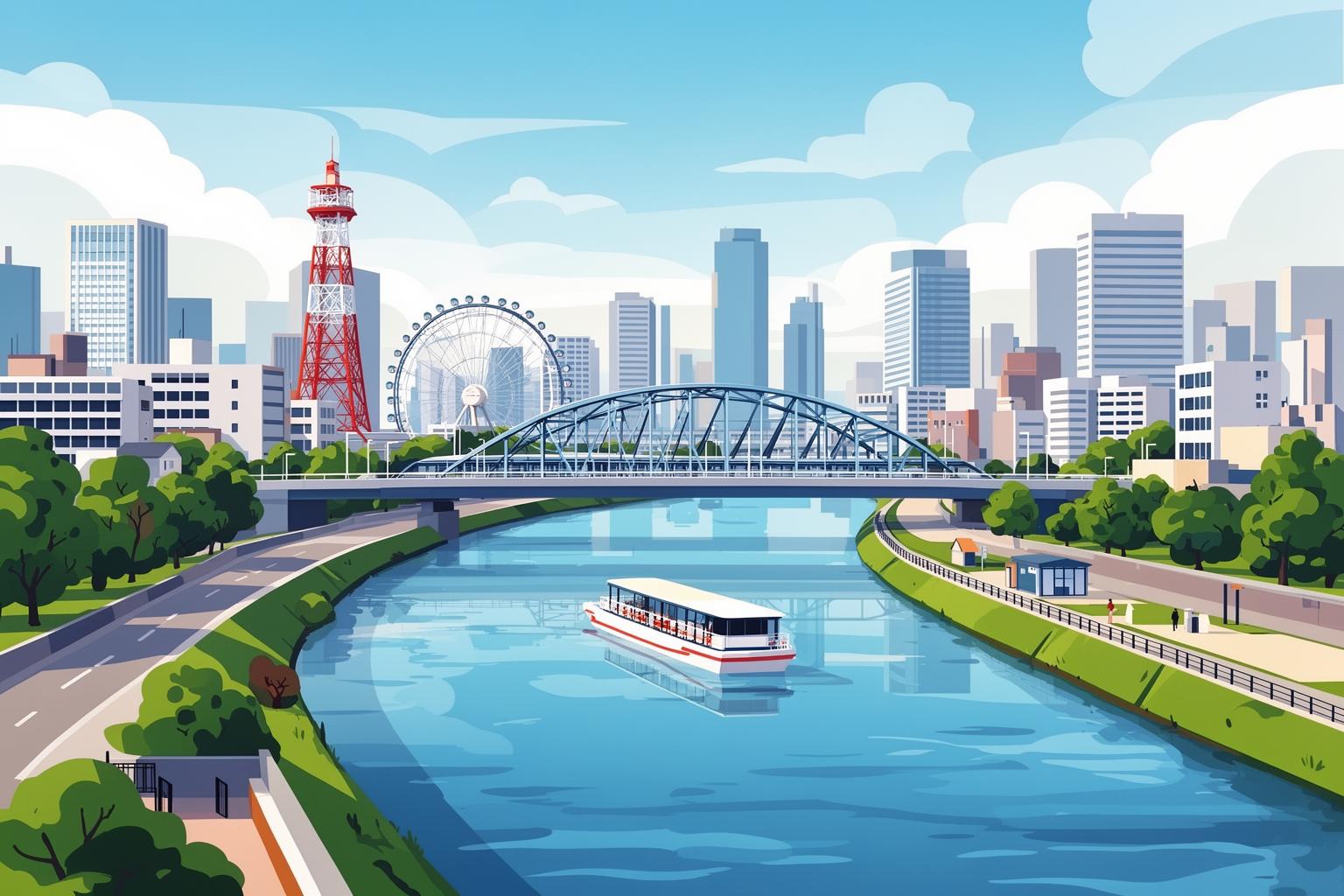
A weekend afternoon spent by the Yodo River might seem ordinary, but it offers one of the most insightful cultural experiences in Osaka. It reveals the city’s character in a way that visiting a castle or a famous restaurant never can. The spontaneous, last-minute planning reflects a culture that values flexibility and living in the moment over strict efficiency. The practical, value-oriented way of packing food and supplies demonstrates a deep-rooted pragmatism and a smart, rather than cheap, approach to life. The acceptance of a lively, communal noise level and the active, situational friendliness present a different style of public social interaction—one less about quiet respect and more about shared energy. The unpretentious embrace of the ‘imperfect’ industrial surroundings shows a city comfortable with itself, prioritizing function and authenticity over a polished, ideal image. These are not just quirks observed at a picnic; they are fundamental principles shaping daily life, business dealings, and personal relationships in Osaka. This explains why the city can feel liberating to some foreigners and overwhelming to others. It follows a logic that doesn’t always match the typical Japanese stereotype. So, if you truly want to understand what living in Osaka feels like—to grasp its unique rhythm and mindset—your task is simple. Wait for a sunny Saturday. Don’t make a detailed plan. Just decide to go. Stop by the supermarket, pick up a blue tarp, some drinks, and snacks. Hop on the train. Find a spot of grass by the Yodo River, and simply exist for a few hours. Observe, listen, and soak it in. You’ll discover more about the soul of this city than any dozen guidebooks ever could.