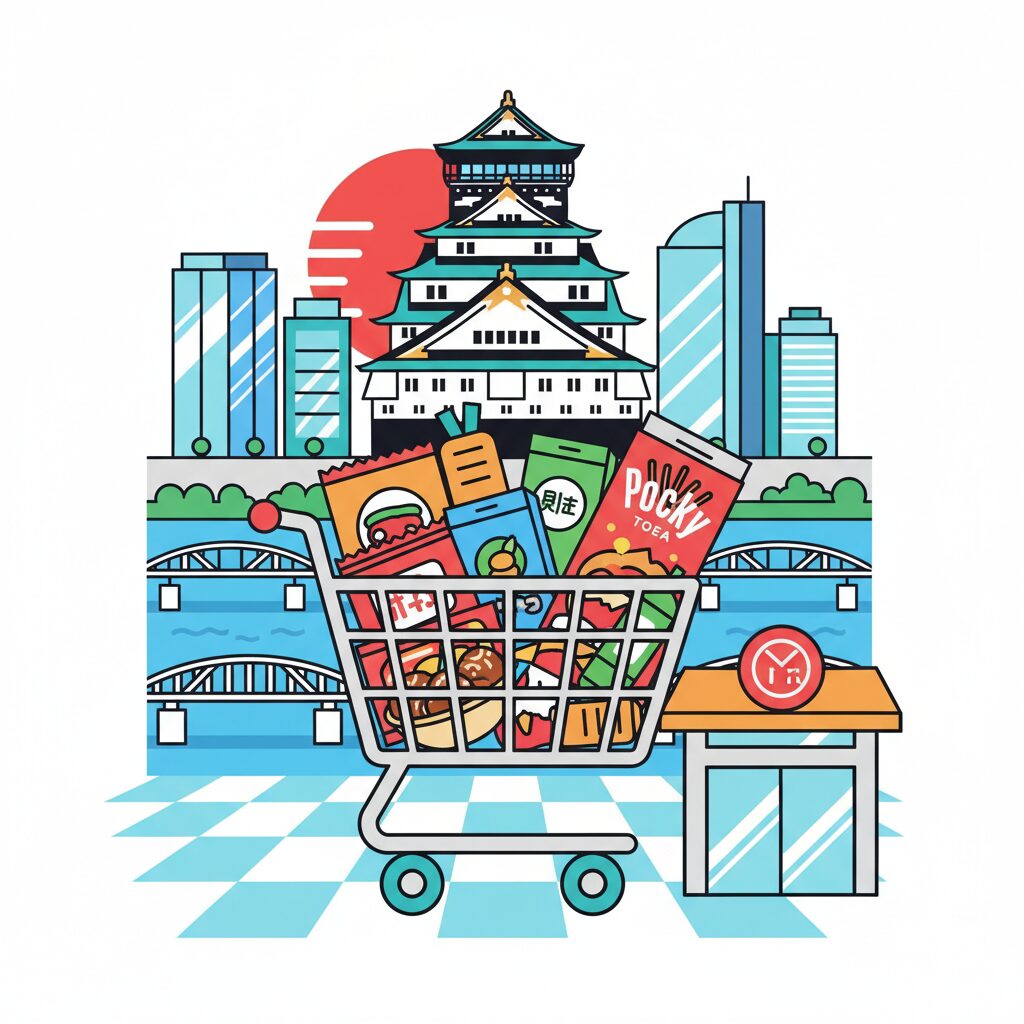
The first time you walk into a proper Osaka supermarket, it’s a sensory overload. Not the chaotic, romantic kind you might find in a bustling Southeast Asian market, but a uniquely Japanese, intensely organized assault on the senses. The fluorescent lights hum with a purpose you can’t quite decipher. The upbeat, relentlessly cheerful store jingles burrow into your brain. Aisles are packed with products whose labels are a beautiful, incomprehensible tapestry of kanji. You came in for milk and bread, but now you’re paralyzed in front of twenty different types of tofu, each with a subtly different shade of beige. This isn’t just about a language barrier; it’s a culture shock compressed into a single, brightly lit building. You might think a supermarket is a supermarket, a universal constant in the urban world. But in Osaka, it’s a classroom, a battleground for bargains, and a direct window into the city’s pragmatic, food-obsessed soul. Forget the guidebooks for a moment. If you really want to understand how Osaka ticks, how its people think, and what they truly value, you need to learn how to shop here. This is your guide to decoding the aisles, mastering the checkout ballet, and discovering the local delights that make Osaka’s food culture one of the most vibrant in the world. It’s about to get real, practical, and delicious.
After exploring the vibrant, sensory-rich aisles of Osaka’s supermarkets, you may find it refreshing to unwind at a perfect Osaka kissaten for your remote workday that reflects the city’s unique blend of tradition and modern hustle.
The Lay of the Land: Decoding the Osaka Supermarket Hierarchy
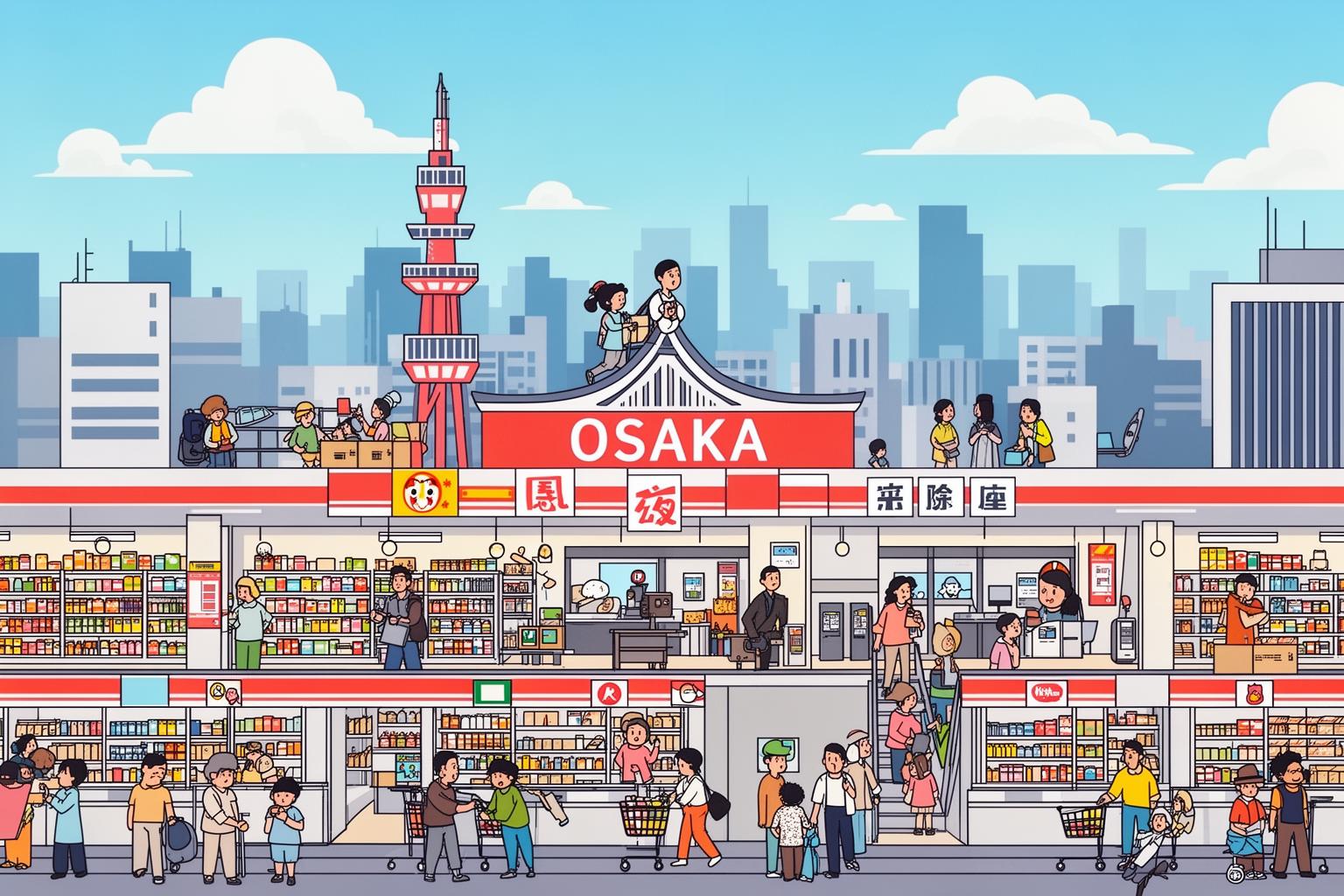
Not all supermarkets are the same, and in Osaka, a unique hierarchy determines where you shop for specific items. Your choice of store reflects your priorities for the day: Are you searching for bargains? Planning an elaborate dinner party? Or simply doing your routine weekly shopping? Unlike Tokyo, where brand prestige often holds more sway, Osaka’s supermarket scene is highly competitive, fueled by a strong emphasis on good value, or `kosupa` (cost performance). This attitude influences the entire market, from huge, no-frills warehouses to the elegant food halls in department store basements. Understanding this ranking is the key to shopping smarter, not harder, and syncing with the local lifestyle. It offers a range of options for every budget and craving, mirroring a city that loves to eat well but hates to waste a single yen.
The Everyday Giants: Life, Gyomu, Mandai, and Kohyo
These supermarkets are the backbone of Osaka’s grocery world, where most people complete their daily and weekly shopping. They are dependable, widespread, and provide a genuine glimpse into everyday life. Each has its unique character, and you’ll likely find your favorite depending on your neighborhood and shopping preferences.
Life (ライフ)
If Osaka supermarkets were a family, Life would be the dependable older sibling. It’s versatile, balancing price, quality, and variety comfortably. Nearly everything you need can be found here, from fresh produce and meats to household goods and a decent beer and sake selection. Many large Life stores feature an in-store bakery, perfuming the air with the tempting scent of freshly baked bread, or `yakitate pan`. Their private label brand, “SMILE LIFE,” delivers solid quality at a budget-friendly price, appealing strongly to practical Osaka shoppers. The atmosphere is clean, well-organized, and generally calm, making it an excellent choice for newcomers overwhelmed by more chaotic options. It’s the reliable standard, a safe bet for a pleasant and efficient shopping experience.
Gyomu Super (業務スーパー)
Gyomu Super is a haven for budget shoppers and bulk buyers. The name means “Business Supermarket,” and while it caters to restaurants, it’s accessible to everyone, drawing large crowds. Stepping into a Gyomu Super is distinctive. The aisles are wide, ceilings high, and products often displayed straight in the cardboard boxes they arrived in. This no-frills setting is intentional. Savings are passed directly to customers. This store exemplifies Osaka’s obsession with value. Why buy a small pack of frozen gyoza when you can get a kilogram bag at a much lower price per piece? Its frozen food section is legendary, offering everything from Brazilian chicken to Belgian waffles. It’s also a surprisingly rich source of international foods. For affordable cheese, pasta, canned tomatoes, or spices from around the world, Gyomu is often the best and cheapest choice. Students, large families, and bargain hunters embrace shopping here as a strategic move.
Mandai (万代)
Mandai is quintessential Osaka. Many locals grew up hearing its catchy TV jingle, and walking inside feels like visiting a neighborhood staple. Mandai fiercely competes on price, particularly for fresh produce and meats. The atmosphere is livelier and more bustling than Life. Handwritten signs showcase the day’s specials, and the staff’s calls of `Irasshaimase!` come across as louder and more heartfelt. It’s a community hub where local `obachan` (aunties) expertly navigate the aisles, hunting for the best deals. Mandai embodies a city proud of its local roots and its ability to serve its people without pretense. It’s genuine, lively, and a place to experience the true heartbeat of the neighborhood.
Kohyo (コーヨー) and the Aeon Family
Often located inside or near train stations, Kohyo is part of the vast Aeon group, one of Japan’s largest retail conglomerates. This connection gives it a slightly more corporate and polished feel. While still competitive, the focus here is on convenience. They offer an excellent range of `sozai` (prepared dishes), `bento` boxes, and salads, making them popular stops for commuters. You’ll also find a wide array of products from Aeon’s private brand, TopValu, known for its broad variety and dependable quality. Shopping at Kohyo or other Aeon stores feels somewhat more standardized and less uniquely Osakan compared to Mandai, but their convenience and consistency are undeniable advantages in a fast-moving city.
The Bougie Brigade: Ikari, Seijo Ishii, and Department Store Basements (Depachika)
Sometimes you want more than just basics. For special occasions, for sourcing imported ingredients you miss from home, or just to indulge, Osaka offers an upscale tier of grocery stores. These places emphasize quality, curation, and experience over bargain prices, showcasing another dimension of the city’s deep passion for fine food.
Ikari Supermarket (いかりスーパー)
Ikari is the undisputed top-tier supermarket in the Kansai region. Originating in the affluent Ashiya area, it caters to clients with refined tastes and deeper pockets. Walking into Ikari is a serene experience; the lighting is softer, aisles are spacious, and products beautifully displayed. Here you find premium domestic beef cuts, a wide selection of imported cheeses and charcuterie, artisanal breads, and a carefully curated wine cellar. Ikari’s private label products, from hot cakes to salad dressings, enjoy a devoted following. For most, shopping at Ikari is an occasional treat, highlighting that although Osaka loves bargains, it also cherishes high-quality ingredients and luxury items.
Seijo Ishii (成城石井)
If Ikari is a luxurious living room, Seijo Ishii is a stylish, modern boutique. These smaller stores, often in prime locations like the major train stations of Umeda and Namba, specialize in sourcing unique, high-quality foods from Japan and abroad. It’s a foodie’s treasure trove. You’ll find gourmet peanut butter, rare craft beers, premium retort curries, and preservative-free sausages, among other items. Seijo Ishii is ideal for picking up special treats on your way home or finding unique gifts for dinner parties. It’s less about a full shopping list and more about discovery and indulgence.
Depachika (デパ地下)
The basement floor of a Japanese department store is a magical place, and Osaka’s `depachika`—in Hankyu, Hanshin, Daimaru, or Takashimaya—rank among the best nationwide. It’s not a typical supermarket but a dazzling, expansive food emporium. The `depachika` is a feast for the eyes before satisfying the stomach. You’ll find rows of immaculate `bento` boxes, world-renowned chocolatiers, traditional Japanese sweet shops (`wagashi-ya`), upscale fruit vendors where a single melon can cost a fortune, and a vast array of gourmet `sozai`. The atmosphere is electric, especially in the evening as shoppers hurry for dinner. While not suited for weekly grocery runs, it’s a must-experience slice of Osaka. It celebrates the city’s love of food as art—a tribute to craftsmanship, presentation, and exquisite taste.
Cracking the Code: Products You’ll Only Find (or Find More of) in Osaka
Osaka’s identity is deeply intertwined with its cuisine. The city is affectionately known as `Tenka no Daidokoro`, or “The Nation’s Kitchen,” a nickname earned centuries ago as Japan’s central hub for the rice trade. This culinary pride is prominently displayed in its supermarkets, where certain aisles reveal stories about the city’s distinctive tastes and traditions. Here, you’ll find products that are either exclusive to the region or hold a special significance rarely seen in Tokyo. This is where you move beyond generic Japanese fare and begin eating like a true Osakan.
The Konamon Kingdom: Flour Power
Osaka thrives on `konamon`, a beloved term for affordable and joyful flour-based dishes. This is more than just a food category; it’s a cultural cornerstone. The holy trinity of `konamon` includes `okonomiyaki` (savory pancake), `takoyaki` (octopus balls), and `udon` (thick wheat noodles). While these can be purchased on nearly every street corner, for many Osaka families, preparing them at home is a treasured ritual, with supermarkets playing a crucial role as suppliers for these culinary traditions.
Okonomiyaki and Takoyaki Kits
Enter any Osaka supermarket, and you’ll discover an entire section devoted to the craft of `konamon`. This surpasses the selection found in typical Tokyo stores by a wide margin. Multiple brands of specialized `okonomiyaki` flour are offered, often enhanced with `dashi` powder for added flavor. Nearby, you’ll find `takoyaki` flour, specially formulated to produce a crispy outer shell and a gooey, molten interior. The sauce aisle is a world unto itself, boasting an impressive array of sweet and savory `okonomiyaki` sauces, tangy `takoyaki` sauces, and rich `tonkatsu` sauces from local makers. Naturally, no `konamon` setup is complete without essential toppings: bags of delicate `katsuobushi` (bonito flakes) that dance with heat, `aonori` (green seaweed powder), and jars of vibrant red `beni shoga` (pickled ginger). The prominence of these kits highlights that `konamon` is not merely restaurant fare but the heart of home cooking and social occasions in Osaka.
Udon Noodles
Though `udon` is enjoyed throughout Japan, Osaka’s passion for these thick, chewy noodles is especially profound. The city’s culinary culture is founded on a delicate, umami-rich `dashi` broth, and `udon` serves as the perfect medium to showcase it. Supermarkets reflect this devotion with an impressive variety of `udon` options. You can find pre-cooked `udon` in vacuum-sealed packs for convenience, fresh `udon` in refrigerated sections for superior texture, and frozen `sanuki udon`, prized by connoisseurs for its firm, chewy bite (`koshi`). The extensive shelf space dedicated to `udon` and its accompanying soup stocks clearly demonstrates its status as a beloved comfort food in the Kansai region.
Dashi Delights: The Soul of Osaka’s Flavor
The most crucial flavor in Osaka cuisine is `dashi`, a simple broth that serves as the base for countless dishes. However, not all `dashi` is alike. Regional variations are a point of pride for Osakans. Kanto-style `dashi` from Tokyo features a strong, assertive flavor, using dark soy sauce and a heavy hand with `katsuobushi`. Kansai-style `dashi`, on the other hand, is more refined and delicate, emphasizing high-quality `kombu` (kelp) from Hokkaido, which produces a lighter-colored broth with a deep, complex umami flavor. It’s about subtlety and showcasing the natural taste of the ingredients.
This preference is evident in the supermarket aisles, which offer a vast selection of `kombu`, from premium `Rishiri` to versatile `Hidaka`. Shelves also stock various `katsuobushi`, `niboshi` (dried infant sardines), and `ago` (flying fish) for those who make `dashi` from scratch. For those pressed for time, numerous `dashi` packs—similar to tea bags filled with powdered ingredients—and liquid `dashi` concentrates are available. Look for items labeled with `usukuchi shoyu` (light-colored soy sauce), the preferred seasoning in Kansai cooking that adds saltiness without overpowering the delicate color and flavor of the `dashi`.
Sauce Section Showdown: Aisle of Wonders
If you thought the sauce aisle in your home country was complex, prepare to be amazed by Osaka’s. Osakans believe that every dish has its perfect sauce, and using the wrong one is considered a culinary misstep. The sheer variety can be overwhelming yet fascinating. Beyond the sauces linked to `konamon`, you’ll find an impressive selection of `ponzu`, a citrus-based soy sauce that is a Kansai staple. It’s commonly used as a dip for `shabu-shabu`, grilled fish, and `gyoza`. There are dozens of varieties, some infused with `yuzu`, others with `sudachi` or `daidai` citrus fruits. Local sauce manufacturers, whose products might not be found elsewhere in Japan, also feature prominently. This dedication to condiments reflects a food culture that values nuance deeply. Sauces are not merely an afterthought but an essential component that completes each dish, and the supermarket is a grand repository of these vital flavors.
The Unspoken Rules: Navigating the Aisles Like a Pro

Shopping in an Osaka supermarket is more than simply selecting items from the shelves. There’s a subtle choreography involved—a set of unspoken rules and rhythms that keep everything running smoothly. Learning this etiquette will not only make your shopping trips more efficient but also help you feel less like a bewildered outsider and more like an experienced local. It’s about grasping a system built on efficiency, consideration for others, and, naturally, the shared pursuit of a good deal. These are the things nobody tells you, but everyone expects you to understand.
The Shopping Cart and Basket Ballet
At first glance, shopping carts seem familiar. But look closely, and you’ll spot a system. Most carts are two-tiered. Your shopping basket (`kago`) is placed on the top rack, while heavier or bulkier items like soy sauce bottles, rice bags, or beer cartons go on the bottom rack. This arrangement prevents delicate items like bread and tofu from being crushed and streamlines the checkout process.
The real performance starts at the register. You’ll set your basket on the counter, and the cashier will greet you with a swift, polite `Irasshaimase`. Here’s the key point: the cashier scans your items and puts them into a different basket—they do not bag your groceries. After scanning and payment, you are expected to take the scanned basket to a separate bagging area, usually a short distance from the registers. This system maximizes efficiency. While you bag your groceries, the cashier is already assisting the next customer. It keeps the line moving—something the pragmatic people of Osaka deeply appreciate. Don’t be the person who waits for the cashier to bag your items; that disrupts the entire flow. Also, remember to bring your own reusable eco-bag (`my baggu`). Most stores charge a small fee (typically 3 to 5 yen) for plastic bags. Though the fee is minimal, using your own bag is viewed as both environmentally responsible and economically smart—qualities highly valued in this city.
Time is Money: Understanding Peak Hours and Discounts
Timing is crucial in an Osaka supermarket. The store’s rhythm shifts significantly throughout the day. Early mornings, or `asa-ichi`, are when the freshest produce and fish are displayed. This time is popular with dedicated home cooks and the elderly, and it can get surprisingly busy. Midday tends to be quieter, providing a more relaxed shopping atmosphere.
But the real excitement happens in the evening. This is when the discount sticker magic begins. From late afternoon onward, increasing towards closing time, staff start marking down perishable items. You’ll see them going through the `sozai` (prepared foods), sashimi, sushi, and bakery sections with a sticker gun, applying `wari-biki` (discount) stickers. The ultimate prize is the `hangaku` (半額) sticker, indicating a 50% discount. This nightly event turns the supermarket into a stage for polite yet intense competition. Shoppers, affectionately called “hangaku hunters,” circle the aisles, eyes fixed on the staff wielding the sticker gun, waiting for the perfect moment to grab a discounted bento or a tray of premium tuna. It’s a fascinating ritual that perfectly embodies the Osaka mindset: a love of delicious food combined with an unrelenting passion for a great deal. Taking part in the evening discount rush is a rite of passage for any foreign resident.
Product Etiquette: Handle with Care
Japanese supermarkets operate on a high-trust model. Produce is generally of excellent quality, and it’s expected that customers treat it with respect. While it’s acceptable to pick up a piece of fruit to inspect it, avoid excessive squeezing or handling. Damaging produce is a serious faux pas. Trust the visual cues; if it looks good, it probably is.
Finally, be ready for the question at checkout: `Pointo kaado wa omochi desu ka?` (“Do you have a point card?”). Almost every supermarket chain offers a loyalty card program. Though points may accumulate slowly, they’re an integral part of the shopping culture. Signing up is usually free and simple, and it’s another small way to engage in the local obsession with getting the best value for your money. It shows you’re committed for the long term, just like everyone else.
Beyond the Basics: Finding International and Specialty Items
As much as you’ll come to appreciate Japanese cuisine, there will inevitably be moments when you yearn for a taste of home. Whether it’s a particular brand of pasta sauce, a familiar variety of cheese, or an essential spice for your favorite dish, tracking down international ingredients can sometimes feel like a treasure hunt. Fortunately, Osaka’s reputation as an international city means these treasures are available if you know where to search. While your average neighborhood supermarket may have a small international section, a few key stores specialize in delivering global flavors straight to your kitchen.
Where to Find Your “Taste of Home”
Your first stop on this journey should be a familiar one: Gyomu Super. Beyond its bulk frozen items, Gyomu is an underrated destination for imported goods. Its shelves are often stocked with affordable European cheeses, large jars of pickles and olives, authentic Thai coconut milk, and a wide variety of spices and sauces from around the world. Thanks to direct imports, their prices are usually much lower than other stores, staying true to their value-driven mission.
For a more curated and boutique experience, Kaldi Coffee Farm and Jupiter are your best bets. These stores are like treasure troves for anyone craving international flavors. You’ll generally find them in shopping arcades or larger malls. Kaldi, known for its free coffee samples at the entrance, offers narrow, winding aisles packed with everything from American pancake mix and Mexican tortillas to Italian wines and French mustards. Jupiter provides a similar atmosphere, with a strong focus on coffee beans, teas, and an excellent selection of imported snacks and cooking essentials. These shops are invaluable when you just can’t find that one specific item anywhere else.
Don’t overlook specialty neighborhoods either. For an amazing selection of authentic Korean ingredients—from homemade kimchi to every variety of gochujang and doenjang imaginable—a visit to Tsuruhashi Koreatown is essential. The markets there are lively and filled with sights and scents that instantly transport you to Seoul. Likewise, areas with large expatriate populations often house small grocery stores catering to their unique needs, whether that’s South Asian spices or Latin American products.
Decoding Labels: A Mini-Glossary for Survival
Shopping in a supermarket becomes much easier once you can recognize a few key characters on packaging. This isn’t about fluency but practical survival. Here are some of the most important terms to watch for:
- 消費期限 (shouhi kigen): This is the “use-by” or “consume-by” date. It appears on highly perishable goods like raw meat, fresh bento boxes, and sandwiches. Take this date very seriously; do not eat items past their `shouhi kigen`.
- 賞味期限 (shoumi kigen): This is the “best-before” date. You’ll find it on items with a longer shelf life, such as snacks, canned goods, and drinks. It indicates optimal quality, not safety. Products are usually fine to consume for some time after this date.
- 国産 (kokusan): Meaning “domestically produced” or “made in Japan,” you’ll often see this label on vegetables, meat, and rice. It’s generally regarded as a mark of high quality and safety.
- 輸入 (yunyuu): This means “imported,” often found on products like wine, cheese, and non-native fruits.
- 割引 (waribiki): The general term for “discount,” signaling a price reduction.
- 半額 (hangaku): The holy grail of discounts, meaning “half price” or 50% off. Spotting this sticker can brighten your day.
- お買い得 (okaidoku): Translates to “a good buy” or “bargain,” frequently used on signs to highlight special promotional deals.
The Osaka Supermarket Mindset: It’s More Than Just Groceries
By now, you’ve realized that a supermarket in Osaka is much more than just a place to buy food. It serves as a microcosm of the city’s culture, reflecting the core values and personality of its inhabitants. To understand the supermarket is to understand Osaka itself. It offers a lesson in practicality, community, and the deep, unifying joy found in a great meal. The behaviors you observe in the aisles aren’t random; they express a deeply rooted local character that distinguishes Osaka from the rest of Japan.
Value over Veneer
The key principle behind the Osaka supermarket experience is an unwavering commitment to value. This isn’t about being cheap; it’s about being smart. An Osaka shopper may admire the exquisite quality of a gift melon from a `depachika`, yet for their own dinner, they seek the best product at the most reasonable price. The widespread popularity of no-frills chains like Gyomu Super and the city’s enthusiasm for the evening `hangaku` discount hunt perfectly illustrate this approach. It’s a practical, unsentimental way of consuming. Why pay extra for fancy packaging or a hyped-up brand when a less flashy yet equally delicious option is available for less? This mindset is about being `kashikoi`, or clever, with your money—a point of pride and a game to win every time you shop.
Food is Fuel and Fun
In Osaka, food takes center stage. It’s the reason people gather, the heart of celebrations, and the ultimate comfort. Supermarkets act as the behind-the-scenes workshops for this daily show. The prominent displays of `takoyaki` and `okonomiyaki` kits aren’t just for tourists; they cater to the countless `takopa` (takoyaki parties) and family meals happening every week. The extensive selection of `nabe` (hot pot) ingredients in winter highlights a culture of communal dining. The supermarket supplies the building blocks for the city’s social fabric, fostering joy and togetherness—one daikon radish and pack of pork belly at a time.
A Different Kind of Friendliness
People often say that “Osaka people are friendly,” but a visit to a supermarket reveals what that really means. It’s not the polished, formal politeness you might find in an upscale Tokyo store. Osaka friendliness is more grounded, direct, and genuine. It’s the cashier who comments on your purchase with a smile, or the fellow shopper who unabashedly points out a better mushroom deal. It’s the shared, unspoken camaraderie in the `sozai` section while everyone waits for discount stickers. There’s no pretense—just a sense that everyone is in it together. This is a city that doesn’t fuss over formalities. It’s where a stranger might offer cooking tips in the tofu aisle—not because they’re paid to, but simply because they believe their method is better and want to share it. This is the true Osaka: practical, a bit loud, and always centered on a love of good food and a good bargain.