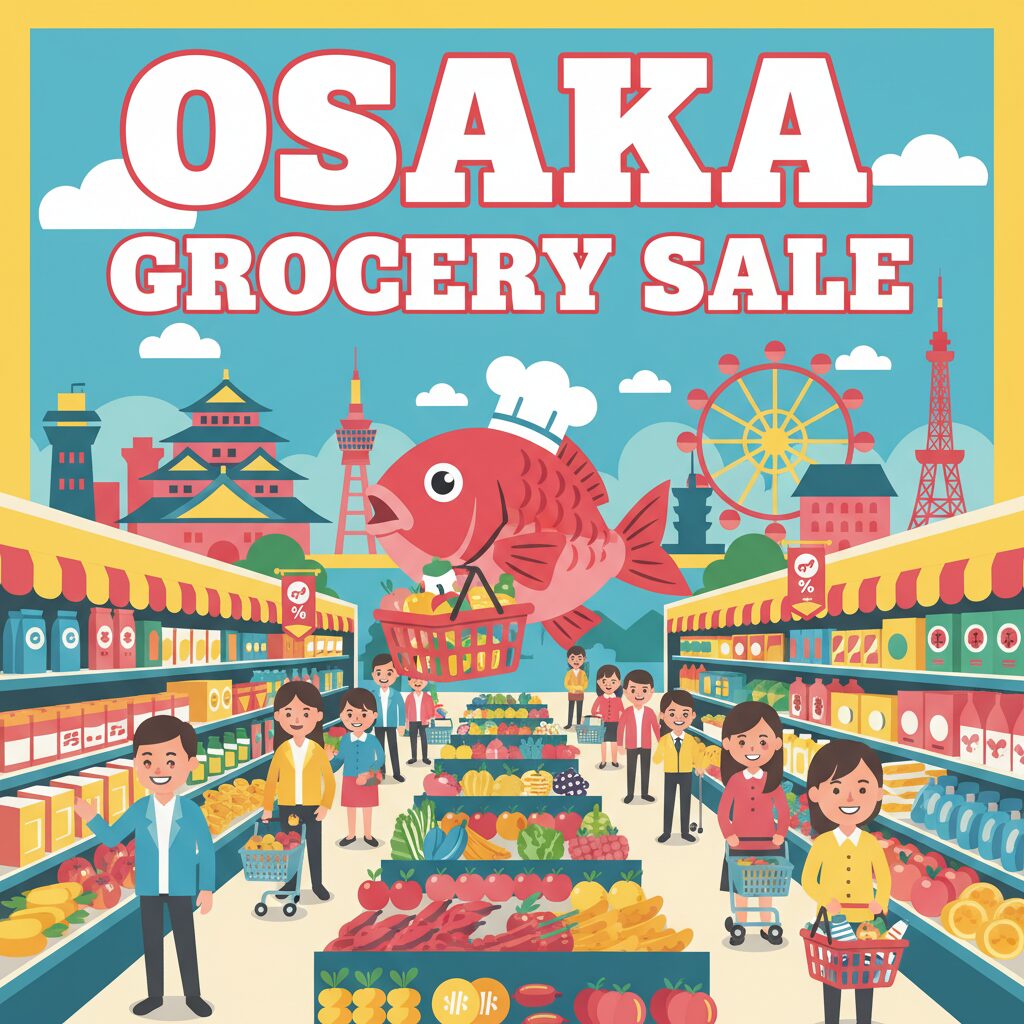
Welcome to Osaka. You’ve settled into your apartment, you’ve figured out the train lines, and now it’s time for a rite of passage for every new resident: the first trip to the grocery store. You might be expecting the serene, perfectly curated aisles of a Tokyo supermarket. You will not find that here. Instead, you’ll turn a corner in a quiet residential neighborhood and be visually assaulted by a building that looks like a pachinko parlor had a baby with a Las Vegas casino. Blinking neon lights, a riot of primary colors, and a giant, garish sign screaming its name: スーパー玉出 (Super Tamade). Your first thought might be, “What is this place?” Your second thought, upon seeing the hand-scrawled signs advertising items for a single yen, will be, “Is this for real?” The answer to both is simple: This isn’t just a grocery store. This is Osaka, distilled into its purest, most pragmatic, and wonderfully chaotic form.
For anyone trying to understand the pulse of this city, to get beneath the surface of takoyaki stands and tourist slogans, a trip to Super Tamade is more enlightening than a visit to any castle or shrine. It’s a place that terrifies Tokyoites and delights Osakans, a temple of thriftiness that reveals the city’s core philosophy: a deep, abiding love for a good deal, an unapologetic disregard for appearances, and a fierce pride in being clever with your cash. Forget what you think you know about Japanese politeness and subtlety. We’re about to dive into the neon-lit, bargain-hunting heart of Osaka. And trust me, your wallet will thank you for it.
Amid the neon chaos and bargain hunts, delving into Osaka’s friendly reputation reveals even more about the city’s vibrant, multifaceted charm.
What in the World is Super Tamade? The Neon Jungle of Groceries

Let’s begin with the visuals, because they demand attention. Super Tamade’s exterior boldly rejects Japanese minimalism. It’s loud, gaudy, and a sensory overload designed to catch your eye from three blocks away. Flashing LED strips frame the building, neon signs glow in electric blue and fiery red, and the signature bright yellow color scheme dominates. It feels less like a place to pick up milk and eggs and more like an all-night amusement arcade. This isn’t accidental; it’s a clear statement. It shouts, “We are not elegant. We are not sophisticated. We are cheap, and we’re proud of it.”
Step inside, and the chaotic aesthetic continues. The aisles are narrow, often crowded with boxes and displays seemingly arranged with a “wherever it fits” mindset. The lighting is harsh, unflattering fluorescent. The signs are handwritten with thick black markers on neon-colored paper, loudly advertising prices and deals with exclamation points. You’ll find piles of snacks, stacks of instant noodles, and bins overflowing with produce. It feels alive, bustling, and somewhat overwhelming. There’s a constant soundtrack of J-pop, clattering carts, and shoppers focused on their mission.
This experience is worlds apart from the typical Tokyo supermarket. In Tokyo, especially in affluent areas, grocery stores resemble galleries. Fruits are individually wrapped and displayed like jewels. The lighting is soft, the aisles spacious, and there’s a sense of calm, curated order. Presentation is everything. In Osaka, particularly at Tamade, the presentation is the price tag. The beauty lies not in perfectly stacked apples but in the sign proclaiming they’re half the price of anywhere else. This highlights a fundamental cultural difference. Tokyo often values aesthetic perfection and brand prestige. Osaka, by contrast, worships kosupa—cost performance. It’s about getting the best value for your money, regardless of whether the store looks like a circus tent.
The Art of the 1-Yen Sale: More Than Just a Gimmick
Now, let’s dive into the legend itself: the 1-yen sale. Yes, you can actually purchase items for just one yen. This is the ultimate prize for bargain hunters and the driving force behind the Tamade experience. But it’s not a free-for-all. There are rules to this game, and understanding them is essential to mastering the art of shopping here.
Typically, the 1-yen items serve as loss leaders, meant to draw you into the store. To qualify for one of these amazing deals—whether it’s a carton of eggs, a block of tofu, a bag of bean sprouts, or a can of coffee—you usually need to spend a minimum amount on other groceries, often 1,000 yen. The deals change daily and are advertised on flyers and signs at the store’s entrance. This system transforms a simple grocery run into a strategic mission. You don’t just stroll through the aisles; you calculate. You plan. You see shoppers wearing determined expressions, mentally adding up their purchases to reach that magic number.
This practice perfectly exemplifies a core Osaka characteristic that is frequently misunderstood. People here are sometimes labeled as kechi, often translated as “stingy” or “cheap.” But that’s a crude and inaccurate interpretation. A better term is shikkarishiteru, meaning sensible, smart with money, or shrewd. It’s not about hoarding money; it’s about refusing to overpay. Osakans take genuine pride in their ability to live well without wasting money. Paying full price for something you could get cheaper elsewhere isn’t a sign of wealth; it’s a sign you weren’t paying attention. The 1-yen sale celebrates this mindset. It’s a game between the store and the shopper, and winning by snagging a dozen eggs for a single coin brings real satisfaction.
I’ll never forget watching an elderly woman, an obachan, carefully arranging her basket. She had her staples but was also holding a small packet of pickles. She placed it in, took it out, did some mental calculations, and then finally put it back with a firm nod. She had perfectly engineered her purchase to exceed 1,000 yen, thereby earning her prize: a 1-yen pack of udon noodles. This wasn’t an act of desperation; it was an act of skill. In Tokyo, you might impress someone with a designer handbag. In Osaka, you impress them by sharing how you scored your dinner for next to nothing.
A Symphony of Savings: Beyond the 1-Yen Wonders
While the 1-yen sale takes center stage, the whole store feels like a bargain festival. For many residents, especially those living alone or working long hours, the true treasure lies in the prepared foods section, known as sozai. Throughout the day, Tamade offers an extensive variety of bento boxes, fried items (agemono such as croquettes and tempura), sushi rolls, and salads at prices already remarkably low. However, the real excitement begins in the evening.
As closing time nears, the staff starts their nightly ritual: the discount sticker blitz. Items that are already inexpensive receive 20%, 30%, and eventually 50% off stickers. This generates a lively buzz in the store. You’ll find students, salarymen heading home from work, and families all hovering around the sozai section like hawks, waiting for the perfect moment to pounce. It’s a careful balance of timing and patience. Arrive too early, and the discount is small. Wait too long, and the best items are gone. Scoring a generous katsu-don bento for 150 yen feels like a triumph.
This culture of deep discounting significantly impacts daily life. It’s part of what makes Osaka an affordable city to live in, even for those on a tight budget. It enables people to enjoy varied, satisfying meals without cooking every night. It’s a lifeline. You quickly come to accept that the quality isn’t comparable to that of a high-end department store. The produce might have minor cosmetic imperfections. The cuts of meat might be unusual. But everything is perfectly edible and practical. This pragmatism is quintessentially Osaka. The question is not “Is this the most beautiful, perfect piece of tuna?” but “Does this taste good and is the price right?” If the answer is yes to both, it’s a win. The obsession with flawless aesthetics, so common in other parts of Japan, takes a backseat to the straightforward logic of a good deal.
The Tamade Shopper: A Cross-Section of Osaka Life
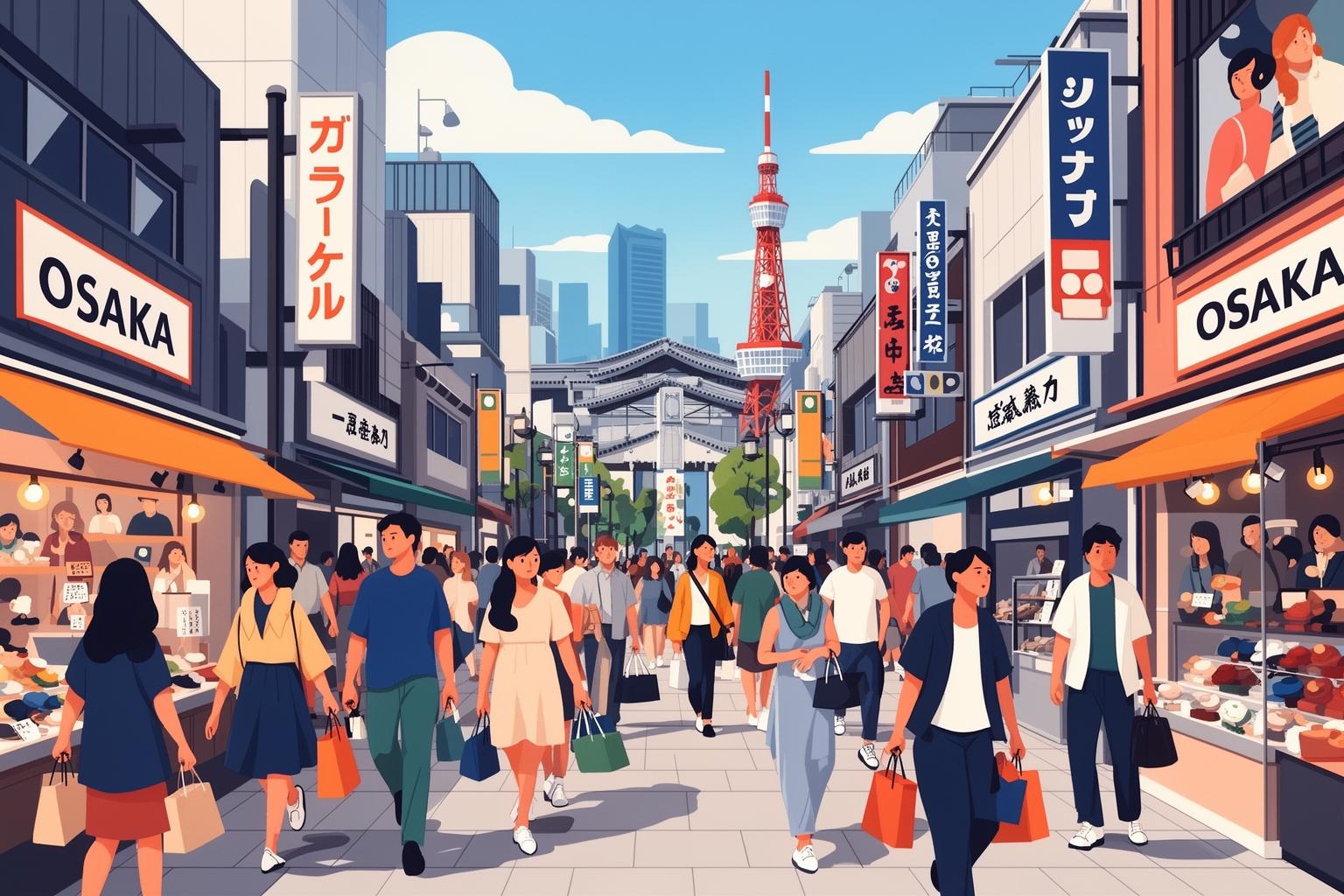
One of the most intriguing aspects of Super Tamade is its diverse clientele. Standing in the checkout line offers a genuine glimpse into the city’s demographic makeup. You’ll spot university students in hoodies, their baskets loaded with instant ramen and discounted bentos. You’ll see young families with children, skillfully maneuvering through the crowded aisles to stock up for the week. You’ll notice elderly couples moving at a slower pace, carefully scrutinizing the price of every item. You’ll observe construction workers in their work attire grabbing a quick dinner, alongside office workers who’ve loosened their ties, all united by a shared purpose.
This sharply contrasts with the more socially stratified shopping experiences common in Tokyo. In some Tokyo neighborhoods, the supermarket you frequent can subtly reflect your social status. Shopping at Kinokuniya or National Azabu conveys a different message than shopping at a local chain. In Osaka, that kind of social signaling is far less evident. Everyone shops at Tamade. It’s a great equalizer. There’s an unspoken consensus that everyone here is smart, not poor. They come because they know where to find value.
This fosters a unique atmosphere. It’s straightforward, noisy, and efficient. People don’t linger; they move with intent. An obachan might gently but firmly nudge you with her cart if you’re blocking the way to discounted tofu. It’s not rude—it’s simply a clear statement of purpose. This directness can be surprising to foreigners or even Japanese from other regions, who are accustomed to more indirect communication. But in Osaka, it’s normal. It’s part of the city’s get-down-to-business mindset. In the fast-paced environment of Tamade, there’s no room for hesitation.
Why Foreigners Get Tamade Wrong (And How to Get it Right)
For many newcomers, Super Tamade can feel like a culture shock, leading to a few common misunderstandings.
The first misconception is that it’s “dirty” or that the food is “low quality.” It’s important to rethink this perspective. The store isn’t dirty; it’s simply unpolished. It prioritizes function over appearance. The floors are clean, and food safety standards are just as rigorous as anywhere else in Japan. What seems like “low quality” is actually a misunderstanding of the business model. You’re not paying for perfect, blemish-free vegetables sorted by size and shape. You’re paying for the vegetable itself. Embracing this means letting go of the aesthetic expectations set by pricier stores and adopting the concept of kosupa.
The second misunderstanding is the perception that shoppers and staff are “aggressive” or “rude.” This stems from the communication style. Osaka is known for being direct. People say exactly what they mean and favor efficiency over polite formalities. In the narrow, crowded aisles of Tamade, this translates to a straightforward approach to shopping. People are there to grab their deals and leave quickly. If you learn to shop with the same sense of purpose—keep moving, don’t block the aisle, and have your cash ready at the register—you’ll fit right in. The gruff-looking cashier will even smile if your payment is ready and your bags are open. It’s a dance, and once you learn the rhythm, it’s surprisingly efficient.
To truly appreciate Tamade, you need to approach it on its own terms. Enter with a spirit of adventure. Try the unusual-looking pickles. Buy the oddly shaped carrot. Arrive at 8 PM and join the exciting hunt for half-price sushi. Let go of any preconceived ideas about what a Japanese supermarket “should” look like and embrace what it is: a vibrant, chaotic, and highly rewarding experience.
Tamade Isn’t Just a Store, It’s an Osaka Philosophy
Ultimately, Super Tamade is more than just a place to buy inexpensive groceries. It’s a living, breathing institution that captures the spirit of Osaka. It stands as a physical embodiment of the city’s most valued principles. It reflects a pragmatism that questions the need to pay for fancy decorations and wide aisles when all that’s required is food. It celebrates the thrill of the hunt—the deep satisfaction found in scoring an unbeatable bargain and living wisely.
It mirrors the city’s straightforward nature. Flashy on the outside, completely no-frills inside. Pure substance, with just enough style to keep things engaging. It exudes an energy and directness that might seem intimidating at first but is ultimately efficient and honest. In a country often valuing conformity and understated elegance, Tamade shines as a loud, blinking symbol of individuality and practicality.
So next time you spot that gaudy, neon-yellow sign, don’t just walk by. Step inside. Navigate the chaos, plot your course to the 1-yen sale, and join the city in its collective, joyful pursuit of a great deal. You won’t only save money on your dinner—you’ll get a taste of the real, unfiltered, and brilliant soul of Osaka.