
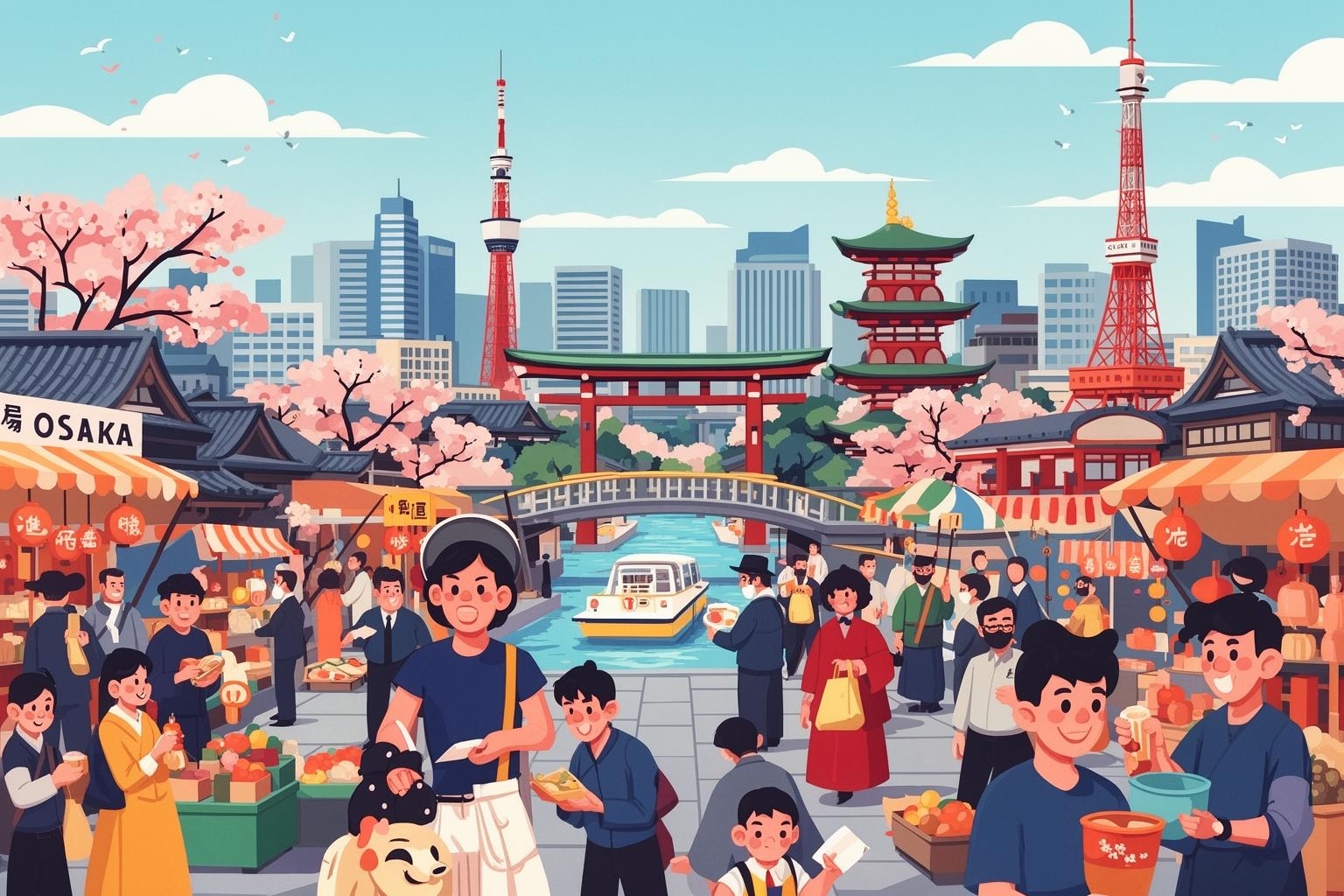
Walk through any Osaka shopping arcade, a bustling shotengai, and you might see it. A shopper, maybe an auntie with a brightly colored perm, talking to a vendor. She’ll laugh, point at a box of strawberries, and then, with a subtle grin, she’ll make a little finger gun and mime shooting the price tag. This isn’t a threat; it’s a question, a ritual, a piece of performance art. It’s the unspoken negotiation: “Can you do a little better on the price for me?” To an outsider, especially one coming from the more reserved culture of Tokyo, this can seem shockingly direct, maybe even a bit cheap. And this is where the biggest misunderstanding about Osaka begins. People hear that Osakans are obsessed with getting discounts, that they’re tight with their money, and they slap on a simple label: kechi, or stingy.
But to live here, to really sink into the rhythm of the city, is to understand that what you’re seeing isn’t stinginess. It’s the surface-level expression of a deep-seated cultural philosophy. It’s called ken’yaku (賢約). The characters mean “wise” and “promise” or “to economize,” and that combination is everything. This isn’t about hoarding money. It’s about spending it intelligently. It’s a practical, street-smart ethos that values substance over style, performance over prestige, and a good deal over a brand name. It’s a philosophy born from centuries of commerce, and it shapes everything from how people buy their groceries to how they choose a place for lunch, how they manage their household utilities, and even how they talk to each other. For anyone moving to Osaka or trying to understand what makes this city tick, getting a handle on ken’yaku is more important than memorizing train lines. It’s the key to unlocking the city’s logic, its humor, and its unique, unapologetic soul.
Exploring further, you might also appreciate how Osaka’s innovative bicycle economy embodies the same resourcefulness underlying its ken’yaku philosophy.
The Roots of ‘Ken’yaku’: A Merchant’s Mindset in a Modern World
To understand why ken’yaku is so deeply ingrained in Osaka’s identity, you need to look back in history. For centuries, while Tokyo (then Edo) served as the center of samurai and political power, Osaka stood as the undisputed commercial hub of Japan. It was known as Tenka no Daidokoro—the Nation’s Kitchen. Rice, sake, soy sauce, and goods from across the country flowed into the city’s ports and were traded in its markets. This was a city shaped not by warriors or aristocrats, but by shonin, or merchants. For a merchant, survival and success relied on a sharp understanding of value.
Sentimentality was unaffordable. Not a single grain of rice or coin could be wasted. Every transaction was a careful calculation of risk and reward. This commercial spirit nurtured a pragmatic, no-nonsense attitude. Reputation depended on reliability and delivering good value, rather than on ostentatious displays of wealth. Money was not meant to be flaunted; it was a tool to be used, invested, and managed wisely. This history is essential because it sets Osaka’s mindset apart from that of other Japanese cities.
In Tokyo, influenced by the samurai class and imperial bureaucracy, greater emphasis might be placed on form, etiquette, and social hierarchy. In Kyoto, the imperial court’s legacy emphasizes aesthetics, tradition, and refinement. But in Osaka, the heritage is rooted in the marketplace. The heroes were shrewd merchants who could spot opportunities, build lasting enterprises, and provide for their families through their own intelligence and effort—not inherited status. This practical, results-driven worldview forms the foundation from which the philosophy of ken’yaku emerged. It is not about opposing wealth; it’s about prioritizing value. It’s the belief that being prudent with your resources is a virtue, reflecting intelligence and capability.
‘Ken’yaku’ in Action: Daily Life and Spending Habits
The true charm of ken’yaku lies in observing how it unfolds in the ordinary details of daily life. It consists of a series of small, deliberate choices that together create a unique lifestyle. For someone new, these habits can be both puzzling and impressive.
The Art of the Supermarket Run
Forget the calm, orderly aisles of an upscale Tokyo supermarket. An Osaka supermarket, especially a local favorite like the iconic Super Tamade, is a vibrant sensory adventure. Neon lights flash, energetic music blares, and handwritten signs shout about the day’s bargains. This isn’t merely a place to shop for food; it’s a battleground for deal hunters, where local shoppers are seasoned fighters.
The first rule is mastering the flyers (chirashi). People study them, plan their meals around the week’s specials, and happily visit two or three different stores to secure the best prices. Eggs are bought on Tuesday because it’s egg day. Milk comes from store A, tofu from store B across the street because it’s 10 yen cheaper. This isn’t an inconvenience; it’s a strategy. It’s about optimizing your budget.
The real skill, however, is in reading discount stickers. As the day progresses, clerks roam the aisles with sticker guns, marking down items nearing their best-by date. First comes the 20% off sticker. Hours later, a 30% off sticker might follow. The ultimate prize is the hangaku (半額) sticker—half price. Timing your visit to coincide with the hangaku hour is a genuine Osakan art. Filling your basket with these mi-kiri-hin (見切り品), or discounted goods, carries no shame. In fact, it’s a point of pride. You didn’t buy old food; you saved perfectly good food and money in the process. You outsmarted the system. It’s a small triumph that captures the ken’yaku spirit.
Dining Out: The ‘Cost-Performance’ Equation
Osaka’s famous slogan is kuidaore, often translated as “eat until you drop” or “eat yourself into bankruptcy.” Outsiders often confuse this with mere gluttony. But kuidaore is deeply connected to ken’yaku. It’s not just about eating a lot; it’s about the thrill of discovering and enjoying fantastic food that delivers great value for money.
The guiding principle for dining in Osaka is a concept called kosupa, a Japanese-English blend of “cost performance.” Is this meal worth the price? That question ultimately determines a restaurant’s value. A high-end place with tiny portions and fancy decor might earn praise in Tokyo, but an Osakan will likely wonder if the kosupa was worthwhile. Was it truly satisfying for the yen spent?
This explains why the city is famous for affordable, delicious foods like takoyaki and okonomiyaki. They offer maximum flavor and satisfaction at minimal cost. It also explains the strong culture around the 500-yen “one coin” lunch. For a single ¥500 coin, countless small eateries serve a full teishoku (set meal) with a main dish, a mountain of rice, miso soup, and pickles. The aim is to leave full, happy, and feeling like you received more than you paid for. Spending a lot isn’t the problem—Osakans will gladly splurge on an exceptional crab dinner or a perfectly grilled cut of beef. The real issue is spending a lot and leaving unsatisfied. The whole dining scene is a tireless quest for the best possible kosupa.
Utilities and Household Management: Every Yen Counts
The ken’yaku mindset extends into the home, where resources are managed with great care. Wastefulness is an enemy. This results in habits that might seem extreme to outsiders. Leaving a room without turning off the light is a major faux pas. Unplugging appliances when not in use to avoid phantom power drain is standard practice.
Water conservation is another focus. Taking a bath is a cherished Japanese tradition, but in Osaka homes, that hot water is precious. It’s common to reuse leftover bathwater (o-furo no nokoriyu) for the next day’s laundry. Many washing machines even include a special hose for this purpose. It’s a simple, sensible step: the water is already there and warm, so why waste it? Why pay for fresh water when you don’t have to?
This isn’t solely about environmentalism, though that may be a factor. It’s fundamentally about not wasting anything you’ve paid for. There’s quiet pride in keeping monthly utility bills low. It’s another challenge to conquer, another way to demonstrate you run your household wisely. It’s applying a merchant’s fiscal mindset to everyday life.
The Bicycle: Osaka’s Ultimate ‘Ken’yaku’ Tool
One of the first things you’ll notice in Osaka is the sheer number of bicycles, or charinko, as they’re affectionately known. They are everywhere. Whereas Tokyo life revolves around an extensive subway and train network, Osaka, being mostly flat and compact, runs on two wheels. The bicycle perfectly embodies the ken’yaku philosophy.
It signifies a deliberate rejection of unnecessary expenses. Why pay a ¥180 train fare for one or two stops when you can bike for free? Why own a car, with its costs of insurance, parking, and fuel, when a sturdy mama-chari (mom’s bike) with a basket can handle 90% of daily errands? These bikes are the city’s workhorses, often overloaded with groceries, equipped with a child seat in the back and sometimes another in front. They are the ultimate tool for practical, low-cost, efficient urban living. Choosing the bike means choosing the smartest, most value-oriented option—and that is the Osakan way.
The Social Side of ‘Ken’yaku’: It’s a Conversation
In Osaka, the principles of ken’yaku extend beyond the personal and are deeply embedded in everyday communication. Discussing money, prices, and deals is not viewed as impolite or crude; rather, it is a common, routine topic.
The most well-known example is the traditional merchant greeting: “Mokari makka?” which means “Are you making a profit?” The usual response is a vague “Bochi bochi denna,” translating to “So-so” or “Bit by bit.” This exchange is less about genuinely inquiring into one’s financial status and more a cultural gesture, a nod to their shared heritage as a commercial city. It acknowledges that business and value are constantly part of life.
This ease with discussing value fosters a more open, transactional style of interaction. The practice of haggling (negiri), though declining in larger chain stores, remains alive in many of the city’s extensive shotengai. It’s often less about saving a few yen and more about the engagement itself. It’s a playful exchange, a way to connect with the vendor. A successful negotiation ends with both parties smiling—the shopper feeling clever for scoring a deal, and the vendor pleased to have made a sale and strengthened a relationship with a returning customer.
Moreover, discovering and sharing information about good deals acts as social currency. Informing a neighbor, “The daikon radishes at the shop down the street are only 98 yen today!” is a way of expressing care. Praising a great purchase (“Ee kaimono shita!”) is not seen as boasting but as celebrating savvy shopping. It’s a shared triumph in the collective quest for value.
Misconceptions and the Osaka-Tokyo Divide
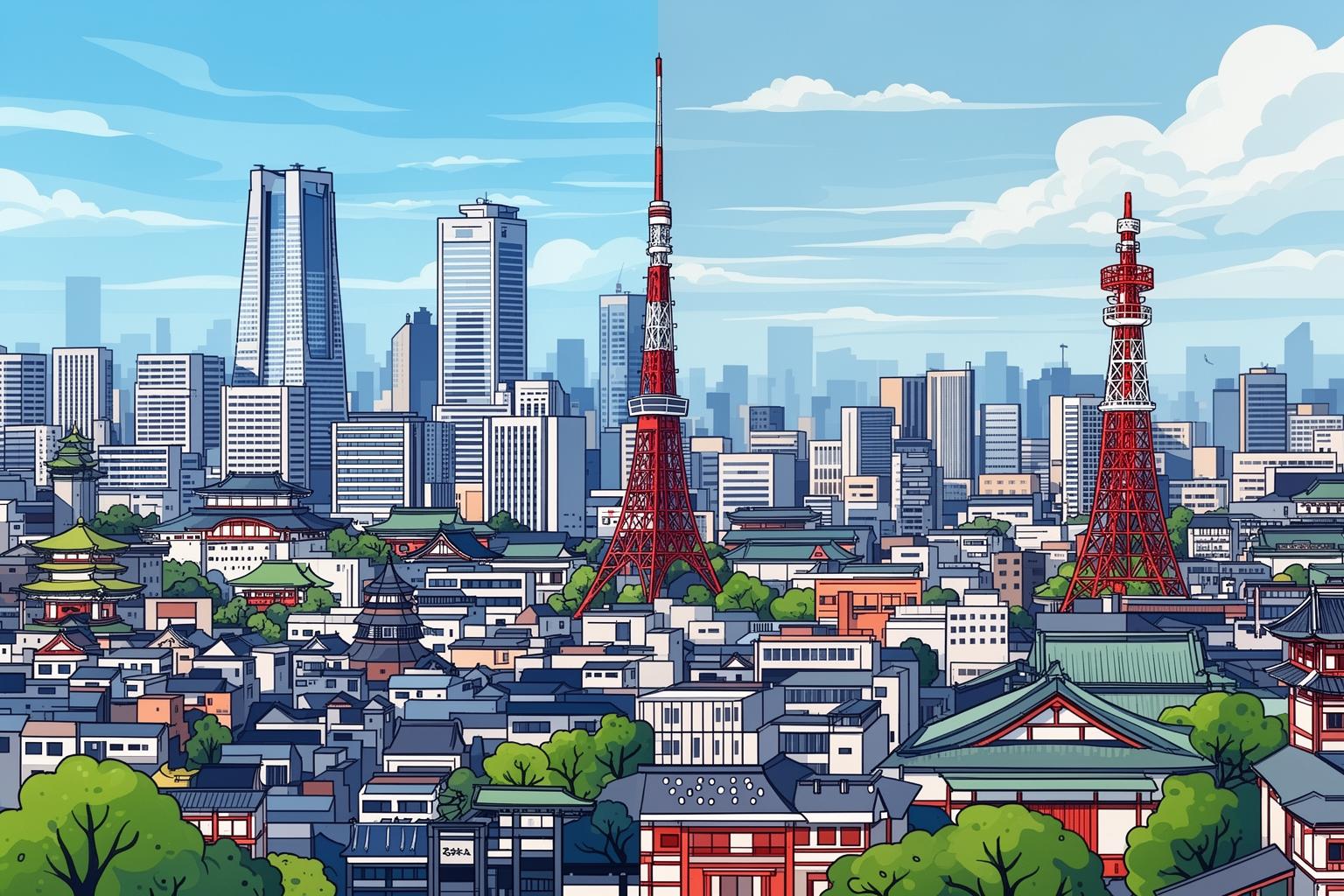
This is where we need to revisit the kechi (stingy) stereotype. The crucial distinction, which Osakans are quick to highlight, is that ken’yaku is about spending wisely, whereas kechi means refusing to spend at all, even when necessary. An Osakan practicing ken’yaku will hunt for the best kosupa lunch deal but will never skimp on hospitality. They might bargain for a discount on vegetables, yet they’ll be exceptionally generous when entertaining guests, buying rounds of drinks, and ordering plates of food for the table. They will spend, and spend generously, on things they truly value: a high-quality set of kitchen knives from Sennichimae Doguyasuji built to last a lifetime, an unforgettable meal with friends, or a well-crafted coat. Their spending is discerning, not absent.
This often contrasts with the perceived culture in Tokyo, which tends to focus more on mie (見栄), or appearances and social status. In Tokyo, there can be greater pressure to eat at the trendiest new restaurant, carry the latest designer bag, or live in a fashionable postal code, even if the intrinsic value isn’t there. The brand name and the prestige it brings are part of the product’s appeal. In Osaka, the common response might be, “You paid how much for that? I know a place where you can get something just as good for half the price.” There’s a certain pride in being immune to superficial trends. Status comes from being a savvy operator, not a conspicuous consumer.
For a foreigner choosing where to live, this represents an important cultural difference. Life in Osaka can feel more authentic, less pretentious, and more centered on practical quality of life. There’s less pressure to keep up with the Joneses and more encouragement to define a life well-lived based on solid, practical values.
Embracing the ‘Ken’yaku’ Lifestyle as a Foreign Resident
So, how can you, as a non-Japanese resident, adopt this mindset? It’s not about becoming miserly; it’s about becoming wiser and more connected with your environment.
Begin by exploring your local shotengai. Don’t automatically head to the large, flashy department stores in Umeda or Namba. Stroll through the covered arcades, check out what the local vendors offer, and watch the interactions. This is where the city’s commercial spirit still thrives most vibrantly.
Learn to appreciate the supermarkets. Notice the daily deals. Discover when the discount stickers start appearing at your neighborhood market. Treat it like a game. Every yen saved on groceries is a yen you can spend on a tasty dinner out or a weekend getaway.
Embrace the kosupa adventure. Instead of choosing a restaurant from a guidebook, ask locals for their recommendations on the best value lunch or the most satisfying bowl of ramen. Trust the spots with long lines of office workers at noon—they know where to find the best bang for your buck.
And above all, get a bicycle. It will completely transform how you experience the city. It will reveal new neighborhoods, save you quite a bit of money, and connect you to Osaka’s daily rhythm in a way the subway never can.
Adopting a bit of ken’yaku is more than just budgeting. It’s a way of engaging with Osaka’s culture. It’s a practical mindset that encourages mindfulness, resourcefulness, and finding joy not in reckless spending, but in the smart pursuit of value. It’s understanding that the finger-gun discount gesture isn’t about being cheap; it’s about being part of a city that knows—and has always known—the true value of things.








