Walk down any shotengai, those vibrant covered shopping arcades that are the arteries of Osaka, and you’ll see them. Tucked between a bustling takoyaki stand and a bargain shoe shop, you’ll find an entrance that seems like a portal to another time. A faded, swirling sign in katakana, a window display of impossibly perfect plastic food—Napolitan spaghetti, a melon cream soda, a slice of toast thick as a novel—and a heavy wooden door that promises quiet, and probably, a haze of smoke. This is the kissaten, Osaka’s classic coffee house. The first time I encountered one, I hesitated. It felt like a private club, its amber-lit interior a world away from the bright, sterile efficiency of the global coffee chains I knew. It looked old, a bit worn, and profoundly, unapologetically local. I wondered, is this for me? Is it just a place for old men to smoke and read newspapers? What I discovered was that stepping through that door isn’t just about getting a cup of coffee. It’s about finding a key to understanding the very rhythm of Osaka. These aren’t just cafes; they are the city’s living rooms, its unofficial offices, its confessionals, and its time capsules. They are where Osaka’s famous pragmatism, its deep-seated sense of community, and its stubborn refusal to bow to every passing trend come to life. Forget the flashy tourist spots for a moment. If you truly want to get a feel for the daily life and the mindset of this city, you need to understand its kissaten culture. It’s where the soul of Osaka slows down, takes a seat, and stays for a while.
Many visitors discover that these time-honored kissaten often serve as original coworking spaces where the historic charm of Osaka seamlessly blends with modern work life.
What Exactly is a Kissaten? And Why Isn’t It Just a “Café”?
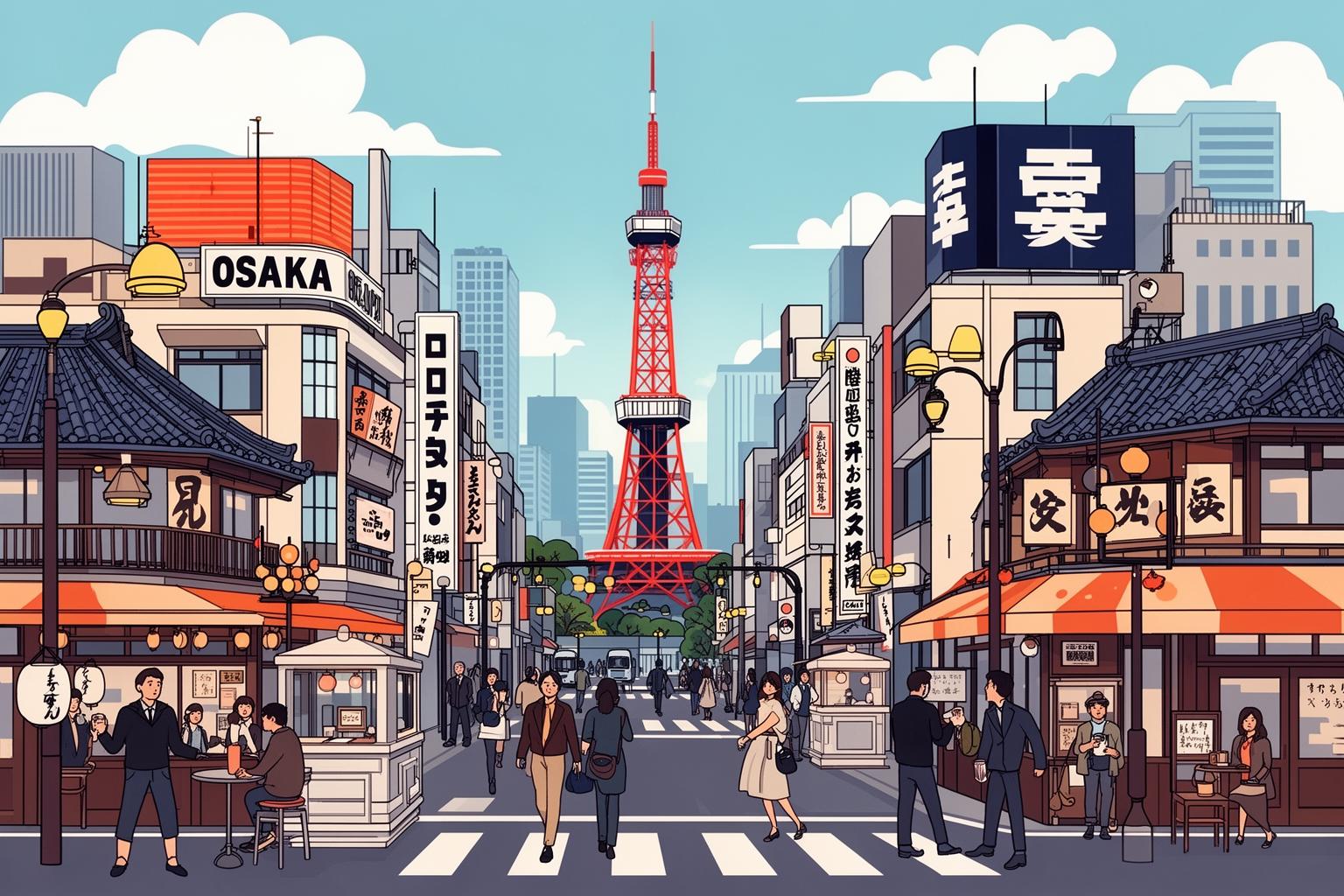
The distinction may appear subtle, but it is everything. In Japan, the word ‘café’ (カフェ) typically evokes a modern image: bright lighting, minimalist decor, Wi-Fi, laptops, specialty lattes, and a menu featuring avocado toast and quinoa salads. It’s a place focused on function and transactions, often part of a large, impersonal chain. In contrast, a ‘kissaten’ (喫茶店) is an entirely different entity. The characters literally mean ‘tea-drinking shop,’ referencing their origins, but they soon became synonymous with coffee during the Showa Period (1926–1989). They serve as sanctuaries of nostalgia, deliberately preserved in time.
A Quick History Lesson in a Coffee Cup
Kissaten culture flourished in post-war Japan alongside the growing economy. Coffee was seen as an affordable luxury, a taste of the sophisticated West. These shops became gathering places for discussions about business and art, where patrons could listen to jazz on high-fidelity stereos—an indulgence few could afford at home. They were designed not for a quick caffeine fix but for prolonged stays. The entire atmosphere encouraged lingering, reflection, conversation, and simply being. This ethos stands in stark contrast to the modern café model, which prioritizes maximizing customer turnover. A kissaten does not want you to leave immediately; it seeks to have you become part of the furniture, even if only for an hour. This fundamental difference in intent shapes the entire experience and embodies a Japanese, especially Osakan, appreciation for intentionally pausing amid the relentless pace of modern life.
The Anatomy of a Kissaten: A Sensory Guide
To truly grasp a kissaten, you need to engage all your senses. Their aesthetics are remarkably consistent, forming a shared language of comfort known throughout the city. The moment you push open the heavy door, you enter a carefully crafted world.
The Look
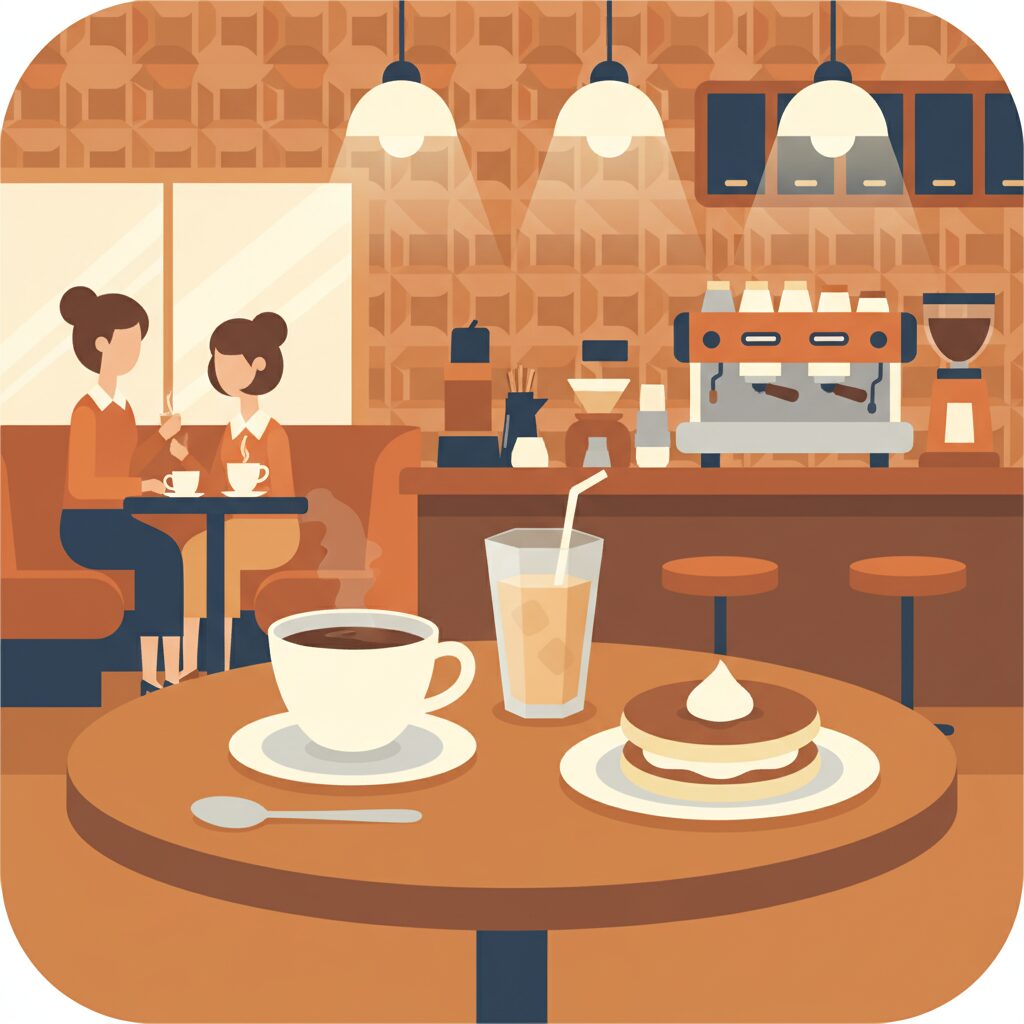
Forget Scandinavian minimalism. The prevailing theme is rich, dark, and cozy. Picture dark-stained wood paneling on the walls, plush velvet or well-worn leather seating in hues of burgundy, forest green, or mustard yellow. The lighting is warm and subdued, often emanating from ornate Tiffany-style stained-glass lamps or elaborate chandeliers that could belong in a European parlor. A bubbling water feature might occupy a corner, its gentle trickle providing a deliberate counterpoint to the city’s noise. The tables are solid, ashtrays heavy glass, and somewhere, a grandfather clock ticks steadily. This aesthetic values substance and permanence over fleeting trends. It’s not ‘old’ from neglect but intentionally aged, a commitment to a specific, comforting vision of the past.
The Sound
Sound is essential. You won’t hear contemporary pop hits. The audio is usually selected by the owner, the ‘Master,’ and typically falls into one of two categories: classical music or American jazz. It plays at a volume that fills the space without overpowering conversation. Other sounds include the gentle clinking of ceramic cups on saucers, the hiss and gurgle of a siphon coffee maker, the rustle of newspaper pages turning, and the soft murmur of conversations. This soundscape fosters focus and relaxation, a stark contrast to the clatter and roar of the street outside.
The Smell
The aroma might be the most evocative aspect. It’s a complex, layered scent that envelops you as soon as you enter. The base is a deep, rich dark-roast coffee aroma, distinct from the light, acidic smell typical of third-wave roasters. Interwoven is the faint sweetness of toasted shokupan (Japanese milk bread). In many traditional establishments, there’s also the unmistakable sharpness of cigarette smoke. Although this is less common as smoking regulations evolve, it remains a genuine element of the classic kissaten experience and a key reason they feel so removed from the modern world. For many Japanese people, this blend of scents is pure nostalgia, instantly transporting them back in time.
The “Morning Service” Ritual: Osaka’s Most Practical Meal Deal
If there is one kissaten tradition that truly embodies the Osaka spirit, it’s the “Morning Service,” or simply “Morning” (モーニング). Between roughly 7 AM and 11 AM, you’ll find hand-written signs displayed on sidewalks. The offer is straightforward and clever: order a coffee, and for a small additional charge—or sometimes free—you receive a light breakfast. This isn’t a sad, dry croissant in a paper bag. The classic set includes a cup of coffee, a thick slice of perfectly toasted bread with butter and jam, and a hard-boiled egg. More elaborate versions may come with a small salad, a piece of fruit, or a tiny bowl of yogurt.
More Than a Bargain: A Window into the Osaka Mindset
At first glance, this is simply an excellent deal. But it represents much more. It is a direct reflection of Osaka’s famously practical, merchant-class culture, where value for money, or ‘cost performance’ as it’s commonly termed, is highly esteemed. The reasoning is straightforward and distinctly Osakan: why pay 500 yen for just a coffee when, for the same price or slightly more, you can have both coffee and breakfast? It’s not about being cheap; it’s about being savvy. It’s about recognizing and valuing a good, honest bargain. This idea of receiving a little extra, an omake or bonus, is deeply woven into Osaka’s commercial traditions.
In Tokyo, while morning sets exist, they often feel like merely quick, functional fuel-ups. In Osaka, the morning set is an institution, a beloved daily ritual for a broad cross-section of the population. It’s where salarymen bolster themselves before heading to work, where elderly neighbors catch up on local news, and where families begin a weekend outing. It’s a communal activity, a shared understanding that starting the day with a good deal just makes sense. It’s a small yet meaningful daily affirmation of the city’s core values.
How to Navigate Your First “Morning”
Taking part in this ritual is easy, but there are unspoken customs. The morning set is not fast food. The pace is leisurely. You place your order and settle in. The shop almost always has a rack of the day’s newspapers and magazines for customers to enjoy. This is a crucial part of the experience. You’re expected to sit, sip your coffee slowly, read the paper, and observe the world outside. Rushing through your toast and boiled egg misses the whole point. The ‘Master’ or staff are often locals who have run the shop for decades. They know their regulars by name, remember their orders, and serve as the quiet heart of this small, temporary community. Don’t be surprised if they strike up a bit of small talk about the weather or the Hanshin Tigers baseball team. This is where the cliché of ‘friendly Osaka’ comes to life. It’s not an exaggerated friendliness, but a quiet, steady acknowledgment of shared presence in a shared space.
The Kissaten as a Community Hub: Osaka’s Third Place
Sociologists refer to the ‘third place’—the space between home (the first place) and work (the second place)—as essential for community life. In Osaka, the kissaten has traditionally been the quintessential third place. It is a flexible, adaptable space serving many functions, often accessible for the price of a single 500-yen cup of coffee.
The Unspoken Agreement: Your Seat is Your Domain
When purchasing coffee at a modern chain, there is often an unspoken expectation to drink it quickly and leave, especially during busy times. Your table is a resource the business needs to turnover. However, the social contract in a kissaten is different. That cup of coffee grants you tenancy. It gives you the right to occupy your seat, your small area of quiet, for a reasonable amount of time without feeling hurried. An hour is typical; staying longer is often acceptable provided the place isn’t crowded with a waiting line, which is seldom the case. This makes the kissaten an exceptionally valuable urban space—a refuge for when you’re early for an appointment, a quiet spot to read and escape the summer heat, or neutral ground for a tough conversation. You might see businesspeople in suits holding discreet meetings, avoiding the corporate formality of their offices. Students deeply focused on their textbooks enjoy the quiet ambiance. Couples on first dates and friends catching up are frequent visitors. It is a public space that feels intimately private—a shared living room for the neighborhood.
The “Master”: The Soul of the Kissaten
The person behind the counter is not a ‘barista’ or a ‘server’ in the contemporary sense. They are the ‘Master’ (マスター), a title reflecting their skill, ownership, and pivotal role in the establishment’s community. Often, the Master has managed the same shop for thirty, forty, or even fifty years. They are not simply making coffee; they are crafting an atmosphere. They are guardians of tradition. The Master knows the regulars, their stories, successes, and struggles. They are part confidant, part neighborhood watch, and part subtle facilitator of community life. The relationship develops through careful, long-term observation. They’ll notice when you’re a newcomer, and after a few visits, they’ll remember your order. This personal, human-scale interaction contrasts sharply with the impersonal, transactional nature of modern service. This cultural difference is especially noticeable in Osaka, compared to the more formal, reserved service style often seen in Tokyo. The Osaka Master might be more direct, more curious, even a bit nosy, but it comes from genuine care. They are the anchor of this third place, the reason it feels less like a business and more like home.
Decoding the Kissaten Menu: Beyond Blended Coffee
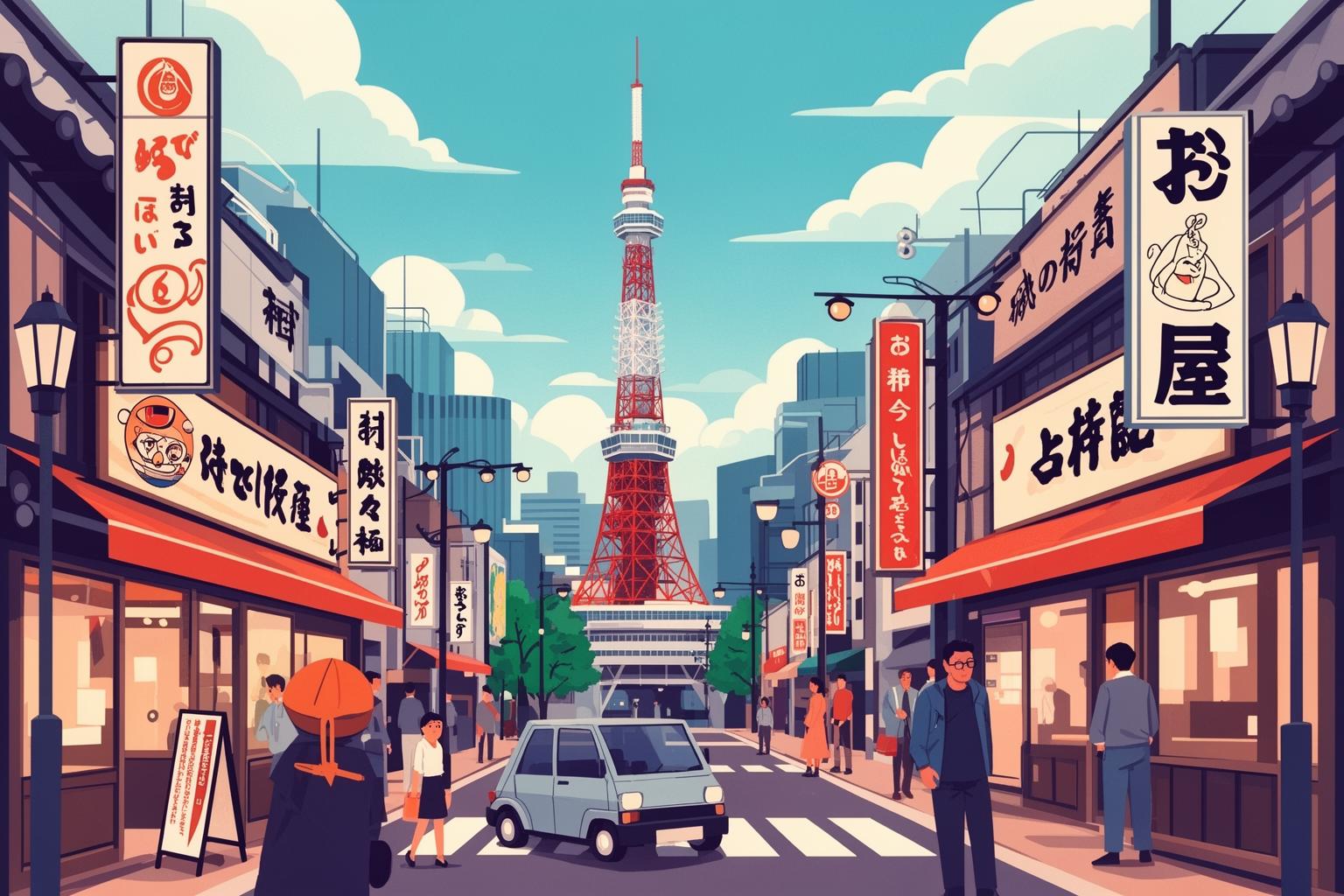
The menu at a kissaten serves as a document of culinary history. It’s a carefully selected collection of Showa-era classics that has stubbornly remained unchanged for decades. The focus isn’t on innovation; it’s on consistency and nostalgia.
Coffee with Character
Forget single-origin pour-overs with tasting notes of bergamot and stone fruit. Kissaten coffee emphasizes depth, strength, and traditional styles.
- Blend Coffee (ブレンドコーヒー): This is the house blend, the flagship offering. Typically a dark roast with low acidity, it’s robust and straightforward—a dependable, no-frills cup of coffee.
- Siphon Coffee (サイフォンコーヒー): Many kissaten pride themselves on their siphon brewing method. This elegant, theatrical process uses glass globes, open flames, and vacuum pressure. The outcome is a remarkably clean, smooth, and aromatic cup that’s as enjoyable to watch being made as it is to drink.
- Vienna Coffee (ウィンナーコーヒー): Not actually from Vienna, but a Japanese classic. It features hot coffee topped with a generous swirl of whipped cream. It’s a decadent delight, a dessert in a cup.
Not-Coffee and Classic Food
The drinks and food are just as nostalgic, evoking the flavors of a Japanese childhood.
- Cream Soda (クリームソーダ): A hallmark kissaten drink. This is a glass of strikingly bright green melon-flavored soda, filled with ice and crowned with a perfect scoop of vanilla ice cream and a maraschino cherry. Pure, unfiltered joy.
- Mixed Juice (ミックスジュース): An Osaka creation! A thick, frothy blend of banana, canned peaches, mandarin oranges, milk, and a touch of sugar. It’s a smoothie before smoothies existed, and it’s delicious.
- The Food: The food menu offers pure comfort. Thick-cut toast (厚切りトースト) features fluffy milk bread toasted and served with a pat of melting butter. The egg sandwich (タマゴサンド) is often made with a fluffy, savory omelet instead of mashed egg salad. And then there’s the king of kissaten meals: Napolitan (ナポリタン), a pasta dish made with spaghetti, sausage, onions, and bell peppers, all fried and coated in a sweet and tangy ketchup-based sauce. It’s a dish that horrifies Italian purists but delights everyone else. This is the taste of Showa-era Japan. These dishes endure not because they are gourmet, but because they are reliable. They provide a comforting constant in a rapidly changing world.
Common Misunderstandings and How to Fit In
For someone new, the kissaten might seem a little intimidating. Its unspoken rules and vintage atmosphere can come across as a barrier. However, once you grasp the mindset, navigating it is straightforward.
“It Looks So Old and Smoky. Is It Okay to Go In?”
Definitely. The closed-off, private vibe is part of its charm—it represents a refuge from the outside world. But it’s not an exclusive space. Everyone is welcome. The biggest challenge for many non-Japanese visitors is the smoke. Traditionally, kissaten and smoking went hand in hand. Although recent regulations have led many places to become non-smoking or to offer separate sections, quite a few classic shops still permit it. It’s best to peek inside or check for a sign on the door. If the smell of cigarette smoke is a deal-breaker for you, that’s something you’ll need to accept. But don’t let a weathered exterior discourage you. It shows character, not a warning to stay away.
“Why is the Master Staring at Me?”
If you’re a new, non-Japanese face in a small neighborhood kissaten, you will catch people’s attention. The Master and regulars might look at you longer than you expect. This is seldom, if ever, unfriendly. It’s simply curiosity. In a place where the clientele hasn’t changed in twenty years, you are a novelty. In the Osaka context, this isn’t meant to make you feel like an outsider; it’s the first step toward acknowledging your presence. A polite nod (eshaku), a smile, and a clear ‘gochisousama deshita’ (‘thank you for the meal’) when you leave will close that gap immediately. You may be surprised how quickly that curious glance turns into a warm nod of recognition on your next visit.
“The Coffee is More Expensive Than at a Chain!”
You might find that a cup of coffee at a kissaten costs 500 or 600 yen, more than a basic drip coffee at a major chain. It can seem like poor value until you shift your perspective on what you’re paying for. You’re not just paying for coffee beans and hot water. You’re paying for the space, the quiet, the comfortable chair, the clean table, the carefully chosen music, and the Master’s lifelong dedication. You’re renting a small piece of tranquility for an hour. It’s a fee for an experience, not just a product. Seen that way, it becomes one of the best bargains in the city.
Kissaten as a Map of Osaka’s Soul
Spend enough time in Osaka’s kissaten, and you’ll begin to see how they reflect the city itself on a smaller scale. They embody the city’s most defining traits. You notice the deep-rooted pragmatism in the unbeatable value of the morning set. You recognize the importance of community in how the shop serves as a third place, a social anchor for the neighborhood. You observe Osaka’s stubborn pride in its past in its refusal to renovate or follow trends, standing in stark contrast to Tokyo’s fixation on the new and next. The kissaten proudly asserts that what was good enough yesterday remains good enough today, highlighting the value of consistency and tradition. Most importantly, you experience the city’s preference for direct, personal connections through the role of the Master and the warm, unpretentious interactions among regulars. In a kissaten, you are not just a data point or customer number—you are a person, sharing a quiet moment in a room. For any foreigner seeking to understand the true texture of daily life here, the kissaten is an essential classroom. It teaches that Osaka’s energy isn’t confined to its loud, fast-paced markets and nightlife districts; it also resides in these quiet, wood-paneled spaces where the city collectively takes a breath. It’s a lesson in living, served one carefully prepared, siphon-brewed cup at a time.