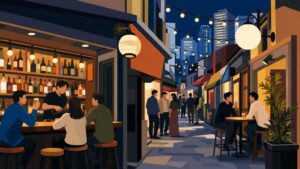
When you first land in a new city as a digital nomad, the hunt begins. It’s a familiar ritual. You’re not just looking for a place to live; you’re searching for a place to work. Not a sterile co-working space that could be in any city on Earth, but a spot with a pulse, a place that plugs you directly into the city’s unique current. You need more than just fast Wi-Fi and a decent cup of coffee. You need atmosphere. You need inspiration. In Osaka, a city often painted with a broad brush of neon lights, endless street food, and booming laughter, you might think finding a serene, productive nook is a tall order. You hear about the chaotic energy of Namba, the fashion-forward crowds of Shinsaibashi, and you wonder, where does the actual work get done? The answer, I discovered, lies along the gentle curve of a river, in a district that serves as the city’s sophisticated, beating heart: Kitahama. This neighborhood doesn’t just offer a desk with a view; it offers a window into the soul of Osaka’s professional class, a mindset that masterfully blends relentless pragmatism with an understated appreciation for the beautiful and the functional. Forget what you think you know about Osaka. Let’s go to work.
Embracing Kitahama’s refined rhythm, you’ll soon find that Osaka’s dynamic morning rush perfectly captures the city’s vibrant work culture.
Beyond the Takoyaki: Uncovering Osaka’s “Work Smart” Culture
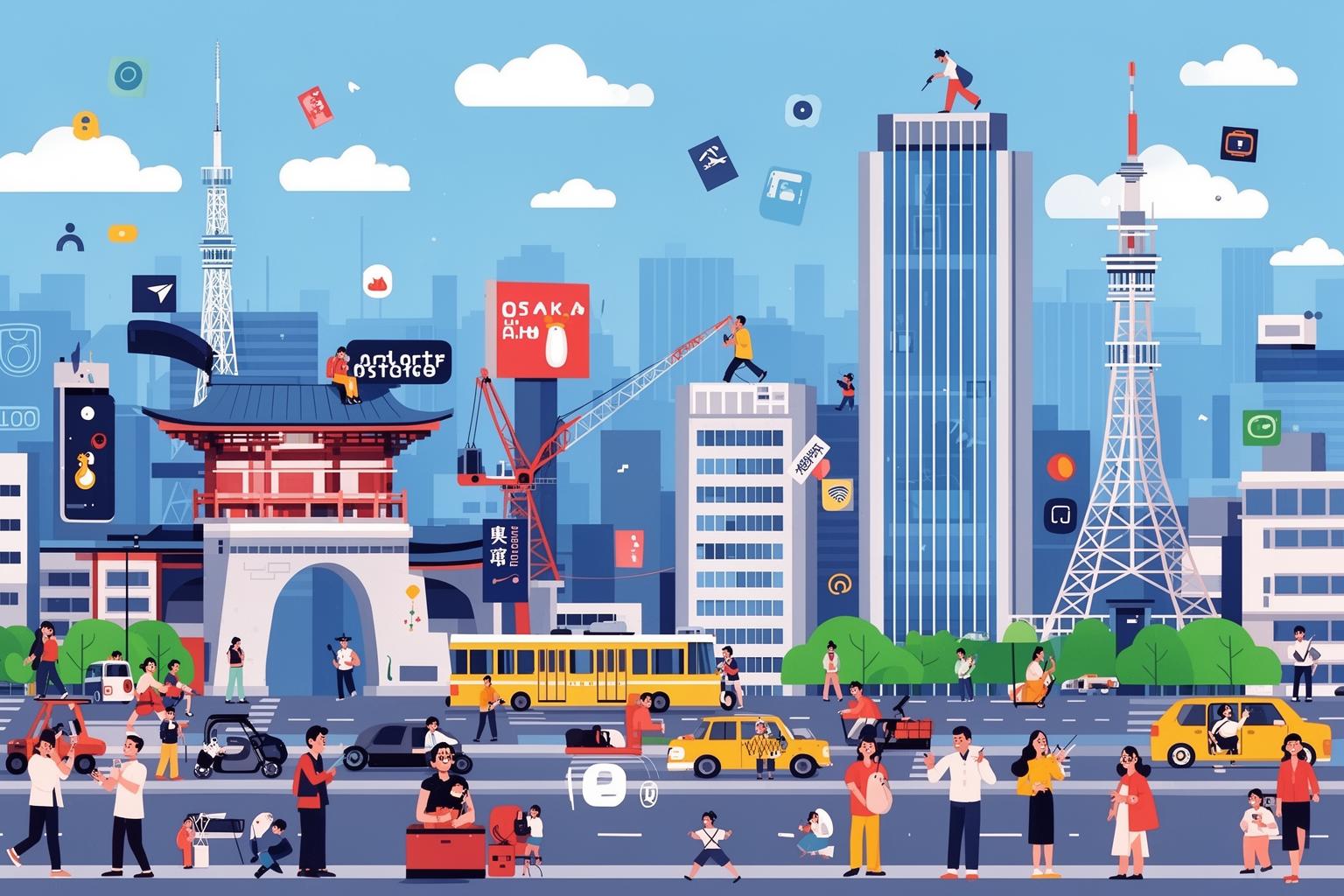
It’s easy to buy into the caricature of Osaka as the city of kuidaore, where people eat until they drop and where the main currency is a well-timed punchline. While this lively aspect is an essential part of its character, it only scratches the surface. To truly grasp Osaka, you need to explore its foundation—its history as Japan’s great merchant city. Kitahama stands at the heart of this heritage. For centuries, it served as the nation’s financial hub, hosting the Dōjima Rice Exchange, the world’s first futures market. This is more than a historical detail; it’s embedded in the district’s identity. The spirit of commerce, keen negotiation, and maximizing value still courses through these streets, just as the Tosahori River flows past the modern headquarters of banks and securities firms.
This rich history fosters a culture deeply grounded in practicality. The people you see purposefully crossing the Naniwa Bridge aren’t merely commuting; they are part of a long-standing tradition of getting things done. This “work smart” mentality differs greatly from the corporate warrior culture seen elsewhere. It focuses less on long, performative hours and more on efficiency and measurable outcomes. This mindset is exactly what makes the cafe culture here distinctive. A Kitahama cafe is not primarily a social stage or a spot to be seen. Instead, it serves as an extension of the office, studio, or home workspace. It’s a tool. Visitors come to finalize deals, draft proposals, code software, or study for exams. The ambiance, the view, the quality of the coffee—these are not mere indulgences. In Osaka’s way of thinking, they are strategic investments in productivity. A pleasing environment is not just enjoyable; it’s an asset that enhances your work. This is the first lesson Kitahama imparts: in Osaka, even relaxation serves a purpose.
The Kitahama Vibe: Why It Doesn’t Feel Like Tokyo
If you’ve spent any time in Tokyo’s business districts like Marunouchi or Otemachi, the contrast with Kitahama is immediate and striking. Tokyo’s financial centers often exude a sense of immense, untouchable power. The skyscrapers are colossal, the streets wide and immaculate, and there’s a quiet reverence, as if walking through a cathedral dedicated to global capitalism. The cafes there can feel like extensions of this corporate force—impeccably designed, minimalist to a fault, sometimes accompanied by an unspoken pressure to maintain a quiet, polished professionalism. It can be intimidating to pull out a laptop and settle in.
Kitahama, on the other hand, feels entirely different. It’s a working district that breathes. The architecture is an intriguing blend of stately, European-inspired Meiji-era buildings, like the Central Public Hall on Nakanoshima island, alongside sleek, modern glass towers. The scale feels more approachable. But the real game-changer is the river. The presence of water brings softness, a sense of life and movement missing from landlocked business centers. The gentle lapping of the waves, the tour boats gliding by, the occasional rumble of the Keihan line train crossing the bridge overhead—these sounds create a living soundscape that’s calming rather than distracting. The river serves as a natural pressure valve. When stuck on a problem, you can look up from your screen and watch the light dance on the water. This immediate access to a natural, soothing element is deeply embedded in the district’s character. It’s a very Osaka approach to urban planning: a recognition that even at the heart of the city’s economic engine, people remain people. They need air, light, and a touch of beauty to thrive. This blending of work and well-being feels organic, not like a corporate wellness program. It’s simply a smarter, more humane way to build a city.
Decoding the Riverside Cafe: A Lesson in Osaka Pragmatism
Stepping into a Kitahama riverside café feels like enrolling in a masterclass on Osaka’s core philosophy. These spaces are never accidental; every detail reflects the city’s practical, value-oriented mindset. They are precisely crafted environments aimed at enhancing productivity while offering a high-quality experience. It’s a delicate balance, and they achieve it perfectly.
The Unspoken “Laptop Welcome” Policy
One of the first things you’ll notice is the quiet confidence of the patrons around you. Laptops are open everywhere. No one is shielding their screens or nervously watching the staff. There’s an unspoken consensus: this is a place to work. In other cities, and even parts of Tokyo, setting up your laptop can feel like a minor offense. You may receive subtle hints—a passive-aggressive table wipe, a pointed “anything else for you?”—signaling your time is up. But in Kitahama, the vibe is different. It’s a straightforward, transactional relationship grounded in the merchant city’s ethos. You’re a customer: you buy a coffee, maybe a pastry. In return, you’re essentially renting a premium workspace—a chair, a table, a power outlet, and a spark of inspiration. If you’re respectful and occasionally reorder, you aren’t simply tolerated; you’re genuinely welcomed. The staff are busy, efficient, and professional. They don’t police your stay; they ensure a smooth, comfortable experience for everyone. This fosters a wonderfully liberating atmosphere for remote workers. You can settle in, enter a deep flow, and trust you won’t be disturbed unless you need a refill. It’s a business transaction, and in Osaka, good business is always honored.
“Kospa” with a View: Maximizing Value
To truly appreciate the genius of the Kitahama café scene, you need to understand kospa, or cost performance. It’s a term you hear constantly in Osaka, almost a guiding principle. It’s not about being cheap; it’s about getting exceptional value for your money. Locals will gladly pay a premium, but only when quality, experience, and utility justify it. Spending on something merely trendy or hyped is considered foolish.
Now apply this logic to a café. A 600 yen latte might seem pricey at first. But a kospa-minded Osakan isn’t just buying a drink—they’re performing a quick internal cost-benefit analysis. For 600 yen, what do I get? A high-quality coffee. Clean facilities. Reliable, free Wi-Fi. A comfortable, ergonomically designed chair. And, most importantly, a breathtaking panoramic view of the river and city skyline—something that would cost a fortune in a high-end venue. This view isn’t just decoration; it’s a productivity enhancer and mood booster. When you consider all these benefits, that 600 yen latte suddenly feels like a remarkable bargain. It’s an investment in a productive, enjoyable afternoon. You’re not just buying coffee; you’re securing a superior workspace. This is Osaka pragmatism at its finest: finding the angle, spotting the value, and making a smart deal—even with your daily caffeine fix.
The Architecture of Productivity
The physical design of these cafés further underscores their role as workspaces. Many are set in beautifully renovated historic buildings, preserving the district’s character while meeting modern needs. The most striking feature is almost always the vast, floor-to-ceiling windows. These aren’t merely for showcasing the view; they flood the interior with natural light, which is proven to boost mood and reduce eye strain. It’s a functional choice, not just an aesthetic one. The layout also speaks volumes. You’ll find an assortment of seating: small two-person tables for focused work or private chats, and long communal tables fostering a shared purpose and quiet energy. Crucially, power outlets are abundant and thoughtfully placed, acknowledging that patrons come to power through their day. The furniture is selected for long-term comfort, not just style. Chairs are sturdy and supportive; tables are at the right height for typing. Every detail is designed to eliminate friction and help you focus on your tasks. It’s a meticulously engineered environment tailored for productivity.
Living the Kitahama Life: A Digital Nomad’s Daily Rhythm
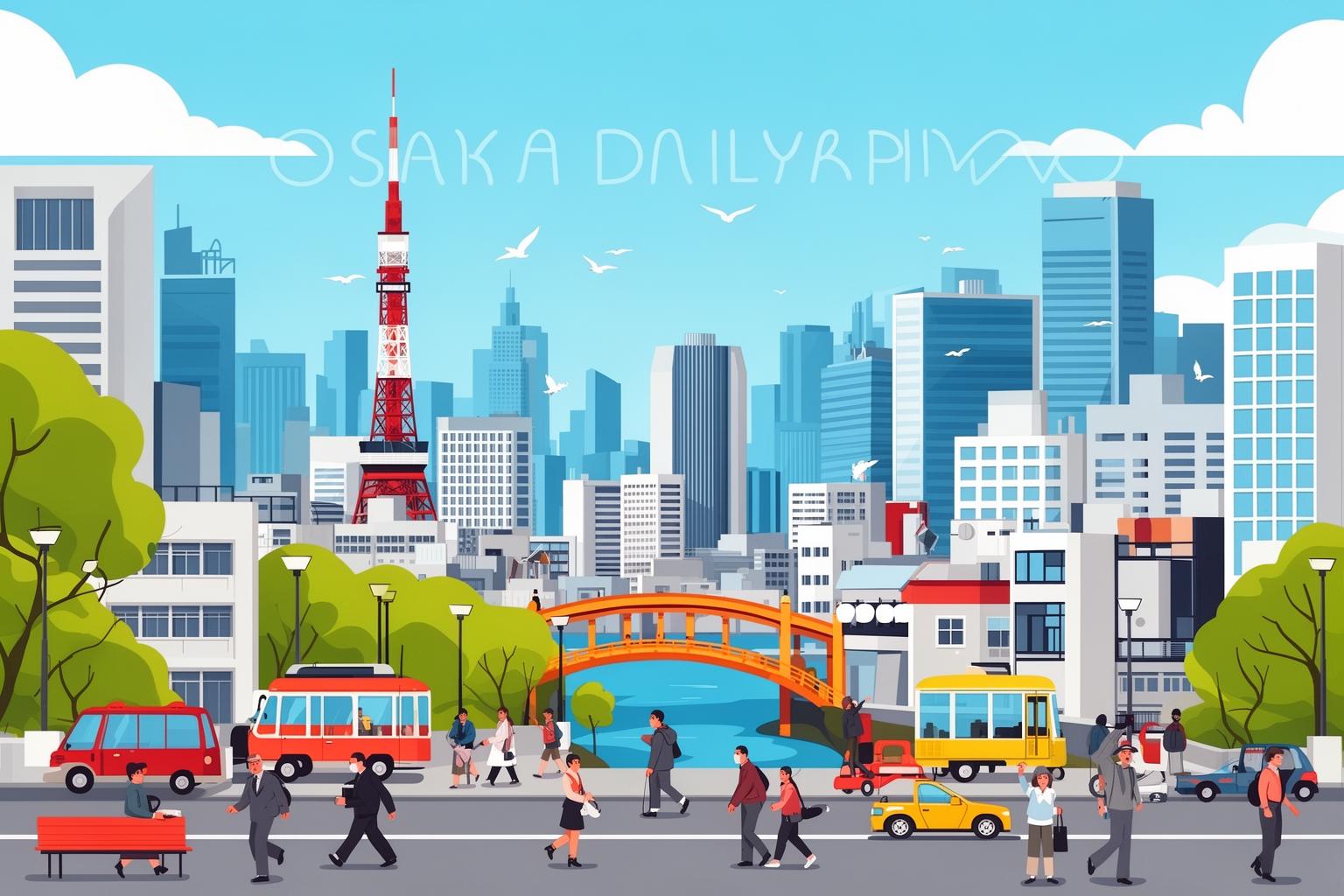
Immersing yourself in Kitahama for a workday means aligning with the district’s distinct rhythm. The day progresses through clear phases, each carrying its own vibe. The morning kicks off with a burst of kinetic energy as commuters stream out of Kitahama and Yodoyabashi stations. Cafes fill with office workers grabbing a quick espresso and pastry before heading to their towers. The atmosphere is sharp, focused, and forward-driven. This is the energy you tap into to jumpstart your own day.
By mid-morning, the commuter rush eases, giving way to a calmer, more intentional hum. This is when remote workers, freelancers, and creatives settle in. The soundscape shifts from brisk footsteps to the steady tapping of keyboards and the soft murmur of quiet meetings. A sense of shared, concentrated effort envelops the spaces. You’re alone with your work, yet not isolated. Being surrounded by others in a similar flow creates a powerful, motivating environment. When your focus begins to dip in the afternoon, the district offers the perfect remedy. A short walk across a bridge leads you to the Nakanoshima Rose Garden. Taking a thirty-minute break to stroll among the stunning blooms, with the river on one side and the city on the other, feels like an incredible luxury. It’s a built-in reset button. This seamless fusion of intense work and accessible nature is what makes the Kitahama lifestyle so sustainable and appealing.
As late afternoon fades into evening, the rhythm shifts once more. Laptops close, and the warm glow of interior lights spills onto the riverside terraces. Cafes transform from workspaces into relaxed social spots where colleagues and friends gather for a post-work beer or glass of wine. City lights begin to sparkle, reflecting on the dark water, creating a magical, almost Parisian atmosphere. This smooth transition from work to leisure is quintessentially Osaka. It’s less about an abrupt stop and more about a graceful evolution of the day. Life here feels integrated, not compartmentalized. It’s a powerful reminder that a productive life and an enjoyable life don’t have to be mutually exclusive.
What It All Means: Understanding the Real Osaka
Ultimately, Kitahama is far more than just an attractive place to work. It serves as a key to understanding Osaka’s sophisticated, modern identity—one that is often overlooked. The district proudly challenges the one-dimensional stereotype of the city as a loud, boisterous playground. Instead, it unveils a culture that deeply values intelligence, efficiency, and a refined appreciation for quality. The riverside work culture perfectly embodies this identity. It stems from a practical mindset that questions why work should be unpleasant or why a productive environment must be sterile. Why settle for a dull, windowless office when, for the price of a couple of coffees, you can work in a beautiful, light-filled space with an inspiring view? To an Osakan, the choice is clear. It’s not about indulgence; it’s about common sense.
This is the side of Osaka that foreigners often overlook, yet it’s what makes the city such an incredible place to live and work. It is a city that respects its history as a commercial powerhouse without being confined by it. It embraces the future of work, recognizing that talent flourishes through flexibility, inspiration, and well-being. At its core, Osaka believes in the value of hard work, but understands that a good life is the ultimate goal. So, when you settle into a chair at a Kitahama café, gaze out at the river, and open your laptop, you’re not just starting your workday—you’re connecting with a smarter, more balanced, and fundamentally more human way of life. You’re experiencing the real Osaka, and it is brilliant.