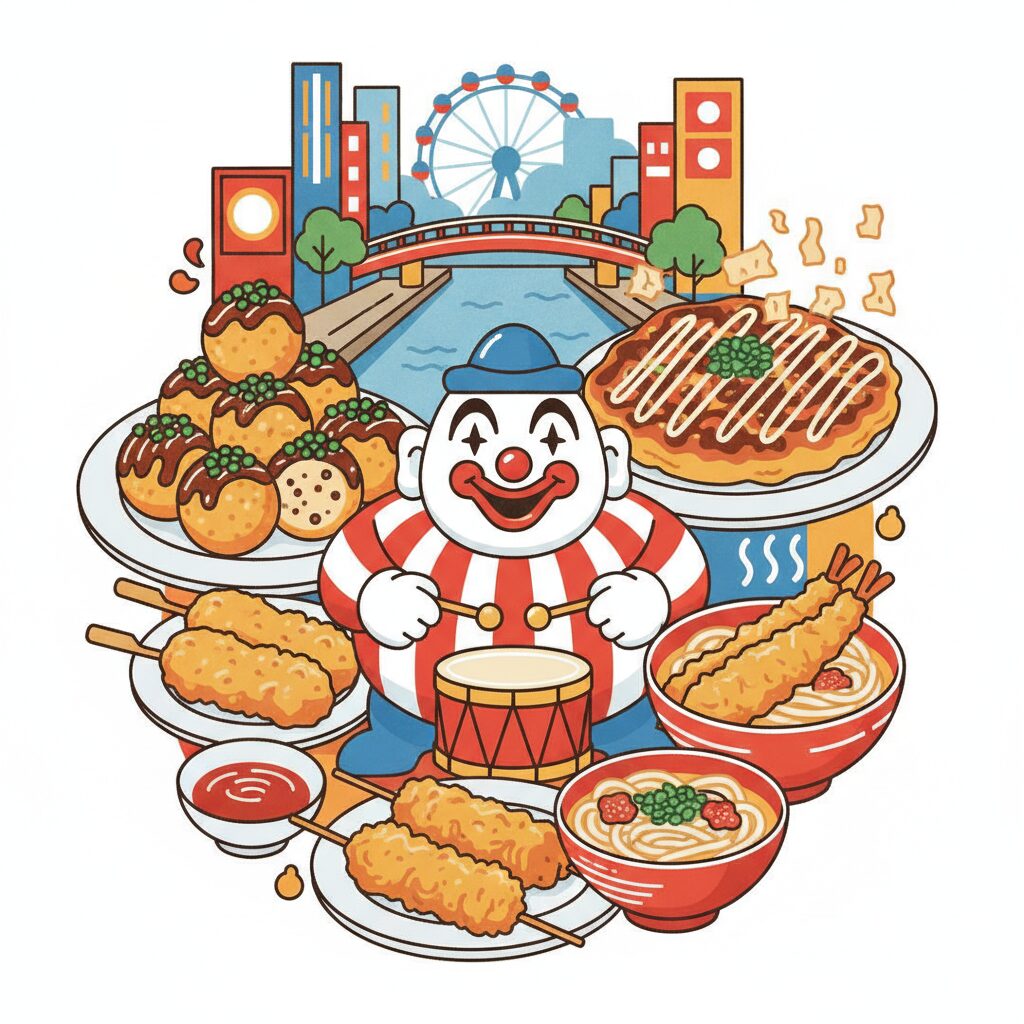
Walk through the electric canyons of Namba, and you’ll hear it. You’ll see it on signs, in guidebooks, and plastered across tourist paraphernalia. The word is Kuidaore. The common translation, offered with a knowing smile, is “to eat oneself into bankruptcy.” It conjures images of epic, non-stop feasting, of surrendering your financial future for one more skewer of kushikatsu, one more octopus-filled ball of takoyaki. The famous Kuidaore Taro clown, drumming endlessly in Dotonbori, seems to beat this very rhythm into the city’s heart. It’s a fantastic story. It’s a powerful brand. And for anyone actually living here, it’s a profound misunderstanding of what makes Osaka’s stomach rumble.
The soul of Osaka’s food culture isn’t about excess. It’s not about gluttony. It’s about something far more nuanced, more competitive, and frankly, more intelligent. It’s about cospa. This ubiquitous Japanese-English portmanteau, short for “cost performance,” is the true religion of the Osaka diner. Kuidaore doesn’t mean you’ll spend all your money on food. It means you are so obsessed with getting the absolute maximum quality and satisfaction for the yen you spend that you could, theoretically, devote your entire life to this delicious pursuit of value. It’s a philosophy of economic efficiency applied to the plate. It’s not about eating until you drop; it’s about refusing to pay a single yen more than something is worth. This is the foundational rule of daily life in Osaka, and understanding it is the key to understanding the city itself.
This philosophy of economic efficiency extends into every facet of Osaka life, from its culinary adventures to its distinctive informal nomikai culture that energizes hidden corners of Ura-Namba.
The Merchant’s DNA: Why Value Rules Everything

To understand why an entire city is wired this way, you need to look back. Tokyo became the center of power, home to the samurai government and the imperial court. It was a city built on hierarchy, form, and authority. Osaka, however, was different. It was built on rice and commerce. As the tenka no daidokoro, or “the nation’s kitchen,” during the Edo Period, this was where the country’s wealth was gathered, stored, and traded. The city’s heroes were not warriors but merchants. And merchants, to survive and prosper, live by a different code. Their entire world revolves around calculation, negotiation, and the keen assessment of value. While a samurai might prize honor above all, a merchant values a good deal.
From the Nation’s Kitchen to the Salaryman’s Lunch
This historical identity is not a dusty relic; it’s a living, breathing part of modern Osaka’s psyche. The merchant’s DNA flows through the veins of the city. People here are pragmatic, direct, and almost genetically suspicious of anything that seems overpriced. Status earned from a brand name holds little sway here. What commands respect is not the costly item you bought, but the incredible deal you secured. This mindset applies to everything—electronics, clothing, housing—but it finds its clearest expression in food. Food is the daily stage where this cultural instinct is practiced and perfected. The legacy of the rice brokers of old lives on in the office worker carefully weighing options for their 800-yen lunch set. They are not just eating; they are making a transaction. They aim to maximize their return on investment. A meal is not simply sustenance; it’s a measure of their own savvy.
The Unspoken Language of ‘Cospa’
This brings us back to cospa. In Tokyo, a conversation about a new restaurant might focus on the chef’s background, the interior design, or its media buzz. In Osaka, the conversation will, without fail, turn to the price. But this is not just a complaint about cost. It’s a nuanced analysis. A friend won’t simply say, “The pasta was delicious.” They’ll say, “The pasta was amazing. They made the noodles in-house, used fresh seafood, and the lunch set with salad and bread was only 950 yen. Unbelievable.” The price is not an afterthought; it is an essential part of the quality. Conversely, a meal can be a culinary masterpiece, but if it costs 30,000 yen, an Osakan might just shrug and say, “For that price, it better be good.” There is no admiration in that remark. It suggests a lack of imagination, an inability to achieve excellence without spending lavishly. The true genius, the artist of Osaka’s food scene, is the one who can deliver that 30,000-yen experience for 5,000 yen. That is the person who earns the city’s reverence.
How ‘Kuidaore’ Plays Out in Daily Osaka Life
The abstract concept of cospa materializes in very tangible ways throughout the city every day. It influences the urban environment, sets the pace of the workday, and acts as a continual form of social currency. It’s a game played by millions, with the prize being a satisfying meal that feels like a personal victory.
The Battleground of the Business Lunch
Nowhere is the competition for cospa fiercer than during weekday lunch hours in business districts like Umeda, Honmachi, or Yodoyabashi. Between 12:00 and 1:00 PM, the streets swell with office workers who aren’t just seeking food; they’re on a mission. Restaurants here engage in a Darwinian battle for survival. The secret to thriving is a lunch set, or teishoku, that delivers unbeatable value. We’re talking generous bowls of rice (often with free refills), a filling main dish, a bowl of miso soup, and a side of pickles, all priced under 1,000 yen. The mythical “one-coin lunch,” a full meal for a single 500-yen coin, is the ultimate prize. Discovering a new spot offering this deal sparks celebration and rapid word-of-mouth among colleagues. A restaurant charging 1,200 yen for a mediocre fried chicken plate will be deserted within a week. The collective verdict of the Osaka lunch crowd is quick and unforgiving. As a local, you learn to trust the lines: a long queue of salarymen spilling from an unremarkable entrance is the surest sign of top-tier cospa in the city.
Supermarket Savvy and the ‘Mottainai’ Mindset
This focus on value extends well beyond dining out. It’s a fundamental aspect of home life, evident every evening in Osaka’s supermarkets. While Tokyo residents might prefer spotless department store basements, many Osakans take special pleasure in the lively, no-frills charm of places like Super Tamade. With its flashy neon lights and hand-written signs advertising 1-yen specials, Tamade is a shrine to cospa. The real excitement kicks in at night when staff armed with sticker guns start marking down prepared foods and fresh produce. This is called wari-biki. A 20% off sticker is nice; 30% off is better. The prized han-gaku, or 50% off sticker, is a jackpot. Scoring half-price high-quality sashimi is a true household victory. This isn’t about frugality—it’s about efficiency. It stems from the deeply ingrained cultural concept of mottainai—a sense of regret over waste. Paying full price only to see the item discounted later is wasteful. Letting food go to waste is wasteful. The savvy shopper who times their visits around discount periods is viewed as smart and responsible. It’s a practical display of the merchant’s instinct: buy low, eat well.
Osaka vs. Tokyo: A Tale of Two Appetites
Understanding Osaka’s food culture requires a contrasting reference point, and there is no better comparison than Tokyo. The two largest cities in Japan approach dining from fundamentally different perspectives. They speak different culinary languages, even when enjoying the same dishes. Their attitudes reflect the profound cultural divide between these two metropolises.
Status on a Plate vs. Satisfaction in the Wallet
In Tokyo, dining is often tied to status, branding, and presentation. Considerable value is placed on the restaurant’s name, the chef’s reputation, the elegance of the decor, and the neighborhood’s cachet. People may pay a premium to eat at a trendy Aoyama spot or to be seen at a reservation-only venue in Ginza. The story behind the meal—the brand—is part of the price. Osaka, for the most part, couldn’t care less. An Osakan might walk past a beautifully designed restaurant with mediocre reviews to stand in line for 30 minutes outside a cramped, slightly shabby shop run by an elderly couple, simply because they know the udon there is the best in the ward and costs only 600 yen. The focus is solely on the product and its price. Everything else is secondary. A fancy storefront is often met with suspicion; the owner must be compensating for something. According to Osaka’s mindset, true quality needs no advertisement. Its cost-performance speaks for itself. The ultimate social flex in Osaka isn’t bragging about dining at a famous, expensive restaurant; it’s taking friends to a hole-in-the-wall you discovered serving incredible food for next to nothing.
The Michelin Star Paradox
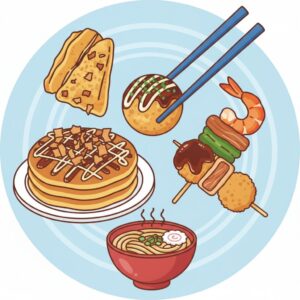
Yes, Osaka boasts a number of Michelin-starred restaurants, and they are, by all accounts, world-class. The city’s chefs are exceptionally skilled. However, the Michelin Guide doesn’t dominate local conversations as it might elsewhere. The city’s true culinary pride lies in what is called B-kyu gurume, or “B-class gourmet.” This isn’t an insult, but rather a badge of honor. It celebrates the delicious, unpretentious, and affordable foods of the people: takoyaki, okonomiyaki, kushikatsu, udon, ramen. These dishes fuel the city. While a Michelin-starred chef may be respected, the true local legends are the takoyaki vendors who have perfected their batter over 50 years, the okonomiyaki masters who can flip a pancake with their eyes closed, and the kushikatsu chefs who achieve the perfect, non-greasy breading. These artisans of cost-performance deliver maximum flavor and joy for just a few hundred yen. This is the food that defines daily life, the food people crave, and the standard against which all other meals are measured.
What This Means for You Living in Osaka

For a non-Japanese resident, embracing this food philosophy is one of the most crucial steps to truly feeling at home here. It goes beyond just a dining preference; it opens the door to the local mindset. It changes how you shop, how you socialize, and how you perceive the city around you.
Recalibrating Your Definition of ‘Good Food’
Living in Osaka will fundamentally shift your understanding of what makes a meal “good.” You’ll naturally start to weigh value in your decisions. You’ll find yourself enjoying incredible food every day for a fraction of the cost you’d expect in other major world cities. This abundance of high-quality, affordable options quickly becomes the new standard. Before long, a 1,500-yen lunch that doesn’t impress you will feel overpriced. You’ll judge restaurants not by their decor but by how quickly they serve and the happiness of their customers. You’ll learn to recognize excellent cospa: a concise menu showing specialization, a steady flow of patrons, and a location slightly off the beaten path, saving on rent costs that get passed on to you. You become a connoisseur not just of flavor but of value.
Joining the Conversation
Food is the main social currency in Osaka, and learning to discuss it in the local dialect—the language of cospa—is how you build connections. When colleagues ask where you had lunch, don’t just name the place. Share what you ate and how much it cost. “I tried that new curry spot in Sakaisuji-Honmachi. The tonkatsu curry was huge, and it was only 750 yen. We should all go tomorrow.” This is the language of camaraderie. Asking for recommendations is another key tool. Instead of asking, “Where is the best food?” ask, “Where can I find really good cospa around here?” This shows you understand what matters. You’re not a tourist hunting famous spots; you’re a resident seeking a great deal. This shared pursuit, this city-wide passion for maximizing value, is the true essence of Kuidaore. It’s a daily, delicious treasure hunt—and in Osaka, everyone’s invited to join in.