Walk through the backstreets of Osaka after five o’clock, and you’ll see a unique kind of urban migration. It’s a slow, deliberate drift. People appear in a tiny, steamy stall, stand at a worn wooden counter for what seems like mere minutes, then vanish back into the alley, only to reappear in another, similar establishment a few doors down. From the outside, it might look chaotic, an aimless wander. But this is no random shuffle. This is a ritual. This is an art form. This is hashigozake, and in Osaka, it’s not just a way to drink—it’s a way to live. The term literally translates to “ladder drinking,” moving from one bar to the next as if climbing rungs. But to call it a simple pub crawl is to miss the point entirely. A pub crawl is a blunt instrument, a plan of attack with a singular goal. Hashigozake is a conversation with the city itself. It’s a fluid, intuitive dance fueled by spontaneity, guided by atmosphere, and grounded in a deep-seated cultural appreciation for value and human connection. In Tokyo, my hometown, an evening out is often an appointment. It’s booked, planned, and contained within four walls for a set duration. In Osaka, the evening is a possibility. The entire neighborhood becomes your venue, each tiny bar a different room in a sprawling, communal house party. To understand this nightly pilgrimage is to unlock a fundamental truth about the Osakan mindset, a philosophy that prioritizes flow over formality, discovery over destination, and connection over choreographed entertainment. It’s where the city’s famous pragmatism, its love of a good deal, and its warm, unfiltered humanity all swirl together in a single, cheap glass of shochu.
Discover another vibrant facet of urban life in our exploration of Osaka bicycle culture, where the city’s dynamic cycle trails mirror the spontaneous energy of its bar-hopping tradition.
What Hashigozake Is—And What It Isn’t
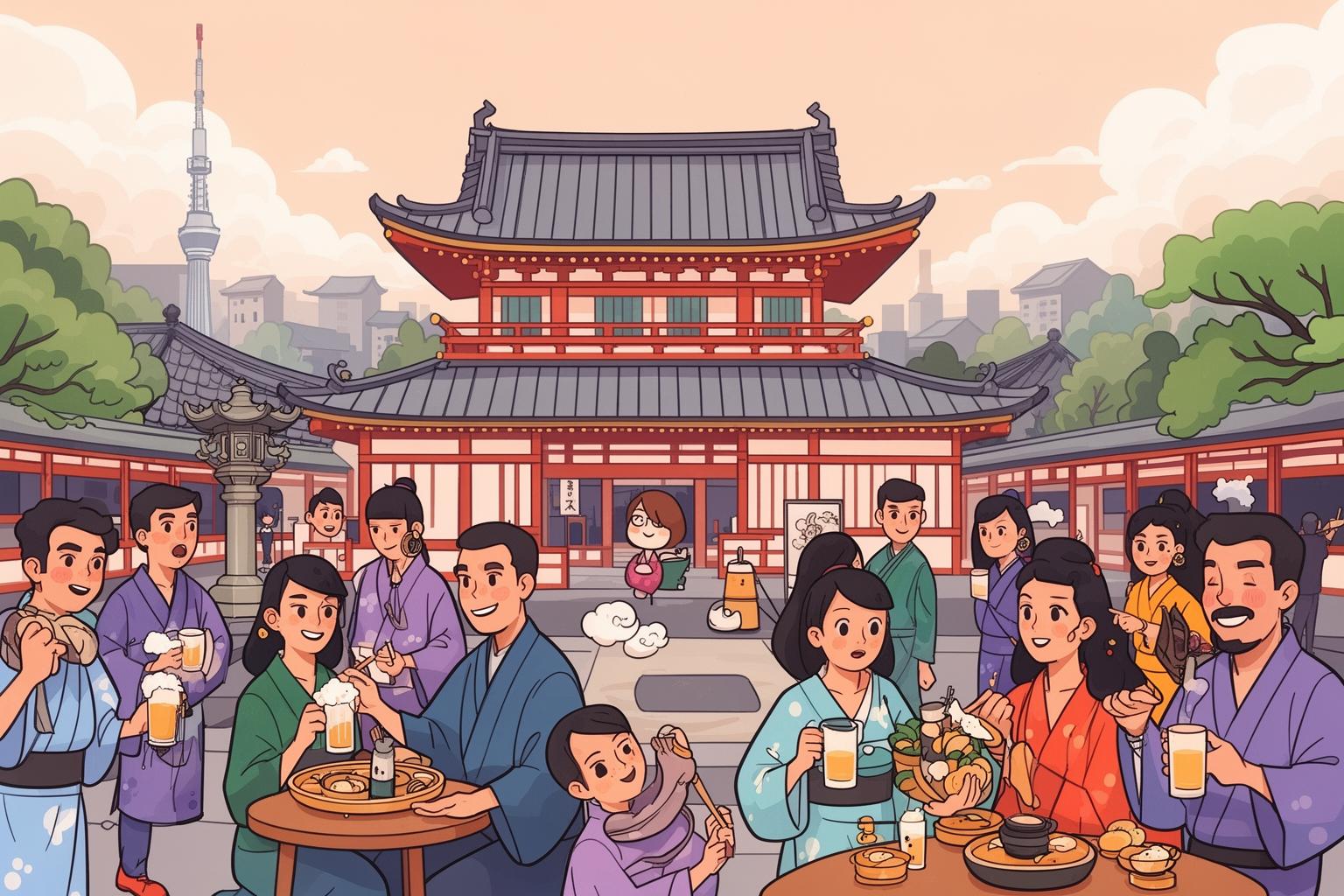
To truly understand the concept, you need to let go of your preconceived ideas about a “night out.” Hashigozake isn’t about finding the perfect bar to settle into; it’s about creating a mosaic of experiences, with each tile representing a brief, memorable stop. It’s a performance in three acts: the entry, the engagement, and the exit, all carried out with a subtle, unwritten etiquette.
More Than a Pub Crawl: The Philosophy of Flow
A Western pub crawl often feels like ticking off a checklist. You have a list of places, a group of people, and the night becomes a mission to conquer them all. Hashigozake is quite the opposite. It’s surrendering to the whims of the evening. You might start with a vague idea—let’s explore the Tenma area—but there’s no fixed itinerary. The path unfolds naturally. You follow your senses: the aroma of grilling yakitori, the sound of laughter behind a plastic curtain, the sight of an enticing menu scribbled on a lantern. The decision to enter a bar happens instantly, guided by a gut feeling. Leaving is just as instinctive. There’s a moment when the energy peaks. You’ve had your drink, enjoyed a small plate, maybe shared a laugh with the bar master. The story of that stop feels complete. Lingering beyond that point disrupts the rhythm. True hashigozake masters sense this shift intuitively. It’s a mutual understanding that the night is long and brimming with other stories waiting to be discovered. This flow philosophy is deeply Osakan. The city thrives on improvisation, finding structure within apparent chaos. It’s about being present in the moment, appreciating it fully, then gracefully moving on without attachment or regret.
The Economic Engine: Why “Senbero” Fuels the Hop
This culture of constant movement relies on an economic foundation: the concept of senbero. The term combines sen-en (1,000 yen) and berobero (to get drunk). The idea is straightforward: you can enjoy a few drinks and a snack for just 1,000 yen. This isn’t about being cheap; it’s about kosupa, or cost performance—a principle Osakans deeply revere. Why commit to a single expensive restaurant when you can sample the best dishes from three different specialized stalls for the same price? Senbero sets are the grease that keeps the hashigozake machine running. They lower the entry barrier for each experience. You walk into a tachinomi (standing bar) and see the sign: “Draft Beer + Edamame + Yakitori Skewer = ¥1,000.” It’s a low-risk investment. You’re not locking in your entire evening or your entire budget. You’re buying a 30-minute ticket to a new vibe. If you love it, you can order another drink. If the atmosphere isn’t right, you finish up, pay your coin, and move on without hard feelings. This transactional lightness is essential. It changes the bar from a destination into a waypoint, turning the entire district into a playground for culinary and social exploration. It’s the ultimate expression of Osakan pragmatism—maximizing experience while minimizing cost and commitment.
The Unspoken Rules of the Osaka Bar Hop
Like any intricate social ritual, hashigozake is guided by a set of unwritten rules. These aren’t displayed anywhere, yet they are understood by everyone involved. Breaking them won’t get you kicked out, but it will mark you as someone who just doesn’t “get it.” Learning these rules is the key to evolving from a tourist to a genuine participant.
Rule One: Keep It Quick, Keep It Light
The most vital rule is to avoid nagai suru—staying too long. The standing bars and tiny counters that define hashigozake often accommodate fewer than ten patrons. Your spot at the counter is valuable real estate. The business depends on turnover. By having just one or two drinks and a small dish, you respect the owner’s livelihood and allow others to start their own experience. This steady, gentle flow of people keeps the neighborhood’s atmosphere lively. Think of it this way: in Tokyo, you reserve a table. In Osaka, the whole neighborhood is your table, and you’re simply visiting different corners of it throughout the night. Ordering a multi-course meal at a ten-seat yakitori counter is a cultural misstep. The expectation is that you order promptly, enjoy your food appreciatively, and then move on. This efficiency isn’t cold or impersonal; it’s a form of collective courtesy that keeps the whole system running smoothly for everyone.
Rule Two: Read the Air (Kuuki wo Yomu)
This skill is essential throughout Japanese society, but it’s especially evident in hashigozake. Before entering a bar, you pause and peek inside, performing a silent, instant vibe check. Are all seats taken? Are people speaking loudly or softly? Does the owner seem overwhelmed or relaxed? This isn’t hesitation but social awareness. You’re gauging whether your presence will harmonize with or disrupt the current atmosphere. A small bar filled with regulars enjoying quiet conversation will be unsettled by a boisterous group of four barging in. The goal is to blend into the scene, not crash it. Once inside, the observation continues. You sense the bar’s rhythm. You don’t shout your order when the master is focused on plating. You avoid loud phone calls. You become part of the background sound, adding to it without overpowering it. This is the art of fitting in and a sign of respect for the space and its people.
Rule Three: Engage the Master, Respect the Counter
In many of these intimate spots, the owner—the taisho or mama-san—is the place’s heart and soul. The experience isn’t just about food and drink; it’s about the brief connection with the person serving you. The counter is more than furniture; it’s the stage for this exchange. A simple greeting (konbanwa), a compliment on the food (oishii!), or a question about a particular sake is always appreciated. This isn’t an invitation for deep conversation, but a small gesture of recognition and gratitude that says, “I notice the care you put into your work.” Equally important is respecting the physical space. The counter is a workspace. Don’t place bulky backpacks or shopping bags on it. Keep your phone off it. When you’re ready to leave, a clear and polite “Okanjo onegaishimasu” (check, please), followed by a sincere “Gochisousama deshita” (thank you for the meal), is the perfect closing remark. This small, graceful exit leaves a good impression and keeps the door open for your next visit.
Osaka vs. Tokyo: A Tale of Two Drinking Cultures
The differences between hashigozake culture in Osaka and a typical night out in Tokyo highlight the core personality contrasts between Japan’s two largest cities. It’s a story of spontaneity versus planning, the street versus the skyscraper, and direct engagement versus polite distance.
Spontaneity vs. The Reservation
In Tokyo, social life often hinges on reservations. Weeks ahead, plans are arranged, calendars aligned, and a restaurant booked online. The evening has a fixed start time, a set location, and a predictable flow. This structure offers comfort and security. Osaka, conversely, embraces a “let’s see what happens” mindset. A friend might call at 6 PM saying, “I’m near Kyobashi, want to grab a drink?” The plan is simply to meet up and explore. This reflects a deeper cultural current. Tokyo, as Japan’s business and government hub, is driven by schedules, efficiency, and optimization. Osaka, historically a merchant city, follows a more fluid, street-smart, and adaptable rhythm. Osakans are at ease with ambiguity and thrive on unplanned discoveries. A Tokyo night is a carefully scripted play; an Osaka night is improvised jazz.
The Street as the Living Room
Walking through a drinking district like Tenma in Osaka reveals an energy starkly different from, say, Shinjuku in Tokyo. Tokyo’s nightlife is often vertical—you take an elevator to a restaurant on the 8th floor of a nondescript building, separated from the street below. Osaka’s nightlife, however, is horizontal and open. Bars and eateries spill onto the sidewalk. Plastic sheeting and open doorways blur the line between indoors and outdoors. The street itself is not just passage between spots; it is the venue. People eat and drink on overturned crates, lean against walls, and socialize in alleys. The whole district feels like one vast, open-air party. This makes the city feel more approachable and communal. You’re not a customer isolated in a private room; you’re an active participant in the city’s public life, sharing the space and experience with hundreds of strangers around you.
Communication: Direct Banter vs. Polite Distance
The social interaction style is perhaps the most noticeable difference. In a Tokyo izakaya, interaction may be limited to polite, formal exchanges with staff. Conversations with other patrons are rare unless sparked by a slow, mutual acknowledgment process. In an Osaka tachinomi, the person beside you might turn and ask, “What’s that you’re eating? Looks good. You should try the doteyaki here; it’s the best.” The bartenders might overhear you’re from abroad and teasingly interact with you. This directness can surprise those used to Tokyo’s invisible social barriers. But it’s not rudeness; it’s inclusion. It’s an invitation to join the conversation. Osakans use humor and friendly curiosity to break down walls between strangers, creating a temporary community united by the shared bar space. This is what lies behind the cliché that “Osaka people are friendly.” It’s not passive, polite friendliness; it’s active, engaging, participatory warmth demanding you join in.
Navigating the Maze: A Foreigner’s Guide to Mastering the Hop
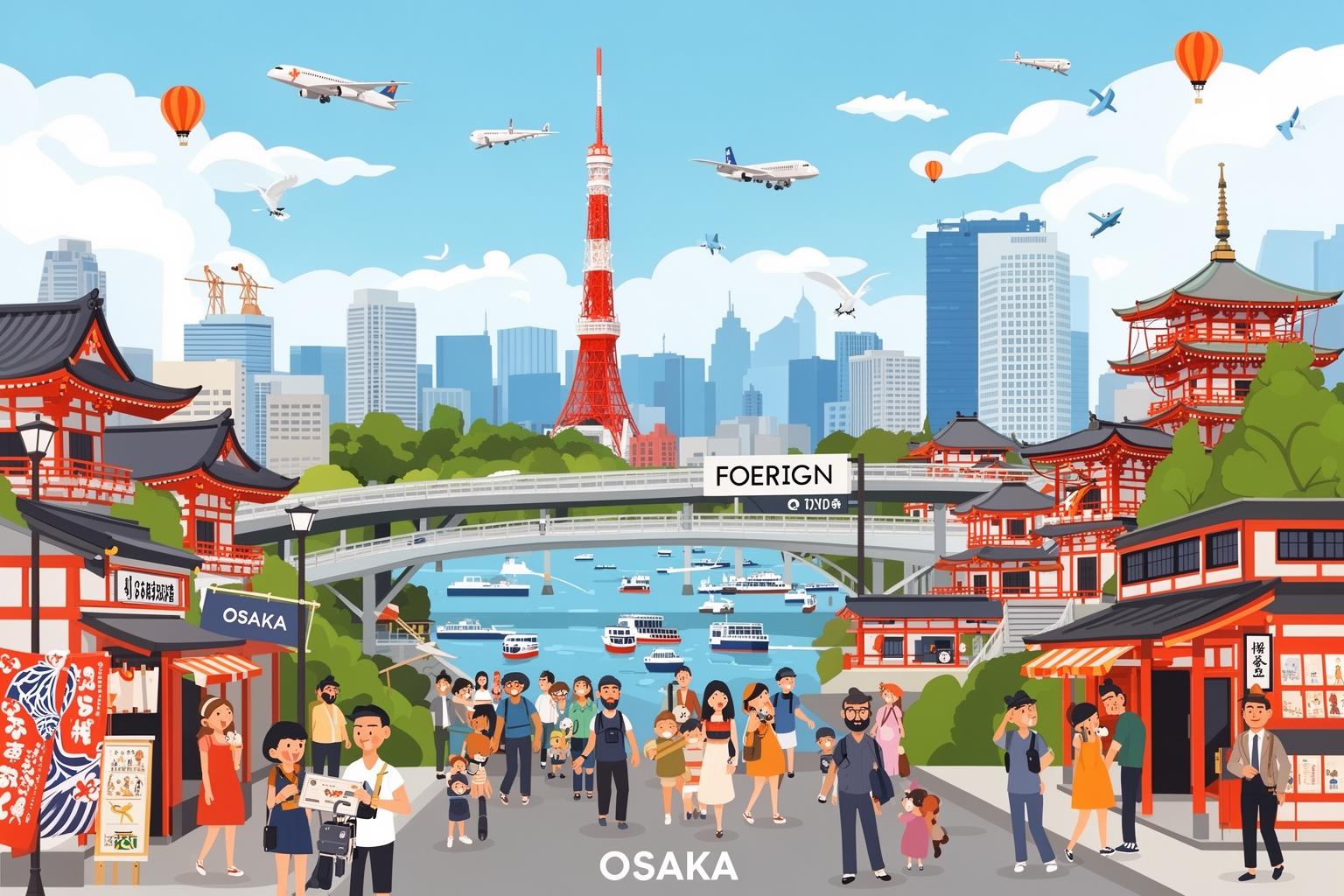
For someone who is not a Japanese resident, the world of hashigozake can appear intimidating. The spaces are small, menus are often only in Japanese, and the rules are unwritten. However, it is much more accessible than it seems. With the right mindset, it can become one of the most rewarding ways to experience the true Osaka.
Overcoming the Language Barrier Myth
Many foreigners assume they need to be fluent in Japanese to join in. This is simply not the case. In the world of hashigozake, your attitude matters far more than your vocabulary. The currency here is goodwill. A smile, a nod, and a willingness to try are your strongest assets. Most menus are straightforward, and many dishes are visible on the counter. Pointing is a perfectly acceptable and understood way to communicate. Learn a few key phrases: “Nama biiru, kudasai” (Draft beer, please), “Kore, hitotsu” (One of these, please), “Oishii” (Delicious), and “Arigatou” (Thank you). The owners of these small bars are experts in non-verbal communication. They have seen it all and are often pleased to welcome foreign customers who show genuine interest in their culture. Don’t let fear of grammatical errors stop you from enjoying an authentic experience. Your effort will be valued far more than your perfection.
Where to Start: Finding Your Hashigo Zone
Osaka has several well-known hashigozake districts, each with its own unique character. Picking the right one for your first visit can make a big difference. This isn’t a guide but a character overview of the main areas.
Tenma
This is the undisputed champion. A sprawling, chaotic maze of covered shotengai arcades and narrow side streets north of the Umeda area. It’s dense, loud, and vibrantly alive. You’ll find everything here, from generations-old oden stalls to chic new wine bars. It’s the quintessential hashigozake experience—a full immersion into the city’s pulsating nightlife. It may be overwhelming for a first-timer, but its raw energy is intoxicating.
Namba Ura
Situated just behind the bustling main streets of Namba, this district offers a slightly more curated yet equally authentic experience. The alleys are cleaner, and the venues can feel a bit more modern, with a great mix of traditional izakayas, craft beer specialists, and stylish standing bars. It’s a great middle ground, offering the thrill of discovery with a little less of Tenma‘s raw edge.
Kyobashi
East of Osaka Castle lies Kyobashi, a neighborhood that feels like a time capsule. It’s a favorite haunt of the city’s salarymen. The standing bars here are decidedly old-school, no-frills spots focused on cheap drinks and hearty, comforting food. You might hear less English here, but in exchange, you get an unfiltered glimpse into the daily life of working-class Osaka. It’s as authentic as it gets.
Your First Hop: A Simple Strategy
Ready to give it a try? Don’t overthink it. Go solo or with just one other person; hashigozake isn’t a group activity. Arrive in your chosen neighborhood around 5 or 6 PM, when things are just starting to come alive. Your first goal is simple: observe. Wander the alleys. Look for places with open fronts or curtains you can peek behind. Choose a spot that feels welcoming and not too crowded. Step inside, grab a seat at the counter, and start with a simple order. Beer is always a reliable choice. See what others are eating or point to something on the counter that looks good. Eat, drink, and soak in the atmosphere for 20-30 minutes. When you feel content, place your payment in the small tray on the counter and exit gracefully. Then, repeat the process. The aim on your first night isn’t to find the “best” bar in Osaka but to successfully hop between two or maybe three places. It’s about getting comfortable with the rhythm of entering, engaging, and leaving. Once you’ve mastered that, the entire city opens up to you.
The Soul of Osaka in a Glass
Ultimately, hashigozake is far more than just a way of drinking. It embodies the very spirit of the city. It reflects Osaka’s practical approach and value-driven senbero culture. It reveals a preference for flexible, spontaneous living rather than strict, planned routines. It highlights a social fabric that is straightforward, unpretentious, and woven together through countless brief, casual encounters in public spaces. To master the art of bar hopping is to learn to experience Osaka on its own terms. It means understanding that the best moments are often found not in a single perfect spot, but in the journey through many imperfect, wonderful experiences. It is a ritual that pushes you beyond your comfort zone into a dialogue with the city and its people. You learn to read the atmosphere, to appreciate the craft behind a simple dish, and to share a fleeting connection with a stranger. You stop being a passive observer and become an engaged participant in the vibrant, chaotic, and profoundly human rhythm of daily life in Osaka.