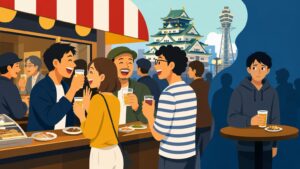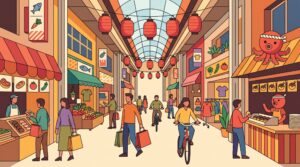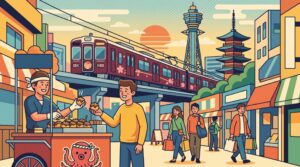
When you first step out of the sprawling, subterranean labyrinth of Umeda Station, the sky feels incredibly small. The buildings press in from all sides. The neon lights glare even in the late afternoon. The sound of automated escalators and station announcements loops endlessly in the background. Osaka operates on a high-frequency bandwidth of commerce, kinetic energy, and relentless hustle. It is a city that grabs you by the collar, pushes you into the crowd, and demands that you keep walking. Tourists flock to these glowing epicenters. They snap photos of the massive mechanical crabs above Dotonbori. They eat takoyaki until their mouths burn. They ride the yellow Ferris wheel overlooking the narrow streets of Namba. And then, exhausted by the sheer volume of the city, they retreat to their hotel rooms, firmly believing they have witnessed the true essence of Osaka.
But they have not. They have only seen the stage. To find the green room, to see the actors when the curtain falls and the makeup comes off, you must leave the concrete core. You must walk toward the water. You must find the wide, unassuming expanse of the Yodogawa River.
As someone who spends their days observing the intersections of culture and modern living, I have learned that the rhythm of a city is best felt where its people go to rest. In many East Asian megacities, public space is a tightly controlled luxury. It is manicured. It is regulated. You are told where to walk, where to sit, and how to behave. Tokyo perfects this dynamic with its pristine, historical parks, where security guards blow whistles if you step on the wrong patch of imperial grass. Osaka operates differently. Osaka is a city built by merchants, by commoners, by ordinary people navigating the friction of daily life. Its public spaces reflect a deeply ingrained democratic spirit, a rugged practicality that prioritizes function and freedom over flawless aesthetics. The Yodogawa Riverbanks are the ultimate expression of this local spirit.
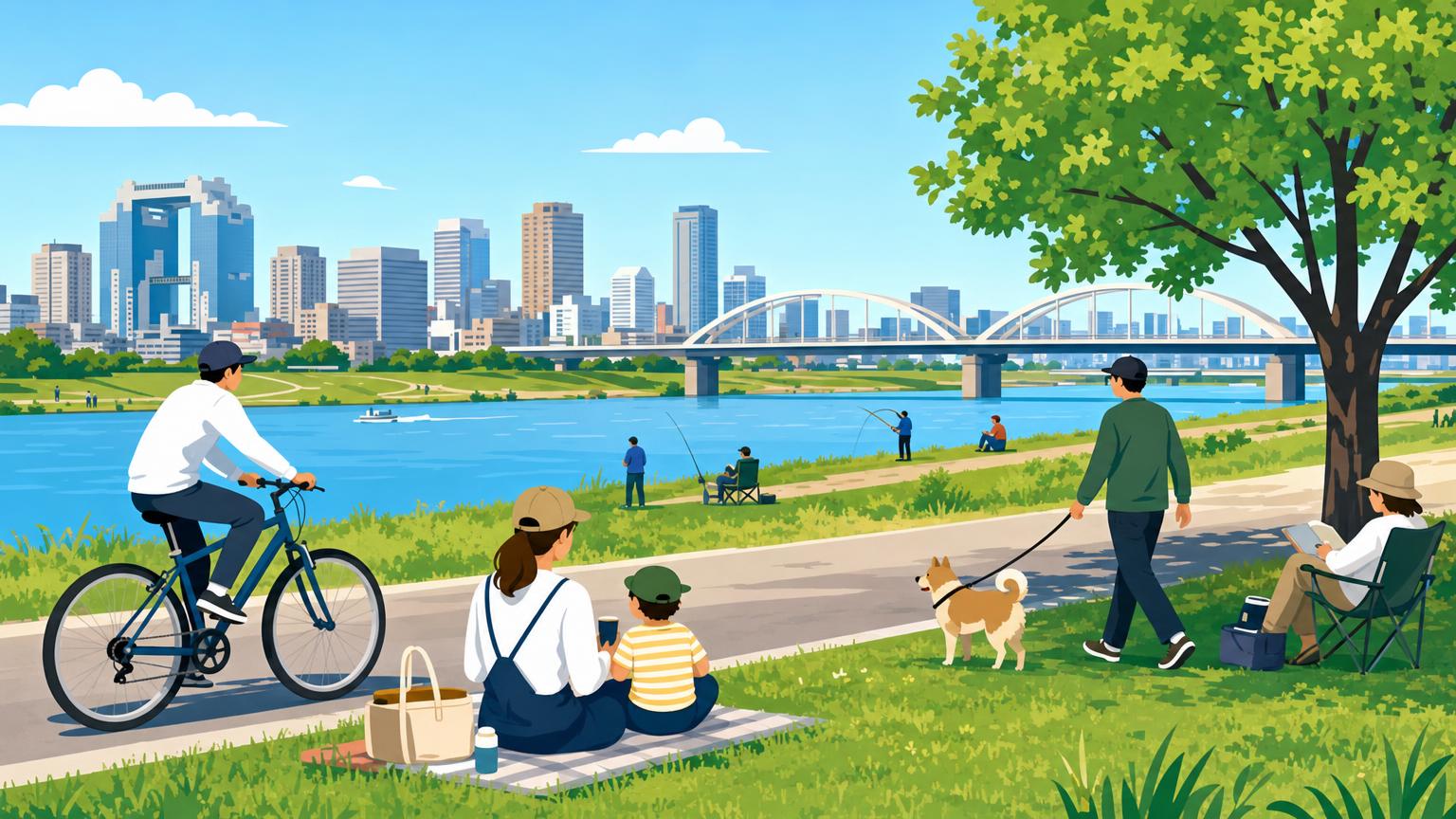
This massive waterway cuts directly across the northern edge of the central city. Its floodplains are wide, grassy, and largely unpolished. There are no grand entrance gates here. There are no ticket booths. There is only the sweeping open sky, the gentle slope of the green banks, and the constant, rhythmic clatter of commuter trains crossing the great iron bridges. This is where Osaka locals come to breathe. This is where the city finally drops its heavy shoulders.
If you are planning to live in Osaka, or if you simply want to understand the true texture of daily life here, you need to spend a weekend afternoon on these riverbanks. You will learn more about the local mindset by watching a family grill meat on a cheap portable stove than you ever will by reading a glossy tourist brochure. You will see the unpretentious, deeply communal nature of the Kansai region unfold in real time. You will witness the true rhythm of Osaka. Let me show you where the real life of this vibrant city happens.
Why Yodogawa Riverbanks is the Ultimate Local Escape in Osaka
To truly appreciate the deep appeal of the Yodogawa Riverbanks, you first need to understand how spatial dynamics influence the behavior of urban residents in Japan. When foreigners move to Japan, they often come with a preconceived idea of Japanese harmony—envisioning quiet, impeccably ordered streets and serene zen gardens. While such things certainly exist, the reality of living in a densely populated metropolis like Osaka is that space is highly contested. Apartments are famously small, and walls are paper-thin. In the central wards, every square meter is devoted to housing, transit, or commerce, leaving very little room to simply exist without a purpose.
Tokyo addresses this issue through highly structured civic planning. Its parks, such as Shinjuku Gyoen or Yoyogi Park, are beautiful but resemble grand estates, prescribing a certain kind of behavior—you visit them to politely appreciate nature. Osaka, in contrast, approaches public space with the same straightforward practicality it applies elsewhere. Its residents don’t need meticulously trimmed bonsai trees; they need open areas to play baseball, stretches of grass for drinking cold beer, and enough open air for children to run loudly without disturbing anyone.
The Yodogawa Riverbanks fulfill exactly this role. Spanning miles along the northern edge of the city, the riverbed serves as a vast pressure release valve for the millions living nearby. It is a raw, utilitarian environment. Originally engineered for flood control, the residents reclaimed it long ago as their communal backyard.
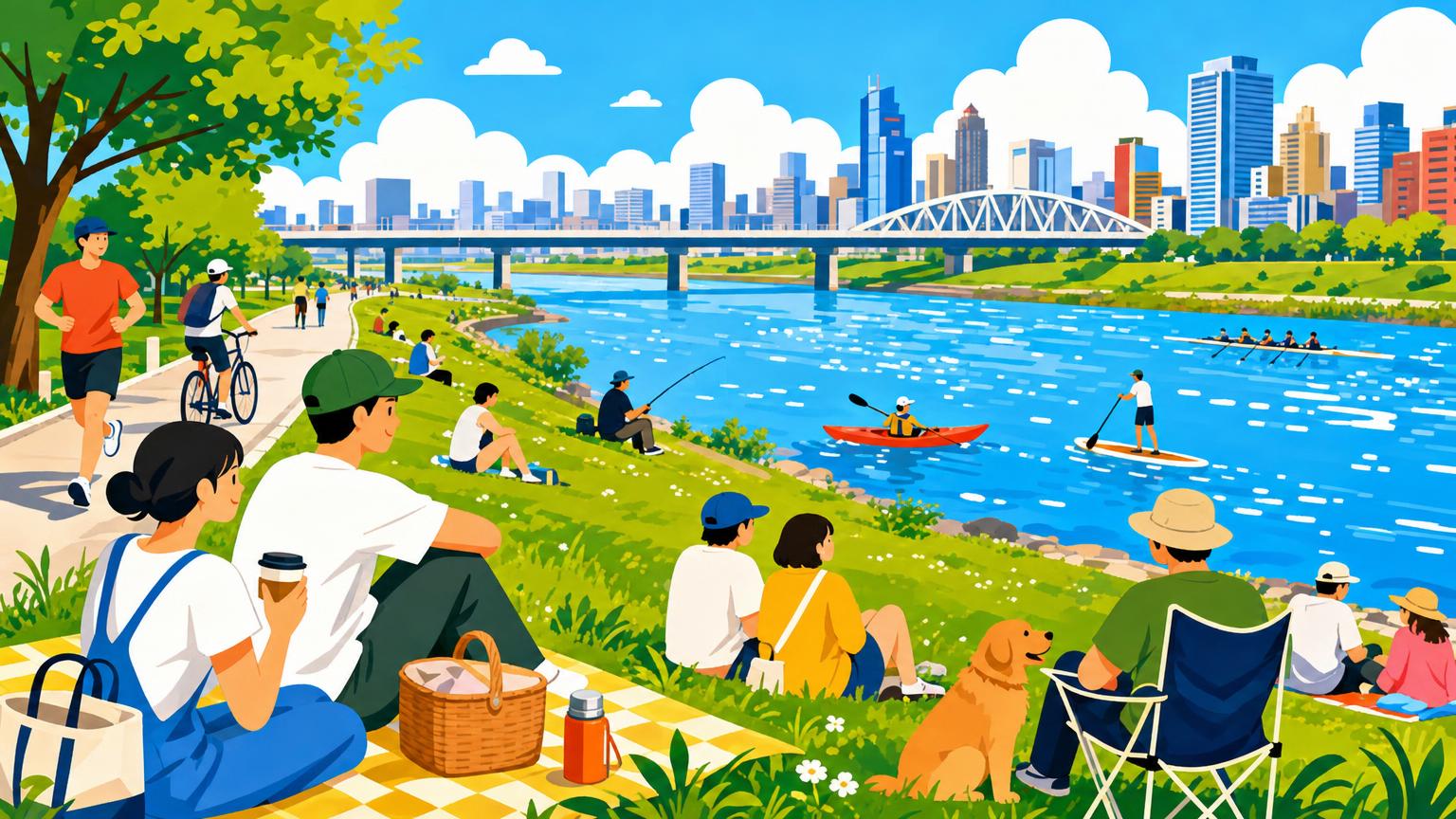
Strolling along the grassy embankments on a Saturday afternoon, the absence of pretension is immediately clear. No one dresses up to visit the Yodogawa. It’s the realm of sweatpants, oversized t-shirts, and worn sneakers. High school brass bands practice under concrete overpasses, their trumpets and saxophones echoing off the pillars since they cannot rehearse in their cramped apartments. Elderly men sit quietly on folding stools, casting fishing lines into the murky water. University students toss a rugby ball, their laughter carried by the wind.
This reveals an essential truth about the people of Osaka. The often-quoted cliché that “Osaka is friendly” is frequently misunderstood by foreigners. It doesn’t imply strangers will randomly hug you on the street. Rather, it reflects a distinct lack of social barriers. People here don’t project the same rigid sense of privacy found in Tokyo. At the Yodogawa Riverbanks, this friendliness shows as a tolerance for shared space. People lay out picnic mats just feet apart. They don’t mind smoke drifting from nearby barbecues. They don’t glare at teenagers practicing loud dance routines. They simply share the space, embracing the chaotic, layered noise of the community. This beautiful, messy harmony captures the true spirit of Kansai.
Top Ways to Enjoy Yodogawa Riverside Park Like a Local
Riverside Picnics and Sunset Watching
If you want to immerse yourself in the local vibe, the simplest and most genuine way to begin is with a riverside picnic. This isn’t the type of picnic that involves wicker baskets, crystal glasses, or elaborate prep. The Osaka picnic is all about joyful convenience and relaxed enjoyment.
The ritual often starts at a nearby convenience store or a local supermarket like Life. Locals pick up a large blue plastic tarp from a hundred-yen shop, grab a few cans of Strong Zero or chilled green tea, and stock up on hot fried chicken, rice balls, and assorted snacks. With these humble supplies, they head down to the riverbanks, claim a spot on the grass, and settle in for hours.
There’s a special magic in spending an afternoon like this. As the day fades, the harsh sunlight softens. The Yodogawa is especially celebrated among locals for its breathtaking sunsets. Thanks to the river’s vast width, it creates a wide break in the city skyline, offering an uninterrupted view of the western horizon. As the sun sinks, it paints the sky with vivid hues of orange, pink, and deep purple. The towering skyscrapers of the Umeda district, just a few miles south, catch the fading light, their glass fronts glowing like embers. Sitting on a cheap blue tarp, eating convenience store food while watching the hyper-modern skyline light up against twilight, you feel a deep connection to the city’s everyday rhythm. It’s a quiet, breathtaking moment that costs absolutely nothing.
Jogging and Cycling Along the Scenic Paths
The Yodogawa River Park also serves as the main hub for outdoor fitness in Osaka. For anyone wanting to escape the stop-and-go frustration of jogging city streets, waiting at endless traffic lights, and dodging aggressive delivery bikes, the paved paths along the river are a revelation. These paths stretch endlessly, offering a flat, uninterrupted terrain that’s ideal for both runners and cyclists.
Since the pathways have no strict opening hours, the riverbanks are always alive. Early mornings, long before sunrise, reveal devoted marathon runners putting in their miles. During the day, the paths host casual cyclists, mothers on electric-assist bicycles with kids strapped to the back, and elderly couples taking slow, measured walks.
But the most captivating time to witness the paths is in the evening. After work, a wave of salarymen and office workers flood the riverbanks. Having swapped their rigid suits for running gear, they use exercise to shake off the stress of Japanese corporate life. As darkness falls, the absence of overhead streetlights in some areas means many runners wear headlamps, creating a trail of bobbing white lights moving quietly against the dark river backdrop. The cool breeze coming off the water offers relief from the city’s oppressive humidity, making it the perfect place to clear your mind. If you move to Osaka, these paths will soon become your sanctuary.
Experiencing Authentic Local BBQ Culture
Few things capture the lively, food-loving spirit of Osaka like the weekend barbecue scene along the Yodogawa Riverbanks. In many parts of Japan, including Tokyo, outdoor barbecuing in public parks is heavily restricted, banned, or requires reserving costly, tightly controlled spots months ahead. Osaka, true to its practical and rule-bending spirit, embraces a much freer approach. While designated zones exist to prevent the entire riverbed from catching fire, these areas are huge, free to use, and operate on a first-come, first-served basis.
On a bright Sunday in spring or autumn, the BBQ zones burst into giant, smoky festivals of meat and laughter. Entire families, groups of college friends, and neighborhood associations arrive early, pulling wagons loaded with folding chairs, heavy coolers, and portable grills.
The air thickens with the aroma of sizzling beef, sweet soy-based yakiniku sauce, and charred green onions. The crowd’s volume is staggering. People shout over one another, passing cold beers and sharing plates of food. It’s loud, chaotic, and incredibly joyful. This is the core of Osaka’s social culture. They are a people who bond over food and shared moments. Walking through the BBQ zones, you quickly realize the quiet, reserved stereotype of the Japanese does not hold here. Osaka is loud, proud, and loves to eat outdoors.
Seasonal Magic: Sakura Season and Summer Fireworks
Cherry Blossom Viewing (Hanami) Away from the Crowds
When spring arrives in Japan, the whole country becomes captivated by sakura, the cherry blossoms. For tourists and short-term visitors in Osaka, the usual destinations are Osaka Castle Park or the Mint Bureau. Although these spots are undeniably beautiful, they are also overwhelmingly crowded. During peak bloom, you end up spending more time staring at the backs of other people’s heads than admiring the delicate pink flowers. The paths are jam-packed with tourists wielding selfie sticks, and finding a place to sit is nearly impossible.
Locals steer clear of this chaos. When Osaka residents want to enjoy hanami, they head to Yodogawa River Park. The riverbanks are lined with hundreds of cherry trees, and because the area is so incredibly spacious, the crowds naturally spread out. You don’t have to jostle for space—you just walk until you find an open patch of grass beneath a blooming branch.
Hanami at Yodogawa offers a genuinely authentic experience. It’s less about capturing the perfect social media shot and more about the core tradition: welcoming spring with good food, strong drinks, and the company of friends. The breeze blowing off the river catches the fragile petals, creating spontaneous blizzards of pink snow drifting over picnic tarps. You hear groups of older men singing enka tunes, slightly out of tune but full of heart. Young couples lie on their backs, gazing through the canopy of blossoms. It’s a laid-back, expansive celebration that captures the true spirit of the season without the suffocating crowds of tourist hotspots.
The Spectacular Yodogawa Fireworks Festival
If spring is defined by the quiet beauty of falling petals, summer at Yodogawa is defined by thunder. August in Osaka is notoriously harsh. The humidity is stifling, and the heat clings to your skin like a damp towel. Yet this heavy summer air provides the perfect backdrop for the Naniwa Yodogawa Fireworks Festival, the undisputed highlight of the local calendar.
This is far from a sterile, corporate event. Founded decades ago by local volunteers and neighborhood groups, it retains a strong grassroots pride. On festival day, hundreds of thousands of locals dressed in brightly colored yukata flood the riverbanks. The paths become clogged with people sweating, laughing, and fanning themselves under the twilight sky. Food stalls pop up, offering everything from shaved ice drenched in neon syrup to grilled squid on sticks.
When the sun sets and the first firework is launched, the spectacle’s scale is staggering. The explosions are so immense you can feel shockwaves vibrating through your ribcage. The brilliant bursts of light illuminate the faces of the crowd and reflect perfectly on the dark river surface below. For those ninety minutes, the entire city pauses. Osaka’s relentless hustle halts, and millions of eyes turn upward. Being part of that massive, sweaty, awe-struck crowd seated on the grassy banks is a rite of passage for anyone wanting to truly understand what it means to live in this city.
Best Riverbank Areas to Visit and How to Get There
Nishinakajima-Minamigata Area: The Center of Weekend Activities
The Yodogawa River is vast, and deciding to visit it can be overwhelming if you’re unsure where to begin. For an ultimate, action-packed local experience, the Nishinakajima-Minamigata area stands as the undisputed center.
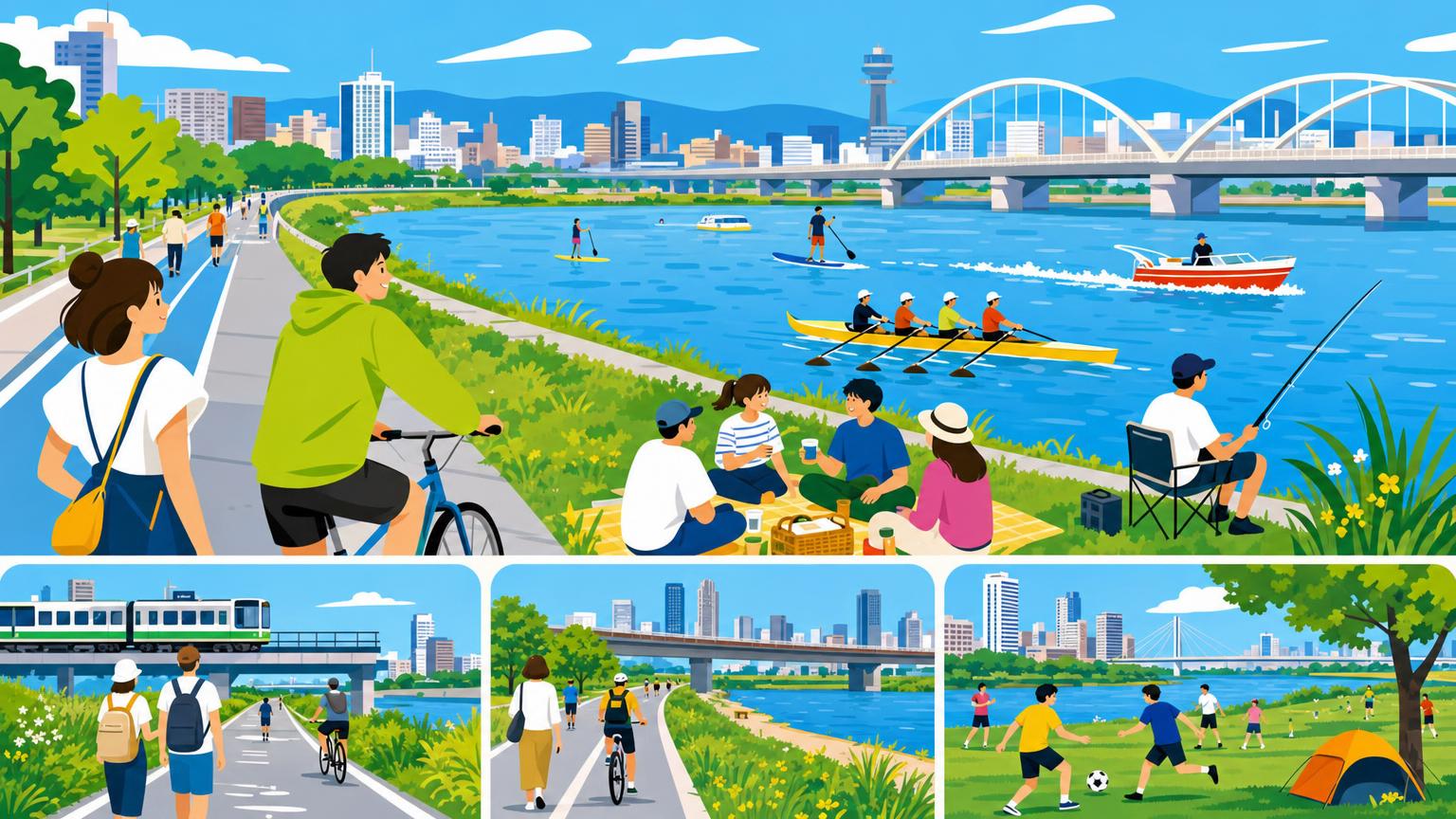
Just a few stops north of Umeda on the Midosuji subway line, this station puts you right at the edge of the liveliest part of the riverbed. This hotspot is the epicenter of weekend barbecue culture, where you’ll find the largest groups pitching tents, playing sports, and grilling meat. The atmosphere is undeniably lively, slightly rugged, and completely unpretentious.
Because the Midosuji line is the city’s main artery, reaching this spot is incredibly easy. You can step out of a high-end department store in Shinsaibashi and, within twenty minutes, be standing on the grass with a cold drink in hand. If you want to immerse yourself in the vibrant, joyous life of Osaka’s outdoor recreation, this is the access point to choose.
Juso Area: Retro Charm and Breathtaking Sunset Views
For a more relaxed, deeply nostalgic vibe, head west to the Juso area. Accessible via the Hankyu railway lines from Osaka-Umeda Station, Juso embodies the old soul of Osaka. The neighborhood around the station is a maze of narrow alleys, smoky izakayas, and covered shopping arcades known as shotengai.
The local secret is to arrive at Juso Station about an hour before sunset. Stroll through the shotengai, stopping at local butchers and bakeries. Pick up freshly fried croquettes, a savory negiyaki pancake, and a few drinks. Then, take a short walk from the dense alleys out to the open riverbanks.
Juso’s side of the river offers an incredible vantage point. The Hankyu railway bridge crosses the river here, making it a favorite spot for train enthusiasts and casual observers alike. Watching the iconic maroon-colored Hankyu trains glide silently across the iron bridge against the blazing orange backdrop of the setting sun and distant skyscrapers creates one of the most romantic and recognizable scenes in Kansai. It’s quieter here than Nishinakajima, making it an ideal spot for a solo walk or a quiet chat with a friend.
Essential Tips for Your Riverside Visit
Where to Buy Food and Drinks Before You Arrive
A key practical lesson about the Yodogawa Riverbanks is that, except for specific festival days, there are very few vendors set up directly on the grass. You shouldn’t expect food trucks or trendy cafes waiting for you by the water. The riverbanks are a DIY setting, so preparation is essential.
The unwritten rule of visiting the riverside is to fully supply yourself before crossing the embankment. Depending on which station you use, you’ll find convenience stores like Lawson or FamilyMart, as well as larger grocery stores such as Life or Super Tamade. The experienced move is to visit the supermarket. Alcohol is not only cheaper there, but the selection of pre-made bento boxes, fresh sashimi, and hot deli items is far better. Buy ice and extra drinks. Make sure you have everything you need in plastic bags before making the final walk to the water, because once you find the perfect grassy spot, you won’t want to trek back twenty minutes to the nearest store for a forgotten bottle of water.
Restrooms, Trash Disposal, and Local Etiquette
Grasping the unglamorous realities of public infrastructure is crucial for any foreigner aiming to fit smoothly into Japanese life. The Yodogawa River Park has public restrooms located throughout the main activity areas. However, these are strictly functional park facilities. They are reasonably clean but rarely stocked with toilet paper or soap. A savvy local always carries a small pack of pocket tissues and a bottle of hand sanitizer in their bag.
The most important unspoken rule along the riverbanks concerns trash. In Japan, the principle of leaving a place exactly as you found it is ingrained in citizens from childhood. There are virtually no public garbage bins along the Yodogawa. Don’t leave empty cans or plastic wrappers on the grass expecting a park ranger to clean up—they won’t. The cultural expectation, the absolute minimum standard of civic responsibility, is that you pack all your trash into a bag and carry it home to sort and dispose of properly. By doing so, you stop being a tourist and begin participating in the city’s social contract.
Frequently Asked Questions About Yodogawa Riverbanks
When foreigners think about visiting the Yodogawa Riverbanks, they often bring expectations shaped by parks in their own countries. The way this space functions is beautifully straightforward, but it’s helpful to clarify some details to ensure your visit goes smoothly.
Regarding operating hours, the walking paths, grassy banks, and cycling routes do not have set opening or closing times. The river is a natural feature rather than a gated facility. You can go for a run at four in the morning or sit on the grass at midnight without disturbance. It is open 24 hours a day. However, it’s important to know that designated parking lots and managed barbecue areas do have operating hours, generally closing around sunset. If you drive into the riverbed parking, you must be mindful of gate closing times or risk having your car locked in until the next morning. For pedestrians and cyclists, the riverbanks are always accessible.
Enjoying the riverbanks is completely free. There are no entrance fees, hidden charges, or mandatory reservations to sit on the grass and relax. Even the standard barbecue zones operate on a free, first-come, first-served basis, which is a rare convenience in modern urban Japan.
Many newcomers wonder about the legality and social norms of drinking in public. In Japan, consuming alcohol in public places like parks, streets, and riverbanks is perfectly legal. At Yodogawa, it’s more than legal; it’s a central part of the recreational culture. Enjoying a cold beer on a picnic tarp is considered a normal, healthy way to unwind. The only condition is behavior—Osaka locals are lively and loud but do not tolerate destructive or aggressive drunkenness. As long as you stay cheerful and respectful of the shared space, you are welcome to drink and celebrate alongside the locals.
Safety is a major concern for many new residents. Osaka, like the rest of Japan, is extremely safe by global standards. The Yodogawa Riverbanks are popular with families and people of all ages. During the day, the large number of visitors provides a strong sense of communal security. At night, the paths remain safe, though some areas can be quite dark due to the lack of overhead lighting. Usual urban common sense applies, but the greatest risk on a night walk is likely stepping in front of a fast-moving commuter bicycle.
The Yodogawa River is more than just a body of water; it is the lungs of Osaka. It is where the city breathes out. Sitting on its banks, watching trains cross the bridge and hearing the hum of the community, you begin to truly understand the people of this remarkable city. You move beyond the neon lights and tourist traps, stepping into the genuine, vibrant heart of daily life in Kansai.