You’ve done it. You navigated the labyrinth of visa applications, apartment contracts, and setting up a bank account. Your boxes are unpacked, you’ve found the best local supermarket, and you’re starting to feel the rhythm of your new life in Osaka. Then one day, it appears. A crisp envelope in your mailbox, addressed not to you by name, but to the resident of your address. Or maybe it’s a knock on the door, revealing a smiling, elderly neighbor holding a clipboard and a simple form. Welcome, my friend, to your first encounter with the neighborhood association, the Chounaikai or Jichikai. This is the invisible software running in the background of your daily life, a layer of community that separates the tourist from the true resident. In a country famous for its reserved privacy, the Chounaikai is a hyperlocal, intensely personal system of interconnectedness. And in a city like Osaka, which prides itself on being different, the way this system works tells you everything you need to know about the local mindset. It’s not just about rules and fees; it’s a window into the pragmatic, sometimes meddlesome, but deeply human soul of the city. Before we dive into the nuts and bolts of what this means for you, your wallet, and your garbage, let’s get our bearings. The city’s official heart is one thing, but its true pulse is found in these tiny neighborhood blocks.
Amidst your growing immersion in Osaka’s unique neighborhood systems, you might also enjoy experiencing the city’s vibrant culinary evolution by exploring its take on vegan dashi that so perfectly encapsulates the blend of traditional and modern local life.
What Exactly is a ‘Chounaikai’? The Unspoken Glue of Your Neighborhood
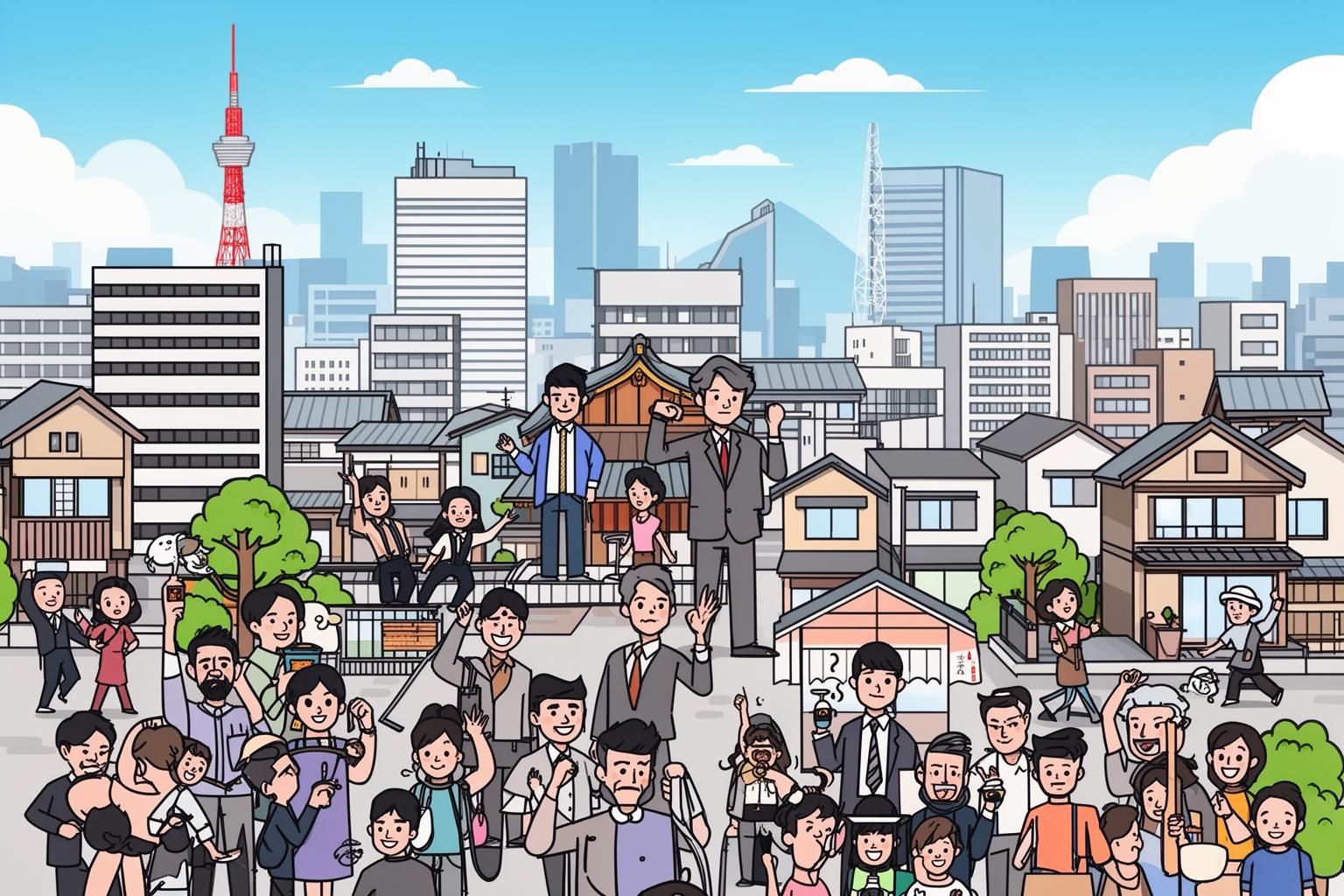
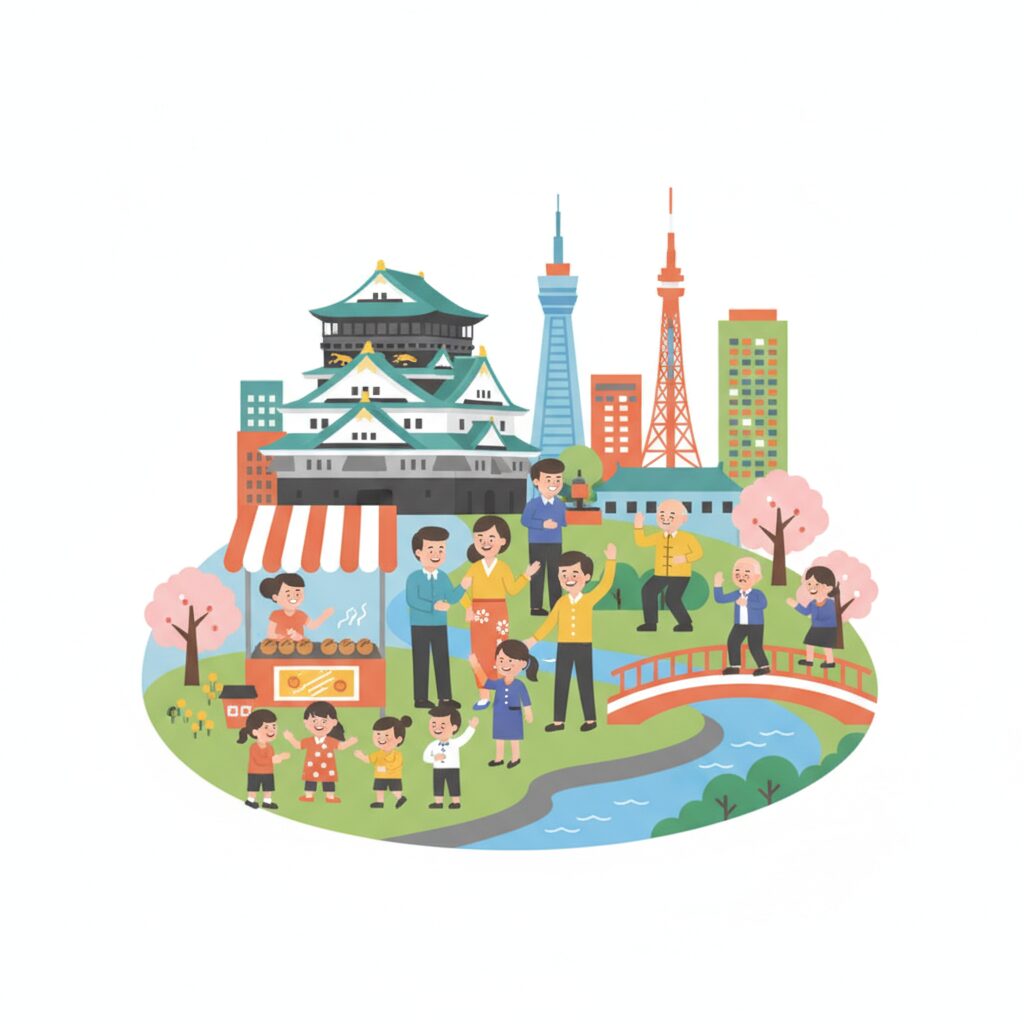
Think of the Chounaikai as the connective tissue of your local environment. It’s not a government organization, yet it serves as the main channel through which the government communicates with residents. This voluntary group consists of households within a specific, defined area—sometimes just one block, other times a larger neighborhood segment—that come together to manage their shared micro-community. This organization decides when the local park receives its annual cleanup, who organizes the summer matsuri, and how information about typhoon evacuation shelters is distributed. They act as the guardians of local life and the keepers of unwritten rules.
It’s Not the Government, But It Kind of Is
The most tangible element of the Chounaikai you’ll see is the kairanban, a clipboard holding laminated notices that circulate from house to house. It functions as an analog newsletter—a physical representation of the community’s flow of information. It includes flyers from the ward office about public health checkups, warnings from local police about recent scams targeting seniors, and invitations to neighborhood mochi-pounding events. This relationship is symbiotic: the city saves money on postage by having the Chounaikai distribute information, and in return, the Chounaikai often receives small subsidies to support its activities, such as purchasing tents and lanterns for the summer festival or maintaining the emergency supply shed.
The Osaka Flavor: Pragmatism Over Protocol
Here’s where the Osaka difference comes into play. If you’ve lived in Tokyo, you might be familiar with neighborhood associations that feel formal and rooted in a quiet sense of civic duty. Meetings follow a strict agenda, roles are carried out with solemn obligation, and traditions are quietly respected. In Osaka, the atmosphere is very different. It’s livelier, more chaotic, and deeply practical. An Osaka Chounaikai meeting is less about protocol and more about finding the best way to get things done for the people present. The question isn’t “What is the proper way to do this?” but “What’s the cheapest, fastest, and most effective way to achieve this for everyone’s benefit?”
This is, after all, the city of merchants. Everything involves negotiation and searching for value. The dues aren’t just a responsibility; they’re an investment in improving the neighborhood. A discussion about festival planning might quickly shift to who has a contact to get a discount on beer or whether it’s better to hire a professional takoyaki stand instead of having local moms make it themselves. It’s a collective, outcome-focused mindset. This pragmatic approach can be refreshingly straightforward but might feel blunt if you’re accustomed to more indirect communication. They’re not being rude—they’re simply getting straight to the point.
To Join or Not to Join? The Million-Yen Question
This is the challenge that every new resident, whether Japanese or foreign, will eventually encounter. Although joining is legally 100% voluntary, the social reality is much more nuanced. Deciding whether to join depends on how deeply you want to become part of your local community and what cost—in both time and money—you’re willing to bear for that connection.
The Pressure Cooker: Why You’ll Probably Be Asked
Unless you live in a large, modern apartment building with its own management association, expect a visit. Typically, it will be from one of the designated block leaders (hancho), often a long-term resident assigned the role for the year. They will come with a simple application form and an explanation of the monthly or annual fees (kaihi). These fees are generally modest, ranging from 200 to 1,000 yen per month, collected in cash every few months or once a year. They’ll explain, with varying clarity, that the money covers the maintenance of streetlights on your block, funds the kids’ Christmas party, and keeps the local garbage collection point tidy. It’s a soft pitch, but the underlying message is clear: everyone contributes. This represents the social pressure, a gentle yet persistent force encouraging conformity for the community’s benefit.
The Benefits: What You Actually Receive for Your Money
Before dismissing it as a neighborhood tax, consider what you’re actually investing in. The benefits are real, tangible, and can be a true lifesaver. The foremost is the safety net. Japan is prone to natural disasters. When a major earthquake occurs, the first people to check on you likely won’t be the fire department but your neighbors, coordinated through the Chounaikai. They maintain a resident list, know who is elderly or lives alone, and manage the local emergency supply kits. Being on this list functions as a form of insurance.
Another critical role is garbage management. This function is surprisingly important. The Chounaikai often oversees the upkeep and cleaning of the local garbage collection point. They install and maintain nets to keep crows away and enforce the complex recycling rules. In some areas, a gomi toban system is in place—a rotating duty roster where residents take turns sweeping the area after morning collection. Being a member ensures you have the right to use that spot without conflict. While it’s illegal to deny access to public waste collection, not being a member can cause tension and awkwardness.
Lastly, it’s a social gateway. For families with children, the local kodomokai (kids’ association), generally part of the Chounaikai, is invaluable. It organizes summer festivals, holiday parties, and neighborhood sports events. It’s how your kids—and by extension, you—meet other families nearby. It’s the quickest route to building a local support network.
The Downsides: Why People Hesitate
The biggest drawback is the expectation of active participation. Your membership fees earn you a seat at the table but also place you on the duty roster. Eventually, you may be asked to take on a role (yakuin), which might be something simple like serving as the hancho collecting fees for a year or more involved tasks such as organizing events. These responsibilities can demand a significant time investment and are a major deterrent for busy professionals.
The language barrier poses another clear challenge. All notices, meetings, and casual conversations will be in Japanese, often heavily infused with the Osaka dialect. It can be very isolating to endure an hour-long meeting where you catch only every fifth word. Finally, there is a notable generational and cultural gap. Leadership within the Chounaikai is largely made up of retirees. Their methods can feel outdated and inefficient in a digital age. The reliance on paper notices and face-to-face meetings seems archaic, and their style of communication may differ greatly from what you’re accustomed to.
Navigating the Osaka Chounaikai: A Foreigner’s Survival Guide
So, the knock on the door happens. You find yourself face-to-face with your neighborhood representative. What do you do? How you approach this initial interaction and your following decision can influence your entire experience living on that block. The key is to stay prepared, be courteous, and understand Osaka’s straightforward and practical mindset.
The First Encounter: The Knock on the Door
First, don’t worry. The person at your door is just a neighbor carrying out their responsibility. They’ve likely been assigned to sign up new residents in the foreigner-occupied apartment and might be just as nervous as you are. Be friendly and attentive. They’ll probably have a sheet explaining the essentials. It’s perfectly fine to ask for time to think it over (“Chotto kangaesasete kudasai“) or to say your Japanese isn’t strong enough to fully understand right now (“Sumimasen, nihongo ga mada amari wakarimasen“). Request the paper flyer they usually carry. Whereas ambiguity might be valued elsewhere in Japan, in Osaka, clear and honest answers are often preferred. They’d rather you be straightforward than give an unclear or non-committal response.
The ‘Osaka Way’ to Participate (or Gracefully Decline)
You have a range of options, and selecting what suits you best is important.
Participation Lite: This is the most common and recommended choice for many foreigners. You agree to join and pay the fees but set clear limits on your involvement from the start. You could say, “I’m very busy with work, so attending meetings is difficult, but I’m happy to help with the neighborhood cleanup day,” or “My Japanese isn’t good enough for a leadership role, but please let me know if there’s a simple task I can do.” This demonstrates goodwill and a cooperative spirit without committing you to a year of administrative duties. Osakans, being pragmatic, will appreciate this approach. You’re contributing in a way that works for you.
The Practical Pitch: If you have the time and language ability, embracing the Osaka mindset can be very effective. Rather than just accepting a role, offer a specific skill. For example, “I noticed you’re still using a paper contact list. I can help set up a simple digital version to improve communication.” This kind of proactive, value-adding suggestion is often welcomed. It shows you’re not merely fulfilling an obligation but actively trying to improve things — a very Osaka way of thinking.
The Art of Saying No: If you decide that the Chounaikai isn’t for you, it’s okay to decline. Be polite but firm. A common, understandable reason is the temporary nature of your stay: “I only plan to live here for a year or two, so I won’t be joining.” Expect some mild disappointment, but they’ll probably accept it. However, be aware of the trade-offs. You might be gently asked not to use the designated garbage collection cage, or you may be excluded from some local information networks. You’ll live on the block but won’t be fully part of the community.
A Note on Apartments vs. Houses
Your type of housing significantly affects this dynamic. If you live in a large, modern mansion (condominium), the building’s management company (kanri kumiai) usually handles these responsibilities. Your Chounaikai fee will likely be included in your monthly management charges, and the company represents the building as a whole. Your personal involvement will be minimal or none. However, if you live in a detached house, a duplex, or a small, older apartment building (apaato), your relationship with the Chounaikai will be direct, personal, and unavoidable.
The Real Osaka: Beyond the Neon and Takoyaki
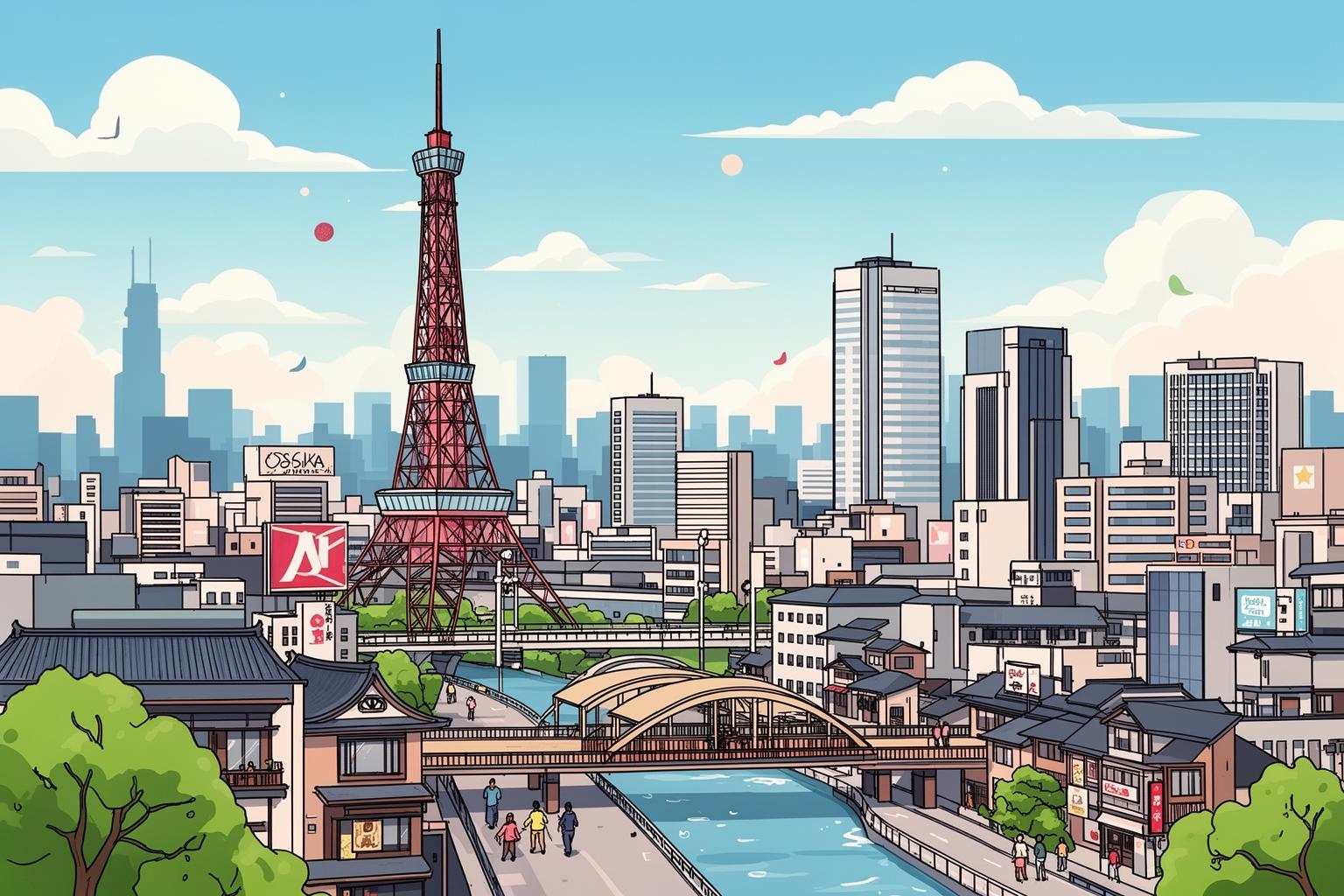
Understanding the Chounaikai goes beyond simply managing social obligations; it involves grasping the core character of the city. This system, with all its chaotic, pragmatic, and occasionally frustrating elements, perfectly embodies Osaka’s spirit. The city’s renowned friendliness is cultivated not in bars and restaurants, but through shared responsibilities like maintaining a clean garbage station and keeping the streets safe.
Why the Chounaikai Reflects Osaka’s True Nature
The system operates on pragmatism and mutual benefit. Osaka is a city built by merchants, and social interactions follow a transactional logic. However, this is not a cold, calculating exchange, but a warm, human one: “I’ll watch your house while you’re away if you help me move this heavy furniture.” The Chounaikai applies this principle at the neighborhood level. The fees and duties you pay are your contribution to a structure that provides safety, cleanliness, and community events in return. It’s less about abstract civic pride and more about tangible benefits for your investment of time and money.
This creates human-scale connections often missing in the anonymity of megacities like Tokyo. In Osaka, people’s identities are closely tied to their neighborhoods. Residents know and greet each other on the streets and take an interest in one another’s affairs. This results in the well-known Osaka trait of osekkai, meaning being meddlesome or nosy. When a neighbor scolds you for putting out your recycling on the wrong day, she isn’t aiming to be authoritarian; rather, she sees it as an act of communal care, helping you avoid embarrassment and keeping the neighborhood orderly. This osekkai is a key ingredient in Osaka’s friendliness—a proactive, engaged, sometimes overly familiar way of showing care.
Common Misunderstandings Among Foreigners
It’s easy to misinterpret the Chounaikai as a surveillance system controlled by the old guard. But that’s a serious misunderstanding. Its primary role is support. The resident lists are not for spying, but to check on people in times of disaster, such as an earthquake. The pressure to join isn’t about enforcing conformity arbitrarily, but about ensuring a strong social safety net where everyone who benefits also contributes. Moreover, don’t assume the financial dealings are dubious. The Chounaikai maintains an annual budget and accounting report (kaikei houkoku), which members have every right to review. Any Osakan worth their salt would want to know exactly how their money is being used, and you deserve the same transparency.
A Final Word
Ultimately, your relationship with your local Chounaikai is a personal decision. It involves balancing privacy against integration, individual freedom against community responsibility. There is no definitive answer. You may choose to remain an anonymous resident, a satellite revolving around the community, and that choice is completely valid. However, if you genuinely want to understand what drives Osaka, if you wish to experience the city not just as a series of train stations and well-known restaurants but as a living, breathing network of human connections, then engaging with your Chounaikai is your gateway.
Even if you decide not to join, simply understanding its role—recognizing the clipboard circulating, knowing the purpose of neighborhood cleanup day, and viewing the osekkai of a meddlesome neighbor as a form of care—will profoundly alter your perception of the city. You’ll comprehend the unwritten rules, the social logic underlying daily life. You’ll realize that Osaka’s true essence lies not only in its outgoing personality but in the dense, intricate, and highly practical web of relationships that link neighbors together, block by block. It’s the difference between merely living in Osaka and beginning to truly belong.