Step off the train anywhere in Japan, and you’re greeted by a silent, humming army. Vending machines, glowing sentinels on station platforms, tucked into urban alleyways, and standing solitary vigil in rural fields. They offer a universe of convenience, a cold drink just a few coins and a button press away. In Tokyo, this convenience comes at a standard price. A bottle of green tea, a can of coffee, a fruity soda—you’ll be paying the sticker price, usually somewhere between 130 and 180 yen. It’s a clean, predictable transaction. But this is Osaka. And in Osaka, predictability is often the first thing to be tossed out the window in favor of a better deal. Here, the vending machine isn’t just a convenience; it’s a competitive sport. The real prize isn’t the drink itself, but the thrill of acquiring it for a single, crisp 100-yen coin. The 100-yen vending machine is more than just a bargain; it’s a living, breathing symbol of the Osaka mindset. It’s a testament to a culture that values pragmatism over polish, resourcefulness over reputation, and the unshakeable belief that you should never, ever pay more than you have to. Finding and mastering these machines is a rite of passage for anyone trying to understand what makes this city tick. It’s about learning to read the urban landscape not for its landmarks, but for its hidden pockets of value. It’s about looking past the shiny and new to find the tried and true. This isn’t just about saving a few coins on a can of coffee. It’s about adopting a philosophy, an approach to daily life that is quintessentially, unapologetically Osaka.
Mastering Osaka’s resourceful lifestyle means appreciating not only the thrill of a perfectly priced drink but also immersing yourself in the city’s vibrant community events like the neighborhood matsuri that capture its unique spirit.
The Vending Machine Economy: Why 100 Yen is a Big Deal
To someone unfamiliar, the fixation on saving 30 or 50 yen might appear insignificant. After all, it’s less than half a dollar. So, what’s the big deal? But to truly grasp Osaka, you need to appreciate the deep psychological and cultural significance behind that small price difference. It represents the divide between being a passive buyer and an active player in the city’s merchant economy. This isn’t about financial hardship; it’s about principle.
The Psychology of a 30-Yen Difference
In Tokyo, you pay for the experience, the brand, the prime location. The price is fixed. The vending machine is part of a smooth, efficient system where convenience is king. In Osaka, the product is the bargain itself. That 30-yen saving isn’t just 30 yen. It’s a minor triumph. It’s proof that you’re savvy, that you understand the city, that you haven’t been fooled. It’s a daily reinforcement of the core Osaka value of shimatsu—a term often mistranslated as “stinginess.” It’s not about being cheap in a negative way (kechi). Shimatsu is a virtue; it’s the skill of being frugal, resourceful, and waste-free. It’s the wisdom to make your money work harder for you, to stretch every yen to its fullest. An Osakan will walk an extra block, venture down a quieter side street, and insert coins into a slightly battered, faded machine, and the drink they receive will taste all the sweeter for it. This mentality is a direct legacy of Osaka’s history as Japan’s merchant hub. This was the city of rice brokers and traders, where haggling (negeru) was second nature and securing the best price was a matter of pride. While you can’t negotiate with a machine, picking the 100-yen option is a modern nod to that same spirit. It’s a deliberate rejection of the fixed, take-it-or-leave-it pricing that pervades much of contemporary retail. It’s a small but meaningful act of financial independence.
How Do They Do It? The Secrets Behind the Price
The phenomenon of the 100-yen price tag isn’t magic; it’s straightforward business acumen. These machines offer items that have dropped out of the mainstream supply chain for various reasons. The operators are expert arbitrageurs, uncovering value where others see none. The most common source is products nearing their “best by” date. It’s important to distinguish between a “best by” date (shoumi kigen) and a “use by” date (shouhi kigen). The latter applies to perishables and indicates a safety deadline. The former, which applies to canned and bottled drinks, is simply a manufacturer’s guarantee of peak freshness. A can of coffee a month past its shoumi kigen is perfectly safe and usually tastes just like a new one. Major retailers, however, must protect their brand reputation and remove such stock well before the date. That’s where the 100-yen vending machine operator steps in, purchasing inventory at a fraction of the cost. Other sources include surplus from seasonal campaigns, drinks with slightly dented cans or scratched labels, or items that didn’t sell as expected. The operators are usually small, independent ventures—not beverage giants like Suntory or Coca-Cola. They’re resourceful entrepreneurs who have carved out niches by being more adaptable and less image-conscious than their corporate rivals. They embody the spirit of small and medium-sized enterprises that form Osaka’s economic backbone. This is a business model driven by efficiency and volume, not brand prestige. It’s the perfect example of jitsuri, or practical benefit, triumphing over taimen, the concern for appearances or saving face. The machine doesn’t mind a tiny dent, and neither does the discerning Osakan who buys from it.
The Thrill of the Hunt: Where to Find Your Hydration Goldmine
Now that you understand the why, it’s time to learn the where. Finding a 100-yen vending machine isn’t like spotting a convenience store. They don’t announce themselves with bright, uniform signs on busy streets. Instead, they inhabit the city’s liminal spaces, thriving in areas often overlooked by tourists and guidebooks. The search itself becomes part of the experience, training your eyes to see the city on a deeper, more local level.
Decoding the Urban Landscape
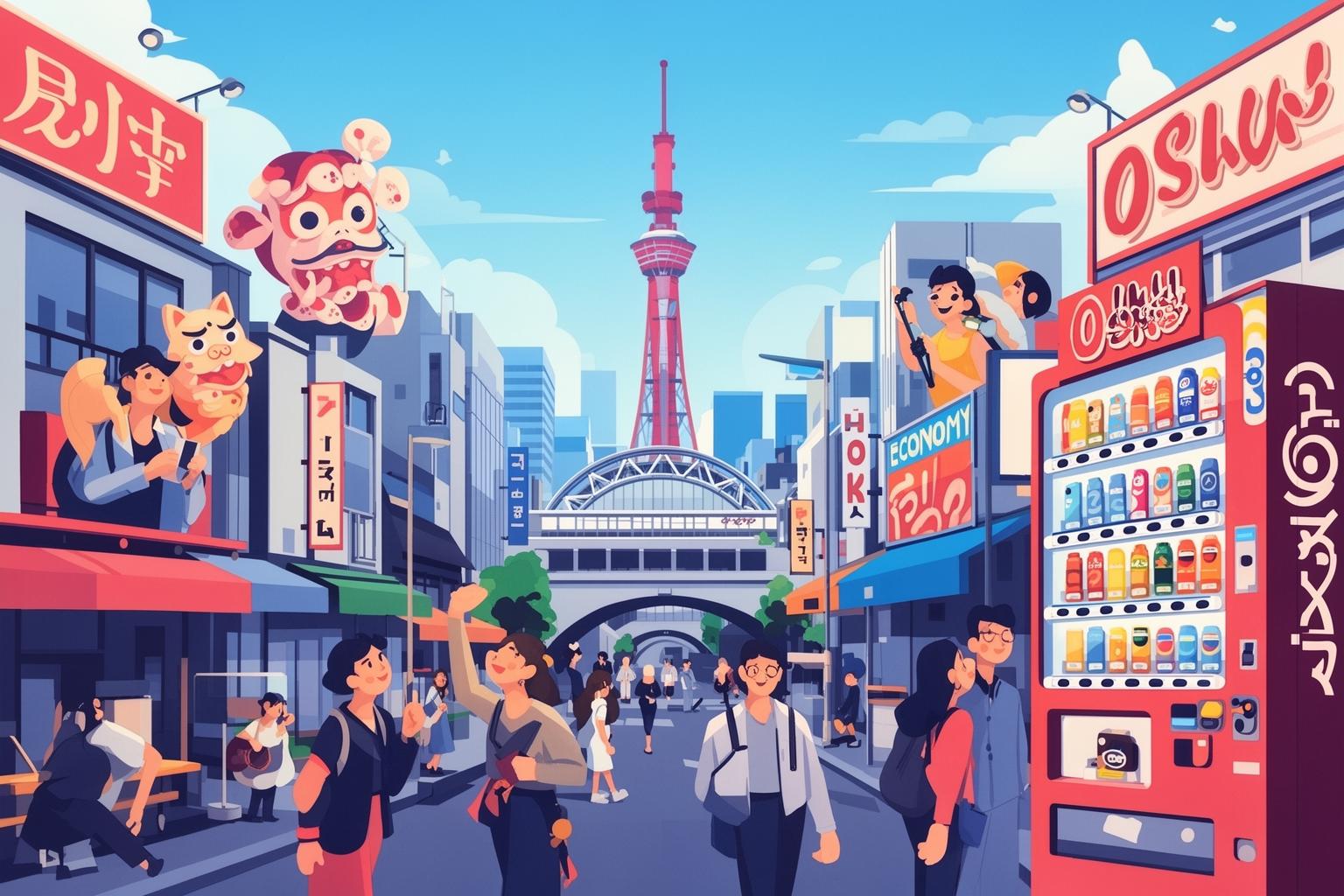
Forget the gleaming facades of Midosuji or the crowded sidewalks of Shinsaibashi. Your hunting grounds are the city’s arteries and capillaries—not its iconic landmarks. The prime habitat is the shotengai, the covered shopping arcade that forms the heart and soul of many Osaka neighborhoods. Look near the less conspicuous entrances or down the small alleys branching off the main arcade. They often cluster close to businesses serving price-conscious customers, like local supermarkets, pachinko parlors, or public baths (sento). Residential areas are another key location. Wander off the main road into the maze of narrow streets where people live, and you’ll find them tucked beside apartment entrances, in vacant lots between houses, or outside small, family-run factories. They serve locals—students, factory workers, elderly pensioners. University campuses and vocational schools are goldmines; students live on tight budgets and machine operators know this well. The streets around these institutions frequently feature competing cheap machines. Finally, don’t shy away from the city’s grittier, industrial zones. These areas, lacking the foot traffic to support convenience stores, are ideal for standalone vending machines serving thirsty workers. Neighborhoods like Tenma, with its sprawling market and twisting alleys; Nipponbashi’s Denden Town, famed for electronics and otaku culture; and the working-class districts of Kyobashi and Tsuruhashi are renowned for their dense concentrations of these machines. Learning to find them is learning the city’s economic geography.
The Visual Cues: Spotting a 100-Yen Machine in the Wild
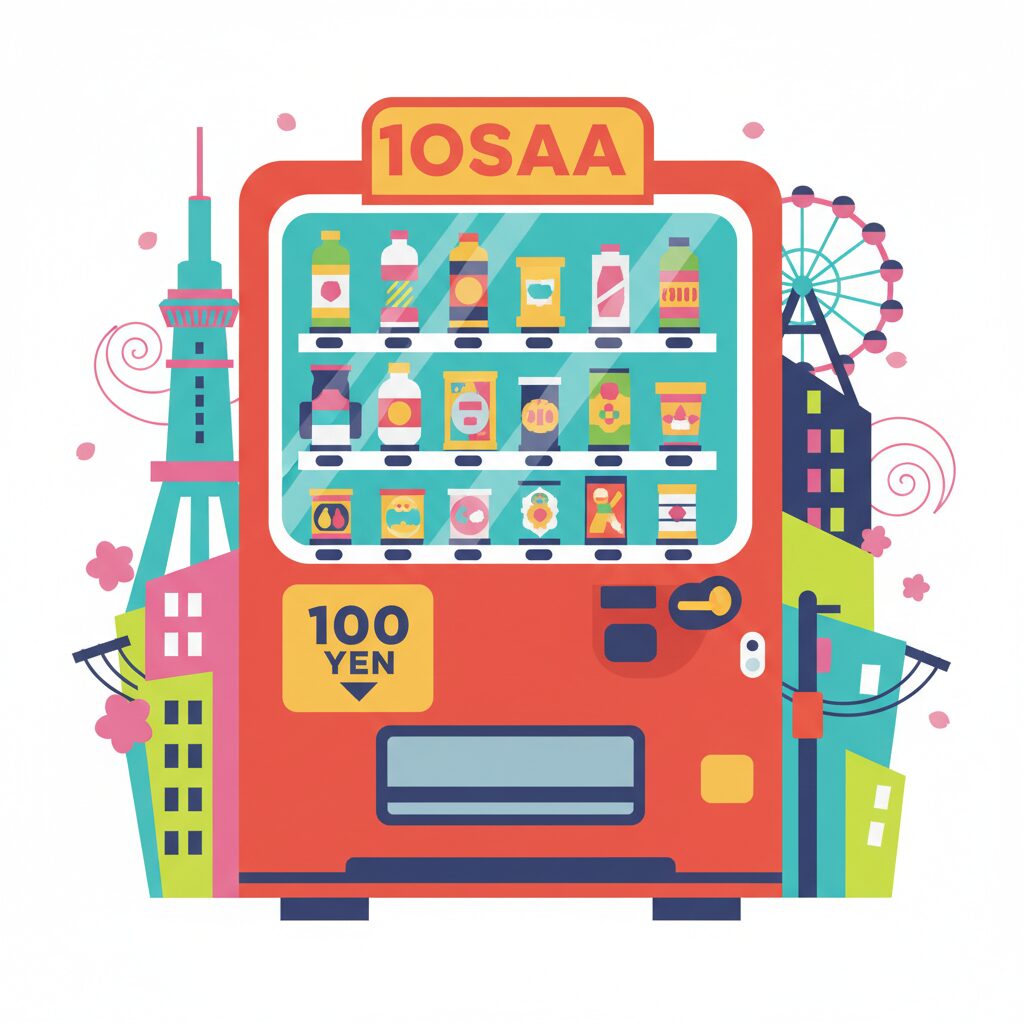
You’ll learn to recognize them from afar. They look distinct from their pricier counterparts. While a Suntory or Asahi machine is a sleek, modern device often equipped with digital displays and cashless payment, the 100-yen machine is all about raw functionality. They tend to be older models, sometimes a bit weathered, bearing a patina of urban grime. Their signage is the biggest giveaway. Forget subtle corporate branding; the 100-yen machine shouts its value proposition loudly. Look for large, often hand-written or roughly printed signs in bold, vibrant colors. The key characters to watch for are 「100円」. Sometimes they get even bolder, offering selections priced at 80 yen, 70 yen, or, in a rare find, 50 yen. Another common sign reads 「激安」 (gekiyasu), meaning “super cheap.” These signs are usually laminated and taped directly onto the machine, occasionally covering the original branding entirely. The product display itself often looks like a chaotic mix of unfamiliar brands and limited-edition flavors you’ve never seen before, a sharp contrast to the neat, uniform rows in a standard machine. There’s a certain charm in their unpretentious look. They are what they are: no frills, no apologies. Their visual language is straightforward, honest, and entirely focused on price—just like the culture that created them.
Mastering the Machine: Strategies and Etiquette
Using a 100-yen vending machine calls for a slightly different approach compared to a standard one. It’s less about a straightforward purchase and more about embarking on a low-stakes adventure. You need to stay flexible, observant, and open to a bit of chaos. There’s an art to it, and once you master it, your perspective on vending machines will never be the same.
The Gamble of the Unlabeled Button
One of the unique pleasures of the 100-yen machine is the mystery button. Amid rows of recognizable coffees, teas, and sodas, you might spot a button labeled 「おたのしみ」 (o-tanoshimi, meaning “a fun surprise”) or simply marked with a question mark. This is the operator’s way of clearing out the very last can of a product they don’t have enough of to dedicate a button for. For 100 yen—or sometimes as little as 50 or even 30 yen—you can take a chance. What will you get? A strangely flavored energy drink? A vegetable juice from an unknown brand? A hot can of sweet red bean soup? It’s a game of chance. The drink that clinks into the tray is your reward. This small leap into the unknown serves as a wonderful metaphor for life as a foreigner in a new city. Sometimes, you just have to press the button and see what happens. The risk is minimal, but the chance of a delightful surprise—or at least a good story—is high. It’s a tiny adventure tucked into an ordinary day.
The Inventory is Always in Flux
If you discover a drink you truly love in a 100-yen machine, enjoy it. Savor it. Because it might not be there the next time you come by. The stock is constantly changing, driven entirely by whatever deals the operator can secure that week. This is the opposite of the convenience store experience, which relies on consistency and dependability. You can’t get attached. You can’t have a “usual.” This forces you to be adaptable. You came for a cold coffee, but they only have corn soup today? Well, maybe today calls for corn soup. This impermanence is part of the charm. It transforms a simple purchase into a moment of discovery. You’re not just buying a drink; you’re exploring the overlooked niches of the Japanese beverage market. This ever-shifting selection reflects the dynamic, restless energy of Osaka itself. The city is always moving, always evolving, and the 100-yen vending machine is its modest, bubbly barometer.
A Word on Quality and Safety
A common and understandable question from newcomers is: Is this stuff really safe to drink? Seeing a dented can or an unfamiliar brand can be unsettling if you’re not used to it. The answer is a firm yes. Japan’s food safety standards are among the strictest worldwide, and they apply at every stage of the supply chain. The drinks in these machines are not expired in a way that endangers health. They are simply past their “best by” date, which indicates peak flavor, not safety. The operators’ business model relies on repeat customers; selling unsafe products would be commercial suicide. Think of it as a beverage outlet store. You’re getting a perfectly good product that might have a minor cosmetic flaw or is from last season’s lineup. Understanding this helps dispel a common foreigner’s misconception. You learn that in Osaka, “cheap” doesn’t mean “bad.” It means “smart.” It means you’ve found a loophole in the system, and you’re savvy enough to make the most of it.
More Than Just a Drink: The 100-Yen Vending Machine as a Cultural Symbol
When you purchase a drink from a 100-yen machine, you’re doing more than just satisfying your thirst. You’re taking part in a ritual that taps into the very essence of what makes Osaka unique. This unassuming metal box stands as a testament to the city’s merchant spirit, its working-class origins, and its deeply rooted practicality.
A Reflection of the Osaka Mindset
We’ve discussed shimatsu, the art of being wisely frugal. The 100-yen machine serves as its shrine. In Tokyo, status is often demonstrated through brands, appearances, and spending. In Osaka, respect is earned through cleverness, humor, and the ability to spot value. Boasting about how much you paid for something is frowned upon. Boasting about the fantastic deal you scored is a beloved social activity. The 100-yen vending machine is a steady, accessible source of these small triumphs. It symbolizes a quiet resistance to the polished, top-down consumerism of corporate Japan. It’s a grassroots solution, a slice of the free market in its purest, most unpredictable form. Each machine operates as a tiny business, managed by an entrepreneur who recognized and seized an opportunity. It’s a reflection of a city that has always preferred the lively, bottom-up commerce over slick, centralized control.
A Lifeline for the Everyday Person
Take note of who uses these machines. You’ll find construction workers in their dusty uniforms grabbing a handful of cold drinks on a hot August afternoon. You’ll see high school students pooling their change after class. You’ll witness elderly couples carefully counting out coins for a warm can of tea on a chilly winter day. You’ll notice a salaryman in a sharp suit making a quick stop on his way home from the station. These machines act as a great equalizer. They make the simple, human enjoyment of a refreshing drink affordable for everyone, regardless of their social standing. They are an unpretentious but essential part of the urban ecosystem, offering a small measure of comfort and relief to the people who keep the city moving. In a country where expenses can be high, the 100-yen machine is a modest yet consistent reminder that value still exists, that smart choices can genuinely matter, and that sometimes, the best things in life are, if not free, then at least very affordable.
The Art of Living Smart in Osaka
Ultimately, the search for the 100-yen vending machine represents much more than just saving money. It serves as a practical lesson in urban exploration and a crash course in the economic philosophy that shapes Osaka’s distinctive culture. It encourages you to see beyond the surface, appreciate the charm in functionality, and find delight in the art of the bargain. When you drop that 100-yen coin into the slot and hear the satisfying clunk of a cold can landing in the tray, you’re not merely buying a drink. You’re embracing a way of life. You’re learning to think like an Osakan. So next time you’re thirsty, skip the brightly lit convenience stores. Wander down a side street, seek out the hand-written signs, and spot the slightly worn machine humming quietly in a corner. Join the hunt. The reward is a taste of the authentic Osaka—refreshing, unpretentious, and always great value.