
You’ve probably heard the word before, maybe scrawled on a tourist pamphlet or splashed across a flashy billboard in Namba. Kuidaore. It’s usually translated as “to eat oneself into ruin,” a phrase that conjures images of endless buffets and gluttonous excess. Many visitors take it at face value, treating Osaka as a giant food theme park where the goal is to tick off a list: takoyaki, check; okonomiyaki, check; kushikatsu, check. But for those of us who live here, who navigate these streets every day, kuidaore is something deeper. It’s not a challenge; it’s a philosophy. It’s the city’s pulse, the rhythm that dictates our daily lives from the first sip of morning coffee to the last bowl of late-night ramen. It’s a quiet obsession woven into the very fabric of our being, a mindset that separates Osaka from the polished, reserved elegance of Tokyo. To truly understand this city, you have to understand that here, food isn’t just fuel. It’s our language, our history, and our identity, served up on a plate, one delicious, value-packed meal at a time. This isn’t a guide to the best restaurants. This is a journey through a typical Osaka day, seen through the lens of kuidaore, to show you how the city’s soul truly reveals itself at the dining table.
For readers who savor Osaka’s culinary rhythm and are eager for regional adventures, exploring Lake Biwa on a weekend trip from Osaka offers a refreshing escape filled with scenic cycling routes, historic castles, and cozy cafes.
The Morning Ritual: Fuel for the Merchant Soul
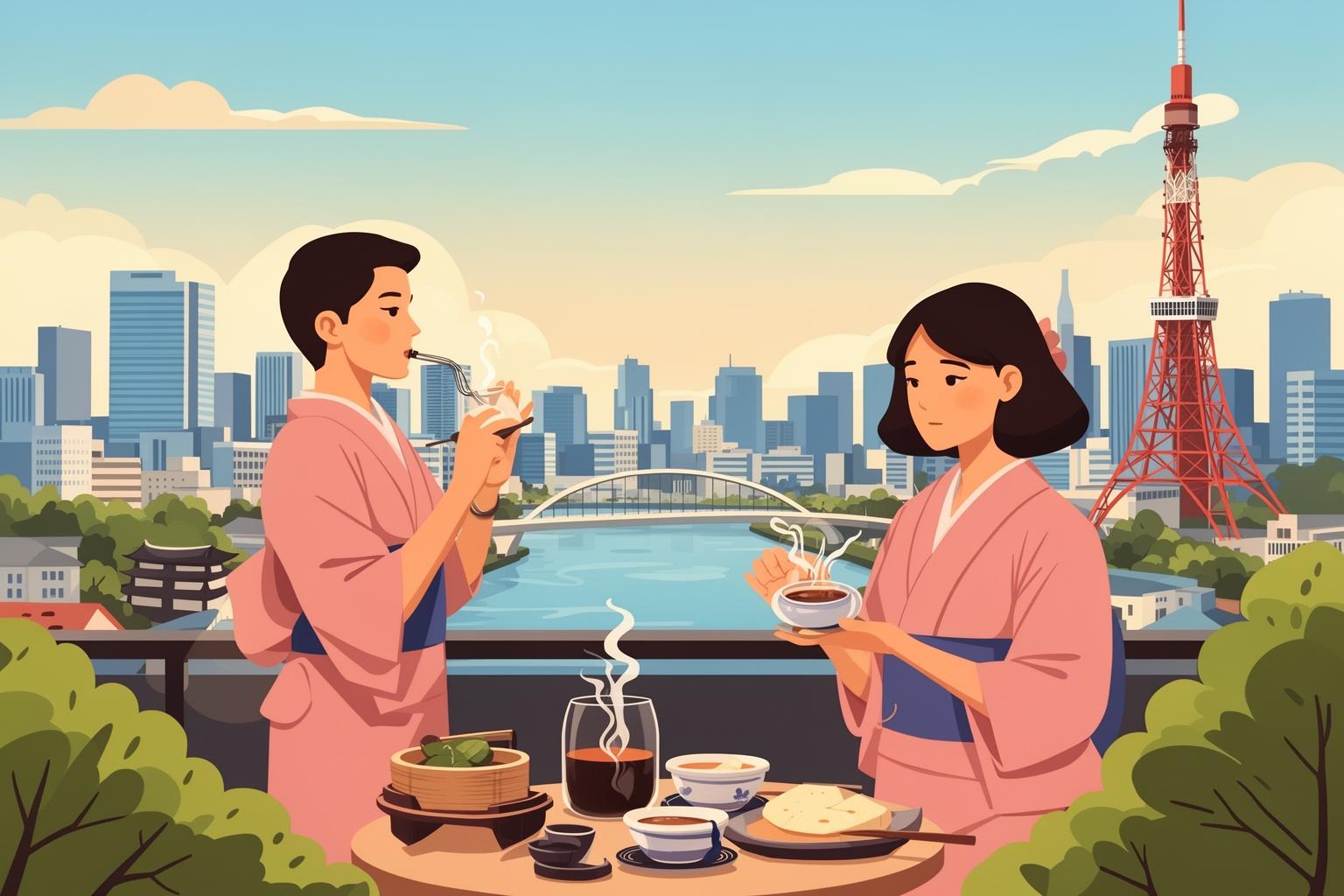
The day in Osaka doesn’t kick off with a trendy avocado toast or a green smoothie. Instead, it begins with the quiet, comforting hum of a kissaten. These old-fashioned coffee shops, often cloaked in a faint, sweet smoke haze mixed with the scent of dark-roast coffee, serve as the city’s humble but vital morning catalysts. Step inside one in a business district like Yodoyabashi or a local shotengai, and you’ll find an atmosphere far removed from the sterile, minimalist cafes that dominate Tokyo’s stylish neighborhoods. The décor often feels like a time capsule from the Showa era: dark wood paneling, worn velvet seats, and a syphon coffee maker perpetually simmering on the counter.
Here, the highlight is the “Morning Service,” or simply the “Morning.” For the price of a single cup of coffee, typically around 400 or 500 yen, you receive a thick slice of toasted shokupan, a hard-boiled egg, and sometimes a small side salad. It’s not fancy, but it’s just right. The toast is fluffy yet crisp, the egg provides a straightforward protein boost, and the coffee is strong and uncomplicated. This isn’t a meal meant for lingering conversation or Instagram snaps—it’s a ritual of efficiency.
This is the first lesson in the kuidaore mindset: value and purpose. For an Osakan, the Morning Set is more than breakfast—it’s a smart bargain. Why spend 800 yen on just coffee at a modern chain when you can enjoy a full, satisfying start for half the price? This attitude directly reflects Osaka’s legacy as Japan’s merchant capital. Time is money, and a good deal equals a successful transaction. The kissaten owner offers a valuable service at a fair price, and the customer—the salaryman reading his newspaper, the neighborhood elder catching up on gossip—gets exactly what they need to begin a productive day without fuss. There’s an unspoken respect in this exchange. It’s honest, straightforward, and deeply practical, much like the people of Osaka themselves.
The Midday Dash: The Unspoken Rules of Lunch
As the clock strikes noon, a silent, city-wide migration commences. Office workers flood out of the towers of Umeda and Honmachi, not for a leisurely lunch, but on a mission. Lunch in Osaka is ruled by an unwritten trinity: umai, yasui, hayai—delicious, cheap, and fast. Here, the kuidaore philosophy sharpens into a competitive sport.
Step into any lunch spot between 12:00 and 1:00 PM, and you’ll witness a masterclass in efficiency. People line up, order, eat, and leave with a pace that might seem abrupt to outsiders. It’s not rudeness; it’s a shared understanding. Everyone has only an hour, and no one wants to waste it. Conversation is minimal, drowned out by the rhythmic slurping of noodles and the clatter of chopsticks. The aim is to get the best meal possible for the lowest price in the shortest time.
Here, the concept of kosupa, or “cost performance,” is crucial. An Osakan won’t just eat anywhere. They hold a mental map of their neighborhood, noting which curry shop offers the most roux, which udon joint serves the best dashi for 500 yen, and which teishoku (set meal) place provides a free second serving of rice. A lunch that’s simply cheap is a failure. One that’s tasty but overpriced is a letdown. The ideal, the holy grail, is a meal delivering maximum flavor and satisfaction at minimal cost. This pride runs deep. People boast not about dining at fancy restaurants, but about the incredible 600-yen katsudon they discovered in a hidden alley.
This passion gave rise to local legends like Kitsune Udon. A simple dish of thick noodles in a savory dashi broth topped with a large piece of sweet, fried tofu (aburaage), it was created in Osaka as a quick, hearty, and affordable meal for busy workers. The dashi itself sparks debate and pride. While Tokyo’s broth is often dark and heavy on soy sauce from bonito flakes, Osaka’s is famously light in color but rich in flavor, a delicate balance of kombu (kelp) and a lighter touch of fish flakes. This subtle difference is, to an Osakan, anything but subtle. It’s a declaration of a culinary identity that favors nuanced, foundational flavors over bold, overpowering ones. It’s the taste of home—a taste that says you don’t need to be fancy to be profound.
An Afternoon Pause: The Sweet Side of Kuidaore
One might assume that after a functional breakfast and a rapid lunch, the afternoon would be a time for culinary rest. However, that underestimates Osaka’s deep passion for food. Mid-afternoon, around 3 PM, often brings a different kind of gastronomic indulgence, one that happens in the bright, bustling basements of the city’s grand department stores: the depachika.
Although depachika can be found throughout Japan, those in Osaka—especially at the Hankyu and Hanshin department stores in Umeda—are renowned institutions. They are more than just places to purchase gourmet groceries or gifts. For many locals, they represent a daily or weekly ritual. This is kuidaore at its more sophisticated level. It’s about savoring craftsmanship and quality, whether in a perfectly ripe seasonal fruit, an exquisitely made wagashi (Japanese sweet), or a freshly baked pastry.
Foreign visitors often mistake depachika for tourist traps or venues only for special occasions. But observe the shoppers closely. You’ll notice people in work attire, housewives, and students all carefully choosing a single item for themselves. A small, perfect treat to break up the day’s routine. This isn’t extravagant spending; it’s a modest, affordable indulgence. It’s a recognition that life should be punctuated with moments of deliciousness.
The prime example of this culture is 551 Horai. On any given day, a long queue winds from its counter in the depachika. The prize? Steaming hot butaman (pork buns). The scent of savory pork and sweet onion is an iconic Osaka aroma. People aren’t just buying these for dinner; they’re purchasing one to eat immediately, standing in a corner of the train station as a perfect, satisfying afternoon snack. It’s another example of Osaka’s straightforward approach. There’s no shame in eating a pork bun on the go. The focus is entirely on the experience: the warm, fluffy bread and the juicy, flavorful filling. It’s a moment of pure, unfiltered pleasure that costs less than 200 yen. That, in its own way, represents the pinnacle of kosupa.
The Main Event: Dinner and the Art of Choice
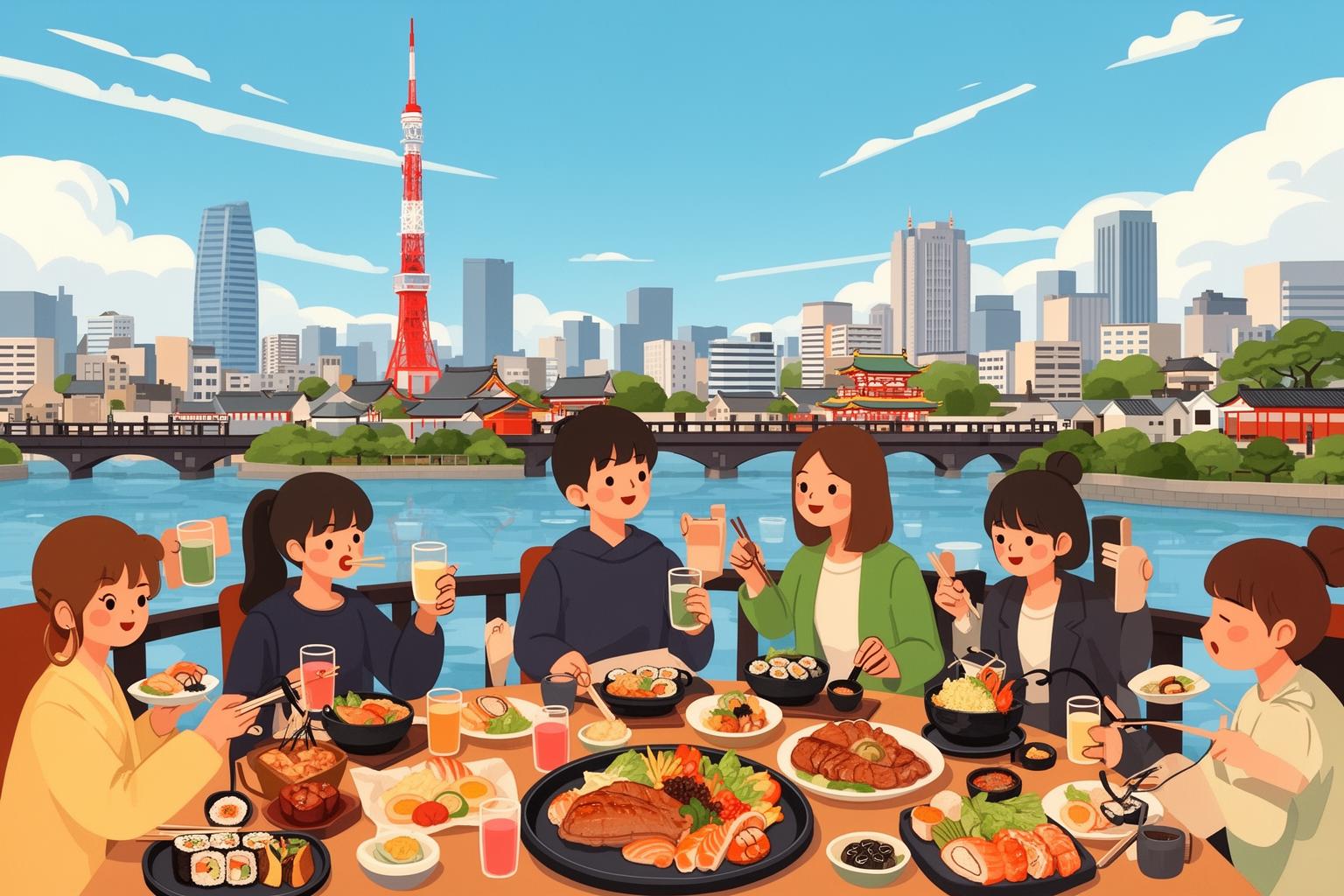
As evening falls, the true essence of kuidaore comes alive. The city’s energy transforms. The hectic rhythm of the day gives way to a warmer, more festive atmosphere. Dinner is not merely the third meal; it’s the highlight, a moment for community, connection, and some of the most important food choices an Osakan will make.
At Home: The ‘Kona-mon’ Kingdom
For many households, dinner centers around kona-mon, or “flour-based things.” This is the core of Osaka’s soul food. Unlike Tokyo, where a takoyaki maker is a novelty, in Osaka, it’s almost essential kitchen gear, alongside the rice cooker. Weekend meals frequently turn into “takopa” (takoyaki parties) or okonomiyaki evenings.
This offers key insight into the local way of thinking. These meals are more than simply prepared and eaten; they are an interactive family activity. Everyone gathers around a hot plate placed in the table’s center. One person pours the batter, another adds octopus and toppings, and each family member takes turns flipping takoyaki balls with a wooden pick. Playful debates about technique arise, as well as discussions over whether to add cheese or mochi, all shared in a spirit of creation. Okonomiyaki follows a similar pattern: a communal batter and cabbage mix is portioned and cooked on the griddle, with each individual customizing their savory pancake.
This goes beyond just saving money by dining at home. It’s about food as a means of bonding. It’s lively, slightly messy, and deeply social. It underscores the idea that the best food isn’t always crafted by a chef in a starched white coat, but is what you make and share with loved ones. Every Osakan family holds their own secret okonomiyaki recipe, their preferred dashi-to-flour ratio, defending it with a passion usually reserved for their favorite baseball team, the Hanshin Tigers. This pride isn’t about wealth or status, but a simple, delicious, shared heritage.
Eating Out: Navigating the Izakaya and Beyond
When Osakans dine out, they gravitate toward the city’s lively, unpretentious food areas like Tenma, Fukushima, or Namba’s backstreets. Here, the sleek, minimalist feel found in many Tokyo spots gives way to a jubilant, vibrant energy. The streets glow with red lanterns, the air carries the scent of grilling yakitori, and laughter and the clinking of glasses pour out from countless small izakaya and tachinomi (standing bars).
Value, or kosupa, remains the top criterion for choosing a place. An Osakan can enter a bar and quickly gauge the value on offer. How much is a draft beer? What’s the price for maguro sashimi? Are portions generous? They have an almost instinctive knack for spotting a great deal. They’ll insist the yakitori at “Torikichi” is 20 yen cheaper per skewer than the neighboring spot, while the chicken liver at the other place is far better. This isn’t stinginess; it’s a refined appreciation for value.
This vibe contrasts sharply with Tokyo’s drinking scene. While Tokyo has its drinking districts, they often feel more reserved or specialized. Osaka’s scene is more open and freewheeling. It’s common to witness strangers chatting over a shared plate of karaage. The line between customer and staff is thinner—the chef might shout a cheerful greeting from behind the counter. The emphasis is on crafting a lively, welcoming environment where everyone can enjoy good food and drink without pretense. It’s a direct reflection of the merchant city’s pragmatism: why waste time on formality when you could be eating, drinking, and laughing?
The ‘Shime’: Osaka’s Second Stomach
But the night doesn’t end once the last beer is finished. For the true follower of kuidaore, there is one final, essential ritual: the shime. Literally meaning “to close” or “to finish,” the shime is the meal after the meal—the last dish eaten after a night of drinking to wrap things up and absorb the alcohol.
While this idea is found throughout Japan, in Osaka it feels like a necessary part of the evening’s routine. As the izakaya start to empty, people don’t rush to the train station. Instead, they embark on a second quest, this time for the perfect closing dish. The classic option is a steaming bowl of ramen. The rich, savory broth and chewy noodles are regarded as the ultimate comfort food to end the night. Small, counter-only ramen shops thrive after 10 PM.
But since this is Osaka, the choices are more diverse. A light and flavorful bowl of udon is another favored option, providing a gentle finale to the evening. Or, in a move that might confuse outsiders, many head straight to a takoyaki stand. The idea of following a full dinner and drinks with fried balls of batter might seem excessive, but here it fits perfectly. It’s one last warm, delicious taste of Osaka before heading home—a full stop at the end of a long, satisfying sentence.
The shime culture perfectly symbolizes the “until you drop” spirit of kuidaore. It’s a tribute to the city’s endless appetite and the belief that there’s always room for just one more tasty thing. It’s a final, shared moment of indulgence before the city finally goes to sleep, ready to wake and do it all over again.
Beyond the Plate: What ‘Kuidaore’ Really Means
After spending an entire day immersed in the city’s culinary rhythms, it becomes apparent that “eating oneself into ruin” is a flawed translation. Kuidaore isn’t about self-destruction; rather, it represents self-fulfillment through food. It’s a philosophy that embraces a life abundant in flavor, community, and smart, down-to-earth choices.
At its core, it rejects the formalism and status-consciousness that often characterize life in other parts of Japan. In Osaka, a man in a tailored suit will happily stand shoulder-to-shoulder with a construction worker at a grimy-but-beloved kushikatsu counter. What matters isn’t your identity or profession, but your appreciation for the quality of the food before you and the fairness of its price. Taste is the great equalizer.
This mindset defines Osaka’s identity. It is a source of immense local pride and the main way Osakans distinguish themselves from their eternal rivals in Tokyo. They view the capital as a place where style outweighs substance, with costly meals that focus more on branding than flavor. They take pride in finding joy and exceptional quality in a 150-yen takoyaki or a 500-yen bowl of noodles. Kuidaore, then, is a declaration of independence. It’s a celebration of the practical, the delicious, and the deeply human. It embodies the understanding that the best things in life aren’t always the most expensive or visually stunning, but those that bring true, honest-to-goodness satisfaction. And in Osaka, that satisfaction almost always comes on a plate.