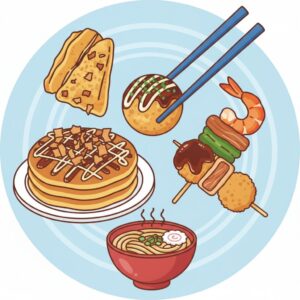
You’ve heard the legends. Osaka, the city of kuidaore—to eat until you drop. Your mind probably jumps to sizzling plates of okonomiyaki, steaming bowls of ramen, and octopus-filled takoyaki balls sold under the neon glow of the Dotonbori canal. And you’re not wrong. That’s the highlight reel, the tourist-facing sizzle that defines Osaka for the outside world. But what happens when the vacation ends and real life begins? What does kuidaore look like on a rainy Tuesday night when you’re tired from work and just want something good to eat? The answer, my friend, isn’t on a flashy restaurant street. It’s under the fluorescent lights of your neighborhood supermarket. Forget the Glico Running Man for a second. The real key to unlocking Osaka’s culinary soul, its deep-seated philosophy on life, and its fundamental difference from Tokyo, lies between the aisles of produce, the mountains of instant noodles, and the glorious, glorious fried food counter. This is where the city’s heart truly beats—a rhythm of sizzling oil, beeping scanners, and the triumphant crinkle of a half-price sticker being slapped on a bento box. This is where you stop being a tourist and start understanding how to live and eat in Japan’s kitchen.
Beyond the supermarket’s convenience, experiencing a takoyaki party reveals an alternative slice of Osaka’s vibrant culinary culture that goes deeper than the tourist trail.
The Holy Trinity: Umai, Yasui, Hayai (Delicious, Cheap, Fast)
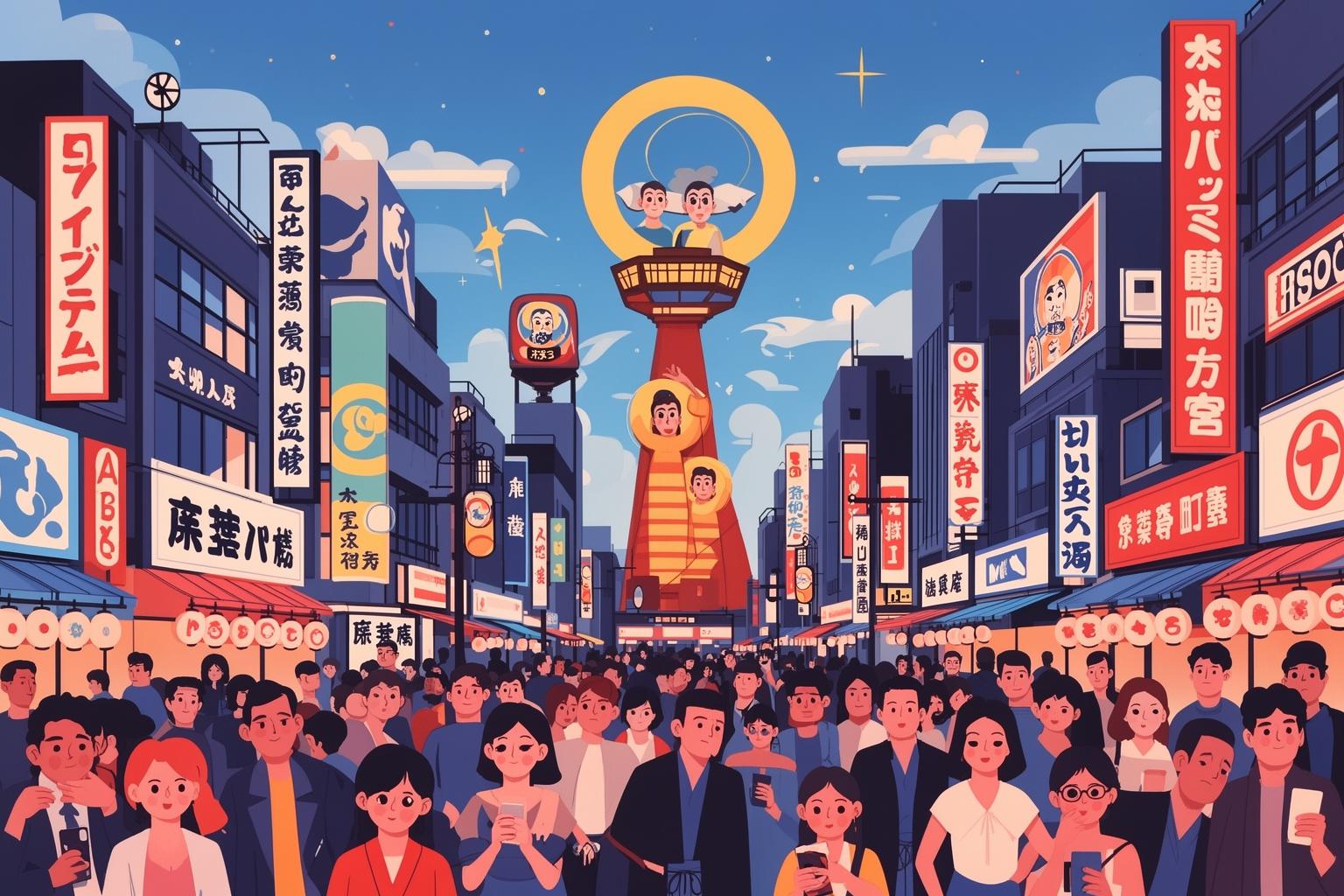
Before you even enter an Osaka supermarket, you need to know the mantra that drives every transaction, product placement, and pricing choice. It’s the unwritten creed of the city’s appetite: umai, yasui, hayai. Delicious, cheap, fast. This isn’t just a catchy slogan; it’s a deeply embedded value system. In Tokyo, there’s often more focus on aesthetics, elegant packaging, and the story behind a single, perfect piece of fruit that costs as much as a nice meal. That has its own charm, a certain refined grace. Osaka, however, operates differently. It has always been a city of merchants. Practicality, value, and efficiency are in its DNA. The aim isn’t to impress with looks, but to satisfy with substance. For an Osakan shopper, the key question isn’t “Does this look beautiful?” but “Is this a good deal for how delicious it is?”
This mindset shouts at you from every aisle of the supermarket. The signage isn’t subtle or minimalist. It’s a burst of red, yellow, and black ink, with characters that seem to be shouting. Words like 激安 (gekiyasu – dirt cheap), 特売 (tokubai – special sale), and お買い得 (okaidoku – great value) cover every surface. The look comes second to the message: we’re giving you a bargain. This philosophy extends to the products themselves. You’ll see huge, family-sized bottles of soy sauce, mayonnaise, and tonkatsu sauce next to the regular ones. Why? Because buying in bulk is cheaper, and that logic speaks directly to the Osakan soul. The produce section may appear a bit messier, the piles of cabbage and daikon radishes somewhat more chaotic than their perfectly arranged Tokyo counterparts. But they’re fresh, plentiful, and priced to sell quickly. The whole system relies on fast turnover. Stale food is a cardinal sin, not because it’s improper, but because it wastes good eating potential and money. This relentless focus on value-packed deliciousness is the first and most important lesson an Osaka supermarket teaches you. It’s not about being cheap; it’s about being a wise consumer in a city that values a sharp eye for a good deal over a fat wallet.
Decoding the Supermarket Landscape: From Bougie to Budget
Not all supermarkets are created equal, and in Osaka, the market is a fierce battleground for your yen. Your choice of where to shop reflects your priorities, budget, and even personality. It’s a spectrum ranging from the calmly lit aisles of upscale grocers to the delightfully chaotic, neon-lit havens of budget shopping. Understanding these levels is key to navigating daily life and mastering your own kuidaore journey at home. Each has its role, loyal patrons, and unique contribution to the city’s food culture. You’ll likely find yourself visiting different stores for different needs, crafting a personal supply chain that leverages the strengths of each. This isn’t just grocery shopping; it’s strategy. It’s about knowing where to find the best frozen gyoza, that particular Italian cheese, or a late-night bento at a price that feels like a bargain.
The Everyday Giants: Life, Mandai, and Izumiya
These are the backbone of Osaka’s supermarket scene. Life, Mandai, and Izumiya are the trustworthy, mid-range supermarkets you’ll spot in nearly every residential area. They are the daily workhorses, dependable sources for everything you need without any fuss. Think of them as the Japanese equivalents of Safeway or Kroger—not overly fancy, not shockingly cheap, but reliably solid. The lighting is bright, the floors are spotless, and the layout is straightforward. You go to Life for your weekly essentials: milk, eggs, bread, fresh vegetables, quality meat and fish cuts, and all the household cleaning products you could want. Their private label brands frequently offer excellent value, providing near-brand-name quality at a lower cost.
Mandai and Izumiya occupy a similar space, often competing vigorously with Life, sometimes just across the street from each other. This rivalry benefits the consumer with constant sales and point card campaigns. These stores are deeply woven into the neighborhood fabric. They’re where you’ll see parents with kids after school, elderly couples running errands, and office workers grabbing a bento on their way home. They are predictably reliable in the best sense. The selection covers about 95% of what you’ll need for Japanese cooking, from dashi stock and mirin to fresh tofu and natto. They also carry a decent, though not exhaustive, range of international staples like pasta, olive oil, and breakfast cereal. These giants form the foundation of your Osaka kitchen. They may lack the character of more extreme options, but their dependability makes daily life not just manageable, but comfortable and convenient.
The Budget Brawlers: Gyomu Super and Super Tamade
This is the heart of Osaka’s yasui obsession, where the city’s merchant spirit truly shines. First up is Gyomu Super (業務スーパー), meaning “Business Supermarket.” The name says it all. Originally aimed at restaurant owners buying in bulk, it’s open to the public, and savvy shoppers flock here. Walking into Gyomu is a no-frills experience: industrial lighting, goods often displayed in their shipping boxes, and aisles stacked high. The magic of Gyomu lies in its scale and selection. Need a one-kilogram bag of frozen fried chicken pieces? A two-liter bottle of sesame dressing? A huge block of frozen spinach for a fraction of fresh? Gyomu has it all. It’s a paradise for frozen foods, bulk dry goods, and a surprisingly eclectic mix of imported items. You’ll find everything from cheap Dutch gouda and Italian pasta to Thai green curry paste and Vietnamese pho noodles at prices that make other stores look pricey. Gyomu is pure, practical savings. It’s not glamorous, but it’s a wallet’s best friend.
Then there’s Super Tamade. Oh, Tamade. It’s hard to describe without sounding exaggerated, but it truly is a spectacle. If Gyomu is quiet, practical savings, Tamade is a screaming, neon-drenched, pachinko-parlor-inspired bargain fest. The storefronts blast flashing lights, gaudy colors, and loud looping jingles. It feels less like a grocery store and more like a fever dream. Inside, the sensory overload continues: loud music, narrow crowded aisles, and unbelievably cheap prices. Tamade is famous for its legendary 1-yen sales. You might have to buy a certain amount of other groceries to qualify, but you can walk out with tofu, canned coffee, or a head of lettuce for just one yen. Their prepared foods, or sozai, are legendary. You can get a full bento box for 250 yen, fried rice for under 200, and a mountain of spaghetti for a steal. Is it gourmet quality? No. But is it edible, filling, and absurdly cheap? Absolutely. Shopping at Tamade is an experience—an act, embodying Osaka’s spirit of being loud, proud, and unapologetically bargain-focused. Foreigners often feel intimidated or mesmerized by Tamade. My advice? Embrace the chaos. It’s one of the most genuinely Osakan experiences.
The Posh Picks: Ikari and Seijo Ishii
At the opposite end of the spectrum are the high-end supermarkets. Ikari, a Kansai-based chain, feels like Tamade’s antithesis. The stores are calm, spacious, and impeccably clean, with soft lighting and gentle classical or jazz music. Ikari is where you go for something special. They offer a fantastic range of imported wines and cheeses, artisanal breads, premium domestic beef cuts, and organic produce. Their private label products are known for exceptional quality. Shopping at Ikari feels like a luxurious treat—perfect for special dinner ingredients or the elusive British tea or American peanut butter you can’t find elsewhere.
Seijo Ishii is similar, often located inside major train stations like Umeda or Namba. Smaller than Ikari but packing a punch with its curated selection of domestic and imported gourmet products, it excels in wine, cheese, and ready-made deli items—a significant upgrade from standard supermarket sozai. You’ll pay a premium here, no doubt. But these stores serve an important role by catering to a cosmopolitan palate and showing that even in a city obsessed with value, there is a strong appreciation for high-quality, specialized ingredients. While an Osakan might boast about deals from Tamade, they’ll discreetly shop at Ikari or Seijo Ishii when they want to indulge. It highlights the dual nature of the city’s food culture: a public passion for affordable delights and a private appreciation for refined, delicious fare.
The Soul of Osaka’s Kitchen: The Sozai Aisle
To truly grasp the modern Japanese family dinner, particularly in a dual-income household, you need to spend time in the sozai (惣菜) aisle. This part of the supermarket is devoted to prepared foods and, in Osaka, serves as the pulsating heart of the store. It embodies the essence of umai, yasui, hayai. Unlike the sad, day-old offerings often found in Western supermarket delis, this aisle features a vibrant, constantly refreshed array of delicious, home-style dishes designed to simplify life without compromising flavor. For many Osaka residents, the sozai aisle isn’t just a backup plan; it’s an integral part of their weekly meal preparation. It enables them to serve a varied, multi-course meal in minutes by pairing a main dish they cook themselves with two or three sides from the supermarket.
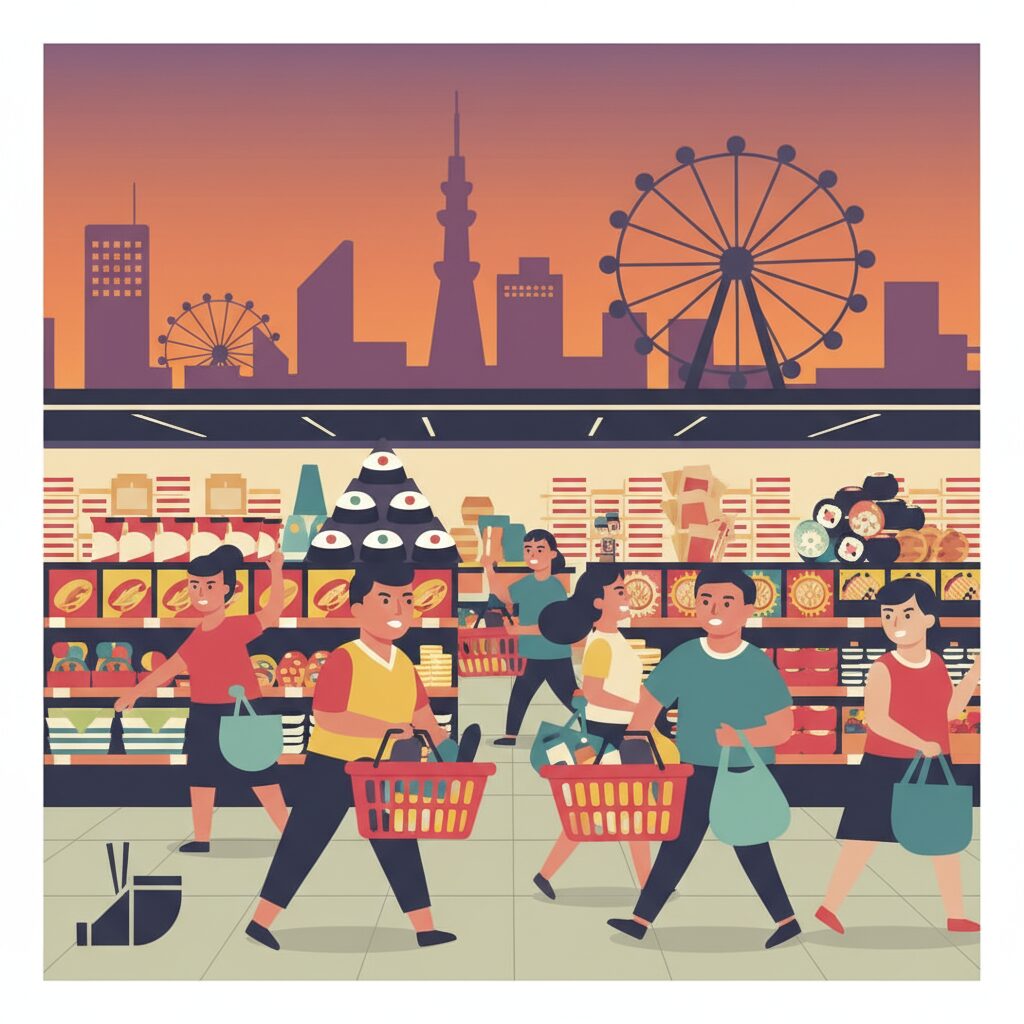
The selection is astonishing. You’ll see gleaming heaps of karaage (Japanese fried chicken), perfectly golden korokke (potato and meat croquettes), crisp tonkatsu (pork cutlets), grilled mackerel glistening with savory oils, and countless vegetable dishes. There are hijiki seaweed salads, simmered pumpkin in dashi, tangy potato salads, and blanched spinach dressed with sesame. It’s a rich mosaic of flavors and textures, offering a shortcut to a balanced meal. Yet the real magic, the daily ritual that defines Osaka’s practical food culture, happens in the evening. This is the nebiki (discount) time. Around 6 or 7 PM, a supermarket worker appears with a sticker gun, and a quiet, polite, yet intense dance begins. Shoppers who were browsing casually suddenly sharpen their focus. They start circling the sozai aisle, watching and waiting. The first round of stickers might offer 20% off. Some buy immediately, but the veterans hold back. An hour later, a new discount wave arrives: 30%, maybe 40%. The tension rises. Then, the final, glorious moment appears: the application of the 半額 (hangaku) sticker. Half price. As soon as that sticker lands on a pack of karaage or a bento box, it’s go-time. People move quickly and decisively to claim their prize. It’s not rude or aggressive, but it is competitive. This nightly spectacle is quintessentially Osaka—a game of patience and timing, a shared public secret rewarding those who know the store’s rhythm. It honors thriftiness not as a sign of poverty, but as a mark of savvy. Scoring a delicious, freshly made meal for half the price is a victory, a story worth sharing. It’s kuidaore on a budget, and it’s beautiful.
Konamon Culture in Aisle Five
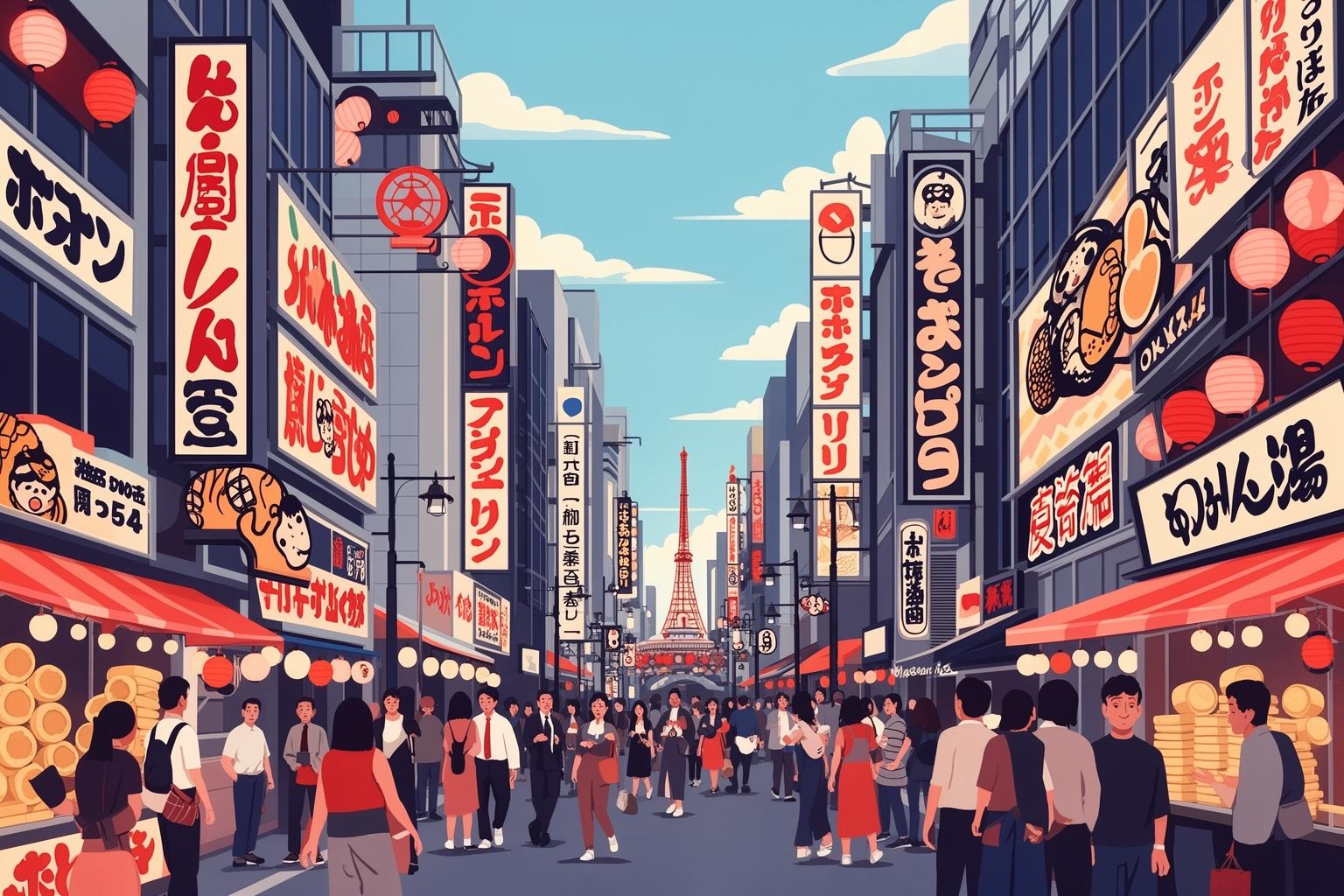
Osaka’s identity is deeply intertwined with konamon, a broad term for flour-based foods. This mainly includes okonomiyaki, takoyaki, and udon noodles. These dishes aren’t just found in restaurants; they are essential home-cooked meals, especially enjoyed during weekend gatherings and family dinners. The supermarket clearly reflects this passion. Instead of just one type of okonomiyaki flour, there’s an entire section dedicated to it. You’ll find basic flour, flour pre-mixed with dashi for added flavor, and premium versions containing grated nagaimo (mountain yam) for a lighter, fluffier texture. This level of specialization may initially seem overwhelming, but it highlights how seriously people approach their homemade konamon.
And the focus doesn’t end with the flour. The nearby shelves form a complete ecosystem for konamon lovers. You’ll discover at least half a dozen varieties of okonomiyaki and takoyaki sauces, ranging from the classic sweet and savory to spicy options. Industrial-sized bags of tenkasu (crispy tempura bits) are available, essential for adding texture and flavor to the batter. There are jars of bright red beni shoga (pickled ginger), several brands of Japanese mayonnaise (which is richer and sweeter than Western versions), and bags of paper-thin katsuobushi (bonito flakes) that ripple with heat when sprinkled on top. The supermarket offers all the ingredients needed for this cherished culinary tradition. Every Osaka family has their own secret recipe, preferred sauce brand, and specific flour-to-cabbage ratio. The supermarket sells more than ingredients; it offers the potential to create a beloved communal meal. It’s a testament to a food culture that is actively lived at home, not just enjoyed in restaurants. By noting which aisles have the most shelf space, you can trace the city’s favorite foods, and in Osaka, the konamon aisle is prime real estate.
Speaking “Supermarket”: Unspoken Rules and Local Lingo
Navigating the physical and social environment of an Osaka supermarket means learning a few unspoken rules. The aisles, especially in older or more budget-friendly stores, tend to be narrow. This calls for a kind of urban ballet—a shared spatial awareness where you anticipate the movements of others. People are typically direct and efficient; they don’t dawdle. They grab what they need and move along. The shopping cart dance is a skill developed over time: a subtle art of pulling in, allowing someone to pass, then continuing your way without a word exchanged. At the checkout, the pace quickens, embodying Osaka efficiency. Have your point card, cash, or credit card ready before you reach the front of the line. The cashier will scan your items at lightning speed. The key phrase you’ll hear is a rapid “Fukuro irimasu ka?” (Do you need a bag?). Since plastic bags now cost a few yen, they have to ask. A quick “Irimasen” or “Daijoubu desu” (I don’t need one) if you have your own bag, or “Onegaishimasu” (Yes, please) if you do, is all that’s needed. The whole transaction can be completed in under a minute.
Listen carefully, and you might catch a bit of the local dialect, or Osaka-ben. Instead of the standard “Arigatou gozaimasu” (Thank you very much), you’ll often hear a warmer, more casual “Ookini!” from staff and sometimes other shoppers. It’s a small detail but a clear marker of being in Kansai. Another important piece of local knowledge is the significance of the chirashi, or paper sales flyer. While younger people might rely on apps, these colorful paper advertisements—delivered with the morning paper or slipped into your mailbox—remain a huge part of the shopping culture. Many households plan their weekly meals around what’s on sale in the chirashi. You’ll notice shoppers in the store holding the flyer, methodically hunting for the day’s deals. Learning to read key terms—such as the days of the week and words like 玉子 (tamago – eggs) or 豚肉 (butaniku – pork)—can elevate you from a casual shopper to a strategic bargain hunter, earning a nod of respect from local grandmas who are the undisputed experts of this tradition.
Beyond the Aisles: What Supermarkets Tell You About Osaka
If you spend enough time in them, you begin to realize that Osaka’s supermarkets are more than mere places to purchase food. They are miniature reflections of the city’s culture, living museums embodying its values. The most notable lesson is the city’s preference for practicality over polish. Osaka was founded by merchants, and that spirit remains strong. Function and value almost always take precedence over aesthetics. A slightly misshapen cucumber or a bruised apple isn’t viewed as a defect; it’s an opportunity for a discount, placed in a special section called wakeari (with a reason/flawed). This stands in sharp contrast to Tokyo’s ideal of perfection. This mindset explains the chaotic brilliance of Super Tamade. From a design standpoint, it’s a nightmare. But from a business angle, it’s a brilliant marketing tool aimed at a population that prioritizes a good deal above all else. It works, and in Osaka, if it works, it’s good.
The supermarket also serves as an essential community hub. It’s a low-pressure ‘third place’ where social interactions occur naturally. You’ll see neighbors chatting in the produce aisle, cashiers greeting regular customers by name, and kids using the small arcade game corner as an after-school hangout. The character of a supermarket often mirrors that of its neighborhood. A store near a university will feature large sections of instant noodles and inexpensive bentos. One in a wealthy suburb will offer a broader wine selection and organic produce. They are a direct, unfiltered reflection of the people they serve. Ultimately, the Osaka supermarket stands as an anti-Tokyo statement. While a high-end Tokyo grocer can feel like a curated gallery—quiet, pristine, and somewhat intimidating—the average Osaka supermarket resembles a bustling workshop. It’s noisy, a bit messy, and highly participatory. It encourages you to get your hands dirty, hunt for bargains, and be an active participant in the great game of eating well. It’s perhaps less refined, but arguably a more robust and resilient food culture, built from the ground up to meet the real needs of the people. It’s not about putting on a show; it’s about filling your belly with something delicious without emptying your wallet.
Final Thoughts
To truly grasp Osaka, you need to look beyond the renowned street food stalls and into the brightly lit, fiercely competitive realm of its grocery stores. Here, the city’s kuidaore philosophy is revealed in its purest, daily form. It’s evident in the bold red-and-yellow sale signs, the shared excitement of hunting for half-price bentos, the vast selection of okonomiyaki flour, and the delightful, unapologetic chaos of a store like Super Tamade. An Osaka supermarket serves as a classroom that imparts the city’s core values: pragmatism, community, a healthy dose of showmanship, and a steadfast belief that delicious food should be accessible to everyone, every single day. So, next time you’re here, step off the tourist path. Enter a local Life, navigate the aisles of a Gyomu Super, or dive into the sensory overload of Tamade. Observe, listen, and engage. Buy the discounted karaage, try an unusual vegetable, and smile back when the cashier greets you with “Ookini!” Because in these everyday places, you’ll discover a more genuine, practical, and ultimately more fulfilling taste of what it truly means to live and eat in Osaka. You’ll realize that in this city, the greatest culinary successes aren’t always found in upscale restaurants but are often achieved under the humble fluorescent lights of aisle three.