There’s a specific feeling that hits you around 4 PM on a Friday in Osaka. The energy in the city, always a crackling, high-voltage hum, starts to spike. In the Umeda underground, footsteps quicken from a brisk walk to a near-trot. The voices in the shotengai arcades grow louder, laced with the fatigue and anticipation of the week’s end. Osaka doesn’t wind down; it revs up for one last push before the weekend. This is a city built on momentum, a place of commerce and candor where efficiency is a virtue and standing still feels like moving backward. And while we Osakans thrive on this relentless pulse, we also understand a fundamental truth: no engine can run at full throttle forever. You need a release valve. You need a place where the noise is replaced by the rustle of leaves and the loudest sound is your own breathing. For so many of us, that place is Nara. It’s not just a trip; it’s a ritual. It’s the essential counterpoint to the Osaka hustle, a pragmatic solution for a spiritual need. It’s where we go to find the quiet that allows us to return to the beautiful, beloved chaos of home.
For those seeking a bridge between Nara’s calming charm and Osaka’s energetic rhythm, many locals explore neighborhood shotengai savings as a practical complement to their urban lifestyle.
The Osaka Engine and the Need for an Off-Switch
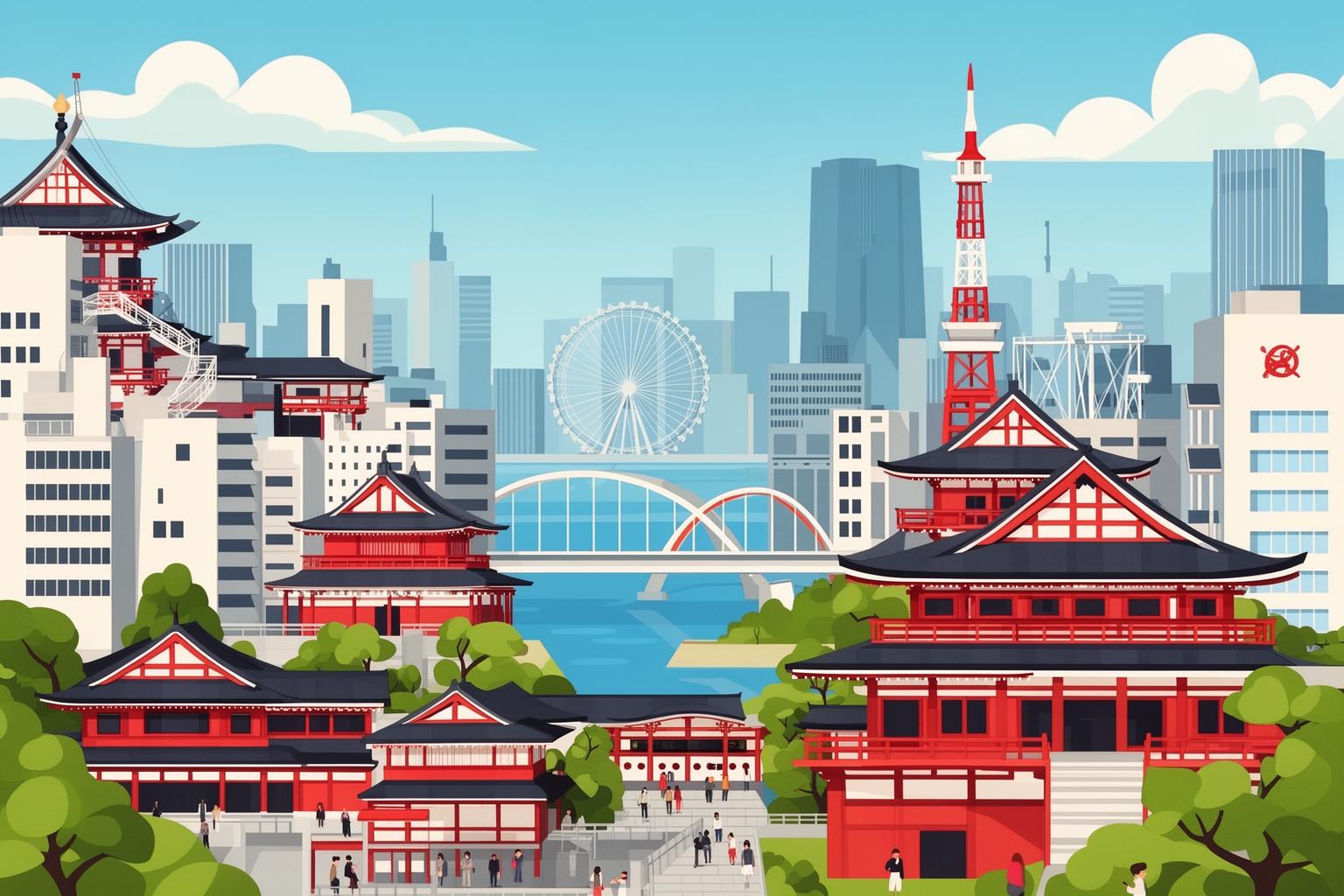
To grasp why a day trip to Nara is essential, you first need to understand the everyday sensory experience of living in Osaka. It is fundamentally different from the orderly, almost silent pressure found in Tokyo. Tokyo’s stress tends to feel internal—the burden of social expectations, the precision of train schedules, the quiet intensity of a crowded subway car where no one speaks. Osaka’s stress is external. It’s an all-encompassing assault on the senses, yet often accompanied by a peculiar kind of joy. Walking through Namba, you encounter a symphony of pachinko parlor jingles, the sizzle of takoyaki grills, and the booming voices of shopkeepers shouting “Irasshaimase!” with genuine enthusiasm. Conversations are fast-paced, direct, and frequently punctuated with laughter. Business dealings, whether for a multi-million yen contract or a simple discount on cabbage, take place with a distinctive mix of sharp negotiation and disarming humor. We call it akindo no machi, the merchant city, and that spirit permeates everything. Life here is a transaction, a negotiation, a continuous exchange. It’s thrilling—but also draining.
This is a city that demands your active involvement. You cannot be a passive observer in Osaka. You are part of the current, part of the noise. This ongoing output of energy, this compulsion to be “on” constantly, generates a deep craving for its opposite. It’s not about escaping Osaka negatively. We cherish our city’s raw, unfiltered character. But to keep loving it, to keep pace with its relentless rhythm, we need a periodic complete system shutdown. We need a place where there’s nothing to buy, no one to haggle with, and no schedule to follow. We need to swap the concrete canyons of Shinsaibashi for a canopy of ancient trees and the roar of the Midosuji line for the silent footsteps of deer on mossy ground. This isn’t a luxury; for many residents of Osaka, it’s a necessity. It is the mental and spiritual upkeep required to run the high-performance engine that is daily life in Osaka.
Why Nara? The Pragmatism of Proximity and Peace
A frequent question from foreigners is why Nara often wins out over Kyoto or Kobe for this particular purpose. Kyoto is the cultural giant, and Kobe boasts its refined port-city allure. The answer lies in the deeply pragmatic Osaka mindset. Osakans excel at cost-benefit analysis, even when it comes to relaxation. The aim is maximum mental reset with minimal logistical hassle. In that regard, Nara is unbeatable.
From Osaka-Namba station, the Kintetsu Nara Line offers a direct route. There are no confusing transfers, nor is there a need to splurge on a Shinkansen ticket. In about forty minutes, you are transported from the heart of Osaka’s commercial chaos straight into a haven of tranquility. The train ride itself contributes to the decompression. As the dense cityscape of eastern Osaka gives way to smaller towns and then lush green hillsides, you can feel the tension in your shoulders start to ease. The efficiency of the journey is crucial. An Osaka resident doesn’t want to spend half their day off navigating complicated transit systems. The trip to Nara is simple, direct, and affordable—it meets the Osaka desire for a “good deal” even in leisure.
Even more importantly, Nara offers a different kind of peace than Kyoto. Kyoto, despite its beauty, can often feel like a performance. It’s meticulously curated, and its popular spots are often just as crowded and hectic as Osaka, though with a more refined aesthetic. You remain very aware of being in a major city, a cultural machine. Nara is different. The moment you step out of the station and begin walking toward the park, the scale shifts. The buildings shrink, the sky expands, and nature takes center stage. The great temples like Todai-ji and Kofuku-ji are present, of course, but they feel woven into the landscape rather than overwhelming it. They are quiet giants resting in a forest. This is the essential difference. You visit Kyoto to be impressed. You visit Nara to forget to be anything at all.
Deconstructing the “Mental Reset”: It’s Not About Sightseeing
Here’s a major point of misunderstanding for visitors: when an Osaka resident says they’re “going to Nara for the day,” they rarely mean they’re following a typical tourist itinerary. Many of us have seen the Great Buddha dozens of times since childhood school trips. The trip isn’t about ticking off sights; it’s about a series of small, deliberate acts of slowness that directly counterbalance the pace of our daily lives.
The Walk and the Talk (or Lack Thereof)
The main activity in Nara is simply walking—but it’s a particular kind of walking, an aimless stroll that is the opposite of the purposeful stride we use in Osaka. In the city, you walk to get somewhere: the station, the office, the next appointment. Your route is direct, your pace governed by efficiency. In Nara Park, the paths meander and are optional. You can follow a trail or wander off into the woods. You might sit on a bench for an hour watching the light shift through the leaves. There is no destination.
This changes the very nature of conversation. When you walk with a friend from Osaka, the urban chatter—work gossip, weekend plans, complaints about the Hanshin Tigers—gradually fades. It’s replaced by longer silences and more thoughtful reflections. The space around you allows your thoughts room to breathe. Many people, however, visit Nara alone. It’s one of the few places where you can feel completely at ease in solitude, wrapped in a sense of history and nature that dwarfs your personal anxieties. Finding such comfortable silence is nearly impossible back in the city, where even being alone feels noisy.
The Deer as a Metaphor for a Different Reality
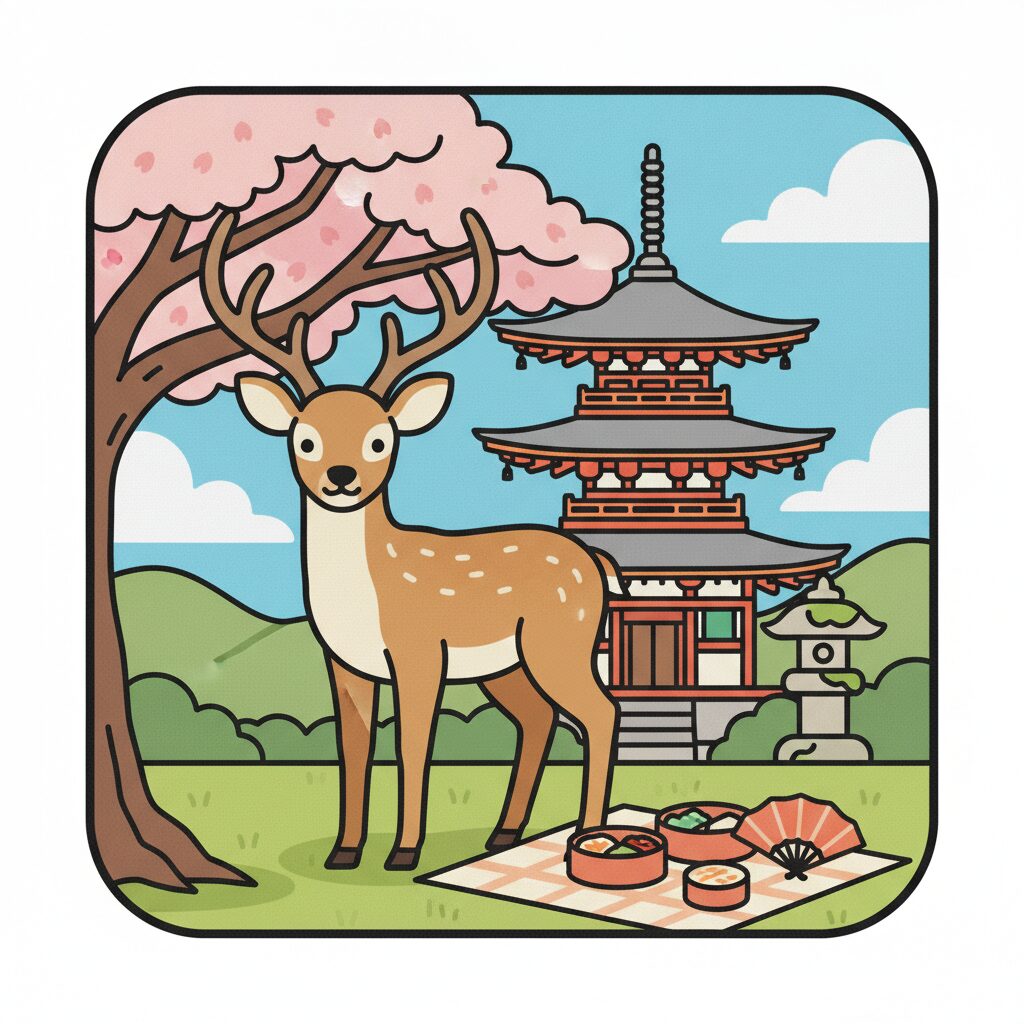
Of course, you can’t speak of Nara without mentioning the deer. For tourists, they are a charming novelty, a photo opportunity. For the Osaka day-tripper, they fulfill a deeper psychological role. The deer of Nara Park are a living, breathing reminder of a world that does not run on human logic. They are wild yet gentle. They are revered as messengers of the gods, yet they will shamelessly nudge you for a shika-senbei (deer cracker). They don’t care about your job title, deadlines, or how busy you are. They simply exist, serene and unyielding.
This interaction acts as a powerful reset button. In Osaka, most of our interactions are transactional. We buy, we sell, we negotiate. The deer demand nothing but your presence (and maybe a cracker). Feeding a deer is engaging in a simple, non-verbal contract that feels refreshingly pure. You must be calm; you must be patient. You cannot rush a deer. For a few moments, you’re compelled to step outside the frantic human world and operate on their terms. This small act of humbling yourself before nature is incredibly restorative. It recalibrates your perspective.
Finding Your Nook: The Cafe Culture of Nara-machi
After a long walk, the day-tripper often retreats to Nara-machi, the old merchant district with beautifully preserved wooden houses. Tucked into these narrow lanes are dozens of small, independent cafes and tea houses. These are not the bright, noisy, high-turnover cafes of Umeda. They are quiet, intimate spaces, often run by an individual or a family. The air smells of roasted coffee and aged wood. The unspoken rule here is to linger.
In a typical Osaka cafe, there’s a subtle pressure to drink your coffee quickly and move on. Time is money, and the seat is valuable. In a Nara-machi cafe, the opposite prevails. The owners genuinely want you to relax. You can pull out a book and read for two hours, and no one will bother you. You can gaze out the window at a small, moss-covered garden and let your mind wander. These cafes are sanctuaries. They are commercial spaces that have deliberately opted out of the relentless commercialism of the big city. For an Osakan, sitting in one of these cafes feels like a small act of rebellion against the clock.
The Return Journey: Recharged, Not Exhausted
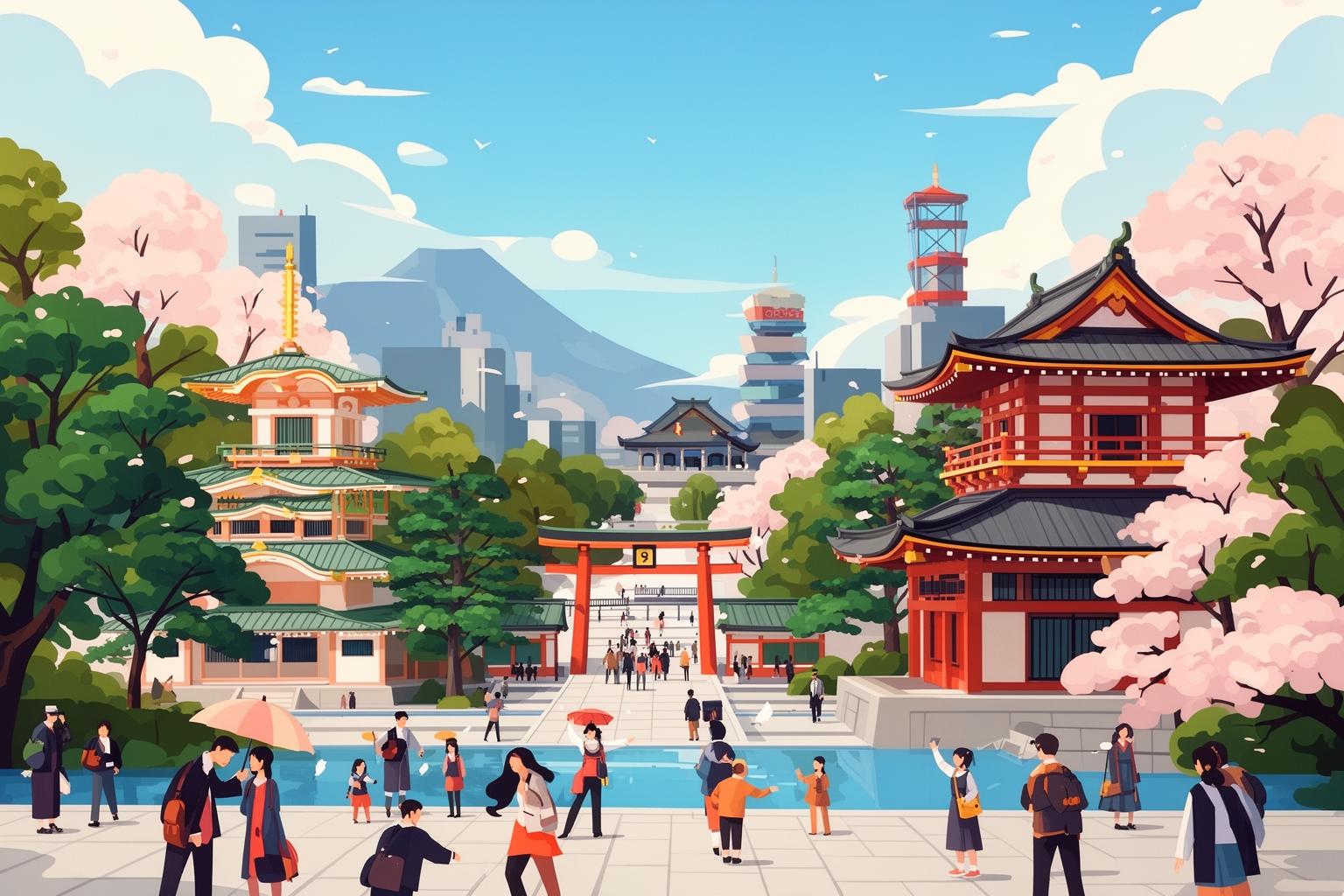
As the sun begins to set, casting long shadows through the trees of Nara Park, a gentle, collective movement heads back toward Kintetsu station. The feeling on the train home isn’t the bone-deep exhaustion that follows a long, stressful trip. Instead, it’s a quiet, contented fatigue. The mind is calm, the senses soothed. You’ve effectively cleared your system of urban grime and digital noise.
The real magic unfolds when you step off the train at Osaka-Namba. The wall of sound, the crowd, the neon glow—none of it feels jarring anymore. It feels like home. The very things that wore you out just a day before now seem vibrant and alive. The noise stops being an irritant; it becomes the city’s heartbeat. The directness of the people no longer feels abrasive; it’s refreshingly honest. The Nara day trip doesn’t make you want to leave Osaka. It reminds you why you chose to live there in the first place.
It’s a perfect symbiosis. Osaka offers ambition, opportunity, and electrifying energy. Nara provides the antidote: silence, space, and perspective. The ease of access between these two worlds is one of the unsung privileges of living here. It exemplifies the quintessential Osaka approach to life: work incredibly hard, live boldly, and be wise enough to build a fail-safe, low-effort, high-reward escape hatch just a 40-minute train ride away. It’s not an escape from reality but a tool to make reality richer, more sustainable, and infinitely more enjoyable.