Living in Osaka is a full-contact sport for the senses. From my apartment in Namba, the city never really sleeps; it just dims the lights a little. The rhythmic clang of the Nankai Line, the sizzle of takoyaki stands bleeding into the night air, the layered chatter of a dozen dialects in the Kuromon Market—it’s a constant, intoxicating hum. You learn to love it, to thrive in its beautiful chaos. But you also learn, very quickly, that Osakans are masters of the escape route. They have this incredible ability to dive headfirst into the city’s relentless energy from Monday to Friday, and then, with zero friction, pivot to total tranquility on Saturday morning. It’s not about running away from Osaka; it’s about refueling to enjoy it even more. And the primary charging station, the great blue backyard for this entire metropolis, is Lake Biwa. It’s more than just Japan’s largest lake; it’s an extension of the Osaka psyche. Planning a trip there isn’t just about booking a hotel. It’s about understanding why this city, so fiercely proud of its urban identity, is so deeply in love with the quiet shoreline just over the mountains. It’s a lesson in balance, Osaka-style.
Beyond Lake Biwa’s tranquil allure, uncovering the nuances of local urban life is equally exciting when you explore the city’s vibrant Osaka bike culture.
The Gravity of the Grind: Why Osaka Needs an Escape Hatch
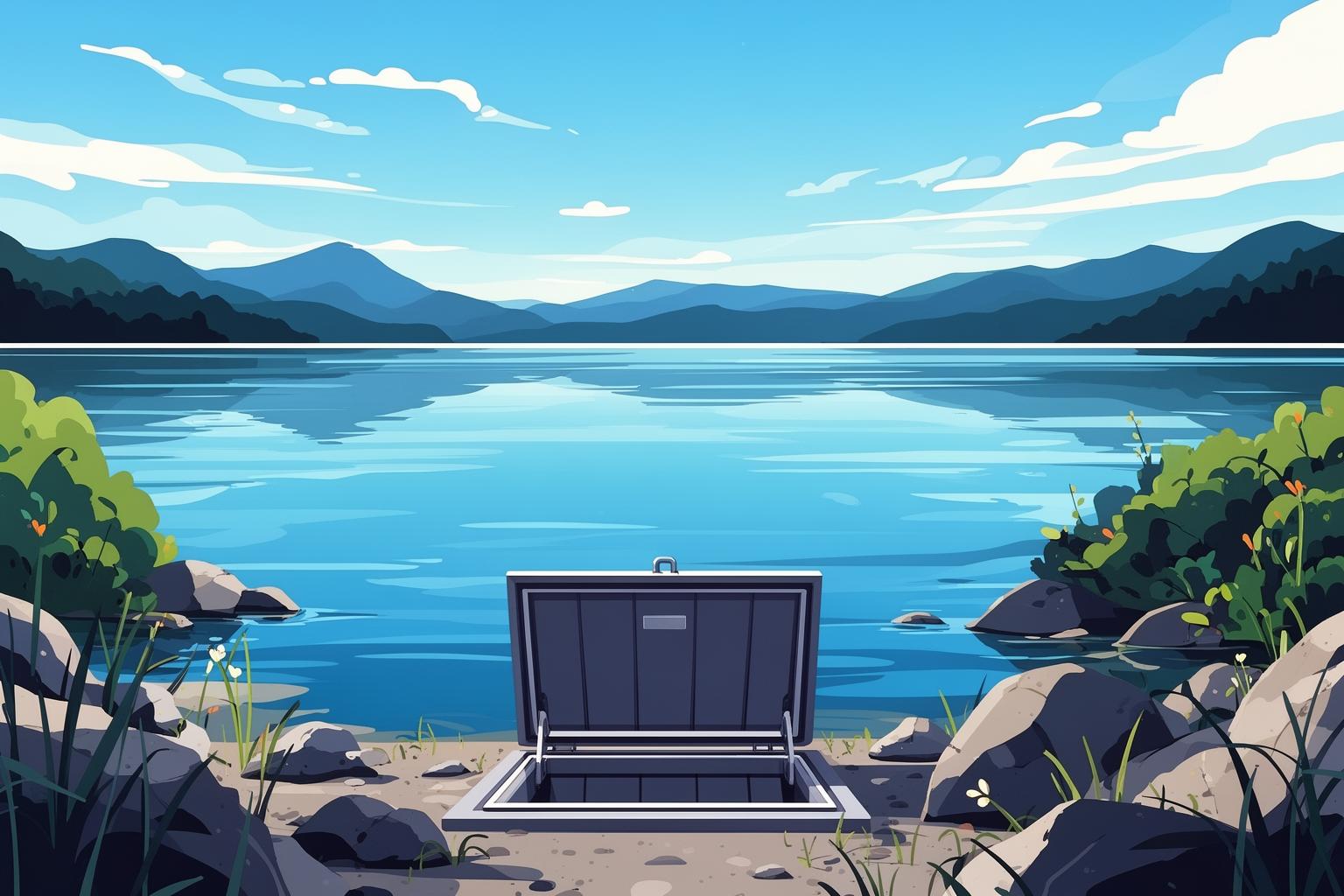
Before you grasp the release, you must first feel the pressure. Life in Osaka carries a distinct kinetic energy unlike Tokyo’s. The pressure in Tokyo often feels corporate, a silent, starched-collar tension absorbed in the crowded trains of the Yamanote Line. It revolves around fitting in, following an unspoken professional code, and navigating intricate social hierarchies. The grind is mental—a test of endurance played out in skyscrapers and quiet meeting rooms. Osaka’s grind, however, is louder, more tangible, and deeply commercial. It embodies the energy of the marketplace, the spirit of the shonin, the merchant. It’s the sound of a shopkeeper enthusiastically shouting “irasshaimase!” as if their life depends on it, the clatter of pallets in wholesale districts, and the constant bargaining over space, price, and attention. It’s a hustle, but a good-natured one. The city is built on the principle of akindo, the savvy and spirited approach to business. This environment is incredibly invigorating; it makes you feel alive, part of a vast, interconnected economic engine. Yet, it also leaves your ears ringing by day’s end. The city demands your full presence, energy, and voice. An Osakan’s ideal weekend isn’t necessarily about luxurious pampering or quiet, sophisticated cultural activities often romanticized in Tokyo lifestyle magazines. Instead, it’s about a system reset. It’s about finding a vast, peaceful space where the city’s buzz finally quiets. Lake Biwa, with its enormous, calm surface and endless sky, serves as the perfect antidote. It’s a geographical exhale. Traveling just an hour by car or train outside the city, you cross a threshold. The dense urban fabric gives way to rolling hills and rice paddies, and then, the expansive blue appears. It’s a visceral shift that Osakans don’t just appreciate—they depend on it for their sanity and sense of identity.
Gearing Up: The Osaka Approach to Adventure
Watching my Osaka friends plan our weekend at Biwa was a masterclass in local philosophy. There were no spreadsheets, no detailed, minute-by-minute itineraries, and no frantic group chats about booking the trendiest new ryokan six months in advance. The entire process was driven by a beautiful, confident pragmatism that lies at the heart of the Osaka character.
“Nantoka Naru”: The Spirit of Spontaneous Planning
The prevailing attitude was best captured by the phrase “nantoka naru,” which roughly translates to “it’ll all work out somehow.” This isn’t a sign of carelessness; rather, it reflects a deep confidence in one’s ability to adapt and find solutions on the fly. It stands in contrast to the Tokyo approach, which tries to mitigate every conceivable risk through meticulous, exhaustive planning. While Tokyo seeks perfection in the plan, Osaka aims for success in the execution, regardless of the plan. For our Biwa trip, the “plan” boiled down to three points: take a morning train to Maibara, rent bikes, and find a guesthouse somewhere on the north side of the lake before sunset. Everything else was left to chance and intuition. This mindset is shaped by Osaka’s dynamic environment. Navigating the labyrinthine underground malls of Umeda or bargaining for a discount in Den Den Town teaches you to think quickly. You develop a street-smart resourcefulness that turns the uncertainty of a loosely planned trip into an opportunity, not a threat. Foreigners often mistake this for a lack of seriousness, but it’s actually a sign of supreme confidence—the belief that common sense, a positive attitude, and the ability to chat with a local for advice are worth more than any guidebook.
Value Over Vanity: Choosing Your Wheels and Wares
When we arrived to rent our bicycles, the Osaka mindset was palpable. The goal wasn’t to get the lightest, most technologically advanced carbon-fiber racing bikes. Nor was it about capturing the perfect Instagram photo with professional-grade gear. The entire focus was on one concept: kosupa, or “cost performance.” This is a revered term in Osaka. It’s not about being cheap—cheapness is considered artless. Kosupa is the art of extracting the maximum value for your money. It’s about finding the ideal balance of quality, durability, and price. We passed by a sleek, brand-new rental shop and instead headed to a slightly older, family-run place a friend had recommended. The bikes were well-maintained but unpretentious. The real value, however, lay with the owner. He spent twenty minutes with us, pointing out scenic routes on a weathered map, warning us about a stretch of road with heavy truck traffic, and adjusting our seats with practiced skill. At the end, he threw in a couple of bottles of cold barley tea for free. “For the journey,” he said with a wink. This was omake, the culture of giving a little extra, a classic Osaka merchant tradition to build loyalty and goodwill. This entire interaction perfectly encapsulated daily economic life in the city. Osakans are savvy consumers who see through flashy marketing. They build trusted relationships with vendors and value practical benefits and human connection over slick presentation. They’ll choose the slightly shabby ramen shop with extra noodles every time over the trendy new spot with smaller portions and higher prices. It’s a philosophy of substance over style, extending from their grocery shopping to their weekend escapes.
On the Road: Conversations, Courtesy, and Caffeination
The 200-kilometer circuit around Lake Biwa, known as “Biwa-ichi,” is a pilgrimage for cyclists from across Japan. However, sharing the route with locals offers a unique insight into the social fabric of the Kansai region. The journey becomes a rolling seminar in communication, history, and the art of the ideal rest stop.
The Unspoken Rules of the Biwa-ichi Loop
As you cycle the shoreline, you encounter a broad cross-section of society. There are the highly serious cyclists in full lycra, gliding silently in aerodynamic groups. There are university students on budget adventures, their bikes loaded with camping gear. And there are families on classic mamachari bikes, kids in helmets wobbling with determination. What connects them all is a distinct Kansai-style code of conduct. The courtesy here differs from what you might find in the Kanto region around Tokyo. In Kanto, politeness often means keeping distance and avoiding imposition. Here, it’s interactive and engaged. While riding, other cyclists would call out warnings—“Kuruma kimasu yo!” (Car coming!)—or offer encouragement on a tough hill with a hearty “Ganbatte!” (Do your best!). At one rest stop, an older man from Nagahama started a conversation without any preliminaries. He didn’t ask where we were from or what we did for work. Instead, he immediately gave practical advice: “Don’t take the main bridge, the wind is terrible today. Use the smaller one inland. And make sure you try the funazushi (a local fermented fish delicacy) before you leave. It’s an acquired taste, mind you!” This is often mistaken by foreigners as being “nosy” or overly familiar. But in the Osaka context, it’s a form of communal care. It arises from an assumed connection, a belief that we’re all in this together, and sharing information is natural and helpful. There’s no social barrier to break because, in their view, one hardly exists to begin with.
Castle Views and Coffee Breaks: Refueling the Osaka Way
Our two main stops were Hikone Castle and a random lakeside cafe we spotted from the road. The approach to both was quintessentially Osakan. Hikone Castle is a stunning, original fortress, designated a national treasure. Yet the conversation among local visitors around us wasn’t one of hushed, academic reverence. It was practical and experiential. “Wow, these stairs are steep! Imagine running up here in armor.” “Is the view from the top really worth the entrance fee?” “They say you can see the mountains from the other side.” They engage with history on a personal level, trying to imagine the real-life experience rather than merely admiring the architecture from afar. It’s history told as a story, not just an artifact. Later, tired and thirsty, we stopped at a small, unnamed cafe. It was a simple wooden building with a large deck overlooking the water. In Tokyo, cafes often feel curated for social media, emphasizing minimalist aesthetics and perfect latte art. Here, the appeal was different. The owner, a woman in her late sixties, greeted us with a warm, booming “Welcome!” The coffee was straightforward but strong, and the cheesecake arrived in a generous, unapologetic slice. The value was clear: good coffee, hearty portions, and a spectacular, unpretentious view. We spent an hour there, chatting with the owner about her life by the lake. The experience was nourishing in every sense. For Osakans, a good cafe isn’t just a place for a caffeine fix; it’s a social hub, a place of connection. It’s an extension of the friendly, no-nonsense culture found in the city’s neighborhood kissaten (traditional coffee shops).
The Return Trip: Bringing the Lake Back to the City
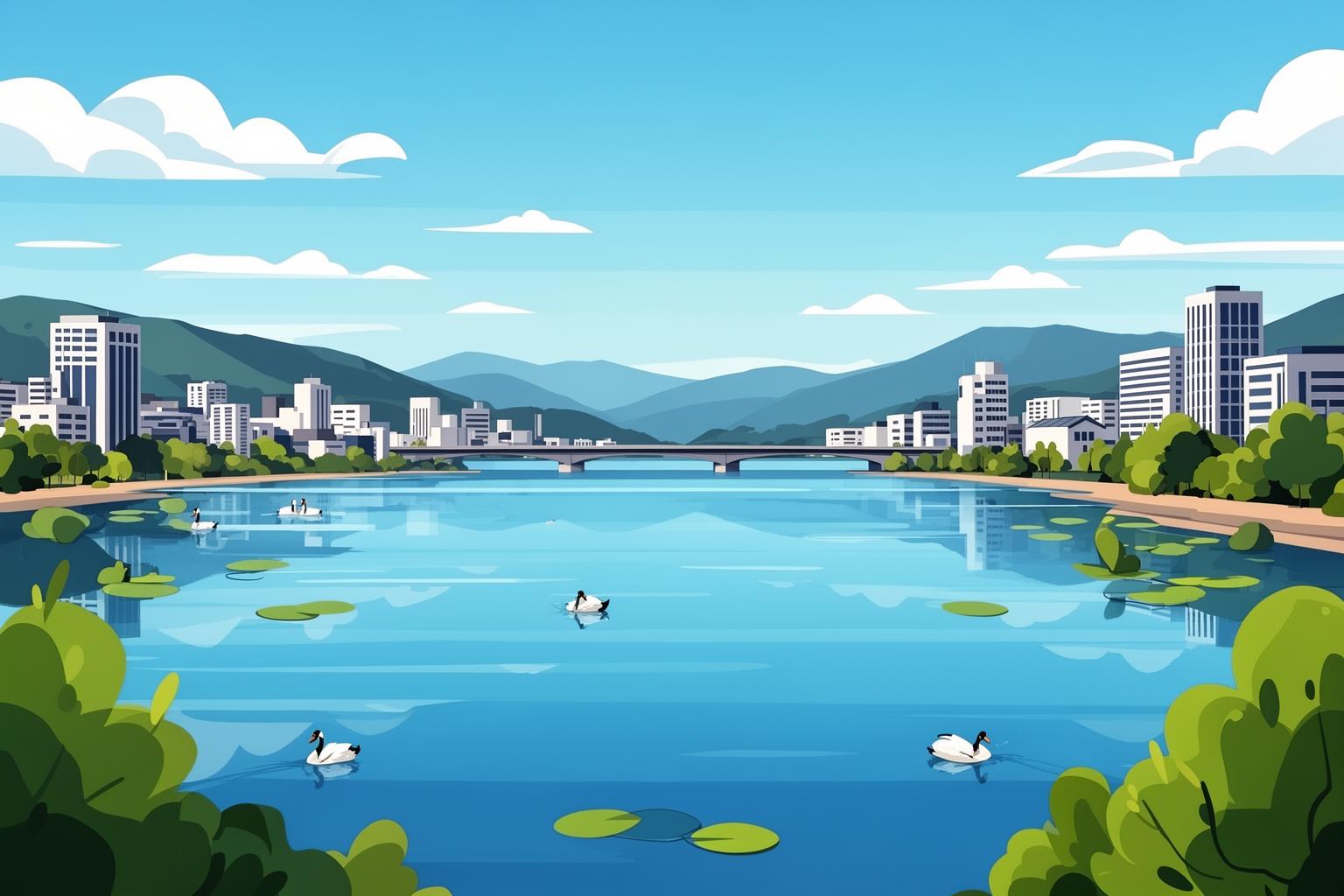
The train journey back to Osaka Station is always a captivating transition. As the calm blues and greens of Shiga give way to the gray, dense geometry of the city, you can tangibly feel the shift in energy. People’s postures adjust. The peaceful reflection of the countryside transitions into phone scrolling, animated conversations about dinner plans, and the forward-leaning stance of a city perpetually ready for what’s next. Yet, the fatigue from a weekend of cycling is a satisfying kind of tired. It’s a fresh start. This is the essential purpose of a trip like this for an Osaka resident. It’s not an extravagant vacation meant for complete transformation. It’s a soul-refreshing routine. It clears away the noise, stress, and sensory overload of the week, allowing you to return to the city with renewed appreciation for its vibrant, unique energy. Living in Osaka is a delicate balance. You learn to embrace the exhilarating, high-octane chaos of areas like Shinsaibashi and Dotonbori because you know tranquility is never far. The city’s identity extends beyond the boundaries of the Osaka Loop Line. It’s shaped by the interplay between its urban heart and its nearby natural retreats. To truly grasp why people love living here, you must understand this rhythm—the hectic work week followed by a simple, active respite. The weekend trip to Lake Biwa reveals the other side of the Osaka experience. The city’s renowned resilience, humor, and relentless energy are all fueled by the quiet, open spaces lying just beyond the horizon.