
Your first time, you feel like an intruder. You’re walking down a covered shotengai, the fluorescent lights humming overhead, rain pattering on the plastic roof. You pass the butcher, the tofu shop, the 100-yen store. Tucked between a shuttered fishmonger and a tiny dry cleaner is a door. It’s old, wooden, with a small, fogged-up window. A simple sign, hand-painted, hangs beside it, maybe just the name of the place in hiragana. There’s no menu outside, no welcome mat, no flashing lights. Just a dim, warm glow from within. This isn’t a bar designed to attract you. It’s a bar that simply is. You hesitate. It feels private, exclusive, like you’d be crashing a family dinner. But you slide the door open anyway.
The room is tiny. Maybe eight seats at a long wooden counter, all facing a man in a crisp shirt. The air is still, smelling faintly of fried burdock root and old whiskey. A few older men are nursing their drinks, watching a baseball game on a small TV perched in the corner. All eyes turn to you. The man behind the counter—the Master—doesn’t smile, but he doesn’t scowl either. He just watches, waiting. In that moment, you realize you’re not just ordering a drink. You’re asking for permission to enter a world. This man is the gatekeeper, the curator, and the very soul of the space. In Osaka, understanding this figure, the ‘Master,’ is more than just bar etiquette; it’s a key to unlocking the city’s entire social operating system. Forget the grand cocktail lounges of Umeda or the thumping clubs of Shinsaibashi. The real rhythm of Osaka life is found right here, in these small neighborhood spots where the Master knows your name, your drink, and probably the state of your love life, too.
The quiet magic of this local bar echoes throughout Osaka, where even a visit to a depachika food floor can feel like embarking on a culinary treasure hunt.
The Master is Not a Mixologist, They’re a Conductor
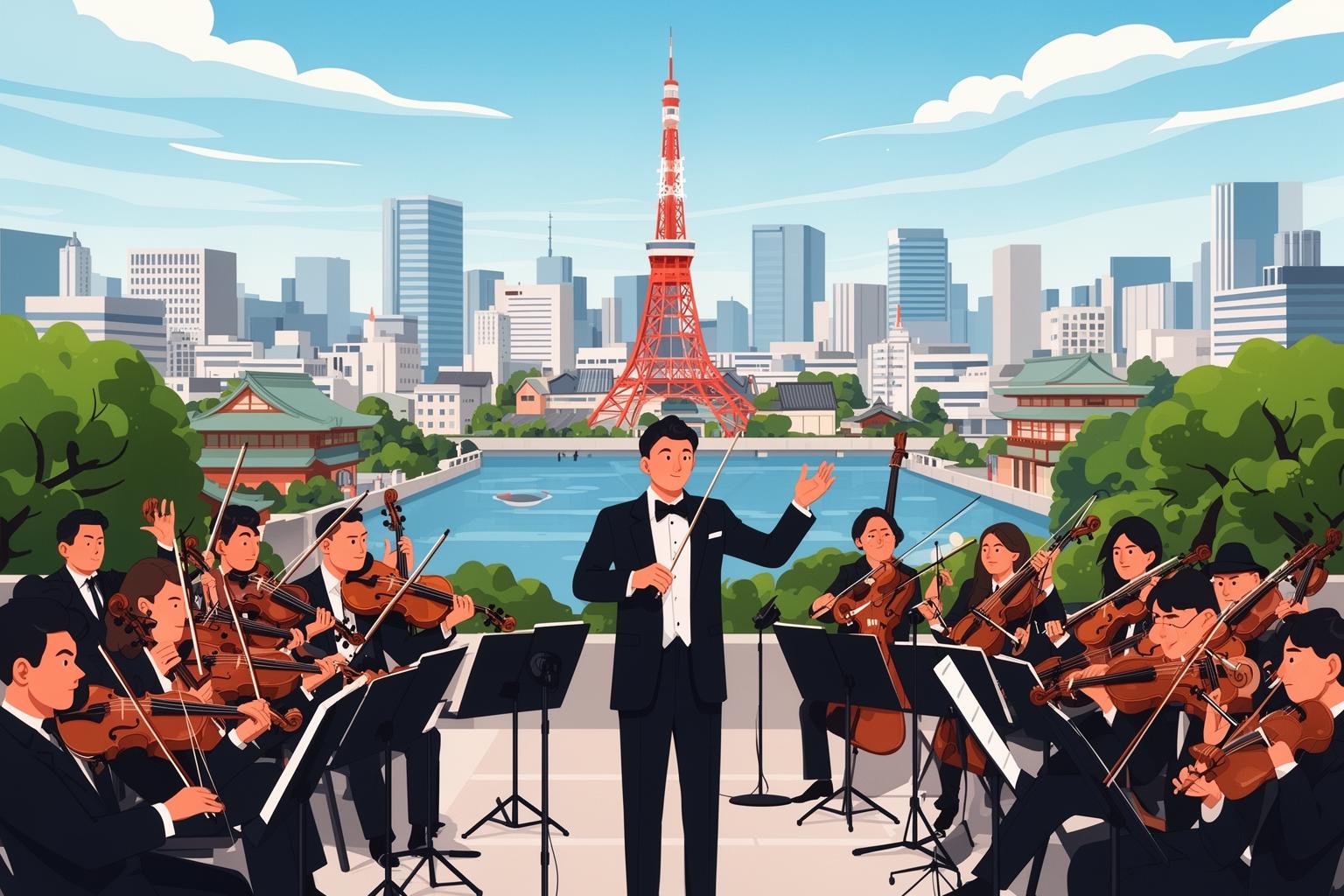
In the West, we often see a bartender as a technician. Their expertise is judged by speed, efficiency, and the ability to create a perfectly balanced, Instagram-worthy cocktail. The drink takes center stage. In a traditional Osaka neighborhood bar, however, the Master’s role is much broader and more nuanced. They serve as the conductor of a small, intimate orchestra, with the drink being just one instrument in the evening’s symphony.
Orchestrating the Atmosphere
Observe a Master at work. They aren’t merely pouring drinks; they’re continuously observing, adjusting, and shaping the room’s energy. The music selection is intentional. It could be old jazz records softly playing on a vintage turntable, 1980s city pop invoking a distinct wave of nostalgia, or even profound silence to encourage quiet reflection or hushed conversation. The Master sets this ambiance. If a new guest is a bit too loud, a slight, nearly imperceptible glance from the Master usually suffices to tone down their volume. They oversee the lighting, temperature, and even the flow of conversation.
They function as the social switchboard operator. They know which regulars enjoy political debates and which prefer to vent about their boss. They understand when to engage you and when to leave you to your own thoughts. A Tokyo bar might impress with its precision and polish—a flawless stage for the perfect drink. But an Osaka bar, guided by the Master, feels alive. It’s messy, deeply human, and entirely shaped by the personality of the person behind the counter. The experience isn’t focused solely on what’s in your glass; it’s about the world they’ve created within those four walls.
The Human Database
On your second visit, the Master might nod and say, “Highball?” They remember. They recall what you drank, where you sat, and perhaps even the flimsy excuse you gave for your poor Japanese. This isn’t just good customer service—it’s the foundation of the relationship. The Master is a living, breathing archive of the neighborhood’s social life. They know who just got promoted, whose daughter is getting married, and who’s encountering difficulties at work. This isn’t gossip; it’s context. It’s what changes a transactional space into a communal one.
This kind of memory and personal attention is a hallmark of Osaka’s merchant culture. For centuries, business here was built on long-term relationships, not one-time sales. You didn’t just buy from a shop; you bought from a family. Trust was built over years. That same spirit thrives at the counter of your local watering hole. The Master invests in you as a person, not merely as a customer. When they ask about your week, they genuinely want to know. This deep commitment to individual relationships feels worlds apart from the polite yet often impersonal service found in other cities. Here, being a regular means being truly known.
Your Local Bar as a Living Room Extension
After a few visits, the bar begins to feel less like a public venue and more like an extension of your own home. It becomes the neighborhood’s living room, a third space that is neither work nor home, where the social rules are unique and implicitly understood. It’s where community forms naturally, without a formal invitation.
Where the Jōren Hold Court
The other essential figures in this ecosystem are the jōren, the regulars. They are as integral to the bar’s identity as the Master himself. These aren’t merely repeat customers; they are stakeholders in the atmosphere. They could be the salaryman who’s been coming for twenty years, the shop owner from down the street, or the retired couple who live upstairs. They have their preferred seats, their inside jokes with the Master, and an unspoken authority.
For a foreigner, breaking into this circle can feel intimidating. But the Master is the key. On one of my early visits to a spot in Fukushima, I was quietly nursing a beer, feeling like a true outsider. The Master turned to the old man next to me and said, “This is Alex. He’s from England. His Japanese is so-so, but he likes the Tigers.” Suddenly, the old man, who hadn’t acknowledged me for an hour, turned and launched into a passionate monologue about our baseball team’s infamous losing streak. The Master had given him an entry point, a reason to connect. He didn’t just introduce us; he built a bridge. Soon, I wasn’t just a foreigner at the bar; I was the foreign Tigers fan. I had a role. I belonged.
Decoding the Unspoken Rules
Navigating these spaces requires learning a new set of social cues. This isn’t a place for loud group photos or shouting across the room. It’s governed by an invisible code of conduct, and your ability to interpret it determines whether you’ll be welcomed back.
The first rule is to read the room. If it’s quiet, be quiet. If the Master is deep in conversation, don’t interrupt. The rhythm of the space is crucial. The second rule is to show respect for the establishment. Don’t treat it like a generic chain pub. Notice the details—the carefully polished glasses, the unique collection of pottery, the single flower arrangement in the corner. A simple compliment about these elements shows the Master that you recognize and appreciate their effort.
One of the most significant steps to becoming a regular is participating in botoru kīpu, or “bottle keep.” You buy a full bottle of shochu or whiskey, and the Master writes your name on it and stores it on a shelf for you. It’s a sign of commitment. It says, “I will be back.” It’s also highly practical, a classic Osaka trait. It’s much cheaper per drink and solidifies your status. The first time the Master offers you the option to keep a bottle, it’s a quiet invitation. It means they believe you belong. It’s a small, profound rite of passage.
The Osaka vs. Tokyo Divide, Poured into a Glass
The character of these neighborhood bars underscores a fundamental contrast between Osaka and Tokyo. It’s a difference in values, in what people prioritize in their social interactions and daily lives. It’s the distinction between polish and personality.
Personality Over Polish
Tokyo’s bar scene is, in many respects, world-class. You can find hyper-specialized bars dedicated to absinthe or minimalist temples celebrating the art of the Japanese whiskey highball, where bartenders in crisp white jackets perform with surgical precision. The emphasis is often on achieving a kind of perfection—the perfect ice, the perfect dilution, the perfect atmosphere. It’s frequently breathtakingly impressive, but can occasionally feel somewhat cold or impersonal.
Osaka’s neighborhood bars seldom focus on perfection. They emphasize personality. The bar is a direct, unfiltered reflection of its Master. One of my favorite spots in Tennoji is run by a Master obsessed with 1970s pro wrestling. The walls are plastered with old posters, and the TV is always showing grainy footage of Antonio Inoki. The drinks are simple, the food is basic, but the place has soul. You visit to talk about wrestling or listen to the Master talk about wrestling. You go for him. This focus on the individual, the slightly eccentric, the deeply human, is quintessentially Osaka. The city has always valued strong characters over sleek conformity. It’s a city of merchants and comedians, not bureaucrats. Your local bar is where that spirit is seen in its purest form.
The Honesty of the Highball
The drinks menu itself offers another clue. While some Masters pride themselves on their craft, many of the best neighborhood spots serve a very limited, straightforward menu. Beer. Highball. Shochu with water or tea. A few bottles of sake. There’s an honesty to it, a lack of pretension. This isn’t about impressing you with rare ingredients or complex techniques. It’s about offering a good, honest drink at a fair price.
This speaks directly to the famed Osaka pragmatism. People here have a keen eye for value, what they call kosupa (cost performance). They aren’t interested in paying for unnecessary frills. They want something solid, reliable, and real. A simple, perfectly chilled highball served by a Master who knows your name is, in many ways, the ultimate expression of this mindset. It’s not trying to be anything it isn’t. It’s genuine. It’s satisfying. And it’s enough.
Finding Your Place at the Counter
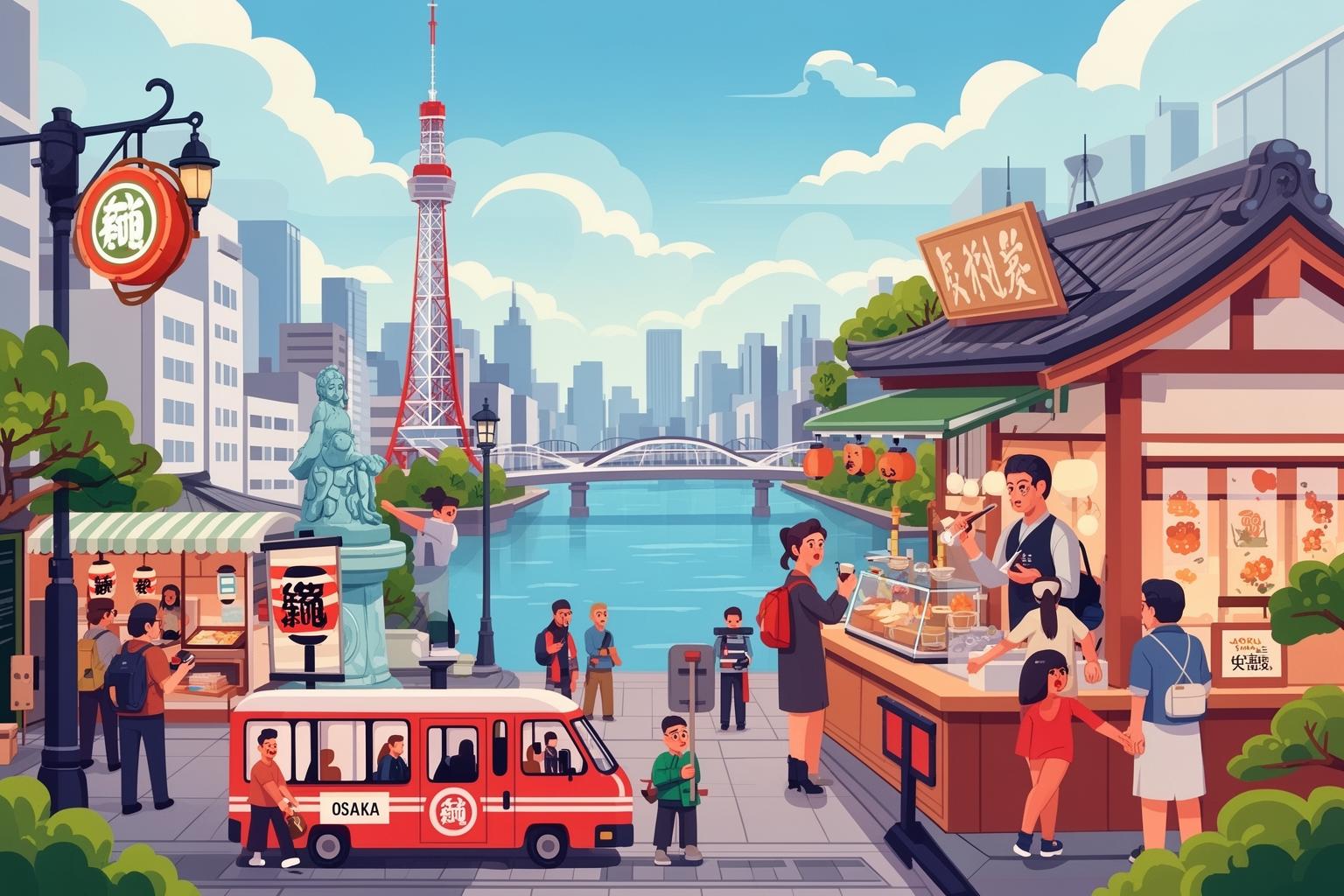
For someone new to Osaka, the overwhelming number of these small, somewhat intimidating bars can be daunting. Discovering the one that feels like “yours” is a process of trial and error, but it’s one of the most fulfilling ways to connect with the city.
A Crash Course in Counter Culture
My advice is to start simply by walking. Choose a residential area—Nakazakicho, Kyobashi, or the neighborhoods near Tenma—and explore the backstreets and shopping arcades. Look out for red lanterns (akachōchin) or plain wooden signs. Peer through the windows. Does the vibe seem lively and chaotic, or calm and reflective? What pace suits you tonight? Find a spot with an empty seat or two, take a deep breath, and slide the door open.
Your first step is straightforward. A slight bow, a quiet “konbanwa,” and a simple order. Saying “Toriaezu bīru” (“Beer for now”) works like magic. It gives you time to settle in. You can sit back, sip, and take in the atmosphere. Listen to the conversations. Watch for a chance to engage. Perhaps the Master has an interesting record collection. A casual, “What music is this?” can spark a great conversation. Don’t rush it. The goal isn’t to make best friends on your first visit, but to show you’re a respectful guest genuinely interested in the space they’ve created.
More Than Just a Drink: The Master as a Life Coach
Over time, you’ll come to see that the Master is far more than just a bartender. They become a trusted confidant, a hub of neighborhood information, and often an informal life coach. They listen to your worries without judgment, having heard similar stories from the many others who have sat in that same spot. Their advice might be insightful or amusingly off-target, but it always stems from genuine care.
They are also amazing connectors. Hunting for the best local ramen spot? The Master knows the one that doesn’t appear in any guidebook. Need a dentist recommendation? They’ll direct you to the trusted clinic a few blocks away favored by regulars. The Master acts as the neighborhood’s human search engine. They help hold the community together by facilitating the small, everyday interactions that create a sense of belonging.
Why This Matters for Living in Osaka
Building a life in a new city, especially abroad, means putting down roots. It’s about transitioning from being an anonymous face in the crowd to becoming part of a community. In Osaka, this transformation often occurs one drink at a time, at the counter of a modest, unpretentious bar.
Meeting your Master marks a turning point. It’s when you move from merely living in Osaka to truly feeling like you belong. It becomes your classroom for learning authentic, spoken Osaka-ben, complete with its slang and humor. It offers a front-row seat to local culture and a place to ask the “stupid questions” you can’t ask elsewhere. It’s where you’ll form some of your first genuine friendships, not with fellow expats, but with the people who shape your neighborhood.
So next time you’re walking home and see the soft glow behind a sliding wooden door, don’t just walk on by. Take a chance. Slide it open. You might not find a fancy cocktail or a trendy vibe. But you could discover something far more precious: a community, a confidant, and a small, warm place to call your own. You might find a Master who, by simply pouring you a drink, invites you to the heart of Osaka.