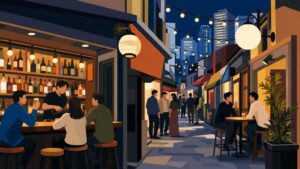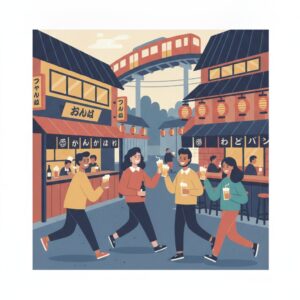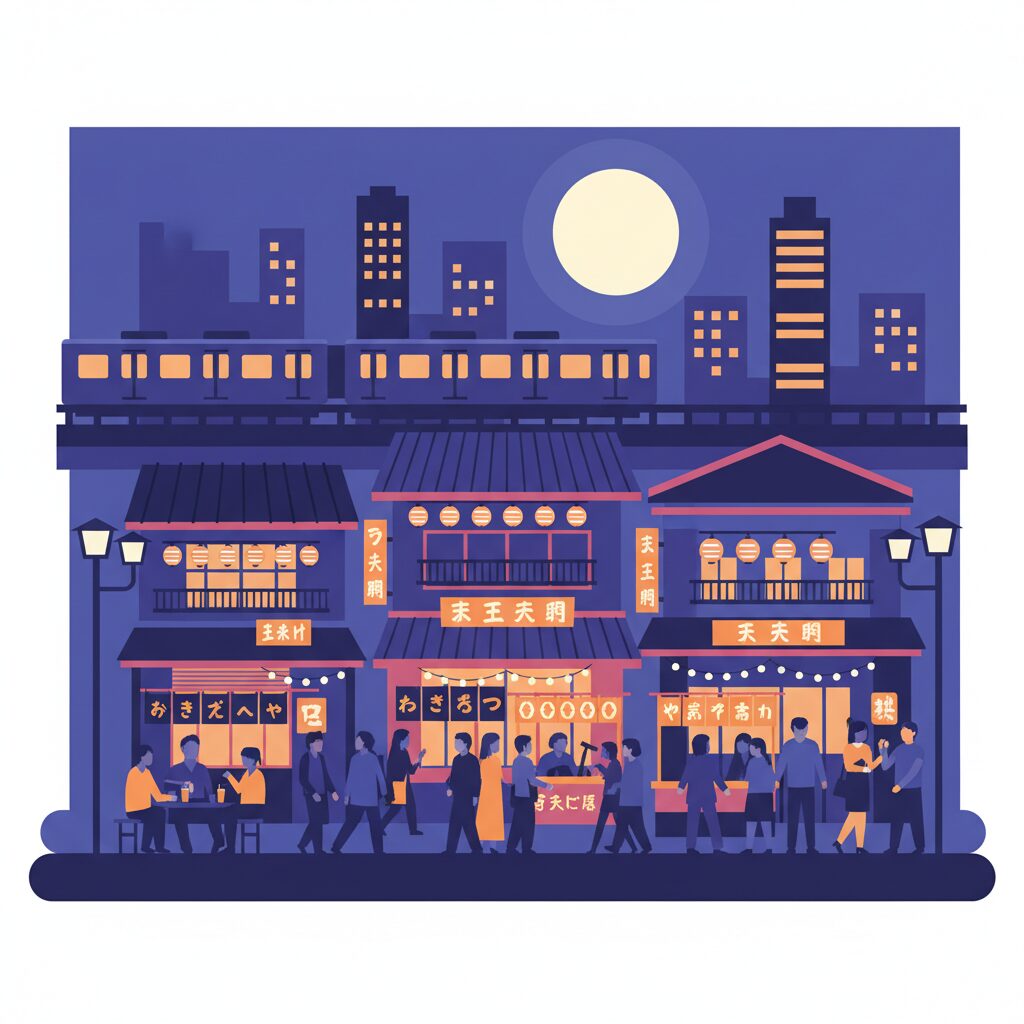
The five o’clock chime echoes, a gentle release. Office lights blink out across the city, but in Osaka, another kind of energy begins to hum. It’s a low-frequency vibration you feel in the pavement, a current that pulls you away from the wide, orderly boulevards and into the tangled, glowing arteries of the city. This is where the real Osaka awakens, not with a roar, but with the clink of glasses and a cascade of easy laughter. If you want to understand the heart of this city, forget the guidebooks. Your lesson begins in Tenma, with a concept called hashigo-zake—literally, “ladder drinking.” It’s the art of bar hopping, but to call it a simple pub crawl is like calling a symphony just a collection of notes. It’s a ritual, a social philosophy, a nightly pilgrimage practiced by nearly everyone, from salaried workers loosening their ties to young creatives hashing out ideas. This isn’t about a single destination; it’s about the journey, a fluid, spontaneous dance from one small establishment to the next. It’s the antithesis of the planned, reservation-only evening. In Tenma, the plan is to have no plan. You follow your senses—the scent of grilled skewers, the sound of a lively crowd, the warm glow spilling from behind a weathered curtain. This is Osaka in its most authentic state: unpretentious, endlessly curious, and always ready for a connection.
Experience another facet of this authentic nightscape by exploring the vibrant local dining and drinking scene that brings Tenma’s unpretentious charm to life.
Tenma’s Labyrinth: The Unwritten Rules of the Game
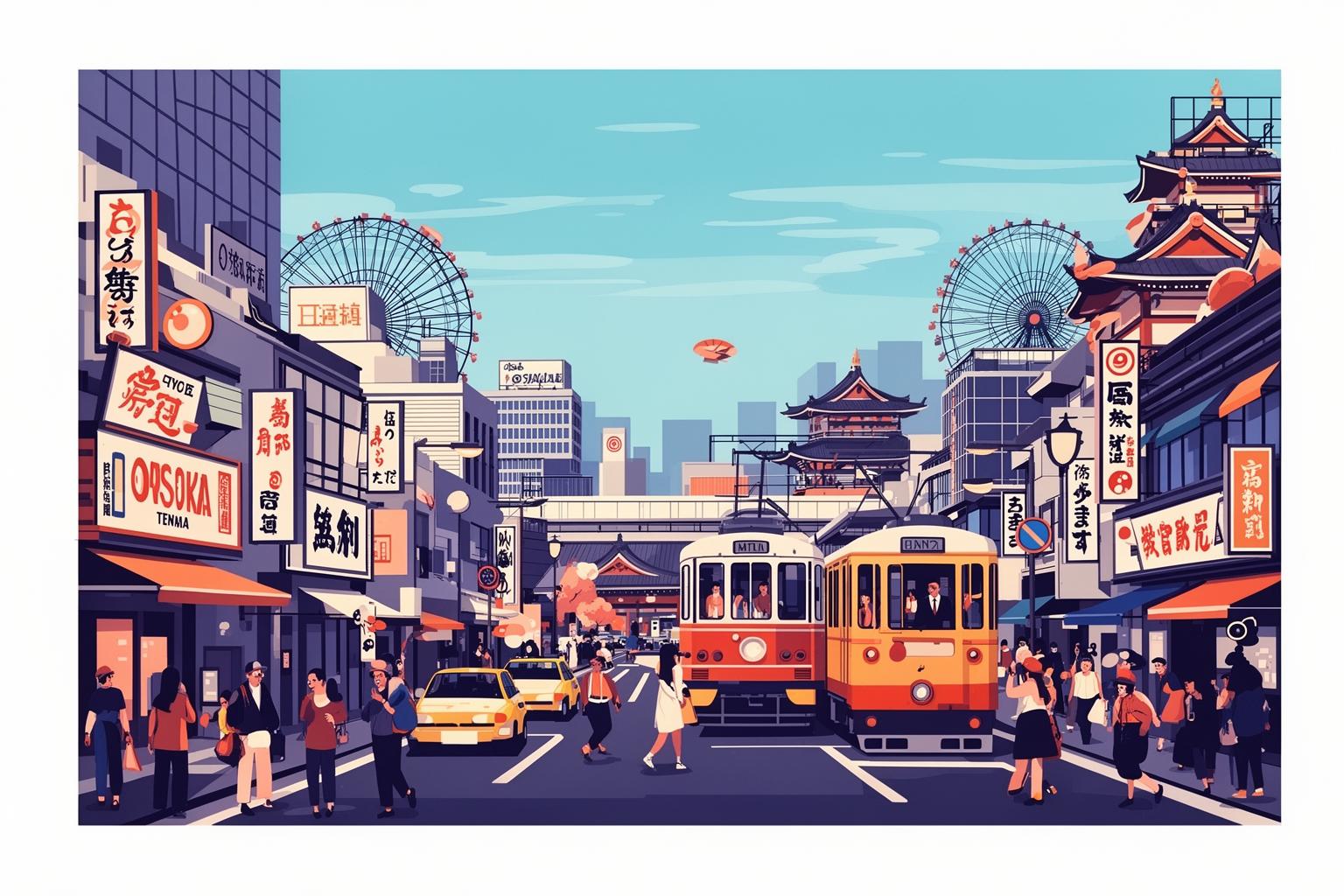
Disembarking from the JR Loop Line at Tenma Station feels like stepping through a portal. The polished city exterior fades away, replaced by a dense, sprawling maze of shotengai (covered shopping arcades) and impossibly narrow side streets, each one a world unto itself. Overhead, wires hang in thick tangles, crisscrossing between buildings packed so closely they seem to support one another. Red lanterns, or akachochin, cast a warm, welcoming glow on the pavement, each marking the entrance to a new potential story. The air is alive with a symphony of scents: the sweet, smoky char of yakitori, the sharp tang of vinegar from a sushi counter, and the deep, savory aroma of simmering dashi broth. This isn’t a sanitized, curated experience; it’s a living, breathing organism of commerce and community. Amid this vibrant chaos, an unspoken etiquette ensures the whole system flows smoothly.
The ‘One Drink, One Dish’ Principle
Many of Tenma’s most cherished spots are tachinomi, or standing bars. These small establishments often accommodate no more than ten or fifteen patrons squeezed shoulder-to-shoulder around a counter. Here, the key principle of hashigo-zake comes into focus. You don’t settle in for a long stay. Instead, you find a small space, order a drink and a dish, enjoy, pay, and then move on. Lingering for hours over a single beer is considered a major faux pas. This isn’t about being rude or hurried; it’s a form of collective social grace. By keeping your visit brief, you make room for the next eager person waiting to join. It’s an elegantly efficient system—a constant, gentle rotation that keeps the energy vibrant. This philosophy reflects Osaka’s pragmatic, community-focused spirit. It’s an understanding that the space is shared, the experience is communal, and your role is to be a smooth, considerate part of the flow. Outsiders sometimes misread this quick turnover as a lack of hospitality, but it’s quite the opposite. It’s the mechanism that allows as many people as possible to enjoy the neighborhood’s offerings.
The Art of Choosing Your Next Stop
In an era dominated by digital ratings and curated lists, Tenma operates on a more primal, analog wavelength. The best way to pick your next bar is to simply use your eyes and ears. As you meander through the alleyways, you peek through the gaps in the noren curtains hanging in doorways. What’s the vibe? Is the laughter genuine? Does the food on the counter look tempting? Is there a tiny spot where you might squeeze in? This is a process of sensory judgment, not algorithmic suggestion. A local Osakan trusts their gut far more than an online five-star review. They’re sizing up the atmosphere in the moment. This mode of discovery is central to the joy of hashigo-zake. Every door opens to a potential new experience, flavor, or conversation. It celebrates serendipity over certainty. This reliance on intuition and firsthand observation is a hallmark of the Osakan mindset—a confidence in one’s own judgment and a preference for the tangible reality of the street over the polished perfection of a screen.
A Tale of Two Cities: Why Tenma Isn’t Shinjuku
The contrast between a night out in Osaka’s Tenma and one in, say, Tokyo’s Shinjuku or Shibuya districts offers a profound lesson in urban culture. It reveals the deeply embedded differences between Japan’s two largest cities in vivid detail. Both provide incredible food and drink, but the philosophy behind the experience is fundamentally distinct. It’s a classic case of polish versus patina, curated perfection versus organic chaos.
Transaction vs. Interaction
A typical night out in a trendy Tokyo neighborhood often feels like a series of well-orchestrated transactions. You’ve researched the best restaurants, booked a reservation weeks ahead, and arrive to experience a specific, often highly refined, concept. The service is impeccable, the food exquisite, yet the evening can feel contained—a private affair conducted at your designated table. The main relationship is between you and the establishment. In Tenma, the experience is radically interactive. Many places don’t even accept reservations. The goal is not just to consume but to participate. The bar counter isn’t a barrier; it’s a stage. You’re there to engage with the taisho (the owner or master of the shop), to ask what’s good today, to compliment the cooking. You’re also implicitly encouraged to interact with the people beside you. The cramped quarters aren’t a flaw; they’re a feature. They eliminate personal space and, in doing so, break down social barriers. The evening becomes a shared, public performance, and you are part of the cast.
The ‘Kospa’ Obsession: More Than Just Being Cheap
Outsiders often hear that Osaka people are obsessed with things being cheap. This is a vast oversimplification. The real obsession is with kospa, or cost performance. This is a sophisticated, almost spiritual, evaluation of value that goes far beyond just the price. A Tokyoite might happily pay a premium for brand recognition, elegant decor, and flawless service. An Osakan, on the other hand, continuously weighs the entire experience against the cost. A 400-yen beer in a generic, soulless chain pub is deemed terrible kospa. But a 600-yen craft beer poured by a passionate owner who shares the brewery’s story, in a bar where you end up in a hilarious, broken-English conversation with a local fisherman—that is outstanding kospa. The value lies in the quality, atmosphere, story, and human connection. This mindset stems from Osaka’s history as a merchant city. It’s a street-smart, pragmatic worldview demanding genuine substance for every yen spent. Tenma is the ultimate playground for the kospa-conscious, a place where a few thousand yen can buy an evening filled with flavor, laughter, and human warmth.
Cracking the Code: Conversations and Connections

For someone who is not a Japanese resident, the idea of starting conversations with complete strangers in a crowded bar can feel intimidating. Japan is often viewed as a reserved and quiet society. However, Osaka follows a different set of social norms. The city’s communication style is more direct, more inquisitive, and far more informal than the national stereotype implies. In Tenma, language barriers frequently dissolve through a shared drink and a willingness to engage.
The ‘Nani Yattetan?’ (What were you up to?) Opening
Don’t be surprised if the person beside you at the counter turns and asks you a straightforward question. In typical Japanese culture, this might come across as too forward. In Osaka, it’s simply an open invitation. Questions like “Where are you from?”, “What brings you to Tenma?”, or even a casual “What did you do today?” are not intrusive interrogations; they are genuine invitations to connect. The key is to view this not as prying, but as a heartfelt interest in your story. People in Osaka are naturally curious. They want to know who they are sharing their city with. This contrasts sharply with the palpable feeling of civic anonymity you might experience in Tokyo, where millions live close together yet maintain a respectful, invisible bubble of personal space. In Osaka, that bubble is much easier to penetrate.
Laughter as a Universal Language
More than anything else, humor is Osaka’s social currency. The city is well-known for its comedy culture, a spirit that infuses everyday interactions. The humor is often self-deprecating, a bit loud, and built on a quick back-and-forth style known as tsukkomi and boke. You don’t have to be a comedian to join in, but you should be ready to laugh—at their jokes, and sometimes, with them, at yourself. A reserved or overly serious attitude can be misread as aloofness. Demonstrating that you can take a joke and enjoy some playful banter is the quickest way to be welcomed. If a bar owner playfully mocks your chopstick skills or a fellow patron jokes about your preferred baseball team, it’s a sign of affection. It means you’ve shifted from being just a customer to part of the community.
Navigating with Confidence: A Practical Guide for an Evening Out
While Tenma’s spontaneous energy is its most captivating feature, a bit of practical knowledge can help you navigate its delightful chaos with the ease of a local. From a woman’s viewpoint, the area feels surprisingly safe, but as with any bustling nightlife district worldwide, staying aware and adopting a smart approach are your best tools. The charm of hashigo-zake lies in the freedom it provides, and these tips aim to enhance that freedom rather than limit it.
Reading the Room Before You Enter
The key skill in Tenma is quickly sizing up a bar from the doorway. Don’t feel pressured to enter the first place you spot. Pause for a moment. Is the mood hectic or lively? Do the staff appear stressed or engaged? Is there a varied mix of people—men, women, different ages? A balanced crowd is almost always a positive sign. If a venue hosts only one type of clientele and the atmosphere feels tense or exclusive, simply move on. There are literally hundreds of other options just a few steps away. Trust your instincts. The goal is to feel comfortable and have fun—you’re in full control of how and where you spend your time and money.
The Solo Drinker’s Advantage
Tenma turns out to be an ideal destination for solo outings. While going out alone may feel awkward in some cultures, within the context of hashigo-zake, it’s actually a strategic benefit. As a solo visitor, you can slip into the last open spot at a popular counter. You come across as more approachable, and both staff and patrons are more likely to start a conversation with you than with a large, self-contained group. For a woman drinking alone, the counter at a small, owner-operated bar provides a very safe environment. The taisho is right there, fostering a sense of community and mutual respect. You’re not an outlier; you’re simply part of the nightly ritual.
An Exit Strategy
Enjoying a night out includes knowing you can get home safely and easily. Tenma is well connected, with JR Tenma station on the convenient Loop Line and the Ogimachi subway station on the Tanimachi Line just a short walk away. Be aware of the last train time, usually around midnight. Though the maze-like alleys add to the area’s charm, it’s wise to stick to the larger, well-lit shotengai arcades when moving between spots, especially later at night. The neighborhood is frequently patrolled by locals and has a strong community vibe, enhancing its safety. Still, the basic urban nightlife rules apply: stay alert, keep your belongings secure, and enjoy your drinks responsibly. The aim is to end the night with great memories, not a frantic rush to catch the last train.
Beyond the Buzz: What Hashigo-zake Reveals About Osaka
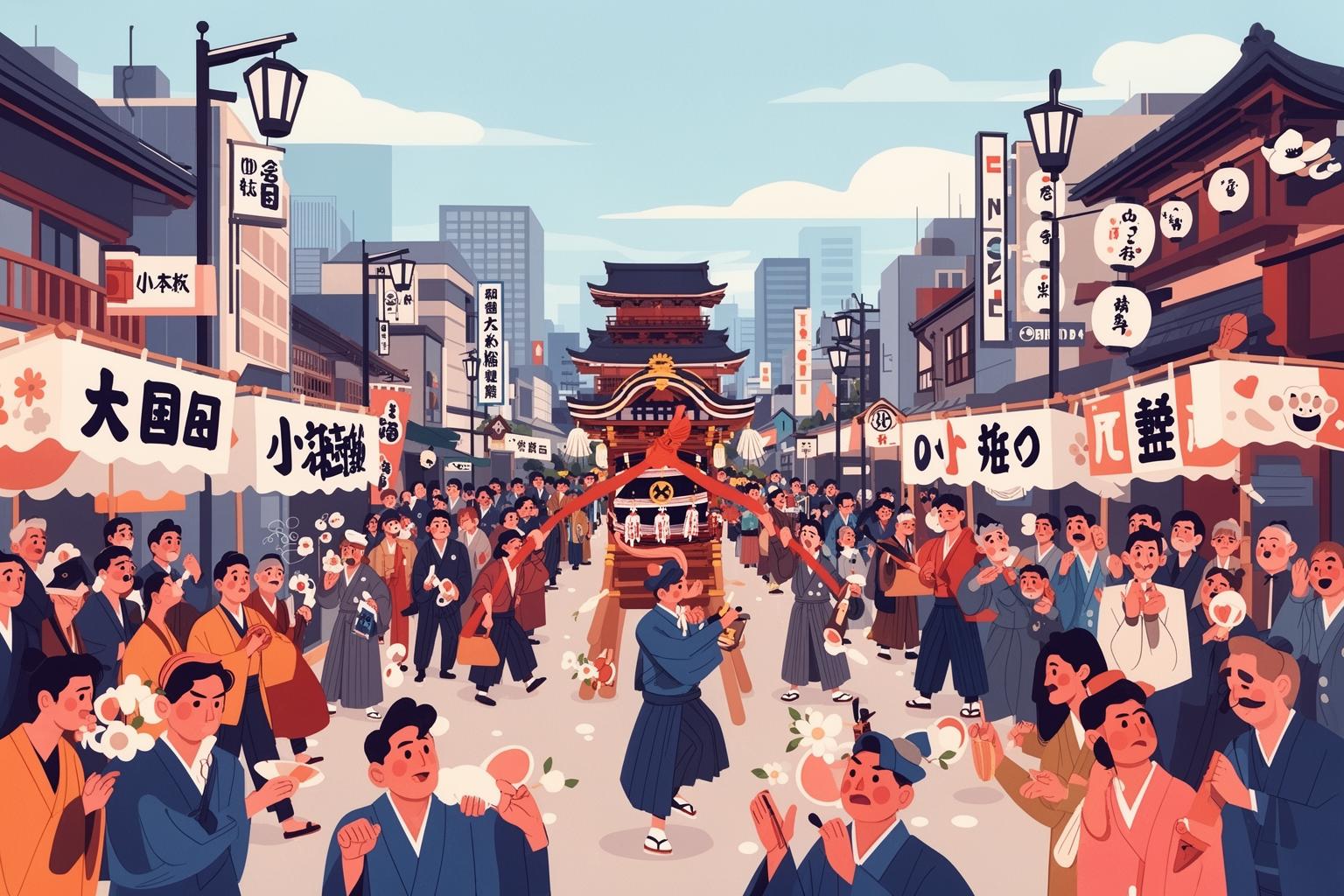
An evening spent wandering through the warm, lively, and inviting streets of Tenma reveals more about Osaka’s character than any museum or landmark. The ritual of hashigo-zake is more than just a way to drink; it embodies the essence of the city’s soul. It showcases a culture that values people over prestige and experiences over appearances. This city is built not on grand designs by distant corporations but on the combined dreams and hard work of countless small, independent business owners. Every tiny bar, food stall, and specialized restaurant directly expresses the personality and passion of its owner.
To participate in hashigo-zake is to adopt the Osakan mindset: be adaptable, be curious, trust your instincts, and never undervalue a good deal and a good laugh. It reflects the understanding that life’s best moments often happen spontaneously, in the spaces between plans. While a Tokyoite might seek a perfected, flawless experience, the Osakan pursues a genuine one, with all its beautiful, messy, and unpredictable humanity. So, if you truly want to understand this city and what drives its people, put away your phone. Head to Tenma. Pick a lantern, part the curtain, and step inside. Your first of many classrooms awaits.