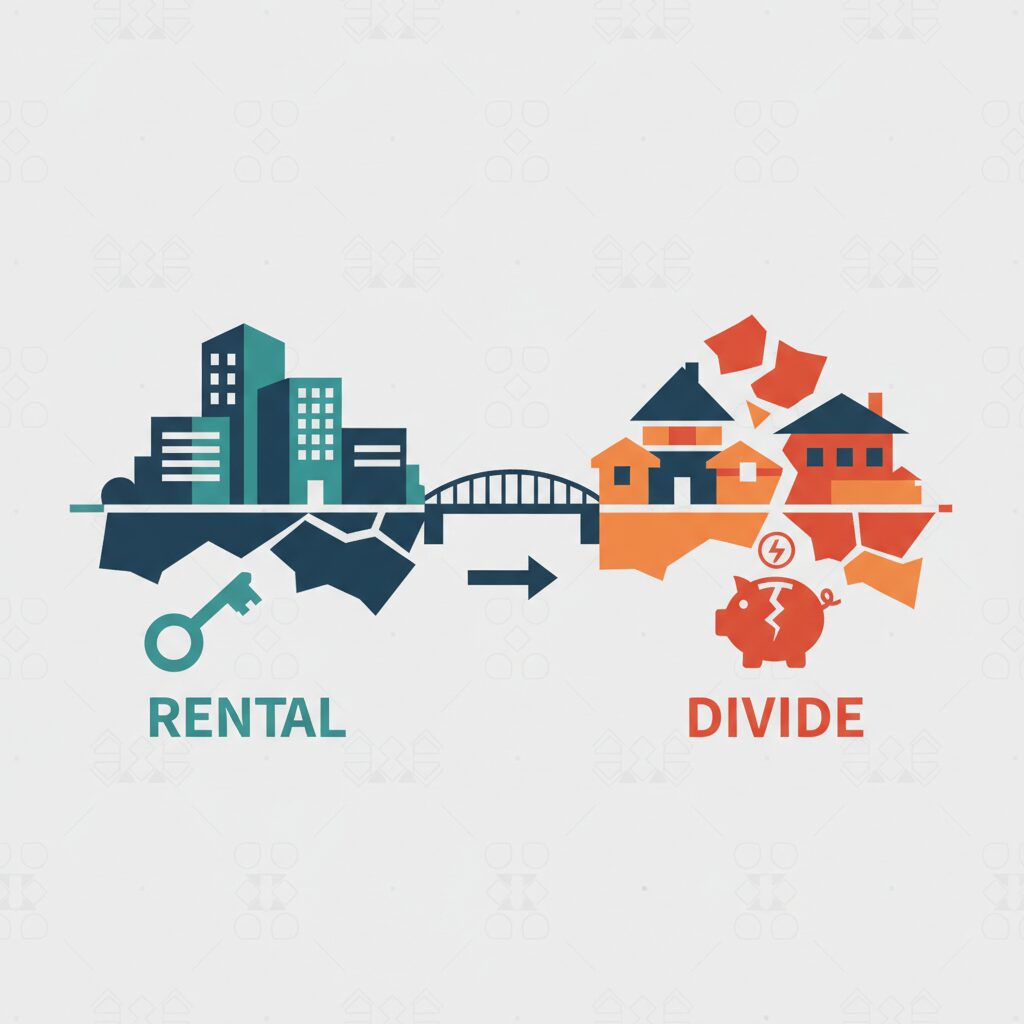
So, you’re moving to Osaka. The first question that hits you, right after figuring out the visa and before you even pack a single box, is the big one: Where on earth do I live? You pull up a map, see a spiderweb of train lines, and hear advice from all corners. Some say live near Umeda. Others swear by Namba. And that’s when you first stumble upon the city’s fundamental, unspoken secret. Choosing a place to live in Osaka isn’t about picking a station on the Midosuji line. It’s about choosing a side in a cultural cold war that has defined this city for centuries: the great divide between ‘Kita’ (North) and ‘Minami’ (South). This isn’t just geography; it’s an identity. It’s a choice between two profoundly different ways of experiencing Japan, all within the borders of a single, electrifying city. As a Tokyo event planner, I’m used to thinking of cities in terms of districts and functions, but Osaka’s dual personality is something else entirely. It’s not about East vs. West; it’s a vertical axis of soul. Kita is the city’s sharp, tailored suit. Minami is its worn-in, brightly colored tracksuit. And deciding where to hang your hat means deciding which outfit you feel more comfortable in every single day. Forget the tourist guides for a moment. Let’s talk about the real Osaka, the one you live and breathe when you’re trying to find an apartment, buy groceries, and make a life here.
Before finalizing your decision, delve into Osaka’s Kita-Minami identity to uncover the cultural nuances that will shape your everyday life in this vibrant city.
Decoding the Vibe: Kita’s Polished Professionalism
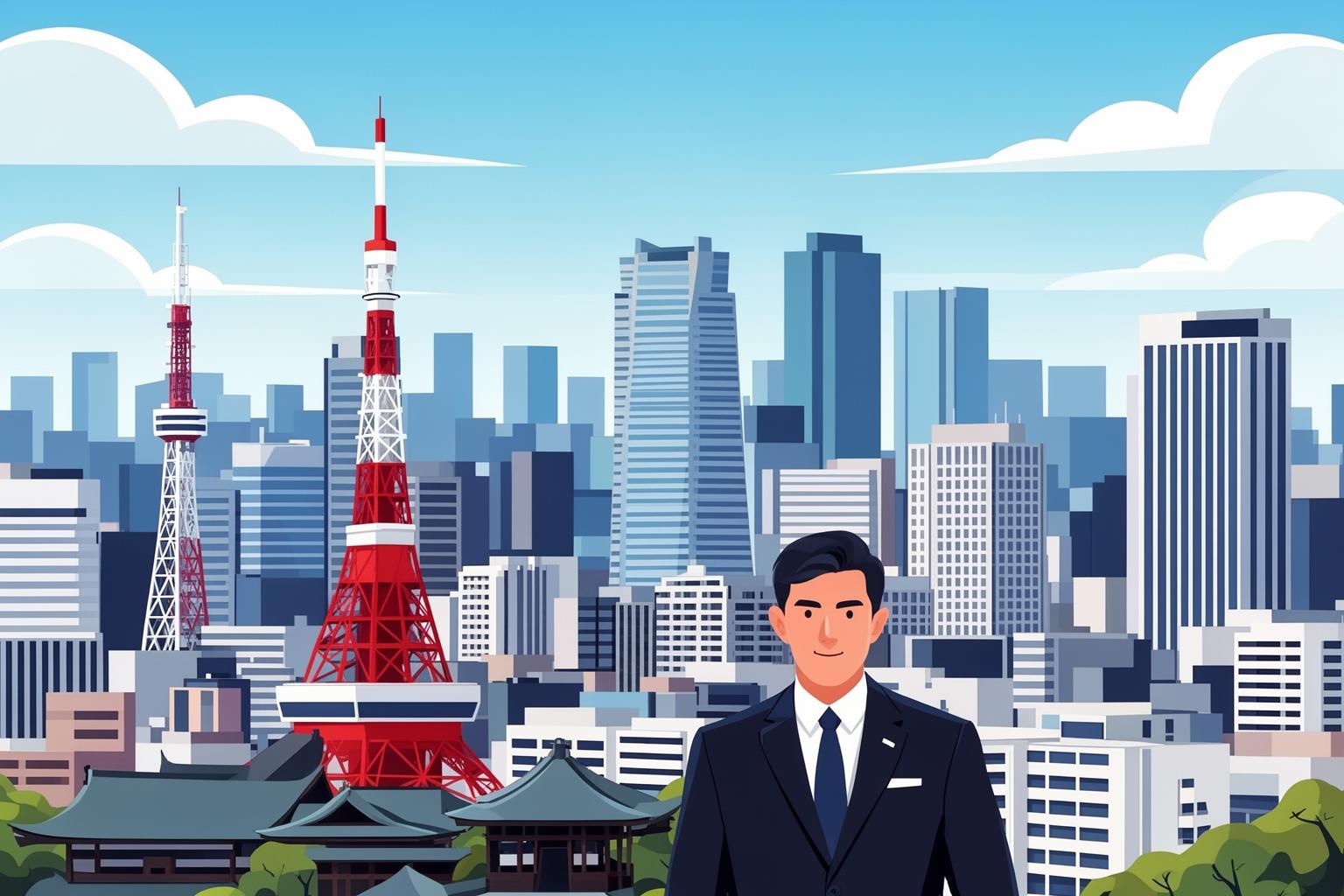
Welcome to Kita, the northern powerhouse of Osaka. If the city had a brain, it would reside here, calculating, strategizing, and closing deals. This is the Osaka that, at first glance, closely resembles Tokyo. It’s clean, efficient, and pulses with the steady rhythm of commerce. The gravitational center of Kita is Umeda, a vast maze of train stations, underground malls, and towering skyscrapers that sparkle under the Kansai sun. It’s less a neighborhood and more a sophisticated machine engineered to move people and money with maximum efficiency.
The Umeda Nexus: More Than Just a Station
To truly understand Kita, spend a Tuesday morning at Umeda Station. Observe the crowd. You’ll witness a sea of dark suits and crisp blouses, professionals striding purposefully toward the corporate headquarters of major Japanese companies. The pace is brisk, the expressions determined. This is where pharmaceutical giants, trading houses, and major manufacturers have their headquarters. The atmosphere feels different—less like the lively, food-scented air of the rest of Osaka and more like the conditioned, ambitious ambiance of Tokyo’s Marunouchi or Shinjuku business districts. It’s a place of purpose, not idle chatter. Conversations are clipped and functional. Everyone is headed somewhere important, and your role is simply to not block their way. The Grand Front Osaka and Lucua department stores aren’t just for shopping; they are extensions of this professional atmosphere, offering luxury goods and gourmet dining for the business lunch crowd. It’s an environment that exudes success, ambition, and a certain kind of impersonal order.
The Rental Landscape in Kita: Sleek, Modern, and Expensive
What does living here mean? The rental market in Kita mirrors its corporate character. The dominant type of housing is the modern high-rise apartment, known in Japan as a “tower mansion.” These buildings are sleek, secure, and packed with amenities like auto-lock entry, delivery boxes, and sometimes concierge services. The apartments themselves tend to be compact but thoughtfully designed, emphasizing newness and functionality over expansive space. Think clean lines, built-in storage, and spotless kitchens. You pay a premium for the address, the building’s prestige, and the undeniable convenience of walking to one of Japan’s busiest transit hubs.
The tenants attracted to Kita directly reflect this environment. You’ll find many young professionals in their 20s and 30s, transferred executives from Tokyo (a phenomenon known as tanshin funin), and foreign professionals working for multinational companies. For them, the higher rent is justified by a seamless lifestyle. The commute is short, shopping access immediate, and the surroundings professional and orderly.
Exploring the neighborhoods around Umeda paints a clearer picture:
Fukushima
Just one train stop west of Umeda, Fukushima has surged in popularity. By day, it’s a quiet residential area, but by night, it turns into a food lover’s paradise. Narrow streets are lined with high-quality restaurants and standing bars catering to the office workers spilling out of Umeda. Living here offers a slightly more neighborhood vibe while remaining within a ten-minute walk of Kita’s business core. Housing is a mix of new mid-rise apartments and older, smaller buildings, providing various price points, though costs are rising.
Nakatsu
North of Umeda, Nakatsu is Kita’s slightly artsy and edgier counterpart. Situated beneath elevated train tracks, it carries a grittier, industrial feel. Recently, it has become a hub for independent cafes, vintage shops, and art galleries, attracting a creative crowd. However, its closeness to Umeda has prompted rapid gentrification, with sleek new apartment buildings sprouting beside old Showa-era wooden houses. It’s a neighborhood in flux, offering character without straying far from the corporate center.
Tenma
East of Umeda lies Tenma, home to Japan’s longest covered shopping street, the Tenjinbashisuji Shotengai. This area has a more traditional, down-to-earth Osaka vibe than central Umeda. It’s renowned for its dense concentration of affordable and lively izakayas and sushi restaurants, making it a nightlife favorite. Residential options include family homes and apartments for singles, appealing to those who want the energy and convenience of Kita but with a more local, less polished atmosphere. More affordable choices exist here, though you trade Umeda’s sleekness for the dynamic, sometimes chaotic, spirit of a traditional market district.
The Kita Mindset: Order, Ambition, and a Hint of Tokyo
The social atmosphere in Kita is more reserved than many foreigners expect of Osaka. Interactions tend to be polite, professional, and straightforward. While people remain friendly, there’s less of the spontaneous, unsolicited conversation found elsewhere in the city. In business settings and upscale shops, you’ll hear more standard Japanese (Hyojungo) spoken, often with a light Kansai accent, rather than thick, colloquial Osaka-ben. It’s a subtle yet important distinction. This is Osaka presenting its best face, aiming to show the rest of Japan and the world that it can compete with Tokyo. In many respects, it succeeds. The mindset is aspirational—about climbing the corporate ladder, enjoying the rewards in an elegant restaurant, and living in a clean, modern apartment that signals success.
Embracing the Chaos: Minami’s Energetic Soul
If Kita is the city’s brain, Minami is its roaring, beating heart. This is the Osaka of popular imagination—a dazzling, chaotic, and unapologetically human spectacle. It’s a place powered by takoyaki, laughter, and the relentless pursuit of a good time and a great bargain. Centered around the Namba and Shinsaibashi districts, Minami is a sensory overload in the best sense. The flashing neon of the Dotonbori Glico sign, the roar of the crowd at a Hanshin Tigers game, the sizzle of okonomiyaki on a hot plate—this is the raw, unfiltered essence of the city.
The Namba-Shinsaibashi Core: The City’s Living Room
Forget the purposeful stride of the Umeda professional. A walk through Minami is a meandering journey through a living, breathing organism. The crowds are a dizzying mix of everyone: students in outrageously trendy outfits, shopkeepers calling out greetings, tourists with cameras, and elderly locals navigating the chaos with practiced ease. This isn’t a place you simply pass through on your way to work; it’s a destination. It’s the city’s communal living room, where people come to shop, eat, play, and just be. From the high-fashion boutiques of Shinsaibashi to the vintage clothing racks of Amemura (America-mura) and the kitchenware wonderland of Doguyasuji, Minami stands as a testament to Osaka’s history as a merchant city. It’s a place built on commerce, but a different kind than Kita’s. Here, it’s personal, loud, and all about interaction.
The Rental Reality in Minami: Character, Community, and Cost-Effectiveness
Housing in Minami is as eclectic as its residents. While new apartment buildings exist, the area is largely defined by older structures—sometimes called “vintage mansions” in real estate listings. These buildings, often dating from the 70s and 80s, offer something increasingly rare in modern Japanese cities: character and space. You might find an apartment with an unconventional layout, a tatami room, or a surprisingly large balcony. These units are often significantly roomier and more affordable than their sleek counterparts in Kita. The trade-offs may include an older kitchen, no elevator, or a slightly longer walk to the station.
This rental landscape draws a distinctive set of residents. It attracts students attending nearby universities, artists and musicians drawn to vibrant subcultures, small business owners running local shops and restaurants, and foreigners seeking an immersive, authentic Japanese experience. Living in Minami means accepting—and often embracing—some grit. Your neighbors are more likely to be a talkative grandma who’s lived in the building for 40 years than a quiet IT professional you never see. Community here is real and tangible. Your landlord might drop off extra oranges, and the owner of the local vegetable stand will know your name.
Let’s explore the neighborhoods that weave together the Minami tapestry:
Namba and Shinsaibashi
Living right in the heart of Namba or just off the main Shinsaibashi strip is an intense experience. It suits those who thrive on energy around the clock. Your front door opens to endless dining, shopping, and entertainment options. The downside is the noise and crowds, which can be relentless. Yet, for true urbanites craving to be at the very center of the action, there’s no substitute. Apartments tend to be smaller and tucked away on side streets, providing a private refuge from the constant buzz.
Horie
Just west of Shinsaibashi, Horie offers a calmer, more stylish take on the Minami lifestyle. Once a furniture district, it has evolved into one of Osaka’s trendiest neighborhoods, filled with independent fashion boutiques, third-wave coffee shops, and chic interior stores. It feels relaxed, almost coastal, despite its urban core location. The apartments here are a mix of renovated older buildings and new, design-focused developments, attracting creative professionals, designers, and young families.
Amemura (America-mura)
Amemura is the hub of Osaka’s youth and street culture. This compact area west of Shinsaibashi teems with vintage clothing stores, record shops, and live music venues. The vibe is nonconformist, creative, and ever-evolving. Living on the edge of Amemura means staying connected to the city’s artistic underground. It’s not for everyone, but for those who prioritize self-expression and subculture over polished conformity, it’s the perfect fit.
The Minami Mentality: Direct, Expressive, and Undeniably Osaka
Here the classic Osaka stereotype comes alive, but in a more nuanced way than mere friendliness. Communication in Minami is direct, honest, and often laced with humor. People speak their minds. The rich, melodic Osaka-ben is the everyday language, and chatting with strangers is common. The cashier at the supermarket might comment on your purchase; the person next to you at a ramen counter might ask where you’re from. It’s a culture founded on connection and shared experience.
A key part of this mentality is the famous Osaka approach to money. Foreigners often mistake it for stinginess (kechi), but that’s inaccurate. It’s about being a smart, savvy shopper. Finding a good deal (eemon), scoring bargains, and paying fairly for quality is a point of immense pride. This isn’t about hoarding money; it’s about making it work for you. This value-driven mindset permeates daily life—from haggling in select places like some electronics stores to the city’s love of konamon (flour-based foods like takoyaki and okonomiyaki) which are tasty, filling, and affordable. In Minami, value isn’t just a price tag; it’s a way of life.
Beyond the Binary: Where the Lines Blur
Certainly, no city can be simplified into a black-and-white narrative. The Kita versus Minami distinction is a useful lens, but much of Osaka’s allure comes from neighborhoods that defy clear categorization. These areas blend the refined ambition of the north with the vibrant soulfulness of the south, resulting in distinctive and captivating living spaces.
The “In-Between” Zones: Tennoji and the Loop Line
Tennoji exemplifies this blend. It is a key southern transit hub dominated by the Abeno Harukas, Japan’s tallest skyscraper. This shining tower, housing a luxury department store, art museum, and upscale hotel, embodies the Kita spirit. It reflects a sleek, forward-looking city vision. Yet, just a few steps away lies Shinsekai, a district reminiscent of the Showa period, featuring the nostalgic Tsutenkaku Tower and affordable, no-frills kushikatsu eateries. Tennoji Park and Shitennoji Temple, one of Japan’s oldest, contribute historical depth and calm. Living in Tennoji means having these contrasting worlds right at your doorstep—enjoy a refined dinner on the 57th floor of Harukas one night, then savor a 100-yen skewer in a lively, smoky Shinsekai spot the next. Rental options here are equally varied, ranging from modern high-rises near the station to older family homes in tranquil residential zones.
The JR Osaka Loop Line serves as the city’s vital link, with neighborhoods along its route showcasing a wide range of lifestyles. On the eastern side, Kyobashi buzzes with a working-class energy, filled with affordable standing bars and eateries that distinctly channel Minami’s character. On the western side, Taisho offers a unique atmosphere as the center of Osaka’s Okinawan community, providing a relaxed ambiance and a glimpse into a different regional culture. These districts tend to be more budget-friendly and offer a grounded, residential feel while maintaining excellent access to both Kita and Minami.
Finding Your Fit: A Practical Guide for Foreign Residents
So, how do you decide? It starts with understanding what you truly value each day.
Are you drawn to orderliness, cleanliness, and a short, smooth commute to a corporate job? Does your priority lie in a modern apartment with the latest features? Then Kita should be your destination. Consider Fukushima for a mix of work and leisure, or Nakatsu if you want a creative touch alongside convenience.
Do you want to immerse yourself fully in Japanese culture? Do you flourish in spontaneous street life and enjoy connecting with local shopkeepers? Is your aim to find a spacious, character-filled apartment on a budget? Minami is where you belong. Explore the vibrant backstreets of Namba or the stylishly curated southern vibe of Horie.
Are you a creative professional looking for inspiration? Both areas boast artsy enclaves. Kita’s Nakazakicho, with its labyrinth of retro cafés and boutiques, offers a bohemian atmosphere near Umeda. Minami’s Horie and Amemura, meanwhile, place you at the heart of fashion and music scenes.
Do you want convenient access to both centers but prefer a quieter home? Check out neighborhoods along the Midosuji subway line between Umeda and Namba. Honmachi and Yodoyabashi are mainly business districts, yet they feature tranquil residential pockets ideal for those seeking a central but peaceful base. Further out, Nishinakajima-Minamigata (just north of Umeda) and Daikokucho (just south of Namba) offer more affordable rents with superb connectivity.
The Real Takeaway: It’s About Your Personal “Osaka”
Ultimately, the Kita vs. Minami debate isn’t about which side is objectively “better.” There is no definitive answer. It’s a beautiful, living contrast that gives Osaka its remarkable depth and energy. It serves as a way to understand the city’s complex character and, more importantly, to understand yourself and what you need to feel at home here. The core difference can be summarized like this: Kita often focuses on what you do—your career, your status, your professional life. Minami, on the other hand, is more about who you are—your personal style, your community ties, your passions. The great thing about Osaka is that you don’t have to choose just one. You can embody this duality every day. You can work in the polished, professional atmosphere of Kita and, with a quick, 8-minute subway ride on the Midosuji line, step into the vibrant, expressive world of Minami for dinner. The city lets you be both. Deciding where to live is simply the first step in crafting your own personal Osaka story. It’s your choice which world you want to wake up in.