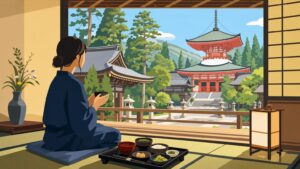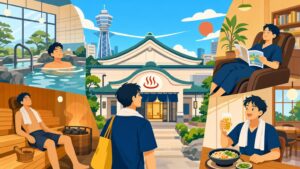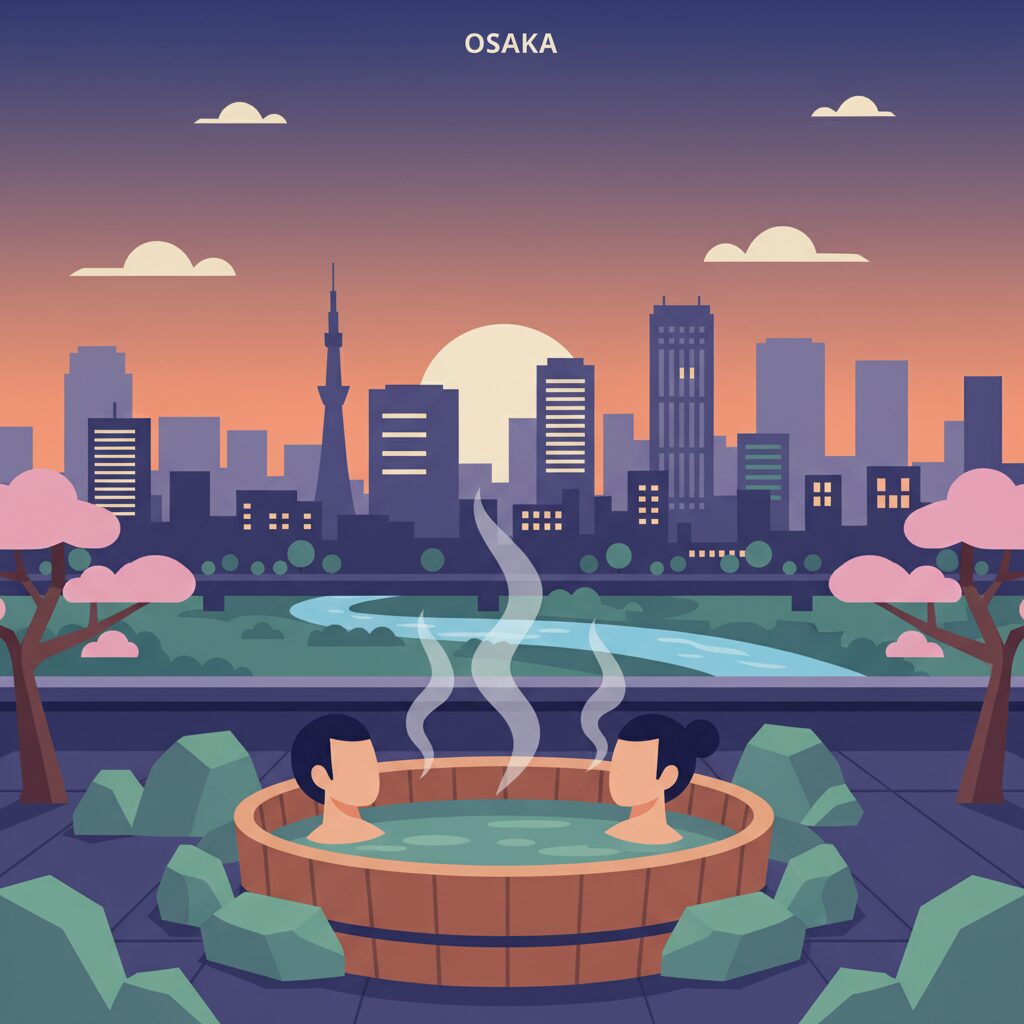
Osaka hits you like a shot of strong coffee. It’s a city that runs on a high-octane blend of ambition, laughter, and the clatter of a thousand kitchens. The energy is infectious, a constant thrum you feel in the soles of your feet walking through Namba, a kinetic buzz that powers the city from the first train to the last call. People here talk faster, laugh louder, and walk with a purpose that seems to say, “I’ve got somewhere to be, something to sell, or a great joke to tell.” For anyone moving here, especially from the more reserved corridors of Tokyo, the initial culture shock isn’t just about the dialect; it’s about the sheer, unapologetic volume of life itself. The question that naturally follows, usually after a few weeks of being swept up in this whirlwind, is a simple but profound one: How on earth do people in Osaka relax?
It’s a valid confusion. The common stereotype paints a picture of a city that never switches off, where relaxation means a packed izakaya with friends, shouting over plates of kushikatsu and clinking beer mugs. And while that’s certainly a part of it, it’s not the full story. The true secret to surviving, and thriving, in Osaka’s vibrant chaos lies in understanding the local concept of merihari—the rhythm between tension and release. Osakans work incredibly hard and play with equal intensity. But to sustain that energy, they have mastered the art of the strategic escape. It’s not about finding a quiet corner in the city; it’s about getting out of the city altogether, even if just for a day. This is where the higaeri onsen, or the day-trip hot spring, enters the picture. It’s not a luxury, not a once-a-year vacation. For many, it’s a fundamental part of the weekly or monthly routine, a non-negotiable system reset. The vast, efficient train network that funnels millions into the city center every weekday works in reverse on the weekends, becoming a web of escape routes leading to mountains, coasts, and the soul-soothing steam of a natural hot spring. The journey starts here, from the heart of the controlled chaos, the central nervous system of Kansai’s transit world.
Beyond the onsen escapes, delving into Osaka’s vibrant supermarket culture offers a firsthand glimpse into the city’s authentic culinary landscape.
Deconstructing Relaxation, Osaka-Style
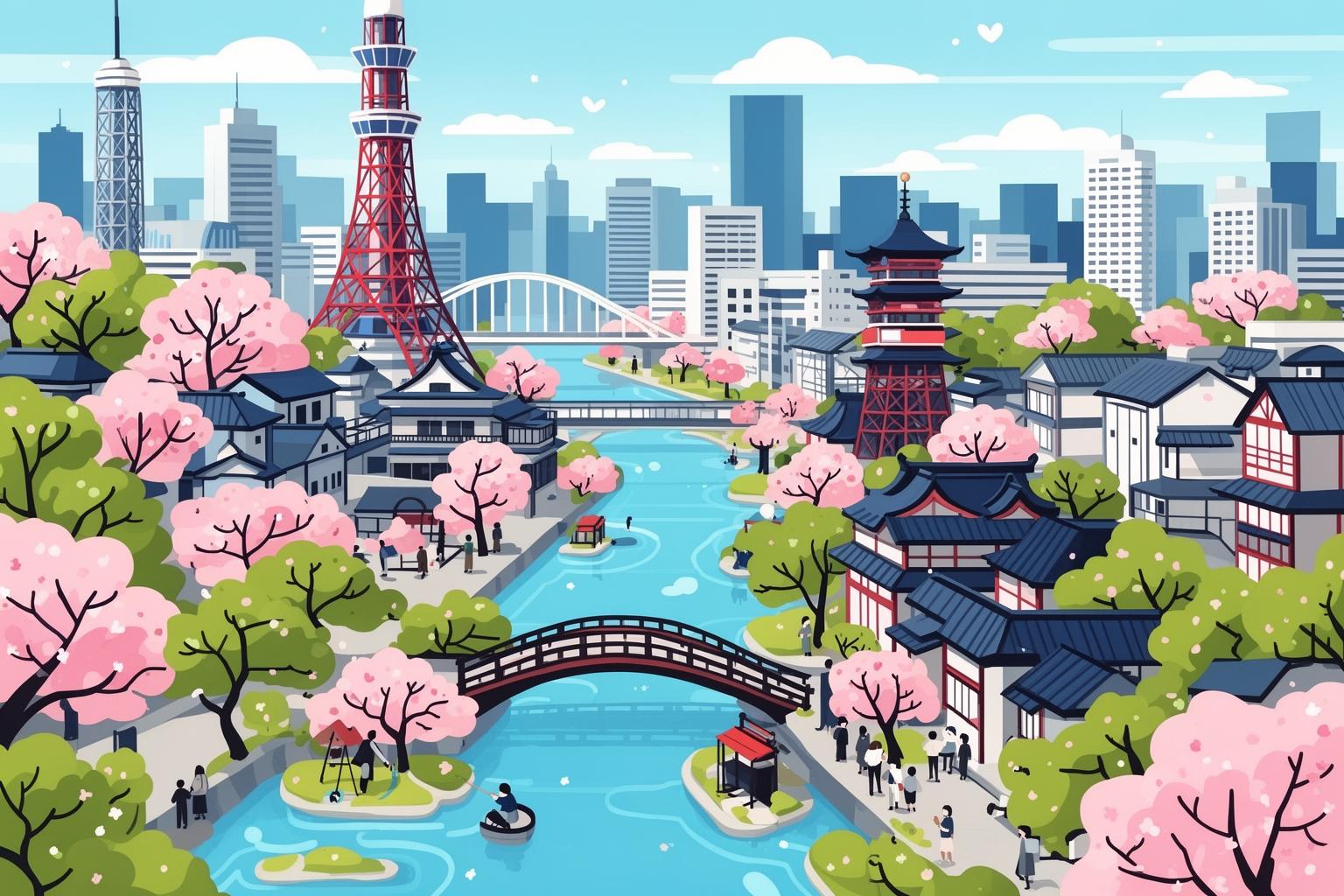
To understand Osaka, you need to grasp its connection to practicality. This isn’t a city that romanticizes hardship or idealizes quiet reflection in the way you might find elsewhere. Here, relaxation is approached with the same goal-oriented mindset as a business negotiation. What’s the aim? To unwind, recharge, and be ready for Monday. What’s the most effective way to do that? For many, it’s a full-body soak in mineral-rich water, away from the concrete and neon.
This sharply contrasts with a Tokyo weekend, which might center on a carefully planned visit to a new art exhibit, a reservation at a stylish, minimalist café, or simply enjoying the solitude of one’s own apartment. In Tokyo, the city itself can serve as a place for relaxation. In Osaka, the city is often what you need to escape from. There’s a palpable sense on a Saturday morning of the city emptying out, as cars head onto the Hanshin Expressway and trains bound for Kobe, Kyoto, Nara, and Wakayama fill with families and groups of friends. It’s a collective sigh of relief.
The social fabric of Osaka is deeply tied to this ritual. An onsen visit is seldom a solitary experience. It’s a communal occasion, a chance to reconnect with partners, parents, or lifelong friends. Conversations don’t pause; they simply move to a new setting. You’ll see groups of older women, the iconic Osaka obachan, chatting animatedly in the locker rooms, their talk flowing effortlessly as they undress, a testament to decades of friendship. You’ll witness fathers teaching their young sons the proper way to rinse off before entering the bath. This is where Osaka’s often-misinterpreted “friendliness” truly shines. It’s not just about strangers striking up conversations on the street; it’s a culture that defaults to shared experience. Relaxation isn’t viewed as an internal, meditative journey but as a communal act of rejuvenation. Bonds are strengthened not in quiet temples, but through shared vulnerability and the simple comfort of a bathhouse.
More Than a Bath: The Day-Trip Onsen as a Lifestyle Staple
The entire concept of the higaeri onsen is deeply rooted in a fundamental Osaka value: kospa, short for “cost performance.” Why pay a premium for an overnight stay at a luxury ryokan (traditional inn) with a multi-course kaiseki dinner when the main goal—a fantastic, extended soak—can be enjoyed for a fraction of the cost? This isn’t about penny-pinching; it’s about being savvy. It’s the same reasoning that leads someone to seek out the best takoyaki stand or the shop with the biggest discount. It’s about getting the most value from your time and money. A pricey ryokan visit is a special event. A day-trip onsen is maintenance. It’s like an oil change for the soul.
This practical mindset shapes the atmosphere of these locations. They aren’t quiet, sterile spas where you worry about making noise. They are vibrant, lively community hubs. You’ll hear soft conversations, water flowing over rocks in the outdoor bath, and the occasional splash from a child. It’s a cozy, lived-in tranquility rather than enforced silence. The emphasis is on the essentials—the quality of the water, the view from the rotenburo (outdoor bath), the chill of the cold plunge pool—rather than superficial luxuries. This preference for substance over style is a classic Osaka characteristic, rejecting the pretension often found in more image-conscious cities.
The Unspoken Rules of the Local Onsen
Beyond the common rules of washing thoroughly before entering the baths and keeping towels out of the water, there is a deeper etiquette reflecting the local mindset. The small towel, for example, isn’t just for washing. It serves as a modesty cover when walking around, a simple act of social respect. When you see a local placing it on their head while soaking, it’s not just for a cute photo; it’s a practical way to stay cool, often after dipping it in cold water.
True cultural immersion begins with the idea of hadaka no tsukiai, or “naked communication.” In Tokyo, this concept might carry a formal, stoic sense of bonding among corporate workers. In Osaka, it’s much more down-to-earth. Without suits, uniforms, or branded clothes, everyone is equal. The company president and the factory worker are simply two people enjoying the hot water. This setting encourages the straightforwardness and honesty typical of Osaka’s speech. Barriers fall away. Conversation flows freely, jokes hit harder, and worries seem lighter. It’s a social equalizer, a place where the city’s hierarchy dissolves temporarily in the steam.
Then comes the post-bath ritual, an essential part of the experience. The vending machines in the relaxation area are a cultural landmark. The classic choice is a cold bottle of milk—coffee-flavored or plain fruit milk—downed in one go. For others, it’s the first crisp, ice-cold beer, a reward that feels almost sacred after sweating out the week’s stress in the sauna. This simple pleasure, enjoyed in a yukata while reclining on a tatami mat, embodies Osaka-style contentment. It’s straightforward, satisfying, and profoundly communal.
The Geography of Escape: Choosing Your Onsen
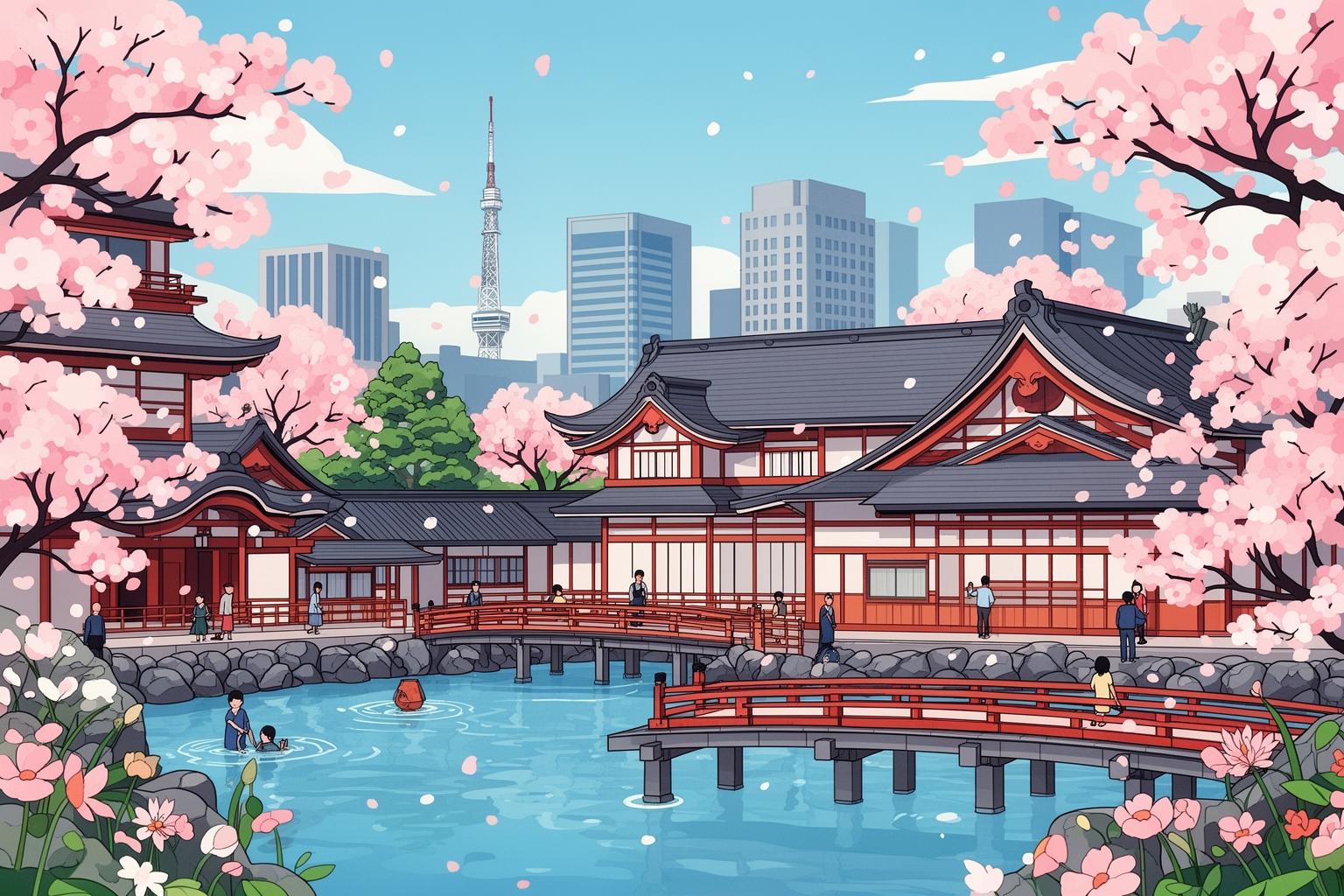
Where an Osakan decides to go for a day trip reveals much about their mood and intent. The destination is more than just a spot on the map; it’s a declaration of purpose. It’s a thoughtfully considered decision influenced by travel time, desired ambiance, and the specific kind of getaway they seek. The choices extending out from the city are diverse, each providing a distinct flavor of relaxation that caters to the region’s multifaceted personality.
The Mountain Retreat: Arima Onsen (Hyogo)
Tucked away in the mountains behind Kobe, Arima Onsen serves as Osaka’s go-to backyard spa. As one of Japan’s oldest and most renowned hot spring towns, a trip here is a classic, foolproof option for Osakans. The journey itself, by train or a direct bus from Umeda, is just long enough to feel like a proper escape but short enough to remain convenient. As the bus meanders up the mountain roads, the dense urban scenery gives way to lush greenery, and you can feel the collective blood pressure start to drop.
Arima is celebrated for its two types of water: the kinsen (“gold water”), brown with iron deposits and famed for benefiting the skin and circulation, and the ginsen (“silver water”), clear and containing radium and carbonate, believed to ease muscle and joint pain. An Osakan might say with a knowing smile that sampling both is necessary to get the full “value package.” The public bathhouses, Kin-no-Yu and Gin-no-Yu, are well-liked for their straightforward, high-quality baths. A visit to Arima is often reserved for slightly more special occasions—birthdays, anniversaries, or when entertaining guests. After the bath, the ritual continues with a leisurely stroll down the town’s narrow, winding streets, nibbling on freshly made tansan senbei (carbonated rice crackers) and browsing quaint shops. The experience is holistic; while the bath is the highlight, the historic town’s atmosphere is an essential part of the rejuvenation. It satisfies the Osaka desire for a full day of engaging activity, not just a singular event.
The Seaside Soak: Shirahama Onsen (Wakayama)
When the craving is for open spaces and the briny scent of the sea, the destination is often Shirahama, down the coast in Wakayama Prefecture. Getting here demands more commitment—a longer train ride aboard the scenic Kuroshio Limited Express that hugs the coastline. This lends the trip the feel of a mini-vacation rather than a quick outing. The journey itself is part of the allure, a gradual shift from urban life to a wilder, natural environment.
Shirahama offers a completely different kind of relaxation. The main attraction is its numerous rotenburo with stunning ocean views. Soaking in a hot spring while watching the Pacific waves crash against the rocky shore is a powerful antidote to the claustrophobia of city buildings. Places such as Saki-no-yu, a historic open-air bath perched at the sea’s edge, deliver an experience both primal and invigorating. This is where you go to feel small beneath the vastness of nature, allowing your worries to be washed away with the tide. The vibe is more adventurous, often drawing younger crowds and families. The day is rounded out with a stop for exceptionally fresh seafood, reinforcing the connection between land, sea, and well-being. It’s an escape that indulges all the senses—a complete sensory reset.
The Hidden Gem: Inunakiyama Onsen (Osaka Prefecture)
Then there’s the choice that most directly appeals to the practical spirit of the Osakan: Inunakiyama Onsen. Situated in a mountainous area of Izumisano, it is one of the few natural hot springs located within Osaka Prefecture itself. This is the ultimate expression of kospa. Why spend two hours on a train when pristine nature and quality water await just a 45-minute drive away? It’s the perfect option for a spontaneous getaway—a Sunday afternoon when you simply can’t bear another minute in the city.
Inunakiyama lacks the fame of Arima and the dramatic vistas of Shirahama. It’s quieter, more rustic, and unapologetically local. You won’t find many souvenir shops or tourist buses here. Instead, there’s a tranquil valley with a clear stream, hiking trails leading to waterfalls, and a handful of traditional inns offering day-use access to their baths. This is where you come to hear nothing but the sound of the river and birds. It’s a spot frequented by locals who value substance over style. A day here feels like being let in on a secret. It reminds you that even within the sprawling urban prefecture, true tranquility is never far away if you know where to look. It’s a choice reflecting deep local knowledge and a preference for authenticity over hype.
The Post-Onsen Ritual: The Second Half of the Experience
For anyone seeking to grasp the Osaka mindset, it’s essential to understand that the onsen experience doesn’t conclude when you step out of the bath. In many respects, the most significant part is only just beginning. The apure, or “after-bath” period, is a sacred ritual—a slow, deliberate return to reality that is savored just as much as the soak itself. This is when the sensation of deep relaxation transforms into a lasting feeling of contentment.
Food, Beer, and Tatami Floors
After drying off and changing into a fresh yukata provided by the facility, the next destination is almost always the hiroba or kyukeijo—a spacious, open-plan relaxation area, typically with tatami mat floors. The sensation of the cool, smooth tatami against your warm, clean skin is the first reward. The air hums with the soft murmur of casual conversation and the clinking of glasses. The priority is rehydration and indulgence. Whether it’s a bottle of fruit milk from the vending machine or, more commonly, a frosty mug of draft beer, the first drink after the onsen is pure bliss.
Next comes the food. The cuisine at these day-trip destinations is generally simple but always satisfying and deeply comforting. It’s local, seasonal, and crafted to complement the feeling of physical well-being. Think straightforward bowls of soba or udon, hearty set meals with grilled fish and rice, or shareable plates of edamame and karaage. This meal serves as a key moment for social bonding. It’s eaten slowly, without hurry. This is where the day’s experiences are shared, where friends laugh about something that happened in the sauna, and where families quietly enjoy one another’s company. It’s within these moments, in this shared state of blissful relaxation, that the restorative power of the onsen trip is fully realized. It’s a simple, unpretentious communion that reinforces social ties and smooths away the rough edges of daily life.
The Slow Train Home
The final part of the ritual is the journey back. Boarding the train, your body feels heavy and warm, your mind calm. The rhythmic clatter of the train wheels is hypnotic. This is the in-between space of escape and return. As the train pulls away from the mountains or coast, you watch the scenery rewind. The greens and blues of nature gradually give way to the gray and silver of the suburbs, and finally, to the bright, electric glow of the city.
It’s a gentle re-entry. You’re not plunged back into chaos; instead, you glide into it, wrapped in a protective layer of onsen-induced calm. You might even doze off, your head resting against the window, warmth from the hot spring still radiating from within. This journey home is a critical decompression time. It allows you to absorb the quiet of the day and mentally prepare for the week ahead. It highlights the beautiful duality of life in Osaka: the ability to access complete, mind-clearing tranquility and a vibrant, world-class metropolis, all within a single day. This balance between extremes is exactly what makes the city’s relentless pace not just bearable, but exhilarating.
Returning to the Neon Glow
Understanding the role of the day-trip onsen is key to grasping a fundamental rhythm of life in Osaka. It uncovers a culture far more intricate than the simplistic stereotype of the loud, food-obsessed merchant. It reflects a deep respect for balance, the practical and efficient pursuit of well-being, and the powerful blend of natural therapy and social connection.
The weekly or monthly pilgrimage to a hot spring is not an escape from Osaka in a negative way. It is not a rejection of the city. Rather, it is an escape for Osaka. It is how the people of this vibrant, demanding, and remarkable city recharge their energy. It’s how they sustain their humor, resilience, and extraordinary zest for life. They leave the chaos behind for a few precious hours, immerse themselves in the healing waters, share a meal and laughter with loved ones, and then return, renewed and ready. They come back prepared to dive headfirst into the neon glow, ready to haggle, work, create, and live life to the fullest—all thanks to the quiet power of steam rising from a mountain retreat or a seaside bath just a short train ride away.