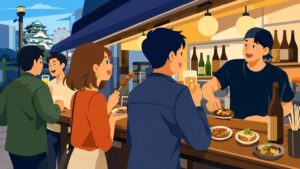
Forget what you’ve seen in travel brochures. Forget the neon glow of Dotonbori for just a moment. If you want to find the real, beating, shouting, laughing heart of Osaka, you need to walk into a shotengai. Not as a tourist, but as someone on a mission. A mission for dinner. This isn’t just a shopping trip; it’s a deep dive into the city’s soul. In Tokyo, a trip to the grocery store can be a quiet, sterile affair of polite bows and perfectly wrapped, pricey fruit. It’s efficient, clean, and utterly impersonal. In Osaka, heading to the shotengai is a full-contact sport, a sensory overload, and the most honest daily interaction you’ll have. It’s where the city’s famous reputation for being down-to-earth, pragmatic, and a little bit loud isn’t just a stereotype—it’s the operating system for everyday life. This is where you stop being a visitor and start understanding how this city actually works, one bargain at a time.
Experience the local vibe further by exploring how to source halal-friendly and organic produce amid Osaka’s bustling shotengai culture.
The Shotengai Mindset: A Community’s Living Room
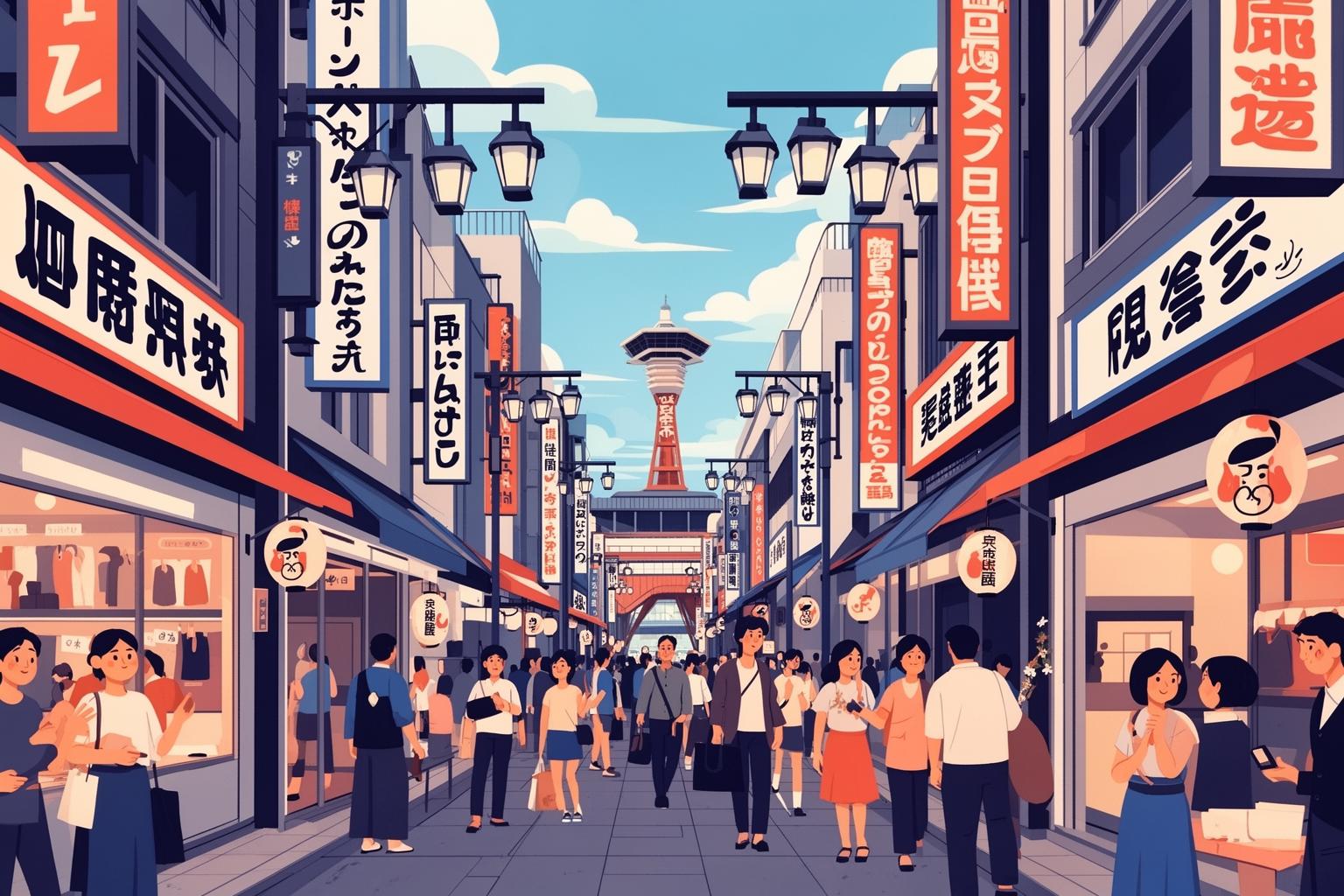
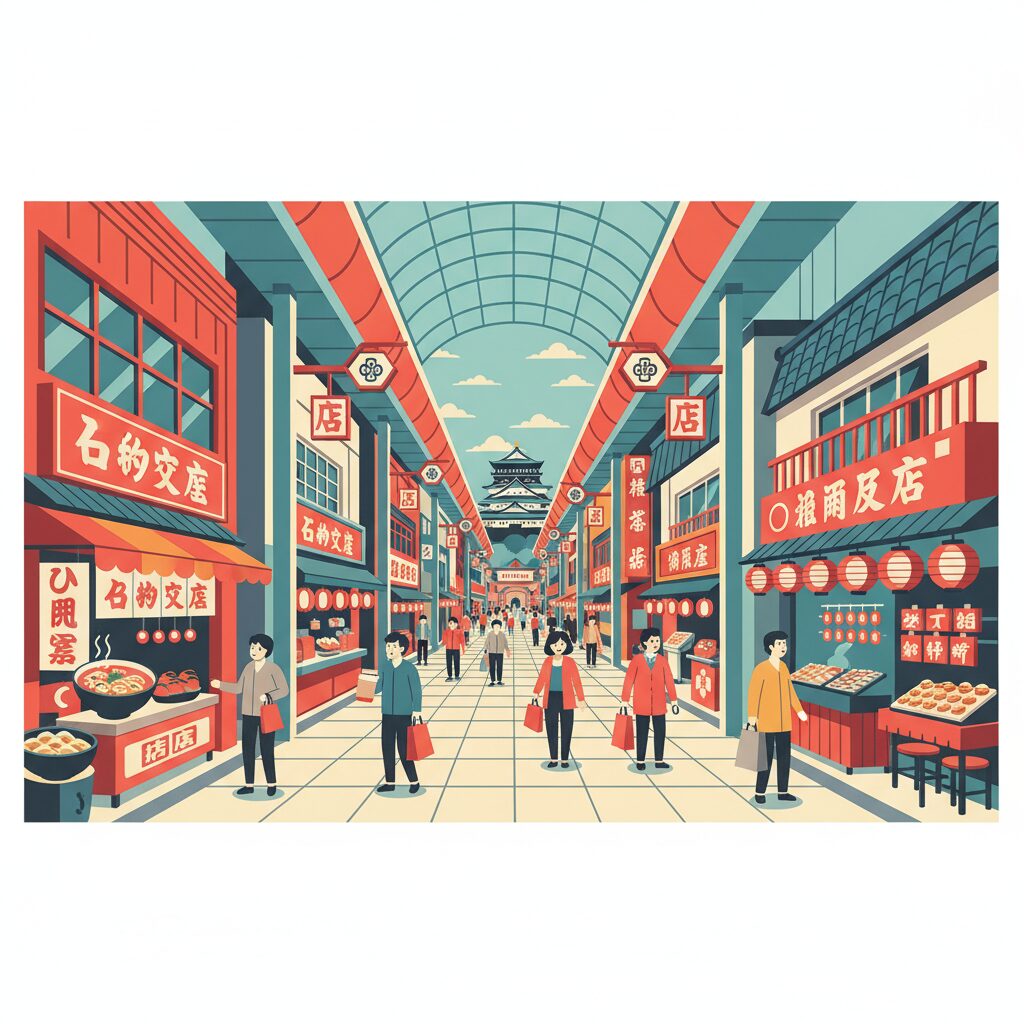
A shotengai, or covered shopping arcade, is fundamentally unlike a mall or supermarket. It’s not a sterile corporate space; it’s a living, breathing community. Think of it not as just a collection of shops but as the neighborhood’s semi-public living room. The air is filled with the aroma of grilling eel, freshly fried tempura, and the sweet fragrance of daifuku mochi. The soundtrack is a lively symphony: the rhythmic chopping of a butcher’s cleaver, the rough shouts of vendors selling their daily specials—”Hona, kyō wa makarude!” (Alright, I’ll give you a deal today!)—and the constant, cheerful chatter of neighbors catching up amid the bustling crowd.
This is often the first big challenge for many foreigners, especially those used to the quiet formality of Tokyo department stores. The atmosphere can feel intense, almost aggressive. But it’s not aggression; it’s engagement. In Osaka, commerce means communication. A shopkeeper isn’t just there to take your money. They’re ready to tell you which mackerel is freshest, how to cook the burdock root you’re holding, and to ask about your child who had a cold last week. They remember you. This bond lies at the heart of the shotengai experience. You’re not merely a customer; you’re a regular, a neighbor, part of the ecosystem. This is why the “Osaka is friendly” stereotype exists. It’s not a vague, abstract warmth. It’s a practical friendliness born from daily, ongoing, mutually beneficial interactions. You give them your business, and they give you quality goods, sound advice, and a sense of belonging. It’s a beautifully simple, deeply human pact that a brightly lit, 24-hour supermarket can never match.
The Art of the Deal: Mastering Ne-giri and Omake
Now, let’s discuss the aspect that makes non-locals nervous: money, specifically the price tag. Throughout most of Japan, the price you see is the price you pay. Period. Questioning it is often considered rude. However, Osaka follows a slightly different set of rules, with the shotengai serving as the main stage. Here, the art of the deal, known as ne-giri (price negotiation), thrives.
Before you start bargaining over every yen, keep in mind the unspoken rules. This isn’t a free-for-all. You shouldn’t haggle over items with clearly printed, low-margin prices or for a single 100-yen item. Ne-giri is a dance, reserved for certain occasions. Are you buying a large quantity of something? Maybe three big daikon radishes instead of just one? That’s your cue. A gentle, almost playful, “Chotto dake makete kureru?” (Can you give me just a little discount?) is the usual line. The shopkeeper might laugh, feign complaint about their thin margins, and then knock a small amount off the total or, more likely, shift to another beloved Osaka tradition: omake.
Omake means “a little something extra.” It’s the shopkeeper’s way of rewarding your loyalty (and your bulk purchase) without officially lowering the price. That fishmonger might toss in an extra shrimp. The vegetable seller might add a handful of green onions to your bag. The butcher might throw in a small piece of fat for cooking. This is the ultimate sign of acceptance. An omake is more valuable than any discount. It’s a gesture that says, “I see you. Thanks for shopping here. Come back again.” It transforms a simple transaction into a relationship. Foreigners often misinterpret this. They either avoid any interaction out of fear of being rude or come on too strong, treating it like a bazaar elsewhere. The key is to be friendly, respectful, and show you’re a committed customer. The goal isn’t to “win” the negotiation; it’s to engage in the conversation.
The Rhythm of the Day: Shopping with the Clock

Locals don’t simply wander into the shotengai at any random moment. There’s a clear rhythm to the day, and shopping follows it closely. Learning this routine is essential to making the most of what the arcade has to offer.
Morning (9:00 AM – 12:00 PM)
This is prime time. Mornings are reserved for essentials, forming the foundation of the day’s meals. The air is fresh, and energy runs high. This is when serious home cooks—often older women with a keen eye for quality—do their shopping. Fishmongers take center stage in the morning, their stalls shining with fresh catches gleaming under the lights. You’ll hear them proclaiming the quality of their tuna or the sweetness of scallops. This is the moment to buy the fish you’ll serve as sashimi tonight. The tofu maker has just completed their first batch; it’s still warm and boasts a texture you won’t find in any plastic package. Vegetable stands are heaped with produce delivered that very morning. The aim here isn’t to find bargains but to secure the absolute best quality for the day.
Midday (12:00 PM – 3:00 PM)
The pace eases up a bit. The morning rush has passed, making this a good time for less urgent purchases. You might explore small shops offering household goods—kitchen utensils, cleaning supplies, and affordable, cheerful clothing. It’s also lunchtime. Many shotengai feature tiny standing-only udon stalls or vendors selling takoyaki and okonomiyaki. This is when you grab a quick, inexpensive, and delicious bite, refueling alongside the shopkeepers during their brief quiet periods.
Evening (4:00 PM onwards)
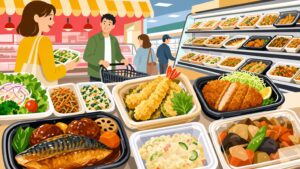
As afternoon fades, a new energy emerges. This is the golden hour for deals. Stalls selling prepared foods, known as sozai, are eager to clear out their inventory for the day. This is where the magic happens. Croquette stands, tempura shops, and grilled chicken vendors begin their lively call-and-response price drops. You’ll hear cries like “Nebiki, nebiki!” (Discount, discount!) or “Sā, motteike!” (Here, just take it!). A pack of three croquettes priced at 300 yen at noon may drop to 200 yen, and minutes later, perhaps 150 yen. It’s a game of patience—do you buy now or gamble on a further markdown, knowing your favorite item might sell out? This is how working people and families assemble a quick, affordable, and tasty dinner after a long day. It’s the very essence of Osaka’s practical, no-waste food culture.
A Universe of Specialists: Why One-Stop Shopping Fails
In Tokyo, convenience reigns supreme. The vast supermarket attached to the train station, with its sterile aisles stocked with everything you might need, represents the prevailing model. In Osaka, while supermarkets are certainly present and used, the core of the food culture lies in specialization. The shotengai epitomizes this perfectly.
Instead of going to just one store, you go to your trusted vendor. You have a relationship with the tofu artisan at “Fujita Tofu,” who crafts the silkiest kinugoshi tofu you’ve ever tasted. You head to the butcher at “Yamada Meat” because he knows exactly how you like your pork sliced paper-thin for shabu-shabu. You visit the fishmonger who not only recommends the best fish for grilling but also expertly guts, scales, and fillets it for you, all while chatting about the Hanshin Tigers’ latest game. You drop by the tsukemono (pickle) shop and purchase pickles not from a factory, but from the elderly woman who has been following her family’s recipe for sixty years.
To outsiders, this system might seem inefficient. Why stop at five different stalls when you can get everything at the Life supermarket? The answer reflects a core Osaka value: a profound respect for expertise and quality, paired with a healthy skepticism towards mass-produced mediocrity. A supermarket offers a jack-of-all-trades experience. The shotengai provides a gathering of masters. Each shopkeeper is an expert in their specific field. They possess a passion for their product and a pride in their work that is tangible. Locals trust this expertise. They know the butcher will provide a better cut of meat, and the vegetable vendor will pick out a sweeter melon because their reputation and livelihood depend on that trust. It’s a trade-off between convenience and a guarantee of quality combined with a personal connection.
What Many Foreigners Misunderstand
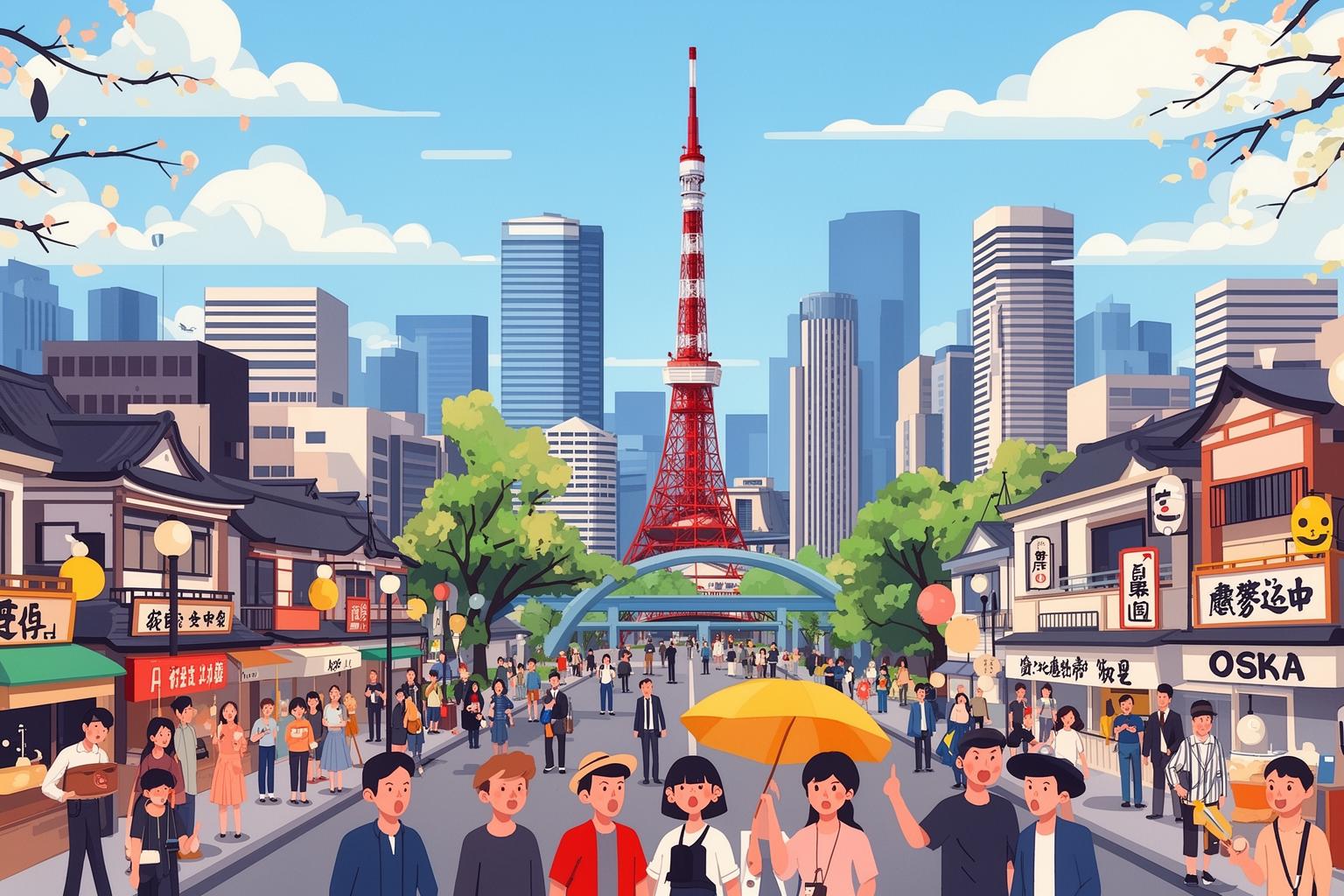
The biggest mistake foreigners make is treating the shotengai as a tourist spot, a place meant for sightseeing. Kuromon Market is a prime example; though historically a local market, its popularity has turned it into somewhere tourists nibble on costly grilled scallops on a stick. A genuine local shotengai, like Tenjinbashisuji or the smaller ones scattered in residential areas, isn’t a showpiece. It’s a workplace. It’s the heart of the community’s kitchens.
When you walk through, do so with purpose. Don’t stop mid-narrow lane to snap a panoramic photo, blocking an elderly woman pulling her shopping cart. Be mindful of the flow. Observe how people interact. The direct, sometimes loud talk from vendors can be mistaken for rudeness. When a shopkeeper shouts, “Nani ni suru?” (Whatcha gettin’?), they aren’t being impatient. They’re being efficient. There’s a line of other regular customers behind you. Unlike the elaborate, formal politeness found in a Kyoto kimono shop or a Tokyo department store, this is honesty. It’s a straightforwardness that respects both your time and theirs. They’re not performing customer service; they’re selling good food at a fair price. Embrace this bluntness. Ask questions. Point to things you don’t recognize. Most vendors will be happy to explain what something is, even with limited English, because it shows you’re genuinely interested in the food, not just the spectacle.
Ultimately, the shotengai is a microcosm of Osaka itself. It may seem chaotic, somewhat rough around the edges, and unapologetically practical. But beneath the noise and bustle lies a deeply rooted system of community, trust, and a shared passion for good food and good deals. It’s not about polished appearances; it’s about substance. Learning to navigate the shotengai is more than a practical skill for residents; it’s a lesson in the city’s philosophy. It teaches you to look beyond the surface, engage directly, value expertise, and find joy in the simple, everyday exchanges that truly make a city feel like home.