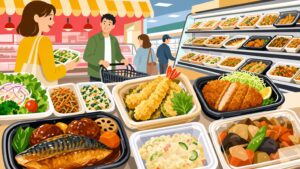
You’ve made the move. You’re not in Tokyo anymore, with its sleek, international supermarkets and clearly labeled everything. You’re in Osaka, a city that moves to a different beat, a place where life feels a little more raw, a little more real. You’ve mastered the train system, you can order your ramen with confidence, but then you hit a wall, a quiet, frustrating challenge of daily life: the grocery run. You’re looking for chicken that’s Halal, or maybe just some spinach that wasn’t sprayed with a novel’s worth of chemicals. You wander the aisles of the local Mandai or Life supermarket, scanning labels filled with kanji you can’t read, and a sinking feeling sets in. This isn’t as straightforward as you thought. The polished, predictable convenience you might be used to feels a world away. You start to wonder, how do people with specific dietary needs actually live here? The answer, like most true answers in Osaka, isn’t found under fluorescent lights or in a corporate-approved package. It’s found in the chaotic, vibrant, beating heart of the city’s neighborhoods: the shotengai.
To further unravel Osaka’s culinary traditions beyond the grocery aisles, consider delving into local kappo culture to enhance your authentic neighborhood experience.
The Soul of Osaka Isn’t in a Supermarket Aisle
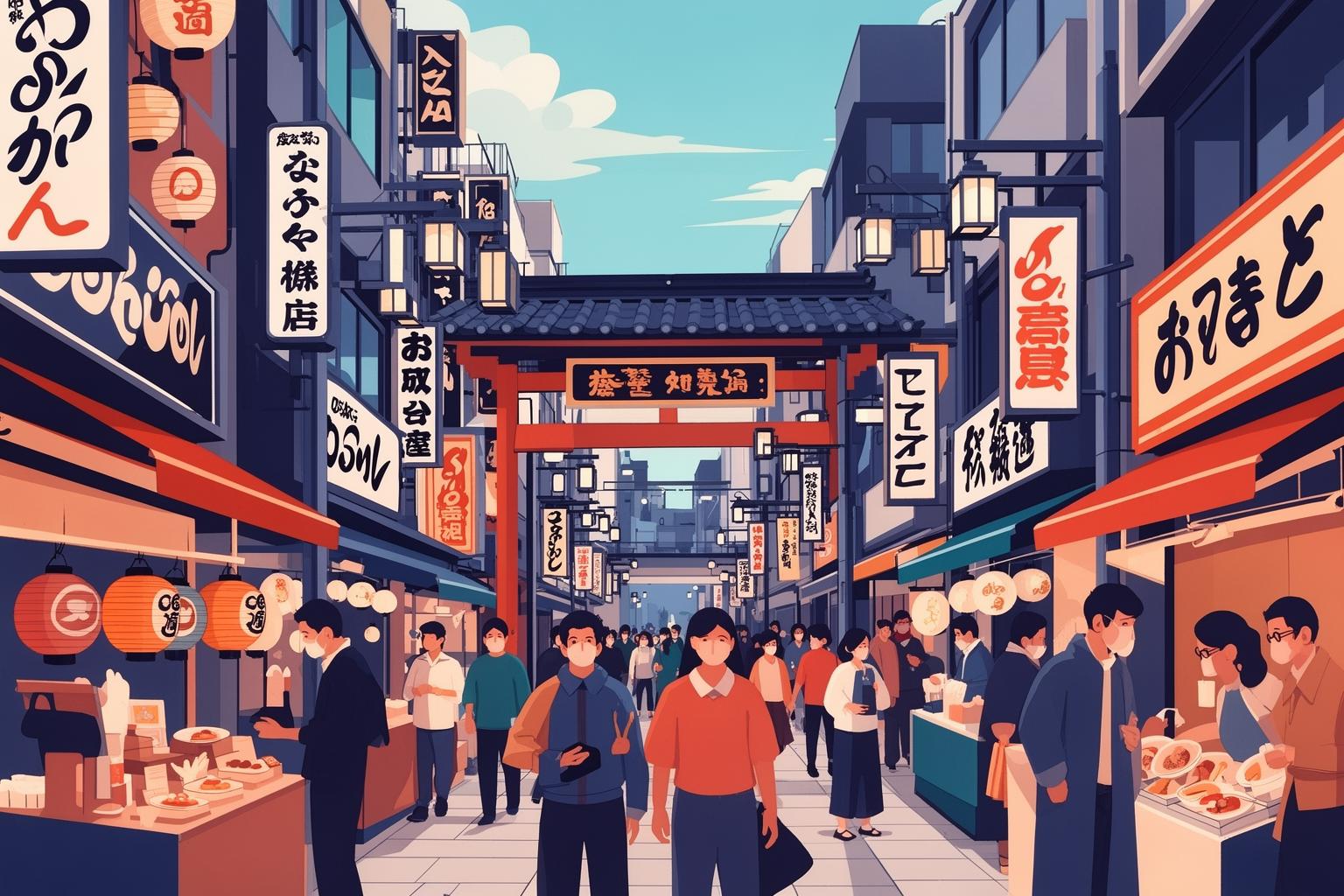
Before we even discuss food, we need to first consider where you purchase it. In Tokyo, life often feels like a series of clean, efficient transactions. You tap your Suica card, bow politely, and receive your neatly bagged items. It’s smooth, quiet, and efficient. An Osaka shotengai, however, is the complete opposite. It’s a vibrant assault on the senses—a long, covered arcade, sometimes stretching for kilometers, bustling with life. The air is rich with the aroma of grilling unagi, sweet soy sauce from the senbei shop, and the salty scent of fresh fish on ice. You hear the rhythmic pounding of a mochi maker, the gravelly shouts of vendors calling out their deals—”Yasui de! Makete okude!” (It’s cheap! I’ll give you a deal!)—and the constant, cheerful chatter of neighbors meeting by chance.
This isn’t merely a shopping spot. It’s the neighborhood’s living room. It’s where people catch up on gossip, where kids get free candy from shopkeepers who have known them since birth, and where daily life’s drama unfolds. Foreigners often misunderstand this atmosphere, seeing chaos and noise and assuming it’s just a cheap, old-fashioned market. They miss the essence. The shotengai embodies Osaka’s culture—it’s direct, loud, unpretentious, and built on human connections rather than corporate branding. To find your place in this city and solve your food dilemmas, your journey must start here. You need to trade the quiet anonymity of the supermarket for the loud, messy, and wonderful world of the shotengai.
Cracking the Code: Halal in the Land of Tonkotsu and Sake
Let’s be frank: finding Halal food in Japan can be quite challenging. The cuisine often features mirin (sweet rice wine), sake-based marinades, and pork-derived ingredients like tonkotsu ramen broth and gelatin in snacks. While larger cities such as Tokyo have an increasing number of certified Halal restaurants and stores, in Osaka, it takes a bit more detective work and a willingness to explore beyond the usual spots. You won’t find a clearly marked “Halal” section in a typical shotengai butcher shop. In fact, that butcher is likely proudly showcasing his finest cuts of pork right at the front. The key isn’t in finding a Halal-certified vegetable stand; it’s about knowing where to look for dedicated specialists and how to ask the right questions about other items.
Beyond the Label: The Search for Halal Meat
The first rule when sourcing Halal meat in Osaka is to recognize the need for specialists. Your local shotengai is excellent for vegetables, fish, and tofu, but when it comes to meat, you’ll have to seek out Halal-specific butcher shops or grocery stores. These are often run by members of the international community—people from Indonesia, Pakistan, Bangladesh, or Turkey who identified a need and filled it. These shops aren’t always located in the main, bustling section of the arcade. Sometimes, they are tucked away on side streets just off the shotengai or in neighborhoods with a higher concentration of foreign residents. These stores are more than just shops; they act as vital community hubs. When you walk in, you’ll hear a mix of languages, see familiar brands from home, and meet people who understand your questions without lengthy explanations.
Finding these shops is part of integrating into local life. Ask around. Connect with Muslim community groups online. Once you find one, make it a habit to visit regularly. The owners are invaluable sources of knowledge. They can tell you which local bakeries use non-animal-derived shortenings or which soy sauce brands are alcohol-free. They become your lifeline. This highlights a key aspect of Osaka’s mindset. The city’s history as a port and merchant hub has made it surprisingly adaptable. While it may lack the top-down, corporate-driven internationalization seen in Tokyo, it has a vibrant, grassroots network of communities supporting each other. Halal food here isn’t found through government initiatives; it’s discovered through a Pakistani shop owner who knows a guy importing spices and can get you the best lamb.
The Hidden Traps: Reading Between the Lines
After securing your meat source, the next challenge is everything else. This is where communication in the shotengai becomes crucial. Processed foods are a minefield. That seemingly innocent block of chikuwa (fish cake) might contain mirin. The dashi powder used for miso soup could have non-Halal flavor enhancers. Even a simple bag of senbei (rice crackers) might be coated with a sauce containing alcohol.
This is when you need to ask questions. Don’t worry about complex grammar. Learn a few key phrases. At the tsukemono (pickled vegetables) stand, pick up a package and ask the vendor, “Kore, arukoru haittemasu ka?” (Does this contain alcohol?). At the kamaboko (steamed fish paste) shop, ask, “Butaniku no mono, arimasu ka?” (Is there anything with pork in it?).
The responses you get will be typical Osaka. Unlike Tokyo, where a clerk might get flustered when unable to answer, an Osaka vendor is more likely to be straightforward. They might grab the package, squint at the tiny ingredients list, and say, “Uーん, wakarahen naa” (Hmm, I’m not sure). Or they might call out to their spouse in the back, “Oi! Kono oden, sake haitteru ka?!” (Hey! Does this oden have sake in it?!). There’s no pretense—it’s an honest, collaborative effort to find an answer. They view your question not as a hassle, but as a puzzle to solve. Be patient, friendly, and ready for a conversation. This dialogue, this simple act of asking, is how you navigate the complexities of the local food scene.
The “Organic” Conversation: More Than a Sticker
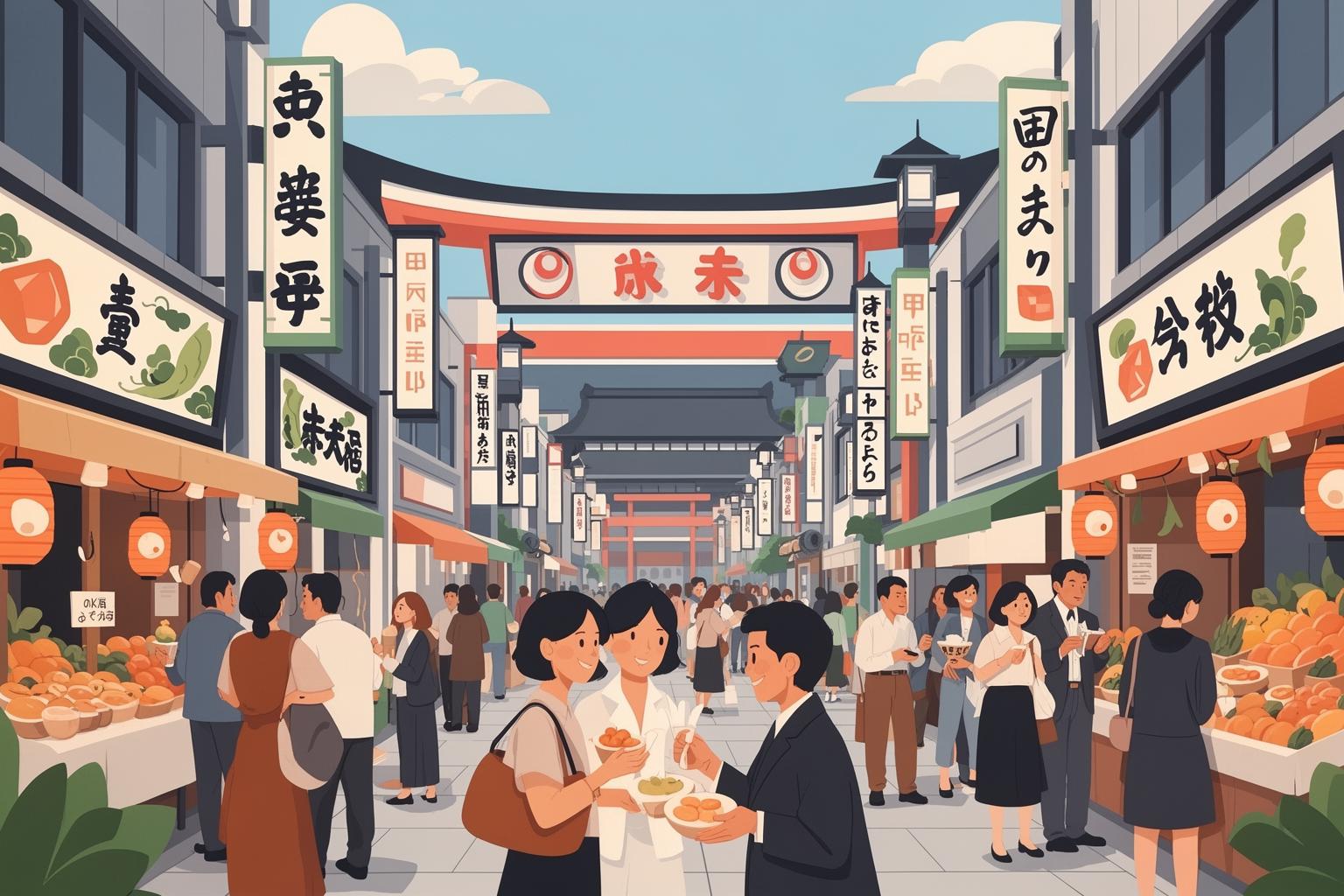
If searching for Halal food is a treasure hunt for specialists, the pursuit of organic produce is a masterclass in relationship-building. In Tokyo, the organic market is well-established and branded. You can visit high-end supermarkets like Seijo Ishii or specialty stores such as Natural House and find a broad selection of produce bearing the official JAS (Japanese Agricultural Standards) `有機` (yuuki) certification mark. It’s convenient, reliable, and carries a premium price reflecting the costs of certification and marketing. It is a consumer choice, a lifestyle brand you buy.
Osaka’s approach to clean eating is much more grassroots and, frankly, aligns better with the city’s famously practical and thrifty (`kechi`) nature. Osakans are cautious about paying extra for fancy packaging or trendy labels. They want good value. The true value, they understand, isn’t in a sticker; it’s in the trust they have with the person selling their food. And that trust is nurtured in the shotengai.
Why Your Local Farmer Might Be More Organic Than the Supermarket
Here’s the catch with that official JAS `yuuki` certification: it’s a bureaucratic and costly process. For a small family farm, the kind passed down through generations on the fertile plains of southern Osaka, the expenses and paperwork can be prohibitive. Many of these farmers practice what is essentially organic farming. They use little to no chemical pesticides, opting for `減農薬` (gen-nouyaku, reduced pesticide) or `無農薬` (mu-nouyaku, no pesticide) methods. They’ve been doing this for decades—not because it’s trendy, but because it’s traditional and they believe it yields better-tasting vegetables.
They bring their produce, dirt still clinging to the roots, to a small stall in the local shotengai. No fancy labels, no marketing slogans. Just a pile of beautifully imperfect, seasonal vegetables. This is where the cultural divide between Osaka and Tokyo is clearest. In Tokyo, the system provides assurance. In Osaka, the person does. An Osakan shopper might skip the perfectly polished, plastic-wrapped organic carrot in a department store, suspecting they’re paying more for the packaging than the carrot. Instead, they’ll visit their local vegetable vendor and buy a slightly crooked carrot because they know the `obachan` (auntie) who runs the stall, and they trust that she sources her carrots from a farmer she knows. It’s a chain of personal reputation, not a corporate supply chain.
How to Talk to the Vegetable Obachan
So, how do you engage with this system? You have to talk. It may feel intimidating at first, but it’s simpler than you imagine. Find a stall run by an older person, one that looks like it’s been there for fifty years. Don’t just point. Make eye contact. Offer a friendly “Maido!” (a classic Osaka greeting for regulars, but charming coming from a newcomer) or a simple “Konnichiwa.”
Then, ask the question. Point to the vibrant green komatsuna (Japanese mustard spinach) and ask, “Kore, nouyaku tsukattemasu ka?” (Do you use pesticides on this?). A more casual and friendly way to ask is by using the word for medicine, `o-kusuri`. “O-kusuri tsukatteru?” (Using medicine?).
The vendor’s response is your guide. They won’t give you a rehearsed corporate answer. You’ll get the unvarnished truth, delivered in a thick Osaka dialect. “Ah, kono horenso wa zenzen tsukattehen de! Demo, kyabetsu wa chotto dake na, mushi ga tsuku kara.” (Oh, this spinach, I don’t use any at all! But the cabbage gets a little, you know, because of the bugs). This is gold—real, practical information you’ll never get from a supermarket label.
Start small. Buy one thing. Return the following week. Let them see your face. Soon, they will recognize you. They’ll start giving you tips. “Kono daikon wa ha ga oishii de, misoshiru ni irenasai.” (The leaves on this daikon are delicious, put them in your miso soup). Then comes the ultimate sign of acceptance: the `omake`. A handful of spring onions tossed into your bag for free. A slightly bruised tomato given with a wink. This isn’t a discount—it’s a welcome. It’s the vendor saying, “I see you. You’re part of this neighborhood now.” You’ve successfully traded the impersonal convenience of the city for the rich, rewarding fabric of a community.
Shotengai Etiquette: Thinking Like an Osakan
Navigating the shotengai successfully isn’t only about knowing what to ask; it’s about grasping the unspoken rules of interaction. This social ecosystem has its own rhythm and etiquette, reflecting the core values of Osaka culture. It’s less formal than other parts of Japan, yet it follows a distinctive, deep-seated logic. Mastering it is essential not just for getting the food you want, but for truly feeling at home here.
It’s Not Haggling, It’s a Relationship
A common misconception about Osaka is the idea of haggling. Due to its reputation as a merchant city, many visitors believe you’re supposed to bargain for everything. In the shotengai, however, this is generally false and can even come off as rude. Prices are fixed and already fair. What visitors often mistake for haggling is actually playful banter that helps build a relationship. It’s the `kechi` (thrifty) yet `jou ni atsui` (warm-hearted) spirit of Osakans in action.
The aim isn’t to lower the price. The aim is to be recognized as a smart, friendly customer. You might joke with the fishmonger, “Ee, kono tai, chotto makete kureru?” (Hey, this sea bream, can you give me a little discount?). He’ll likely laugh and say no, but might add some extra garnish or offer a better cut. The real reward isn’t a 50-yen discount; it’s the `omake`. That little extra is a sign of goodwill and a symbol of the relationship you’re building. It’s the shopkeeper’s way of investing in you as a loyal customer. In Osaka, a good deal isn’t just about price; it’s about the full value of the exchange, including the human connection.
Cash is King, and So is Patience
While much of Japan is gradually adopting cashless payments, many small, family-run stalls in traditional shotengai remain strictly cash-only. Don’t be the person holding up the line waving a smartphone or credit card at a 75-year-old woman who’s used the same cash register for forty years. Come prepared with yen. This isn’t out of touch; it reflects a business model built on simplicity and low overhead. They offer great prices because they avoid credit card processing fees.
Patience is just as important. The shotengai doesn’t operate at the hectic pace of a Shinjuku station convenience store. The `obachan` at the vegetable stand is likely catching up on local news with the person ahead of you. The butcher is carefully explaining the best way to cook the cut of meat he’s selling. This isn’t inefficiency—it’s the point. Life in the shotengai flows at a human pace, encouraging you to slow down, observe, and be part of the scene instead of rushing through it. Embrace the pause. Listen to the conversations around you. You’ll learn more about Osaka in five minutes waiting in line at the tofu shop than in a week visiting tourist attractions.
Putting It All Together: Your Shotengai Strategy
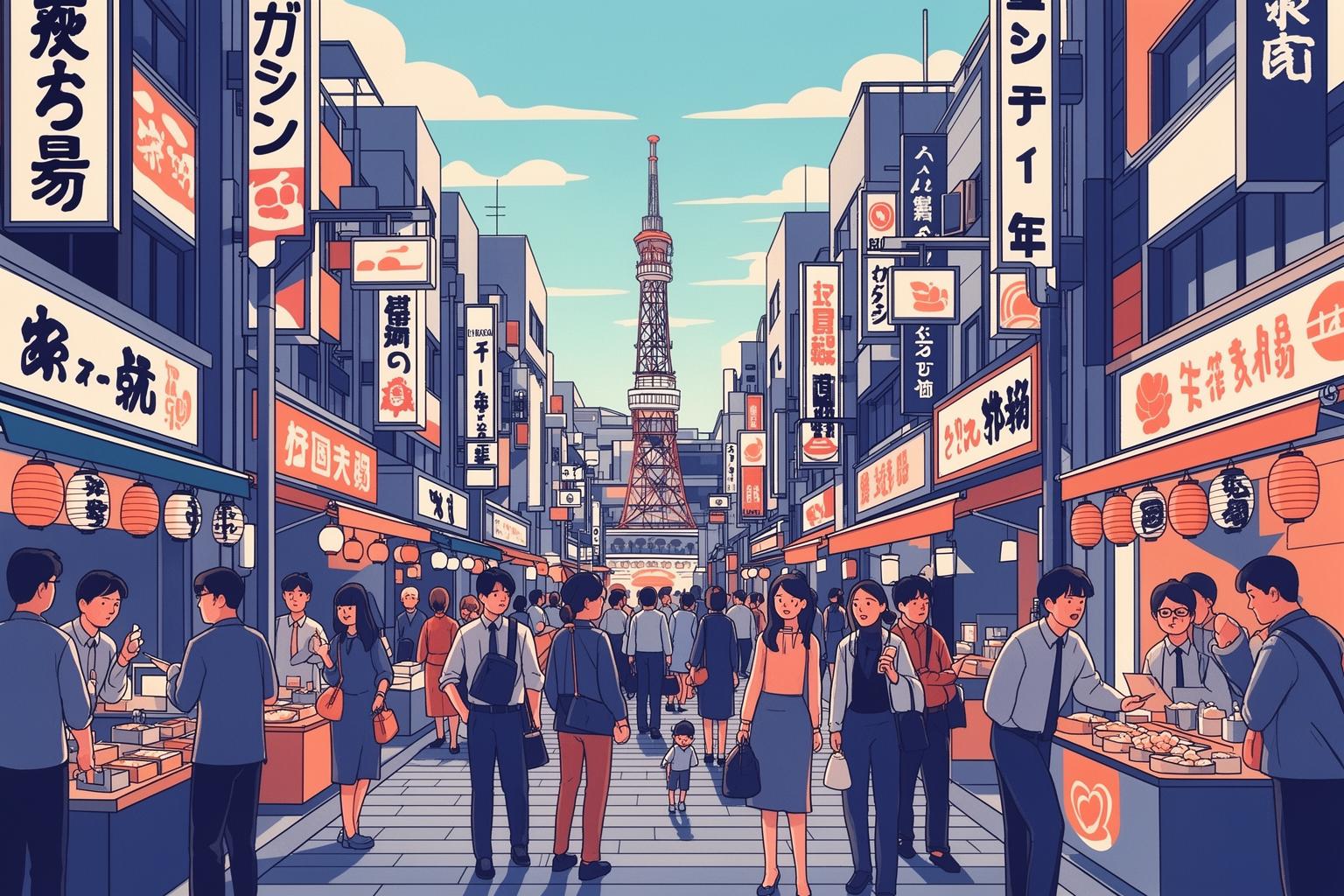
Understanding the culture is one thing; applying it is quite another. Becoming a savvy shotengai shopper—someone who can find exactly what you need while becoming part of the local community—is a gradual process. It requires a bit of courage and a lot of persistence. Here is a straightforward, practical approach to help you move from feeling lost as a newcomer to confident and integrated as a local.
Step One: Reconnaissance
Your first task is simply to explore. Avoid bringing a long shopping list or feeling pressured. Just walk around. Every neighborhood has a shotengai—some large and well-known like Tenjinbashisuji, others small and quiet with only a few shops. Find yours. Observe what’s available. Notice which stores are busy and where locals gather. Get a sense of the place’s rhythm. Identify vegetable stands, fishmongers, tofu makers, and butchers. Look for specialty Halal or international food shops on the edges. This initial exploration helps you build a mental map and reduces any feelings of intimidation.
Step Two: The First Conversation
Next, it’s time to interact. Choose one shop—perhaps the vegetable stand that seemed friendliest. Set a simple goal: buy just one item, maybe a single onion. The purpose isn’t to complete your full grocery shopping but to have your first successful exchange. Approach, say “Konnichiwa,” point to the onion, and say “Kore, hitotsu kudasai” (This one, please). Pay in cash and say “Arigatou gozaimasu.” That’s it. You’ve broken the ice. The next visit will feel easier. Maybe then you’ll ask a simple question. Each small exchange lays the foundation for a growing relationship.
Step Three: Become a Regular
This step is the most crucial. Consistency matters above all in the shotengai. Try to visit the same shops around the same time weekly. Let the vendors get familiar with your face. They have a fantastic memory for their customers. Soon, you’ll move from being “a foreigner” to “the foreign guy who buys spinach every Tuesday,” and eventually to simply “John-san from the new apartment building.” That’s when things truly change. They’ll start setting aside the best cuts for you, giving advice, sharing stories, and looking out for you. You’ll shift from being just a customer to becoming part of the neighborhood’s complex social fabric. You’ll discover that your search for Halal-friendly or organic food has led you to something far deeper: a genuine sense of belonging in the vibrant, bustling, and wonderfully human city of Osaka.