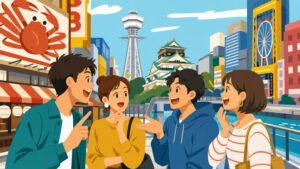
You feel it, don’t you? That low hum that vibrates right through the soles of your shoes. It’s the pulse of Osaka. It’s the rumble of the Midosuji line, the sizzle of takoyaki on a cast-iron plate, the roar of a thousand conversations crashing together in a Shinsaibashi shotengai. You moved here for that energy, that relentless, unapologetic vitality. But some Fridays, that hum becomes a buzz, that buzz becomes a roar, and you find yourself staring out your apartment window, feeling the concrete towers lean in just a little too close. You start wondering if you’ve made the right choice, if living in Osaka is sustainable. This is the moment every Osakan, native or newcomer, understands. It’s the signal. It’s time to get out.
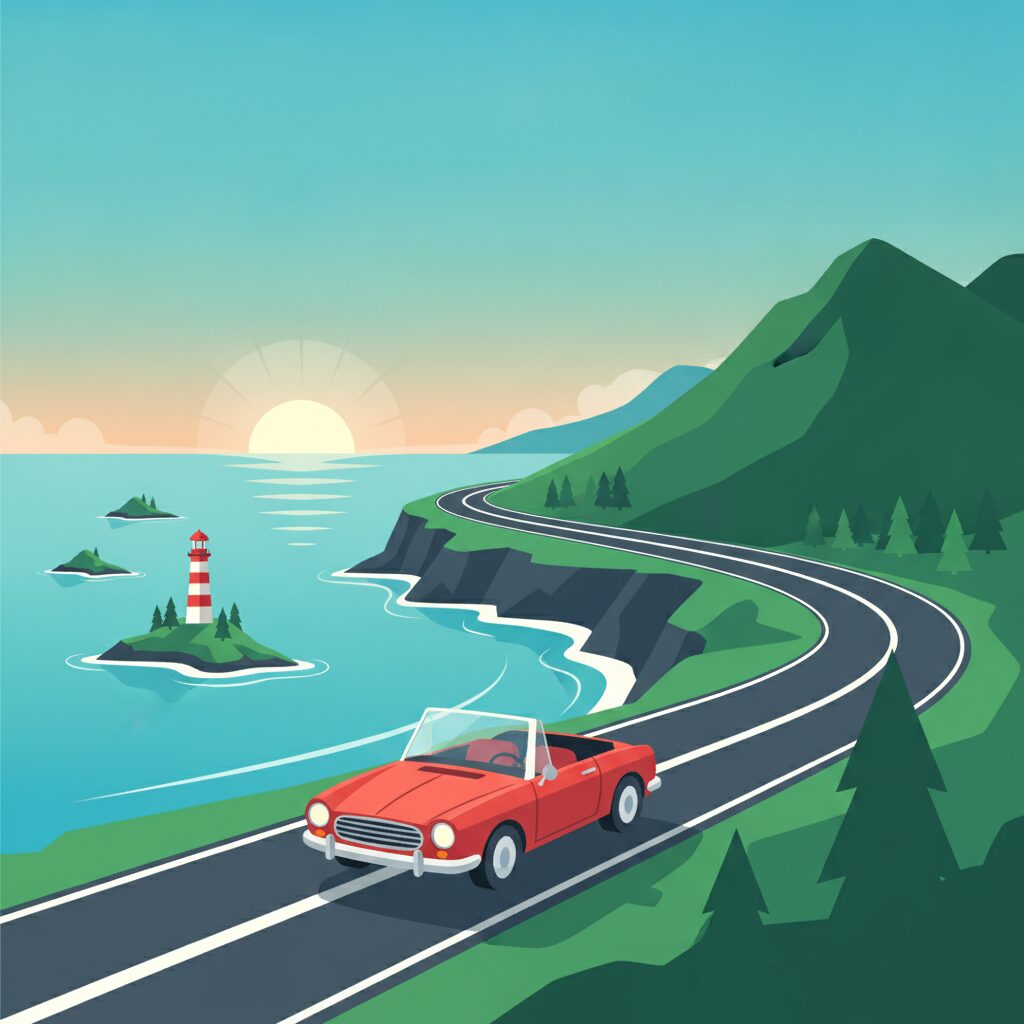
But getting out, in Osaka, doesn’t mean what it might mean in Tokyo. It’s not about booking a sleek boutique hotel in Hakone or a minimalist retreat in Karuizawa. It’s messier, more spontaneous, more real. It means grabbing a set of car keys, pointing the vehicle south, and hitting the Hanshin Expressway until the city’s grey skyline dissolves into the deep, mysterious green of the Kii Peninsula. A weekend road trip to Wakayama isn’t just a vacation; it’s a vital part of the Osaka life cycle. It’s how the city breathes. This isn’t a guide on where to go or what to see. This is a map of the Osaka mindset, drawn on the winding coastal roads and quiet mountain passes of its wild, beautiful backyard. It’s about understanding that to truly know Osaka, you have to leave it.
Embracing the Osaka mindset can also mean slowing down for a moment, so if you crave a change of pace amid the city’s relentless energy, consider discovering a remote work haven in Osaka’s traditional kissaten on your next break.
The Great Escape: Why Leaving the City Defines Living In It
Osaka’s Pressure Cooker Mentality
Life in Osaka is like a full-contact sport. From the moment you step outside your door, you’re right in the middle of the action. The workday feels like a marathon of swift decisions, straightforward conversations, and an ongoing push to get things done efficiently, cheaply, and with a touch of humor. There’s no room for the subtle, unspoken consensus-building you might find in a Tokyo office. Here, you say what you mean, close the deal, and move on. This same intensity extends into the evenings. A visit to a tachinomi stand-up bar in Tenma isn’t a quiet experience; it’s a lively, shoulder-to-shoulder event, fueled by inexpensive beer and even cheaper jokes. This unrelenting pace is exhilarating, but it burns energy quickly. The city demands your stamina, and by the week’s end, your tank is often running on empty.
This marks a fundamental difference in daily rhythm compared to other Japanese cities. A common misconception among foreigners is that Osaka’s renowned friendliness indicates a laid-back attitude. It doesn’t. It’s the friendliness of people too busy to waste time on formalities. The directness, the humor, the lack of pretense—all of it serves as a kind of social efficiency. But with this efficiency comes a unique type of pressure. There’s a constant performance element to being an Osakan. You’ve got to be quick with a comeback, ready to negotiate, and always “on.”
The escape to Wakayama acts as the release valve for this pressure cooker. It’s the cultural counterbalance. Whereas a Tokyoite might seek solace in a carefully curated urban experience—like an afternoon at the Nezu Museum or a serene coffee break in a minimalist Kichijoji café—the Osakan getaway involves a radical change of scenery. It means trading the city’s cacophony for the roar of the Pacific Ocean. It’s about leaving crowded trains behind for the solitude of a mountain road. This is a physical and psychological reset, a recognition that the city’s high-octane pace is only sustainable if you know how to switch off completely.
The Car as a Symbol of Freedom
In central Osaka, owning a car feels more like a burden. Parking fees are steep, streets are narrow, and the train system operates with impressive efficiency. Yet, venture into the suburbs, and you’ll find that, for many families, a car isn’t a luxury—it’s essential for this very ritual. The family’s worn minivan or the couple’s small Kei car embodies freedom. It represents the ability to act on that impulse every Friday afternoon: “Let’s just go.”
And the way people drive here reveals much about how Osakans think. The Hanshin Expressway can seem like a lawless racetrack to outsiders. Drivers merge with an assertive confidence bordering on aggression. They tailgate, flash their lights, and change lanes with quick, decisive flicks of the wrist. But it’s not chaos. Beneath it lies an unspoken logic. It’s a high-speed dialogue. A brief flash of hazards is a “thank you” for letting someone in. A decisive move into a tight gap is expected; hesitation is the greatest sin. It’s a system built on the assumption that everyone is alert and competent.
This driving style perfectly symbolizes social interaction in Osaka. People are straightforward. They cut to the chase in business meetings. They’ll tell you if they think your shirt looks terrible. They’ll ask personal questions just minutes after meeting you. To outsiders, this can feel rude or intrusive, much like the driving seems reckless. But it’s rooted in the same values of efficiency and mutual understanding. The underlying assumption is that everyone here is an adult, there’s no time for ambiguity, so let’s get straight to the point. The weekend road trip begins with this mindset—navigating the city’s concrete arteries with practiced, assertive rhythm before breaking free onto the open southern roads.
Nature Isn’t a Museum, It’s a Playground
Wakayama: Osaka’s Backyard
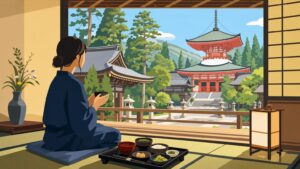
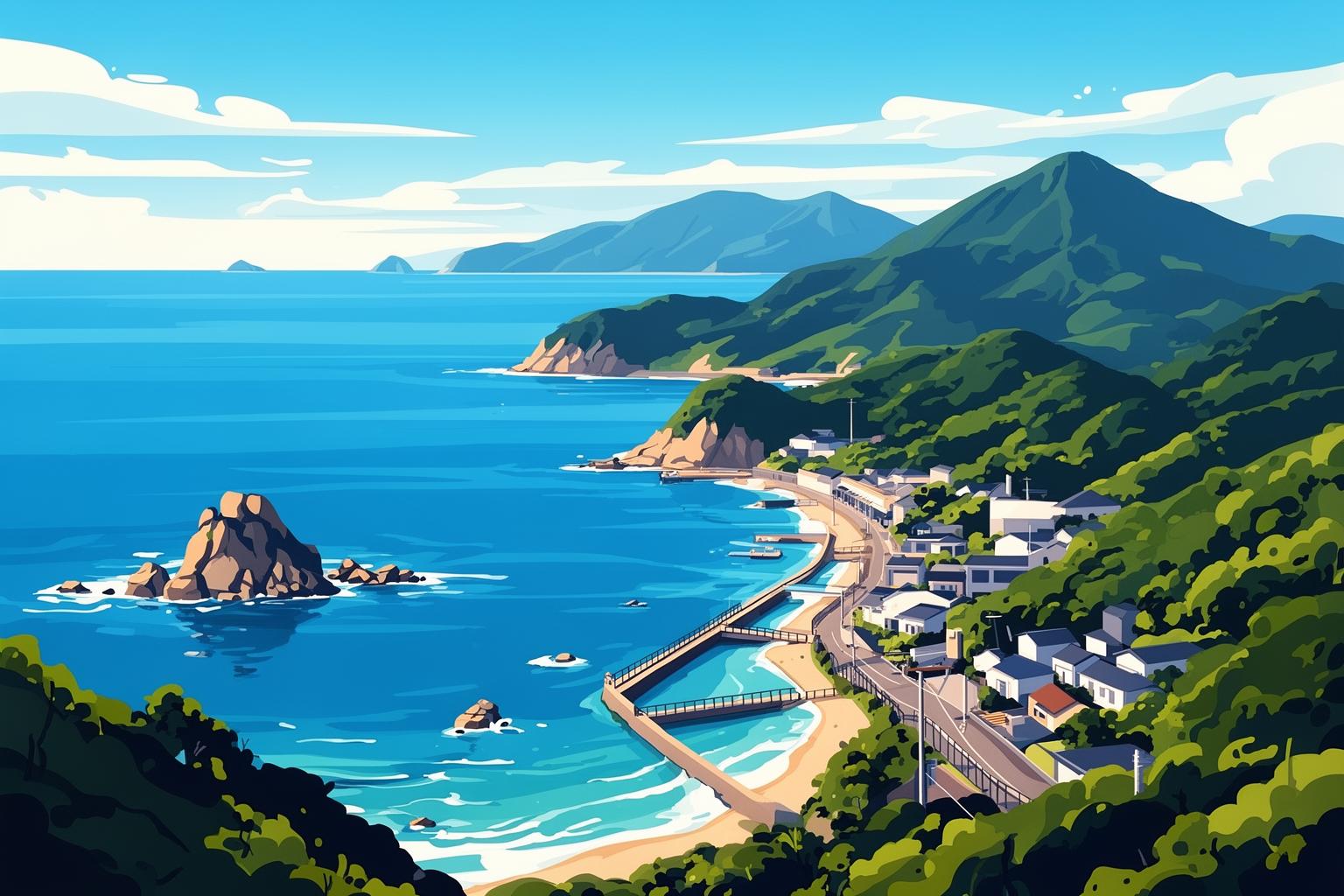
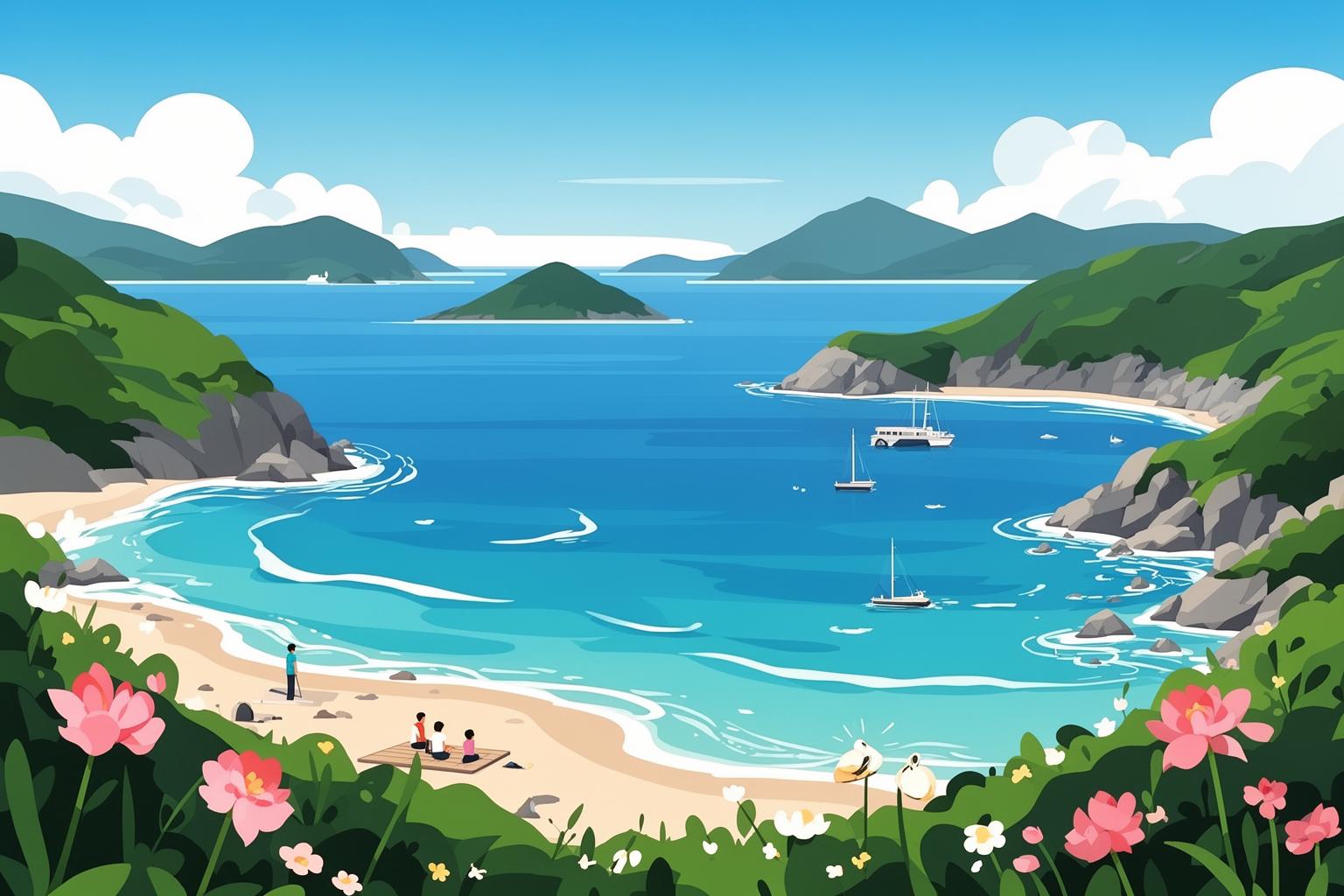
As the scenery transitions from the tightly packed urban grid of southern Osaka to the rolling hills and rugged coastline of Wakayama, the entire atmosphere shifts. Yet, the Osakan attitude toward this nature is unique. If Kyoto’s connection with nature is one of quiet reflection—observing manicured gardens from a tatami mat—Osaka’s is one of active, hands-on engagement. Wakayama isn’t a pristine exhibit to be admired from behind a rope. It’s a vast, shared backyard.
The beaches of Shirahama aren’t just for sunbathing; they’re for setting up full-scale barbecues, complete with coolers of beer and portable karaoke machines. The clear rivers that flow through the mountains aren’t just for scenic photos; they’re for jumping into, fishing, and catching river shrimp with small nets. Visitors to Japan expecting a universal reverence for nature as a quiet, sacred space may be surprised by the lively noise of an Osaka family enjoying a day by the river. It’s not disrespect; it’s a different kind of love—the love of using something to its fullest, engaging with it completely.
This practical, utilitarian approach to leisure lies at the heart of daily life in Osaka. Life is meant to be lived, not just observed. An Osakan seeing a beautiful, empty stretch of coastline will think not just of its serene beauty, but “This would be a great spot to park the van and grill some fish.” This philosophy—valuing utility and enjoyment over pure aesthetics—is a thread woven through everything, from their approach to food to their pragmatic business mindset.
Unspoken Rules of the Roadside Stop
This philosophy is nowhere more evident than at a michi-no-eki, or roadside station. On paper, it’s simply a rest stop with a parking lot, restroom, and small shop. In reality, it’s the heart of the road trip experience and a glimpse into the soul of Kansai. When you pull into a michi-no-eki in coastal Wakayama, you step into a micro-economy driven by freshness, locality, and value.
You won’t find carefully curated, elegantly packaged souvenirs aimed at tourists. Instead, you’ll encounter crates of just-picked mikan (mandarin oranges), some with leaves still attached, sold in large bags for a few hundred yen. Local fishermen in rubber boots grill squid and scallops over charcoal, the smoke blending with the salty air. Handmade pickles, locally harvested seaweed, and bottles of soy sauce from a nearby brewery are all available. The defining quality of everything is its undeniable freshness.
This is what Osaka people seek out. They’ll drive an extra hour, not to visit a famous temple, but because they heard a certain michi-no-eki sells the best umeboshi (pickled plums). They’ll fill their cars with coolers to bring back fresh fish and produce, tangible trophies from their outing. This highlights a common misconception about Osaka’s money obsession. The label “merchants’ city” is often seen as greed-driven, but it’s really about getting good value. Why pay 500 yen for a perfect-looking apple in a department store when you can get a whole bag of slightly misshapen but far more delicious apples straight from the farmer at the same price? The michi-no-eki embodies this mindset. It’s a celebration of substance over style, a principle that makes living in Osaka feel so different from Tokyo’s brand-conscious culture.
The Search for ‘Real’ Japan, Osaka Style
Beyond the Tourist Trail
Wakayama is undoubtedly home to world-class destinations. The sacred mountain of Koyasan and the ancient Kumano Kodo pilgrimage trails are profound, spiritual sites attracting visitors from around the world. Osakans do visit these places, too. However, the true spirit of a weekend road trip often lies in intentionally avoiding the well-trodden path. The aim isn’t to collect stamps in a sightseeing passport but to discover something new.
The real reward of the trip is finding an unmarked turn-off leading to a deserted, windswept beach. It’s stumbling upon a tiny, family-run restaurant in a fishing village, where the menu features only what was caught that morning. It’s following a small sign to an old, rustic onsen where the only other guests are local grandfathers. This quest for the authentic, the unfiltered, serves as a quiet rebellion against the packaged image of Japan often presented to the world. It reflects the Osaka spirit: a healthy skepticism toward authority and official stories. “Don’t just tell me it’s good; let me decide for myself.”
This stands in stark contrast to the more typical travel style seen elsewhere, often focused on efficiency and ticking off famous landmarks. The Osaka road trip emphasizes the journey itself. It’s about the freedom to get lost and the excitement of unexpected discoveries. What this reveals about Osakans is that they are deeply curious and self-reliant. They trust their own judgment and taste more than any guidebook or influencer’s advice. This independent streak is why the city has long nurtured numerous entrepreneurs and artists. It’s a place that encourages you to find your own path, both on the road and in life.
How Conversations Change South of the Border
Driving from the center of Osaka to the southern tip of the Kii Peninsula feels like watching the dialect and pace of life gradually transform. The sharp, fast-paced, witty Osaka-ben mellows into the slower, more melodic Wakayama dialect. In a local shop, the brisk transactional style of an Osaka store gives way to a leisurely chat. The shopkeeper might ask where you’re from, what you’re doing, and offer a slice of mikan as you browse.
It’s fascinating to see Osakans, known for their impatience, adjust to this slower rhythm. There’s a visible relaxation, a downshifting of gears. They might joke about how slow everything is, but it’s a fond tease rather than a real complaint. It’s an acknowledgement and appreciation of a different tempo. This interaction underscores a vital aspect of Osaka’s identity. Unlike Tokyo, which can feel like a self-contained island, Osaka is keenly aware of its place within the wider Kansai region. It considers itself the loud, boisterous heart but understands it needs the quieter surrounding areas to be whole.
This relationship brings a sense of balance. The city draws its energy and cuisine from the countryside and the sea, and in return, its people spill out on weekends, bringing their energy and their spending power. It’s a symbiotic bond that keeps the city grounded, preventing it from drifting into a bubble of urban detachment. For anyone wondering if Osaka is a good place to live, this is a crucial consideration. You’re not just choosing a city; you’re choosing a region, with all the diverse experiences that entails.
Coming Home: How the Escape Resets the Osaka Mindset
The Sunday Night Drive Back
The trip always concludes the same way. Driving north on the highway as dusk descends, the first sign you’re nearing home isn’t a sign at all. It’s a glow on the horizon. The soft, dark green of Wakayama’s mountains fades into the sprawling, electric orange-and-white constellation of the Osaka metroplex. Traffic thickens, radio stations come into clearer focus, and the city’s hum begins to vibrate through the car once more. But the feeling isn’t one of dread. It’s not the “Sunday scaries.” Instead, it’s a sense of readiness. The car is filled with the scent of sea salt and mikan peels. A cooler in the back is packed with the day’s finds. Your mind feels clear, washed clean by the ocean breeze.
What the Trip Really Teaches You About Osaka
You return to the city with a deeper understanding. You realize that living in Osaka isn’t about enduring its intensity, but mastering its rhythm. It’s about knowing when to embrace the chaos and when to hit the eject button. The weekend trip to Wakayama is the most vital part of that rhythm. It reshapes your view of what this place truly is. The city no longer feels like a trap, but a basecamp—a dynamic, exciting, and incredibly convenient launchpad for endless exploration.
The stereotype of the loud, money-driven Osakan fades away. Instead, you see a fuller picture: people who work with fierce intensity so they can enjoy total freedom. A culture that values what is genuine and delicious over what is fashionable and polished. A community that, despite its urban bravado, holds a deep and lasting connection to the land and sea just beyond its borders. The road trip teaches you that Osaka’s greatest strength isn’t only the energy within its limits, but the freedom it offers to go beyond them. You return to the city’s electric embrace not with resignation, but with renewed purpose—ready to dive back into the hum, knowing the quiet roads of Wakayama await when you need to breathe again.