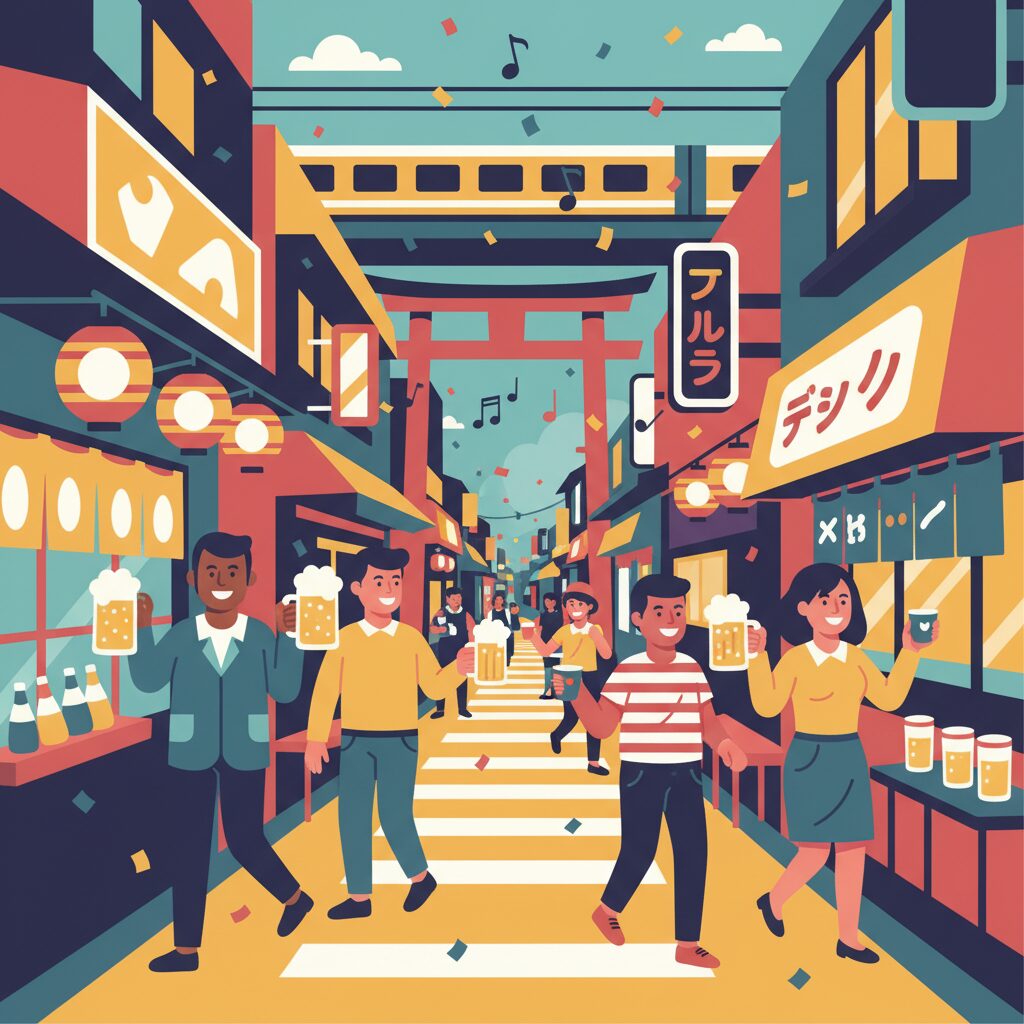
Walk through Osaka after the sun goes down, especially in a place like Tenma, and you’ll see a certain kind of human physics at play. It’s a current, a tide of people flowing in and out of tiny doorways, their laughter spilling onto the pavement before being swept away into another lantern-lit alley. You see groups huddled around oil drums turned into tables, staying for fifteen minutes, then vanishing. You see a solo salaryman at a standing bar, nursing a single beer and a plate of grilled skewers, who then pays in exact change and melts back into the night. It feels different from the settled-in-for-the-night vibe you might find in other cities. The energy here is kinetic, a constant, joyful churn. This isn’t just random wandering. This is a ritual. This is hashigo-zake, and in Osaka, it’s not just a way to drink; it’s a way to live. Translated literally, it means “ladder sake,” the art of climbing from one bar to the next, rung by rung. It’s a world away from the formal, two-hour reservation at a single izakaya you might find in Tokyo. Here, the night is a fluid, spontaneous adventure, and the Tenma district is its sprawling, chaotic playground.
The unpredictable cascade of hashigo-zake in Tenma only hints at Osaka’s eclectic charm, as a dive into Osaka’s unique Kita-Minami identity unveils yet another layer of the city’s vibrant cultural tapestry.
What ‘Hashigo-zake’ Really Means to Osakans
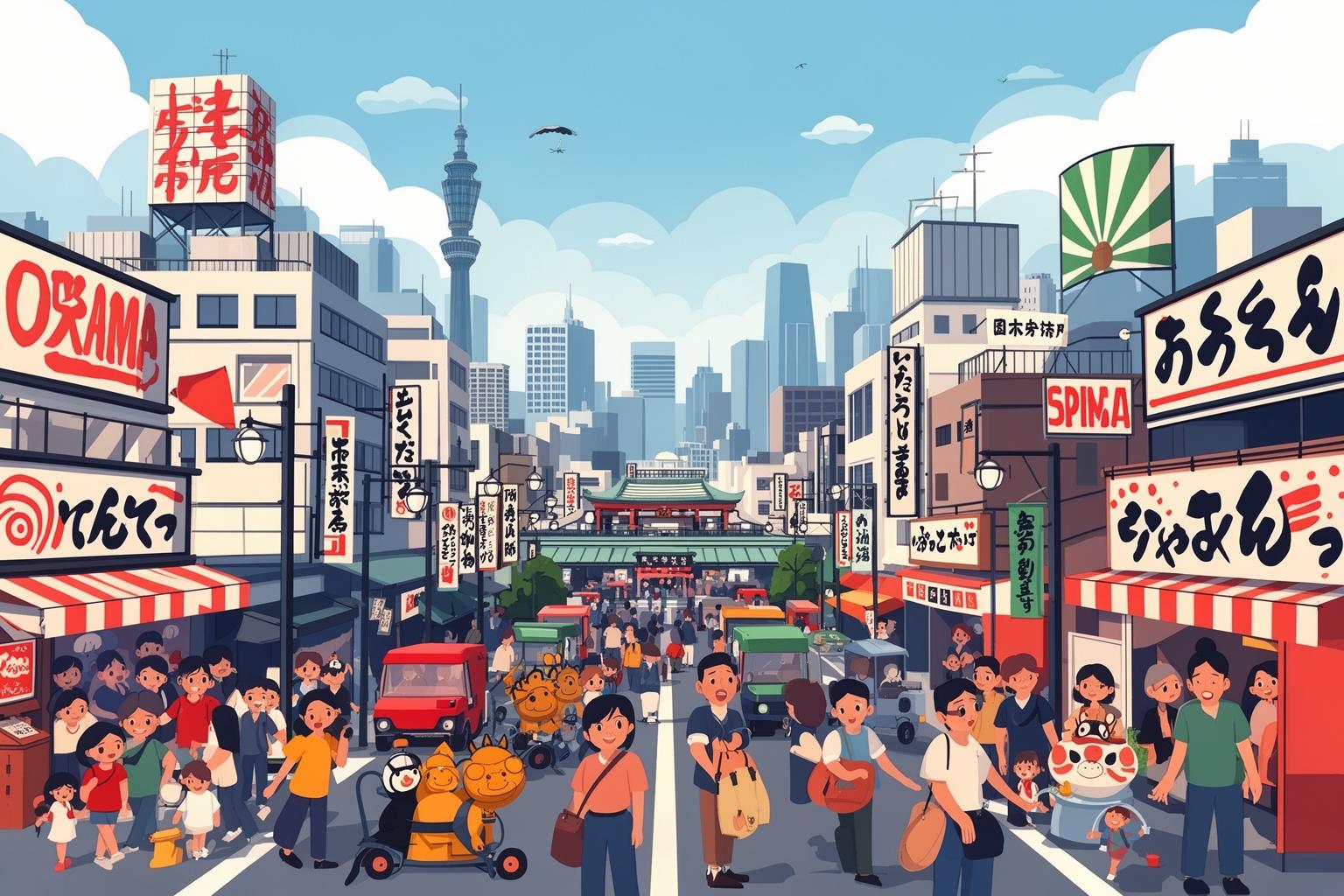
For outsiders, the idea of bar hopping may evoke images of a drunken, stumbling race to the finish line. But in Osaka, that’s a fundamental misconception. Hashigo-zake isn’t about excess; it’s about precision, economy, and experience. It’s a philosophy rooted in the city’s mercantile spirit, a practical reflection of core Osakan values you won’t find in any guidebook. It’s about savoring the city, one small plate and one quick drink at a time.
It’s Not a Marathon, It’s a Social Relay
The aim of a proper hashigo night isn’t to dominate one location. It’s to craft a journey. Each stop on the ladder is selected for a reason. Perhaps one place offers the best doteyaki, a rich beef sinew stew simmered in miso. You go there, order that dish, enjoy a beer, and appreciate it exactly for what it is. Then you move on. The next spot might be a standing sushi bar where a single piece of fatty tuna costs just a couple hundred yen. You have two or three pieces, a quick cup of sake, and then leave. The ladder metaphor fits perfectly. You don’t linger on one rung; you use it to reach the next, with the view changing at every step.
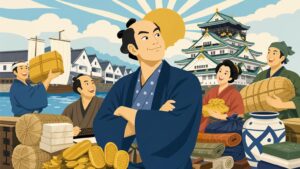
This approach is deeply connected to Osakan obsession with kospa, or cost performance. It’s not about being cheap; it’s about being smart. Why settle for an expensive, multi-course meal at one restaurant when you can sample the signature dishes from five different kitchens for the same price? This mindset is a direct legacy of Osaka’s history as Japan’s commercial hub. Merchants had to be shrewd, always seeking the best deal—the highest quality at the lowest price. Today, this philosophy applies to pleasure. A successful hashigo-zake is a triumph of culinary and social strategy, leaving you full of diverse experiences rather than one heavy meal.
The Unspoken Rules of the Crawl
Like any ritual, hashigo-zake has its own unwritten code of conduct. Following it distinguishes a local from a tourist. These aren’t rules meant to exclude but to preserve the delicate balance of the ecosystem. They arise from pragmatism and a mutual understanding that keeps the entire system running smoothly for everyone.
Rule 1: Read the Air (Kuuki wo Yomu)
Before stepping inside, you assess the atmosphere. You read the room. Is the place packed shoulder-to-shoulder with a line out the door? Maybe skip it for now. The goal is to find a spot with energy but also flow. You want a place where people are coming and going. If a tiny bar is fully occupied and no one seems ready to leave anytime soon, that’s a ‘settler’ crowd. They’re not climbing the ladder. Joining them is like trying to merge onto a highway from a complete stop. You look for currents, gaps in the crowd, the place that seems ready to welcome the next wave.
Rule 2: Keep it Quick, Keep it Light
When you enter a ten-seat standing bar, you enter an unspoken social contract. You are a temporary steward of that valuable space. You’re not there to write your novel or have a three-hour heart-to-heart. Rhythm is key. Know what you want, or be ready to ask for the recommendation of the day. Order, eat, drink, enjoy. As you notice the next group eyeing the space, you start planning your exit. This isn’t rude; it’s the opposite. It’s a sign of respect for the owner, who depends on turnover to survive, and for your fellow crawlers, who are waiting for their turn on the rung. It’s Osakan efficiency at its most delicious.
Rule 3: Cash is King
Many of the best hashigo spots are tiny, family-run businesses that have existed for decades. The cash register might be an old wooden box. Don’t be the person holding up the flow by asking if they accept credit cards. They probably don’t. Have cash on hand, preferably small bills and coins. Paying a 700 yen bill with a 10,000 yen note is a minor hassle for the owner and signals you’re unprepared. Having your cash ready is part of the rhythm, a small gesture that shows you understand how things work here.
Tenma: The Perfect Ecosystem for Bar Hopping
Hashigo-zake can be enjoyed anywhere in Osaka, but Tenma feels as if it was made for it. It’s not a polished, curated neighborhood. Instead, it’s a vast, organic, and beautifully chaotic maze of covered shopping arcades, smoky side streets, and narrow alleys that seem to lead nowhere and everywhere at once. This is the fertile ground where bar-hopping culture thrives at its most vibrant.
A Labyrinth of Choice
The density of Tenma is astonishing. Beneath the JR loop line tracks and branching off the main Tenjinbashisuji Shotengai, there are hundreds upon hundreds of spots to eat and drink. From one place, you might see a yakitori joint grilling chicken over charcoal, a stylish Italian tapas bar pouring wine, a standing sushi counter displaying fresh fish, and a gritty-looking izakaya steeped in decades of history. It’s the proximity that makes it all possible. Your next adventure is never more than thirty seconds away. This overwhelming abundance creates a sense of exciting restlessness—why would you settle in one spot when a universe of flavors and experiences awaits just next door? The fear of missing out drives the night forward.
The Human Element: Masters and Regulars
What truly defines the Tenma experience is its people. Many bars are run by a single taisho (master) or a husband-and-wife duo. They are more than cooks or servers; they are the heart and soul of the establishment. An Osakan taisho is often a character—opinionated, sometimes gruff on the surface, but sharp-witted and genuinely warm to those who appreciate their craft. They direct the evening, remembering a regular’s favorite drink, suggesting seasonal dishes, and keeping conversation lively.
This is a major contrast to Tokyo. At Tokyo’s upscale venues, service may be a flawless display of formal politeness but can feel impersonal. In Tenma, service is deeply personal. The taisho might ask blunt questions about where you’re from and what you’re doing. They might tease you playfully or introduce you to the jouren-san (regular) beside you. You are not just a customer; for the brief time you’re there, you’re part of a small, nightly drama. This is the reality behind the cliché that “Osaka is friendly.” It’s not a passive, smiling friendliness—it’s an active, engaging, and sometimes loud friendliness that welcomes you into the show.
How to ‘Hashigo’ Like a Local: A Practical Guide to the Osakan Mindset
So, how do you transition from being a spectator to a participant? It’s less about following a fixed map and more about embracing a mindset. It means releasing rigid plans and welcoming the vibrant, unpredictable flow of an Osakan night. It’s about learning to trust your senses and instincts rather than relying on a blog post or a top-ten list.
Forget the Plan, Follow the Vibe
A Tokyoite might prepare for a night out by carefully researching the highest-rated spots on a food blog and booking reservations a week ahead. An Osakan gets ready by simply showing up. The best hashigo-zake nights are purely spontaneous. You begin with a general area, like Tenma, and maybe one spot you want to check out. Beyond that, the plan is to have no plan. You let the night lead you. What smells amazing? Where is the laughter the loudest? Which lantern-lit entrance looks most inviting? This flexibility and love for spontaneity are central to the Osakan spirit. It’s a city that prizes quick thinking and seizing opportunities over long-term, calculated strategy. Dive in, see what unfolds, and trust that something great will come of it. That’s the Osakan way.
The Art of the ‘Senbero’
To enjoy this scene without overspending, you need to get the concept of senbero—a blend of sen-en (1,000 yen) and berobero (to get drunk or tipsy). It’s the unofficial currency of the hashigo world. Many bars offer a senbero set, including one or two drinks and a couple of small appetizers for a flat 1,000 yen. It’s the perfect low-commitment entry point. It lets you sample the bar’s vibe and some of its food without fully committing. It’s the ultimate expression of the kospa mindset. You’re not just buying food and drink; you’re buying an experience, an entry ticket to a new scene, for the price of a movie ticket. It’s a smart, proud way to enjoy a rich night out on a modest budget, and Osakans excel at it.
Strike Up a Conversation (If the Moment is Right)
Many foreigners living in Japan sense a barrier, an invisible wall that can be tough to break through. In the small, crowded bars of Tenma, that wall feels remarkably thin. The close quarters make interaction almost inevitable. Don’t hesitate to engage, but keep it natural. The easiest way in is through food. A simple “Sore, oishii desu ka?” (Is that good?) to the person next to you about their dish can open the door. Osakans take great pride in their food culture and love sharing their opinions. Unlike Tokyo, where striking up a conversation with a stranger might be met with polite confusion, in Osaka, it’s often warmly received. You might get a one-word reply, or a ten-minute lecture on the best way to grill octopus. You never know. That’s the magic—those fleeting, unpredictable connections that remind you you’re part of a living, breathing city.
Beyond the Buzz: What ‘Hashigo-zake’ Reveals About Osaka
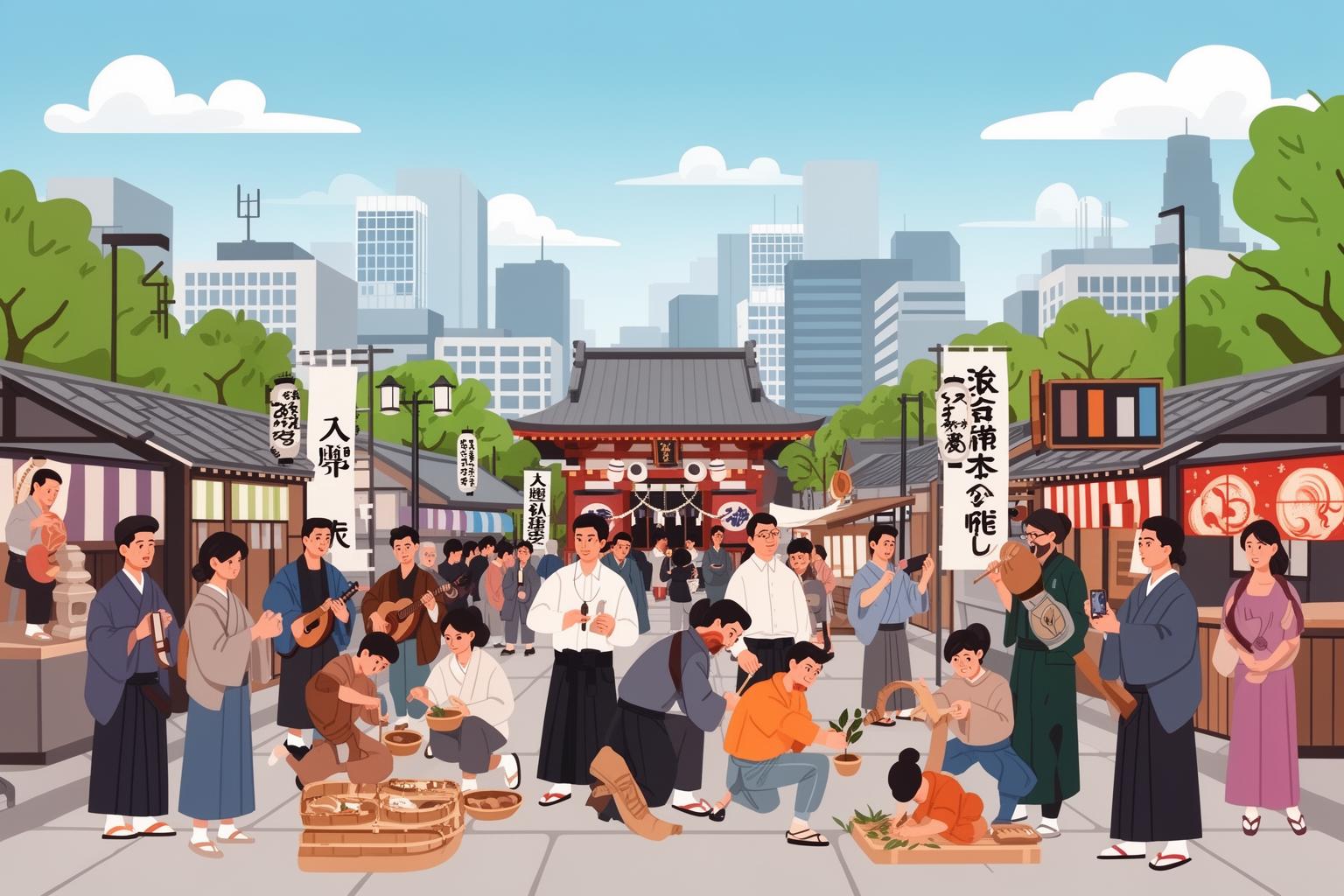
At the end of the night, hashigo-zake represents so much more than just alcohol. It offers a lens through which you can grasp the very essence of Osaka. The way people move, interact, and spend their money in these bustling alleys reveals the city’s history, values, and its distinctive approach to modern life. It serves as a lesson in economics, sociology, and the simple art of finding joy in everyday moments.
A City Built on Small Businesses
The whole culture of hashigo-zake is grounded in small, independent, owner-operated businesses. These are not polished corporate chains with standardized menus. Each tiny bar reflects its owner’s personality and passion. This preference for the local and the independent is a defining characteristic of Osaka. Historically, this was a city of merchants and craftspeople, not samurai and bureaucrats. There is a deep-rooted respect for entrepreneurship and a strong loyalty to local shopkeepers. By hopping from one small bar to another, you actively support this ecosystem and engage in a tradition that preserves the city’s unique spirit.
The Beauty of the Imperfect
Let’s be honest: Tenma is far from pristine. It can be smoky, loud, and a little grimy. Its charm lies in its authenticity, its raw and unfiltered energy. It hasn’t been polished for tourist appeal. This reflects a broader Osakan aesthetic that often values substance over style. Things don’t need to be perfect to be wonderful. The food must be delicious (umai) and the price has to be right (yasui). A wobbly stool or a faded sign are insignificant if the grilled chicken hearts are the best in the city. For anyone moving to Osaka, this is an essential lesson. It offers relief from the intense pressure for aesthetic perfection often found elsewhere in Japan. Osaka teaches you to appreciate the beauty of the real, the practical, and the joyfully imperfect.
A Fleeting Community
The most enchanting aspect of hashigo-zake is the sense of a temporary community you encounter. You become part of a moving celebration, sharing an experience with hundreds of strangers. During the twenty minutes you spend in one bar, you might share a laugh with the salaryman to your right and receive a tip on the next bar from the couple to your left. These are not deep friendships formed over a long night but transient connections, small sparks of human interaction that illuminate the evening. For a foreigner who might sometimes feel like an outsider, these moments are incredibly meaningful. They prove that you are not just living in the city, but that you are, for a time, of the city. Within the chaotic, warm, and welcoming world of an Osakan bar crawl, you learn that while you are one person in a crowd, you are never truly alone.